Matox News

Truth Over Trends, always!

“North Shields Rising: Transforming Rage into Community Strength”

Grassroots Movements Rekindling Faith in Community and Society

In today’s rapidly changing world, societal fractures are becoming more evident than ever, affecting families, education, and community cohesion. Despite these challenges, a rising tide of grassroots activism demonstrates that change is not only possible but essential. Organisations like Citizens UK are spearheading efforts that remind us of the power of collective action rooted in hope, compassion, and a shared sense of purpose. Their recent walk through North Shields, dubbed the “Walk of Hope,” exemplifies how local people—children, parents, teachers, and community organisers—are mobilising to confront social issues directly affecting their neighborhoods.

This movement emerges from an acknowledgement of social tensions fueled by economic disparities, immigration debates, and declining trust in democratic institutions. Sociologists like Robert Putnam have long highlighted how social capital—trust, networks, and civic engagement—can combat societal despair. Here, grassroots groups are rekindling that trust, building bridges between different communities, and creating tangible changes that uplift families.

The community’s efforts are far-reaching. For instance, local youth, such as Mish Sony, successfully engaged the authorities to address transportation affordability, ensuring students can attend school without the burden of costly fares. Such initiatives improve access to education, ultimately fostering better opportunities for future generations. Meanwhile, safety and cleanliness in public spaces, like Alexander Scott Park, have improved through community-led clean-up projects and meetings with local authorities, reaffirming that empowered citizens shape the environments they live in. These actions not only strengthen physical spaces but also nurture a sense of ownership, pride, and civic responsibility among families and children.

Addressing Underlying Divisions and Social Fractures

Yet, societal challenges extend beyond infrastructure. Recent incidents of racial tension and xenophobia, highlighted by local confrontations and graffiti, underscore the persistent demographic shifts and cultural tensions existing in places like North Shields. Economist and social critic, Dambisa Moyo, warns that these tensions stem from feelings of marginalization and lack of political voice—conditions that can spiral into confrontation if left unaddressed. For Father Chris Hughes, a religious leader active in the community, these conflicts are reflections of a deeper crisis: the erosion of faith in democracy’s ability to serve all equally. As he observes, “People are losing faith that democracy works. Unless we reimagine democracy and have people in their community at the heart, it worries me where it will lead.”

This sentiment resonates with the ambitions of community organisers, who stress that

  • inclusive dialogue
  • grassroots participation
  • listening to marginalized voices

are vital for peace and social cohesion. Their work demonstrates that fostering mutual understanding and addressing social grievances proactively can halt the cycle of division and hate. By involving youth, encouraging civic engagement, and creating spaces for dialogue, communities are cultivating resilience that can withstand social upheavals. These efforts evoke echoes of thinkers like Jane Jacobs, who believed vibrant, participatory urban life sustains social health and vitality.

Hope in Action: A Society Reimagined

In the end, the stories from North Shields reveal a societal truth: hope is not a passive feeling but an active force that springs from collective effort. When young people, families, and community leaders come together—whether reimagining public spaces, advocating for mental health, or confronting societal prejudices—they forge a resilient society committed to renewal. As they gather over tea and biscuits in community halls or rally through parks, they embody a quiet yet powerful revolution rooted in trust, empathy, and shared destiny. This resilience offers us a glimpse of society’s potential—a future where hope replaces despair, and community becomes the definitive answer to social fractures. In the end, societal transformation begins with the simple act of coming together, and in that unity, society’s greatest strength is revealed, offering a timeless reminder: no matter how cold the season, warmth and hope can be cultivated when hearts unite.”

Are Remote Teachers and AI Deepfakes the Future to Fix Education Gaps?

In today’s evolving educational landscape, the integration of artificial intelligence (AI) and deepfake technology into classrooms has sparked both hope and controversy. Schools across the UK are experimenting with innovative methods such as deepfake teachers and remote educators, aiming to address longstanding challenges like teacher shortages and the need for personalized learning. The government’s narrative emphasizes that AI holds the **power to transform education**, promising to lighten teachers’ administrative burdens and tailor instruction to individual student needs. However, beneath this veneer of progress lies a tapestry of social tensions, especially for families and communities who are grappling with the moral and ethical implications of machines replacing human connections in education.

At the heart of the debate are questions about societal values and the human element of learning. Critics, like mathematics teacher Emily Cooke, argue that teaching is more than delivering knowledge; it’s about fostering meaningful relationships, trust, and emotional support. She voices concern over initiatives such as a virtual maths teacher based 300 miles away, emphasizing that *the essence of mentorship and human interaction* cannot simply be replicated through screens or AI avatars. This contention touches on broader social issues, where the erosion of community and personal bonds in educational settings threatens the social fabric that sustains families and local neighborhoods. Historians have long observed that education is as much about social cohesion as it is about knowledge transfer, and the perceived depersonalization of learning raises fears of societal fragmentation.

Meanwhile, agencies like Great Schools Trust are pushing AI experiments further, aiming to make virtual assessments, feedback, and translations more accessible, especially for multilingual communities. Shane Ierston, the CEO, touts AI as a potential “leveller” that offers “personalized tuition” for every child. Yet, as Nicola Burrows—a parent and former educator—acknowledges, *bringing parents into the conversation and ensuring safety* is crucial. Parental skepticism remains high, with only a small fraction of the public willing to endorse widespread AI use in classrooms, reflecting deep-seated fears about privacy, safety, and the commodification of childhood. Sociologists highlight that adopting such technologies often exacerbates existing social divides, where technology becomes a tool for the privileged, leaving behind those in marginalized communities.

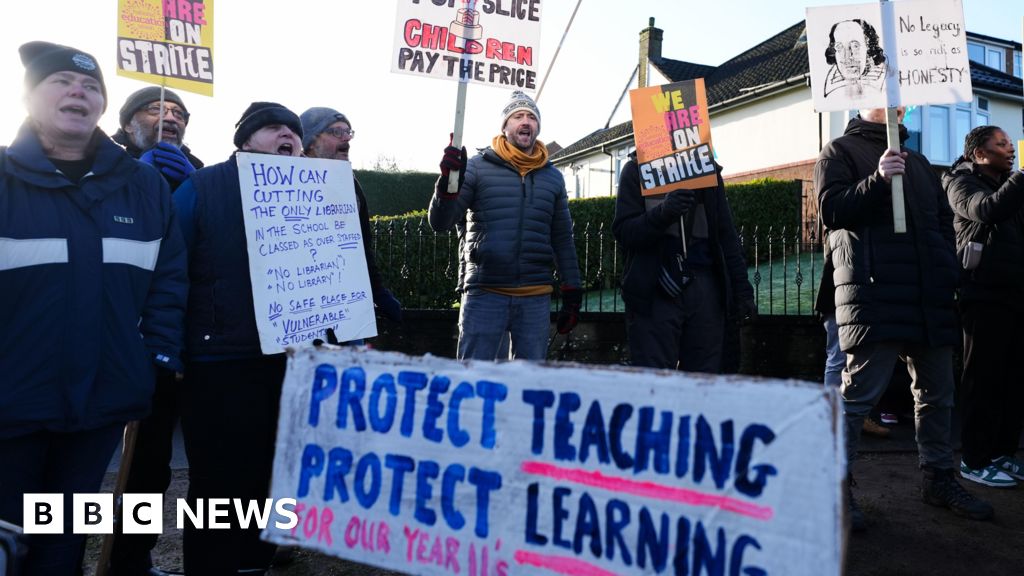
Furthermore, the move towards remote and AI-centered education fuels protests among educators and unions. Teachers at The Valley Leadership Academy have gone on strike over the deployment of a remote teacher, citing concerns about the loss of personal connection and the decline in educational quality. Mrs Cooke criticizes the approach as a misguided attempt to address staffing shortages, warning that “if we do not challenge this trend, it will spread and erode the profession’s core values.” The National Education Union (NEU) and other bodies advocate for safeguarding the human elements of teaching, emphasizing that education is fundamentally a moral act, rooted in empathy, mentorship, and community engagement. As society navigates these technological upheavals, the question remains: can society preserve the human spirit while embracing innovation? Or are we on the verge of a future where our children are educated by digital doubles, disconnected from the human roots that form the backbone of tradition and social stability?

Threshold: The Youth-Led Choir Raising Voices for Change — Watch Now

In an era marked by rapid technological advancement and shifting cultural mores, the human experience of death remains a profound societal challenge. Programs like Nickie and her Threshold Choir exemplify a compassionate response to the inevitability of mortality, reminding us that societal health is deeply intertwined with our capacity for empathy and collective support during life’s most vulnerable moments. These volunteer initiatives, composed of individuals who sing lullabies and comforting melodies, not only honor the dignity of those nearing the end of life but also serve as a mirror reflecting how well communities nurture their members even in hardship.

Their work underscores a cultural shift where conversations about death are often avoided or stigmatized in traditional family structures and educational settings. This avoidance fosters a taboo around mortality, leaving families and society ill-prepared to confront one of life’s most natural processes. Sociologists like Dr. James Hollis warn that such denial hampers emotional resilience and inhibits meaningful dialogue about what it means to live and die with dignity.

  • Families often find themselves unprepared for end-of-life decisions, leading to unnecessary suffering or conflict.
  • Educational institutions rarely incorporate death education, preventing young generations from developing healthier attitudes toward mortality.
  • Communities lacking structured support systems for the dying diminish the collective capacity for empathy and shared mourning.

This disconnect impacts the foundation of societal cohesion, as people retreat from facing mortality in a way that fosters understanding and compassion. Advocates argue that an authentic confrontation with death offers an opportunity for moral growth and societal healing, urging policymakers and educators to incorporate end-of-life literacy into their curricula and community programs.

Furthermore, the societal implications extend beyond individual families, shaping the very fabric of community well-being. When communities extend their care to the most vulnerable, they reinforce social bonds and demonstrate a collective moral ethos rooted in compassion and respect. Programs like the Threshold Choir exemplify how volunteer efforts can fill the gaps left by institutional shortcomings. Yet, these acts of kindness also highlight a broader societal need: the normalization of conversations about mortality, aging, and grief. Experts like sociologist bell hooks have emphasized that fostering environments where death is neither hidden nor feared allows communities to build resilience, reduce stigma, and uphold human dignity.

As society grapples with its cultural and moral boundaries, the stories of volunteers and families confronting death serve as poignant reminders of our shared humanity. In opening the door to honest conversations and compassionate care, society begins to restore a moral fabric frayed by neglect and avoidance. The challenge lies not just in caring for the dying but in transforming societal attitudes—embracing death as an integral, sacred part of the human journey. Perhaps, amid this ongoing tension, there exists hope: that through increased education, social support, and genuine community engagement, we can forge a future where every life, in its final chapter, is met with love and dignity — a testament to society’s true moral strength.

Councils handed £3bn to boost SEND school places and support our youth’s future

Shaping Society: The Ongoing Struggle for Inclusive Education and Community Cohesion

In an era marked by rapid demographic shifts and increasing social fragmentation, the fabric of our communities is being tested by the challenge of providing equitable education. The recent government announcement to invest £3 billion over the next three years aims to create 50,000 additional places for children with special educational needs and disabilities (SEND) within mainstream schools across England. This initiative reflects a recognition of the critical need to make education more inclusive, yet it also exposes the persistent gaps that leave families and communities in turmoil. Sociologists like Robert Putnam have long warned about the erosion of social capital, and the SEND crisis exemplifies how societal divisions are reinforced when resources are misallocated or buried in bureaucratic red tape.

Families navigating the SEND system often encounter profound difficulties—including long and arduous journeys to secure appropriate support. One mother, Laura Jerram, recounts her experience in trying to secure an Education, Health and Care Plan (EHCP) for her son Brendan, describing it as “a horrible journey.” This reality underscores how social inequalities translate into disparities in access to education, support, and ultimately, opportunity. As the NAHT school leaders’ union highlights, merely funding new buildings is insufficient without a parallel investment in trained teachers and specialists capable of supporting diverse learning needs. Educational institutions must prioritize human capital as much as infrastructure if they are to truly serve all students, especially those with complex needs.

Yet, systemic issues remain unresolved. The rise in legal disputes over SEND provision—25,000 appeals in 2024-2025—illustrates a fractured system where conflicts and frustrations simmer beneath the surface. The outcomes for students, despite increased investment, have not significantly improved, a troubling sign of superficial policy fixes that fail to address foundational inequities. Sociologists such as Pierre Bourdieu warn us how social class and cultural capital influence educational trajectories. When families with more resources and better advocacy skills can navigate this labyrinthine system more effectively, it perpetuates a cycle of inequality, leaving marginalized children to fall through the cracks.

At the community level, the physical and logistical challenges highlight the importance of localized, community-centered solutions. Councillor Amanda Hopgood emphasizes that building large SEND schools “in the middle of nowhere” fails to serve the community’s best interests, as it necessitates costly transportation and isolates children from their social networks. True social cohesion hinges on inclusivity in local settings where children grow up—where they learn, play, and build lifelong friendships. Education expert Dr. Michael Apple argues that equitable access isn’t just about space and resources but also about empowering communities to shape local policies that recognize their unique needs. As families struggle with the bureaucratic hurdles and costs of transportation, their sense of belonging diminishes, and social bonds weaken.

Toward a Society of Hope and Renewal

While the current landscape depicts a society grappling with its social and educational structure, it also holds within it the seed of hope. The stories of children like Brendan and families like Laura’s demonstrate resilience and the urgent need for meaningful reform. True societal progress will depend on our collective ability to recognize that social issues—inequality, systemic failure, social disconnection—are intertwined with the very fabric of our communities. As historian Eric Hobsbawm observed, history is a tale of struggles, setbacks, and eventual renewal. Society’s challenge now is to transform these struggles into opportunities for **a more inclusive, compassionate, and united future**.

Mossbourne School’s Impact Under Scrutiny: Some Students' Wellbeing at Risk
Mossbourne School’s Impact Under Scrutiny: Some Students’ Wellbeing at Risk

Success at a Cost: The Hidden Crisis in England’s High-Achieving Schools

In the vibrant neighborhoods of East London and the heart of Hackney, prestigious institutions like Mossbourne Victoria Park Academy (MVPA) have long celebrated remarkable academic results, exemplifying the nation’s educational ambitions. However, beneath this veneer of achievement lies a fractured cultural landscape where the wellbeing of vulnerable students is compromised in the pursuit of excellence. An independent safeguarding review has exposed troubling practices—shouting, public humiliation, unequal sanctions—that threaten the very fabric of community trust and family stability. This crisis underscores a disturbing trend: when schools prioritize discipline and academic performance over dignity and human rights, it is families and communities who bear the invisible scars.

The report reveals that these high standards have exacted a heavy toll on some of the most vulnerable pupils. Students with special educational needs and disabilities (Send) have been disproportionately sanctioned for behaviors linked to their conditions, creating a climate of fear that can haunt young minds long after they leave the classroom. Feelings of anxiety, shame, and trauma are amplified in environments where public reprimands overshadow empathy. Sociologists like Dr. Robert Putnam warn that social cohesion erodes when institutions foster a culture of control rooted in austerity rather than compassion. Families, especially those from underrepresented communities, are reporting difficulty in having their concerns acknowledged, further fueling societal divisions and distrust.

Among the most alarming findings are practices such as

  • routine shouting
  • public deskings for minor issues
  • disciplinary measures applied unfairly to pupils based on ethnicity or special needs

. These behaviors create what Jim Gamble, chair of the City & Hackney Safeguarding Children Partnership, describes as a “climate of fear” that stifles healthy development and erodes the moral fabric of educational environments. While MVPA’s academic reputation remains high, critics like historian Dr. David Gilman argue that such success, achieved through rigid and inflexible discipline systems, risks sacrificing the fundamental human dignity of students. As Sir Alan Wood, a prominent social commentator, remarks, “Success, but not for all, is merely a hollow victory if it is built on trauma.” Achieving excellence must mean fostering resilience and respect, not fear and compliance.”

Finally, the societal implications extend beyond school walls. The families affected report feeling ignored or silenced; some families even describe walking away from their parental rights in frustration, while teachers recount a culture where empathy is discouraged and blame prevails. Meanwhile, authorities like Hackney Council and the Department for Education recognize that this is a moment of crisis—an urgent call to re-evaluate not only disciplinary practices, but also the core values upon which society’s future depends. As the nation confronts this uncomfortable truth, the question remains: can we rebuild education rooted in respect, duty of care, and community trust? Or will we continue to allow the triumphs of test scores to conceal the scars of unchecked authority, leaving future generations to navigate the shadows of a divided society?

In the quiet moments of reflection, society faces the profound challenge: to ask whether our brightest institutions are truly illuminating the path to a humane and equitable future, or merely shining falsely on a broken foundation. As society’s caretakers and young changemakers look toward horizons filled with uncertainty, the hope persists—a hope that from the depths of this crisis can emerge a renewed commitment to truth, compassion, and genuine excellence.

Hundreds of youth hubs aimed at empowering Britain’s isolated youth, delivering hope and opportunity.

In recent years, the fabric of youth engagement and community building in England has been frayed by decades of austerity and neglect. Recognizing this, the government has announced a significant investment of £500 million over the next four years aimed at rejuvenating youth services—an initiative that signals acknowledgment of the critical role these spaces play in shaping the next generation. This funding promises the construction and refurbishment of 250 youth centres and the launch of 50 new Young Future hubs, designed as comprehensive sites where existing services can converge under one roof. The hope is to reinstate a sense of belonging and purpose for millions of young people wandering a landscape increasingly isolated and digitally disconnected, yet yearning for genuine community connection.

The social landscape for youth in England has shifted dramatically, with young people now spending more time online, often retreating into bedrooms rather than communal spaces. As Culture Secretary Lisa Nandy emphasized, these spaces are disappearing in various parts of the country, leaving youths vulnerable not only to physical isolation but also to digital solitude, which can foster loneliness and mental health challenges. Sociologists like Richard Sennett have long warned society that disconnected communities weaken social cohesion and undermine the moral fabric. The establishment of these hubs aims to counteract this, offering not just safe physical environments but also opportunities for face-to-face mentorship and connection with trusted adults. The initiative also aligns with the wider societal understanding that early intervention and community support are fundamental to preventing social problems before they take root.

The impact on families, education, and communities is profound. For families, these hubs can serve as a vital support network, providing guidance and a safe space amid socio-economic challenges. In educational terms, youth centres foster skills development, career guidance, and mental well-being initiatives that complement formal schooling. Communities stand to gain by re-establishing trusted communal spaces where youths can participate in constructive activities, thus reducing risks associated with antisocial behavior and fostering social responsibility. However, social commentators such as Rosie Ferguson OBE warn that “fifteen years of cuts have left deep scars,” making the current investment a necessary, but only preliminary step towards long-term societal healing. Much like the work of sociologists analyzing post-industrial cities, it is clear that **sustained commitment and holistic support** are essential for meaningful rehabilitation of collective social health.

As society stands at this crossroads, society’s collective narrative must evolve from viewing youth issues as mere policy challenges to recognizing them as a reflection of where future generations are headed. The government’s approach, while promising, faces both political and practical challenges: ensuring these centers are adequately staffed, accessible, and genuinely engaging for diverse communities. It also calls for a moral reflection on society’s obligation to nurture its most vulnerable—those who often bear the brunt of social neglect. As history shows, without robust investment and community-driven efforts, the risk is that the “disappearing spaces” will only deepen the divide. Yet, amid these challenges, the hope remains that society can transform these spaces of isolation into grounds of renewal—regenerating resilience, fostering hope, and reminding us that the future, after all, is built not just in policies but in the hearts and minds of its young people.

Students Opt Out of Mossbourne Federation Schools in Essex—What's Behind the Trend?
Students Opt Out of Mossbourne Federation Schools in Essex—What’s Behind the Trend?

The Impact of Educational Reforms on Families and Community Dynamics

In recent months, several communities have grappled with the tumultuous effects of a major shift in their local educational landscape. The takeover of two prominent secondary schools in Essex by the Mossbourne Federation, a highly structured and historically successful institution, has illuminated deep-seated tensions regarding educational philosophy, discipline policies, and community engagement. For many families, the upheaval signals more than administrative change; it threatens the delicate fabric of their daily lives, safety, and trust in the institutions designed to nurture future generations.

Initially lauded for decades of academic success in Hackney, the federation’s expansion into Essex promised continued excellence. However, sociologists such as Dr. Lisa Feldman and social commentators have observed that ‘strict discipline policies and rigid accountability structures often alienate families and marginalize students with additional needs’. Parents across Thurrock and Stanford-le-Hope are now voicing concerns that the schools’ new environment fosters fear and punitive practices rather than support and growth. The reported exodus of over 150 pupils since the transfer, along with accounts of inadequate communication and mishandling of individual needs, poignantly underscores how such social issues extend beyond the classroom and deeply impact family cohesion and community stability.

Social Tensions and Challenges Faced by Vulnerable Pupils

Particularly troubling are the stories of families of children with special educational needs. Becky, a mother from Stanford-le-Hope, recounts that her daughter, previously thriving, experienced support reductions under the federation’s new regime, leading to heightened anxiety and a sense of abandonment. This pattern aligns with broader concerns raised by social critics that ‘overemphasis on uniform discipline and control undermines the welfare of vulnerable students’. Likewise, Louise Butcher’s account of her son’s severe allergies being mishandled and subsequent disciplinary sanctions circulating a narrative where human health and dignity appear secondary to strict adherence to school policies.

  • Families report increased incidents of punitive measures for minor infractions, marginalizing pupils’ mental health and fostering a climate of fear.
  • Communication gaps between parents and school staff leave concerns unaddressed, creating mistrust and leading to home tutoring and withdrawal.
  • Special needs provisions are often reduced or inconsistently applied, threatening the inclusive ethos that schools should promote.

Experts have long warned that such rigid policy enforcement, especially when inadequately communicated or adapted, can exacerbate existing inequalities and fracture the vital relationship between families and educational institutions. Sociologist Dr. Margaret Stevens highlights that ‘schools, as societal microcosms, reflect and amplify broader social tensions, especially when disciplinary regimes overshadow human-centric approaches’.

Pathways Towards Societal and Educational Renewal

Despite the stark realities faced by many, there exists a hope for societal renewal rooted in community resilience, honest dialogue, and reform. The federation claims to be committed to addressing communication failures and improving individual support plans, yet the challenge remains: how can these institutions rebuild trust and ensure that families are supported, children are safe, and communities are restored? The answer hinges on adopting flexible, transparent, and human-centered policies that prioritize collective well-being over rigid control.

As historian Dr. Keith Miller notes, ‘True societal transformation requires humility and openness from those wielding authority, and a recognition that social stability is rooted not in uniformity but in diversity, compassion, and participation.’ The stories emerging from Essex serve as a poignant reminder that behind every statistic, every withdrawal, familial concern, and social tension is a human story waiting for compassion and understanding. Society’s enduring challenge—and its greatest hope—is to foster environments where social justice, moral integrity, and community cohesion can flourish from the ashes of discord, guiding society towards a future driven by shared purpose and renewed trust.

What’s an apprenticeship? How to land one—and what you can expect to earn?

Society in Transition: The Promise and Pitfalls of Modern Apprenticeships

As social dynamics evolve and economic pressures mount, the pursuit of meaningful employment pathways for youth has become a pressing societal concern. The government’s recent pledge to create 50,000 new apprenticeship opportunities aims to bridge the gap between education and employment—an effort rooted in traditional values of skill-building and self-reliance. This initiative reinforces the importance of community development, where families and local communities see tangible routes to economic stability. However, beneath this promising surface lie challenges that threaten to undermine the very fabric of those communities that the program seeks to support.

At the core of this social issue is the question of how these apprenticeships impact families and the education system. For many young people, apprenticeships represent a vital alternative to university—a route often dismissed as less prestigious but increasingly viewed as equally valuable. Yet, sociologist Dr. Anthony Giddens argued that social cohesion relies heavily on inclusivity; currently, programs like degree apprenticeships are less accessible to disadvantaged groups. As studies reveal, 10.7% of degree apprentices are classified as disadvantaged, a figure that, while seemingly small, exposes a broader pattern of inequality that mirrors societal stratification—where economic background often limits opportunity. Families from lower socioeconomic statuses grapple with the additional burdens of low-paid work, uncertain career prospects, and the stigma that sometimes accompanies vocational training.

From an educational standpoint, the dropout rate poses a significant hurdle. Despite the government’s support, less than 61% of apprentices complete their programs successfully. Critics argue this points to a systemic failure to provide adequate training, mentorship, and support—factors that social commentators like professor Michael Young have long identified as necessary for societal mobility. For families, these outcomes translate into frustration and, often, disillusionment. Meanwhile, young apprentices report that insufficient time for training, low wages, and poorly managed programs diminish their confidence and limit their future prospects. This cycle of underachievement and dropout threatens to reinforce existing inequalities, further dividing communities into those with stable, upward mobility and those left behind.

To address these issues, stakeholders propose a multifaceted approach, including increased funding, community engagement, and reform of apprenticeship structures. The government’s recent measures—such as covering the full cost of apprenticeships for under-25s and reducing minimum durations—are steps in the right direction. Yet, the challenge remains: ensuring these opportunities are inclusive and sustainable. Addressing barriers like low pay, lack of availability, and limited awareness is essential. As historian Dr. David Starkey emphasizes, society’s strength depends on “a shared sense of purpose and opportunity,” which cannot be achieved without equitable access to development programs that serve all communities, especially the most vulnerable. Family resilience and community empowerment hinge on creating pathways where talent and ambition are not stifled by economic hardship.

As society stands at this crossroads, the question persists: can the collective effort to reshape apprenticeships forge a society where opportunity is a universal currency, not an exclusive privilege? The hopes of countless families—aspiring to provide better futures for their children—rest on whether these policies translate into real change. Society’s true strength lies hidden in the faces of young apprentices who, despite unmet challenges, still believe in the promise of renewal. As history suggests, transformation is possible when dedicated communities, informed by shared values, come together to nurture the potential that lies within every young person. Society’s greatest challenge remains not just in policy but in fostering a collective moral commitment to remove barriers, ensuring that every individual, regardless of background, can write their own story of hope and achievement.

Ofsted’s school shakeup threatens to create more issues for students and families

Society in Flux: The Impact of Education Reform and Social Tensions

In recent months, the landscape of education in England has become a battleground of social issues that profoundly affect families, communities, and the future of society itself. The longstanding Ofsted inspection system, introduced over three decades ago, was once viewed as a cornerstone of accountability, essential for maintaining a baseline of educational quality. However, the tragic death of Ruth Perry, a primary school head teacher whose mental health was reportedly overwhelmed by the pressures of a downgrading inspection, has cast a shadow over the entire approach. Her story symbolizes a broader concern: are the current methods of school evaluation neglecting the well-being of educators and students alike, ultimately threatening the moral fabric of our communities?

This incident has ignited a wave of debate among educators, parents, and social commentators over whether reforms are truly addressing the root issues or merely conducting superficial “tinkering” with the system. The new ‘traffic light’ grading method aims to provide more nuanced insights into school performance, recognizing strengths and contextual challenges like poverty or student welfare. Yet, skeptics warn that increasing the complexity of ratings and expanding inspection areas may inadvertently exacerbate the stress faced by staff and pupils, rather than alleviating it. The National Association of Head Teachers has already announced plans to ballot on strike action, highlighting the deep divide over whether such reforms are genuine advances or superficial fixes.

At the heart of this turmoil lie families whose children’s futures are impacted by these social tensions, and communities grappling with division over how best to measure success. According to sociologists like Michael Apple, the education system should serve as a vital instrument for fostering social cohesion and opportunity; instead, it often reflects wider societal disparities. For disadvantaged and vulnerable populations, the controversy around school ratings isn’t just about school quality—it touches on equity, access, and the social mobility that determines fair chances for all children. As educators and parents look to the future, the questions persist: How can we rebuild trust? How do we ensure that the wellbeing of staff and the moral integrity of our institutions are safeguarded amidst this upheaval?

Historical sociologists have long observed that social tensions surrounding education mirror the broader struggles of society—whether it’s class divisions, economic disparity, or cultural change. Today’s debate reminds us that our societal resilience depends on listening to those on the front lines: teachers, students, and parents. The hope remains that, through honest dialogue, meaningful reforms can transcend superficial measures to build a society where education nurtures not just academic achievement, but the moral and emotional wellbeing of future generations. Society, like a classroom, is a work in progress—a collective endeavor. As we stand at this crossroads, perhaps the true measure of our society’s strength will be in our ability to adapt with compassion and resolve, turning tragedy into hope and division into unity. The challenge is great, but the potential for renewal, resilient and rooted in our shared values, remains within our grasp.

Old school site set to boost Send pupils with new satellite campus

Reimagining Community Support for Children with Special Educational Needs

In a quiet corner of Wiltshire, a shift is underway that highlights the profound intersection of social issues, public policy, and the future of families and educational communities. Wiltshire Council has proposed transforming the historic Calder House Independent School, near Colerne, into the Northwood Centre, a satellite campus dedicated to serving children with special educational needs and disabilities (Send). This initiative aims to address a pressing societal challenge: providing quality, localized education for vulnerable children who often find themselves marginalized by an education system strained by economic constraints. The plan, which involves a £1.27 million annual budget for 50 high-need placements, seeks to serve as an alternative to more expensive independent specialist schools that can cost upwards of £62,000 per child annually.

While this initiative is widely praised for its cost-efficiency and community-centered approach, it also underscores broader issues affecting families, schools, and local communities. The sociologist Dr. Margaret Harris notes that the increasing reliance on centralized, often distant, specialist placements can foster feelings of alienation among families who would prefer their children to grow and learn close to home. The debate centers around whether community-led solutions can truly meet the complex needs of Send students without sacrificing quality of care or educational standards. The challenge is ensuring that local institutions are adequately funded, staffed, and equipped to serve a diverse spectrum of needs—an issue that reflects larger societal trends of underinvestment and bureaucratic priorities that often overlook the human element of education.

The Social Fabric of Education and Its Discontents

diminish the shallow comfort of cost-cutting measures and instead confront the moral and ethical responsibilities our society bears toward its most vulnerable members. For families affected by Send, the prospect of children being placed outside their local communities can create deep emotional and logistical strains. As charity CEO Philip Tansley emphasizes, although Wiltshire’s efforts are commendable, “there is still room for improvement” in delivering comprehensive post-educational support. This ongoing tension between fiscal prudence and moral duty fuels debates around how to build a resilient, inclusive society, where every child—regardless of their needs—can access a nurturing environment that fosters both independence and belonging. Sociologists like David G. Smith argue that true social progress hinges on empowering local communities to take ownership of their educational solutions, rather than relying solely on external institutions distant from the daily realities of families.

Moreover, the societal impact extends beyond immediate costs and facilities; it shapes perceptions of social cohesion, equity, and shared responsibility. When communities invest in inclusive education, they reinforce the moral fabric that binds society together. Conversely, *failing to support Send students adequately* risks fostering social divisions and a sense of neglect. As the social historian Dr. Anne Lewis notes, how we care for our most vulnerable reflects the moral integrity of our society. Ensuring local, high-quality educational provisions for children with Send is not simply a logistical issue; it is a moral imperative that speaks to the kind of society we aspire to become—one that values every child’s right to inclusion, understanding, and hope for a brighter future.

Hope Amidst Challenges: The Path Forward

Ultimately, society faces a pivotal question: Will we prioritize short-term savings over long-term social cohesion? The attempt to bolster local Send services in Wiltshire is, in many ways, a microcosm for a broader societal challenge—balancing fiscal responsibility with moral obligation. Transformative change requires more than infrastructure and funding; it calls for a cultural shift—a recognition that every child’s educational journey is a testament to collective human values. As society grapples with this balancing act, the hope remains that these efforts—grounded in community, compassion, and a sense of shared purpose—will inspire a new chapter where families, schools, and communities unite to forge a future that leaves no one behind. In the end, the society we choose to build will reflect the dignity we accord to our children and the moral strength of our shared humanity.

Social Media Auto Publish Powered By : XYZScripts.com