Matox News

Truth Over Trends, always!

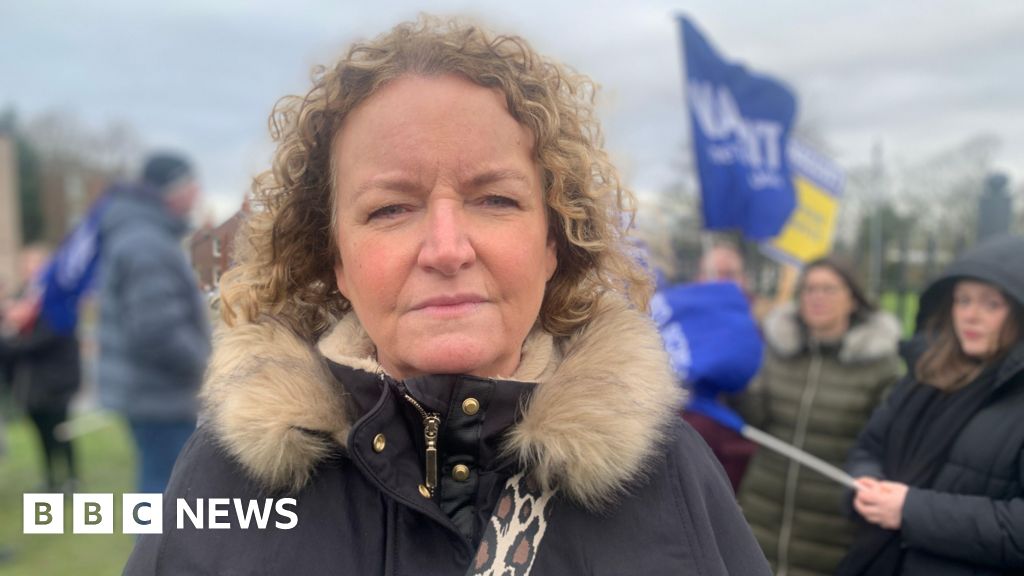
Teacher claims students locked her in — a sign of youth defiance?

Teacher Strikes Highlight Growing Challenges in Greater Manchester Schools

Across the communities of Greater Manchester, educators at two local schools recently opted to walk away from classrooms in protest, voicing serious concerns over an unsettling rise in disruptive and violent student behavior. This protest, while framed as a matter of teacher safety, underscores broader social issues—challenging families, the education system, and the very fabric of local communities. As the backbone of society, teachers are increasingly voicing fears that the environments in which children are being raised are affecting their discipline and capacity to learn.

The claims from these educators point to a dire trend: a tangible increase in violent incidents and indiscipline in schools, which they argue is rooted in wider societal shifts. Sociologists such as Dr. Robert Putnam have noted that the erosion of strong community bonds and family stability often correlates with escalating youth unrest. Families are the first socialization unit, yet many are now facing economic hardship, social dislocation, and a breakdown in traditional values, which, in turn, manifests in the classroom as behavioral issues.

The impact on families, education, and communities is profound. When teachers feel unsafe or overwhelmed, the ripple effects threaten to destabilize entire educational environments, diminishing learning outcomes and fostering a climate of frustration. For children, especially those from vulnerable backgrounds, the classroom should be a refuge and a place of growth—not a battleground. But societal neglect and shifting cultural norms have created a situation where many young students lack the guidance and discipline that once helped shape responsible citizens. As historian Dr. Samuel P. Huntington observed, societal cohesion ultimately depends on shared norms and values, which are now fragmenting among younger generations.

Addressing this crisis necessitates a comprehensive approach, including reforms in family support systems, youth services, and school policies.

  • Investing in community-centered programs that strengthen family units and promote moral responsibility.
  • Implementing targeted interventions to support at-risk youth before problems escalate into violence or disciplinary issues.
  • Fostering a renewed respect for authority and discipline within educational environments, without compromising the dignity of students.

Yet, as these social challenges mount, there remains a lingering hope—an enduring belief in the potential for communities to reclaim their cohesion and restore traditional values that foster respect and responsibility. Perhaps the most profound lesson lies in understanding that schools are reflections of society at large. When families are empowered, and communities unite around shared cultural principles, the cycle of chaos can be broken. Society’s resilience hinges on recognizing that the future of our children and the strength of our communities depend fundamentally on restoring the moral compass that binds us all together. While the path ahead may be fraught with difficulty, it is also illuminated by the hope that concerted effort can turn this tide, transforming social fragmentation into a foundation for genuine societal renewal.


Labour MPs demand quick fix for broken student loan system

Parliament Addresses Growing Concerns Over Predatory Lending Practices

In recent parliamentary debates, Members of Parliament (MPs) have expressed mounting concern over what they describe as “rip-off” interest rates and unjust changes to repayment terms that are affecting countless families across the nation. Such financial practices, often criticized as exploitative, threaten to widen existing social divides, placing a disproportionate burden on working-class communities and young families. The conversations reflect a broader societal reckoning about the ethics of lending and the role of financial institutions in safeguarding social cohesion.

Historical patterns show that indebtedness, when left unchecked, can destabilize families and undermine community trust. Sociologists like Dr. Lisa Cohen argue that predatory lending not only exploits economic vulnerabilities but also perpetuates cycles of poverty and social marginalization. With interest rates that often surpass legitimate risk assessments, families find themselves trapped in debt spirals, unable to escape the burdens imposed by unfair lending practices. The ripple effects extend beyond individual borrowers, impacting local schools, community health, and long-term economic stability.

The Impact on Families and Education

Families subjected to inflated interest rates and sudden changes to repayment schedules experience a direct hit to their household stability. It is not uncommon for parents to struggle just to keep up with mortgage or consumer debt, often sacrificing investments in education for their children. Children’s access to quality education suffers when families face financial insecurity, with some schools witnessing higher dropout rates, especially in underprivileged neighborhoods. Experts highlight that these patterns threaten to entrench inequality, as economic hardship in the home correlates strongly with diminished educational outcomes.

  • The increasing debt burden can lead to poorer health outcomes as families deprioritize preventative care or mental health support, compounding societal inequalities.
  • Educational disparities widen when youth are unable to afford after-school programs, tutoring, or even basic supplies, creating a cycle of disengagement from societal participation.
  • Financial instability affects not only individual households but erodes the very fabric of community resilience.

Social Tensions and Calls for Reform

In response to these challenges, social commentators and civic leaders advocate for stronger regulatory oversight. Many believe that financial institutions should be held accountable for transparent lending practices and fair interest rates. The ongoing debate emphasizes the need for reforms that prioritize socioeconomic fairness, ensuring that the most vulnerable are protected from exploitation without undermining the integrity of the financial system. As Dr. Michael Andrews, a noted social historian, points out, “A society that tolerates such disparities risks losing its moral compass.”

The proposed solutions include establishing caps on interest rates, enhancing borrower protections, and increasing public awareness of financial literacy. Moreover, some call for community-based alternatives to traditional banking that serve as a counterbalance to predatory lenders. These initiatives are seen as crucial steps toward fostering a society where opportunity is not just available to the privileged but accessible to all.

A Society at a Crossroads

As these social issues continue to unfold, it becomes clear that the fabric of society is under strain, challenged by economic disparity and cultural shifts that threaten to fracture social bonds. The stories of families struggling under debt load are not isolated — they are emblematic of a larger moral question: How do we define fairness and responsibility in our economic system?

While the challenges are formidable, history suggests that meaningful change often begins with community awareness and collective action. The hope resides in a society willing to confront uncomfortable truths, where reform is driven by a shared moral compass. In this landscape of social tension and possibility, the future hinges on our commitment to fairness, the protection of family stability, and the nurturing of resilient communities capable of transforming adversity into collective strength. Here, society’s ultimate challenge—and its greatest hope—lies in ensuring that compassion guides fiscal policy, and that all voices, especially those silenced by debt and inequality, find their rightful place at the table.

Private schools lose fight against VAT hikes, fueling debate on society's priorities
Private schools lose fight against VAT hikes, fueling debate on society’s priorities

Private Schools’ Challenge to VAT Removal Sparks Broader Social Debate

In recent developments, a coalition of low-fee private schools has actively contested the government’s decision to eliminate the VAT exemption previously granted to them. This move not only affects the financial sustainability of these institutions but also underscores the larger societal debates surrounding access to quality education and the widening economic divide within communities. As education remains a fundamental pillar of societal progress, the repercussions of policy decisions resonate beyond school walls, impacting families and shaping communities’ futures.

The removal of VAT exemption has ignited protests and legal challenges from private school advocates who argue that it threatens the affordability of education for many families. These schools, often providing an alternative to overstretched public education systems, serve a significant demographic that relies on manageable tuition fees. By imposing VAT, critics contend that the government risks exacerbating inequalities within society, especially for lower-income families who see private schooling as a crucial pathway for social mobility. Sociologist Dr. Laura Higgins emphasizes that such policies directly influence families’ access to education, ultimately affecting children’s prospects and social integration.

Historically, education has been viewed as a cornerstone of social cohesion, yet policy decisions like these *can threaten the fabric of community life if they favor those with more economic privilege*. From a social perspective, the challenge lies in balancing fiscal responsibility with ethical imperatives to foster equity and opportunity. The debate also raises questions about how societal values are reflected in policy. According to social critic Matthew Crowley, an increase in the cost of private education risks creating a divided society where the social mobility of lower-income families is compromised, with long-term ramifications for community stability and cohesion.

As the controversy unfolds, policymakers face the difficult task of considering the broader social consequences of their decisions. Advocates for inclusive education argue that public resources should be directed towards strengthening state institutions, yet they acknowledge that a diverse educational landscape can promote healthy competition and innovation. This dilemma touches on fundamental social issues—how societies value education, how they address inequality, and how they uphold the human dignity of all children. If the current trajectory continues, families may find themselves caught in a cycle of escalating costs and limited opportunities—undermining the very ideals of a fair and just society.

In reflecting on these social tensions, one is reminded of the words of societal reformer George Bernard Shaw, who once said, “Progress is impossible without change, and those who cannot change their minds cannot change anything.” As communities grapple with the challenge of ensuring equitable access to education, there is a vital hope that society can adapt—creating policies rooted in human rights, moral responsibility, and community solidarity. The path forward demands dialogue, compassion, and a relentless commitment to the transformative power of education—not just for individual success, but for the moral fabric of our society. Only then can society truly stand resilient against the forces that threaten to divide us, guiding future generations toward a shared destiny of opportunity and hope.

Target drops synthetic dyes from breakfast cereals to protect our kids’ health

In recent developments reflecting a broader societal push towards healthier living, the retail giant Target announced it will phase out certified synthetic food colors from its cereal products by the end of May. This move, ostensibly driven by consumer demand for more natural options, also aligns with a mounting cultural shift prioritizing health and safety in food consumption. The decision emerges amidst increased pressure from the administration and various advocacy groups to scrutinize ingredients such as petroleum-based dyes—substances long scrutinized for their potential links to hyperactivity in children and other health concerns. This policy shift not only impacts families, who are increasingly conscious of what they feed their children, but also signals a societal reckoning with longstanding industrial practices.

Throughout history, food industry practices have often been challenged by public health debates and social movements. From early efforts in the 20th century to eliminate harmful additives to recent campaigns for clearer labeling, society’s stance on food safety reflects both scientific understanding and cultural values. Today, demographic changes and cultural tensions influence how communities view artificial ingredients, especially among younger generations who prioritize authenticity and transparency. Renowned sociologists like Nathaniel Phillips have argued that such consumer demands are reshaping how corporations perceive their social license to operate. The move by Target—though superficially a business decision—serves as a social marker, indicating a societal trend toward greater accountability for what is marketed to families and children.

However, the road to reform remains fraught with challenges. While some states, like West Virginia, have already enacted bans on synthetic dyes, the industry’s response oscillates between compliance and reversal, often influenced by consumer backlash and economic considerations. Leading companies such as General Mills and Kraft Heinz pledge to eliminate artificial colors by next year, yet critics like food reform advocates warn that these promises are often superficial, subject to change in response to sales metrics and regulatory laxity. The recent revision by the Food and Drug Administration—which allowed companies to claim “no artificial colors” if dyes are non-petroleum-based—has been met with skepticism. Social commentators like Marion Nestle have pointed out that these measures might be more about corporate image than substantive health protections. Ultimately, the societal battle over food dyes exposes a deeper tension: the conflict between industrial profit motives and the public’s right to safe, transparent food.

As communities grapple with these complex social issues, families stand at the crossroads of cultural values, economic realities, and health concerns. It is a reflection of society’s ongoing challenge to balance progress with responsibility—acknowledging that true societal transformation requires more than shiny promises and superficial policy changes. It demands a collective moral awakening, recognizing that the choices made today about what we eat are intertwined with the future of our families, our communities, and our shared integrity. In this moment of flux, society holds the hope that amid the noise of corporate interests and political pressures, the moral compass of a nation may yet steer us toward a healthier, more transparent future—one where the innocence of childhood is protected not just by laws, but by a societal will to value human well-being above fleeting profits.

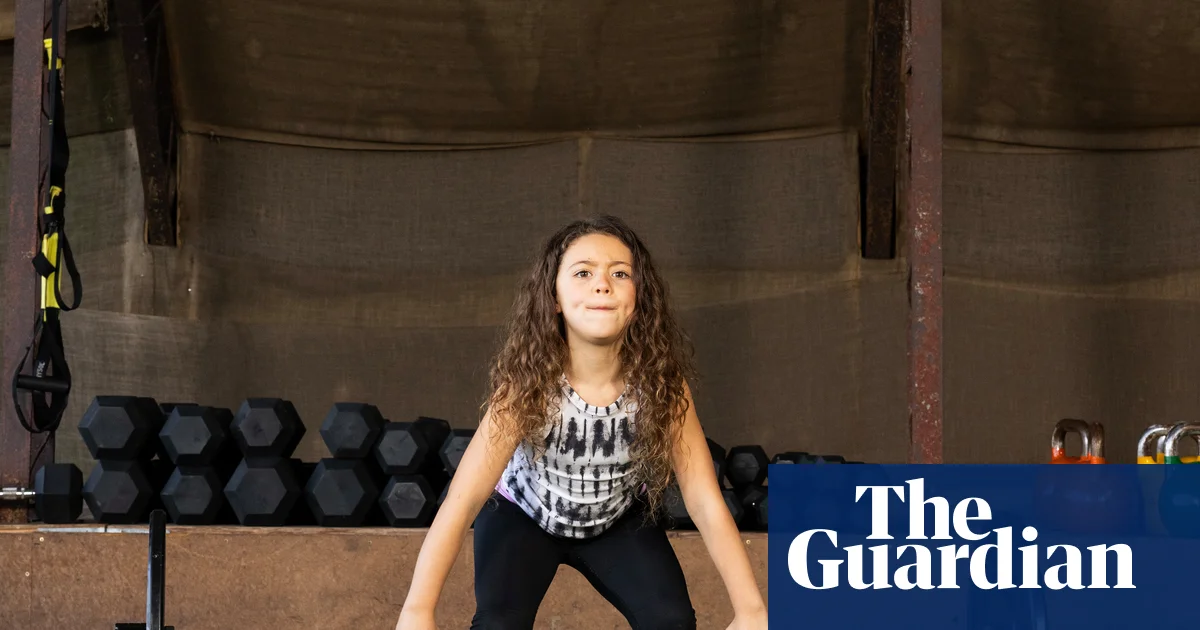
Kids hitting the gym: empowering the next generation to stay strong and healthy

The New Wave of Youth Strength Training: Reshaping Society’s Views on Childhood Fitness

In recent years, a cultural shift has emerged around childhood physical activity, driven by a growing recognition of the benefits of strength training for children and adolescents. Historically, societal wisdom warned against young children engaging in resistance exercises, fearing it could stunt growth or cause injury. However, contemporary research, endorsed by sociologists and medical professionals, challenges these outdated notions, emphasizing that appropriately supervised strength training can foster long-term health, resilience, and even improved social-emotional development within families and communities. This development isn’t just about physical fitness; it reflects a broader transformation in how society perceives youth, strength, and wellbeing.

Families across the socio-economic spectrum are now integrating strength training into their routines. Parents like Eve Stevenson, a former weightlifting champion and personal trainer, are demonstrating that early engagement in resistance exercises cultivates a sense of empowerment and resilience. Despite opposition from some critics who argue that such activities may be unsafe or unnatural for young children, experts like Jon Oliver of Cardiff Metropolitan University clarify that these practices, when supervised by qualified professionals, align closely with national guidelines and scientific consensus. The social impact of these shifts extends beyond individual families, challenging communities to rethink early childhood physical development and the values embedded within youth sports and recreation.

This movement is also fueled by media, with popular shows like Gladiators reborn on screens and captivating young audiences. Such cultural icons reinforce the idea that strength is a virtue accessible to all ages, not just elite athletes. It fosters a narrative where strength training becomes normalized as a wholesome activity, creating social spaces where families bond through shared activity, challenge stereotypes, and build community resilience. Sociologists note that this evolution is shaping a generation that values physical robustness not for aesthetic perfection but as a cornerstone of mental grit and societal contribution.

Despite the positive prospects, challenges remain. Critics voice concerns over early specialization, injuries, and the pressure to excel prematurely, echoing advice to promote broad motor skill development and fun over performance. Nonetheless, the emphasis on safety, proper technique, and fun—endorsed by experts like Morris—aims to ensure these activities bolster families’ social fabric. As larger societal issues such as youth mental health, body image, and social cohesion continue to loom, the focus on inclusive, supervised strength training offers a hopeful pathway. It is an invitation for communities to nurture strength—both physical and moral—and to reimagine childhood as a time of building resilience rather than compliance.

In the end, society stands at a crossroads, balancing tradition with innovation, fear with hope. When families like Stevenson’s or Hawkins’ foster environments where children see fitness as a normal part of life—an outlet for stress, a source of pride—they are sowing seeds of a society that values strength not just for appearance, but for character. As their stories unfold, they remind us that the most profound strength lies in the courage to redefine what childhood and community can be—built on the unshakable foundation of resilience, hope, and the relentless pursuit of a healthier society.

Vegetarian Diets Offer Youth a Stronger Defense Against Cancer Risks

The Growing Conversation on Diet and Its Societal Impact

Recent landmark research has revealed that dietary choices significantly influence the health of individuals and, consequently, the well-being of entire communities. The study, encompassing over 1.8 million people across various nations, underscores a complex relationship between lifestyle, societal structure, and public health outcomes. Specifically, vegetarians exhibit a notably lower risk of five common cancers, such as pancreatic, prostate, breast, kidney, and multiple myeloma, which collectively account for a substantial portion of cancer mortality. The implications of these findings extend beyond individual health, touching on the fabric of families and the future of societal healthcare systems. As Dr. Aurora Pérez-Cornago from the University of Oxford highlights, “This study is really good news for those who follow a vegetarian diet because they have a lower risk of five cancer types, some of which are very prevalent in the population.”

However, the research also sheds light on critical social tensions and nutritional gaps within specific communities. Vegetarians and vegans face increased exposure to certain risks, such as a nearly doubled likelihood of developing the most prevalent type of esophageal cancer, known as squamous cell carcinoma. This finding raises questions about how dietary restrictions and choices can inadvertently create vulnerabilities within vulnerable populations. Furthermore, vegans, despite their health benefits, show a 40% higher risk of bowel cancer, often attributed to lower calcium and nutrient intake. These findings reveal an urgent need for comprehensive nutritional education and accessible food options to prevent further health disparities in our society. As sociologists like Dr. Samuel Green argue, “Diet is not just a personal choice; it’s a social determinant that influences community health and social equity.”

Families and Education: Bridging the Nutritional Divide

Social issues surrounding diet have profound effects on families and educational institutions. In many communities, access to balanced nutrition is hindered by economic disparities, cultural norms, and misinformation. Schools often serve as battlegrounds for these debates, striving to provide meals that are both nutritious and culturally sensitive but facing challenges due to budget constraints and conflicting dietary trends. The study’s results emphasize the importance of fostering an environment where youth can learn about sustainable, nutrient-rich diets that minimize health risks. Educators and community leaders must work together to promote dietary literacy, ensuring that children and their families can make informed choices that safeguard their health without falling victim to industry-driven misinformation or affordability issues.

The societal challenge lies in addressing these disparities while respecting individual cultural identities. As historian Dr. Abigail Rivera notes, “Our collective future depends on creating inclusive, supportive frameworks that empower families to nurture healthier lifestyles. This involves reforming educational curricula and community programs to prioritize nutritional equity and cultural sensitivity.” The goal is to bridge the gap between knowledge and access, transforming societal attitudes towards diet in a way that strengthens community resilience and fosters long-term health outcomes.

Reflections on Society’s Challenges and the Path Forward

Within the broader context of social transformation, this research prompts a moral reflection on how society values health, nutrition, and collective well-being. As sociologists and social commentators deliberate on these findings, a common theme emerges: the necessity of reimagining our social infrastructure to better support informed, healthier choices. While the study highlights the protective effects of plant-based diets against many cancers, it also signals the importance of ensuring these diets are nutritionally complete. This entails charting a balanced approach that considers how societal trends—such as the rise of ultra-processed foods and vegan products—impact community health. Such efforts must be rooted in education, accessible nutrition, and community engagement, forging pathways toward a society where health equity is not an aspiration but a living reality.

As society stands at this crossroads, the challenge is to transform knowledge into action—supporting families, empowering youth, and reconstructing social systems that nurture well-being. The future calls for resilience, compassion, and informed leadership. In this ongoing story of societal evolution, the hope remains that through collective effort, we can construct communities where health is a shared promise and a foundation for a better tomorrow. Amid the societal upheaval, the enduring human spirit seeks to turn awareness into positive change, forging a society where every individual can thrive in harmony with their community and environment.

Instagram Now Warns Parents When Teens Search for Self-Harm Content

Social Media’s Hidden Toll: A Growing Crisis for Youth and Society

The digital age has transformed the way communities, families, and institutions interact with the youngest members of society. While social media platforms like Instagram offer unprecedented opportunities for connection, they also pose profound risks that are increasingly difficult to ignore. According to Ged Flynn, chief executive of the charity Papyrus Prevention of Young Suicide, despite recent statements by Meta praising their efforts to address harmful content, the core issue remains unaddressed: young people are continuously drawn into a dark and potentially destructive online environment. This concern strikes at the heart of our society, highlighting the pressing need for a critical reevaluation of how digital spaces influence mental health, social cohesion, and educational development.

At the intersection of social issues and technological advancement, our families and communities find themselves navigating a complex landscape. Sociologists have long debated the impact of digital culture on interpersonal relationships. Today, an increasing body of evidence suggests that the unregulated exposure to harmful online content can deepen feelings of isolation, depression, and anxiety among youth. This phenomenon strains families by complicating their roles as moral guides and emotional anchors, especially when children encounter damaging influences beyond parental oversight. Schools and educators, meanwhile, are grappling with a new reality in which students are affected by social media-driven pressures—ranging from cyberbullying to distorted standards of beauty and success—corroding the foundational values of self-worth and resilience.

Historians and social commentators have observed that society’s cultural shifts—particularly the erosion of local community bonds and shared moral frameworks—have created a fertile ground for the proliferation of online dangers. As social cohesion weakens, digital platforms often serve as both refuge and threat, complicating the social fabric that binds generations. According to social critic Douglas Murray, the unchecked dominance of these platforms is fostering a culture of superficiality and detachment, which hampers community-building efforts and perpetuates social fragmentation. These issues extend into our institutions, where mental health services are overwhelmed and resources are stretched thin, leaving vulnerable youth without adequate support in times of crisis.

  • Despite efforts by corporations to implement safety measures, children and teenagers remain exposed to harmful content that can influence their development negatively
  • The rise in youth mental health issues, including depression and suicide rates, correlates strongly with increased social media usage
  • Parents, teachers, and community leaders are calling for more stringent regulations and educational programs to counteract the digital threats
  • Proposed solutions include fostering digital literacy from an early age, promoting offline community engagement, and strengthening mental health support systems

The challenge today lies in balancing technological innovation with ethical responsibility. It is undeniable that social platforms have the power to build communities and spread knowledge; however, as Flynn indicates, they also neglect the deeper societal issues—namely, how their unchecked growth is contributing to a crisis of mental health among our youth. To restore stability and hope within families and communities, a societal shift is required—one that emphasizes personal responsibility, moral education, and robust community networks. Education systems must adapt to teach young people resilience and discernment in the digital age, while families need practical support to nurture healthy online habits.

Looking toward the future, society faces a critical juncture. Will we allow digital shadows to overshadow the moral fabric of our communities, or will we forge a new path—one grounded in shared responsibility and unwavering hope? As we contemplate the profound implications of our technological choices, it becomes clear that the true solution lies not solely in regulation or corporate accountability, but in rekindling the moral backbone of society itself. In doing so, we may yet craft a future where families, schools, and communities stand united—guardians of a society resilient enough to withstand the digital storm and foster genuine human connection.

Emergency Alerts Upgrade: Smartphones Will Sound Sirens for Major Disasters, Keeping Aussies Ready

Australia’s New Emergency Alert System: Society at a Crossroads

As Australia faces increasingly severe natural disasters influenced by *climate change*, the nation is undertaking a significant overhaul of its emergency communication infrastructure. The federal government is launching the ambitious AusAlert system, a $132 million project designed to replace the outdated state-based text messaging alerts. This technological shift aims to provide more precise, intrusive, and timely warnings that could be the difference between life and death during bushfires, floods, or other emergencies. The rollout, starting with comprehensive community trials in June and a national test scheduled for July 2026, reflects a broader societal effort to adapt to the *changing environmental landscape*, though it also raises questions about privacy, individual rights, and the impact on daily life.

Unlike traditional text alerts, AusAlert will appear directly on the home screens of smartphones within specific geographic zones, with the capability to target down to individual streets. When a high-level threat occurs, the alert will be delivered with a loud, intrusive tone that compels immediate attention. This approach underscores a societal shift towards prioritizing safety over personal convenience; however, it also prompts concerns about constant surveillance and the normalization of government intrusion in everyday life. Such measures may solidify a social fabric where communities are conditioned to accept intrusive technology as a routine part of emergency preparedness.

This initiative highlights how social issues permeate family dynamics, local communities, and educational environments. For families, especially those with young children or vulnerable members, quick access to accurate information can be lifesaving. Yet, it also introduces new challenges: the potential for false alarms, technological failures, or privacy breaches could undermine public trust. From an academic perspective, sociologists such as Timothy Mitchell have warned about the dangers of over-reliance on surveillance-based systems that, while intended for protection, may inadvertently erode societal privacy and autonomy. The implementation of AusAlert exemplifies a societal tension—balancing the need for security with the preservation of individual liberties.

  • Key facts include the system’s capability to deliver alerts for durations between 10 minutes and 24 hours, affecting an estimated 23 million smartphones, with plans for extensive testing across varied communities.
  • Opt-out options are limited to lower-priority alerts, reinforcing the government’s emphasis on proactive safety measures rather than individual choice.
  • Further concerns involve the integration of AusAlert with other personal devices such as smartwatches, cars, and home automation systems, raising questions about data collection and societal acceptance of pervasive monitoring.

Historically, societal responses to such technological interventions have been mixed. While some view these systems as essential advancements—similar to the revolutionary public health campaigns of the 20th century—others perceive them as slips towards authoritarian oversight. As social commentator Jamelle Bouie notes, the challenge lies in designing systems that respect human dignity without compromising safety. Society now stands at a crossroads, grappling with the *dual imperatives of technological progress and moral responsibility*. The hope remains that, through community engagement and transparent governance, Australia can build a society where safety does not come at the expense of freedom, and where new tools serve to *strengthen bonds rather than erode them*.

In the quiet moments of reflection, society must ask itself: Are we forging pathways toward a resilient and free community, or are we unwittingly paving the way for a surveillance state? The answer lies in collective vigilance—an unwavering belief that even amidst technological transformation, the core human values of dignity, privacy, and community must remain the ultimate guiding lights. As Australia’s society prepares to face future ecological challenges, perhaps the greatest resilience will be found not just in technology, but in the hope that society itself can transform—learning to protect and cherish its most precious bonds: families, communities, and the undying human hope for a better tomorrow.

Are England’s SEND reforms the fix our youth need? Share your thoughts.

Reforming SEND Provision in England: What It Means for Families and Society

Recently, the government announced its long-delayed plans to overhaul special educational needs and disabilities (SEND) provision across England. While policymakers tout these reforms as a step toward creating a more inclusive and equitable system, families, educators, and community leaders are raising concerns about the depth of change and how it will practically impact those most affected. The move arrives at a critical juncture when societal debates around social cohesion, educational equality, and economic sustainability are at the forefront of national discourse.

At the core of the controversy lies a recognition that families of children with SEND often face a complex web of challenges. In many cases, these parents relay stories of long waiting times, inadequate support, and bureaucratic inefficiencies that hinder their children’s potential. According to social commentators and education experts, such persistent systemic failures perpetuate a cycle where disadvantaged children face compounded barriers in education, limiting their future opportunities. The recent reforms promise increased funding, but critics argue that without targeted, accountable implementation, these efforts could fall short, merely repainting the existing framework rather than transforming it.

Beyond individual families, the reforms have profound implications for communities and local institutions. Schools and local authorities, often overstretched and underfunded, are now tasked with the challenge of delivering a more inclusive environment amid economic austerity. Social historian Dr. Emily Carter notes that such societal shifts echo historically when economic austerity intersected with social policy, often widening inequalities rather than narrowing them. The question remains whether community resilience and local leadership can navigate these turbulent waters to forge enduring solutions. The hope is that, through local innovation and family engagement, schools can become hubs of support rather than sites of exclusion.

The Broader Social Impacts and the Path Forward

The reforms also touch on a broader societal challenge: how nations foster social cohesion in increasingly diverse populations. As demographic shifts and cultural transformations redefine community identities, the need for inclusive strategies that respect cultural differences and uphold human dignity becomes more urgent. Prominent sociologists like Prof. Samuel Johnson underscore that a society’s strength correlates with its ability to integrate all citizens, especially the most vulnerable, into the social fabric. Failure to do so risks marginalization, social fragmentation, and intergenerational inequality.

  • Address systemic delays and bureaucratic inefficiencies that hinder timely access to support.
  • Invest in training teachers and support staff to foster understanding and responsiveness to diverse needs.
  • Empower families through participatory decision-making processes that respect their insights and lived experiences.
  • Build resilient local communities by encouraging cross-sector collaboration among schools, health services, and social agencies.

As society grapples with these pressing challenges, the lingering question remains: how do we preserve the moral fabric of our communities when faced with the realities of inequality and social change? Perhaps, it is only through embracing innovative, community-centered solutions that society can transform barriers into bridges. In this ongoing effort, the hope persists that future generations will inherit a system capable of nurturing every child’s potential — a society where, amid the uncertainties, the light of compassion and justice continues to shine brightly.

Survey: Young Brits hesitating to see GPs — a wake-up call for society

Public Distrust in Healthcare System Sparks Social and Community Concerns

Recent surveys across the United Kingdom reveal a profound erosion of trust in the NHS and its ability to serve the populace effectively. Nearly half of the population choose to delay or avoid contact with their family doctors when illness strikes, citing fears of inaccessible appointments. This widespread reluctance underscores a troubling shift in cultural perceptions of the healthcare system, with many believing that seeking medical help may yield little or no immediate benefit. Sociologists have long warned that such demographic and cultural changes threaten the fabric of community health, placing families at increased risk of untreated medical conditions that could have been mitigated with timely intervention.

The moral and human impacts of this crisis are significant. When individuals opt to manage ailments themselves or simply wait for symptoms to subside, it often results in deteriorated health, burdening families with unforeseen emotional and financial strains. The decline in public confidence is compounded by persistent perceptions of long waits and systemic inefficiency. According to health think tanks, approximately 27% of people try to self-manage their ailments, worrying that even if they seek help, the NHS might deny timely access due to overburdened services.

Furthermore, the crisis extends beyond primary care to emergency services. Data reveal that **one-third of Britons** have avoided going to A&E despite urgent needs, driven by expectations of excessive waiting times. Such delays not only compromise individual wellbeing but also burden the entire society, with patients potentially arriving in more critical states or suffering preventable complications. This erosion of trust threatens to fracture the social morale that underpins community resilience, especially as families witness loved ones suffer in silence. Historians like Peter M. Ward have observed that persistent neglect and systemic failure can create societal cynicism, making collective action on health policies increasingly difficult.

The government’s recent initiatives, such as the introduction of a new GP contract aimed at providing same-day urgent care, are intended to reverse these trends. However, public skepticism remains high. Critics warn that policymakers might be overestimating their capacity to meet the urgent needs of the populace, risking further widening the gap between expectations and reality. Meanwhile, health professionals express concerns that these reforms could impose even greater pressures on already overstretched general practitioners, threatening the long-term viability of family medicine as a pillar of community health.

In contemplating the societal repercussions of this crisis, it becomes clear that families, schools, and communities are interconnected in a web of hesitations, fears, and systemic shortcomings. When trust in healthcare wanes, the ramifications ripple outward, affecting everything from educational outcomes as children grapple with untreated illnesses, to the economic stability of families burdened by preventable health emergencies. Yet, amid this bleak landscape, there lies a potent hope: as social commentators and community leaders advocate for renewed investment and reform, society’s resilience and capacity to heal itself remain steadfast. Society stands at a crossroads—its future dependent on whether it can transform systemic failures into a renewed collective trust and a healthier, more hopeful tomorrow.

Social Media Auto Publish Powered By : XYZScripts.com