Matox News

Truth Over Trends, always!

Labour’s 1.5M Homes Promise Hindered by Systemic Failures and Industry Roadblocks

In the heart of Britain’s social fabric, the sights of budding next-generation builders at South and City College Birmingham symbolize a society striving to rebuild itself amidst a complex web of economic shifts and policy dilemmas. These young apprentices, dressed in hi-vis vests and hard hats, are part of a larger narrative that underscores how social issues directly influence families, education, and communities. The government’s ambitious plan to deliver 1.5 million new homes aims to address the housing crisis, but underlying challenges threaten to derail such efforts, revealing much about the society’s current socio-economic climate.

Though education institutions report a surge in enrolments, with over 62,500 adults studying construction-related qualifications in England—an increase of nearly a third since 2021—the external realities faced by the industry paint a contrasting picture.

  • There exists a significant skills opportunities crisis, as colleges like South and City expand their facilities, signaling vibrant interest from youth eager to contribute to national growth—yet apprenticeships remain woefully inadequate, with only 24,500 new apprenticeships in construction last year.

Historian and social analyst David Hargreaves notes that this discrepancy between educational enthusiasm and industry uptake underscores a systemic failure to bridge opportunity and practical workforce development. Without meaningful apprenticeship programs that integrate young talent into the workforce, the very foundation of Britain’s rebuilding efforts falters, impacting families and communities reliant on stability and affordable housing.

Meanwhile, the sector grapples with **rising material costs** that threaten to inflate project budgets beyond feasible limits. The soaring prices of UK-produced bricks—up 80% over a decade—and a 50% increase in crucial insulating materials since 2021, are symptomatic of *geopolitical volatility, supply chain disruptions,* and the imperative shift to sustainable, low-carbon materials. Construction industry leaders like James Hipkins lament that the $1.4 billion invested by manufacturers—anticipating a boom—has not translated into tangible growth, with many firms posting their first-loss years in decades. The direct impact on communities is profound: escalating costs mean fewer social and affordable homes, deepening housing shortages and widening the gap between citizens’ needs and what developers are willing or able to construct. Sociologist Dr. Andrew Miles posits that this **cost causality** creates a socio-economic feedback loop, where increased housing prices place homeownership beyond the reach of many, with families facing the harsh reality of rising rents and dwindling options.

Further compounding the crisis is **the approach to planning reforms and developer strategies**. Since 2024, Labour’s recapitalization of planning policies—including the reinstatement of government-mandated housing targets and relaxed green belt restrictions—aims to accelerate housing delivery. Yet, the number of planning applications falls significantly short of the necessary volume, exposing systemic bottlenecks and a reluctance among developers to invest amid rising costs and geopolitical uncertainties. Notably, major firms like Berkeley Group have suspended land acquisition and hiring due to “**unprecedented increases in costs and regulation**.” The societal ripple effect is stark: less affordable housing, increased homelessness, and lost community cohesion as local authorities and social institutions grapple with declining social housing stocks. Historian Dr. Patricia Holland warns that over-reliance on large private developers risks transforming Britain’s social landscape into a landscape of inequality, where the dream of homeownership drifts further from everyday families’ grasp.

As Britain stands amidst these **interwoven societal challenges**—from labor shortages and material costs to regulatory reforms and market hesitations—it is clear that the path to meaningful societal change hinges on a collective will to address these fundamental issues. The vivid scenes of industrious youth, the uncertain economic terrain, and the struggles of local communities serve as poignant reminders: society’s resilience depends on aligning opportunity with action, fostering not only buildings but also hope. Perhaps, in this ongoing struggle for progress, society can find in its youth a spark—an aspiration to transform adversity into a foundation for renewal, shaping a future where every family can dream of a place to call home, and where industry and community walk hand in hand towards a resilient horizon.


Phones Still Undermining Our Mental Health—Without Even Social Media, Devi Sridhar Warns

Societal Shift: Digital Communication and Its Impact on Families and Communities

Over the past two decades, the rapid evolution of digital communication has profoundly altered the fabric of our social interactions, especially among the younger generation. Once characterized by face-to-face conversations and community gatherings within small groups, society has transitioned into a landscape dominated by constant connectivity. Universities, workplaces, and even familial relationships are now impacted by the omnipresent glow of screens and the unrelenting demand for instant responses. This cultural shift has brought both opportunities for connectivity and significant social challenges, particularly for families and communities striving to adapt to these new norms.

This transformation is not without cost. Sociologists such as Sherry Turkle have warned that “our digital age encourages a false sense of connectedness, which often leads to feelings of loneliness and social anxiety.” As communication moves to platforms with features like read receipts and typing indicators, the pressure to respond promptly intensifies. These features, intended to foster transparency, often contribute to what experts now call “social pain”. When someone is left unread or suddenly cuts off communication—with no explanation—this can activate brain regions associated with physical pain, such as the anterior cingulate cortex and the anterior insula. Such responses mirror the distress experienced in physical rejection, translating digital disconnection into emotional trauma, which can ripple through families and communities alike.

In specific familial contexts, this shift manifests as heightened stress and misunderstanding. For example, when young adults or teenagers experience microrejections—being left on read or ignored—the entire family dynamic can suffer. Children and adolescents, already vulnerable to struggles with self-esteem and mental health, often interpret digital silence as personal rejection, leading to feelings of isolation. This amplification of emotional distress is compounded by societal narratives emphasizing individualism and digital anonymity, drifting away from traditional notions of community and kinship. As noted by social commentators, the modern habit of “ghosting” reflects a loss of accountability—a departure from our inherited social contract rooted in face-to-face engagement.

The impact on education and community cohesion is equally profound. Teachers and community leaders observe a decline in social skills among youth who prioritize digital interaction over in-person dialogue. This trend exacerbates social tension and misunderstandings within schools and neighborhoods, where shared physical spaces once fostered mutual understanding and resilience. To address this, some sociologists advocate for reintroducing community-based programs that emphasize face-to-face interaction, fostering resilience and emotional intelligence. The challenge remains: how do we reconnect amidst the digital deluge without sacrificing the benefits technology offers?

In confronting these issues, societal and familial institutions must innovate to preserve the human element. Critics such as Prof Devi Sridhar emphasize the importance of fostering **meaningful relationships**—ones grounded in tangible, in-person connection—as a shield against the mental health crisis fueled by digital overstimulation. Solutions like digital literacy programs, mental health support focused on emotional regulation, and community-building initiatives are essential. Yet, ultimately, our collective hope depends on a reawakening to the intrinsic value of human presence—the simple act of listening and seeing one another beyond screens.

There is a quiet longing woven into this societal upheaval—a hope that society, much like individual families, can find balance. As history demonstrates, societies resilient enough to reclaim their social bonds often do so through a conscious effort to prioritize human connection over digital distraction. We stand at a crossroads, where the pulse of progress must be synchronized with the heartbeat of genuine community. Only then can society forge a future where technological growth complements—not replaces—the bonds that bind us, and where the next generation can navigate the digital age with a sense of shared humanity—an enduring testament to the strength of unity amidst change.

Homeless after Immigration Delays, Bikram Lama’s Tragic End Sparks Urgent Calls for Reform

In a society that prides itself on progress and fairness, the death of Bikram Lama—a young international student who perished sleeping rough in Hyde Park—has ignited a fierce discussion about the deep-seated flaws in Australia’s social safety net. Lama’s story represents more than just a tragic individual loss; it exposes the systemic neglect faced by marginalized communities, especially those caught in the paradox of immigration and social exclusion. As investigations reveal, Lama, deemed a non-resident by authorities, was effectively locked out of services designed to protect human dignity, leaving him all but invisible to the nation’s conscience. His death highlights an urgent moral failing: the government’s failure to provide basic support to those in the greatest need, with families, educators, and communities bearing the heavy toll of such systemic neglect.

Remarkably, Lama’s death has served as a catalyst for local authorities, advocacy groups, and ordinary citizens to demand meaningful policy change. An alliance of 48 Australian councils, led by the Mayor of Greater Dandenong, expressed that Lama’s tragedy underscores “the human cost of policy-driven exclusion”. In particular, their authority calls attention to the lack of access to healthcare, housing, and income support for those in immigration limbo.

  • Many individuals like Lama are trapped in a limbo where their contributions to society are dismissed because of bureaucratic red tape and restrictive residency rules.

Such policies, social commentators argue, perpetuate a cycle that damages not just individuals but entire communities. Experts like sociologist Dr. Cassandra Goldie contend this isn’t just an isolated failure but a consequence of decades of policies that deny basic human rights and social protections, emphasizing the systemic nature of this crisis. For families, these gaps mean losing loved ones before they even have a chance to build a future—obliterating hopes and deepening social divides that threaten the fabric of society itself.

In response to Lama’s death, local leaders are seeking concrete solutions—calling on the federal government to expand access to essential services, including healthcare and income support, for all residents regardless of their immigration status. The City of Sydney, for example, plans to request funding for specialized homelessness services, aiming to clear pathways to stable housing and employment. Such measures are not only practical but grounded in a moral obligation to treat every human being with dignity and respect—values that resonate deeply with societal ideals. In the words of advocates like Kate Colvin of Homelessness Australia, extending work rights and basic safety nets is essential to prevent future tragedies. As Erin Longbottom from St Vincent’s efforts recounts, “Political pressure and community activism” are vital tools in compelling governments to reshape policies that have long marginalized vulnerable populations.

Ultimately, Lama’s story leaves society at a crossroads—an echoing reminder that the true measure of a society is how it treats its most vulnerable. It calls for reflection on the moral fabric that binds us and challenges us to ask: are we willing to confront the uncomfortable truths of systemic neglect? As policymakers, communities, and individuals grapple with these questions, hope persists in the possibility of societal renewal. Because in the quiet moments of mourning and activism, society’s greatest strength reveals itself—not in the severity of our failures but in our capacity for compassion, change, and renewal. Perhaps, in embracing this challenge, we may yet forge a future where no one’s life is allowed to slip into shadow, unseen and unvalued—a society truly worthy of its people’s potential.

Kezia Dugdale apologizes after backlash over JK Rowling comments, steps into Stonewall role

Social Tensions Surge Over Transgender Debates and Cultural Shifts

In the ongoing landscape of cultural shifts and demographic changes, the recent appointment of Kezia Dugdale as the incoming chair of Stonewall has reignited intense debates surrounding transgender rights, free speech, and societal acceptance. Dugdale, a former Scottish Labour leader, publicly expressed admiration for JK Rowling, a prolific author who has become a controversial figure among trans advocates for her outspoken views on gender issues. Her comments, highlighting Rowling’s journey as a single mother and her contributions to children’s literature, were meant to celebrate resilience and achievement, but they also sparked widespread backlash from segments of society that view Rowling’s position as hostile or dehumanising to trans individuals.

This incident underscores how social issues surrounding gender identity are affecting families, educational environments, and communities at large. Critics argue that the portrayal of Rowling’s opinions as brave or inspirational dismisses the hurt and alienation felt by many in the trans community, who see such comments as encoding hostility and reasserting traditional gender norms at their expense.

  • Social commentators like philosopher Kathleen Stock emphasize that these disputes threaten to polarize society, making genuine dialogue more difficult.

Meanwhile, some activists warn that the ongoing “culture wars” risk marginalizing the very individuals they aim to protect by fostering intolerance and division. Dugdale’s call for “generosity of spirit” seeks to bridge this divide, advocating for “calm conversations” in a climate riddled with suspicion and ideological conflict.

Yet, the social tensions have clear implications for education and community cohesion. Schools are increasingly battlegrounds where debates over gender policies and curriculum content ignite conflicts that ripple into families’ daily lives. For many parents, the challenge is balancing respect for individual rights with the preservation of shared community values—struggling to foster environments where children can flourish without fear of social exclusion or ideological hostility.

  • Researchers have observed that such tensions can lead to social fragmentation, impacting mental health, educational engagement, and community trust.

Additionally, the controversy over gender ideology has led to intense scrutiny of organizations like Stonewall, which claims to champion inclusivity but faces accusations of softening or diluting its stance, thereby risking alienation from core supporters and marginalized groups alike.

In the wider societal context, the clash over gender identity exemplifies a broader challenge: how do a society built on shared values adapt to evolving demographics without sacrificing cohesion? As sociologists and social historians like Yuval Levin warn, societies must navigate this “grey area” with *moral clarity and compassionate dialogue*—a difficult but essential task. The future of our communities depends on our ability to listen, understand, and forge avenues for inclusivity that respect diverse viewpoints while preventing the marginalization of any group. Society stands at a crossroads, where the choices made today—toward understanding or division—will shape the fabric of generations to come, echoing the timeless hope that even amidst profound change, humanity’s capacity for empathy and resilience can still guide us toward a more united future.

Students Initially Overlooked for Loans Get Last-Minute Repayment Break

Breaking Barriers: The Impact of Educational Accessibility on Families and Communities

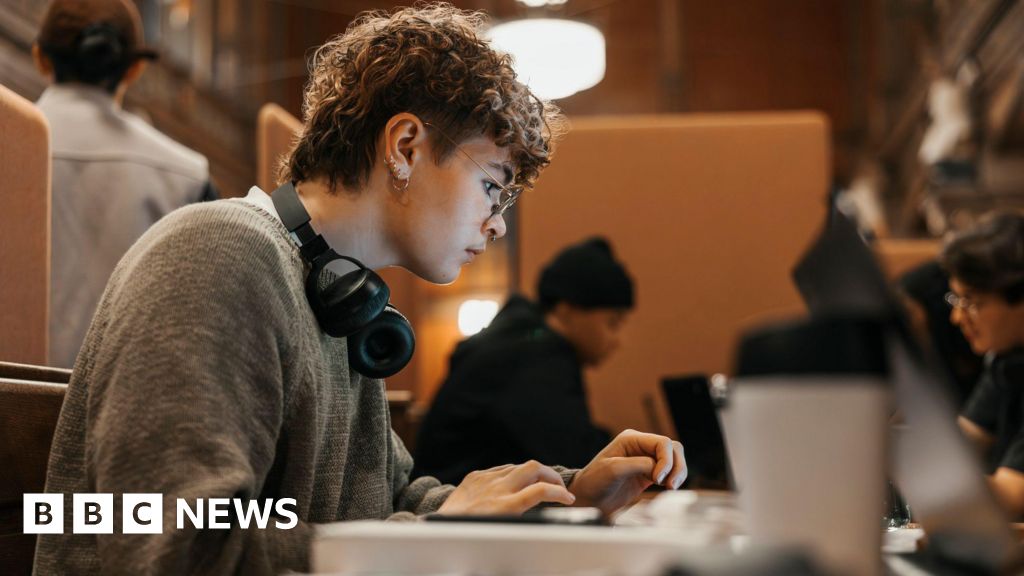
In recent years, educational inequity has become a defining social issue in many societies, with marginalized communities bearing the brunt of systemic shortcomings. A recent statement from an educational institution revealed an alarming reality: many students, particularly those from low-income backgrounds, are reaching out with questions and concerns, highlighting a silent crisis within the fabric of national education systems. These students often constitute the most vulnerable segments of society, including parents juggling work and family responsibilities and young individuals striving to elevate their circumstances through higher learning. Their experiences underscore a critical need to reevaluate how accessible higher education truly is for all.

Many students opt for weekend study programs precisely because these schedules accommodate their work commitments and familial obligations. Such choices are not merely convenience but necessity—a testament to how educational options are shaped, consciously or not, by socio-economic constraints. Sociologists like Dr. Peter Evans have pointed out that education is increasingly becoming a gatekeeper, reflecting and reinforcing societal stratification rather than dismantling it. The families affected by these disparities often face a cycle of limited opportunity, where the inability to access quality education affects future generations, prolonging poverty and social marginalization.

Beyond individual struggles, these realities ripple throughout communities. Educational inequity contributes to the erosion of community cohesion, fostering a sense of frustration and disconnection among those who feel left behind. Young people, burdened by economic hardship and limited prospects, may become disengaged or disillusioned with the societal systems meant to serve them. This disconnection can lead to increased social tensions, as the promise of upward mobility seems increasingly out of reach. Historians such as Angela Davis have articulated that true societal progress depends on dismantling barriers to equitable access—an aspiration that remains elusive in many regions today.

Addressing these issues requires a multifaceted approach—favoring targeted policy reforms and community-based initiatives.

  • Investment in affordable and flexible education programs
  • Strengthening support systems for vulnerable students and their families
  • Promoting greater community involvement in educational policymaking
  • Ensuring that higher education becomes a right accessible to all, not a privilege for the few

While these challenges seem daunting, the resilience and determination of students and families serve as a beacon of hope. Reflecting on these societal struggles encourages a profound contemplation: what kind of future do we envision when the promise of education remains out of reach for many? As society stands at this crossroads, the possibility of transformation rests on a collective commitment to justice and opportunity. It is in our shared efforts—recognizing the inherent dignity of every individual—that society can begin to heal its divisions and forge a more equitable path forward. The hope lingers in every question asked, every barrier challenged, that someday, the promise of education will truly be a foundation for all, fostering not only personal growth but the renewal of our social fabric.

Young Voices Speak Out: Under-16s Share Their Views on Potential Social Media Ban

Social Media Limits Proposed for Children Spark National Debate

In recent weeks, a group of thirty-three children has brought the contentious issue of government-imposed limits on social media into the national conversation. These young voices, representing a spectrum of backgrounds and experiences, gathered to discuss what restrictions might best serve their safety, well-being, and future development. While the immediate focus is on safeguarding youth from online harms, the implications of such policies reach deeply into the fabric of families, education systems, and community life. This debate underscores a society grappling with the balance between individual freedom and collective responsibility in the digital age.

Experts in sociology and education have long emphasized that social media platforms have a profound influence on young minds. As social commentators like Dr. Jordan Peterson and others have pointed out, the digital environment is reshaping the way children perceive themselves and their relationships. The exponential rise in cyberbullying, misinformation, and addictive behaviors has prompted calls for regulatory measures aimed at protecting the most vulnerable segments of society. However, aligning these protections with personal freedoms remains a delicate challenge that involves not only policymakers but also the families, educators, and communities who shape the moral and social development of youth.

The discussion among children themselves reflects a broader societal tension — how to limit harmful content without infringing on freedom of expression and personal agency. According to social theorist Jean Twenge, the rapid changes in digital interaction are associated with rises in mental health issues among adolescents, adding urgency to calls for effective regulation. Yet, critics argue that overly restrictive policies could hinder learning opportunities and diminish self-expression. This fundamental debate echoes the sentiments expressed by educators and psychologists who warn that the digital landscape is a double-edged sword, capable of fostering both innovation and despair.

Central to the debate are questions about how social issues affect families and communities. Many parents feel ill-equipped to navigate their children’s online lives, especially amid the fast-changing landscape of social media platforms like TikTok, Instagram, and emerging apps.

  • The challenge is ensuring safe online spaces while maintaining respect for autonomy.

Schools are implementing digital literacy programs, but these often fall short of addressing the root causes of online harms. Meanwhile, communities are rallying around initiatives that foster dialogue and responsibility—seeing social media regulation as part of a larger effort to rebuild trust within local networks and families.

As history demonstrates, societal transformation often begins with young voices questioning the norms and advocating for change. Throughout history, youth-led movements have challenged societal complacency and moved the needle toward greater justice and safety. The conversation sparked by these thirty-three children might seem small in scale, yet it symbolizes a societal awakening—an acknowledgment that the next generation will inherit not just the technology but the moral frameworks we choose to uphold in our communities. Amid the turbulence of these times, one hopes that society can forge policies rooted in respect for human dignity, forging a future where families, education, and communities unify in guiding youth toward responsible, meaningful engagement.

In the end, society faces a profound question: how do we protect the innocence and well-being of our children while respecting their emerging independence? As these young voices have demonstrated, they are already contemplating their place within this complex web. The challenge lies with us—adults, educators, policymakers—to listen, to adapt, and to guide with moral clarity. Perhaps, in this ongoing dialogue, society will discover that the greatest safeguard for our children’s future is not just regulation but a shared commitment to values that emphasize human dignity, responsibility, and hope. Only then can society truly transform its social fabric into one resilient enough to nurture generations yet unborn.

Every 80 Seconds: UK Young People Face Rising Cancer Crisis

UK Society Confronts Rising Cancer Treatment Challenges and Broader Social Impacts

The steady rise in cancer diagnoses across the United Kingdom reflects deeper societal shifts that threaten the fabric of families and communities. According to recent reports, one person receives a cancer diagnosis every 80 seconds, a staggering statistic that highlights how carcinogenic lifestyle factors such as obesity continue to influence public health. Instances of cancer have increased from 610 to 620 per 100,000 people in the span of a decade, underscoring the widening gap between societal health crises and our institutions’ responses. While progress in survival rates has been notable—more individuals are living longer post-diagnosis—the pressure on NHS services hampers the ability to sustain this positive trend, threatening to reverse gains made over decades.

Social and Institutional Strains Amplify Human and Family Hardships

  • The NHS, a pillar of public healthcare, faces unprecedented demand, with cancer waiting times deteriorating to record lows. This results in delayed diagnoses and treatments, which exponentially impacts families—parents, children, and elderly dependents—caught in the uncertainty and fear of illness.
  • More than 107,000 patients in the UK waited over 62 days for treatment in 2025, emphasizing how institutional fragility can translate into personal tragedy. These delays not only affect patients’ physical wellbeing but also create profound emotional and financial trauma within families, who often bear the burden of caregiving and additional expenses.
  • In emergency care settings, over 13,000 patients endured more than three days in A&E waiting for admission or discharge—an occurrence that compromises family stability and community trust in healthcare systems. As Mumtaz Patel, president of the Royal College of Physicians, poignantly noted, some patients prefer death at home rather than face such institutional neglect.

Policy Responses and the Need for Societal Commitment

The UK government’s recent national cancer plan signals a recognition of these mounting challenges. However, declaring ambitious goals is not sufficient; tangible funding, staffing, and infrastructural support must follow to truly transform care delivery. Social commentators highlight that the ongoing resource deficit risks halting progress in early detection and treatment, which are critical in reducing mortality and alleviating the emotional toll on families.

Towards innovative solutions, Cancer Research UK advocates for widespread implementation of screening programs—especially for cancers like lung cancer—and the accelerated adoption of advanced diagnostic tests. While government commitments aim to address these issues, regional disparities remain stark; northern parts of the UK are particularly underserved, with calls for national investment resonating across social sectors. As a sociologist might observe, these disparities threaten to deepen societal divisions, impairing community resilience and social cohesion.

Reflecting on Society’s Path Forward

Society’s social fabric is stretched by these health crises, revealing vulnerabilities rooted in demographic shifts and the systemic neglect of preventive care. Yet, amidst these daunting challenges, hope persists. The promise of policy and societal will to bolster healthcare and address emerging social inequalities remains a testament to human resilience. Society faces a moral imperative: to nurture not only the health of its individuals but the strength of its families and communities. It beckons a future where hope is not born from promises alone but woven into a collective effort to redefine society’s capacity for care, compassion, and resilience—ultimately, a society ready to transform adversity into purpose.

Youth demand clear stance on school smartphone ban amidst societal debate

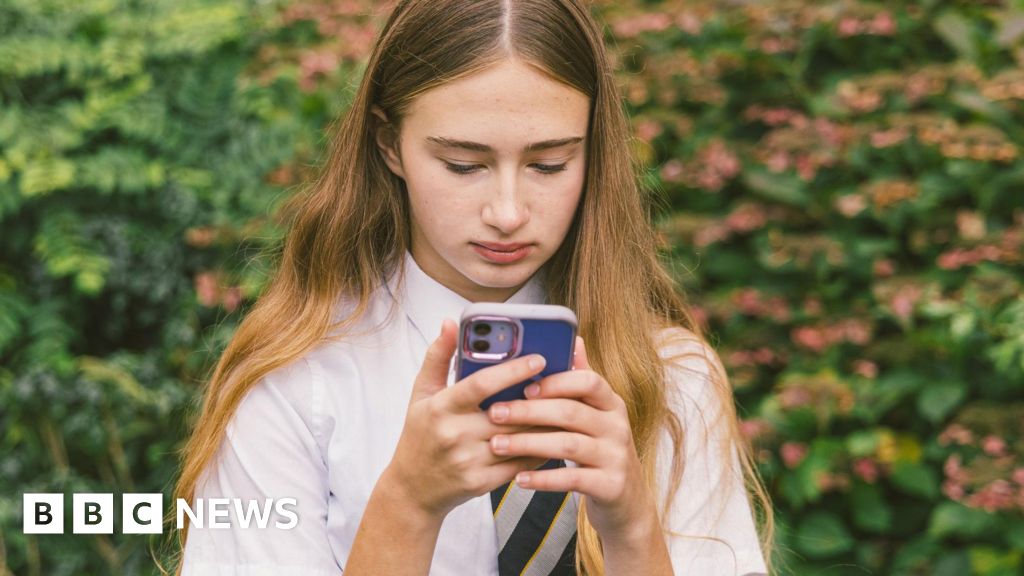
In recent years, English schools have grappled with a growing debate over the presence of mobile phones within the classroom. A new regulation aims to restrict or outright ban the use of these devices during school hours, citing concerns over distraction, academic performance, and the overall well-being of students. While proponents argue that limiting phone access can foster better engagement and social interactions, critics contend that such measures might inadvertently harm families’ ability to communicate and underscore broader issues around digital dependency and social cohesion.

From a societal perspective, the shift toward banning mobile phones in schools reflects a larger cultural transformation. As sociologists William Ellery and Sharon Block have observed, the digitization of everyday life has reshaped communal bonds and youth identity. The rise of social media platforms has made digital connectivity not just a convenience but a vital part of social life, especially for younger generations. When schools restrict this connection, they may inadvertently impose a societal stressor, forcing families and communities to re-evaluate how they navigate generational divides in technological familiarity.

This policy also raises pertinent questions regarding social equity. Schools serving diverse communities have reported concerns about the uneven impact of such bans. For instance, families from low-income backgrounds or those reliant on mobile devices for emergency communication worry that these regulations could deepen existing disparities. Research from social commentaries like those of sociologist Dr. Lisa Neville emphasizes that policies which dismiss the social realities of marginalized groups risk alienating vulnerable families and eroding trust in educational institutions. The challenge lies in balancing the need to create conducive learning environments with respect for families’ essential roles in societal cohesion.

Furthermore, implementing a mobile phone ban touches upon broader questions of personal responsibility and moral development. Critics suggest that instead of blanket bans, schools should foster digital literacy programs that teach responsible use of technology. Education theorist Dr. Robert Evans advocates that **empowering students with skills to manage their digital lives** can produce healthier social interactions and reduce harmful behaviors like cyberbullying and screen addiction. These strategies align with the understanding that technology, when harnessed responsibly, has the potential to revolutionize education and community engagement, rather than undermine it. As families and educators work together, the hope is to cultivate a generation that navigates the digital age with moral clarity and social responsibility.

Ultimately, the debate over mobile phones in schools embodies society’s ongoing struggle with technological change and cultural adaptation. As we stand at this crossroads, there remains a profound need for policies that respect the complexity of social bonds, the importance of family communication, and the educational mission to prepare responsible, connected citizens. Society’s challenge is to forge a path that embraces the potential of technology while safeguarding the human touch that binds communities together. The future, therefore, hinges not solely on regulation but on a moral revolution—an awakening to prioritize values over devices. Amid the turbulence of change, there persists a quiet hope that society can reconstruct a future where families, communities, and institutions grow stronger through shared understanding and resilience, illuminating a path rooted in humanity’s enduring capacity for renewal.

Karex Warns Iran Conflict Could Push Condoms’ Cost Up 30%, Impacting Youth’s Family Planning

In an era of unprecedented social challenges, the stability of essential supplies such as contraceptives has become a vital indicator of societal resilience. Malaysia’s Karex Bhd, the world’s leading producer of condoms, exemplifies how geopolitical conflicts and global supply chain disruptions ripple through communities, impacting families, education, and public health. As international tensions, notably the Iran war, continue to strain energy and commodity flows from the Middle East, companies like Karex face rising costs and shrinking inventories—issues that ultimately threaten the accessibility of vital health resources across the globe.

Social commentators and sociologists highlight that the disruption in the availability of contraceptives brings into sharp focus the intersection of public health, family planning, and cultural stability. The recent surge in demand—approximately 30% this year—coupled with prolonged shipping delays, has led to a significant decline in stockpiles, especially in developing nations where access to healthcare commodities is often already fragile. With shipments to regions like Europe and the United States taking nearly double the usual time—up to two months—families and educational institutions are experiencing tangible impacts on sexual health education and family planning initiatives. Such shortages threaten to reverse hard-won progress in reproductive health, as delays and shortages can foster unintended pregnancies, increase the spread of sexually transmitted infections, and undermine social stability.

The economic implications are not confined to health alone. As Karex’s CEO, Goh Miah Kiat, describes, cost increases linked to raw materials such as synthetic rubber and nitrile—a direct consequence of the conflict—are inevitably transferred to consumers. This dynamic exemplifies how global geopolitical crises translate into local social issues: increased prices can restrict access, placing additional burden on families and marginalizing those with limited resources. Historically, sociologists like Loïc Wacquant have argued that such disruptions disproportionately impact vulnerable populations, who bear the brunt of supply shortages and rising costs, thereby widening existing inequalities within communities and impeding equitable health outcomes.

  • Despite current supplies being adequate for the immediate future, the long-term outlook remains uncertain if supply chain bottlenecks persist.
  • The decline in international aid, such as reduced foreign aid contributions, exacerbates the crisis by limiting resource flow to countries most in need of reproductive health supplies.
  • Global logistics issues threaten to destabilize longstanding social efforts aimed at promoting sexual health and responsible family planning.

Addressing these challenges requires comprehensive community engagement, strategic resource management, and renewed emphasis on local production capacities. Societies must recognize that protecting access to essential health products is not merely a matter of economics but a moral imperative that sustains the fabric of families and the integrity of educational efforts. As social commentators underscore, society’s well-being depends on safeguarding these fundamental rights, especially during turbulent times. In this climate of upheaval, it is imperative to reflect on whether societal resilience can be built not only through technological innovation but through a collective moral commitment to prioritize health equity and uphold the dignity of every individual. In a world fraught with conflict and disruption, hope lies in our capacity to adapt, to unite, and to envision a society where every family and community can thrive amid adversity—transforming current crises into catalysts for enduring social renewal.

Government plans to ban phones in English schools to protect students and improve learning environment

Social Policies in Education: Balancing Innovation and Tradition

Recently, the House of Lords approved significant amendments to ongoing educational legislation, reflecting a broader societal debate on the balance between progressive reforms and traditional educational values. At the heart of this discussion is the recognition of diverse needs among students and the importance of accommodating individual circumstances. The proposal, championed by shadow education minister Baroness Barran, suggests providing exemptions for certain student groups—including sixth form students, students in boarding schools, and those who rely on phones for medical reasons. While ostensibly a step toward inclusivity, the move raises critical questions about the social fabric of educational communities, and its potential ripple effects on families and local institutions.

This legislative development demonstrates how policymakers are grappling with the complex intersection of social needs and educational standards. Allowing exemptions can be viewed as a recognition that not all students are the same and that a rigid approach may inadvertently marginalize vulnerable groups. For example, children with medical conditions that necessitate phone use face a moral dilemma: should technological adaptation be seen as a barrier or a bridge? Sociologists like Charles Murray argue that society’s success depends on flexible structures that empower families rather than impose blanket rules that may alienate or stigmatize certain demographics. Yet, critics contend that too many exemptions could undermine the uniformity necessary for social cohesion within schools, risking a fragmentation of shared values that hold communities together.

On a broader societal level, these debates mirror larger cultural tensions over tradition versus progress. Parents are often caught in a crossfire—struggling to uphold the moral fabric of their families while navigating an increasingly technologized world. For many, the family remains the primary unit of moral development and social stability; yet, legislation that accommodates individual needs could also be misconstrued as diluting the collective responsibility schools once held. Historical voices, including sociologists like Peter Berger, warn that societal cohesion is fragile and must be actively maintained, especially as younger generations redefine notions of discipline, privacy, and mutual respect within educational spaces.

Furthermore, this development underscores the urgent need to address broader issues such as educational equity, digital divide, and family engagement. Challenges persist for families living in socio-economically disadvantaged areas where access to technological resources remains limited. In such contexts, legislation that recognizes individual medical needs is vital, yet it must be balanced with strategies to ensure that schools serve as equitable environments—places fostering shared purpose rather than division. Urban sociologists have long observed that community cohesion hinges on equitable access and the shared cultural norms that frame public education. Any policy shift, therefore, must be accompanied by initiatives aimed at strengthening these norms across diverse social landscapes.

As society continues to evolve, the question remains: can we forge a path that respects individual differences while fostering a unified community? The challenge lies in maintaining the moral and social backbone of education amidst rapid technological and demographic change. As communities grapple with these issues, the hope endures that through conscious dialogue and purpose-driven policies, society can build a future where families, institutions, and the youth they nurture work symbiotically toward a shared destiny—one rooted in resilience, moral clarity, and respect for human dignity. Society’s true transformation may well depend on our collective resolve to nurture this hope amidst complexity, ensuring that no child is left behind in the pursuit of progress.

Social Media Auto Publish Powered By : XYZScripts.com