Matox News

Truth Over Trends, always!

Aid Groups Use AI-Generated Fake Poverty Images to Push Their Agenda

AI-Generated Poverty Imagery Sparks Ethical Debate in Society

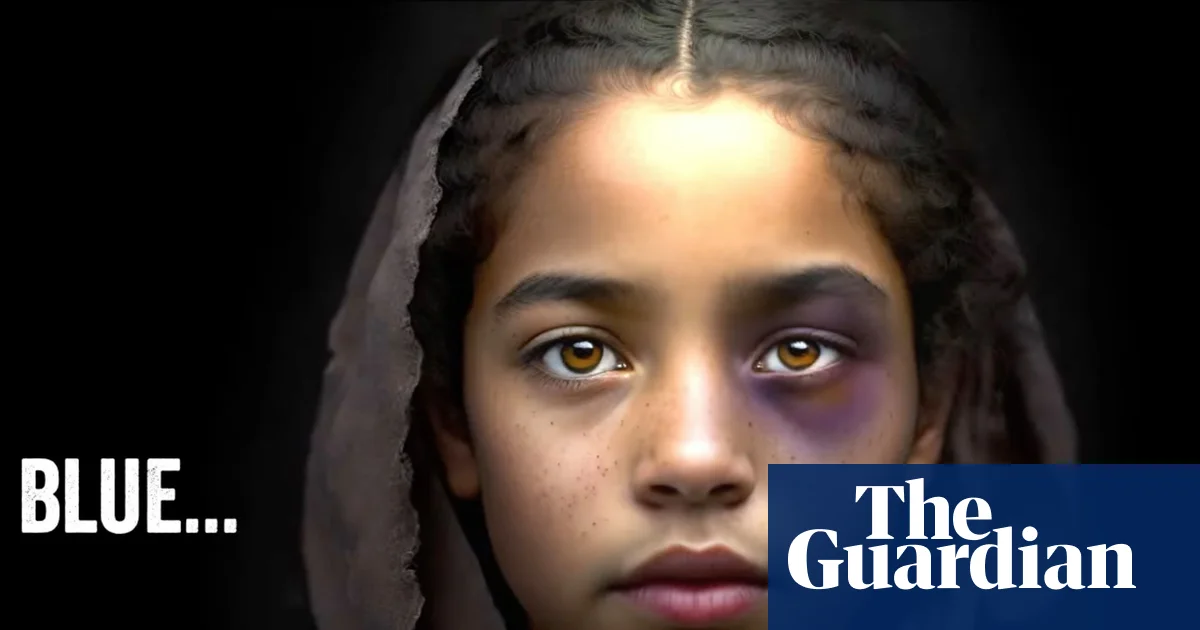
In recent years, the landscape of global development and humanitarian advocacy has been inadvertently transformed by the rise of artificial intelligence-generated imagery, a development that many sociologists and social commentators view as a double-edged sword. Stock photo giants like Adobe and Freepik are now flooded with AI-created images depicting extreme poverty and human suffering, such as children in refugee camps or victims of violence, often accompanied by captions that reinforce stereotypes. According to Noah Arnold of Fairpicture, these images are being used extensively, not just for their low cost but because they circumvent issues of consent and ethical considerations. This raises profound moral questions about how society visualizes and commodifies the suffering of vulnerable populations.

This shift in imagery is not merely a matter of aesthetics but has profound impacts on families, education, and community perceptions. Sociologists like Arsenii Alenichev argue that such images replicate a “visual grammar of poverty,” often portraying stereotypical scenes—children with empty plates, cracked earth—that shape public perceptions in ways that can deepen social stigmas and misconceptions. For families living in poverty, these images risk turning their real struggles into simplistic visual narratives, stripping away the nuances of resilience and community strength. Furthermore, educators and policymakers must grapple with the ideological influence of such “poverty porn,” which risks reinforcing societal divides rather than fostering informed empathy.

In the realm of global health and humanitarian outreach, organizations like the UN have historically used images — and now AI-generated visuals — to raise awareness and mobilize support. However, the ethical implications have become increasingly contentious. For instance, in 2023, the UN posted a video featuring AI-generated re-enactments of sexual violence, which was swiftly removed amid concerns over the manipulation of truth and the potential for misinformation. As social critics and historians highlight, this blurring of fact and fiction threatens to undermine trust and distort public understanding of real crises. Meanwhile, some NGOs, such as Plan International, have taken steps to adopt guidelines explicitly discouraging the use of AI in portraying individual children, to protect their dignity and privacy. Yet, the proliferation continues, fueled by the economic incentives to supply compelling visuals without the moral obligation to authenticity.

Ultimately, the societal consequences of AI-mediated suffering are profound, threading through every layer of community life—from families to institutions. As social commentator and historian Yuval Noah Harari warns, our society faces a critical juncture where images of hardship may do more harm than good if they lack authenticity and ethical oversight. Despite these challenges, hope remains that with deliberate restraint and moral clarity, technology can be harnessed not to exploit or distort, but to illuminate and empower. Society must forge a path where technology serves justice and dignity—a future where compassion is rooted in truth and respect, and where the human spirit endures amidst adversity, illumined by genuine hope rather than manipulated images.
Students Take Charge: Navigating the Tough Roads to Post-College Success

Society at a Crossroads: The Struggles and Hope of Society’s Most Vulnerable Youth

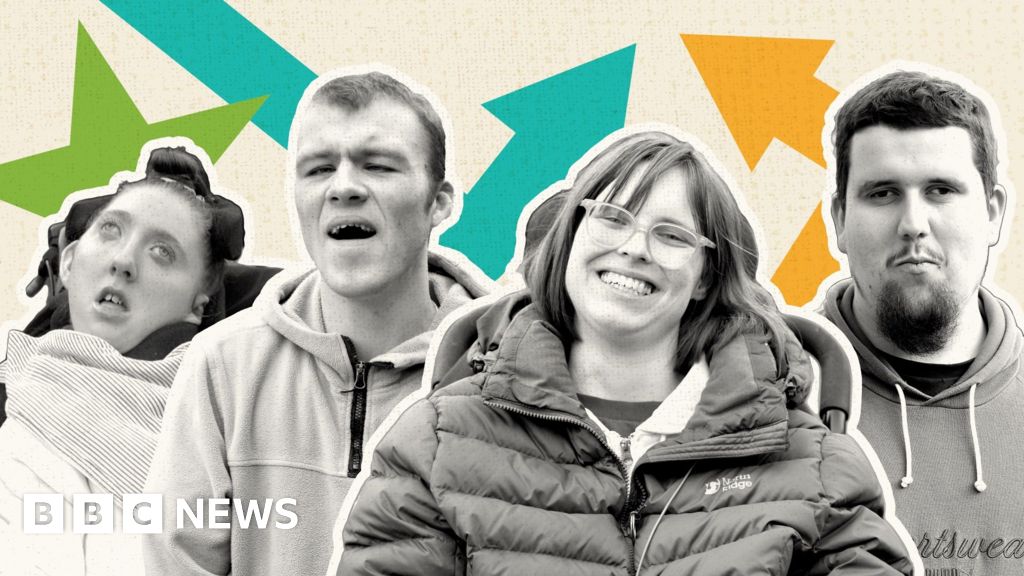
Across communities in Gloucestershire and Wales, the stories of young adults with complex needs reveal a society grappling with moral and economic challenges. As these individuals approach the transition from specialized education to independent living, the societal infrastructure supporting them often feels strained and uncertain. From the struggles faced by students like Kate, who aspires to improve accessibility in building design, to Billy, whose dreams of starting a reselling business highlight resilience despite systemic hurdles, each narrative underscores the profound impact social issues have on families, education, and communities.

Many of these students rely on local authority funding and support systems that are increasingly under pressure. As social care and educational budgets face reforms, their futures hang precariously in the balance. The postcode lottery of opportunity means that access to essential resources like therapy, supported living, or employment opportunities varies widely depending on location, further exacerbating social inequalities. Sociologists like Peter Saunders have long argued that such disparities threaten the moral fabric of society, revealing a failure to value every individual equally. For many families, this uncertainty translates into anxiety and a sense of abandonment, emphasizing the critical need for a societal shift in values—prioritizing human dignity over cost.

Transition events and initiatives, such as the upcoming college career planning, attempt to guide these young adults into the next chapters of their lives. Yet, the system’s limitations often mean that even when students are ready, they face insurmountable barriers. Chris, who is visually impaired, has shown remarkable growth through work placements, but his family highlights the persistent challenge of securing permanent employment or supported accommodation due to funding gaps. Likewise, Rhi’s return home to a specially adapted house after college illustrates the role of familial and community resilience, even as societal decisions threaten to curtail her independence. Such stories compel social commentators to ask: is society prioritizing inclusion and opportunity, or merely managing the costs of care?

Amidst these difficulties, voices from leadership like Lynette Barrett of National Star College insist on the moral imperative of sustained investment. She warns of a postcode lottery and the dwindling number of capable providers, emphasizing that therapy, supported living, and meaningful occupation are not luxuries but necessities for progressing beyond dependence. As policy-makers prepare for reforms in Education, Health and Care Plans (EHCPs), uncertainty looms large. History warns us that neglecting social care risks creating a perpetual cycle of societal exclusion, undermining the moral fabric that binds us together. Yet, stories of resilience show that with proper support and societal recognition, these young adults can redefine societal expectations.

As society stands at this crossroads, the stories of these young individuals serve as a poignant reminder of the moral and social responsibilities we bear. Their futures, intertwined with community support and public policy, symbolize the broader challenge of creating a society that values every citizen regardless of their needs. Perhaps, in listening to their voices and addressing these systemic gaps, society can forge a new path—one rooted in empathy, opportunity, and the unshakeable belief that every young person deserves a chance to thrive. Only then can society truly reflect the hope that amidst challenges, transformation remains not just a possibility but an imperative.

West Yorkshire Parents of Neurodivergent Kids Call for Stronger Support System

Society’s Silent Crisis: Neurodivergent Families and the Glaring Gaps in Support

In recent months, families across the UK have sounded a chorus of concern, revealing a systemic failure in supporting neurodivergent children and their families. Underdiagnosis, inadequate post-diagnostic support, and overwhelming waiting times are not just bureaucratic stumbling blocks—they are societal failures that ripple through families, schools, and entire communities. The stories emerging from West Yorkshire and beyond underscore a disconcerting truth: neurodivergent children are often left isolated, and their parents are pushed to their limits without meaningful assistance.

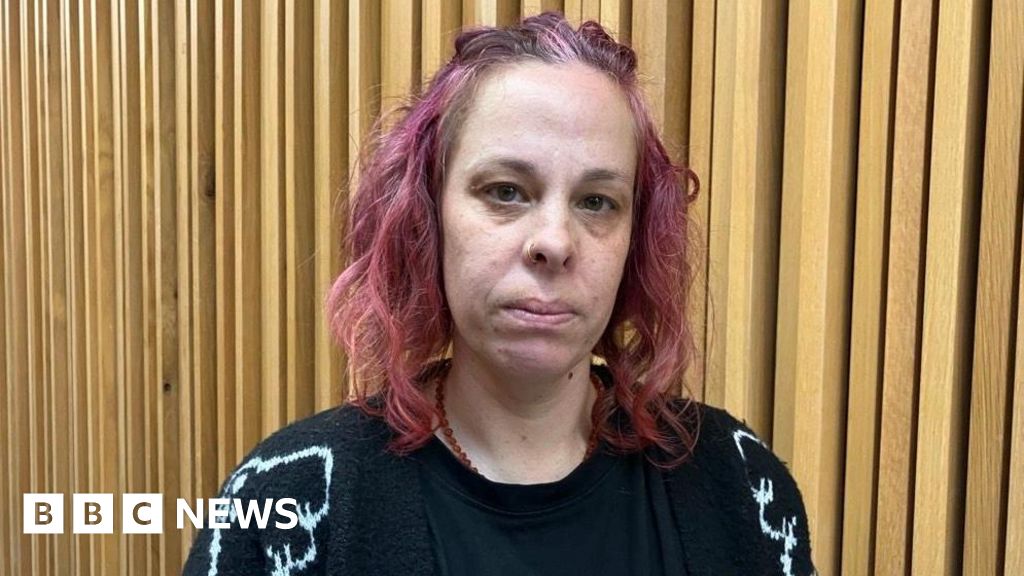
Parents like Louise Moller from Leeds, whose son Noah was diagnosed at age five, describe a distressing pattern. “They gave us a few sessions and some leaflets, then dropped us,” she laments, highlighting an overarching issue where diagnostic processes are quick, and support networks are scarce or non-existent. This abandonment leaves families in a state of helplessness, often forcing them into roles of advocates and caregivers without the necessary resources. Such challenges are exemplified by the case of Kerri-Anne Ball, who began the autism assessment process for her son at age two but received her official diagnosis only at age four. Even then, her query about ongoing support was met with a stark silence—their case file was closed, and support ended at diagnosis. This pattern of minimal engagement fuels feelings of uncertainty and despair that leave many feeling forgotten by the very institutions meant to serve their needs.

More troubling are the prolonged wait times—according to NHS statistics, as of June 2024, over 236,000 individuals in England—including children—wait for autism assessments, while up to 549,000 others are awaiting evaluations for ADHD. These delays are not mere statistics but a representation of families forced to navigate their journey alone, often in silence. As social commentators and sociologists like Dr. Andrew Wills have observed, the waiting game exacerbates social exclusion, especially for vulnerable children whose educational development may be hindered. Furthermore, the social tensions generated by these gaps threaten to deepen divisions, as communities wrestle with the stigma and misunderstanding surrounding neurodiversity. The moral imperative is clear: early diagnosis is crucial, but it must be accompanied by sustained support—something that currently remains elusive for many.

Fortunately, amid the darkness, local charities like Northorpe Hall Child & Family Trust are pioneering efforts to reconceptualize support. Rosa Forrest, the organization’s lead for neurodevelopmental issues, emphasizes the importance of community-based interventions, noting that many parents feel unheard and isolated. Her initiative, Me + My Normal, brings parents into the fold alongside their children, fostering a shared space for understanding and resilience. These efforts, though vital, are only a palliative in a landscape that desperately needs systemic reform. Social commentators, including Dr. Lisa Grant, argue that society must recognize the human toll—*not just in academic or bureaucratic terms but in how families weather a storm of neglect*—and respond with urgent, dedicated funding for both diagnostics and ongoing support services.

In the final analysis, society stands at a crossroads. The stories of Louise, Kerri-Anne, Miriam, and Rosa are not isolated incidents but voices of a larger, systemic crisis—the neglect of our most vulnerable. As society grapples with these social fissures, perhaps hope lies in a collective awakening of empathy and action. The challenge remains: will society recognize that the true measure of our progress is how we support those most in need? In the quiet resilience of families enduring these hardships flickers a light—a hope that society’s conscience can be awakened, transforming neglect into nurture, indifference into advocacy. After all, the real society we build tomorrow depends on how fiercely we fight for the children and families today.

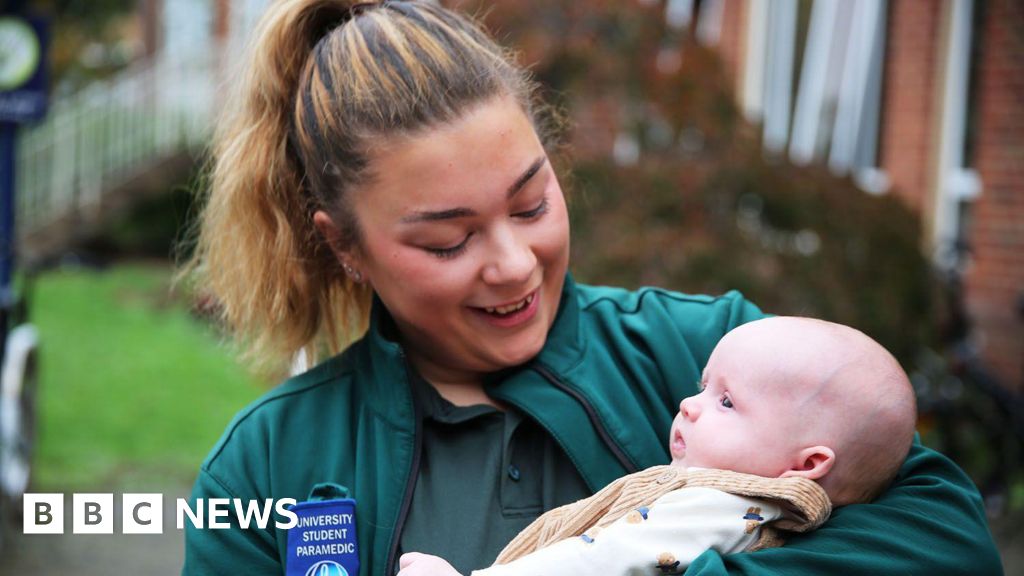
Worcester Student Paramedic Saves the Day by Helping Lecturer Deliver Baby

In an era marked by rapid demographic and cultural shifts, societal institutions face increasing challenges in maintaining social cohesion and supporting families. Recent stories emerging from communities across the West Midlands exemplify how these issues intersect with education, healthcare, and community resilience. The case of Elise Faragher, a third-year paramedic student at the University of Worcester, underscores how personal and professional boundaries blur when societal change meets individual lives, revealing both the strengths and vulnerabilities of our social fabric.

Elise’s journey illustrates the staggering impact that social change can have on families and communities. Her surprising experience assisting in the delivery of a baby born to her lecturer—someone she had studied under since her first year—highlights the intertwined nature of personal relationships and community life in today’s society. Such moments, while extraordinary, are often rooted in larger issues of access to healthcare, education, and social support.

  • This event exemplifies how educational institutions
  • and healthcare systems
  • are increasingly becoming spaces where social bonds are tested and reinforced simultaneously

forces of demographic shifts often lead to migration, changing family structures, and evolving social norms.

Experts like sociologist Charles Murray have long argued that societal cohesion depends on the strength of these social bonds, yet increasing social tensions threaten traditional community values. The stories from Worcester reflect how youth-oriented social dynamics are reshaping expectations around responsibility, support, and ethical care. As Elise noticias her confidence and professionalism during a momentous event, her experience exemplifies the importance of fostering moral resilience within the educational framework, ensuring that tomorrow’s professionals are equipped not only with technical skills but also with the moral compass to serve society’s most vulnerable.

Furthermore, families endure strain as social issues extend beyond healthcare into education and public policy. The challenge lies in balancing the needs of diverse populations—ensuring that tradition and progress coexist without sacrificing core community values. The story also illustrates the importance of supportive mentorships, exemplified by Elise’s positive relationship with her lecturer, Aaron Collins. His unwavering support and professionalism emphasize how crucial it is for educational institutions to foster environments where trust and camaraderie flourish—all vital for nurturing resilient citizens. Addressing these issues requires a societal shift that prioritizes not only technical competence but also moral integrity and community care.

As the society continues its tumultuous evolution, humanity is left with a poignant question: How can communities foster social resilience amidst these shifting sands? The stories from Worcester serve as quiet reminders that, even amid chaos, there exists a deep well of hope. Society is a tapestry woven from individual stories of courage, care, and moral conviction. If we recognize the importance of strengthening family bonds, investing in education, and nurturing community trust, then there remains hope for a society in transition—one where social issues are not just challenges but catalysts for renewal and transformation.

Most missing students at local school found—community urged to stay vigilant

In recent weeks, the Educational Authority (EA) of Northern Ireland has revealed a harrowing glimpse into the ongoing crisis affecting the region’s families and communities. The EA published a list of more than 50 children across the UK and Ireland who have been unaccounted for in the school system since the start of the academic year. Of particular concern is the case of Harryville Primary in Ballymena, where 24 students, all from the same school, disappeared without clear documentation of their whereabouts. Although some have been traced and returned, a significant number remain missing, intensifying fears of a looming social catastrophe that extends beyond mere truancy to the social fabric itself.

This phenomenon of persistent absence is not isolated but signals a broader breakdown in safeguarding systems. According to social commentators and sociologists, such as Dr. Jonathan Driver, these issues are symptomatic of systemic failures rooted in economic hardship, social unrest, and cultural tensions. When families are fractured by socio-economic disparities or violence, children often become collateral damage—stripped from the safety of their institutions and forced into uncertain situations. The case of Ballymena, a town scarred by recent riots and social unrest, exemplifies how social tensions can ripple through generations, threatening to undermine the stability of its community and the education system at large.

‘Tip of the iceberg’: A societal warning sign

The NI Children’s Commissioner, Chris Quinn, warned that the visible numbers are merely the “tip of the iceberg.” “I fear that large numbers of children are slipping through the cracks, and we are sleepwalking into a community crisis,” he said, emphasizing that this issue is likely a wider systemic problem affecting the entire region. This concern is echoed by social historians who warn that unchecked social despair can lead to further alienation and radicalization if left unaddressed. The troubling images of protests and riots, including those in Ballymena, reflect a society struggling to reconcile differences and maintain cohesion amidst upheaval—divisions that threaten to fragment communities along lines of ethnicity, socio-economic status, and cultural identity.

Politicians and community leaders have spoken out, with Alliance MLA Sian Mulholland expressing her concern that the large number of missing children represents a direct consequence of ongoing social unrest. She asserted that school is often a sanctuary for vulnerable children, especially for those from marginalized or immigrant families, and its erosion can lead to social disintegration. Particularly, the displacement of Roma families following violent riots underscores the social tensions that persist beneath the surface of Northern Irish society. The departure of these families, as confirmed by MP Jim Allister, highlights the fragile social fabric and raises questions about the long-term implications of such community upheavals.

In a society where demographic shifts and cultural tensions are increasingly prominent, the challenge is to reconcile the need for security with the preservation of community integrity. The focus must shift from merely tracing missing children to addressing the root causes—inequality, social dislocation, and cultural alienation—that fuel societal discontent. As history shows, when communities are strained beyond resilience, the result can be a cycle of mistrust and violence that leaves lasting scars. Yet, amidst this turmoil, the hope for societal renewal exists in the capacity of communities, policymakers, and educators to forge pathways toward comprehensive social healing. Bridging gaps of division and restoring faith in institutions will be the true test of society’s moral resilience, and in this endeavor, the focus must always be on safeguarding the future of our children.

Rising Risks Ahead: Pregnant Women in England Face Growing Danger During Birth

Across England, recent data from the National Health Service (NHS) reveals a troubling trend: an increase in serious injuries sustained by pregnant women during childbirth. Specifically, the incidence of third- and fourth-degree perineal tears—known medically as obstetric anal sphincter injuries (OASI)—has risen from 25 in 1,000 in mid-2020 to 29 in 1,000 this year, a stark 16% increase. These injuries, which damage critical muscles and tissues during delivery, can leave women with long-term pain, mental health challenges, and even difficulties in intimacy and continence. Such data challenge society’s collective understanding of maternal health and threaten to undermine the very fabric of family stability and community cohesion. This rise in trauma during a moment that should symbolize new beginnings is a reflection of systemic failings that demand urgent attention, because families are fundamentally impacted when mothers are left to endure preventable injury.

While some medical professionals advocate for the widespread use of the “OASI care bundle”—a set of protocols designed to assess and reduce tear risks—compliance remains inconsistent across NHS maternity units. According to social commentators, these discrepancies highlight deeper issues rooted in resource allocation, training, and prioritization within public health institutions. Historian and sociologist Dr. Margaret Collins notes how the neglect of proper risk assessments not only endangers physical health but erodes trust in healthcare systems that should serve as pillars of societal safety and support. Moreover, the failure to apply recommended assessment protocols contributes to errors like misdiagnoses, exemplified by the recent case where a woman at the University Hospitals Sussex NHS Trust was wrongly diagnosed with a second-degree tear, ultimately suffering life-changing complications. These failures underscore how inadequate care perpetuates cycles of trauma that ripple through families and communities, shining a spotlight on the importance of accountability and moral responsibility within our healthcare framework.

The societal repercussions of maternal injuries extend beyond the individual to influence family dynamics and community stability. Injuries like OASI can induce conditions such as post-traumatic stress disorder (PTSD) and *secondary tokophobia*—a fear of pregnancy—forcing women to reconsider their desires to have additional children. Children, in turn, are affected by disrupted bonding and maternal mental health challenges; these issues threaten the core social unit—family—that sustains societal continuity. According to social worker and obstetrician Dr. Ranee Thakar, many of these injuries are treatable, yet the failure to consistently implement preventive protocols leads to avoidable suffering.

  • Inadequate assessment and intervention
  • Lack of standardized implementation of safety protocols
  • Insufficient training for care professionals

These are societal failures echoing through generations, highlighting the urgent need for systemic reform. As sociologists like John Williams argue, societal trauma manifests in family instability and workforce disengagement, ultimately weakening the social fabric.

Despite national efforts to address these issues—such as the recent audit revealing that over 3% of women experienced some form of perineal tear—challenges remain. The government asserts that improvements are underway, with healthcare authorities promising enhanced perinatal pelvic health services and increased adherence to safety protocols. Yet, the persistent rise in injuries illustrates that socio-political commitments often fall short of effecting real change. Like the unresolved societal tensions documented by historian Eric Johnson, these failures underscore how *neglect of vulnerable populations*—in this case, pregnant women—can result in a cycle of trauma that deprives communities of their future generations. As society stands at this crossroads, the question remains: will we choose to prioritize the health and dignity of mothers, or let systemic indifference continue to threaten the foundation of our families?

In conclusion, the rising incidence of severe childbirth injuries in England exposes the cracks in our societal structure. The challenge is not solely medical but moral—a collective call to protect the essence of community, tradition, and human dignity. As families grapple with the aftermath of preventable trauma, society must reflect on how systemic oversight and cultural neglect threaten the very bonds that uphold our shared humanity. With hope, systemic reforms fueled by conscientious advocacy can transform this narrative of neglect into one of resilience—restoring dignity, safety, and hope for generations to come. Society’s true strength lies in its capacity to heal, to protect, and to nurture—now and into the future.

£800m to Fix Failing NI Schools and Secure Our Future Millennials

Social Crisis in Northern Ireland Schools: Foundations of Future Society at Risk

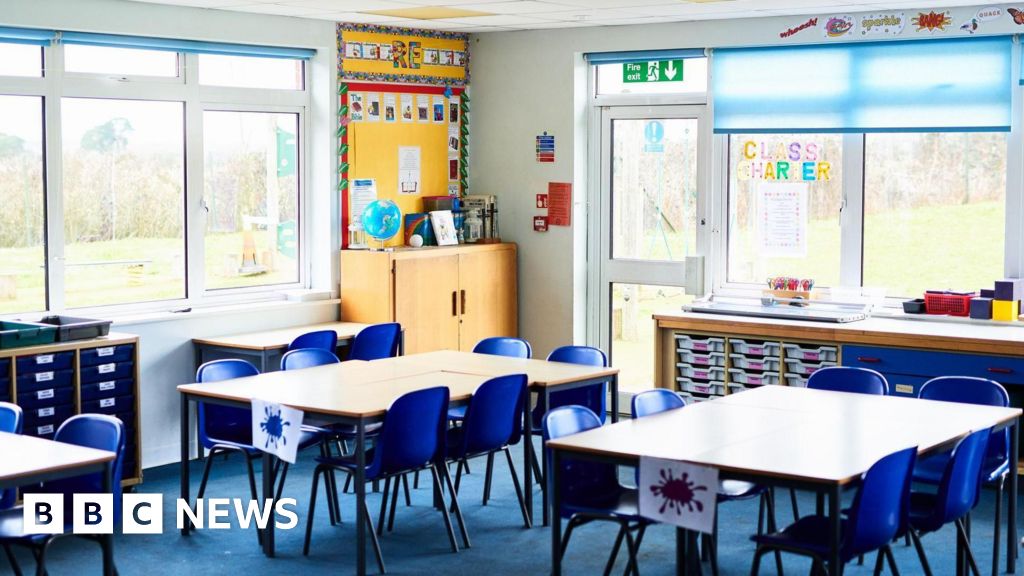
Amid the echoes of faded chalkboards and crumbling brickwork lies a stark reality: the state of Northern Ireland’s educational infrastructure reflects deeper societal failures. Many schools across the region are caught in a cycle of neglect, characterized by a backlog of maintenance estimated at between £600m and £800m. This crisis is not merely structural but fundamentally impacts families, communities, and the very fabric of future generations. As sociologists like Charles Murray have argued, the environments in which children grow significantly influence their capacity to thrive, yet the systemic disrepair and poor management threaten to erode these foundations.

A damning report from Stormont’s Public Accounts Committee (PAC) paints a picture of systemic failure, with many children and teachers working amidst overcrowded, poorly heated, and dilapidated structures. Many educational institutions are now in a state of deferred maintenance—an issue that compromises safety and educational quality, and that critics consider an ethically unacceptable neglect of societal duty. The report highlights a reactive approach to infrastructure management rather than a comprehensive, forward-looking plan, leading to conditions where learning environments become a battleground for survival rather than a sanctuary for growth. Such neglect disproportionately affects families in less affluent communities, deepening the cycle of poverty and social exclusion that has persisted for decades, according to social historians like E.P. Thompson.

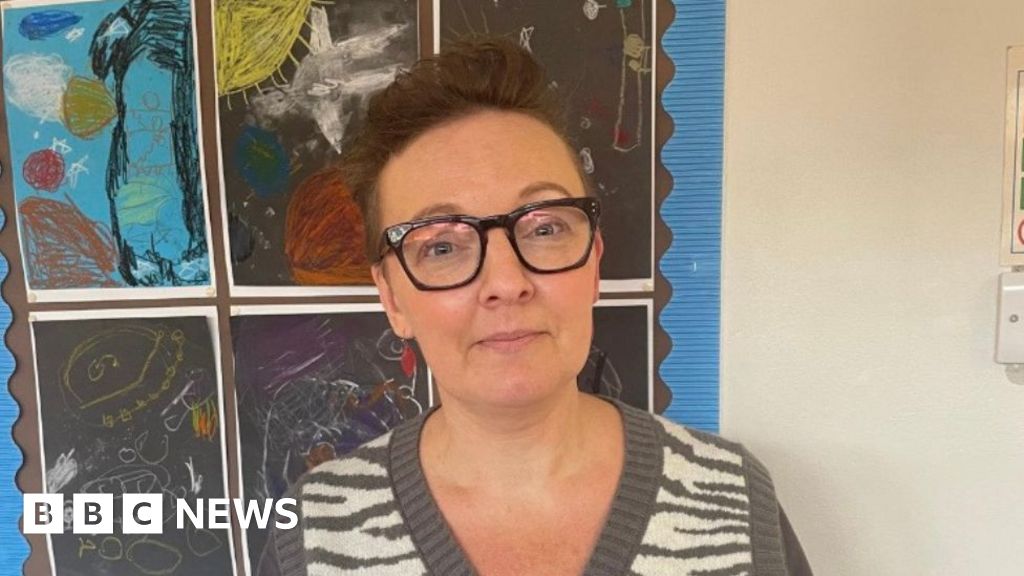
School heads, such as Emma Quinn of Rathcoole Primary School, describe their days as dominated by “chasing works,” reporting leaks, and fixing broken windows”. The frustration is palpable—their schools are described as “simply not fit for purpose,” with students enduring inadequate heating, leaky roofs, and crumbling infrastructure. These conditions, while seemingly physical, strike at the moral heart of society’s obligation to safeguard its youngest members. The disparities in funding and maintenance are especially severe for schools serving disadvantaged communities, emphasizing how socio-economic divides are entrenched within educational environments.

What Can Be Done?

  • The Department of Education (DE) and Education Authority (EA) are urged to implement a clear and sustainable management strategy with regular condition surveys and monthly maintenance planning.
  • Swift action on urgent repair backlogs, especially in classrooms where improper heating and hazardous environments threaten the health and morale of students and staff alike.
  • Broader investment is necessary, with officials like Education Minister Paul Givan calling for cross-party support to secure funding for infrastructure improvements and to address soaring costs in special educational needs provision—a sector that has seen an 850% increase in emergency placements over six years.

As society’s sociologists have pointed out, these issues extend beyond bricks and mortar—they threaten the social cohesion and moral fabric of communities. The prolonged neglect signals a failure of governance and resource allocation that, if left unaddressed, could erode trust and social mobility for generations. Yet, amidst this grim landscape, hope persists in the realization that intentional societal change—prioritized investments, strategic planning, and community engagement—can reverse these trends. In the end, society’s strength lies in its commitment to its children and the collective responsibility to build nurturing environments. Society must reflect deeply on these social wounds, for without immediate action, the very future of the next generation remains in jeopardy—an unspoken legacy of societal neglect that demands urgent redress.

Why 'Chronic' Lyme Disease Sparks Debate: What Society Needs to Know | Podcast
Why ‘Chronic’ Lyme Disease Sparks Debate: What Society Needs to Know | Podcast

Lyme Disease: A Growing Public Health Challenge Affecting Families and Communities

In recent years, the rising incidence of Lyme disease has shifted from isolated cases to a broader public health concern, with social and economic repercussions that ripple through families, schools, and communities. Despite increased awareness, the illness remains poorly understood and often misdiagnosed, as prominent figures from the entertainment industry have publicly shared their long struggles with its debilitating effects. From Bella Hadid to Justin Bieber, these stories have cast a spotlight on how Lyme disease can profoundly alter not just individual lives, but entire social fabric, revealing a glaring gap in our healthcare and educational systems.

The impact on families is especially grave when children and young adults are affected. As historians and social commentators warn, chronic illnesses such as Lyme disease can destabilize households, hinder educational attainment, and diminish future opportunities. Madeleine Finlay’s interviews with families dealing with the disease highlight a disturbing trend: many are trapped in a cycle of misdiagnosis, treatment delays, and emotional strain. Such difficulties underline the urgent need for

  • improved medical training
  • expanded research funding
  • greater community awareness

to ensure early detection and proper intervention, especially in school-aged children.

Experts like Prof. John Aucott, director of the Johns Hopkins Lyme Disease Research Center, emphasize that this insidious disease, often transmitted via tick bites, can cause long-term health consequences that ripple beyond the individual. These impacts {intersect} with educational environments, where children suffering from chronic symptoms face difficulty concentrating, missing school, and falling behind their peers. Such disruptions threaten the stability of local communities and jeopardize the future of the next generation. As social scientist Dr. Elizabeth Cohen articulates, the social fabric frays when health crises go unaddressed, exposing underlying inequalities where marginalized groups often lack access to resources and timely care.

Addressing this pressing social issue requires a multifaceted approach that goes beyond medical treatment. It demands a societal commitment to safeguarding the well-being of families and empowering communities. Proposed solutions include increasing funding for research and public health initiatives, fostering community-based awareness campaigns, and integrating comprehensive health education into school curricula. These steps are vital in overcoming the silent burden many families now carry, often in isolation and without the necessary support.

As society grapples with the consequences of emerging health threats, the narrative of Lyme disease underscores a profound moral challenge: the need to heal not only individual bodies but also the fractured social networks affected by this disease. Yet, amid these difficulties, there remains a flicker of hope– a collective opportunity to build resilience, foster understanding, and transform societal neglect into action. When we confront these challenges head-on, we begin to see that the true strength of a society lies in its capacity to uplift those burdened by invisible wounds, ensuring that no family faces their fight alone. Perhaps, in facing this silence and uncertainty, society will discover that hope and renewal are the most enduring remedies of all.

Leaked Memo and Broken Promises: Labour’s Housing Betrayal Sparks Youth Discontent

In the heart of London, a city historically renowned for its resilience and diversity, an ongoing housing crisis exposes the profound social fissures that threaten the fabric of communities and families alike. Sociologists like David Harvey have long argued that urban development reflects underlying social inequalities, yet recent policies seem to deepen this divide. The government’s current approach, heavily influenced by big property developers and skewed priorities, appears to prioritize profits over the welfare of ordinary citizens. As a result, families are displaced, children grow up in overcrowded temporary shelters, and the very notion of community stability is fraying under economic and social strain.

Recent reports reveal a troubling pattern: during a period when London’s homelessness numbers are reaching unprecedented heights—over 13,000 people sleeping rough in 2024-25, quadrupling the figures from a decade ago—efforts to address affordable housing have been sidelined by policies favoring robust profits for developers. A leaked government memo indicates that key negotiations with major construction firms are centered on diluting commitments to social housing, and to relax planning rules that could make building modest, affordable homes financially unviable for those who need them most. This pivot toward prioritizing luxury developments and attractive profit margins over community needs underscores a troubling moral trajectory, one that threatens the social cohesion essential for stable families and thriving neighborhoods.

The social implications of these policies ripple through families and communities in tangible, often devastating ways. Children in London now face the harsh reality of growing up in temporary accommodations, often with little access to stable education or safe environments. For families pushed into overcrowded flats or forced to relocate far from their support networks, the psychological toll compounds existing economic hardships. Housing sociologists like Jane Jacobs emphasize that a strong, interconnected community hinges on accessible, affordable housing—yet current policy makers seem intent on reversing progress made under previous administrations, reminiscent of the housing policies of Boris Johnson that prioritized spectacle over social equity. As W. B. Yeats lamented, society often finds itself caught between the desire for progress and the peril of losing its moral compass—an especially poignant reflection as London’s social fabric faces this crisis.

Facing these UNIGNORABLE challenges, the hope for societal renewal lies in bold reforms that put families and community well-being front and center.

  • Implement legally binding targets to ensure a minimum of 50% affordable housing in new developments, backed by enforceable policies that penalize failures to meet these standards.
  • Reintroduce community levies that finance essential amenities—schools, healthcare, and parks—rather than siphoning off funds for private profit, fostering a sense of shared ownership and neighborhood pride.
  • Prioritize localized, community-led planning initiatives that involve tenants, local councils, and grassroots organizations, emphasizing social cohesion over speculative development.

Experts like social historian Eric Hobsbawm have pointed out that social progress is often crafted through collective resilience and moral clarity. As society grapples with these social issues, it is vital to remember that at its core, social reform is a moral imperative—an effort to preserve the dignity and potential of every family affected by these policies. The narrative of London—and indeed, society at large—cannot be solely written by profits and policies; it must be shaped by a shared sense of responsibility and hope. In the quiet corners of these struggling neighborhoods, amid the shadows cast by unchecked greed, lies the possibility of renewal—an unyielding hope that society can rebuild itself, not through empty promises but through unwavering commitment to its most vulnerable members. Only then can London truly rebuild a city on the foundation of fairness and human dignity.

Late-night pub openings undermine traditional values and societal spirit

Recent government initiatives, such as extending licensing hours for pubs and alcohol sales, reveal a troubling societal shift that impacts families, education, and community cohesion. The move appears aimed at stimulating economic growth by encouraging late-night drinking, yet many analysts question whether this strategy addresses the core issues faced by our communities. At the heart of this debate lies a critical tension: how do we balance economic needs with the protection of public health and social stability? Sociologists like Frank Furedi warn that policies promoting unrestricted alcohol access may inadvertently deepen social divisions, foster unhealthy lifestyles, and erode the moral fabric that holds families together. The increase in alcohol-related harm, including the record-breaking 10,473 alcohol-specific deaths recorded in 2023 — and the society-wide cost of approximately £27.4 billion annually — serve as stark reminders of what excessive drinking engenders across generations.

The continuing trend of longer pub hours seems at odds with the NHS’s ongoing efforts to mitigate alcohol misuse, which deeply affects mental health and community stability. Alcohol misuse is associated with depression, anxiety, and violence, threatening the well-being of our youth and vulnerable populations. The social fabric frays further as families face the consequences of addiction, with children often bearing the emotional scars of parental neglect or chaos stemming from alcohol abuse. Social commentators, including Alan Walker, emphasize that these policies may serve the interests of commercial industries rather than the well-being of society, suggesting that the true solutions lie elsewhere. The challenge is ensuring that economic incentives do not overshadow moral obligations to protect vulnerable members of society and uphold the integrity of our communities.

In contemplating these policy choices, it becomes clear that the societal cost extends beyond health and economics to the core of our shared cultural values. The push for longer pub hours, coupled with efforts to introduce ID cards and restrict free speech, all signal a broader societal shift that increasingly questions the balance between individual freedoms and social responsibility. As historian Paul Johnson notes, societal health depends on strong, cohesive communities rooted in shared values and moral responsibility. When families are impacted by addiction, and communities struggle under the weight of social tensions, the promise of a resilient society seems distant. Yet, amidst these challenges, there remains hope. By fostering greater community engagement, strengthening national moral foundations, and resisting the influence of those who profit from societal harm, society can begin to repair the fractures. The future may hinge on our collective ability to prioritize *moral integrity* over short-term economic gains—an endeavor that begins with acknowledging the profound human impact of social policy decisions.

Social Media Auto Publish Powered By : XYZScripts.com