Matox News

Truth Over Trends, always!

Parents blame system failure as NHS fined £200,000 over tragic death of daughter

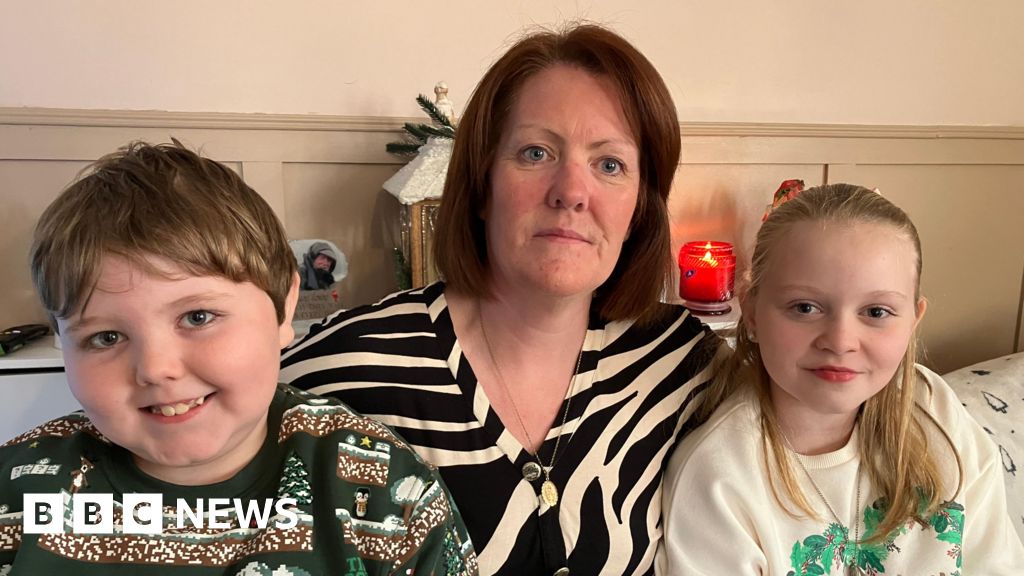
In recent months, a tragic and sobering case has underscored the profound significance of societal and institutional responsibilities in safeguarding families and communities. The death of Ellame Ford-Dunn, a 16-year-old girl battling severe mental health issues, highlights glaring deficiencies in the NHS system tasked with protecting its most vulnerable members. The tragic sequence—her absconding from a 24-hour acute mental health ward and subsequent suicide—has ignited debates about the integrity and adequacy of mental health services, especially for young people. Her parents have publicly expressed their profound grief and anger, emphasizing that their daughter was failed by a system designed to safeguard her.

The failures go beyond individual negligence, illustrating a deep systemic shortcoming. According to officials, the supervising nurse did not follow Ellame when she left the ward—an act justified by instructions not to pursue patients who absconded. This procedural lapse was linked to broader issues such as the national shortage of mental health beds for children and adolescents, which has forced overwhelmed institutions into making difficult decisions. The trust involved pleaded guilty to criminal health and safety offences and was fined £200,000 plus costs, acknowledging its failure to provide safe care. Yet, critics argue that financial penalties are insufficient when weighed against the human cost of such tragedies, asserting that these incidents reveal failures embedded within the very fabric of an understaffed and underfunded mental health infrastructure.

Expanding beyond the immediate case, experts and social commentators warn that such failures threaten the fabric of family and community life. Societal institutions—including schools, health systems, and community organizations—are interconnected in a delicate web of support. When one strand weakens, families are left to bear the burden of preventable losses. Historically, sociologists such as Émile Durkheim have emphasized that social cohesion relies on trust in institutions—trust that must be rooted in accountability and effective service delivery. Within this context, the ongoing struggle to adequately resource mental health services for youth reveals how social neglect can produce devastating outcomes that ripple through generations. This case acts as a stark reminder that families, especially those with vulnerable children, pay the highest price when systems falter, and that societal failure to adapt to evolving mental health challenges risks fracturing the moral fabric of communities.

Yet, amidst grief and calls for reform, there lies a persistent hope that society can reflect on these failures and transform them into catalysts for real change. As mental health experts advocate for more comprehensive policies and increased funding, there is a pressing moral imperative to prioritize the well-being of our youth. The story of Ellame is not merely a story of tragedy but a call for society to recommit to its moral duty—envisioning a future where no parent must endure such loss, and where institutional failures give way to resilient, caring systems responsive to the needs of children in distress. Society must unite in this challenge, for in our collective response, lies the potential to forge a future where safety, dignity, and hope are accessible to every vulnerable child, and where the scars of past failures serve as lessons guiding a society toward true justice and compassion.”

Australia bans high-dose B6 supplements: What young consumers need to know about their health choices

In today’s society, regulatory adjustments around health supplements reveal broader socio-economic tensions and the balancing act between consumer safety and industry influence. Starting from June 2027, Australia will place tighter restrictions on vitamin B6 products containing more than 50mg per daily dose, moving them behind the pharmacy counter. This regulation, initiated after a comprehensive review by the Therapeutic Goods Administration, underscores a rising concern about peripheral neuropathy—a nerve-damaging condition linked to excessive intake of this common vitamin in supplements. The move highlights the undeniable influence of the supplement industry and societal questions about how such commercialization impacts families and youth-driven communities.

The social repercussions of supplement overuse are especially pronounced among vulnerable populations. Elderly individuals, or those with specific health conditions such as alcohol dependence or autoimmune disorders, may face risks of deficiency, which specialists advise should be managed with professional consultation. Conversely, young consumers frequently ingest multiple B6-rich products—energy drinks, protein powders, vitamin mixes—often unaware of the cumulative danger. As Dr. Evangeline Mantzioris emphasizes, the ubiquity of vitamin B6 in common diets makes deficiency rare, yet overconsumption exists largely because of aggressive marketing tactics. This phenomenon raises concerns about how commercial interests shape youth behaviors and community health standards.

Historically, the societal response to supplement regulation mirrors past gaps between industry influence and public health. Sociologist Dr. Nathaniel Adams notes how government agencies, often swayed by powerful conglomerates, implement measures that span years—such as the five-year delay before restrictions take effect—allowing industry actors to adapt. This careful calibration mirrors societal patterns of compromise that, while necessary, perpetuate debates about trust, transparency, and the moral responsibilities of corporations towards young populations. Meanwhile, these regulations serve as a reminder that family units and community institutions are at the frontline of health advocacy, needing to remain vigilant in educational efforts.

Ultimately, the challenge extends beyond immediate health concerns toward a societal reflection: how do communities nurture resilience in youth amidst commercial pressures? How can families foster informed choices in an age dominated by quick fixes and marketing narratives? As experts like adjunct Associate Prof. Geraldine Moses suggest, patience is paramount—industry negotiations and regulatory changes take time. Still, the hope persists that through community education, transparent regulation, and moral courage, society can realign not just its health policies but its moral compass—ensuring that the well-being of future generations remains a collective priority. With ongoing vigilance and a united effort, society may yet transform these challenges into opportunities for genuine societal renewal, where youth grow up empowered by knowledge and protected by prudence, forging a society where health is a shared moral value rather than a commodity.

Carers’ Allowance Report: Outdated System Failing Our Youth and Society

Society in Crisis: The Hidden Toll of Carer’s Allowance Failures

In recent months, the fault lines within our social safety net have become alarmingly evident, exposing a stark reality that many families and communities are grappling with in silence. A comprehensive review led by Liz Sayce, an independent social policy analyst, has shattered the myth that our welfare system functions as a safeguard for the vulnerable. Instead, it reveals a stark portrait of systemic flaws, bureaucratic cruelty, and a culture that often criminalizes those who dedicate their lives to caring for loved ones. At the center of this crisis are unpaid carers, predominantly women, who sacrifice their own well-being—alive to the harsh truth that their selflessness is recognized less as service and more as an administrative misstep or moral failing.

Devastating impact on carers

Data underscores the tragic toll—nearly 75% of the 1 million individuals claiming the meager weekly £83.30 carer’s allowance are women, often forced to operate in conditions of perpetual poverty and health decline. Many are pushed to their physical and mental limits, facing continuous stress while navigating a system that often dismisses their sacrifices. As sociologists like Ann Oakley have long argued, this pattern of neglect affects not just individuals but the fabric of families, weakening the foundations of our society. When carers are so overwhelmed that local authorities must step in, it signals a failure to recognize and support the critical roles they play—roles that are essential yet undervalued. The emotional and physical toll risks creating a cycle of despair that damages entire families and communities, eroding the social cohesion that holds society together.

The ‘benefits trap’ ruthlessly designed to hit internal targets

This crisis is exacerbated by what the review describes as a deliberately ruthless system. The Department for Work and Pensions (DWP) equipped itself with technology—like the verify earnings and pensions (VEP) alerts—that was intended for fraud prevention but instead became a tool of penalization for honest carers. Investigations reveal officials deliberately limited checks, allowing over 230,000 unpaid carers who exceeded earnings thresholds to remain undetected for up to five years. The so-called “cliff edge” policy, where a mere 1p over the limit results in debts exceeding £4,000, exemplifies a punitive approach that capitalizes on vulnerability, fostering a climate of fear rather than support.

  • Over 850 unpaid carers faced criminal prosecution between 2018 and 2024, with many receiving fines up to £5,000.
  • Officials admitted to intentionally neglecting alerts to meet internal targets, prioritizing financial control over human compassion.

Such policies demonstrate how deep-rooted bureaucratic priorities can distort the very purpose of welfare. As Michael Marmot has noted, systems that punish the disadvantaged erode social trust and perpetuate inequality, making genuine social mobility elusive.

How unpaid carers were treated as criminals by default

The review further exposes how the default assumption of guilt has haunted unpaid carers. Instead of being presumed honest, many were penalized before wrongdoing was established—an approach that disregards the complexity of human circumstances. The report highlights that in six years, 852 carers faced criminal prosecution, a startling number in a society that praises individual responsibility but treats care recipients as suspects. Civil penalties and prosecutions often stem from honest oversight rather than malice—yet the system penalizes these individuals harshly, reflecting a profound moral failing.

According to social historian David Edgerton, these arrangements show a societal shift towards punitive social policies that prioritize austerity over human dignity. The stories of fines and criminal charges reveal a society where the act of caring is viewed as suspicious, rather than noble.

Outdated and disjointed: a failing system laid bare

The foundation of this crisis lies in an outdated benefit system, first introduced in 1976. Its architecture is increasingly incompatible with the realities of a modern, diverse workforce—marked by zero-hours contracts, irregular hours, and a burgeoning culture of unpaid caregiving. The disconnect becomes evident when even officials admit to inconsistent application of rules, highlighting a department out of sync with today’s society. This mismatch, compounded by obsolete technology, creates what many describe as a “benefit trap”: a punitive maze that entraps those who give so much to others.

As the sociologist Hannah Arendt observed, in systems that turn humans into mere data points, morality becomes subordinate to bureaucratic efficiency—ultimately dehumanizing the very individuals they purport to serve.

What the DWP will—and won’t—change as a result

The department’s recent response promises a review of decisions affecting 185,000 carers over a decade, alongside consideration of long-term reforms such as replacing the punitive “cliff edge” with a tapered earnings approach. However, critics warn that these promises are merely the beginning of a long road to repair, and fundamental issues remain unaddressed. As policy analyst Susie Symes notes, genuine reform requires a cultural shift—an acknowledgment that caregiving is a societal priority, not a bureaucratic inconvenience.

While official statements speak of action and accountability, the societal scars remain visible. The dream of a society that truly values its unpaid carers—families that sacrifice in silence—rests on whether these reforms evolve beyond language into tangible changes. The challenge lies ahead: transforming a system built on suspicion into one rooted in dignity and support, restoring humanity where it has been so long neglected.

In the end, society’s true strength is reflected in how it treats its most vulnerable. As we navigate these murky waters of reform, perhaps the greatest hope remains in our collective capacity to listen, to learn, and to rebuild—step by painstaking step—a society that honors the silent sacrifices of its quiet heroes.

Oxfordshire Schools Step Up to Support More SEND Students, Shaping a Stronger Future for All

Across communities in the UK, a growing crisis in special educational needs and disabilities (SEND) support threatens to undermine the very fabric of inclusive education. As local authorities grapple with ballooning costs and a demographic shift towards greater demand for specialized care, families face the stark reality of limited resources and uncertain futures. Oxfordshire County Council exemplifies this trend, with a forecasted £153 million high needs funding deficit next year. To address this, the council is pioneering efforts to bring children with SEND into mainstream schools, aiming to reduce reliance on expensive private institutions, which can cost up to £64,000 annually per child.

But such solutions are far from simple. The financial pressures extend beyond just funding, affecting families, educators, and entire communities. As Oxfordshire seeks to expand its mainstream support, it faces the challenge of not only increasing funding but also fostering effective leadership and inclusive practices within schools. Paul James, chief executive of the River Learning Trust, emphasizes that creating truly inclusive environments requires more than policy adjustments; it demands ambitious, well-led teaching backed by adequate financial support. Without this, schools are compelled to make difficult cuts—reducing staff, resources, and enrichment activities—compromising the quality of education for all students, particularly those with complex needs.

  • Research by sociologists such as Hannah Arendt warns that without social support and equitable funding, the marginalized—like children with SEND—risk being pushed further into social isolation.
  • Historically, public education systems have reflected societal values; increasingly, the neglect of SEND funding signals that society’s priorities may be shifting away from inclusive justice.
  • Local authorities are calling for clear government strategies to address mounting debts, as the current funding model, approved and kept off councils’ books, leaves communities vulnerable to fiscal crises and potential bankruptcy, which would have devastating ripple effects through local families and services.

Social issues surrounding SEND support profoundly influence families’ stability, educational equity, and community cohesion. As costs escalate—highlighted by the fact that mainstream school support costs around £10,000 per child annually—families find themselves caught between inadequate systemic support and the relentless demand for specialized care, further emphasizing the urgent need for reform. The societal implications go beyond economics; they are a moral question about the human right to equitable education and the societal obligation to nurture every child’s potential. As social commentator Michael Sandel argues, our collective moral core is tested in how we prioritize vulnerable populations; neglecting these needs erodes the fundamental bonds that hold society together.

Yet, amidst these daunting challenges, glimmers of hope emerge. Communities, educators, and policymakers recognize that collaborative, well-funded leadership is essential for meaningful change. With plans to add 340 specialized school places and reduce dependency on private alternatives, local authorities are aiming to rebuild a system rooted in fairness and accessibility. Leaders like Paul James insist that “children only get one go” at their education, and it is a moral imperative that society commits to supporting them fully. Ultimately, society’s capacity for resilience and reform will determine whether we can transform these challenges into opportunities—building a future where families, education, and communities thrive together in the embrace of genuine inclusion.

As society stands at this crossroads, the question remains: can our collective resolve turn the tide of neglect into a wave of hope and transformation? The future of our children—the very essence of society’s moral health—depends on the answer we choose to write today.

Mapping America’s Abortion Laws: What Youth Should Know About Roe v. Wade

Societal Divides Deepen as Abortion Laws Shift Across America

The reproductive rights landscape in the United States has been irrevocably altered since the Supreme Court overturned Roe v Wade in 2022. Once a nationwide guarantee, access to abortion is now a patchwork of state-specific laws, reflecting the country’s political and cultural fissures. Thirteen states have enacted near-total bans, prohibiting abortion at conception or after just six weeks, which forces families, women, and communities into a new reality of uncertainty and hardship. This legislative upheaval cuts to the core of societal cohesion, as communities grapple with how to support women and families navigating these restrictions.

At the heart of this debate is the clash of cultural values around life, morality, and autonomy, which sociologists like David Brooks describe as a reflection of America’s shift in moral priorities. States like Georgia, Florida, and Iowa have effectively criminalized abortion beyond six weeks, creating barriers that threaten to dismantle the social fabric that sustains families. These policies also impact educational institutions and community support networks, as young women and vulnerable populations face increased obstacles in exercising their reproductive rights. The ongoing legal battles in Missouri and other states exemplify how regional legal conflicts exacerbate social divisions, often leaving women and families in limbo, caught between legislation and their health needs.

Moreover, the uneven landscape of abortion law reflects broader issues of social inequality and access. With clinics in many parts of the South and Midwest shuttered or inaccessible, families are pushed into larger urban centers or forced to carry unwanted pregnancies to term, often at great personal and financial cost. Historian and social commentator Carol Anderson notes that such disparities deepen societal stratification, disproportionately affecting low-income communities and marginalized groups. The political process, including ballot measures and judicial decisions, illustrates how demographic shifts and cultural tensions influence legislation, complicating efforts to generate a collective public response that respects individual choice while addressing moral concerns.

Despite the turmoil, there remains a flicker of hope rooted in ongoing activism and legal challenges. Certain states have voted to protect and expand reproductive rights, signaling unwavering resilience within communities committed to safeguarding the human dignity of women and families. Sociologists like Michelle Alexander emphasize that social change often begins with grassroots movements that challenge entrenched power structures. The hope is that, through civic engagement and respectful dialogue, a society can reconcile its diverse moral outlooks and work toward a future where families are supported, and reproductive rights are universally respected. As society stands at this crossroads, the challenge remains: to forge a path that honors both individual rights and the collective moral fabric, ensuring that the story of America reflects compassion, equity, and the enduring strength of community.

Princess of Wales Urges End to Stigma on Addiction and Mental Health

In recent discourse, society’s recognition of addiction as a complex mental health issue is gaining momentum, yet deep-seated stigma continues to hinder progress. The Princess of Wales has called for an urgent recalibration of societal attitudes, emphasizing that addiction is not a moral failing, but a health challenge that requires compassion rather than condemnation. Her appeal highlights the pervasive fear, shame, and judgment that still cloud conversations about substance dependence, alcohol, or gambling, factors that profoundly impact families and communities. When society treats addiction as a moral weakness, it effectively isolates those affected, pushing their struggles behind closed doors and making it impossible for families to seek help.

This societal mindset creates a chain reaction that extends into families and educational institutions. Children grow up in environments where addiction remains taboo, hampering open dialogue and leading to silent suffering. Sociologists like Dr. George Vaillant have long argued that support systems rooted in empathy are crucial in breaking the cycle. The result is a community’s fractured fabric, where misguided judgments contribute to the cycle of despair rather than healing. In fact, a recent Ipsos survey for the Forward Trust revealed that more than half of those questioned either personally experienced addiction or knew someone who did, underscoring the widespread nature of the crisis. Yet, societal responses often lack the necessary support structures to turn empathy into effective action, leaving many vulnerable and underserved.

Furthermore, the social tension surrounding drug and alcohol dependencies reveals itself in an alarming statistic: 81% of respondents believe individuals facing addiction must be treated with understanding and care. This is a pivotal shift from traditional punitive approaches, suggesting a movement toward reforming how society approaches these issues. However, without systemic change—such as expanded mental health services, community-based support, and public education—the cycle persists. Sociologists like Jonathan Heywood have pointed out that addressing addiction at social and policy levels can transform communities, turning neighborhoods from pockets of judgment into havens of hope. It is imperative that educational programs and health policies incorporate these insights to nurture resilience in families and foster a climate of acceptance and support.

While societal attitudes begin to shift, innovative initiatives like the Royal Foundation Centre for Early Childhood’s £100,000 fund illustrate hope for future change. By targeting one of society’s most crucial communication junctures—the family—such programs aim to combat “technoference” and bolster parent-child bonds. These efforts acknowledge that the social fabric is fragile but repairable, and that empowering families through research and resource sharing can lay the groundwork for healthier communities. As society stands at this crossroads, the challenge remains: will we persist in hiding these issues in shadows or illuminate them with understanding and action? Society’s greatest strength lies in its capacity for healing and renewal, reminding us that, amid the chaos, hope for transformation endures—through compassion, through dialogue, and through collective resilience.

Private Funding for NHS Infrastructure: A Step Forward for Our Future

The True Cost of Privatization: How Social Divides Threaten Our Healthcare and Our Future

In the midst of ongoing debates about funding the National Health Service (NHS), a shadow looms—one that threatens to further fracture the social fabric of our communities. The proposal to tap into private capital for building neighborhood health centers, endorsed by Wes Streeting and some Labour voices, risks transforming our healthcare system into a profit-driven enterprise. This shift echoes a troubling trend observed across society: the encroaching influence of market forces on traditionally public services, often to the detriment of the most vulnerable.

Critics—including seasoned sociologists such as Michael Sandel—highlight that inviting private investment into public health exacerbates inequality. When health services become entangled with private finance initiatives (PFIs), we see hospitals burdened with debt that diverts vital resources away from patients and towards repayment costs. Research has shown that some trusts end up paying more in debt repayments than they spend on medicines for their patients, illustrating how financial debt overrides the fundamental moral obligation of care. This debt cycle results in crumbling infrastructure and overcrowding, challenges that primarily afflict working-class communities and those already marginalized. A society that allows its most basic human needs to be driven by profit risks turning healthcare into a commodity, deepening societal divisions.

Alternative solutions are within reach, but political will is required. Reclaiming public funds is one path forward. Governments have proven that they can recover wasted funds through measures such as clawing back money lost to failed Covid contracts, and investing directly in local community projects. The NHS Lift program, with its model of public-private cooperation, successfully built hundreds of health centers in deprived areas—proof that public investment can deliver necessary infrastructure without shackling the system with debt. Additionally, introducing measures like VAT on private healthcare, a policy supported by figures like Neil Kinnock, could generate billions of pounds to reinvest directly into public services, ensuring that families and communities have access to quality care without being pushed into financial hardship.

Ultimately, society faces a choice: continue down a path of privatization and everyday sacrifice, or champion a model rooted in equity and community resilience. As historian Eric Hobsbawm once noted, societal progress hinges not merely on economic growth but on cultivating social cohesion through just resource distribution. The challenge lies in dismantling the narratives that prioritize short-term fiscal gains over long-term human welfare. Society’s strength resides in its families, its educational institutions, and its local communities. To build a resilient future, society must choose policies that uphold these pillars, recognizing that healthcare is a moral right—a shared responsibility that transcends profit margins. As the shadows of social division lengthen, the hope remains: that through collective resolve, society can forge a future where the health of one is the health of all, and where societal transformation begins with safeguarding the dignity of everyday life.”

Scottish Teachers Push for Four-Day Week to Boost Work-Life Balance

Society at a Crossroads: The Struggle for Fairness, Workload, and Quality Education in Scotland

Across Scotland’s communities, the ongoing debate surrounding the future of education reveals broader societal tensions rooted in demographic shifts and theurgent need for reform. The Scottish government’s recent proposal to implement a “flexible” four-day teaching week has ignited both hope and concern among educators, parents, and policymakers alike. While officials tout this initiative as a step toward lightening teachers’ workload and fostering professional development, critics insist it does not adequately address the deeper issues that plague the nation’s education system, especially the unfair burden placed on teachers and the repercussions felt by families and students.

At the heart of the debate lie

  • Teachers’ workload that many deem “unfair, unhealthy, and unsustainable,”
  • The promises made by the government to reduce classroom contact time,
  • The ongoing strike ballots among key teachers’ unions such as the EIS and NASUWT,
  • And the challenge of translating policy proposals into meaningful change on the ground.

These issues strike at the moral core of education—how can society ensure that families are supported, that teachers are valued, and that children receive quality instruction without overburdening staff? The historian and social commentator Christopher Lasch once warned of a society where institutions become hollow, rendering community trust brittle. Today, the fissures in Scotland’s education framework threaten to undermine community cohesion, challenging the moral fabric that sustains future generations.

While the Scottish government emphasizes its commitment with promises of a “National Deal” and pragmatic solutions, union leaders express skepticism. Union representatives demand clarity: any restructured timetable must prioritize teachers’ autonomy over their allocated time, ensuring it is used effectively for lesson preparation, marking, and training. The discontent reflects a broader societal truth: when families see educators struggling and communities divided over how best to serve their young, societal trust in the system diminishes. The question remains whether these reforms will stave off strikes and foster genuine community support or simply mask deeper systemic failures.

Ultimately, the societal challenge extends beyond mere policy. It calls us to reflect on the moral obligation of society—to nurture families, invest in education, and respect the labor of those shaping our collective future. As the social commentator Jonathan Sachs noted, moral leadership in times of crisis must be rooted in empathy and justice. Perhaps what Scotland’s teachers seek is not just a modified timetable but a reaffirmation of society’s commitment to nurturing its next generation through fairness, respect, and shared responsibility. In this moment of societal flux, hope lies in the possibility that, through honest debate and genuine collaboration, a society can transform its challenges into a foundation for renewal—one where every child is valued, every teacher is empowered, and communities thrive in resilience and unity. Only then can the society evolve beyond mere policies into a true community of shared purpose, lighting a path toward lasting societal renewal.

Warwick Students Evacuated Amid Hall Fire Emergency

In the quiet early evening of a university campus in Coventry, a sudden fire broke out in a student hall of residence, prompting a swift response from over 40 firefighters and support from advanced drone technology. This tragic event underscores the ongoing societal challenge of ensuring safe living environments for students and highlights the vulnerable state of families, communities, and educational institutions during crises. The incident, which started in a kitchen, not only damaged two flats and sent smoke into several others, but also exposed a broader societal issue: the safety and preparedness of our young people’s communal living spaces.

As the university swiftly evacuated all residents and provided support services, the incident beckons a sobering reflection on the importance of preventative safety measures. Sociologists like Dr. Michael Green, who studies youth and risk, emphasize that many student residences lack the comprehensive fire safety education that could prevent such disasters.

  • Many young students, often unaware of the dangers, underestimate the risks of unattended cooking.
  • Insufficient safety protocols and outdated facilities may exacerbate the impact of accidents.

This event has broad implications for society’s approach to education and community safety. During the chaos, a sense of confusion and helplessness emerged among students, many of whom felt unsure about what steps to take in emergency. The moral responsibility extends beyond immediate response; it challenges families and communities to advocate for more rigorous safety standards and for educational programs that teach practical safety skills early on. The incident reminds us that social cohesion hinges on **collective responsibility**—not only for immediate safety but for fostering a culture where young people are empowered, informed, and supported.

Historically, social commentators have pointed out that a society’s strength can be measured by how well it protects its most vulnerable members—its youth. Taking lessons from past tragedies, including fire safety failures or neglect, society must acknowledge that the path toward transformation involves a shared moral duty. As firefighters supported by drone operators put out the last embers, the lingering question remains: *How can society rebuild not only the physical structures but also trust, resilience, and a renewed commitment to the safety of its next generation?* Because behind every burned flat and evacuated corridor lies a community’s hope — the hope that through vigilance and collective effort, societies can prevent preventable tragedies and forge a future where safety becomes a foundational value, woven into the fabric of our educational and communal life.

Big School PFI Firm Crushing Under Debt, Leaving Repairs Behind

Cracks in the Foundation: Societal Consequences of PFI Contract Failures in English Schools

In a case that exemplifies the rising social tensions surrounding privatization and public accountability, the collapse of the Private Finance Initiative (PFI) contract in Stoke-on-Trent reveals deeper issues affecting families, education, and community cohesion. The company responsible for maintaining dozens of schools—Transform Stoke Schools Ltd (TSSL)—is now heading into liquidation, threatening to leave 88 schools with unfinished repairs and sagging safety standards. This development highlights how financial arrangements driven by profit motives are increasingly putting the well-being of our youth and the stability of our communities at risk.

TSSL’s contractual failure underscores a growing trend where public infrastructure increasingly relies on private corporations, often at the expense of long-term societal interests. The Stoke-on-Trent City Council previously acknowledged that repairs would be incomplete when the contract expired; -a sign of how outsourcing complex community responsibilities can fail to serve the public’s needs effectively. The recent letter sent to schools confirms that some repairs remain unfinished, warranties unclaimed, and payments unsettled. This situation, reminiscent of warnings issued by the National Audit Office back in 2020, illustrates the risks of over-reliance on contractual arrangements that prioritize short-term financial gains over community welfare.

This failure does not affect only bricks and mortar but also penetrates the very fabric of society, impacting the families and educational environment. The uncertainty over school safety and the quality of repairs jeopardizes children’s access to secure learning spaces, which sociologists argue is fundamental to healthy development. According to social critic James Stanford, “when infrastructure fails, the most vulnerable—our children—bear the heavy burden of neglect and mismanagement.” The plight of Stoke’s schools acts as a mirror to larger issues facing many communities across England, where plans for maintaining public assets are often sabotaged by bureaucratic neglect and profit-driven motives, leading to an erosion of trust and social capital.

Moreover, the societal fallout extends into the realm of civic accountability. The case has sparked calls from local authorities and community leaders for a comprehensive reassessment of how public-private partnerships are managed. The Durham-based sociologist Dr. Rachel Morgan emphasizes that “our collective future depends on genuine engagement and accountability, not just contractual guarantees.” While the Stoke council has set aside £3.5 million as a contingency fund, critics argue that this is merely a Band-Aid that highlights the need for Systemic overhaul. Without meaningful safeguards and transparent oversight, such crises threaten to deepen social divides and undermine the trust necessary for cohesive communities. Ultimately, society must ask whether this reliance on private entities serves the true interests of the public or merely shields corporations from accountability, leaving citizens and families to bear the costs of systemic failures.

As society stands at this crossroads, the challenge lies in transforming these setbacks into catalysts for renewed faith in public institutions. The story of Stoke-on-Trent’s schools echoes the broader narrative of a nation grappling with how to balance economic efficiency with moral responsibility. Looking ahead, hope resides in a collective awakening—where communities demand better accountability, transparency, and above all, unwavering commitment to the essential social contract: ensuring that every child, regardless of their background, can learn and flourish within safe, supportive environments. Only then can society transcend these fractures and build a future where societal resilience replaces the scars of neglect.

Social Media Auto Publish Powered By : XYZScripts.com