Matox News

Truth Over Trends, always!

Peterborough School Launches Water Safety Program to Honor Jack Lloyd’s Legacy

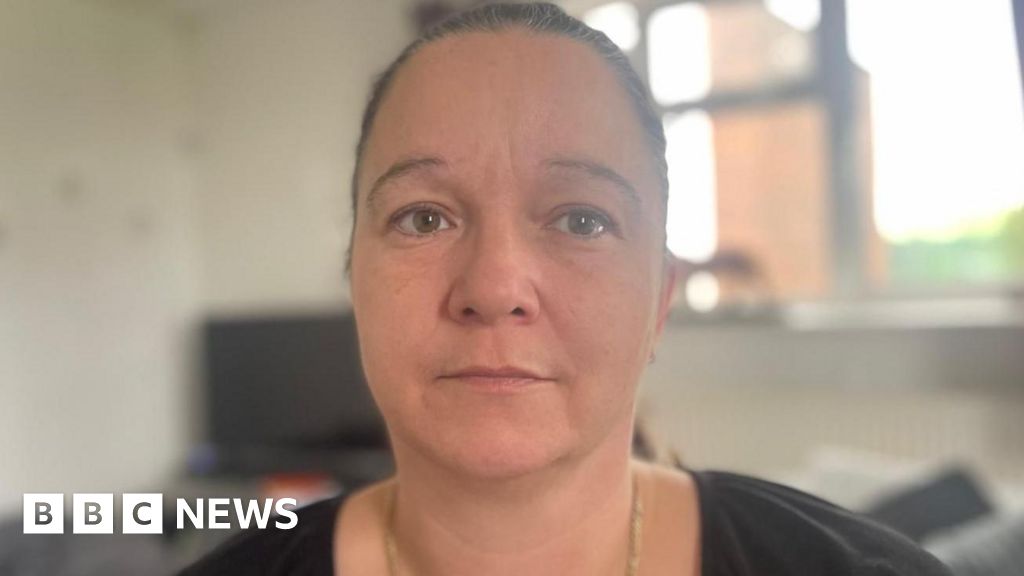
In communities like Peterborough, recent tragic events have ignited a vital conversation about the intersection of social issues, education, and family welfare. The drowning death of Jack Lloyd, a bright 16-year-old student, underscores the dangerous realities faced by many youth in areas abundant with natural water bodies. Jack’s untimely death at Crown Lakes Country Park has prompted his local schools and families to forge new initiatives aimed at preventing similar tragedies, highlighting the societal responsibility to prioritize water safety education.

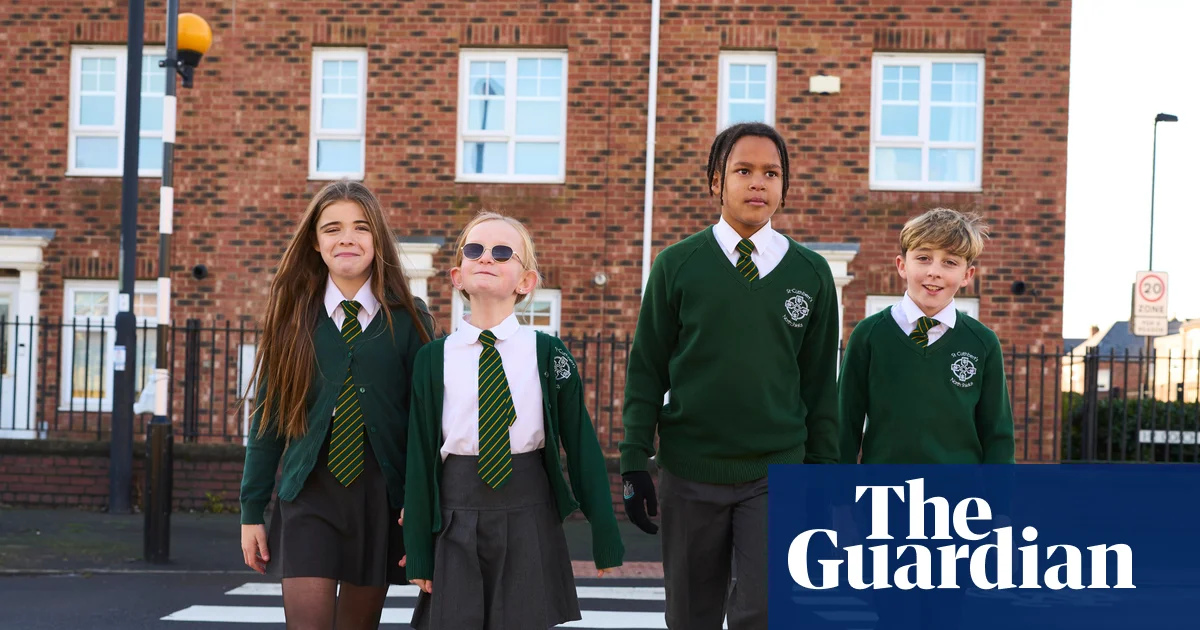
Arguably, the incident sheds light on the demographic shift within the region, where many families nowadays grapple with limited access to formal swimming facilities, often relying on makeshift solutions. Hampton Vale Primary Academy’s response—a plan to install a portable, pop-up pool—serves as a community-driven effort to bridge this gap. Around 400 pupils will benefit from swimming lessons, an initiative championed by PE teacher Scott Collins, who emphasizes that such programs are “vital because of the number of lakes in the area.” This move reflects a broader societal acknowledgment that fundamental water safety skills are essential for youth resilience, particularly in regions where natural water hazards are prevalent.

Yet, societal challenges extend beyond mere infrastructure. The broader question revolves around the allocation of public resources and the role of local and national governments. Despite the Department for Education’s claim that core funding covers swimming lessons, Mr. Collins advocates for increased support, especially considering the costs associated with transportation and staffing. The $26,000 investment in Hampton Vale’s temporary pool exemplifies the financial hurdles faced by schools. Meanwhile, families like Jack’s have initiated campaigns to raise awareness and donate resources—highlighting the human toll behind policy debates. Jack’s family not only campaigns to highlight the risks of open water but is also raising funds for a youth club in his honor, demonstrating the community’s resilience and desire to turn tragedy into transformative action.

Understanding the social fabric woven through these efforts requires acknowledgement of the moral and ethical imperatives that challenge our society’s priorities. Historians and social commentators have long observed that families are the bedrock of societal stability; when they are strained by preventable tragedies, the ripple effects are profound, affecting education, community cohesion, and future generations. Society must address these gaps in safety, education, and resource provision to foster a future where youths can grow and learn with confidence and security. For in the quiet moments of reflection, society recognizes that each young life lost is a stark reminder of what remains undone—and what can still be salvaged through collective effort and renewed commitment.

Ultimately, society stands at a crossroads—bound by its social issues and moral duty to protect its children, yet hopeful that through resilience and shared responsibility, a society that values and prioritizes human life above all can emerge from its challenges. As communities mobilize around projects, campaigns, and policy demands, the enduring question remains: will society listen, learn, and commit to real change? And in this answer lies the hope that, just as a pool can be built on a schoolyard, so too can a society be constructed on foundations of care, awareness, and unwavering resolve to safeguard the future of its youth.

UK tuition costs soaring—are universities still worth it for today’s youth?

Society at a Crossroads: How Rising Costs and Educational Disparities Threaten Our Communities

As social tensions mount and economic pressures intensify, the fabric of our communities faces unprecedented challenges. The recent surge in university tuition fees, coupled with soaring living costs, reveals a society strained under the weight of inequality and shifting demographics. While policymakers tout increased support for students, the reality on the ground exposes a widening gap between aspiration and access—a gap that impacts families, education, and communities at their core.

The landscape of higher education in the UK underscores these disparities. Tuition fees in England and Wales, after years of frozen caps, have escalated to an average of £9,535 annually—a stark 3% increase with projections suggesting annual hikes aligned with inflation. The rationale, policymakers claim, is rooted in the financial struggles faced by universities, with over four in 10 institutions believed to be operating at a deficit. However, beneath this fiscal narrative lies a troubling truth: an erosion of accessible education that serves as a ladder for social mobility. The former hope of a university degree as a means of upward mobility is now shadowed by crippling debt, with the average graduate in England owing around £53,000—an economic burden that hampers long-term aspirations and widens socio-economic divides.

Moreover, the cost of living and student accommodation compound these issues, with rent prices in university towns frequently exceeding £7,000 per year, and London’s purpose-built student housing reaching nearly £13,600 annually. For families from lower-income backgrounds, such financial hurdles are insurmountable barriers, often forcing students into part-time employment—sometimes up to 68% during term time, as recent surveys indicate—just to stay afloat. This reality underscores how families are profoundly affected, with the economic stress of education threatening to undo the very purpose of social cohesion and opportunity. Sociologists like Pierre Bourdieu have long argued that social capital—access to education and networks—is vital for social mobility. Yet, these escalating costs threaten to reduce social mobility to a myth for the most vulnerable, leaving many families feeling abandoned in the quest for a better future.

While policy rhetoric suggests increased financial aid, the inequities in educational backgrounds persist. The Sutton Trust reports that only 1 in 5 students eligible for free school meals achieve top earnings in adulthood, compared to nearly 50% of those from private school backgrounds. This stark statistic reflects a social hierarchy where opportunity is disproportionately concentrated among the privileged. As historian David Starkey once noted, “The class divide is woven into the fabric of the education system itself.” The recurring theme is clear: unless structural inequities are addressed, the cycle of poverty and limited opportunity continues unabated.

Looking ahead, the challenges facing families and communities necessitate a shift from benign neglect to active policy intervention—fundamentally reexamining how society values equitable access to education and social mobility. Strategies such as progressive funding, targeted support for underprivileged students, and affordable housing initiatives could serve as stepping stones towards rebuilding trust and solidarity among communities. Ultimately, society must confront its disparities head-on, recognizing that the true strength of a nation lies in empowering every family, regardless of their economic starting point. Only then can society hope to transform its current crisis into an opportunity for a resilient and inclusive future—where hope is not just a promise, but a reality shared by all.

Authorities threaten parents as 1,000 adopted children are forcibly taken back—what’s happening to our families?

Across the United Kingdom, a silent crisis is unfolding within the realms of adoption and foster care. Deep within families tasked with providing love and stability to society’s most vulnerable children, there is a disturbing narrative of neglect, misunderstanding, and broken support systems. An investigative report by the BBC reveals that numerous adoptive families are being pushed to the brink—being threatened, harassed, and sometimes driven to the point of despair, all while grappling with children who have suffered severe trauma before their placement. These families, often lauded as heroes of society for welcoming children in need, are instead becoming casualties of a system that fails to back them in their darkest hours.

This troubling scenario threatens the very fabric of families, communities, and the future of social cohesion. Sociologists such as Prof. Laura Machin have highlighted the devastating effects such failures have on families, noting that nearly 38% of adoptive parents consider returning their child to care amid the mounting crises. Many families report being misled about the level of post-adoption support and subjected to a culture of blame from social workers overwhelmed by caseloads and systemic limitations. When behavior problems emerge, instead of receiving compassionate intervention, adoptive parents often face the language of blame, legal threats, and even police involvement—an experience that can fracture communities that operate on trust and shared morals. The social impact is profound, with trauma routinely dismissed or misunderstood, leaving families feeling isolated and betrayed.”

Within this chaos, family units are suffering as children with complex needs are returned to care or are left in environments unfit for healing. The BBC investigation uncovers a shocking number—more than 700 children—who are returned to care before their adoption is finalized, and hundreds more after, illustrating a failing system that lacks the preventative support necessary to keep families intact. These breakdowns are often precipitated by inadequate early intervention, with research from Lancaster University indicating that many such disruptions could be avoided with proper, timely help. Social workers, under immense pressure, sometimes resort to disinformation or blame parents for issues rooted in trauma, neglect, or abuse that originated long before adoption. The moral and human toll is immeasurable, with stories like that of Verity and Ian, who adopted their children from a violent environment, only to face threats of prosecution when their own efforts to protect and nurture were met with legal and bureaucratic hostility.

At the core of this social dilemma lies a profound need for reform—a society that recognizes the lifelong commitment of adoption and the essential role of support systems. Advocates like Fiona Wells from the grassroots group Patch emphasize that adoption should be a lifelong journey, backed by continuous, meaningful support. The current landscape, however, often leaves families to fight alone, with legislation outdated and social services strained beyond capacity. As Sarah, a seasoned social worker, admits, social workers on the ground frequently harbor a blame culture, and systemic neglect leaves many families in crisis. But in the light of this ongoing crisis, there is hope. Movements pushing for policy reforms and better resources are gaining momentum, advocating for early intervention, proactive mental health support, and a compassionate approach to trauma—cornerstones of restoring trust and healing fractured lives. Society must reckon with these painful stories, recognizing that behind every statistic are real families burdened by systemic failures, human suffering, and the need for societal compassion.

As society stands on the precipice of change, it reflects a timeless truth: that the strength of our communities is inherently linked to our ability to nurture the vulnerable with dignity and respect. Liam’s story, from trauma to independence, reminds us that amid systemic flaws there is potential for renewal—if society chooses to face its challenges head-on and build a future rooted in compassion and support. For in the quiet resolve of families fighting for their children, lies the hope that society’s moral compass can be recalibrated—toward justice, toward healing, and ultimately, toward a society that truly values every human life, no matter how scarred or lost it may seem.

Experts warn missed diagnoses of treatable male infertility are driving avoidable IVF use, harming society’s future.

The Hidden Crisis of Male Infertility: A Society Overlooking a Critical Social Issue

In recent years, national health initiatives have begun to shine a light on male health issues, but the problem of male infertility remains disturbingly under-researched and misunderstood. Despite men contributing to 50% of all infertility cases, families, educators, and communities alike are failing to recognize the significance of this silent crisis. Societies that neglect this aspect of reproductive health risk losing a pillar of their social fabric—families and the future generations they aspire to nurture. According to experts like Vaibhav Modgil, an honorary clinical professor and consultant urological surgeon, the ignorance surrounding male infertility is not just a medical issue but a social dilemma rooted in inadequate funding, misperceptions, and systemic neglect.

The lack of comprehensive education and public awareness translates into tangible hardships for families. When couples face infertility, women often become the focus of testing and treatment, while men are left without basic diagnostics or knowledge about how lifestyle factors—such as heat exposure, smoking, or poor diet—damage sperm quality. As Dr. Michael Carroll notes, the societal tendency to view fertility as exclusively a woman’s concern perpetuates outdated stereotypes and leaves men’s health issues in the shadows. This imbalance not only hampers effective treatment but also inflicts mental trauma on men who grapple with feelings of inadequacy or societal stigma—wounds that can run deep and affect community cohesion and individual well-being.

Efforts by public health officials to address this issue are emerging, with the recent publication of a Men’s Health Strategy that promises to catalyze change. However, critics argue that policy gaps and insufficient funding keep the problem entrenched. The National Institute for Health and Care Excellence is updating guidelines to recommend more extensive testing for men, but much more is needed. As social commentators have observed, the true challenge lies in shifting cultural perceptions—expecting society to acknowledge that men’s health matters equally and to confront the stereotypes that hinder access to care. Without a comprehensive approach that includes education, medical research, and community awareness, the cycle will persist, and families will continue to bear the emotional and financial costs of infertility.

Recognizing that health disparities affect entire communities, many argue for an urgent cultural transformation. As studies reflect, 80.6% of GPs have received no formal education on male fertility, and 97% cannot accurately examine for varicocele—yet, these are simple, treatable conditions within reach if adequate resources and awareness are in place. Reformative action would not only improve individual outcomes but also serve the broader societal goal of strengthening the family’s foundation. The societal narrative must evolve from viewing fertility solely as a woman’s issue to understanding it as a shared responsibility and societal concern—one that cuts directly into the moral fabric of community life, impacting young families’ hopes and futures. Hope lies in our collective will to understand, educate, and innovate; society’s strength will be measured by how effectively it supports its most vulnerable members both morally and practically, nurturing families rather than neglecting them in silence.

Limerence Uncovered: The Passion Driving Today’s Youth Culture

The Hidden Struggles of Modern Connections

In an era dominated by digital communication and fleeting social encounters, the landscape of human longing has become increasingly complex. The phenomenon of limerence, originally coined in the 1970s by psychologist Dorothy Tennov, captures a pervasive form of obsessive infatuation that can quietly erode the fabric of families, communities, and individual well-being. Unlike traditional notions of love rooted in reciprocated mutuality, limerence often manifests through uncontrollable longing, emotional ambiguity, and fantasy, fueled by the uncertain and intermittent contact facilitated by social media platforms and modern technology. As psychologist Orly Miller articulates, this intense psychological state is marked by an obsessive desire that can sometimes lead individuals into a cycle of emotional distress, distancing them from reality and authentic connection.

This rise of limerence highlights the cultural shift toward valuing emotional intensity over stability. Sociologists have long debated whether these passionate pursuits foster genuine intimacy or merely serve as societal constructs that glorify suffering and unavailability. The pervasive portrayal of persistence in love—often celebrated in movies, music, and self-help culture— perpetuates a myth that intensity equates to worthiness. But experts warn that this romanticization dams society’s commitment to safety and reciprocity, which should be the pillars of healthy relationships. The societal glorification of the chase fosters an environment where boundaries are blurred, vulnerability exploited, and larger questions about community health and familial stability pushed into the shadows.

Social and Ethical Challenges in Contemporary Relationships

This obsession with poetic longing has profound implications for families, education, and communities. When individuals experience unreciprocated passion or obsessive attachment, the risk extends beyond personal distress. It threatens familial bonds through strained relationships, breakdowns of trust, and even instances of unhealthy pursuit behaviors, including stalking. Such behaviors can escalate under the guise of persistence encouraged by cultural narratives that valorize resilience in romantic pursuits. Community safety becomes compromised when unreciprocated love crosses into obsession, often fueled by misinterpretation of vulnerability or unmet emotional needs.

  • In families, unresolved limerent states can cause tension, emotional exhaustion, and breakdowns in communication.
  • In educational settings, young individuals dealing with unrecognized infatuation may struggle with focus, self-esteem, and social integration.
  • Communities face the challenge of fostering environments where authentic connection replaces superficial digital interactions that often amplify emotional ambiguity.

Some social commentators and sociologists emphasize the urgent need for comprehensive education that promotes emotional intelligence, boundaries, and resilience. Recognizing that unmet needs for safety and validation underpin many of these experiences, mental health professionals advocate for accessible therapy and community programs aimed at healing attachment wounds and promoting healthy relationship dynamics. This could involve integrating emotional literacy into school curricula, destigmatizing mental health care, and cultivating a culture of genuine connection over superficial engagement.

Pathways Toward a Resilient Society

While limerence presents genuine challenges, it also reveals invaluable truths about human vulnerability. Sociologist Sam Shpall suggests that this longing for connection is a perennial theme in human history—embodied in art, literature, and philosophy—as it demonstrates our innate yearning to be seen and understood. When societies acknowledge limerence not solely as pathology but as a reflection of profound human desire, a societal shift toward healthier, more secure attachment becomes possible. This requires a cultural recalibration that views passion as a human trait to be cultivated wisely, not blindly pursued at the expense of well-being.

Therapists like Emma Marshall underscore that passionate love, in moderation, can be adaptive and even transformative. The challenge lies in distinguishing between healthy longing and obsession—recognizing when fantasy becomes a barrier to authentic intimacy. Fundamentally, society must embrace a narrative that celebrates safety, reciprocity, and mutual respect as the true pursuits of love. Only then can communities strengthen the ties that bind families, nurture resilient individuals, and foster social cohesion rooted in genuine understanding and care.

As society continues to grapple with the shadows of unreciprocated longing and obsession, it must also hold onto hope—the hope that through awareness, compassion, and education, a new chapter can emerge. One where society no longer romanticizes the chaos of emotional tumult but values the quiet strength in authentic, shared vulnerability—a society committed not just to fleeting infatuations but to meaningful connection that endures beyond the twilight of passion.

What are NEETs, and why are they a rising concern among Britain's youth?
What are NEETs, and why are they a rising concern among Britain’s youth?

Societal Challenges: The Rising Tide of Neets and Society’s Response

In recent months, the British social landscape has been confronting a distressing reality: a growing number of young people are classified as Neet, a term that denotes those not in education, employment, or training. The latest figures from the Office for National Statistics (ONS) reveal that nearly 947,000 individuals aged 16 to 24 fall into this category, accounting for approximately 12.7% of the demographic. Most of these Neets are classified as economically inactive, which signifies a troubling disengagement from the workforce and educational opportunities that are vital for individual growth and societal stability. Sociologist Peter Saunders warns that this persistent trend threatens to foster a generation with diminished prospects, potentially burdening communities with long-term socio-economic difficulties.

The causes behind this surge are multifaceted but deeply intertwined with economic shifts, health issues, and social inequality. The Youth Futures Foundation emphasizes that a significant driver is the rise of **long-term sickness among youth**, notably mental health conditions. Approximately 18% of Neets confront mental health challenges that hinder their ability to access opportunities. Additionally, those with learning difficulties are disproportionately represented within this group. The challenging job market, particularly in sectors like hospitality that traditionally employ a high volume of young people, has grown more hostile. The falling number of vacancies and the increased reliance on low-paying, unstable jobs exacerbate this issue, leaving many youth stranded on the sidelines, unable to contribute meaningfully to their communities.

Society’s Response: Government Initiatives and Community Strategies

Recognizing the urgency, the government has announced measures aimed at reinserting these young individuals into the fabric of society. In her November Budget, Chancellor Rachel Reeves committed £820 million over three years to fund the “youth guarantee”, targeting 18 to 21-year-olds who have been inactive for over 18 months. This scheme promises to provide access to apprenticeships, training, and dedicated work placements—crucial stepping stones toward sustainable employment. Reeves articulates a moral imperative—*”to give young people the support and opportunities they deserve,”*—yet experts like David Hughes from the Association of Colleges argue that the funding remains insufficient to address the scale of the problem.

Precise actions include offering six-month paid work placements for those persistently inactive, with an emphasis on incentivizing participation through potential benefit sanctions for refusal. Additionally, schemes to make internships and apprenticeships in small and medium businesses entirely free aim to create accessible pathways into the workforce. An independent investigation led by former Health Secretary Alan Milburn will further probe the underlying social and health issues, particularly focusing on mental health and disability’s role in youth inactivity. It’s a comprehensive response that reflects an understanding of how social issues ripple through families, disrupt community cohesion, and challenge schools and local institutions.

The Broader Spectrum of Community and Regional Efforts

Beyond Westminster, regional initiatives bolster national efforts, illustrating a shared understanding that systemic change requires localized action. In Wales, the Young Person’s Guarantee offers young adults tailored support for apprenticeships, employment, or entrepreneurship. Similarly, Scotland‘s Developing the Young Workforce (DYW) scheme emphasizes early intervention and formal mentorship, acknowledging that transforming the future of youth necessitates community-driven resilience and tailored solutions. These initiatives caringly recognize that social cohesion hinges on offering every young person the opportunity to find their footing amidst turbulence. While funding and programs provide essential scaffolding, social commentators stress that true empowerment stems from addressing gaps in mental health support, combating entrenched inequality, and fostering environments where aspiration is nurtured, not suppressed.

As society stands at this crossroads, the challenge lies not only in immediate intervention but in cultivating a culture that values the vibrant potential of its youth. The story of those labeled as Neets is, in essence, a mirror reflecting our collective priorities—whether we choose to invest in hope and resilience or accept a future shadowed by disenfranchisement and stagnation. In this societal journey, there remains a quiet, persistent hope that through committed community efforts and moral resolve, society can weave a new narrative—one where every young person can rise, contribute, and renew the social fabric for generations to come. Their future, like society itself, depends on whether we dare to prioritize hope over apathy, action over silence, and unity over division.

Protecting autonomous midwifery is vital for our society's future
Protecting autonomous midwifery is vital for our society’s future

Amid the ongoing debates on social and healthcare policies, one issue that often remains under-discussed but holds profound significance is the diminishing respect and access to autonomous midwifery. Once a pillar of respectful, individualized care, midwifery has increasingly been marginalized, replaced by a model that, critics argue, erodes the dignity and safety of mothers and families. The shift from experienced, autonomous midwives—who offer emotional support and vigilant care—to obstetric nursing within institutional frameworks reflects a societal move towards bureaucratic control. This change affects families’ trust in maternal care, undermines community bonds, and risks turning childbirth into a mere medical procedure devoid of the human connection essential to human dignity.

The historical role of midwives, rooted in centuries of cultural and community practice, underscores their importance not only in physical health outcomes but also in fostering a supportive environment for women during one of life’s most vulnerable moments. Sociologists, like Dr. Sarah McMillan, have emphasized that the loss of autonomous midwifery signifies more than a professional shift; it symbolizes a societal attitude that undervalues the moral significance of care rooted in respect and autonomy. As medical institutions streamline childbirth—mainly driven by cost-efficiency and regulatory standards—the emotional and cultural dimensions of birth are often sacrificed. This reality manifests in increased obstetric violence, a troubling phenomenon that infringes on women’s rights and dignity, and in the rise of unsafe practices such as ‘free birthing’—a dangerous consequence of limited professional support and accessibility.

For communities, the consequences are tangible: fractured trust in healthcare, increased disparities for marginalized groups, and a growing sense of alienation during a crucial life event. As historian Dr. James Ortega notes, “When societies undercut their own cultural practices and community-based care, they risk losing a vital connection—one that sustains the social fabric for generations to come.” To address these challenges, advocates call for restoring accessible and respectful autonomous midwifery services—an approach that emphasizes experience, human connection, and informed choice. Proposed solutions include policy reforms that recognize midwives as primary caregivers, investments in community-based training, and legal protections that uphold their autonomy. Implementing these changes can ensure that birth remains a sacred, empowering journey rather than a clinical, impersonal ordeal affecting families’ well-being and societal cohesion.

As society faces these escalating social issues, it is vital to reflect on the moral and ethical implications of our collective choices. Childbirth, an event woven into the very fabric of family life and cultural identity, must be approached with the respect and dignity it deserves. When communities embrace the full spectrum of care—grounded in tradition, experience, and human empathy—they sow the seeds for a future where families feel supported, women are empowered, and social bonds are reinforced. The challenge ahead is daunting, yet within it lies the potential for profound social transformation—one that places humans and communities at the heart of healthcare. Ultimately, society’s resilience will be measured by its capacity to honor and sustain the enduring human connection that birth symbolizes, nurturing hope amid social change and guiding future generations with compassion and respect.

Teens Urge Adults to Curb Harmful Content, Not Them

As Australian society grapples with the complexities of digital safety and youth empowerment, a contentious law has emerged, highlighting a deeper societal tension: the delicate balance between protecting children and preserving their fundamental rights to free communication. Starting December 10, social media giants like Meta, TikTok, and YouTube are mandated to restrict accounts held by under-16s, a move justified by the government and supporters as a necessary shield against harmful content and algorithmic manipulation. However, this policy faces mounting opposition from teenagers themselves, a sign that social shifts and cultural values are in flux, especially among the emerging generation that views digital access as integral to participation in society.

Two 15-year-olds—Noah Jones and Macy Newland—have taken legal action against the law, claiming it strips them of their right to free expression and social connection. Noah, in an interview, emphasized that while online dangers exist, banning young users is not the solution. Instead, he advocates for the allocation of resources towards

  • removing predators
  • curbing harmful content

—initiatives that should be prioritized by the platforms themselves. His perspective echoes the voice of many sociologists, such as Dr. Jordan Peterson, who argue that individual responsibility and education are vital to navigate the digital age, rather than outright bans that risk marginalizing youth from society’s digital fabric.

Meanwhile, Macy recognizes the dual nature of social media: the profound benefits of digital connectivity—such as fostering education, political awareness, and social inclusion—must be balanced against concerns over mental health and exposure to harmful content. Her call for improved education on online safety and age-verification measures reflects a broader societal debate: how can communities safeguard the vulnerable without infringing on their freedoms? According to social commentators like Christopher Lasch, societal resilience depends on cultivating informed, responsible citizens. The challenge for families and educators is to equip youth with critical thinking skills so they can navigate the digital landscape independently, rather than shielding them behind bans that might foster distrust and alienation.

As the legal case progresses, with the High Court weighing the arguments, the societal fabric is tested by questions of morality and societal responsibility. Supporters of the ban, including most adult Australians, argue that protecting childhood from toxicity takes precedence. Yet, critics warn of the potential for social fragmentation and the inadvertent exile of youth to darker, less-regulated online spaces. The debate underscores a societal crossroads: will the community prioritize safety at the expense of connection, or seek a path that preserves both?

In the end, society faces an enduring truth: the digital age demands not just policies but a shared moral compass rooted in understanding and hope. As families, communities, and policymakers strive to forge solutions, they must remember that beneath the debates over laws and technology lie the aspirations of young people—whose future depends on society’s willingness to bridge the divide between protection and freedom, building a society resilient enough to nurture both safety and liberty. Only then can the promise of transformation shine bright amid society’s ongoing challenges.

Ministers: Send debts won’t threaten our schools—youth-focused council absorbs costs responsibly

The Struggle for Support: How Social Issues in Education Reshape Families and Communities

In recent years, the landscape of special educational needs and disabilities (Send) has become a focal point of societal tension, exposing broader issues of demographic shifts, funding disparities, and community resilience. As families with children requiring tailored support grapple with an increasingly strained system, the question arises: can our society uphold the moral obligation to adequately support its most vulnerable? Local authorities and parent groups have voiced growing concern over the government’s plans to repurpose funding sources, with many warning that these measures risk destabilizing networks of care and education for children with complex needs.

At the core of this crisis is the rapidly rising demand for Send services. Since 2016, the number of young people with education, health and care plans (EHCPs)—official documents outlining support entitlements—has doubled across England. This demand, compounded by underfunding and systemic inefficiencies, has created a perfect storm, where families are left to navigate a labyrinth of uncertainty and inadequate resources. Currently, local authorities receive a ring-fenced grant to fund Send, but rising needs have led them to spend billions beyond what the central government provides. The Social Commentator Anna Bird cautions that the government’s optimism about reform timelines may overlook the reality that overhauling such a complex system will take considerable time, risking further hardship for families caught in the gaps.

The Money Problem and Its Impact on Families and Education

  • The £6 billion forecasted cost for supporting children with disabilities is set to be taken from local authorities, effectively shifting financial burdens from the state onto community shoulders.
  • This move comes despite warnings from the Office for Budget Responsibility (OBR) that councils face a cumulative deficit of £14 billion by 2028, threatening their capacity to sustain other vital services.
  • Opposition voices, including the Shadow Education Secretary, assert that any reduction in school budgets jeopardizes educational quality and fairness, especially for children with special needs.

For families like Aimee Bradley, a mother of three autistic children, the lack of transparency fuels anxiety. “Parents see vague promises and no concrete plans,” she states. Many are worried about not just the future of their children’s support services but also the quality of education and inclusion in mainstream society. Sociologists emphasize that when social infrastructure falters, it’s families—particularly those with marginalized children—who bear the brunt, reinforcing cycles of inequality and social exclusion.

The Social and Ethical Dilemmas of Budget Cuts

Amidst the debate, experts like Luke Sibieta from the Institute for Fiscal Studies advise that the government has three primary options: slowing the growth in Send spending, increasing the overall schools budget, or cutting mainstream school funding. Each pathway threatens to ripple through communities, affecting the morale and stability of schools, and the cohesion of neighborhoods. The National Audit Office’s description of the system as “broken” underscores a sobering reality: without urgent and sustained reform, society risks leaving behind its most vulnerable children, perpetuating a cycle of unequal opportunity that stunts community growth and societal progress.

For many social commentators, the core challenge lies in balancing fiscal responsibility with ethical duty. The future hinges upon whether policymakers recognize that investment in supporting children with special educational needs is not merely a matter of budgets but a moral imperative to nurture societal resilience and fair opportunity. As society faces these difficult choices, the hope persists that the collective moral voice of families, educators, and community leaders can forge a future where every child is valued and supported—restoring faith that society’s true strength lies in its capacity to care for its most vulnerable.

Caerphilly School Sets Standard with Nearly Perfect Attendance—A Win for Community and Discipline

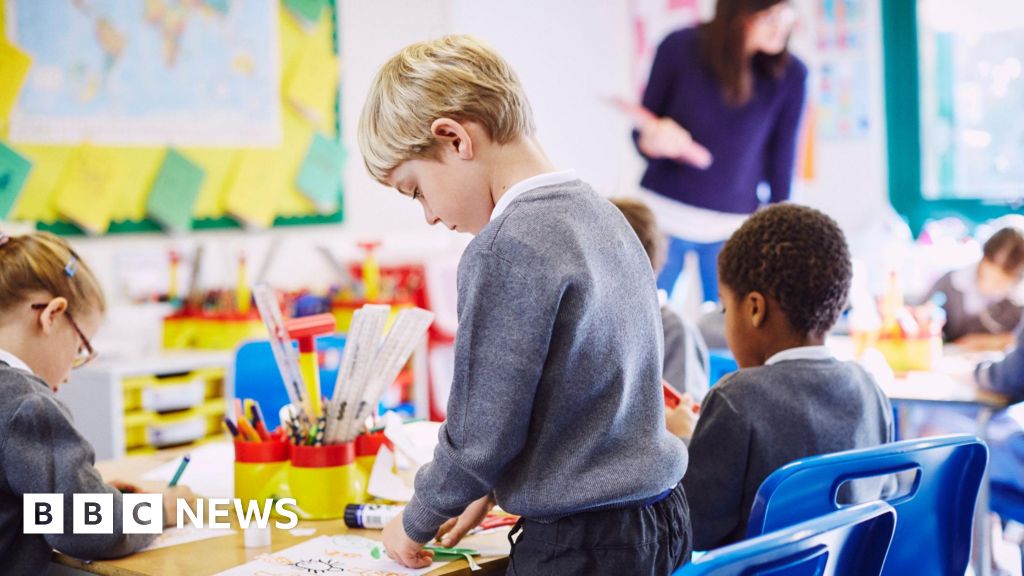
In the shadows of demographic shifts and cultural transitions, Welsh society grapples with an enduring challenge: declining school attendance rates that threaten the future fabric of community life. Despite some pockets of excellence, like Ysgol Gymraeg Caerffili, which boasts an extraordinary attendance record of 98.2%, the overall picture paints a sobering narrative—one that echoes global social issues about engagement, identity, and well-being among youth. The societal ripple effects reach deep, affecting families, education, and communities, revealing both societal resilience and the pressing need for targeted intervention.

Among sociologists such as James Coleman and Pierre Bourdieu, the importance of social capital and cultural engagement is emphasized as vital for fostering self-esteem and communal belonging. The success stories emerging from schools like Ysgol Gymraeg Caerffili underscore this, where participation in extracurricular activities—ranging from chess to dance—serves as a vital countermeasure against disconnection. Headteacher Lynn Griffiths highlights that “children don’t want to miss out and quite often our parents say ‘they’re not feeling 100% but they want to be in school because they enjoy being in school'”. Such attitudes signal a desire among young people for a platform to develop their identity and competencies, rooted in a supportive environment that values their well-being. Yet, the challenge remains how to replicate this success more broadly across Wales, where rates are stubbornly low—especially among secondary students—raising questions about community cohesion and the significance of sense of belonging in societal health.

The societal impacts reverberate beyond the classroom into families and local communities. For parents like Victoria from Glynneath, managing attendance involves navigating the rising costs of holidays and the understanding that sometimes, a week away during term time is the only affordable way for families to connect. On the other hand, Jenny’s story of her child with a medical condition illustrates the moral dilemma faced by schools and policymakers in balancing discipline with compassion. The Welsh government’s recent efforts to inject £7 million into re-engagement initiatives reflect an acknowledgment: addressing attendance isn’t merely about punitive measures, but about fostering an environment of support and understanding to nurture every child’s right to education.

The Broader Picture: Attendance Statistics and Social Reality

  • Average attendance for Welsh schools stands at 90.9% for 2024-25, trailing behind pre-pandemic figures of 94.3% in 2018-19
  • Primary school attendance surpasses secondary schools, reaching 93.4% compared to 90.3%
  • Persistent absence—pupils missing over 10% of sessions—is a critical concern, especially among disadvantaged populations

This data, analyzed by experts like Estyn, reveals a societal paradox: while schools are making efforts to elevate engagement, the underlying social determinants—such as economic hardship, mental health issues, and cultural alienation—persist. Schools like Osbaston Primary and Raglan Primary demonstrate that targeted interventions, including engaging extracurriculars and flexible attendance policies, can make significant differences. Nonetheless, the critical question remains: how can Wales bridge the gap between equality of opportunity and the reality of persistent disparities? It is a societal challenge requiring a collective effort—one that transcends education into social policy and community development.

In navigating this landscape, the role of parents and community actors becomes crucial. Schools aiming to work in partnerships with families—embracing understanding over punishment—are paving the way forward. Victoria’s account of schools providing regular attendance reports and flexible holiday arrangements exemplifies a broader societal shift towards empathy and collaboration. Such approaches acknowledge that attendance is not merely a measure of school discipline but a reflection of a society working to mend itself, recognizing that the bonds of community and the support systems within families are the bedrock of social resilience.

Society faces daunting social issues; yet hope persists in the small victories—students who wish to be in school, families striving to connect despite economic hurdles, educators dedicated to nurturing potential. Society’s ongoing challenge is to transform these pockets of success into a national movement, rebuilding a shared sense of purpose grounded in support, understanding, and hope. As social commentators and scholars reflect on history, the enduring truth remains that true societal progress emerges when communities come together to reimagine a society where every child, regardless of background, can find a place to belong, learn, and grow—affirming that the future is not fixed, but forged anew, one step at a time.

Social Media Auto Publish Powered By : XYZScripts.com