Matox News

Truth Over Trends, always!

Somalia adopts Swahili in schools to strengthen cultural ties and boost national pride

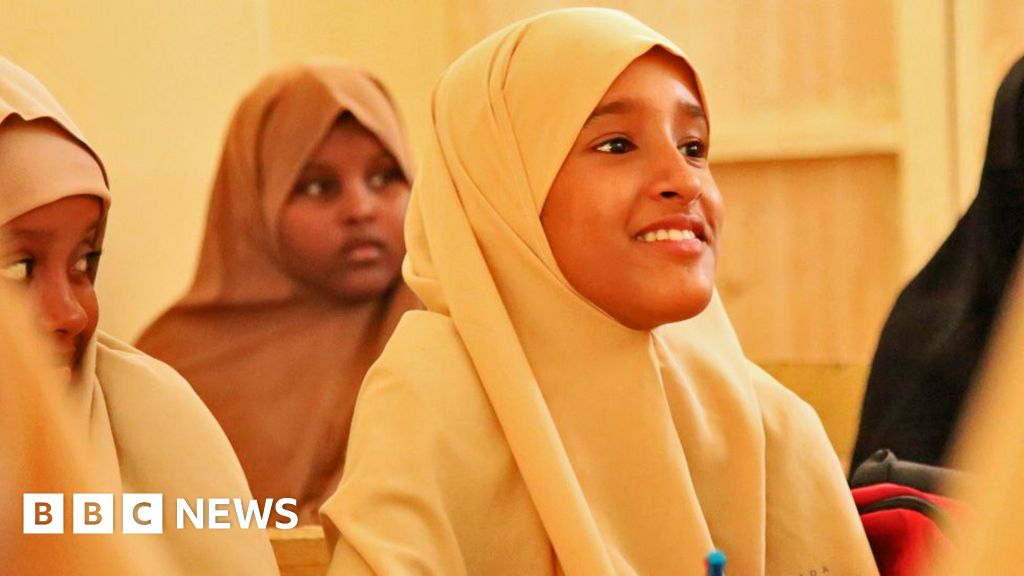
In a move that highlights a broader shift toward regional integration and cultural identity, Somalia has announced plans to incorporate Swahili into its national curriculum. This development unfolds amid a backdrop of decades of conflict, social fragmentation, and evolving regional dynamics. Historically, Somalia’s education system has been dominated by English at higher levels and Arabic at Islamic schools, reflecting colonial and religious influences. The decision to emphasize Swahili, the lingua franca of East Africa, signals a recognition that language is power—an asset for families, teachers, and communities seeking to rebuild trust, expand economic opportunities, and forge regional bonds.

  • The adoption of Swahili aims to foster regional integration, making Somalia more connected with its East African neighbors and facilitating trade, diplomacy, and education exchanges.
  • Swahili, spoken by over 200 million people, is among the world’s top ten most spoken languages, representing a significant cultural and linguistic bridge for Somalia’s youth and working families.
  • Increased use of Swahili is already evident along Somalia’s southern coast and among refugees in Kenya, many of whom learned the language as part of their adaptation after fleeing violence.

This cultural shift underscores a profound demographic and social transformation. Decades of civil war, which erupted in 1991, have led to social dislocation and an erosion of traditional authority, forcing communities—and especially the youth—to adapt in unpredictable ways. The proliferation of Swahili in everyday life, particularly among those who have crossed borders or served in regional peacekeeping missions, exemplifies how social bonds are evolving outside conventional national boundaries. Leaders like President Hassan Sheikh Mohamud emphasize that cultivating Swahili at academic institutions—especially at the Somali National University—will promote regional cooperation and integrate Somalia’s economy more closely with East Africa’s emerging markets.

Critics and social commentators warn that such rapid cultural shifts could ripple through families and societal structures, challenging long-held identities rooted in language and religion. As Historians note, language is often intertwined with cultural sovereignty; thus, the push to prioritize Swahili may provoke tensions among those who cling to Arabic or English as symbols of religious and colonial heritage. However, proponents argue that this multilingual approach could foster a new generation of citizens equipped to navigate a multi-lingual world—one where economic empowerment and social cohesion depend on linguistic adaptability. Education Minister Farah Sheikh Abdulkadir envisions Swahili replacing English as the dominant language of trade and learning, a move seen as both pragmatic and strategic.

Ultimately, how families, schools, and communities adapt in the coming years will determine whether this linguistic pivot bolsters national unity or deepens cultural fissures. It is a testament to society’s ongoing battle between preserving identity and embracing progress—a confrontation familiar across many nations shaping their destinies amidst modern global challenges. As the sun sets over Mogadishu and a new chapter begins, society stands at a crossroads: will it forge a resilient, inclusive future by harnessing the power of language, or will it find itself divided by the echoes of a past reluctant to fade? In this fragile moment, society’s resilience lies in its ability to envision transformation, not just as empty rhetoric but as a tangible hope—an enduring testament to the human spirit’s capacity to reinvent itself amid chaos and change.

Scientists Unveil First Reliable Blood Test for Chronic Fatigue Syndrome—A Win for Society and Youth Wellness

In a significant development that could reshape the landscape of healthcare and social support for families affected by chronic illness, scientists have announced the creation of what may become the world’s first reliable blood test for myalgic encephalomyelitis, commonly known as chronic fatigue syndrome (ME/CFS). For decades, this debilitating condition has eluded objective diagnosis, leaving millions of Americans and Europeans to navigate a maze of symptoms that often lead to misdiagnosis or outright dismissiveness from medical authorities. The absence of concrete tests has profound consequences, not only for patients’ physical health but also for their families and communities, who often bear the emotional and financial burden of a misunderstood illness.

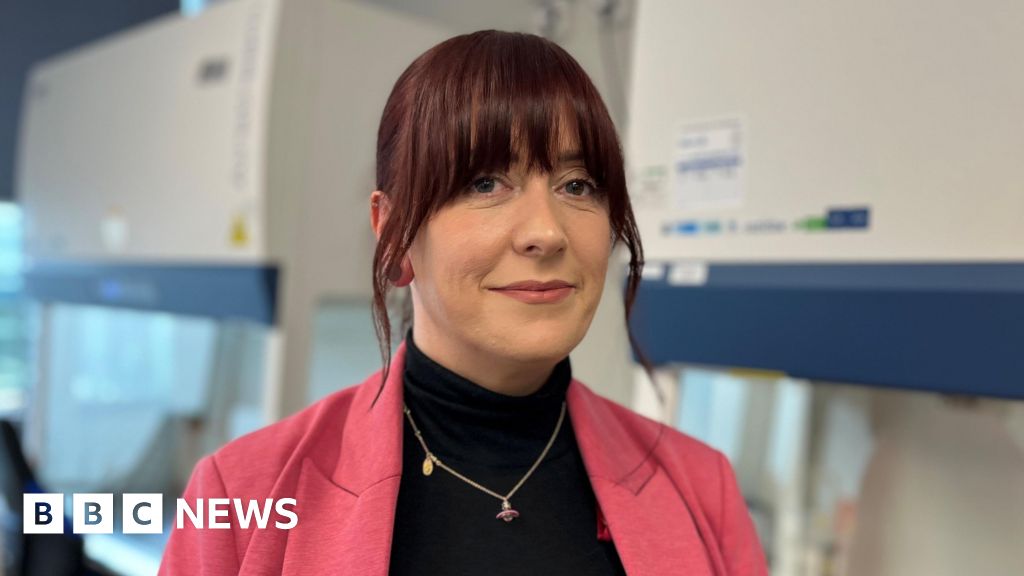
Social commentators and medical professionals have long pointed out that the absence of definitive testing contributes to a damaging societal neglect of ME/CFS sufferers. Many individuals told their symptoms are “all in their head,” a dismissive attitude that can cause isolation and despair. The potential development of a blood test to identify ME/CFS offers a promising avenue for early diagnosis and intervention, which could dramatically alter the trajectory of affected lives. As noted by Prof Dmitry Pshezhetskiy of University of East Anglia, this discovery holds the promise of transforming how this complex disease is diagnosed and managed, providing relief to countless young people, working adults, and families who have suffered in silence for years.

Nevertheless, the path from promising scientific discovery to practical application remains fraught with hurdles. Experts such as Dr. Charles Shepherd of the ME Association urge caution, emphasizing that the *sensitivity* and *specificity* of the test must be rigorously validated across diverse populations and disease stages. Concerns over premature claims echo through the scientific community, highlighting the importance of cautious optimism. Nonetheless, sociologists and health advocates underscore that breakthroughs like this have the potential to reinstate hope and dignity among those marginalized by inadequate healthcare systems. The societal challenge lies not only in developing tests but also in ensuring equitable access, especially for working-class communities who often suffer disproportionately from systemic neglect.

The social fabric of society, particularly in youthful populations, is increasingly shaped by these ongoing struggles. As education institutions grapple with integrating comprehensive health curricula and fostering understanding of invisible illnesses, families stand at the frontline of societal resilience. The societal emphasis on technological progress and scientific validation must go hand in hand with addressing the moral imperative of supporting the most vulnerable. This challenge invokes historical debates about the moral responsibilities of society—should we be content with the hope generated by a new test, or push for it to be swiftly integrated into clinics, so that the promise does not become a disappointment?

Ultimately, the story of this scientific breakthrough is a poignant reflection of society’s ongoing struggle to reconcile technological innovation with ethical responsibility. It echoes a broader societal challenge: how to ensure that justice, compassion, and equity are woven into the fabric of health care, education, and community support. As history teaches us, the true strength of a society emerges in how it lifts up those marginalized by invisible burdens, transforming scientific hope into tangible, everyday relief. In this moment of potential progress, society faces a choice—continue to chase the mirage of perfect solutions, or unite to create a future where no one is left behind in the shadows of misunderstanding. The hope for this new blood test is not just for early diagnosis, but for a society that finally recognizes and responds to the silent suffering among us, with unwavering resolve and compassionate action.

Parents fined as their daughter skips nearly 200 days at Stoke-on-Trent school—working parents paying the price for overreach

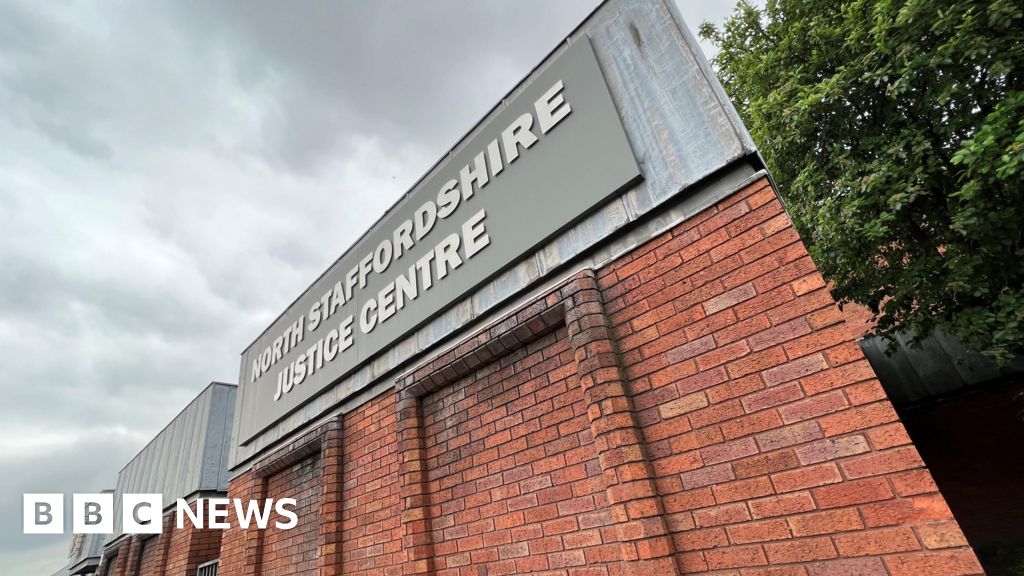
In the heart of North Staffordshire, a recent case exemplifies how social issues are deeply intertwined with education and community wellbeing. A mother and father faced legal repercussions after their daughter accumulated almost 200 unauthorized absences from school within a few months. Despite concerted efforts from schools, charities, and local authorities, the family struggled to ensure consistent attendance, vividly illustrating the intergenerational challenges that plague many contemporary communities. This situation highlights a broader societal dilemma, where the erosion of traditional family support networks and changing social dynamics threaten the foundations of youth development and community stability.

Statistics reveal that such cases are not isolated. The parents, both on benefits, invested significant resources—up to £70 a week—ferrying their daughter to school in taxis, even as the girl refused to participate in community-supported initiatives like a school minibus. Despite offering support, such as alternative transportation and behavioral interventions, the girl’s refusal to engage underscores a social tension — a breakdown in the relationship between children and institutions designed to serve them. Sociologists like Dr. Katherine Newman emphasize that these disruptions often stem from the erosion of social cohesion and the decline of community-based support structures. As families confront economic hardships, mental health issues, and social alienation, their ability to foster consistent discipline and support diminishes, impacting educational outcomes and community cohesion alike.

How do these social issues ripple through families, education, and neighborhoods? They threaten the very fabric of societal stability by undermining the potential of our youth. When families like the one in Staffordshire struggle with attendance and engagement, it becomes increasingly difficult to foster a culture of achievement and responsibility. Educational institutions, often overwhelmed, find it challenging to connect with students who refuse or are unable to attend regularly. As historian David Hackett Fischer pointed out, societal health depends on the strength of its families and the resilience of its community networks. Without these, the cycle of disengagement and low achievement deepens, leaving future generations ill-equipped to navigate societal hurdles.

  • Effective intervention must address social determinants such as economic hardship, mental health, and family stability.
  • Community-based support, including mentoring programs and parental education, can be vital in restoring bonds.
  • Policymakers should prioritize restoring trust in institutions and fostering environments where families feel supported rather than alienated.

Ultimately, this challenge calls for a reevaluation of our social priorities. Instead of merely penalizing families for absences, society must recognize the deep-rooted systemic issues that prevent many from fulfilling their potential. As we reflect on these struggles, it is imperative to remember that the future of our communities depends not solely on policies but on the moral fabric that holds families and institutions together. There remains hope—for transformation, for renewal, and for a society that recognizes the importance of supporting its most vulnerable. The question is whether we will listen to these stories and act decisively, or let society’s cracks deepen into irreversible divides, leaving future generations to pick up the pieces of our neglect.

Smartphone ban brings order and focus, says Northamptonshire teacher

Society’s Evolving Approach to Children’s Technology and Its Impact on Families

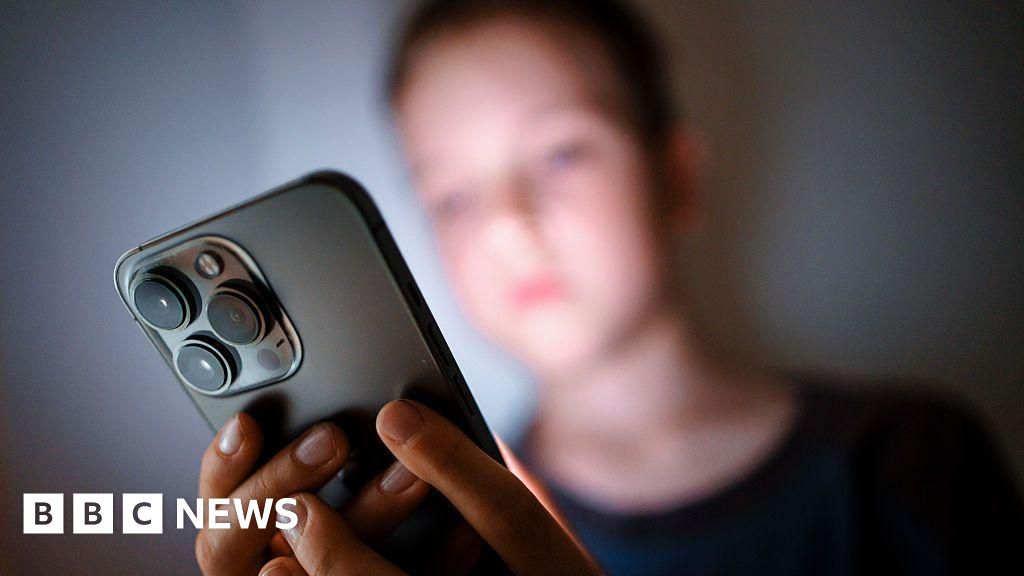
In recent months, schools and local authorities across the UK are re-evaluating their stance on children’s use of smartphones, with some institutions implementing decisive measures aimed at protecting the wellbeing of young students. Northamptonshire’s Earls Barton Primary School has become an exemplar of this movement by banning smartphones entirely. According to co-head teacher Marie Lally, this initiative has resulted in students arriving at school calmer and more focused — an outcome banners of the harm caused by unmoderated device usage. Such local efforts reflect a broader societal shift as parents, educators, and policymakers grapple with the undeniable influence of social media and instant messaging platforms on impressionable minds.

Many social observers believe this trend signals a critical cultural reconsideration of childhood innocence and autonomy. As sociologist Neil Postman warned decades ago about technology’s potential to distort societal values, contemporary concerns have matured: children are increasingly exposed to unsolicited images, cyberbullying, and inappropriate content through unchecked mobile devices. As part of this moral awakening, the Smartphone Free Childhood movement advocates for delaying the introduction of smartphones until at least age 14, emphasizing that early exposure jeopardizes mental health and moral development.

The Impact on Families and Community Relations

The ripple effects of unchecked smartphone access are felt most acutely within families. Parents are often caught in a dilemma: balancing the convenience of being contactable with the moral responsibility of shielding children from harmful content. Katie Moore, a mother involved in Northampton’s initiative, describes her own experience of giving her child a smartphone and witnessing “more conflict” at home, as her daughter faced animated porn, teasing on WhatsApp, and other cyber dangers. Moore’s story highlights a pervasive societal challenge: parents are pressured to conform to peer expectations that equate smartphones with social status, even as evidence mounts regarding the risks involved.

Communities are responding by advocating stricter controls within schools and homes. Some suggest solutions such as requiring children to surrender devices upon arrival at school, use of only ‘brick phones’ with no internet, or outright bans on phones during school hours. These measures aim to restore a sense of safety and moral clarity within educational environments, emphasizing that protecting children’s innocence and mental health must take precedence over technological convenience. Meanwhile, local authorities like West Northamptonshire Council are weighing guidance policies that could lead to more comprehensive restrictions across schools, recognizing that current enforcement is limited, as noted by Reform UK education official Kathryn Shaw.

Societal Reflection and Toward a Brighter Future

As society stands at this crossroads, many social commentators argue that the core challenge extends beyond mere device management. It questions the cultural values that normalize early exposure to digital technology and the moral framework guiding parental decisions. Transformative change will require a collective effort to redefine childhood and societal priorities, emphasizing ethical guardianship, community engagement, and moral responsibility above fleeting trends. In this ongoing journey, families and communities hold the power, often through simple yet profound acts, to turn society’s horizon toward hope. Ultimately, society’s resilience will be tested not by the technology itself but by its ability to nurture young minds amidst rapid change — a testament to our enduring belief in the potential for moral and social renewal.

MoD drops millions on private schools to sideline Welsh language, sparking outrage among youth and society

Society at a Crossroads: The Impact of Language and Military Support on Welsh Communities

In contemporary Wales, social tensions surrounding language preservation and support for military families reveal deeper challenges faced by communities striving to balance cultural identity with societal needs. At the core of this debate is the funding allocated by the Ministry of Defence (MoD) to support service personnel and their children. According to recent figures obtained through the Freedom of Information Act, nearly £1 million is spent annually to send children to private schools in north Wales, primarily because* state schools teach lessons partly or entirely in Welsh. This expenditure highlights how cultural shifts and linguistic priorities influence social and educational decisions, often creating friction between community values and government policy.

Critics argue that this funding, which covers tuition, trips, and transport, merely perpetuates division within diverse communities. Plaid Cymru has labeled it a “complete waste of money” and an “insult to our language,” emphasizing that Welsh should be promoted within public education rather than supplemented through private funding. Conversely, proponents, including the Conservative Party, contend that parents have the right to choose their preferred language of instruction, especially for children of military families who often face frequent relocations. *Such arguments expose the deep social tensions rooted in demographic shifts and differing visions for Welsh identity, where the rights and options for families are often caught between external political influences and local cultural priorities.

The interplay of language and education becomes even more complex when considering the **service personnel who serve across different regions**. The MoD’s Day School Allowance specifically supports families in areas where bilingual or non-English education dominates, offering up to £22,755 annually for tuition in private schools. This policy is rooted in a desire to minimize educational disruption for children who move frequently due to military duties. Yet, it raises questions about the broader societal implications of funding special privileges based on linguistic and regional considerations. Critics argue this approach may inadvertently deepen regional divides, while supporters see it as a humane response to the realities faced by military families.

In contemporary social discourse, leaders like Natasha Asghar and Cefin Campbell MS highlight the importance of respecting the two official languages of Wales. Asghar emphasizes that “parents should always have the option” to choose the language of instruction, advocating for a solution that respects individual rights in a multilingual society. Meanwhile, Campbell decries spending on “preventing young people” from learning Welsh, framing it as an act of cultural insensitivity and a missed opportunity for societal enrichment. These debates illustrate how social issues surrounding language education are fundamentally about the preservation of cultural identity versus the need for inclusive, accessible public services.

Ultimately, the societal challenges in Wales reflect a broader narrative of balancing tradition with modernity, unity with diversity. As the nation navigates these complex issues, one must wonder: will society succeed in fostering a community where cultural pride and individual choice coexist harmoniously, or will these tensions deepen into irreparable divides? Society’s resilience lies not just in policy and funding but in a collective commitment to fostering understanding among its diverse voices—an enduring hope that, despite the noise of controversy, society might yet forge a future where all families find belonging and opportunity amidst the cracks of our social fabric.

College helped me rebuild after tragedy—my second chance.

Scottish Further Education: A Society at Crossroads Amidst Funding Crisis

Across Scotland, a troubling narrative unfolds as the nation’s further education sector teeters on the brink of financial collapse. Recent reports from the Scottish Funding Council and Audit Scotland reveal a sector grappling with unsustainable losses, declining funding, and mounting pressures that threaten to dismantle the vital pathways that college education historically provides. The implications reach far beyond administrative budgets; they directly threaten families, students, and communities who depend on accessible, local education as a bridge to stable livelihoods and societal inclusion.

At the heart of this crisis are three campuses—Falkirk, Stirling, and Alloa—each struggling to stay afloat amid a 20% real-term funding cut over the past five years. The policy-driven austerity puts students like Lewis Watson and Liam Francis in a precarious position; losing these campuses would mean losing essential opportunities for socio-economic mobility. Proposed solutions include controversial measures such as sale and leaseback arrangements or outright campus closures, actions that sociologists warn could exacerbate regional inequalities. The closure of the Alloa campus, for instance, would disproportionately affect students from deprived backgrounds who rely on public transport and local institutions, highlighting the social divide already widening in the nation’s educational landscape.

  • The Scottish government’s funding for colleges has been slashed, with a counterintuitive increase of only 2.6% this year amidst rising costs, effectively reducing real budget allocations.
  • Many colleges are considering cutting back on classes or drastically downsizing their estate to manage their deficits, risking access for students in rural or deprived areas.
  • Over 460 students at Forth Valley College, including health and social care students like Liam and Megan Scott, face uncertain futures as the possibility of campus closure looms.

For families and communities, the implications are profound. Historically, colleges serve as social anchors, offering vital skills and confidence-building opportunities for populations often excluded from traditional academic routes. Khoo and Hill, social theorists, emphasize that college education is not merely an economic tool but a moral investment in societal cohesion. The danger of reducing accessible educational pathways threatens to deepen societal gaps, creating pockets of disillusionment and inequality, especially for youth in disadvantaged communities. Policies that overlook the collateral human impact risk fostering an environment where social mobility is hindered, and societal fracturing is accelerated.

But hope persists. Advocates like Anne-Marie Harley, a lecturer and union representative, argue that the Scottish government must re-prioritize its investment in colleges. Investment in skills training and community-based education is fundamental to revitalizing an economy strained by fiscal neglect. As historians such as E.P. Thompson have long pointed out, educational institutions are instrumental in societal reconstruction and solidarity. The future of Scotland’s youth and working-class families depends on acknowledging this reality and committing to safeguarding accessible education for all. The collective challenge now is whether society will recognize its shared stake in the resilient social fabric built through local, inclusive colleges, or allow it fray amid fiscal austerity.

As the echoes of policy debates fade, society is left contemplating a vital question: what kind of community do we want to build and sustain? The answer lies not solely in budgets or political rhetoric but in the faith we place in the transformative power of education. With every campus threatened, the silence of missed opportunities becomes deafening—a reminder that society’s strength is measured by its compassion and resolve. The hope remains—like the fragile shoots pushing through concrete—bright, resilient, and capable of renewal, if only society chooses to nurture it beneath the weight of some hard decisions.

Ex-Children’s Commissioner calls for apology over Covid mishandling of our youth

The Hidden Costs of Pandemic Decisions: Unveiling Societal Struggles and Resilience

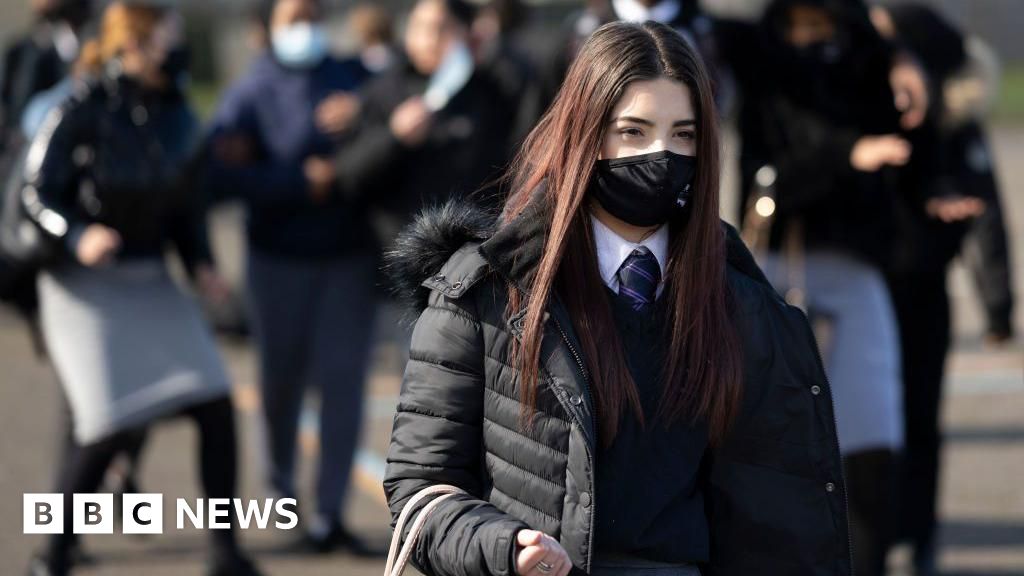
The recent revelations from the UK Covid Inquiry highlight a sobering reality: our children and young people bore the brunt of policy failures during the pandemic, a period marked by chaos, moral oversight, and missed opportunities for compassion. As families grappled with unprecedented disruptions, the societal fabric was stretched thin, revealing cracks that threaten the foundation of our demographic future. Sociologists like David M. Levy warn that the long-term societal impacts of neglecting the mental health and educational needs of youth will echo for generations if left unaddressed.

Baroness Anne Longfield, former children’s commissioner for England, emphasizes the moral obligation that the current government faces to issue a formal apology once the full scope of the pandemic’s harm is understood. Her assertions underscore a critical point: adults were prioritized during policymaking, often at the expense of children’s welfare. The inquiry revealed a \”chaotic\” approach to school closures and reopening plans, where the voices of educators, mental health professionals, and families were often overlooked. This approach fostered an environment of uncertainty, fostering feelings of abandonment among vulnerable children.

Key facts emerging from the inquiry paint a grim picture: only 5% of vulnerable children attended school during the first lockdown, illustrating a failure to balance health risks with the educational and psychological needs of children. The miscommunication and indecisiveness fostered a sense of societal disconnect—a paralysis where decision-makers seemed to forget that behind every statistic was a family, a child’s future, and a community’s integrity. The rise in mental health conditions, eating disorders, and emotional distress among youth signals a “systemic shock” that could have been mitigated with proactive planning and genuine compassion.

As the inquiry progresses, it is clear that

  • policies must consider the holistic wellbeing of children
  • communication strategies should foster understanding rather than fear
  • future preparedness must be rooted in community engagement

addressing not only health but the social and emotional resilience of upcoming generations. Historians argue that society’s true strength lies in its capacity to learn from past mistakes and build a more inclusive, compassionate future. The challenge remains: will policymakers listen to the voices of those most affected and pave the way for a society where families are not left to pick up the pieces, but are empowered with clarity and care?

In the quiet moments of reflection, society is invited to ask: what kind of society do we want the future to remember? There is hope—through acknowledgment, empathy, and action, society can mend these fractured bonds. The echoes of these lessons warn us that transforming social policy is not merely a political duty but a moral imperative—ensuring that the wellbeing of children today sows the resilient communities of tomorrow.

Three Months Sober — Now Focused on Supporting My Autistic Son’s Future

In contemporary society, the intersection of addiction, mental health, and neurodiversity is often overlooked, yet it shapes the lives of countless families. A poignant example emerges from a story of an autistic mother recovering from alcohol dependency who faces the immense challenge of rebuilding trust and stability with her 11-year-old son. This narrative underscores how social issues do not exist in isolation but reverberate through families, impacting their emotional health, educational development, and community integration.

According to sociologists and mental health professionals, families living under the weight of addiction often experience a ripple effect, with children absorbing anxieties that are both emotional and psychological. Children like the boy in this story develop a hyper-vigilance and sense of responsibility beyond their years, feeling compelled to control circumstances that feel unpredictable. Experts such as Rebecca Harris, a systemic psychotherapist, emphasize that creating a sense of safety is critical. Harris points out that children in such environments might internalize blame, thinking they somehow caused or could prevent their parent’s struggles. This internalized guilt can hamper their social development and academic progress, fostering a cycle of anxiety and mistrust that persists into adulthood.

Communities and institutions play an essential role in addressing these issues, yet often fall short due to resource constraints or systemic gaps.

  • While family support is crucial, the availability of specialized services for autistic children dealing with family trauma remains limited

Consequently, families are left navigating complex social terrains mostly alone. The local substance abuse support services are critical lifelines, offering reassurance that recovery and stability are possible, but also underscore a broader societal need for integrated, accessible mental health and autism support programs. As historian Yuval Levin suggests, society must recognize that nurturing resilient families is fundamental to a thriving social fabric.

Furthermore, the social tension between personal recovery and familial stability remains a pressing challenge. For the mother in this account, maintaining her sobriety is intertwined with fostering trust, setting appropriate boundaries, and ensuring her son’s well-being without overburdening him. Her acknowledgement of the importance of community support—whether through family, therapy, or peer groups like Al-Anon and Nacoa—is a testament to the power of collective responsibility. These community-based groups serve as anchors, helping families combat feelings of isolation, and reaffirm the tenet that society’s strength lies in its ability to support vulnerable members with compassion and understanding.

Reflecting on this deeply human story prompts a broader societal reflection: how do we, as communities, foster an environment where families affected by addiction and neurodiversity can thrive?

Perhaps the answer lies in a renewed commitment to holistic support systems and destigmatization. Education programs that help children understand neurodiversity and mental health, coupled with accessible therapeutic services, could transform lives. More importantly, society must uphold the dignity of every individual, recognizing that behind every family facing these struggles is a human story marked by resilience, hope, and the possibility of renewal. As society grapples with these challenges, it is the collective effort—a patchwork of parental strength, community compassion, and institutional support—that weaves hope into the fabric of a more understanding and inclusive future. In this ongoing journey, each act of kindness and understanding becomes a step toward societal healing, illuminating the profound truth: resilience begins in the heart of families, and society’s greatest strength lies in its capacity to uplift them amidst their silent battles.

Fighting Back: Kids at Risk from Parents Spreading Dangerous Conspiracies

In recent years, the rise of misinformation has exposed profound vulnerabilities within our society, especially affecting families and communities. The tragic case of Paloma Shemirani, a young woman who succumbed to untreated cancer at the age of 23, underscores the dangerous consequences of unchecked conspiracy theories, fueled by social media and individuals with radical beliefs. Her mother, Kate Shemirani, a former nurse with a platform of over 80,000 followers, propagated unfounded claims about health and government interference, ultimately influencing her daughter’s critical health decisions. The inquest concluded that her care, heavily influenced by her mother’s beliefs and alternative treatments rejected by medical authorities, contributed significantly to her death. Such cases illustrate the devastating toll that cultural shifts towards skepticism of scientific consensus are taking on families and their trust in modern medicine.

Among the most troubling aspects is how social media serves as a breeding ground for conspiracy theories, creating insular communities where misinformation propagates rapidly and populates the minds of vulnerable individuals. Sociologists like Dr. Timothy Hill warn that these online communities form “a large network of people willing to bring others into the fold,” often trapping impressionable youth in an echo chamber that distorts reality. Data emphasize that individuals under 35 are disproportionately more susceptible to conspiracy beliefs, a demographic trend that threatens to weaken the pillar of public health initiatives. The decline in trust towards institutions such as the NHS and scientific authorities is a direct consequence of this misinformation, with experts like Liz O’Riordan emphasizing the life-threatening implications—ranging from declining vaccination rates to the resurgence of preventable diseases like measles.

At the core of this social dilemma lies a tension: balancing parental rights and community safety. The case of Paloma incited debate about how broad a parent’s influence should be when dangerous beliefs compromise their child’s well-being. While the UK law currently favors respecting parental autonomy, some specialists advocate for legislative reform that grants social services more authority to intervene in extreme cases of harmful misinformation. Critics, however, caution against overreach, warning that defining misinformation is subjective and that empowering the state to police beliefs could threaten fundamental freedoms. The challenge remains: how do societies protect vulnerable children without infringing on personal freedoms? This question persists at the intersection of morality, law, and societal responsibility.

Furthermore, the pervasive influence of social media platforms complicates efforts to counteract misinformation. The introduction of the UK’s Online Safety Act aims to curb illegal and harmful content; however, the murkiness of what constitutes “harmful” legal content raises concerns over censorship and free speech. Experts like Ms. O’Riordan advocate for equiping users—especially young people—with critical thinking skills, teaching them how to identify red flags and question authority—including family members. Gabriel Shemirani, Paloma’s brother, underscores this by emphasizing that conspiracy theories often thrive in isolation, but with education and open discourse, society can forge a resilient frontline against such destructive beliefs. In this fight, the strength of a community is rooted not just in legislation, but in empowering individuals to seek truth amidst the cacophony of falsehoods.

As society grapples with these issues, the hope lies in rebuilding trust in true knowledge and fostering a culture of inquiry. Just as a single seed can sprout into a mighty tree, the collective effort of communities, educators, and policymakers can invigorate the moral fabric needed to confront misinformation. Society must remember that behind every conspiracy theory is a human story—often of fear, loss, and longing for control. By recognizing this, society can transform its approach—moving beyond suspicion and suppression, toward understanding and resilience. In that future, the light of truth may yet pierce through the shadows of misinformation, guiding generations toward a society where families thrive on verified knowledge, and communities stand united in safeguarding their collective well-being.

Manchester Synagogue Attack: Volunteer Among Injured, Society Must Stand Strong

Rising Hate Crimes and Society’s Response: The Role of Community Security in Protecting Our Future

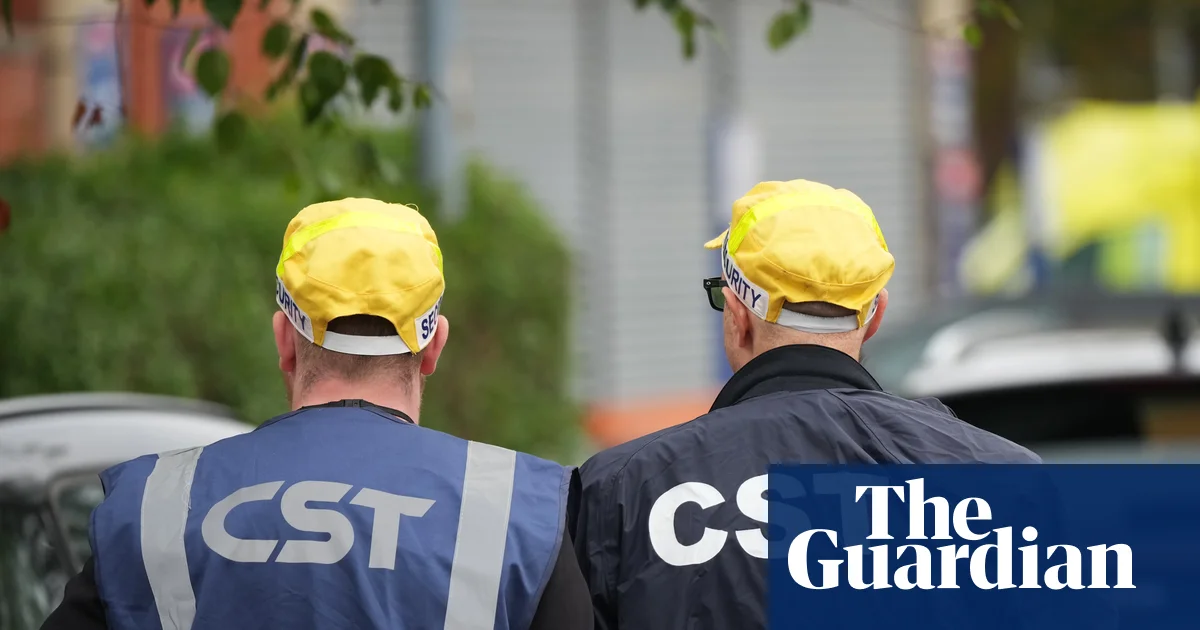
In recent years, the fabric of multicultural communities across the UK has been strained by a troubling surge in hate crimes, particularly targeting the Jewish population. The recent attack on a synagogue in Manchester, which resulted in severe injuries to a Community Security Trust (CST) volunteer, underscores the grave reality that some of our communities are facing. The CST, a pivotal community organization dedicated to monitoring and combating antisemitism since 1984, has become an essential line of defense, deploying extensive security measures to safeguard places of worship, schools, and communal spaces. The injuries sustained by one of its personnel, believed to be the most severe yet, reflect the dangerous escalation of violence and the importance of resilience in our social fabric.

This incident is not isolated but part of a disturbing trend that saw anti-Jewish hate crimes in the UK surge by over 100% in just a year—jumping from 1,543 to 3,282 reported incidents by March 2024, according to Home Office statistics. The CST’s own data indicated 1,521 antisemitic incidents in the first half of this year alone. These numbers expose a future where intolerance and hate threaten to undermine the societal cohesion necessary for families and communities to thrive. Sociologists like Dr. Samuel Abrams have pointed out that radicalization and societal fractures often manifest through such hate crimes, which target the emotional and physical safety of vulnerable communities, eroding trust and fostering division.

To counter this rising tide of hostility, organizations like the CST have stepped up their efforts, employing over 100 staff members and more than 2,000 trained volunteers. Their training spans from first aid to advanced security procedures, often working alongside private security firms funded by government grants—including an £18 million annual subsidy from the Home Office to protect sites ranging from nurseries to high-profile communal buildings. Beyond physical security, the CST dedicates resources to intelligence work, analyzing neo-Nazi and Islamist sources that fuel hate, and collaborating with wider anti-hate networks such as Tell Mama. This united front demonstrates a community-led resilience that refuses to be intimidated, emphasizing that the fight against hatred requires both vigilance and proactive policy measures.

The societal implications of such efforts extend beyond mere security. They serve as a moral bulwark to preserve the integrity of families and the youthful generations who will inherit the society we shape today. While these measures are essential, some social commentators argue that addressing root causes—such as ignorance and economic disenfranchisement—remains critical. Historians like Niall Ferguson have emphasized that societal stability depends on integrating diverse communities and fostering shared values, making it paramount that our institutions invest in education and intercultural dialogue. Initiatives like youth awareness courses, which engage teenagers in street-level understanding of the importance of tolerance, are steps in this direction, echoing a broader societal need to unite against divisiveness at its core.

Looking ahead, the challenge remains: how do communities ensure that the ideals of respect, safety, and shared purpose are not just ideals, but lived realities for the next generation? As societal rifts widen in some areas, it is vital to remember that beneath the divisions lie communities longing for safety and understanding. The story of Manchester’s synagogue is a stark reminder of the ongoing struggle but also of the resilience that emerges when communities and institutions stand together. This society’s future depends on whether we dare to bridge the gaps, prioritize unity, and invest in collective hope—because in every act of protection and understanding, we forge the path toward a society where all can flourish free of fear.

Social Media Auto Publish Powered By : XYZScripts.com