Matox News

Truth Over Trends, always!

£800m to Fix Failing NI Schools and Secure Our Future Millennials

Social Crisis in Northern Ireland Schools: Foundations of Future Society at Risk

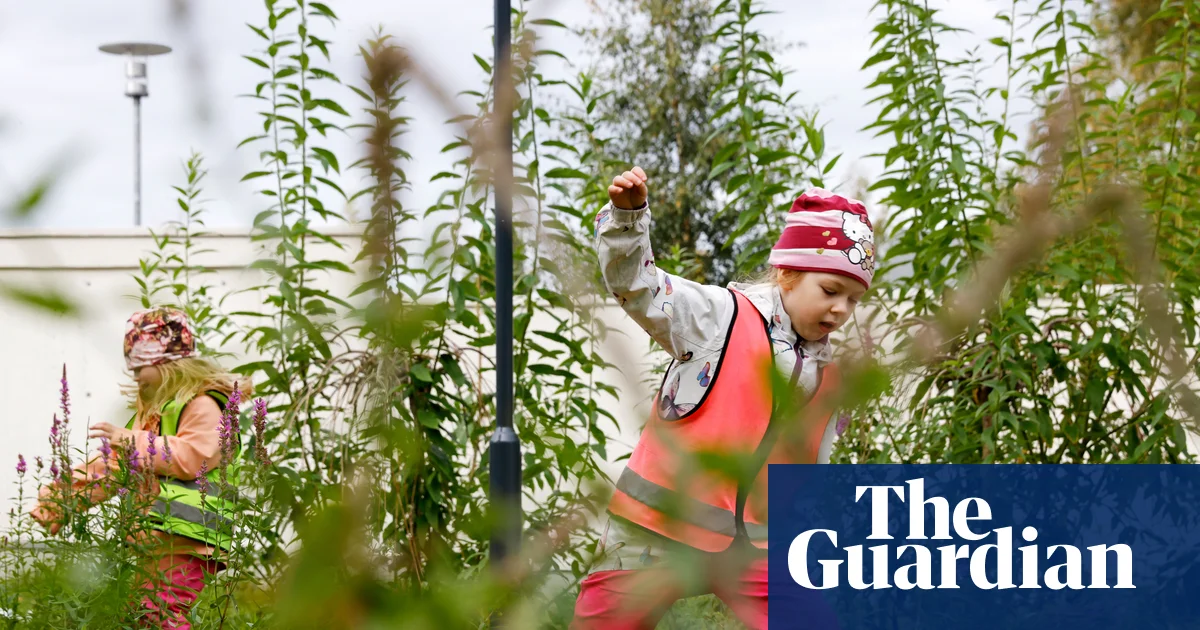
Amid the echoes of faded chalkboards and crumbling brickwork lies a stark reality: the state of Northern Ireland’s educational infrastructure reflects deeper societal failures. Many schools across the region are caught in a cycle of neglect, characterized by a backlog of maintenance estimated at between £600m and £800m. This crisis is not merely structural but fundamentally impacts families, communities, and the very fabric of future generations. As sociologists like Charles Murray have argued, the environments in which children grow significantly influence their capacity to thrive, yet the systemic disrepair and poor management threaten to erode these foundations.

A damning report from Stormont’s Public Accounts Committee (PAC) paints a picture of systemic failure, with many children and teachers working amidst overcrowded, poorly heated, and dilapidated structures. Many educational institutions are now in a state of deferred maintenance—an issue that compromises safety and educational quality, and that critics consider an ethically unacceptable neglect of societal duty. The report highlights a reactive approach to infrastructure management rather than a comprehensive, forward-looking plan, leading to conditions where learning environments become a battleground for survival rather than a sanctuary for growth. Such neglect disproportionately affects families in less affluent communities, deepening the cycle of poverty and social exclusion that has persisted for decades, according to social historians like E.P. Thompson.

School heads, such as Emma Quinn of Rathcoole Primary School, describe their days as dominated by “chasing works,” reporting leaks, and fixing broken windows”. The frustration is palpable—their schools are described as “simply not fit for purpose,” with students enduring inadequate heating, leaky roofs, and crumbling infrastructure. These conditions, while seemingly physical, strike at the moral heart of society’s obligation to safeguard its youngest members. The disparities in funding and maintenance are especially severe for schools serving disadvantaged communities, emphasizing how socio-economic divides are entrenched within educational environments.

What Can Be Done?

  • The Department of Education (DE) and Education Authority (EA) are urged to implement a clear and sustainable management strategy with regular condition surveys and monthly maintenance planning.
  • Swift action on urgent repair backlogs, especially in classrooms where improper heating and hazardous environments threaten the health and morale of students and staff alike.
  • Broader investment is necessary, with officials like Education Minister Paul Givan calling for cross-party support to secure funding for infrastructure improvements and to address soaring costs in special educational needs provision—a sector that has seen an 850% increase in emergency placements over six years.

As society’s sociologists have pointed out, these issues extend beyond bricks and mortar—they threaten the social cohesion and moral fabric of communities. The prolonged neglect signals a failure of governance and resource allocation that, if left unaddressed, could erode trust and social mobility for generations. Yet, amidst this grim landscape, hope persists in the realization that intentional societal change—prioritized investments, strategic planning, and community engagement—can reverse these trends. In the end, society’s strength lies in its commitment to its children and the collective responsibility to build nurturing environments. Society must reflect deeply on these social wounds, for without immediate action, the very future of the next generation remains in jeopardy—an unspoken legacy of societal neglect that demands urgent redress.

Why 'Chronic' Lyme Disease Sparks Debate: What Society Needs to Know | Podcast
Why ‘Chronic’ Lyme Disease Sparks Debate: What Society Needs to Know | Podcast

Lyme Disease: A Growing Public Health Challenge Affecting Families and Communities

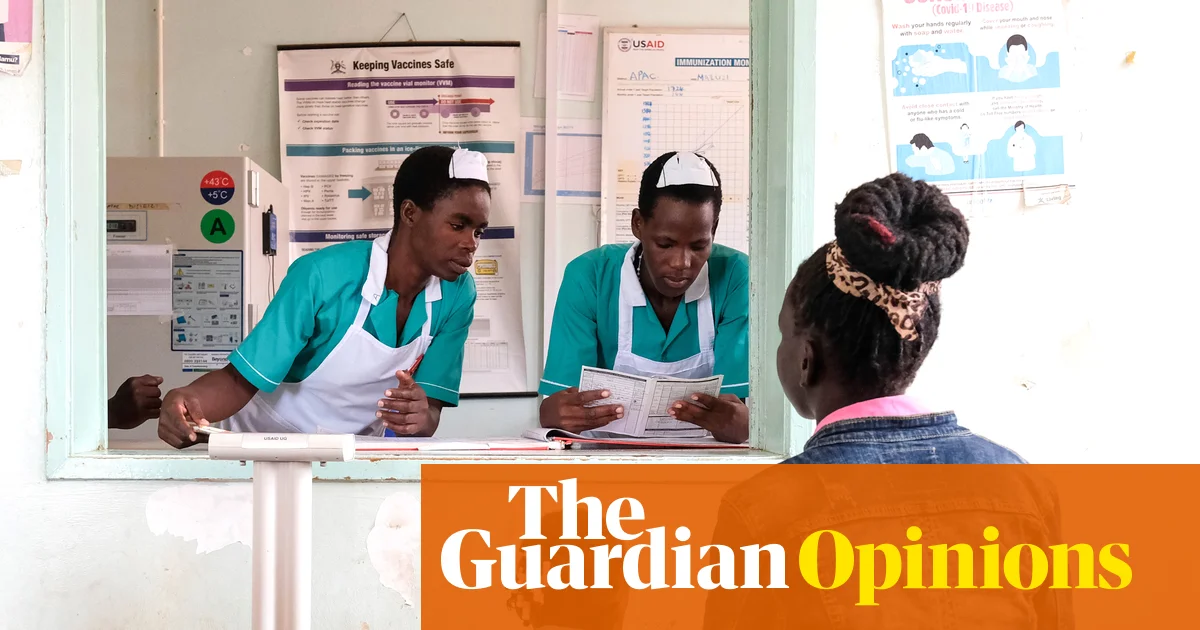
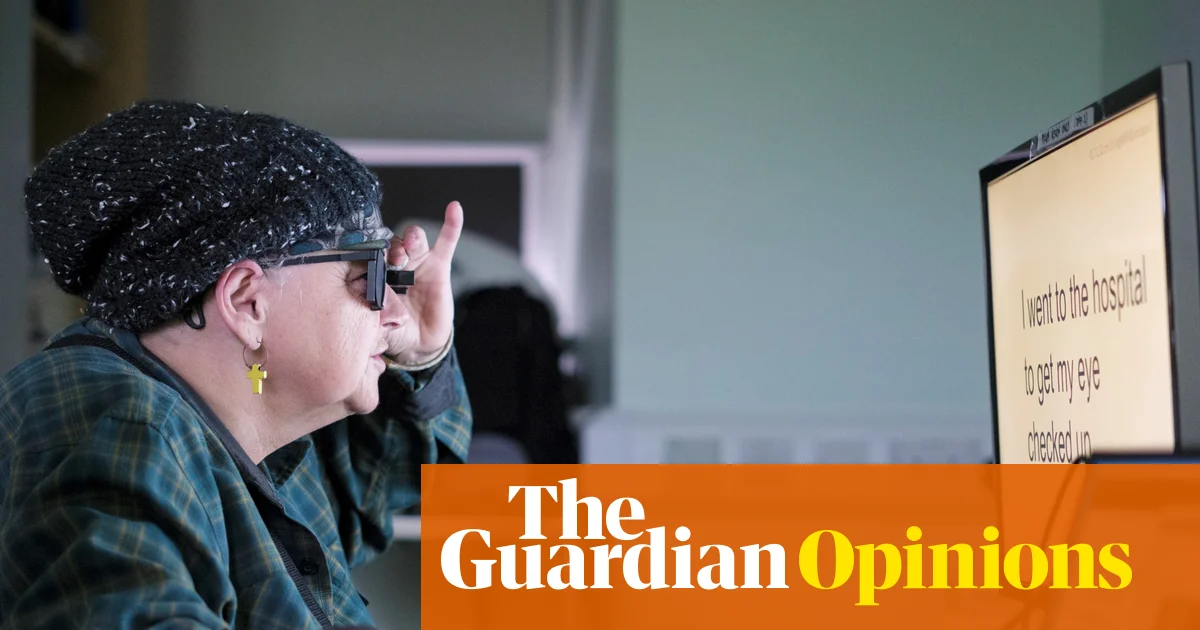
In recent years, the rising incidence of Lyme disease has shifted from isolated cases to a broader public health concern, with social and economic repercussions that ripple through families, schools, and communities. Despite increased awareness, the illness remains poorly understood and often misdiagnosed, as prominent figures from the entertainment industry have publicly shared their long struggles with its debilitating effects. From Bella Hadid to Justin Bieber, these stories have cast a spotlight on how Lyme disease can profoundly alter not just individual lives, but entire social fabric, revealing a glaring gap in our healthcare and educational systems.

The impact on families is especially grave when children and young adults are affected. As historians and social commentators warn, chronic illnesses such as Lyme disease can destabilize households, hinder educational attainment, and diminish future opportunities. Madeleine Finlay’s interviews with families dealing with the disease highlight a disturbing trend: many are trapped in a cycle of misdiagnosis, treatment delays, and emotional strain. Such difficulties underline the urgent need for

  • improved medical training
  • expanded research funding
  • greater community awareness

to ensure early detection and proper intervention, especially in school-aged children.

Experts like Prof. John Aucott, director of the Johns Hopkins Lyme Disease Research Center, emphasize that this insidious disease, often transmitted via tick bites, can cause long-term health consequences that ripple beyond the individual. These impacts {intersect} with educational environments, where children suffering from chronic symptoms face difficulty concentrating, missing school, and falling behind their peers. Such disruptions threaten the stability of local communities and jeopardize the future of the next generation. As social scientist Dr. Elizabeth Cohen articulates, the social fabric frays when health crises go unaddressed, exposing underlying inequalities where marginalized groups often lack access to resources and timely care.

Addressing this pressing social issue requires a multifaceted approach that goes beyond medical treatment. It demands a societal commitment to safeguarding the well-being of families and empowering communities. Proposed solutions include increasing funding for research and public health initiatives, fostering community-based awareness campaigns, and integrating comprehensive health education into school curricula. These steps are vital in overcoming the silent burden many families now carry, often in isolation and without the necessary support.

As society grapples with the consequences of emerging health threats, the narrative of Lyme disease underscores a profound moral challenge: the need to heal not only individual bodies but also the fractured social networks affected by this disease. Yet, amid these difficulties, there remains a flicker of hope– a collective opportunity to build resilience, foster understanding, and transform societal neglect into action. When we confront these challenges head-on, we begin to see that the true strength of a society lies in its capacity to uplift those burdened by invisible wounds, ensuring that no family faces their fight alone. Perhaps, in facing this silence and uncertainty, society will discover that hope and renewal are the most enduring remedies of all.

Leaked Memo and Broken Promises: Labour’s Housing Betrayal Sparks Youth Discontent

In the heart of London, a city historically renowned for its resilience and diversity, an ongoing housing crisis exposes the profound social fissures that threaten the fabric of communities and families alike. Sociologists like David Harvey have long argued that urban development reflects underlying social inequalities, yet recent policies seem to deepen this divide. The government’s current approach, heavily influenced by big property developers and skewed priorities, appears to prioritize profits over the welfare of ordinary citizens. As a result, families are displaced, children grow up in overcrowded temporary shelters, and the very notion of community stability is fraying under economic and social strain.

Recent reports reveal a troubling pattern: during a period when London’s homelessness numbers are reaching unprecedented heights—over 13,000 people sleeping rough in 2024-25, quadrupling the figures from a decade ago—efforts to address affordable housing have been sidelined by policies favoring robust profits for developers. A leaked government memo indicates that key negotiations with major construction firms are centered on diluting commitments to social housing, and to relax planning rules that could make building modest, affordable homes financially unviable for those who need them most. This pivot toward prioritizing luxury developments and attractive profit margins over community needs underscores a troubling moral trajectory, one that threatens the social cohesion essential for stable families and thriving neighborhoods.

The social implications of these policies ripple through families and communities in tangible, often devastating ways. Children in London now face the harsh reality of growing up in temporary accommodations, often with little access to stable education or safe environments. For families pushed into overcrowded flats or forced to relocate far from their support networks, the psychological toll compounds existing economic hardships. Housing sociologists like Jane Jacobs emphasize that a strong, interconnected community hinges on accessible, affordable housing—yet current policy makers seem intent on reversing progress made under previous administrations, reminiscent of the housing policies of Boris Johnson that prioritized spectacle over social equity. As W. B. Yeats lamented, society often finds itself caught between the desire for progress and the peril of losing its moral compass—an especially poignant reflection as London’s social fabric faces this crisis.

Facing these UNIGNORABLE challenges, the hope for societal renewal lies in bold reforms that put families and community well-being front and center.

  • Implement legally binding targets to ensure a minimum of 50% affordable housing in new developments, backed by enforceable policies that penalize failures to meet these standards.
  • Reintroduce community levies that finance essential amenities—schools, healthcare, and parks—rather than siphoning off funds for private profit, fostering a sense of shared ownership and neighborhood pride.
  • Prioritize localized, community-led planning initiatives that involve tenants, local councils, and grassroots organizations, emphasizing social cohesion over speculative development.

Experts like social historian Eric Hobsbawm have pointed out that social progress is often crafted through collective resilience and moral clarity. As society grapples with these social issues, it is vital to remember that at its core, social reform is a moral imperative—an effort to preserve the dignity and potential of every family affected by these policies. The narrative of London—and indeed, society at large—cannot be solely written by profits and policies; it must be shaped by a shared sense of responsibility and hope. In the quiet corners of these struggling neighborhoods, amid the shadows cast by unchecked greed, lies the possibility of renewal—an unyielding hope that society can rebuild itself, not through empty promises but through unwavering commitment to its most vulnerable members. Only then can London truly rebuild a city on the foundation of fairness and human dignity.

Late-night pub openings undermine traditional values and societal spirit

Recent government initiatives, such as extending licensing hours for pubs and alcohol sales, reveal a troubling societal shift that impacts families, education, and community cohesion. The move appears aimed at stimulating economic growth by encouraging late-night drinking, yet many analysts question whether this strategy addresses the core issues faced by our communities. At the heart of this debate lies a critical tension: how do we balance economic needs with the protection of public health and social stability? Sociologists like Frank Furedi warn that policies promoting unrestricted alcohol access may inadvertently deepen social divisions, foster unhealthy lifestyles, and erode the moral fabric that holds families together. The increase in alcohol-related harm, including the record-breaking 10,473 alcohol-specific deaths recorded in 2023 — and the society-wide cost of approximately £27.4 billion annually — serve as stark reminders of what excessive drinking engenders across generations.

The continuing trend of longer pub hours seems at odds with the NHS’s ongoing efforts to mitigate alcohol misuse, which deeply affects mental health and community stability. Alcohol misuse is associated with depression, anxiety, and violence, threatening the well-being of our youth and vulnerable populations. The social fabric frays further as families face the consequences of addiction, with children often bearing the emotional scars of parental neglect or chaos stemming from alcohol abuse. Social commentators, including Alan Walker, emphasize that these policies may serve the interests of commercial industries rather than the well-being of society, suggesting that the true solutions lie elsewhere. The challenge is ensuring that economic incentives do not overshadow moral obligations to protect vulnerable members of society and uphold the integrity of our communities.

In contemplating these policy choices, it becomes clear that the societal cost extends beyond health and economics to the core of our shared cultural values. The push for longer pub hours, coupled with efforts to introduce ID cards and restrict free speech, all signal a broader societal shift that increasingly questions the balance between individual freedoms and social responsibility. As historian Paul Johnson notes, societal health depends on strong, cohesive communities rooted in shared values and moral responsibility. When families are impacted by addiction, and communities struggle under the weight of social tensions, the promise of a resilient society seems distant. Yet, amidst these challenges, there remains hope. By fostering greater community engagement, strengthening national moral foundations, and resisting the influence of those who profit from societal harm, society can begin to repair the fractures. The future may hinge on our collective ability to prioritize *moral integrity* over short-term economic gains—an endeavor that begins with acknowledging the profound human impact of social policy decisions.

Expert warns social media parenting tips mislead youth and harm society

Addressing the Modern Parenting Crisis: Misinformation, Community Support, and Society’s Future

In an era dominated by social media, a concerning trend emerges where parents turn increasingly to TikTok influencers and Instagram gurus for guidance on critical issues like childhood vaccination, potty training, and behavioral management. According to Bridget Phillipson, the UK’s Education Secretary, this shift exposes families to a landscape rife with misleading and low-quality information, which can have devastating effects on the health and well-being of children, and by extension, the fabric of society itself.

Recent research commissioned by the government underscores the depth of this problem: approximately 33% of parents with young children now report being “heavily reliant” on social media for parenting advice, with nearly 70% feeling overwhelmed by the sheer volume of conflicting information. These figures signal a societal breakdown in trusted sources and a failure to provide accessible, evidence-based guidance. Such confusion not only endangers children’s health—highlighted by the fact that one in five children in England is now starting primary school unprotected against serious infectious diseases like measles and mumps—but also creates emotional and moral strife within families facing impossible choices in uncertain times.

The Rise of Misinformation and Its Impact on Society

As social commentators and sociologists have long noted, the decline of community-centered institutions has left families vulnerable to the cacophony of unchecked opinions online. With the erosion of trusted advice channels, many parents are resorting to digital platforms that often promote “miracle cures” or unverified parenting hacks, contributing to a culture of skepticism and mistrust. Notable cases include viral Instagram posts suggesting that nurturing empathy alone can create a “better society,” implicitly dismissing the importance of structure and discipline—an idea that, while well-meaning, risks undermining societal norms of responsibility and order.

  • The proliferation of unverified health claims, such as false vaccination debates, paves the way for public health crises and the resurgence of preventable diseases.
  • Conflicting advice hampers parental confidence, leading to delays or outright avoidance of crucial decisions such as vaccination, which has serious implications for community health and societal resilience.
  • The consequences are not confined to individual families; they ripple outward, challenging the cohesion of communities and the long-term stability of social institutions.

Cultural shifts away from **trusted community hubs** have compounded these issues. Historically significant institutions like Sure Start, introduced under Labour to support early childhood development, have suffered from funding cuts and closure—conditions that create a void in accessible support networks for families. As a result, many children grow up in environments where guidance is fragmented, and social trust erodes further, echoing the concerns of sociologists such as Émile Durkheim about social cohesion and community resilience in modern times.

Building a Future Fairer and Stronger

Recognizing these challenges, the government’s “Best Start in Life” campaign seeks to rebuild trust and strengthen community support by establishing a network of family hubs and accessible, evidence-based resources. These hubs aim to serve as anchors of stability, offering comprehensive guidance on parenting, health, and early childhood education—covering issues from pregnancy to toddlerhood. The initiative reflects a desire not merely to conflict with harmful misinformation but to **establish a moral foundation** where families can rely on credible sources and community support to nurture the next generation.

For societal progress, this effort must transcend policy; it must become a moral project rooted in the recognition that families are the bedrock of society. Sociologist Charles Murray argues that fostering resilient communities requires empowering local institutions and restoring a sense of shared purpose. As the government invests in family centers and community-based interventions, society is witnessing a renewed acknowledgment that **the future of the nation depends on how well families are supported today**.

In a world buffeted by the rapid tide of social change, the hope remains that society, through collective effort and moral clarity, can mend its fraying social fabric. As communities come together to reforge trusted spaces and provide truthful guidance, they may yet reclaim the promise of a society where every child can start life with the support they need, and every parent can feel confident in the choices they make.

University of Staffordshire plans to slash almost 70 jobs, sparking concern among students and staff

Societal Strain and the Future of Education: The Impact of University Job Cuts on Communities

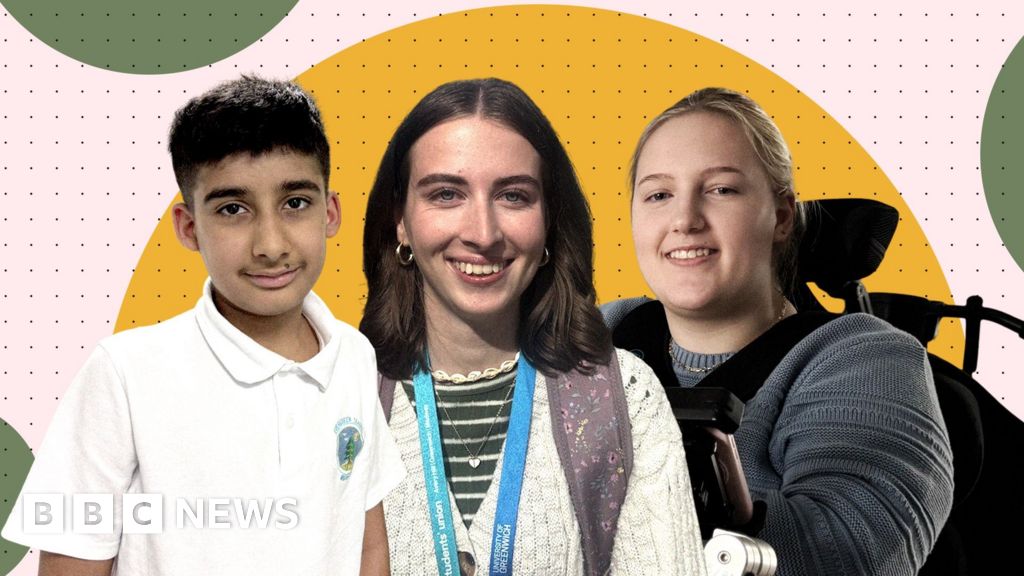
The financial stability of our educational institutions faces mounting pressures that ripple far beyond the campus gates. Recently, the University of Staffordshire announced a plan to eliminate nearly 70 jobs amid ongoing economic challenges. This decision, driven by a necessity to save approximately £6.4 million, underscores the <crisis in higher education funding>—a crisis that threatens to undermine the very fabric of our learning communities. With 31.2 academic and 35.5 professional service roles on the line, the repercussions extend well into the lives of students, families, and the wider community.

While the university asserts that 95% of its staff will remain unaffected, the human toll of these cuts cannot be ignored. Such reductions do not merely delete jobs; they erode the integrity of student support systems and academic quality. As noted by social commentators, a diminished faculty can lead to larger class sizes, decreased access to mentorship, and a decline in innovative research. These shifts threaten to compromise the educational experience for the next generation—who are already grappling with an uncertain economic climate and changing job markets. The community’s strength is rooted in its shared investments in knowledge and growth, and when institutions weaken under fiscal strain, the ripple effects threaten families’ future stability and societal progress.

Historically, the expansion of higher education has played a crucial role in shaping resilient societies. As sociologist Dr. Alice Freeman notes, the stability of post-secondary institutions is intertwined with broader societal health. When those institutions falter, families are often forced to bear the brunt—either through increased costs, reduced access, or compromised quality—altering the very foundation of community cohesion. The challenges facing universities today reveal a shift in priorities: where once they were viewed as engines for social mobility, today they appear vulnerable to economic austerity, risking the degradation of the social contract between education and society. This cultural shift demands urgent reflection on our collective values and the societal cost of economic retrenchment.

Amidst these struggles, various proposed solutions emerge—from increased government support and targeted funding, to innovative collaborations that sustain jobs and academic integrity. Yet, the core issue remains: how do we ensure that the next generation of students receives not just an education, but an experience that prepares them to face the future? As history teaches us, real societal renewal often begins with communities rallying around their institutions—rebuilding resilience through shared sacrifice and renewed purpose. In a world where the social fabric is stretched thin by economic uncertainty, the hope lies in rekindling our collective commitment to fostering strong, inclusive, and well-supported communities. The challenge is formidable, but within it also lies the opportunity: the chance to transform societal values, prioritizing genuine growth over short-term savings, and nurturing a society where no student, family, or community member is left behind.”

Ipswich family court highlights urgent need for reform to protect our youth

The fabric of our society is being tested not just by economic shifts or political debates, but by the very social issues that impact families, education, and communities. At the heart of these challenges lies the troubling phenomenon of parental alienating behaviors, a crisis that some sociologists describe as a “massive public health issue”. This insidious dynamic emerges when one parent, often after separation or divorce, actively seeks to turn children against the other parent, wreaking havoc on the stability and emotional well-being of young minds. A recent case followed by the BBC exemplifies this destructive pattern—a decade-long custody battle that highlights the devastating effects on children caught in the crossfire of bitter parental disputes.

This case underscores how social tensions within families bleed into the education system and ripple throughout the community. The court case revolved around allegations of emotional, physical, and mental abuse, accusations that each parent vehemently denied, yet the underlying hostility made resolution impossible. The judge expressed deep regret over the “hostility” between the parents—a hostility that has left the children in a state of “interminable pressure,” as one social worker remarked. Such conflicts do more than shatter individual families; they sow distrust, confusion, and discord in local communities, leaving professionals helpless in the face of entrenched animosity that robs children of secure relationships and educational stability.

Experts like the social commentator Charlotte Proudman argue that these cases symbolize a broader societal malaise—a failure to prioritize the mental and emotional welfare of the next generation. The 2024 study by the University of West London reveals that nearly 60% of separated or divorced parents experience some form of parental alienation, a statistic that reveals how pervasive this issue has become. Both the legal system and societal institutions are grappling with how to better serve families under these circumstances, particularly in an environment where delays and inefficiencies complicate the pursuit of justice. Experts have pointed out that without proper funding and systemic reform, these issues will only deepen, further destabilizing families and impairing children’s ability to thrive in school and beyond.

Despite the complex realities, recent reforms such as the innovative Pathfinder courts signal a step toward a more child-centered justice system. These courts prioritize problem-solving approaches over adversarial litigation, aiming to reduce conflict, delay, and harm. As Sir Andrew McFarlane explains, the goal is to create a more satisfactory environment where children are at the heart of proceedings, and disputes are resolved with their wellbeing in mind. Such efforts are essential as society grapples with the long-standing delays highlighted by the Public Accounts Committee, which notes that families are often “let down” by an inefficient system that neglects their emotional needs.

In the face of these social challenges, society must recognize that the health of our families directly influences the strength of our communities and the future of our youth. It is no longer enough to passively hope for resolution; proactive reform, investment, and a moral commitment to prioritizing children’s well-being are imperative. As communities stand at the crossroads of tradition and transformation, society must ask itself: What kind of future do we want for our children? And what sacrifices are we willing to make to ensure that future is one of hope, stability, and genuine unity? For in the quiet struggles of these young lives, society’s resilience and compassion are truly tested—and in those tests, there lies the possibility for profound renewal.

Universities need to step up against antisemitism, says Bridget Phillipson

Growing Social Divides and the Protection of Vulnerable Communities

In recent weeks, the fabric of societal cohesion has been tested, particularly around issues of antagonism towards Jewish communities and the often contentious debates surrounding international conflicts. Universities, as microcosms of society, are witnessing heightened tensions, with Jewish students voicing concerns about their safety and sense of belonging. Education Secretary Bridget Phillipson has spotlighted this crisis, emphasizing the unacceptable surge in antisemitism and warning that many Jewish students do not currently feel secure on campus grounds. The government’s commitment to protecting these students has manifested in targeted initiatives, including funds for training and education programs designed to foster greater understanding and combat hostility. Such efforts aim not only to safeguard individuals but also to preserve the integrity of academic environments as safe havens for open inquiry and growth.

The Broader Landscape of Social Tensions and Demographic Shifts

 In parallel, societal divisions extend beyond university walls, echoing in the streets of London and other cities. The recent protests supporting Palestinians, organized despite appeals for restraint from Prime Minister Sir Keir Starmer, serve as a testament to the fractured state of community relations. Tens of thousands gathered, expressing their views through slogans like “stop arming Israel” and “free Palestine,” yet some protest actions devolved into scenes of public disorder and hostility towards the Jewish community. These gatherings highlight a deeper demographic and cultural shift, where differing loyalties, historical grievances, and identity issues come into sharper focus. Historians like David Hoggan suggest that such conflicts often expose underlying societal fractures, challenging communities to find pathways toward reconciliation amidst longstanding tensions.

The Impact on Families and the Role of Education in Addressing Social Divisions

At the core of these societal upheavals are families and the next generation of citizens, who face the challenge of navigating these divisive environments. Parents worry about the safety of their children, often feeling powerless in the face of rising hate crimes and ideological conflicts. Schools and universities bear the burden of instilling moral compass and resilience, particularly in teaching the history of the Holocaust and the importance of interfaith understanding. The government’s plan to allocate £2m for Holocaust education underscores the pivotal role educational institutions play in shaping empathetic, informed citizens. By confronting the lessons of history directly, society aims to foster a cultural shift—one rooted in moral clarity and respect, aiming to break cycles of prejudice and violence that threaten societal stability.

 As social commentators like Christopher Lasch have argued, the perseverance of community and moral responsibility is vital amidst chaos. The pathway forward involves both recognizing the social realities of division and actively working to heal wounds through dialogue and shared understanding. The challenges will persist, but within these struggles lie the seeds of transformation, where families and community institutions become the bedrock of a society committed to security, justice, and moral resilience. Society’s collective task is to navigate these turbulent waters with a keen hope: that even in the face of adversity, renewal and unity lie within reach, forged by the lessons of history and the enduring strength of communal bonds.

Microplastics in our bodies: a hidden threat to our health and future generations

Microplastics and Society: A Hidden Crisis in Our Communities

In recent years, a startling discovery has emerged revealing microplastics—tiny particles less than 5mm in size—are present in almost every corner of our environment and inside the human body itself. From bloodstreams to placentas, lungs to brains, the pervasive reach of these minuscule plastics has sparked a social reckoning about the impact on families, education, and communities. According to leading scientists and sociologists, the widespread infiltration of microplastics is not just an environmental concern but a deeply social issue that threatens the very fabric of our society and the health of future generations.

It is now understood that microplastics shed from everyday items such as packaging, clothing, cosmetics, and even vehicle tires, infiltrate our bodies, often unnoticed. Recent studies suggest that our tissues—especially our blood and vital organs—may be full of these particles, which could have serious implications for public health. Dr. Jaime Ross, a neuroscientist, highlights that experiments with mice have already shown behavioral changes indicative of neurological stress, raising questions about long-term consequences for humans. Reflection on sociological theories by thinkers like Ulrich Beck, who warned about the “risk society,” reveals that these unseen hazards are testing our collective resilience and prompting an urgent cultural shift toward increased consumer awareness and lifestyle modification.

These environmental and biological revelations profoundly impact families, schools, and vulnerable populations. The rise of microplastic exposure coincides with the increasing prevalence of synthetic materials in everyday life, from children’s clothing to household products. Such exposure disproportionately affects communities with limited access to safer alternatives, which raises moral questions about equity and social responsibility. As sociologist Michael Kearns argues, the challenge is not just scientific, but moral: society must decide how to protect its most vulnerable from an invisible threat that knows no prejudice. The societal infrastructure—healthcare systems, public policy, educational programs—must adapt to address these hidden risks, with a focus on preventative measures and community education.

While the task is daunting, emerging solutions point toward systemic change.

  • Promoting the use of glass and stainless steel over plastic in households and schools
  • Implementing stricter regulations on microplastic emissions from industries and vehicles
  • Incorporating education about microplastics into school curricula to foster awareness among youth
  • Supporting scientific research to better understand the biological effects of microplastics and identify vulnerable populations

Despite the considerable gaps in current knowledge, many communities and individuals are beginning to act—reconsidering daily habits, reducing plastic use, and advocating for policy changes. The story of society’s response to microplastics is still unfolding, and with thoughtful engagement, it holds the possibility of transforming our relationship with consumption and environmental stewardship. As the sociologist David Harvey reminds us, societal change is often driven by the recognition of injustice—perhaps this pervasive plastic affliction can serve as that catalyst for a more conscientious, resilient future where health and community well-being are safeguarded from unseen threats. Only by confronting the microcosm can we hope to heal the macrocosm of society.

Coroner: Suffolk School Not to Blame for Girl’s Tragic Death

Society Faces Critical Challenges as Young Lives Are Lost to Social and Mental Health Crises

The tragic death of Georgia Scarff, a talented 16-year-old from Bury St Edmunds, Suffolk, underscores the complex nexus of mental health issues, school safeguarding shortcomings, and broader societal challenges affecting families, education, and communities. While the context surrounding Georgia’s death is individually heartbreaking, it also reflects systemic flaws that demand urgent societal reflection and action. The circumstances reveal how social issues, when unaddressed, can lead to devastating outcomes for our youth—and by extension, threaten the fabric of our society.

A key element of the tragedy lies in the ineffective safeguarding protocols within Georgia’s school environment. Despite an established system meant to protect students, a critical lapse occurred when an email from her mother outlining her mental health struggles was not logged on the school’s safeguarding platform. This omission meant that teachers and staff, who might have been able to intervene, remained unaware of Georgia’s vulnerability. Coroner Darren Stewart, in his report, emphasized that such failures in communication could compromise the well-being of children. As sociologists like Dr. Helen Fisher point out, “school safeguarding systems are only as strong as their implementation—and that implementation must be universal and meticulous.” The gap in information sharing serves as a cautionary tale about the importance of robust, technology-enabled safeguarding that ensures no warning signs go unnoticed, especially when young lives hang in the balance.

Further complicating Georgia’s story are broader societal issues such as mental health stigma and demographic pressures faced by well-funded institutions. Despite her evident talents and positive reputation among peers and family—highlighted as a “significantly positive force”—she struggled with feelings of hopelessness rooted in personal loss and academic anxiety. Her family described her as “kind and thoughtful,” passionate about design, technology, and geopolitics, and an accomplished athlete. Yet, her transition into an elite boarding school, where fees can reach £52,000 annually, was marked by difficulties. The emotional toll of adapting and her prior history of trauma, including her father’s tragic death, were overshadowed by societal expectations of resilience and success. This mismatch between societal assumptions and individual mental health needs fosters a social tension whereby young people feel compelled to hide their struggles in environments that are supposed to nurture them.

  • High academic pressure and societal expectations can amplify mental health issues among youth.
  • School safeguarding protocols need more rigorous, technology-driven safeguards to prevent information gaps.
  • Families and communities must foster open, stigma-free dialogue around mental health to better support vulnerable youth.
  • Public policies should prioritize mental health funding and teacher training to recognize early signs of distress.

As social commentator Mark Bauerlein observes, “the society we have built often overlooks the silent suffering of its young, making tragedy an all too familiar outcome.” Georgia’s story is a stark reminder that mental health crises cannot be ignored or minimized, nor can they be treated as solely personal issues. Instead, they are societal issues demanding collective responsibility—a shared moral imperative to reshape our institutions and cultural attitudes. The hope remains that through improved communication, comprehensive support systems, and a societal shift toward genuine empathy and understanding, we can prevent future tragedies and create an environment where young people like Georgia—bright, hopeful, and talented—can realize their potential without the shadow of despair looming over them.

In this society’s reflection on loss, there lies an opportunity—an opening to rebuild and to fortify the bonds that define our communities. For even as the night falls dark with tragedy, the dawn of a more compassionate and robust social fabric glimmers on the horizon. Society’s greatest challenge is not just in acknowledging these wounds, but in tending to them—the hope of transformation whispering softly amid the echoes of those we’ve lost.

Social Media Auto Publish Powered By : XYZScripts.com