Matox News

Truth Over Trends, always!

UK taxpayers deserve answers: Will they recover £122m from PPE Medpro? | Michelle Mone

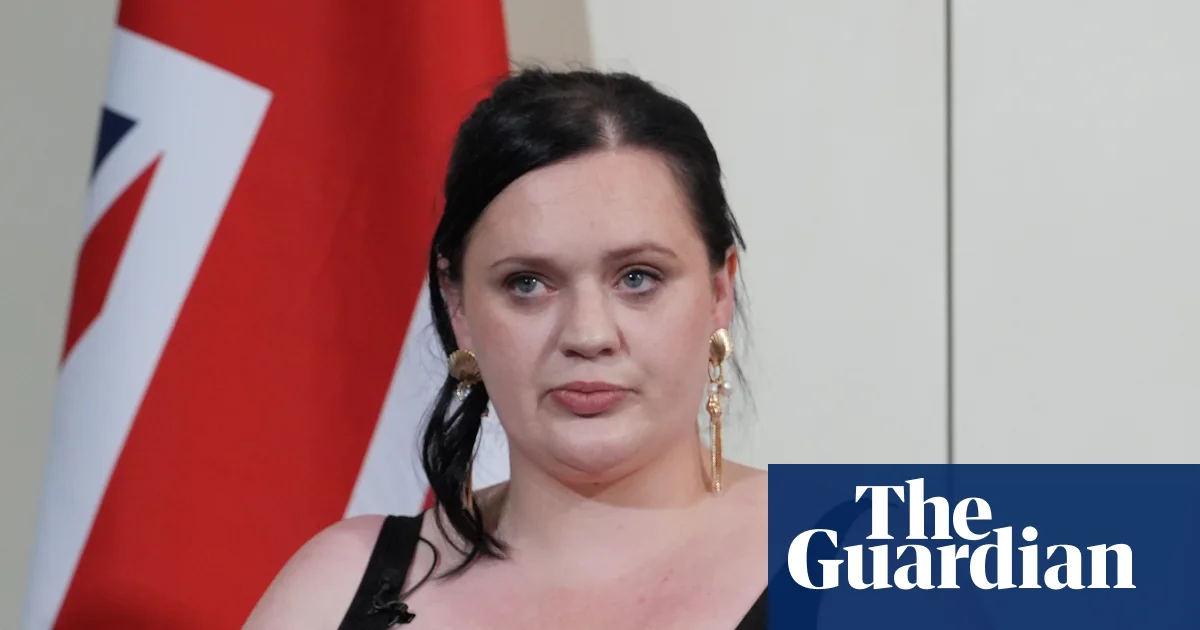
In the wake of a high-profile court ruling exposing the mishandling of pandemic resource procurement, families, education, and local communities are increasingly feeling the ripple effects of systemic social issues rooted in privilege, corruption, and a breakdown of moral accountability. The recent judgment against PPE Medpro, a company linked to the wife of a prominent conservative peer, highlights how intertwined issues of social class, political influence, and economic exploitation have become. While the court demanded that £122 million be returned to the public coffers, the reality is stark: the company has been declared insolvent, and the very individuals who profited from the crisis remain shielded behind complex legal barriers. This situation underscores a societal divide where **those with wealth and influence often escape justice**, leaving ordinary citizens questioning the fairness of a system rigged in favor of the privileged.

At its core, this scandal exposes a troubling cultural shift—one where ethics are sidelined in pursuit of profit, especially during times of national crisis. Notably, the procurement process, which was allegedly prioritized for politically connected individuals via the so-called “VIP lane,” reflects a departure from transparent, merit-based systems. Sociologists like Oliver James argue that such practices foster a sense of disillusionment and betrayal within communities, eroding trust in institutions that are supposed to serve the public interest. For families struggling to access quality healthcare or facing the economic fallout of failed policies, the misconduct of a few exemplifies a larger societal failure: the neglect of moral responsibility in favor of greed and self-interest. This gap between political elites and everyday citizens fuels *a social tension* that threatens the fabric of shared community bonds.

Furthermore, the impact on education and future generations cannot be understated. When government resources are diverted or lost through corrupt arrangements, schools and social programs suffer—further widening the demographic and cultural divides. As social commentator Frank Furedi suggests, a society that tolerates such blatant misconduct risks cultivating a cynical attitude among youth, undermining civic engagement and ethical standards. The emerging narrative challenges *young people* to reconsider their role amid a landscape marred by inequality. Yet, there remains a hopeful contrast—the potential for reform invoked by dedicated watchdogs and civic groups who continue to emphasize accountability. With ongoing investigations into criminal offenses linked to pandemic procurement, society stands at a crossroads: will it choose to rebuild trust through genuine transparency, or allow the pervasive influence of privileged networks to perpetuate injustice?

As the story unfolds, the question lingers: can society truly heal from this breach of public trust? The moral challenge lies in fostering a culture where integrity, fairness, and moral responsibility are restored as societal cornerstones. In this landscape of complexities, hope emerges in the form of collective resilience and the emerging voices demanding genuine change. Society’s strength is found not in the wealth of a few, but in the unity of communities committed to holding power accountable. Perhaps, amidst the echoes of legal battles, a new era beckons—one where the fabric of our society is mended with patches of integrity, woven through the collective effort of families, educators, and leaders dedicated to a future where justice is not just an aspiration, but a living reality.

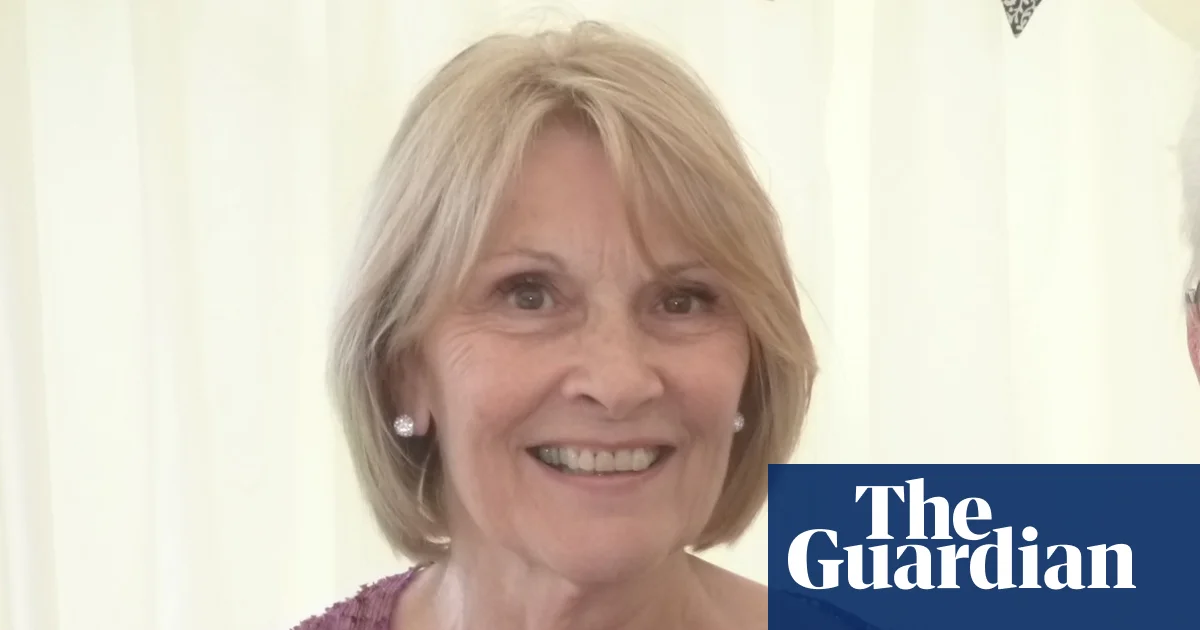
Honoring Nurse Maureen Crill: A Life Dedicated to Care and Community

Society’s Unsung Champions and Family Resilience

In an era marked by societal upheaval and a growing divide between the privileged and the vulnerable, stories of dedicated **community-oriented professionals** serve as a poignant reminder of the resilience and moral fiber that uphold our social fabric. Maureen Crill’s life exemplifies how individual courage and unwavering dedication can impact communities facing challenges such as poverty, conflict, and health crises. Her journey from Zimbabwe to various parts of the globe underscores the broader social issues that continue to affect families, education, and local communities worldwide.

Throughout her extensive career, Maureen’s work illuminated the harsh realities faced by underserved populations. The hardships endured by women in rural Africa, where she operated mobile clinics amidst insecurity and conflict, mirror larger issues of inequality in healthcare access and systemic neglect. Her efforts to train traditional midwives in Burkina Faso showcase the importance of empowering local communities rather than imposing external solutions—highlighting a critical challenge in global development: fostering sustainable, culturally sensitive progress. Sociologists like Michael Marmot emphasize that addressing social determinants of health is fundamental in nurturing resilient families and stable societies, a belief validated by Maureen’s lifelong commitment.

The Impact of Social Issues on Families and Education

The ripple effects of these social issues extend deeply into families. When communities lack adequate healthcare, education, and infrastructure, it is families—particularly women and children—who bear the brunt. Maureen’s advocacy for rural maternal health was rooted in the understanding that healthy mothers are vital to nurturing future generations. Yet, many communities remain trapped in cycles of poverty and inadequate care, hampering educational opportunities and perpetuating social marginalization. Here, the tension lies between systemic neglect and the moral imperative to act, ensuring that every family has a chance at a dignified life.

Shifting Demographics and Cultural Tensions

Changing demographics and cultural shifts further complicate this picture. As societies diversify and urbanize, traditional social networks weaken, often leading to increased dislocation and alienation. For instance, Maureen’s work in diverse and often volatile settings like Pakistan, Canada, and Cuba demonstrates how healthcare professionals must navigate complex cultural terrains. Sociologists like Claude Lévi-Strauss have argued that understanding cultural diversity is essential to fostering social cohesion. Yet, social tensions arise when national policies neglect the needs of marginalized groups, resulting in fractured communities and compromised social stability.

Pathways to Social Renewal and Hope

While these challenges are formidable, the story of individuals like Maureen Crill inspires hope. Her life exemplifies that dedicated service and culturally sensitive interventions can forge pathways toward social renewal. Building resilient families and communities requires policies that prioritize health equity, education, and moral responsibility. Sociologists such as Anthony Giddens remind us that society’s future hinges on our collective ability to adapt and nurture shared values of compassion and justice. In embracing this moral vision, society can evolve beyond cycles of neglect to become a community where every family has the opportunity to flourish.

As society faces its ongoing trials, it is crucial to remember that the true strength of a nation lies in its ability to cherish and uplift its most vulnerable. The stories of our unsung heroes — those who serve selflessly in the shadows — call us to reflect on our moral commitments and the legacy we wish to build. Mirroring Maureen Crill’s grace and resilience, perhaps society can find renewal and hope, one compassionate act at a time, casting a future where social transformation begins with acknowledgment, respect, and unwavering resolve.

Campus jobs vanish as financial crisis hits youth future

Society at a Crossroads: The Human Cost of Higher Education Budget Cuts

Across the landscape of British higher education, recent years have revealed a troubling trend: an unprecedented wave of financial austerity measures that threaten the very fabric of our educational communities. The University and College Union (UCU) reports that more than 12,000 jobs have been slashed in the last year alone, with an additional 3,000 positions at risk due to ongoing cost-saving initiatives. These reductions go beyond mere numbers— they echo deeply within the lives of students and staff, altering the core of our societal structure where families, education, and community tie together. As universities grapple with the need to tighten budgets, the moral and social consequences ripple outward: what does it mean for a student aiming for a future, or a lecturer whose livelihood hinges on decisions made in boardrooms?

Disturbingly, this climate of cutbacks fuels a demoralized workforce— university staff report being “exhausted, furious, and undervalued,” as Jo Grady, UCU general secretary, starkly describes. The sustenance of >4 million students in England alone is now shadowed by uncertainty, with many witnessing the disconsolidation of vital support services such as disability resources and cleaning staff. Such austerity measures are not just financial; they strike at the ethical heart of what it means to serve the public good. Sociologists like Michael Apple warn that these policies prioritize economic “efficiencies” at the expense of societal well-being, leading to a long-term decline in social mobility and access to higher education for the most vulnerable.

Among those facing the harshest consequences are academic staff like Dr. Zak Hughes, a chemistry lecturer at the University of Bradford, who describes the stark reality: he risked losing his job and, if that happens, will have to move back with his mother into her home, a stark symbol of societal insecurity. Meanwhile, in Edinburgh, a similar story unfolds where a planned £140 million in cuts looms over nearly 1,800 jobs, casting a shadow of doubt over students’ futures. Young people like Caspar Cubitt, a theology student, admit that the uncertainty has caused them to question their very decision to pursue higher education, stirring a cultural shift where aspirations are replaced with apprehensions. The historian David Brooks underscores that these trends threaten the foundations of our civic identity, as universities have long been pillars of societal progress and moral debate.

In response, some institutions call for “swift and decisive action” from the government, emphasizing that financial stability must be balanced against the moral obligation to support future generations. Yet, the crisis illuminates a deeper societal tension: how do we preserve the integrity of education in a system increasingly driven by economic imperatives? For families, this means reconsidering their investments in their children’s futures; for communities, it signals a fracturing of the social fabric that binds generations together. As the philosopher Francis Schaeffer once noted, society is only as strong as its moral commitment to human dignity and shared purpose. The challenge now is to envision a way forward—one that not only mitigates these cuts but also redefines the role of higher education as a true societal good, rooted in the promise of opportunity, hope, and resilience. In this moment of crisis, society is called to reflect: can it transform hardship into a catalyst for moral renewal, ensuring that the pursuit of knowledge remains a pursuit of justice?

Platform that triggered children's book controversy taken down
Platform that triggered children’s book controversy taken down

Controversy Sparks Concerns Over Youth Exposure to Inappropriate Content

Recent events surrounding a children’s book series have illuminated troubling shifts in our societal safeguards and raised alarms about the integrity of digital spaces frequented by our youth. The publisher Puffin and the author Cope found themselves embroiled in controversy when a website meant to host bonus content for a popular children’s series was overtaken by a third party. This unauthorized takeover led to the posting of explicit material at a time when these digital platforms are increasingly becoming the first point of engagement for young audiences.

Such breaches—where the erosion of age-appropriate barriers in online spaces is exploited—highlight the urgent need for stronger digital safety measures. According to Nominet, the UK registry service provider, the offending site was suspended as a breach of the Online Safety Act. The website’s original purpose was to complement the series’ narrative of cute animals engaging in problem-solving missions; instead, it inadvertently became a conduit for inappropriate content—prompting immediate action from authorities and the publisher. The incident underscores a critical societal challenge: the constant battle to keep our children’s digital environments safe, especially in a landscape where third-party invaders can easily hijack digital assets and exploit vulnerable audiences.

Educational and Family Impacts Emerge Amid Pure Content Contamination

The fallout from this incident reveals far-reaching consequences for families and educators. Schools and parents are confronting the unsettling possibility that children’s access to wholesome content may be compromised or manipulated. Puffin Books responded swiftly by pausing the sale and distribution of the series, advising educational institutions to remove the books temporarily and return borrowed copies. These actions reflect a broader societal concern: as cultural shifts blur the lines between safe content and harmful material, safeguarding the formative minds of our youth remains an uphill battle.

Sociologists like Dr. Abigail Morgan warn that such disruptions threaten to destabilize the trust parents place in digital and educational institutions. The incident exposes a gap in protection for the most impressionable members of society—a gap that requires urgent attention to prevent similar breaches and foster resilient, ethical digital environments. The challenge now extends beyond mere content filtering; it necessitates a cultural shift towards greater digital responsibility and accountability among content providers, tech companies, and regulatory bodies alike.

Society’s Path Forward: Balancing Freedom, Protection, and Moral Responsibility

Ultimately, this controversy underscores a vital societal dilemma: how can a society grounded in virtue and moral responsibility ensure that its youngest members are shielded from harm while still promoting free access to knowledge and creativity? Historians and social commentators acknowledge that family integrity and educational ethos must evolve in tandem with technological advancement. The challenge is to create a culture of vigilance that empowers families, educators, and communities to safeguard the moral fabric that underpins a healthy society.

  • Implementing stricter age verification protocols online
  • Enhancing collaboration between regulatory agencies and digital platforms
  • Promoting media literacy education to empower families and children
  • Fostering a moral framework that values protection without censorship

As society grapples with these complex issues, there remains a fragile yet resilient hope: that through collective effort, accountability, and moral clarity, we can mend the broken threads of trust and security woven into our social fabric. The challenge calls for more than technical fixes; it demands a cultural renaissance—an awakening that prioritizes the nurturing of virtuous communities where our children can flourish free from the shadows of exploitation and moral decay. Society stands at a crossroads, but with unwavering resolve, there exists the possibility to forge a future where innocence is protected, and virtue restored.

NHS facilities staff to strike over pay discrimination—stand up for fairness and equality

Social Justice or Systemic Disparity? The Struggle of NHS Facilities Workers and Society’s Broader Reflection

In the midst of Britain’s sprawling National Health Service (NHS), a quiet but potent crisis is unfolding among the least visible yet most vital members of healthcare institutions: facilities staff. Comprising mainly cleaners, porters, and catering workers, these individuals are predominantly from minoritised communities. Recent reports from United Voices of the World (UVW) reveal that over 330 of these low-paid workers, employed by the St George’s, Epsom, and St Helier hospital group, are on the brink of striking, citing decades of wage stagnation, pension shortfalls, and systemic exclusion.

At the core of this social upheaval lies a stark disparity: these essential workers have reportedly been denied the benefits afforded to their higher-paid NHS counterparts, with pension contributions as low as 3% compared to the 23.7% of other staff. Such differential treatment underscores a broader issue of institutional racism and economic injustice within one of the nation’s most revered societal institutions. The figures tell a compelling story: over four years, these workers have lost more than £36 million in wages and pension entitlements—an economic blow that affects their families’ stability and their community’s resilience. For many, this wage gap translates into everyday hardship, where workers, often working unsociable hours, grapple with late bills and mounting debt, and sometimes resort to coming to work ill because sick pay is inaccessible.

This scenario echoes socialist sociologist Stuart Hall’s reflections on the cultural and economic marginalization of minoritized groups, illustrating how structural inequalities perpetuate cycles of inequality. The return of outsourced jobs in earlier years, coupled with recent efforts to reclaim these positions in-house under more favorable contracts, demonstrates an ongoing battle for fair treatment. Yet, despite such strides, the gap persists, highlighting the systemic failure to integrate these workers into the NHS’s core pay and conditions framework. The tensions expose a social fabric strained by injustice—a fabric that, if left unaddressed, risks pulling apart entirely.

The ongoing negotiations have far-reaching effects. When workers are kept outside the Agenda for Change, the very foundation of equitable pay and working conditions crumbles, impacting families, education prospects, and community stability. A survey by UVW revealed that a majority of these workers face sick leave cuts, with nearly a quarter falling into debt to make ends meet—an indelible mark on their ability to provide a stable environment for their children, forge careers, and contribute meaningfully to society. The moral question remains: should a nation as affluent as Britain tolerate such disparities within its most sacred institutions?

As social commentators like Dr. Nigel Lake warn, these disparities are not merely about wages—they are about societal values and the moral fabric of a nation. Legitimate efforts are underway to rectify these imbalances, with hospital authorities acknowledging some fault and advocating for fairer treatment. Yet, the challenge remains: how to ensure that the pursuit of fairness is not just rhetoric but becomes an enduring reality for the most vulnerable?

In the end, society faces a choice: continue to overlook the social fractures caused by embedded inequality, or confront them head-on, pitting the moral obligation of justice against the complacency of systemic neglect. These workers, driven by necessity and dignity, stand as a testament to the resilience of those on society’s margins—reminding us that true societal progress isn’t measured solely by economic growth but by the capacity to uplift and include every member of the community. In their struggle, perhaps society can glimpse the potential for genuine transformation—a fragile yet unwavering hope that echoes in the corridors of every hospital where the true health of a nation is ultimately measured not by its wealth, but by its capacity for justice and compassion.

Somalia adopts Swahili in schools to strengthen cultural ties and boost national pride

In a move that highlights a broader shift toward regional integration and cultural identity, Somalia has announced plans to incorporate Swahili into its national curriculum. This development unfolds amid a backdrop of decades of conflict, social fragmentation, and evolving regional dynamics. Historically, Somalia’s education system has been dominated by English at higher levels and Arabic at Islamic schools, reflecting colonial and religious influences. The decision to emphasize Swahili, the lingua franca of East Africa, signals a recognition that language is power—an asset for families, teachers, and communities seeking to rebuild trust, expand economic opportunities, and forge regional bonds.

  • The adoption of Swahili aims to foster regional integration, making Somalia more connected with its East African neighbors and facilitating trade, diplomacy, and education exchanges.
  • Swahili, spoken by over 200 million people, is among the world’s top ten most spoken languages, representing a significant cultural and linguistic bridge for Somalia’s youth and working families.
  • Increased use of Swahili is already evident along Somalia’s southern coast and among refugees in Kenya, many of whom learned the language as part of their adaptation after fleeing violence.

This cultural shift underscores a profound demographic and social transformation. Decades of civil war, which erupted in 1991, have led to social dislocation and an erosion of traditional authority, forcing communities—and especially the youth—to adapt in unpredictable ways. The proliferation of Swahili in everyday life, particularly among those who have crossed borders or served in regional peacekeeping missions, exemplifies how social bonds are evolving outside conventional national boundaries. Leaders like President Hassan Sheikh Mohamud emphasize that cultivating Swahili at academic institutions—especially at the Somali National University—will promote regional cooperation and integrate Somalia’s economy more closely with East Africa’s emerging markets.

Critics and social commentators warn that such rapid cultural shifts could ripple through families and societal structures, challenging long-held identities rooted in language and religion. As Historians note, language is often intertwined with cultural sovereignty; thus, the push to prioritize Swahili may provoke tensions among those who cling to Arabic or English as symbols of religious and colonial heritage. However, proponents argue that this multilingual approach could foster a new generation of citizens equipped to navigate a multi-lingual world—one where economic empowerment and social cohesion depend on linguistic adaptability. Education Minister Farah Sheikh Abdulkadir envisions Swahili replacing English as the dominant language of trade and learning, a move seen as both pragmatic and strategic.

Ultimately, how families, schools, and communities adapt in the coming years will determine whether this linguistic pivot bolsters national unity or deepens cultural fissures. It is a testament to society’s ongoing battle between preserving identity and embracing progress—a confrontation familiar across many nations shaping their destinies amidst modern global challenges. As the sun sets over Mogadishu and a new chapter begins, society stands at a crossroads: will it forge a resilient, inclusive future by harnessing the power of language, or will it find itself divided by the echoes of a past reluctant to fade? In this fragile moment, society’s resilience lies in its ability to envision transformation, not just as empty rhetoric but as a tangible hope—an enduring testament to the human spirit’s capacity to reinvent itself amid chaos and change.

Scientists Unveil First Reliable Blood Test for Chronic Fatigue Syndrome—A Win for Society and Youth Wellness

In a significant development that could reshape the landscape of healthcare and social support for families affected by chronic illness, scientists have announced the creation of what may become the world’s first reliable blood test for myalgic encephalomyelitis, commonly known as chronic fatigue syndrome (ME/CFS). For decades, this debilitating condition has eluded objective diagnosis, leaving millions of Americans and Europeans to navigate a maze of symptoms that often lead to misdiagnosis or outright dismissiveness from medical authorities. The absence of concrete tests has profound consequences, not only for patients’ physical health but also for their families and communities, who often bear the emotional and financial burden of a misunderstood illness.

Social commentators and medical professionals have long pointed out that the absence of definitive testing contributes to a damaging societal neglect of ME/CFS sufferers. Many individuals told their symptoms are “all in their head,” a dismissive attitude that can cause isolation and despair. The potential development of a blood test to identify ME/CFS offers a promising avenue for early diagnosis and intervention, which could dramatically alter the trajectory of affected lives. As noted by Prof Dmitry Pshezhetskiy of University of East Anglia, this discovery holds the promise of transforming how this complex disease is diagnosed and managed, providing relief to countless young people, working adults, and families who have suffered in silence for years.

Nevertheless, the path from promising scientific discovery to practical application remains fraught with hurdles. Experts such as Dr. Charles Shepherd of the ME Association urge caution, emphasizing that the *sensitivity* and *specificity* of the test must be rigorously validated across diverse populations and disease stages. Concerns over premature claims echo through the scientific community, highlighting the importance of cautious optimism. Nonetheless, sociologists and health advocates underscore that breakthroughs like this have the potential to reinstate hope and dignity among those marginalized by inadequate healthcare systems. The societal challenge lies not only in developing tests but also in ensuring equitable access, especially for working-class communities who often suffer disproportionately from systemic neglect.

The social fabric of society, particularly in youthful populations, is increasingly shaped by these ongoing struggles. As education institutions grapple with integrating comprehensive health curricula and fostering understanding of invisible illnesses, families stand at the frontline of societal resilience. The societal emphasis on technological progress and scientific validation must go hand in hand with addressing the moral imperative of supporting the most vulnerable. This challenge invokes historical debates about the moral responsibilities of society—should we be content with the hope generated by a new test, or push for it to be swiftly integrated into clinics, so that the promise does not become a disappointment?

Ultimately, the story of this scientific breakthrough is a poignant reflection of society’s ongoing struggle to reconcile technological innovation with ethical responsibility. It echoes a broader societal challenge: how to ensure that justice, compassion, and equity are woven into the fabric of health care, education, and community support. As history teaches us, the true strength of a society emerges in how it lifts up those marginalized by invisible burdens, transforming scientific hope into tangible, everyday relief. In this moment of potential progress, society faces a choice—continue to chase the mirage of perfect solutions, or unite to create a future where no one is left behind in the shadows of misunderstanding. The hope for this new blood test is not just for early diagnosis, but for a society that finally recognizes and responds to the silent suffering among us, with unwavering resolve and compassionate action.

Parents fined as their daughter skips nearly 200 days at Stoke-on-Trent school—working parents paying the price for overreach

In the heart of North Staffordshire, a recent case exemplifies how social issues are deeply intertwined with education and community wellbeing. A mother and father faced legal repercussions after their daughter accumulated almost 200 unauthorized absences from school within a few months. Despite concerted efforts from schools, charities, and local authorities, the family struggled to ensure consistent attendance, vividly illustrating the intergenerational challenges that plague many contemporary communities. This situation highlights a broader societal dilemma, where the erosion of traditional family support networks and changing social dynamics threaten the foundations of youth development and community stability.

Statistics reveal that such cases are not isolated. The parents, both on benefits, invested significant resources—up to £70 a week—ferrying their daughter to school in taxis, even as the girl refused to participate in community-supported initiatives like a school minibus. Despite offering support, such as alternative transportation and behavioral interventions, the girl’s refusal to engage underscores a social tension — a breakdown in the relationship between children and institutions designed to serve them. Sociologists like Dr. Katherine Newman emphasize that these disruptions often stem from the erosion of social cohesion and the decline of community-based support structures. As families confront economic hardships, mental health issues, and social alienation, their ability to foster consistent discipline and support diminishes, impacting educational outcomes and community cohesion alike.

How do these social issues ripple through families, education, and neighborhoods? They threaten the very fabric of societal stability by undermining the potential of our youth. When families like the one in Staffordshire struggle with attendance and engagement, it becomes increasingly difficult to foster a culture of achievement and responsibility. Educational institutions, often overwhelmed, find it challenging to connect with students who refuse or are unable to attend regularly. As historian David Hackett Fischer pointed out, societal health depends on the strength of its families and the resilience of its community networks. Without these, the cycle of disengagement and low achievement deepens, leaving future generations ill-equipped to navigate societal hurdles.

  • Effective intervention must address social determinants such as economic hardship, mental health, and family stability.
  • Community-based support, including mentoring programs and parental education, can be vital in restoring bonds.
  • Policymakers should prioritize restoring trust in institutions and fostering environments where families feel supported rather than alienated.

Ultimately, this challenge calls for a reevaluation of our social priorities. Instead of merely penalizing families for absences, society must recognize the deep-rooted systemic issues that prevent many from fulfilling their potential. As we reflect on these struggles, it is imperative to remember that the future of our communities depends not solely on policies but on the moral fabric that holds families and institutions together. There remains hope—for transformation, for renewal, and for a society that recognizes the importance of supporting its most vulnerable. The question is whether we will listen to these stories and act decisively, or let society’s cracks deepen into irreversible divides, leaving future generations to pick up the pieces of our neglect.

Smartphone ban brings order and focus, says Northamptonshire teacher

Society’s Evolving Approach to Children’s Technology and Its Impact on Families

In recent months, schools and local authorities across the UK are re-evaluating their stance on children’s use of smartphones, with some institutions implementing decisive measures aimed at protecting the wellbeing of young students. Northamptonshire’s Earls Barton Primary School has become an exemplar of this movement by banning smartphones entirely. According to co-head teacher Marie Lally, this initiative has resulted in students arriving at school calmer and more focused — an outcome banners of the harm caused by unmoderated device usage. Such local efforts reflect a broader societal shift as parents, educators, and policymakers grapple with the undeniable influence of social media and instant messaging platforms on impressionable minds.

Many social observers believe this trend signals a critical cultural reconsideration of childhood innocence and autonomy. As sociologist Neil Postman warned decades ago about technology’s potential to distort societal values, contemporary concerns have matured: children are increasingly exposed to unsolicited images, cyberbullying, and inappropriate content through unchecked mobile devices. As part of this moral awakening, the Smartphone Free Childhood movement advocates for delaying the introduction of smartphones until at least age 14, emphasizing that early exposure jeopardizes mental health and moral development.

The Impact on Families and Community Relations

The ripple effects of unchecked smartphone access are felt most acutely within families. Parents are often caught in a dilemma: balancing the convenience of being contactable with the moral responsibility of shielding children from harmful content. Katie Moore, a mother involved in Northampton’s initiative, describes her own experience of giving her child a smartphone and witnessing “more conflict” at home, as her daughter faced animated porn, teasing on WhatsApp, and other cyber dangers. Moore’s story highlights a pervasive societal challenge: parents are pressured to conform to peer expectations that equate smartphones with social status, even as evidence mounts regarding the risks involved.

Communities are responding by advocating stricter controls within schools and homes. Some suggest solutions such as requiring children to surrender devices upon arrival at school, use of only ‘brick phones’ with no internet, or outright bans on phones during school hours. These measures aim to restore a sense of safety and moral clarity within educational environments, emphasizing that protecting children’s innocence and mental health must take precedence over technological convenience. Meanwhile, local authorities like West Northamptonshire Council are weighing guidance policies that could lead to more comprehensive restrictions across schools, recognizing that current enforcement is limited, as noted by Reform UK education official Kathryn Shaw.

Societal Reflection and Toward a Brighter Future

As society stands at this crossroads, many social commentators argue that the core challenge extends beyond mere device management. It questions the cultural values that normalize early exposure to digital technology and the moral framework guiding parental decisions. Transformative change will require a collective effort to redefine childhood and societal priorities, emphasizing ethical guardianship, community engagement, and moral responsibility above fleeting trends. In this ongoing journey, families and communities hold the power, often through simple yet profound acts, to turn society’s horizon toward hope. Ultimately, society’s resilience will be tested not by the technology itself but by its ability to nurture young minds amidst rapid change — a testament to our enduring belief in the potential for moral and social renewal.

MoD drops millions on private schools to sideline Welsh language, sparking outrage among youth and society

Society at a Crossroads: The Impact of Language and Military Support on Welsh Communities

In contemporary Wales, social tensions surrounding language preservation and support for military families reveal deeper challenges faced by communities striving to balance cultural identity with societal needs. At the core of this debate is the funding allocated by the Ministry of Defence (MoD) to support service personnel and their children. According to recent figures obtained through the Freedom of Information Act, nearly £1 million is spent annually to send children to private schools in north Wales, primarily because* state schools teach lessons partly or entirely in Welsh. This expenditure highlights how cultural shifts and linguistic priorities influence social and educational decisions, often creating friction between community values and government policy.

Critics argue that this funding, which covers tuition, trips, and transport, merely perpetuates division within diverse communities. Plaid Cymru has labeled it a “complete waste of money” and an “insult to our language,” emphasizing that Welsh should be promoted within public education rather than supplemented through private funding. Conversely, proponents, including the Conservative Party, contend that parents have the right to choose their preferred language of instruction, especially for children of military families who often face frequent relocations. *Such arguments expose the deep social tensions rooted in demographic shifts and differing visions for Welsh identity, where the rights and options for families are often caught between external political influences and local cultural priorities.

The interplay of language and education becomes even more complex when considering the **service personnel who serve across different regions**. The MoD’s Day School Allowance specifically supports families in areas where bilingual or non-English education dominates, offering up to £22,755 annually for tuition in private schools. This policy is rooted in a desire to minimize educational disruption for children who move frequently due to military duties. Yet, it raises questions about the broader societal implications of funding special privileges based on linguistic and regional considerations. Critics argue this approach may inadvertently deepen regional divides, while supporters see it as a humane response to the realities faced by military families.

In contemporary social discourse, leaders like Natasha Asghar and Cefin Campbell MS highlight the importance of respecting the two official languages of Wales. Asghar emphasizes that “parents should always have the option” to choose the language of instruction, advocating for a solution that respects individual rights in a multilingual society. Meanwhile, Campbell decries spending on “preventing young people” from learning Welsh, framing it as an act of cultural insensitivity and a missed opportunity for societal enrichment. These debates illustrate how social issues surrounding language education are fundamentally about the preservation of cultural identity versus the need for inclusive, accessible public services.

Ultimately, the societal challenges in Wales reflect a broader narrative of balancing tradition with modernity, unity with diversity. As the nation navigates these complex issues, one must wonder: will society succeed in fostering a community where cultural pride and individual choice coexist harmoniously, or will these tensions deepen into irreparable divides? Society’s resilience lies not just in policy and funding but in a collective commitment to fostering understanding among its diverse voices—an enduring hope that, despite the noise of controversy, society might yet forge a future where all families find belonging and opportunity amidst the cracks of our social fabric.

Social Media Auto Publish Powered By : XYZScripts.com