Social Tensions Surge Over Transgender Debates and Cultural Shifts
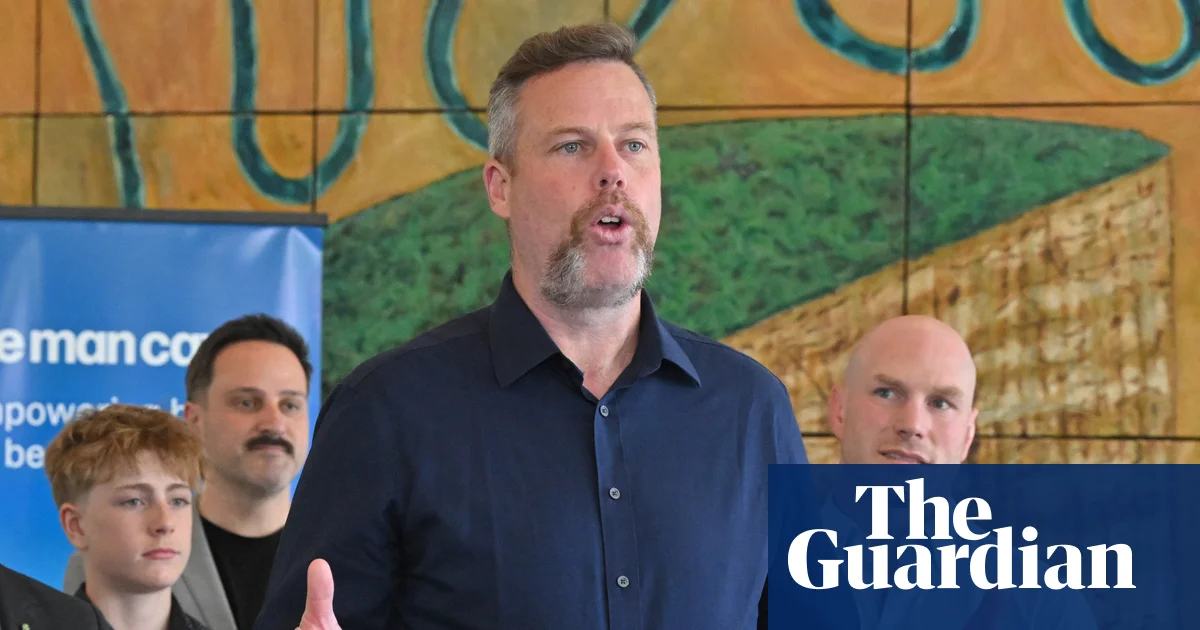
In the ongoing landscape of cultural shifts and demographic changes, the recent appointment of Kezia Dugdale as the incoming chair of Stonewall has reignited intense debates surrounding transgender rights, free speech, and societal acceptance. Dugdale, a former Scottish Labour leader, publicly expressed admiration for JK Rowling, a prolific author who has become a controversial figure among trans advocates for her outspoken views on gender issues. Her comments, highlighting Rowling’s journey as a single mother and her contributions to children’s literature, were meant to celebrate resilience and achievement, but they also sparked widespread backlash from segments of society that view Rowling’s position as hostile or dehumanising to trans individuals.
This incident underscores how social issues surrounding gender identity are affecting families, educational environments, and communities at large. Critics argue that the portrayal of Rowling’s opinions as brave or inspirational dismisses the hurt and alienation felt by many in the trans community, who see such comments as encoding hostility and reasserting traditional gender norms at their expense.
- Social commentators like philosopher Kathleen Stock emphasize that these disputes threaten to polarize society, making genuine dialogue more difficult.
Meanwhile, some activists warn that the ongoing “culture wars” risk marginalizing the very individuals they aim to protect by fostering intolerance and division. Dugdale’s call for “generosity of spirit” seeks to bridge this divide, advocating for “calm conversations” in a climate riddled with suspicion and ideological conflict.
Yet, the social tensions have clear implications for education and community cohesion. Schools are increasingly battlegrounds where debates over gender policies and curriculum content ignite conflicts that ripple into families’ daily lives. For many parents, the challenge is balancing respect for individual rights with the preservation of shared community values—struggling to foster environments where children can flourish without fear of social exclusion or ideological hostility.
- Researchers have observed that such tensions can lead to social fragmentation, impacting mental health, educational engagement, and community trust.
Additionally, the controversy over gender ideology has led to intense scrutiny of organizations like Stonewall, which claims to champion inclusivity but faces accusations of softening or diluting its stance, thereby risking alienation from core supporters and marginalized groups alike.
In the wider societal context, the clash over gender identity exemplifies a broader challenge: how do a society built on shared values adapt to evolving demographics without sacrificing cohesion? As sociologists and social historians like Yuval Levin warn, societies must navigate this “grey area” with *moral clarity and compassionate dialogue*—a difficult but essential task. The future of our communities depends on our ability to listen, understand, and forge avenues for inclusivity that respect diverse viewpoints while preventing the marginalization of any group. Society stands at a crossroads, where the choices made today—toward understanding or division—will shape the fabric of generations to come, echoing the timeless hope that even amidst profound change, humanity’s capacity for empathy and resilience can still guide us toward a more united future.