Matox News

Truth Over Trends, always!

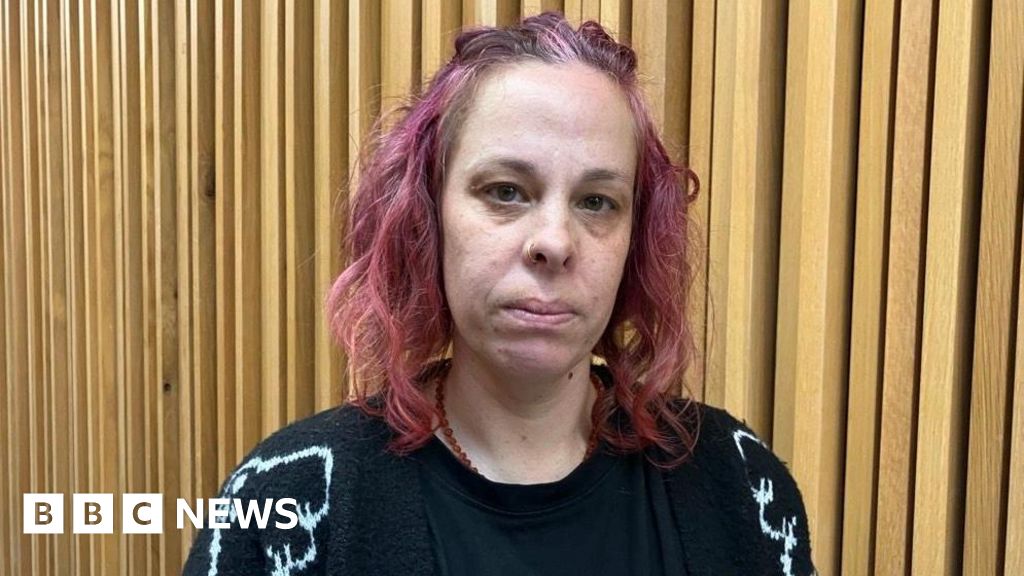
College helped me rebuild after tragedy—my second chance.

Scottish Further Education: A Society at Crossroads Amidst Funding Crisis

Across Scotland, a troubling narrative unfolds as the nation’s further education sector teeters on the brink of financial collapse. Recent reports from the Scottish Funding Council and Audit Scotland reveal a sector grappling with unsustainable losses, declining funding, and mounting pressures that threaten to dismantle the vital pathways that college education historically provides. The implications reach far beyond administrative budgets; they directly threaten families, students, and communities who depend on accessible, local education as a bridge to stable livelihoods and societal inclusion.

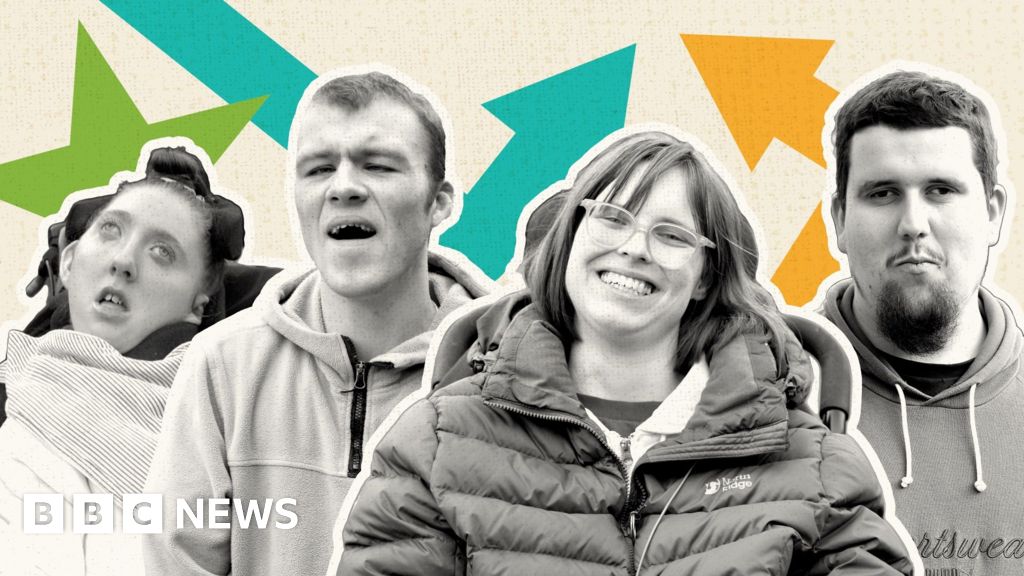
At the heart of this crisis are three campuses—Falkirk, Stirling, and Alloa—each struggling to stay afloat amid a 20% real-term funding cut over the past five years. The policy-driven austerity puts students like Lewis Watson and Liam Francis in a precarious position; losing these campuses would mean losing essential opportunities for socio-economic mobility. Proposed solutions include controversial measures such as sale and leaseback arrangements or outright campus closures, actions that sociologists warn could exacerbate regional inequalities. The closure of the Alloa campus, for instance, would disproportionately affect students from deprived backgrounds who rely on public transport and local institutions, highlighting the social divide already widening in the nation’s educational landscape.

  • The Scottish government’s funding for colleges has been slashed, with a counterintuitive increase of only 2.6% this year amidst rising costs, effectively reducing real budget allocations.
  • Many colleges are considering cutting back on classes or drastically downsizing their estate to manage their deficits, risking access for students in rural or deprived areas.
  • Over 460 students at Forth Valley College, including health and social care students like Liam and Megan Scott, face uncertain futures as the possibility of campus closure looms.

For families and communities, the implications are profound. Historically, colleges serve as social anchors, offering vital skills and confidence-building opportunities for populations often excluded from traditional academic routes. Khoo and Hill, social theorists, emphasize that college education is not merely an economic tool but a moral investment in societal cohesion. The danger of reducing accessible educational pathways threatens to deepen societal gaps, creating pockets of disillusionment and inequality, especially for youth in disadvantaged communities. Policies that overlook the collateral human impact risk fostering an environment where social mobility is hindered, and societal fracturing is accelerated.

But hope persists. Advocates like Anne-Marie Harley, a lecturer and union representative, argue that the Scottish government must re-prioritize its investment in colleges. Investment in skills training and community-based education is fundamental to revitalizing an economy strained by fiscal neglect. As historians such as E.P. Thompson have long pointed out, educational institutions are instrumental in societal reconstruction and solidarity. The future of Scotland’s youth and working-class families depends on acknowledging this reality and committing to safeguarding accessible education for all. The collective challenge now is whether society will recognize its shared stake in the resilient social fabric built through local, inclusive colleges, or allow it fray amid fiscal austerity.

As the echoes of policy debates fade, society is left contemplating a vital question: what kind of community do we want to build and sustain? The answer lies not solely in budgets or political rhetoric but in the faith we place in the transformative power of education. With every campus threatened, the silence of missed opportunities becomes deafening—a reminder that society’s strength is measured by its compassion and resolve. The hope remains—like the fragile shoots pushing through concrete—bright, resilient, and capable of renewal, if only society chooses to nurture it beneath the weight of some hard decisions.

Ex-Children’s Commissioner calls for apology over Covid mishandling of our youth

The Hidden Costs of Pandemic Decisions: Unveiling Societal Struggles and Resilience

The recent revelations from the UK Covid Inquiry highlight a sobering reality: our children and young people bore the brunt of policy failures during the pandemic, a period marked by chaos, moral oversight, and missed opportunities for compassion. As families grappled with unprecedented disruptions, the societal fabric was stretched thin, revealing cracks that threaten the foundation of our demographic future. Sociologists like David M. Levy warn that the long-term societal impacts of neglecting the mental health and educational needs of youth will echo for generations if left unaddressed.

Baroness Anne Longfield, former children’s commissioner for England, emphasizes the moral obligation that the current government faces to issue a formal apology once the full scope of the pandemic’s harm is understood. Her assertions underscore a critical point: adults were prioritized during policymaking, often at the expense of children’s welfare. The inquiry revealed a \”chaotic\” approach to school closures and reopening plans, where the voices of educators, mental health professionals, and families were often overlooked. This approach fostered an environment of uncertainty, fostering feelings of abandonment among vulnerable children.

Key facts emerging from the inquiry paint a grim picture: only 5% of vulnerable children attended school during the first lockdown, illustrating a failure to balance health risks with the educational and psychological needs of children. The miscommunication and indecisiveness fostered a sense of societal disconnect—a paralysis where decision-makers seemed to forget that behind every statistic was a family, a child’s future, and a community’s integrity. The rise in mental health conditions, eating disorders, and emotional distress among youth signals a “systemic shock” that could have been mitigated with proactive planning and genuine compassion.

As the inquiry progresses, it is clear that

  • policies must consider the holistic wellbeing of children
  • communication strategies should foster understanding rather than fear
  • future preparedness must be rooted in community engagement

addressing not only health but the social and emotional resilience of upcoming generations. Historians argue that society’s true strength lies in its capacity to learn from past mistakes and build a more inclusive, compassionate future. The challenge remains: will policymakers listen to the voices of those most affected and pave the way for a society where families are not left to pick up the pieces, but are empowered with clarity and care?

In the quiet moments of reflection, society is invited to ask: what kind of society do we want the future to remember? There is hope—through acknowledgment, empathy, and action, society can mend these fractured bonds. The echoes of these lessons warn us that transforming social policy is not merely a political duty but a moral imperative—ensuring that the wellbeing of children today sows the resilient communities of tomorrow.

Three Months Sober — Now Focused on Supporting My Autistic Son’s Future

In contemporary society, the intersection of addiction, mental health, and neurodiversity is often overlooked, yet it shapes the lives of countless families. A poignant example emerges from a story of an autistic mother recovering from alcohol dependency who faces the immense challenge of rebuilding trust and stability with her 11-year-old son. This narrative underscores how social issues do not exist in isolation but reverberate through families, impacting their emotional health, educational development, and community integration.

According to sociologists and mental health professionals, families living under the weight of addiction often experience a ripple effect, with children absorbing anxieties that are both emotional and psychological. Children like the boy in this story develop a hyper-vigilance and sense of responsibility beyond their years, feeling compelled to control circumstances that feel unpredictable. Experts such as Rebecca Harris, a systemic psychotherapist, emphasize that creating a sense of safety is critical. Harris points out that children in such environments might internalize blame, thinking they somehow caused or could prevent their parent’s struggles. This internalized guilt can hamper their social development and academic progress, fostering a cycle of anxiety and mistrust that persists into adulthood.

Communities and institutions play an essential role in addressing these issues, yet often fall short due to resource constraints or systemic gaps.

  • While family support is crucial, the availability of specialized services for autistic children dealing with family trauma remains limited

Consequently, families are left navigating complex social terrains mostly alone. The local substance abuse support services are critical lifelines, offering reassurance that recovery and stability are possible, but also underscore a broader societal need for integrated, accessible mental health and autism support programs. As historian Yuval Levin suggests, society must recognize that nurturing resilient families is fundamental to a thriving social fabric.

Furthermore, the social tension between personal recovery and familial stability remains a pressing challenge. For the mother in this account, maintaining her sobriety is intertwined with fostering trust, setting appropriate boundaries, and ensuring her son’s well-being without overburdening him. Her acknowledgement of the importance of community support—whether through family, therapy, or peer groups like Al-Anon and Nacoa—is a testament to the power of collective responsibility. These community-based groups serve as anchors, helping families combat feelings of isolation, and reaffirm the tenet that society’s strength lies in its ability to support vulnerable members with compassion and understanding.

Reflecting on this deeply human story prompts a broader societal reflection: how do we, as communities, foster an environment where families affected by addiction and neurodiversity can thrive?

Perhaps the answer lies in a renewed commitment to holistic support systems and destigmatization. Education programs that help children understand neurodiversity and mental health, coupled with accessible therapeutic services, could transform lives. More importantly, society must uphold the dignity of every individual, recognizing that behind every family facing these struggles is a human story marked by resilience, hope, and the possibility of renewal. As society grapples with these challenges, it is the collective effort—a patchwork of parental strength, community compassion, and institutional support—that weaves hope into the fabric of a more understanding and inclusive future. In this ongoing journey, each act of kindness and understanding becomes a step toward societal healing, illuminating the profound truth: resilience begins in the heart of families, and society’s greatest strength lies in its capacity to uplift them amidst their silent battles.

Fighting Back: Kids at Risk from Parents Spreading Dangerous Conspiracies

In recent years, the rise of misinformation has exposed profound vulnerabilities within our society, especially affecting families and communities. The tragic case of Paloma Shemirani, a young woman who succumbed to untreated cancer at the age of 23, underscores the dangerous consequences of unchecked conspiracy theories, fueled by social media and individuals with radical beliefs. Her mother, Kate Shemirani, a former nurse with a platform of over 80,000 followers, propagated unfounded claims about health and government interference, ultimately influencing her daughter’s critical health decisions. The inquest concluded that her care, heavily influenced by her mother’s beliefs and alternative treatments rejected by medical authorities, contributed significantly to her death. Such cases illustrate the devastating toll that cultural shifts towards skepticism of scientific consensus are taking on families and their trust in modern medicine.

Among the most troubling aspects is how social media serves as a breeding ground for conspiracy theories, creating insular communities where misinformation propagates rapidly and populates the minds of vulnerable individuals. Sociologists like Dr. Timothy Hill warn that these online communities form “a large network of people willing to bring others into the fold,” often trapping impressionable youth in an echo chamber that distorts reality. Data emphasize that individuals under 35 are disproportionately more susceptible to conspiracy beliefs, a demographic trend that threatens to weaken the pillar of public health initiatives. The decline in trust towards institutions such as the NHS and scientific authorities is a direct consequence of this misinformation, with experts like Liz O’Riordan emphasizing the life-threatening implications—ranging from declining vaccination rates to the resurgence of preventable diseases like measles.

At the core of this social dilemma lies a tension: balancing parental rights and community safety. The case of Paloma incited debate about how broad a parent’s influence should be when dangerous beliefs compromise their child’s well-being. While the UK law currently favors respecting parental autonomy, some specialists advocate for legislative reform that grants social services more authority to intervene in extreme cases of harmful misinformation. Critics, however, caution against overreach, warning that defining misinformation is subjective and that empowering the state to police beliefs could threaten fundamental freedoms. The challenge remains: how do societies protect vulnerable children without infringing on personal freedoms? This question persists at the intersection of morality, law, and societal responsibility.

Furthermore, the pervasive influence of social media platforms complicates efforts to counteract misinformation. The introduction of the UK’s Online Safety Act aims to curb illegal and harmful content; however, the murkiness of what constitutes “harmful” legal content raises concerns over censorship and free speech. Experts like Ms. O’Riordan advocate for equiping users—especially young people—with critical thinking skills, teaching them how to identify red flags and question authority—including family members. Gabriel Shemirani, Paloma’s brother, underscores this by emphasizing that conspiracy theories often thrive in isolation, but with education and open discourse, society can forge a resilient frontline against such destructive beliefs. In this fight, the strength of a community is rooted not just in legislation, but in empowering individuals to seek truth amidst the cacophony of falsehoods.

As society grapples with these issues, the hope lies in rebuilding trust in true knowledge and fostering a culture of inquiry. Just as a single seed can sprout into a mighty tree, the collective effort of communities, educators, and policymakers can invigorate the moral fabric needed to confront misinformation. Society must remember that behind every conspiracy theory is a human story—often of fear, loss, and longing for control. By recognizing this, society can transform its approach—moving beyond suspicion and suppression, toward understanding and resilience. In that future, the light of truth may yet pierce through the shadows of misinformation, guiding generations toward a society where families thrive on verified knowledge, and communities stand united in safeguarding their collective well-being.

Manchester Synagogue Attack: Volunteer Among Injured, Society Must Stand Strong

Rising Hate Crimes and Society’s Response: The Role of Community Security in Protecting Our Future

In recent years, the fabric of multicultural communities across the UK has been strained by a troubling surge in hate crimes, particularly targeting the Jewish population. The recent attack on a synagogue in Manchester, which resulted in severe injuries to a Community Security Trust (CST) volunteer, underscores the grave reality that some of our communities are facing. The CST, a pivotal community organization dedicated to monitoring and combating antisemitism since 1984, has become an essential line of defense, deploying extensive security measures to safeguard places of worship, schools, and communal spaces. The injuries sustained by one of its personnel, believed to be the most severe yet, reflect the dangerous escalation of violence and the importance of resilience in our social fabric.

This incident is not isolated but part of a disturbing trend that saw anti-Jewish hate crimes in the UK surge by over 100% in just a year—jumping from 1,543 to 3,282 reported incidents by March 2024, according to Home Office statistics. The CST’s own data indicated 1,521 antisemitic incidents in the first half of this year alone. These numbers expose a future where intolerance and hate threaten to undermine the societal cohesion necessary for families and communities to thrive. Sociologists like Dr. Samuel Abrams have pointed out that radicalization and societal fractures often manifest through such hate crimes, which target the emotional and physical safety of vulnerable communities, eroding trust and fostering division.

To counter this rising tide of hostility, organizations like the CST have stepped up their efforts, employing over 100 staff members and more than 2,000 trained volunteers. Their training spans from first aid to advanced security procedures, often working alongside private security firms funded by government grants—including an £18 million annual subsidy from the Home Office to protect sites ranging from nurseries to high-profile communal buildings. Beyond physical security, the CST dedicates resources to intelligence work, analyzing neo-Nazi and Islamist sources that fuel hate, and collaborating with wider anti-hate networks such as Tell Mama. This united front demonstrates a community-led resilience that refuses to be intimidated, emphasizing that the fight against hatred requires both vigilance and proactive policy measures.

The societal implications of such efforts extend beyond mere security. They serve as a moral bulwark to preserve the integrity of families and the youthful generations who will inherit the society we shape today. While these measures are essential, some social commentators argue that addressing root causes—such as ignorance and economic disenfranchisement—remains critical. Historians like Niall Ferguson have emphasized that societal stability depends on integrating diverse communities and fostering shared values, making it paramount that our institutions invest in education and intercultural dialogue. Initiatives like youth awareness courses, which engage teenagers in street-level understanding of the importance of tolerance, are steps in this direction, echoing a broader societal need to unite against divisiveness at its core.

Looking ahead, the challenge remains: how do communities ensure that the ideals of respect, safety, and shared purpose are not just ideals, but lived realities for the next generation? As societal rifts widen in some areas, it is vital to remember that beneath the divisions lie communities longing for safety and understanding. The story of Manchester’s synagogue is a stark reminder of the ongoing struggle but also of the resilience that emerges when communities and institutions stand together. This society’s future depends on whether we dare to bridge the gaps, prioritize unity, and invest in collective hope—because in every act of protection and understanding, we forge the path toward a society where all can flourish free of fear.

NHS Falls Short on Chronic Fatigue and Lyme Disease Care for Our Youth

Modern society is grappling with a complex web of social issues that extend far beyond individual ailments, affecting the very fabric of families, education, and community life. Recent stories, such as that of fourteen-year-old Milly, highlight how medical system failures and misunderstood health conditions create ripple effects through households, undermining trust and resilience. Milly’s ongoing battle with chronic fatigue syndrome, later diagnosed as Lyme disease, exemplifies the urgent need for a comprehensive and nuanced approach to health. Her father, Patrick Barkham, reflects a sense of guilt intertwined with disappointment in the NHS, which, despite advances, still falls short in effectively diagnosing and managing complex, often invisible, illnesses.

Researchers and social commentators warn that medical gaslighting and ineffective treatments disproportionately harm vulnerable communities and undermine societal trust. For conditions like ME/CFS and post-viral syndromes, official guidelines have shifted away from harmful approaches such as graded exercise therapy, after evidence revealed that such methods often exacerbate patient suffering. Instead, knowledge-based, mind-body interventions—that regard the interaction between thoughts, feelings, and biological responses—offer a more humane and effective path forward. Yet, the lack of awareness and proper implementation leaves many patients feeling misunderstood, isolated, and stigmatized. As historian and social critic Dr. Maria Pedersen notes, these systemic failings threaten the psychological well-being of families and the cohesion of our communities.

Beyond individual health crises, the intersection of societal neglect and environmental degradation plays a pivotal role in the emergence of tropical diseases and insect-borne illnesses. Diseases like Lyme, West Nile virus, and chikungunya have historically been ignored by mainstream medical research, despite their devastating impact. Allison DeVries, an environmental advocate, emphasizes that biodiversity and ecological health are intertwined with human health. As our landscapes change and biodiversity declines, the risk of zoonoses and vector-borne diseases increases, threatening families and communities living on the frontlines of these shifts. The challenge lies in balancing technological advancement with ecological preservation—an issue that sociologists and environmentalists alike argue must be at the core of future policies.

Addressing these intertwined social and health issues requires a societal overhaul—investments in education, healthcare equity, and environmental stewardship. Advocates propose a multi-faceted strategy: strengthening local healthcare systems, fostering community awareness about emerging health threats, and integrating environmental practices that sustain biodiversity. For families torn apart by illness and social uncertainty, these solutions could restore faith in societal institutions and promote resilience. Sociologist Mark Granovetter’s theory of social networks underscores a vital point: community cohesion and trust are essential buffers against social fragmentation. Building that sense of shared responsibility and hope may be society’s most profound challenge—and its greatest opportunity.

Ultimately, society must confront its deepest vulnerabilities with the resolve of those who refuse to accept a world defined by neglect and fragmentation. Milly’s story reminds us that beneath the statistics lie human lives—fragile, seeking understanding and compassion. The society we forge from these lessons has the potential to become a resilient tapestry, woven with empathy, knowledge, and environmental care. Perhaps, in acknowledging our collective shortcomings, we open pathways to healing—not just for individuals like Milly, but for the society as a whole, ensuring future generations inherit a world where health, trust, and community are restored—and where hope perseveres amidst the shadows of social change.

Breaking Barriers: I Launched the World's First Deaf Rave, Empowering Our Community
Breaking Barriers: I Launched the World’s First Deaf Rave, Empowering Our Community

Social Innovation in Youth Culture: The Deaf Rave Movement Sparks Change

Across communities in the UK, a quiet revolution is unfolding—one that challenges longstanding social divides and redefines what it means to unite through music and culture. At the forefront is a vibrant movement led by deaf communities who are reclaiming spaces for themselves, especially through the groundbreaking initiative known as Deaf Rave. This innovative approach exemplifies a broader societal shift towards inclusive entertainment and demonstrates how addressing social issues can profoundly impact families, education, and community cohesion.

Historically, social exclusion has marginalized deaf individuals, often confining them to the peripheries of vibrant youth movements such as dance clubs and festivals. Sociologists like Dr. Mark P. Block have noted that such marginalization fosters a sense of alienation, intensifying societal divides. Yet, deaf pioneers like the individual whose story this article follows are creating change from within—organizing events that integrate visual and tactile elements with traditional music forms. Their efforts are not just about recreation but are a form of cultural assertion and a vital step toward societal equity. By adapting venues with vibrating floors and tactile vibrations, they transform music from a purely auditory experience into a multisensory celebration accessible to all.

This movement highlights how educational and familial landscapes are being reshaped. Programs like DJ workshops for deaf children signal a significant cultural shift, emphasizing that developmental opportunities and creative expression should not be predicated on hearing ability alone. Such initiatives foster family bonds through shared participation and break down misconceptions about deafness as a barrier rather than a different way of experiencing the world. As Dr. Ruth L. Okediji argues, nurturing diverse cultural expressions in youth is essential for cultivating a society where every child feels valued and heard, regardless of their sensory abilities.

However, the road to true inclusivity faces challenges. Organizers often encounter resistance from venue owners unfamiliar with the needs of deaf attendees, fearing issues surrounding noise levels or safety. These hurdles reflect a broader societal reluctance to adapt traditional spaces, which often default to auditory-centric paradigms that exclude deaf individuals. Yet, stories of success demonstrate that change is possible. The Deaf Rave movement has garnered support from public figures, earning honors such as an honorary Master of the Arts and an MBE, achievements that symbolize growing recognition of deaf culture’s vibrancy and significance. With initiatives like schools’ DJ workshops and festivals, the movement exemplifies how social issues can be addressed creatively to nurture communication, community, and belonging.

As society stands at this crossroads, the story of Deaf Rave invites us to consider our collective responsibility. Society’s ongoing challenge is to foster environments where diversity is celebrated and social inclusion becomes the norm—not the exception. Serious reflection on our cultural infrastructure, educational methods, and community practices reveals the possibility of transformation. It is in these moments of resilience and innovation that society’s true potential reveals itself—a testament to human ingenuity and our capacity for collective empathy. In the silent yet vibrant beats of these deaf raves, society finds a hope— a promise that through understanding and adaptation, we can create a future where everyone’s voice, regardless of how it is heard, is truly heard.

Why Online GP Booking Systems Are Changing the Game for Young Brits

Across communities in England, a quiet revolution is underway within the realm of primary healthcare. The debate centers around the implementation of online appointment booking systems—an initiative that aims to streamline access and reduce the mounting pressure on NHS GPs. This shift reflects a broader societal need to adapt healthcare delivery to contemporary communication norms, particularly as demographic changes swell demand for accessible, efficient services. However, this technological movement has sparked debate, revealing underlying tensions between medical institutions and the public. Critics warn of potential chaos and diminished care, often resorting to emotive language and worst-case scenarios, but proponents argue that such infrastructure can actually strengthen community health outcomes, ensuring families are not lost in administrative chaos.

The core issue remains: mismatch between demand and capacity. Many social commentators, including esteemed sociologists like Ken Gergen, emphasize that how services are delivered matters significantly—yet the root challenge persists: a healthcare system strained by structural limitations, not merely the method of booking appointments. Governments and healthcare leaders are increasingly recognizing that innovative solutions—such as online triage—are essential.

  • They can direct existing resources toward urgent care, reducing waiting times for families with pressing health needs.
  • They also promote efficient management of appointments, enabling families to access care without enduring endless phone queues.
  • This approach encourages a more responsive, patient-centered model that aligns with societal shifts towards digital engagement.

But as with any social change, backlash remains. Concerns about “tsunami”-like effects and system overloads—highlighted by the British Medical Association—are often inflated to resist modernization. Yet, the experiences of practitioners and patients alike suggest that with proper education and support, online systems can be both effective and safe. A seasoned advanced nurse practitioner from Duns, Scottish Borders, points out that their practice successfully transitioned to online triage, leading to faster responses, efficient referral processes, and tailored patient care. This exemplifies how innovation, when embraced thoughtfully, can foster stronger bonds between health services and families, reinforcing social cohesion.

Ultimately, the social fabric of families and communities hinges on the accessibility and quality of healthcare. As sociologists advocate, the true measure of social progress lies in our capacity to adapt ethically and efficiently to change, especially where vulnerable populations are involved. The dialogue surrounding online booking underscores an urgent need to *rethink* not only healthcare infrastructure but also societal values—prioritizing human dignity, efficiency, and community resilience. Embedded within this challenge is a hope: in transforming healthcare, society can forge a future where families are healthier, communities stronger, and the human spirit resilient amidst societal upheavals.

PM pushes for more under-25s in uni, college, or apprenticeships to boost opportunity and skills

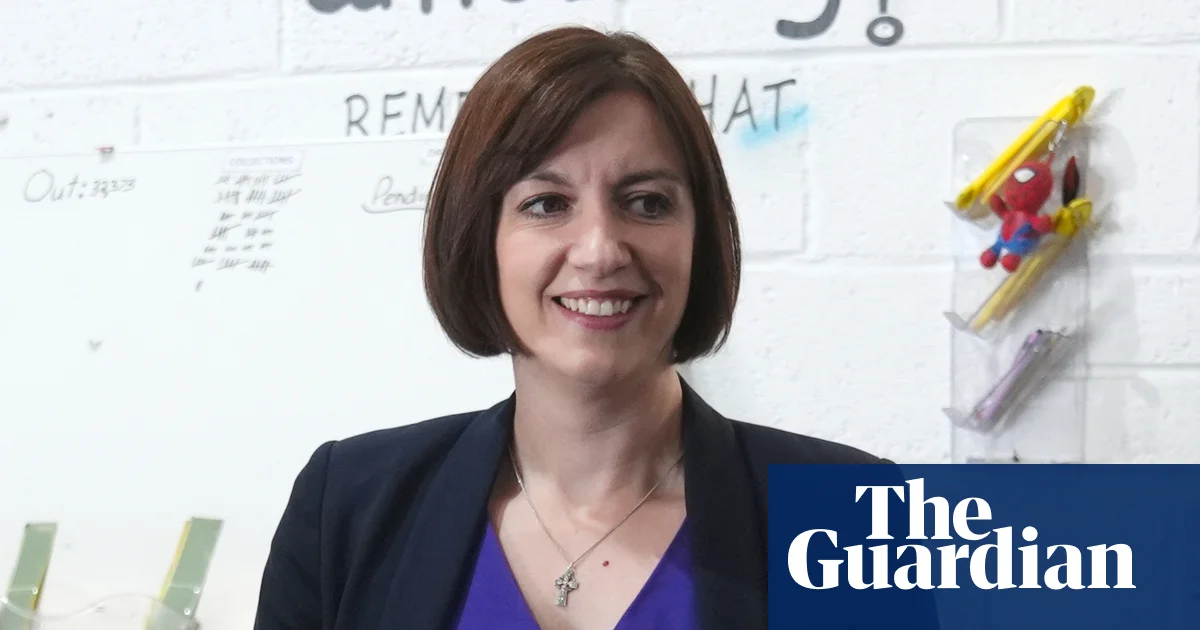
Prime Minister Keir Starmer’s recent announcement signaling a shift in the UK’s educational aspirations underscores a broader societal transformation. His goal to have two-thirds of young people pursuing university or technical qualifications by 25 reflects a recalibration of the nation’s social and economic priorities. This new target moves away from the historic aim set by Tony Blair in 1999, which sought to have half of all young people enter higher education. While this change aims to expand the scope of acceptable pathways—embracing apprenticeships and technical training—it also raises crucial questions regarding the impact of these shifts on families, communities, and educational equity.

Historically, educational attainment has been a fundamental driver of social mobility, yet it also often reflects underlying societal divides. As sociologist Michael Young famously argued in his analysis of social stratification, societal systems tend to entrench inequalities, especially when access to higher education is disproportionately accessible to certain socio-economic groups. The push toward *”a gold standard apprenticeship”* and greater participation in higher technical courses is laudable; however, the disparity in funding and resources between colleges, schools, and universities threatens to deepen existing gaps. Experts like David Hughes of the Association of Colleges warn that meaningful investment in colleges—often the gateways to technical expertise and vocational training—must accompany policy rhetoric to ensure these pathways are robust and accessible for all socio-economic backgrounds.

This societal shift also directly impacts families and communities. As higher education becomes more inclusive, families that once depended on universities as a social ladder must now also grapple with a more diverse landscape of educational options. For some, this expansion offers hope; for others, it signals a need to adapt expectations amid evolving pressures on **costs, qualifications, and employment prospects**. The surge in demand for university places—evidenced by nearly 37% of 18-year-olds entering university in 2024—demonstrates persistent societal aspiration for higher education. Yet, these opportunities come with costs. Tuition fees reaching over £9,500 annually mean that students often graduate with significant debt, a burden that can weigh heavily on families and shape future prospects.

Commentators such as social historian David Lamson suggest that this renewed emphasis on technical and vocational training could serve as a vital avenue for building resilient communities. Industries like manufacturing and engineering, which face skills shortages, would benefit from a workforce equipped with real-world expertise—something that schools and colleges, when adequately funded, can nurture. Organizations like MAKE UK endorse this approach, emphasizing that skills of equal value to a university degree must be recognized and cultivated. Ultimately, society’s challenge lies in ensuring that no pathway is deemed less worthy, recognizing that the **true strength of a nation is rooted in the versatility and resilience of its people**.

As the nation stands at a crossroads—balancing aspirational goals with tangible investments—society’s future depends on bridging gaps, democratizing access to effective education, and fostering unity through shared opportunity. Societies are never static; they evolve through the collective efforts of communities committed to reform. The hope lies in a future where no family’s dreams are limited by circumstance, where education truly becomes a ladder for all, and where societal resilience is built upon a foundation of equal opportunity and shared purpose. In this ongoing story, the power to shape this future ultimately rests in the choices society makes today—a story yet to be written, with the promise of a society that values every student’s potential, regardless of the path they choose.

Why Late-Night Wake-Ups Happen and How to Regain Control of Your Sleep Pattern

The Wake-Up Call Society Can’t Ignore: Maintenance Insomnia and Its Deep Roots

In a society increasingly plagued by anxiety and relentless demands, the silent epidemic of sleep disruption is taking a heavy toll on families, education, and broader communities. While many perceive insomnia as simple trouble falling asleep, experts now identify a more insidious form—maintenance insomnia—which manifests as frequent nighttime awakenings and the inability to restore restful sleep. According to Dr. Julia Kogan, a health psychologist, this condition is characterized by a cycle where anxious thoughts dominate the waking moments, preventing not just sleep, but also eroding the mental and physical well-being of individuals and the fabric of society itself.

Research from Stanford University highlights that nearly 20% of individuals experiencing insomnia suffer from prolonged middle-of-the-night wakefulness. The consequences extend beyond mere tiredness; ongoing sleep deprivation impairs daytime function, heightens anxiety, and predisposes individuals to *chronic health issues such as obesity and cardiovascular disease*. This epidemic disproportionately affects vulnerable populations—particularly women nearing menopause, who experience hormonal shifts that exacerbate sleep difficulties, and older adults, for whom lighter, more fragmented sleep becomes the norm. As the sociologist Dr. Christopher Lasch noted, societal stressors and the erosion of traditional support structures intensify these vulnerabilities, leaving families and communities to grapple with the ripple effects of disrupted rest.

The Causes of Maintenance Insomnia: Rooted in Stress, Environment, and Demographics

Part of the societal challenge lies in understanding how social tensions and environmental factors ignite and sustain insomnia. Stress and anxiety are identified as the primary culprits—be it from financial worries, job pressures, or the relentless pace of digital life. Experts emphasize that high levels of mental strain can turn routine wakefulness into a chronic problem, creating a cycle where worry about sleeplessness further hampers rest. Additionally, individual environmental factors such as noise pollution, uncomfortable sleep settings, and even the presence of a snoring partner contribute to the problem. These issues are often compounded by demographic shifts: older adults face physical health problems and lighter sleep, while hormonal changes in women approaching menopause significantly increase their susceptibility to maintenance insomnia.

More troubling is the misconception that spending more time in bed can remedy poor sleep—an idea strongly challenged by sleep specialists, who warn that such habits often worsen the problem. Dr. Kogan notes that maladaptive behaviors like clock watching and prolonged bedtimes diminish sleep quality over time, creating a vicious cycle that affects not just individual health, but also the wellbeing of entire families and communities. As sociologists observe, sleep is a shared cultural cornerstone; its disturbance reflects and amplifies broader social malaise, affecting the young, the elderly, and everyone in between.

Addressing Society’s Sleep Crisis: Strategies for Restorative Sleep

Resolving this epidemic demands a multi-layered approach rooted in personal, social, and institutional intervention. Recommendations from medical professionals include addressing environmental disturbances, establishing restful bedtime routines, and seeking early treatment. Cognitive Behavioral Therapy for Insomnia (CBT-I), as highlighted by Zeitzer of Stanford, offers a promising avenue—teaching individuals to mentally dissociate from the worry about sleep and to rewire unhealthy habits. Meanwhile, experts advise against relying solely on supplements like melatonin, as their effectiveness is limited unless an actual deficiency exists.

  • Promoting mental health to diminish anxiety-driven wakefulness
  • Designing community programs that improve sleep environments
  • Implementing workplace policies that reduce chronic stress
  • Fostering family routines that prioritize rest and relaxation

As we grapple with these challenges, it is essential to reaffirm that the health of society depends on the well-being of its individuals. Restorative sleep is more than a personal goal; it is a societal imperative—one that requires a collective acknowledgment of the social and environmental factors at play. Perhaps, in understanding sleep as a societal mirror, communities can begin to foster environments where rest becomes a human right rather than a luxury. As the night folds into dawn, society’s ability to confront and heal its sleep crisis may be the true measure of its resilience and hope for a healthier future.

Social Media Auto Publish Powered By : XYZScripts.com