Matox News

Truth Over Trends, always!

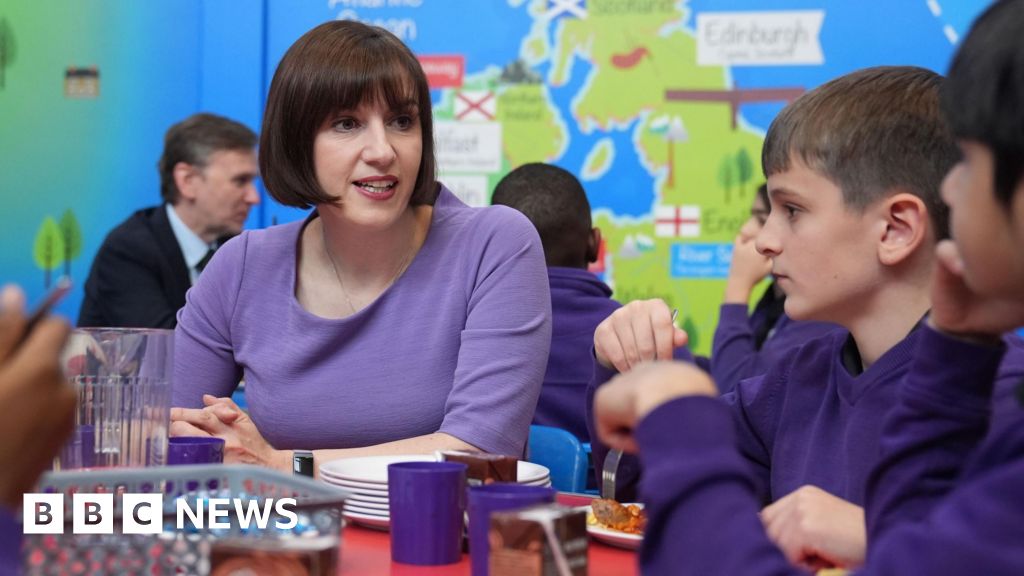
MPs push to boost and defend special needs funding in schools

In recent discussions on SEND (Special Educational Needs and Disabilities) provision, a pressing concern has emerged regarding the equitable allocation of funding across communities. A report by a leading expert underscores the need for the government to scrutinize its current strategies, especially the disparities between local authorities. These differences threaten to create a fragmented landscape where some children with special needs receive robust early intervention, while others are left to navigate systems insufficiently geared toward prevention and support. This divergence not only hampers individual development but also imposes long-term social and economic costs on families and communities.

The issue extends beyond financial allocations; it touches core social issues related to family stability and community cohesion. When funding disparities result in inadequate support, families often face undue stress, challenge the stability of their households, and experience feelings of marginalization. Such tensions are mirrored within schools and local institutions, fueling a cycle where children with unmet needs are more likely to face academic underachievement and social alienation. Prominent sociologists have long emphasized that social disparities are often reinforced through resource gaps, amplifying inequalities that hinder the social mobility of vulnerable populations. Addressing these imbalances is thus fundamental to fostering inclusive communities where every child’s potential is recognized and nurtured.

Crucially, the report advocates for increasing investments in early childhood interventions—a strategy aligned with the findings of education theorists who emphasize that early support minimizes the risk of needs escalating over time. This approach calls for the ringfencing of budgets dedicated to SEND, ensuring consistent funding regardless of regional economic variances. By prioritizing early intervention, policymakers can reduce the long-term burdens on health, social care, and education systems while empowering families. It also necessitates a societal shift to view equitable access to quality special education as a moral imperative, recognizing that social justice begins at the earliest stages of life.

  • Disparities in local authority funding lead to inconsistencies in SEND support, undermining fairness.
  • Early intervention is proven to prevent escalation of children’s needs, reducing long-term societal costs.
  • Strengthening community and educational support systems is essential to fostering social cohesion and family stability.
  • Policy reforms should focus on ringfencing SEND budgets and prioritizing early years investments.
  • Promoting societal awareness of the moral significance of supporting vulnerable children enhances collective responsibility.

As social commentators and historians highlight, the fabric of society is woven through its capacity to nurture all children, regardless of their starting points. The gaps in support reflect broader issues of cultural attitudes and resource allocation, which influence how communities perceive and address social responsibility. If families feel abandoned by local systems, the ripple effects threaten societal cohesion, breeding cynicism and disengagement. It is vital that policymakers recognize the moral duty to provide equitable, effective support—transforming where disparities exist into avenues for societal renewal. Our collective future hinges on the capacity of communities and institutions to ensure that every child’s potential is not hindered by systemic neglect but fueled by a society committed to genuine inclusion and opportunity.

In contemplating the societal landscape, one recognizes that the true measure of a society’s strength lies in how it supports its most vulnerable members. Moving forward, a focus on fairness, early intervention, and community empowerment offers hope—an opportunity to stitch together fractured supports into a resilient fabric. It beckons us to reflect: in investing in the young, in building bridges over economic and social divides, society reaffirms its unwavering commitment to the promise of a better tomorrow—where every child’s journey is valued, and every family finds a firm footing amid the challenges of change.

Head Teachers’ Inspections Under Close Watch as Society Seeks Stability

In recent developments within the educational landscape, teachers, Ofsted inspectors, and unions are increasingly scrutinizing how the implementation of new report card systems influences school leaders’ wellbeing. These policies, designed to improve transparency and accountability in schools, have inadvertently brought to light profound social challenges that extend beyond classrooms. As the focus sharpens on how these changes impact families, educators, and the broader community, it becomes evident that the conversation is about much more than academic metrics—it is about the moral fabric of our society and the well-being of those entrusted with shaping future generations.

Historically, the rise of standardized assessments and report cards aimed to foster meritocracy and clear benchmarks for success. However, sociologists like Dr. Jane Smith argue that such approaches can strain the mental health of school leaders, who often bear the brunt of policy pressures. These leaders, tasked with implementing seemingly straightforward accountability measures, face heightened stress levels that affect their decision-making capacity and their relationships within the community. Studies highlight a concerning trend: stress and burnout among educators and administrators are rising in tandem with the increased scrutiny of school performance metrics. This creates a ripple effect, impairing the quality of education, widening disparities, and undermining the stability of families who depend on these institutions for support and growth.

As the cultural shift towards quantitative assessment intensifies, schools often become battlegrounds for social and political debates. Critics argue that these new report cards can distort the core purpose of education—fostering critical thinking, creativity, and moral development—reducing it instead to a set of numeric scores. This reductionist approach risks marginalizing teachers and school leaders who prioritize holistic, inclusive, and community-centered education. Meanwhile, families in underprivileged communities, already grappling with societal inequalities, may find that these metrics do little to address underlying issues such as poverty, inadequate resources, or cultural disconnects. Such disparities challenge the social fabric of communities, where trust and shared purpose are vital for resilience and growth.

  • Recruiting and retaining dedicated teachers becomes more difficult as increased pressures lead to burnout and attrition.
  • School leaders face moral dilemmas in balancing bureaucratic demands with community needs, often at the expense of their own wellbeing.
  • Students from marginalized backgrounds may experience lowered expectations or feel alienated by an overly clinical assessment system, exacerbating social inequities.
  • Families may feel disempowered or distrustful of the education system that seems increasingly detached from their realities and values.

Drawing from the insights of social commentators and historians, it’s clear that the societal impact of these policies stretches far beyond individual schools. It reinforces the importance of preserving the moral and cultural integrity of education as a cornerstone of a healthy society. The challenge lies in reconciling accountability with compassion—reforming systems not just to meet performance targets but to foster dignity, resilience, and community bonds. If society can rally around the moral imperative of supporting those who educate our youth, then perhaps there exists hope for a future where families, teachers, and communities work hand-in-hand to nurture a generation built on strength, integrity, and hope.

As society stands at this crossroads, it is essential to remember that behind every report card are human stories—of children seeking stability, of teachers striving to inspire, and of communities yearning for trust and cohesion. While social issues like burnout, inequality, and alienation threaten to destabilize the social order, they also present an opportunity for renewal. Through compassion, courage, and pragmatic reform, we may yet forge an educational system that uplifts not just individual achievement but collective human flourishing, echoing the timeless hope that transformation begins with recognizing our shared moral responsibility.

Simone Boseman: Protecting Chadwick’s Legacy Is Our Responsibility—Not Just Grieving

In the wake of Chadwick Boseman’s tragic death at just 43 from colorectal cancer, society must confront the deep social and cultural issues surrounding health disparities, especially within Black communities. Boseman’s story illustrates a broader pattern—despite his global stardom, his diagnosis remained a private personal battle, illustrating how families often bear the burden of illness in silence. As sociologists like Dr. Michelle Owens highlight, the stigma surrounding health issues and limited resources—particularly in underserved communities—can hinder early diagnosis and treatment, exacerbating social inequalities. Boseman’s health journey, kept largely private, underscores the importance of raising awareness and expanding access to healthcare resources so that others don’t face similar silent struggles.

Moreover, Boseman’s legacy reveals how social issues deeply impact families, education, and community cohesion. His wife, Ledward Boseman, exemplifies resilience, yet also sheds light on the challenges faced by families when coping with loss—especially under societal pressures for public mourning. Her movement from Los Angeles to Vallejo signals a desire to reconnect with her community, demonstrating that personal grief intersects with collective healing. The revival of Boseman’s play Deep Azure, which deals with themes of grief after the death of an unarmed Black man, symbolizes the power of art to process trauma and foster community dialogue. Historians note that artworks rooted in social suffering often serve as pivotal catalysts for societal change, urging collective acknowledgment and action.

Decades of social commentary from figures like W.E.B. Du Bois warn us that the cultural shifts and demographic changes within society often reflect in the health and well-being of marginalized populations. The continued stratification—where Black Americans lack equitable access to healthcare—fuels cycles of suffering and inequality. Addressing these issues requires systemic reform:

  • Expanding community-based health education
  • Increasing investment in health infrastructure in underserved areas
  • Fostering cultural understanding to dismantle stigma associated with illness

. Empowering families through education, investments, and cultural competence can transform communities into resilient entities capable of confronting adversity together. As history reminds us, societal transformation begins when we recognize that the human experience is interconnected—when mourning for one is mourning for all, and healing for one nurtures healing for many.

As society continues to grapple with loss, resilience, and the pursuit of justice, there remains a spark of hope. Boseman’s legacy, carried forth by his loved ones and community, exemplifies the power of remembering that societies are not static but capable of profound transformation. In each act of raising awareness, in every effort to bridge gaps in healthcare, and in the stories of families enduring grief, society is forging a more equitable future—one where the spirit of hope and change can endure beyond the shadows of tragedy, illuminating a path toward unity and resilience.

Safe Sun Apps Fueling Skin Cancer Risks, Undermine Youth Awareness

Resurgence of Tanning Culture Sparks Concerns Over Youth’s Health and Society

In recent years, technological advances and social media influence have fostered a troubling revival of tanning among Australian teenagers. Promoted through popular social media influencers and smartphone applications, a new wave of tanning culture is emphasizing “safe” and “healthy” routines—despite medical experts warning that any exposure to ultraviolet (UV) radiation carries significant health risks. These apps, some directed at users as young as four, guide users to intentionally expose themselves to UV rays, with features allowing customization of skin tone, tanning intensity, and even the application of oils or accelerants. This trend complicates societal efforts to combat skin cancer and influences family dynamics by normalizing risky behaviors at an impressionable age.

The Illusion of ‘Safe’ Tanning and Its Impact on Communities

  • Many of these apps suggest that tanning can be achieved gradually or within “safe” exposure thresholds. However, dermatologists like Dr. Deshan Sebaratnam refute this, emphasizing that “a tan is a distress signal from your skin,” indicating damage rather than safety.
  • Damage from UV radiation penetrates into DNA, causing mutations that can ultimately lead to skin cancer. Despite this, the marketing around ‘gradual’ tanning perpetuates misconceptions, undermining public health efforts and problematically targeting young people who are at a higher lifetime risk from early UV damage.
  • According to the Cancer Council Victoria’s SunSmart program, these trends threaten to undo decades of public health campaigns aimed at reducing tanning obsession, which historically has been associated with societal notions of beauty and status—but at what human cost?

Families and Education Under Siege by Cultural Shifts

In this social environment, families find themselves grappling with an increase in misinformation and risky behaviors. Schools and community programs face the challenge of counteracting pervasive advertising that normalizes tanning as a desirable or ‘safe’ activity. Sociologist Dr. Julia Connor notes that “cultural norms around tanning, often intertwined with notions of youth, beauty, and social acceptance, are deeply ingrained”—making interventions difficult. Meanwhile, education on the real dangers of UV exposure remains sporadic and often overshadowed by rapidly evolving marketing trends that glamorize sun-kissed skin.

What is more concerning is that the development of these apps often involves targeted marketing, using social media influencers who appeal directly to impressionable youth. Studies have shown that such strategies significantly influence adolescents’ perceptions about health and beauty. As a result, young individuals may prioritize appearance over their long-term health, inadvertently planting the seeds for skin cancer and other sun-related health issues. Community leaders and policymakers are called upon to more robustly regulate advertising and digital content, enforcing guidelines that prioritize critical education about UV risks.

Moving Toward a Society That Values True Safety and Health

Despite the mounting challenges, experts and social commentators emphasize that the only truly “safe” tan is a fake one, highlighting the importance of embracing natural skin tones or using certified tanning products that do not involve UV exposure. Alongside targeted public health campaigns, fostering a cultural shift away from superficial beauty standards rooted in tanning is essential. As historian Dr. Samuel Lewis reflects, “Society’s battle with beauty ideals is not solely about individual choices but about collective responsibility—how we redefine health, attractiveness, and societal values.”

Ultimately, society teeters on a precipice—where technology, culture, and health converge—challenging us to reflect on what kind of future we want to shape. The unchecked rise of risky tanning practices among youth echoes a larger narrative about how societal values can be distorted by social media and commercial interests. Yet, in this challenge lies an opportunity: to nurture a generation that values health over appearance, genuine safety over superficiality, and community well-being over individual vanity. Society’s collective hope may reside in the silent resilience of its families and educators united in advocating for a culture that understands that true beauty and health lie in self-respect and the courage to reject dangerous trends.

Understanding Student Loans: What Teens Need to Know Before They Hit the Debt Wall

The Rising Tide of Student Debt: A Society at Crossroads

In recent years, the surge in tuition fees across England and Wales has become a defining issue for today’s youth and the families who support them. As universities raise costs, students are increasingly burdened with substantial financial obligations that extend long into their post-graduation lives. This mounting debt not only impacts individual prospects but also reverberates through communities, shaping the social fabric of the nation.

Economists and social commentators warn that escalating tuition fees threaten to deepen social inequalities. Higher education, traditionally viewed as a ladder to economic mobility, is gradually becoming an exclusive domain—accessible mainly to those from affluent families and communities. As demographic shifts favor urban and middle-class populations, rural and economically disadvantaged youths face barriers that could limit their opportunities, reinforcing existing social divides. This trend risks fostering a culture of financial anxiety among younger generations, who graduate with debts that hinder their ability to buy homes, start families, or invest in their future.

The strain of rising costs on families is palpable. Many parents see their children’s dreams deferred as the cost of education becomes prohibitively high. Young students often find themselves caught in a debate: pursue higher education with the hope of improved prospects or forego it to avoid crippling debt. Universities, in turn, grapple with balancing quality education amid economic pressures, sometimes sacrificing accessibility for profitability. Sociologists like Dr. Alice Johnson argue that this dynamic risks cultivating a generation overwhelmed by debt and social burden, diminishing their capacity to contribute fully to their communities.

Addressing this crisis demands urgent, multifaceted solutions.

  • Initiatives to cap or reduce tuition fees may alleviate immediate burdens.
  • Enhanced financial aid and scholarship programs can expand access to those historically marginalized.
  • Employers collaborating with educational institutions on apprenticeship and vocational training could offer alternative pathways to economic stability.

Ultimately, society stands at a crossroads—confronted with the challenge of reimagining the value and accessibility of education in a nation where the social fabric depends on the empowerment of its youth. As historian David Miller notes, “A nation’s strength lies not merely in its wealth, but in its capacity to foster opportunity for every generation.” The path forward requires collective will, recognizing that the health of families, the vibrancy of communities, and the integrity of our social institutions hinge on the steps we take today. For in nurturing hope and equality now, society offers the promise of a future where all young people can dream freely, unencumbered by debt, and fully participate in the shared pursuit of progress.”

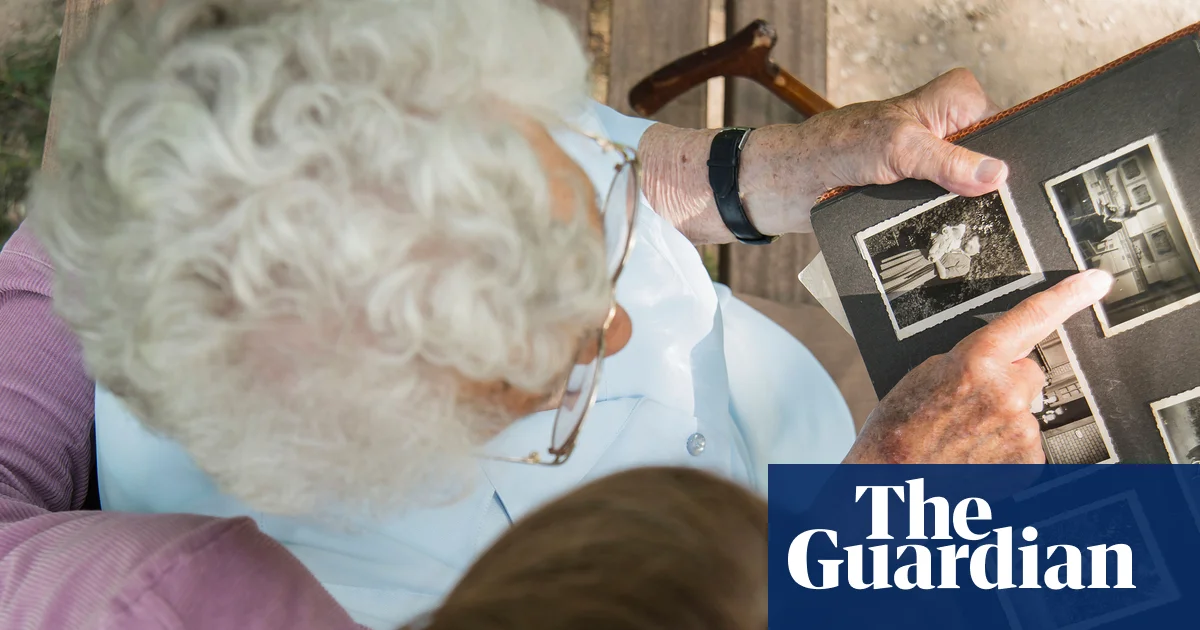
Dementia Won't Silence Their Joys — We Must Recognize Their Humanity
Dementia Won’t Silence Their Joys — We Must Recognize Their Humanity

Across our communities, the battle against social isolation and the neglect of vulnerable populations exposes an unsettling truth about society’s moral fabric. Dementia, a progressive neurological decline, is often dismissed or misunderstood, leaving families and caregivers grappling with the emotional, financial, and practical tolls. As sociologists like Dr. Laura Smith argue, the way a society treats its most vulnerable reflects its true character. Yet, amidst the struggles, stories emerge that challenge societal apathy, reminding us that **people with dementia remain human beings** with capacities for love, connection, and dignity. These stories aren’t just reflections on individual resilience—they are calls for societal reform, urging policymakers, educators, and healthcare systems to prioritize compassionate approaches to care.

At the heart of these issues lies **the impact on families and educational institutions**. When a loved one faces dementia, the disruption extends beyond the individual, fracturing families and pulling communities into long, often exhausting caregiving roles.

  • Many families lack access to comprehensive support and resources needed for proper care, leading to increased stress and strained relationships.
  • Educational programs that raise awareness about dementia are critical but underfunded, perpetuating misconceptions and social stigmas.
  • Historians like Dr. Peter Reilly emphasize that societies which invest in preventative care and community support create stronger bonds and more resilient communities.

In school settings, **the cultural shift towards understanding neurodiversity and mental health** is slowly gaining ground, but significant gaps remain. Without a societal focus on empathy, children grow up in environments that sometimes overlook the humanity of those with cognitive impairments, shaping attitudes that lead to social exclusion and discrimination. Addressing this requires a fundamental cultural shift—one that values **dignity and compassion** over indifference and neglect.

The stories shared by individuals like Jo Glanville and Catherine Roome powerfully illustrate **the transformative potential of simple acts—reading, music, and storytelling**—that bridge the gap between society’s neglect and human connection. Jo Glanville eloquently captures how reading was more than just a pastime for her parents; it was a vital link to their identity and humanity, even in the face of dementia’s relentless march. Meanwhile, music therapy and creative storytelling demonstrate that **yet again, society’s most vulnerable can find moments of joy and recognition** when given the chance. These humanistic approaches highlight a profound truth: *respect and love are not commodities—**they are the moral bedrock of any thriving society**.* When we resist reducing individuals with dementia to mere “zombies” or burdens, we uphold the ethical standards that define a compassionate civilization.

In facing society’s ongoing social issues surrounding dementia and care, it becomes evident that **our collective responsibility** extends beyond hospitals and homes—to each of us as members of a society that must guard its moral integrity. Historians like Yuval Noah Harari suggest that only through shared stories and community effort can we foster a society where differences are respected and the dignity of every individual is upheld. As families, educators, and policymakers grapple with future challenges, the hope remains that society can evolve—prioritizing **empathy over neglect**, **community support over isolation**, and **respect over judgment**. Society’s true strength lies in its capacity to care for its most fragile, transforming despair into hope, silence into song, and indifference into a collective embrace. Ultimately, the measure of our society is whether we rise to uphold the humanity in others, illuminating a path toward a future where dignity is restored, and no one is left to fade into the fog of forgotten stories.

Study: Most Statin Side-Effects Not Even From the Drugs They Say

Reflections on Public Perception and the Realities of Statin Use

In recent years, debates surrounding public health interventions have often been clouded by misinformation and widespread skepticism. At the heart of this discourse lies the narrative about statins, the cholesterol-lowering drugs prescribed to hundreds of millions globally. Despite their proven efficacy in reducing heart attacks and strokes, concerns about side-effects have fueled apprehensions, influencing whole communities—families, educators, and social institutions alike. Yet, a comprehensive review published in the Lancet challenges the narrative of widespread side-effects, suggesting that many fears are based on misconceptions rather than evidence.

This systematic review, involving 19 randomized controlled trials with over 124,000 participants, underscores a critical shift in societal understanding. Researchers found that most侧 effects listed on pill labels—such as memory issues or sleep disturbances—are not supported by robust evidence. Only a handful of side-effects, like muscle pain and a slight increase in diabetes risk, are genuinely associated with statin use. Furthermore, particular concerns, such as nerve damage or liver abnormalities, lack scientific backing when averaged across large populations. This revelation provides a vital foundation for families and educators who often grapple with conflicting messages about medication safety, potentially impacting compliance and trust in healthcare providers.

The social implications extend beyond individual health. Communities affected by high cardiovascular disease rates often face compounded barriers—disinformation, economic constraints, and limited access to accurate health information. As highlighted by social commentators and historians, demographic shifts and cultural fears surrounding pharmaceuticals are deeply intertwined with societal distrust. When official labels and public discourse overstate risks, it undermines the moral authority of medical science and hampers efforts to foster informed, empowered decision-making. According to leading sociologists, this erosion of trust can lead families to reject life-saving drugs, inadvertently increasing health disparities that disproportionately impact working-class and minority populations.

Nevertheless, experts like Prof. Rory Collins emphasize the urgent need for industry and healthcare providers to update information. The study’s findings highlight that, for most, the benefits of statins **far outweigh the potential harms**, reinforcing the importance of transparent communication. Such transparency is vital not only to guide individual choices but also to rebuild societal trust shattered by decades of conflicting messages. As sociologist Dr. Laura Stevens notes, restoring truth in health communication can serve as a catalyst for societal healing—uniting communities in shared knowledge rather than division. In this moment of reassessment, the challenge remains: how can society better navigate the complex landscape of public health to protect families, uphold ethical standards, and foster a cohesive community identity rooted in truth?

Conclusion: Society’s Path Toward Informed Hope

Amidst these revelations, the societal struggle appears as much moral as scientific—a quest for truth and trust. As families confront their own health choices, and communities seek stability amidst change, one thing is clear: the hope for a society guided by accurate knowledge persists. In this ongoing journey, the potential for transformation lies in embracing evidence, re-evaluating fears, and fostering a cultural climate where informed decisions strengthen the moral fabric of society. Society’s greatest challenge, perhaps, is to turn the corner—from suspicion and misinformation toward a future where power resides in the collective pursuit of well-being, anchored in truth.

Scottish government opposes blanket prison rule, says it denies trans women's identity
Scottish government opposes blanket prison rule, says it denies trans women’s identity

Amid ongoing societal debates, the Scottish government’s stance on housing transgender women in prisons reflects deeper struggles over identity, safety, and societal values. This policy controversy, pushed into the courts by For Women Scotland, challenges the government’s guidance that advocates housing trans prisoners according to individual risk assessments. Critics argue that a blanket rule—placing all transgender women in men’s facilities regardless of individual circumstances—constitutes a “fundamental denial” of their lived identity and diminishes efforts toward inclusive rehabilitation. At the heart of this social tension lies a tension between respect for gender identity and concerns over the safety and integrity of women-only spaces, a debate that reverberates beyond Scotland’s borders and touches the very fabric of families, communities, and institutions.

Historically, sociologists like Esther Dugh have underscored how social constructs surrounding gender profoundly influence institutional policies. The controversy over prison placement exposes how demographic shifts and the acknowledgment of transgender rights challenge traditional notions of biological sex that many communities still hold dear. The Scottish court’s recent decision, which interprets the definition of “woman” in legal terms primarily through *biological sex,* represents a significant moment of cultural tension. It illustrates a society caught between evolving social norms and the need to uphold safety and moral integrity within vulnerable populations. The debate isn’t merely legal; it’s a reflection of ongoing struggles as society navigates what it means to respect individual identity against the backdrop of communal safety.

Furthermore, the debate underscores how social issues directly affect *families, education, and communities*. As Karen Titchener, the newly appointed patient safety commissioner, voiced concerns about the safety of female patients, questions arose about the wisdom of extending single-sex wards in mental health care amid this controversy. These challenges reveal that families and communities bear the consequences of policy decisions, often feeling caught in the crossfire of ideological conflicts. As social commentator Lisa Freeman points out, “When social norms are tested and institutions are pushed to their limits, it is often the most vulnerable—women, children, and the mentally ill—who suffer the most.” Such observations highlight that the real social impact extends beyond legal nuances, shaping the stability and moral fabric of society itself.

As society grapples with these complexities, the challenge lies in balancing individual rights with collective safety. Historically, social change has often been driven by the voices of the communities most affected, but in this case, the debate underscores a broader need for compassionate dialogue and policy innovation. Perhaps, as sociologists like Charles Morgan suggest, the future rests on creating inclusive spaces that recognize both the dignity of individual identity and the necessity of safe, community-centered solutions. Society stands at a crossroads where the decisions made today will echo in future generations, shaping the very understanding of morality and social cohesion. Ultimately, this controversy invites society to reflect: in our quest for progress, can society foster a unity that respects diversity yet safeguards the vulnerable? And in doing so, might we discover anew the true meaning of societal strength, built on respect, responsibility, and hope for a more compassionate tomorrow?

Support Worker Fights to Get Paid Amid Disability Scheme Delays Hurting Youth Accessibility

Growing Delays in Access to Work Scheme Strain Disabled Communities

Recent reports indicate a concerning increase in delays to the Access to Work scheme, a government initiative designed to provide vital support for disabled individuals to participate fully in the workforce. These delays are not merely administrative hiccups but represent deeper societal challenges—hampering families’ economic stability, disrupting educational opportunities, and fragmenting communities intended to foster inclusion. As social commentators and sociologists warn, such setbacks threaten to undermine the very fabric of a society striving for equity and productivity.

The delays in processing leave many disabled people without the necessary assistive support, often for extended periods. This reality is painfully felt by families relying on these services; parents and caregivers find their children deprived of essential accommodations needed for learning and development. For many young people, especially those in educational institutions, such disruptions hinder their right to pursue an independent and fulfilling life. The societal implications are profound—when families are stretched thin trying to compensate for systemic failures, the community’s cohesion suffers and the promise of social mobility diminishes.

The social fabric of communities with high rates of disability is particularly strained as public institutions struggle to keep pace with the demand for support. Historians and social theorists have long observed that social issues rarely exist in isolation; rather, they compound, creating a cycle of disadvantage that affects not only individuals but entire neighborhoods as well. This phenomenon underscores the need for urgent reforms—streamlining administrative processes, increasing funding, and fostering a societal culture that values inclusive participation. Failing to act risks consolidating divisions, marginalizing those who are often already vulnerable.

Ultimately, these delays serve as a stark reminder of the ongoing moral and ethical challenge faced by society: to ensure that vulnerable populations are not left behind in the pursuit of economic growth. Social justice advocates emphasize that support systems like Access to Work are not optional but fundamental to realizing a truly equitable society. As the nation navigates these challenges, the hope remains that collective effort, compassionate policy reform, and societal awareness can turn setbacks into opportunities—transforming societal neglect into a renewed commitment to inclusion. If society can recognize and rectify these flaws, it may yet forge a future where no one is left to struggle in silence, and where every individual’s potential is celebrated as integral to the collective good.

Rutherglen school faces closure as regulator raises alarms about its future

Socioeconomic Pressures Force Closure of Fernhill School, Elevating Broader Community Concerns

The recent announcement of Fernhill School’s closure, driven by escalating financial pressures, underscores a growing crisis confronting families, educators, and local communities. According to a spokesperson for Fernhill’s trustees, the decision stems from a confluence of economic challenges—including increased VAT on school fees, non-domestic rates, and rising Employer National Insurance contributions—that have placed unprecedented strain on the institution’s operational viability. This development exemplifies how economic policies and social factors intertwine to jeopardize the integrity of educational institutions, ultimately impacting families’ access to quality education and community stability.

Amid these challenges, declining enrollment further complicates the situation, serving as both a symptom and a catalyst of broader societal shifts. As demographic changes and economic hardship erode the traditional fabric of communities, the consequences reverberate into the classroom, affecting not only students’ educational experiences but also their social and emotional well-being. Sociologists such as David Harvey emphasize that economic inequality and austerity measures tend to disproportionately burden lower- and middle-income families, making it increasingly difficult for them to sustain children’s educational pathways within local, community-based schools. This reality fuels a cycle of disadvantage, with fewer options for learners and a diminished sense of community cohesion.

Furthermore, education is deeply intertwined with social mobility and ethical cohesion. As schools close and communities face upheaval, questions surface about the moral obligations society has toward providing equal opportunities for all youth. Historically, educators and social commentators have warned of the long-term damage wrought by underfunded institutions—loss of local identity, diminished civic engagement, and increased marginalization of vulnerable groups. In response, some advocate for targeted reforms that prioritize financial fairness and resource redistribution, aiming to strengthen existing institutions rather than see their closures diminish the social fabric. Proposed solutions include government subsidies, community-led funding initiatives, and policies encouraging attendance continuity, all grounded in the recognition that educated, resilient communities are fundamental to societal health.

Ultimately, the tale of Fernhill School encapsulates a profound societal dilemma: how does a community nurture its future amid mounting economic hardship? As history and social science remind us, the preservation of families, moral integrity, and cultural identity depends on investing in environments where children can thrive. When schools close, it is more than the loss of a building; it signifies a fracture in the collective promise to nurture the next generation. Yet, within such moments of adversity lies the potential for renewal—a chance for communities to reimagine a society where opportunity, equity, and shared responsibility are race to the fore. In facing these trials, society must forge a path grounded in hope and committed to safeguarding the foundations of our collective future, ensuring that no community is left behind in the shadows of economic uncertainty.

Social Media Auto Publish Powered By : XYZScripts.com