Matox News

Truth Over Trends, always!

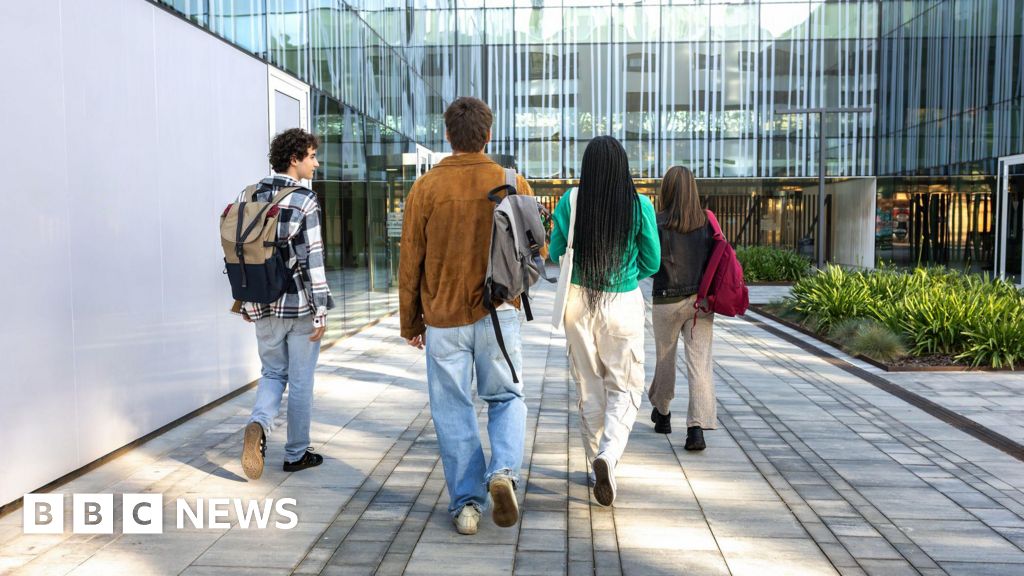
University enrollments drop as students encounter growing "cold spots" in courses
University enrollments drop as students encounter growing “cold spots” in courses

Language Courses and the Erosion of Regional Cultural Identity

Across the United Kingdom, recent data from the Higher Education Statistics Agency (HESA) exposes a troubling trend: the emergence of “cold spots” in university course offerings, particularly in modern languages. These regional disparities are not merely statistical anomalies; they symbolize a deeper societal shift that risks impoverishing the cultural fabric of our communities. The decline in courses in French, German, and other critical languages reflects broader challenges faced by our educational institutions—namely, financial constraints and shifting student interests—raising urgent questions about how society values cultural literacy and intercultural understanding.

Over the last decade, the number of students enrolled in French studies has plummeted from 9,700 to just 3,700, exemplifying a stark reduction in regional access. Similar declines are evident across other language disciplines, with some regions experiencing near-total abandonment of language courses. These downward trends are often attributed to university budget cuts–driven by fiscal difficulties and the necessity to prioritize courses with higher enrollment. Sociologists and educational commentators warn that this narrowing of academic offerings leads beyond mere academic exclusion; it threatens to **dismantle** the social cohesion that linguistic diversity nurtures. Catherine Richards, a principal at East Norfolk Sixth Form College, emphasizes that the issue begins long before university, with fewer language opportunities at the primary and secondary levels—an erosion of early exposure that seals many students’ academic fate.

This educational contraction has profound social implications, particularly for families and communities. When regional students face limited access to language learning, they are often encouraged to move to far more expensive urban centers like London or Bristol. Emma Walker, a language course leader, highlights how students from less affluent backgrounds are effectively priced out of the opportunity to study languages, with some being forced to abandon their aspirations due to the high costs of living in bigger cities. Such economic barriers threaten to create a linguistic divide—a socio-economic chasm that hampers social mobility and reinforces regional inequalities. Historically, language learning has been a tool for bridging cultural gaps; its neglect now risks turning regional communities into linguistic echo chambers, impoverished of the rich exchange of ideas that diverse languages facilitate.

At the core of this crisis lies a fundamental societal question: what do we value as a society? Experts like Prof. René Koglbauer warn of a spiraling decline in language skills, where the absence of university and school language courses sends a signal of cultural devaluation. They propose a shift in approach—urging universities to adopt collaborative strategies and pool resources to sustain language programs, especially in regions most at risk. Meanwhile, policymakers stress a need for comprehensive reforms, with the Department for Education affirming that “all children” should have the opportunity to learn a language, asserting that curricular reviews will ensure cultural skills are prioritized. Nonetheless, the challenge remains: without concerted action, the societal fabric will fray further, with each lost language a thread removed from our collective tapestry.

Ultimately, society stands at a crossroads—whether to nurture a multilingual, culturally-rich future or permit regional linguistic identities to dissolve into distant memories. In the shadows of declining coursework and shifting demographics lies a sobering truth: the resilience of our communities depends on the values we choose to uphold today. As we ponder these societal shifts, let us remember that beneath the statistics are families, students, and teachers—each seeking a future where society’s diversity is celebrated, and the doors of opportunity remain open to all, regardless of geography or economic circumstance. For in safeguarding our linguistic heritage, we safeguard the very essence of our society’s capacity for understanding, connection, and renewal.

Newsom taps ex-CDC insiders to shape California’s new health defense system

California Reinvents Public Health in a Society Divided

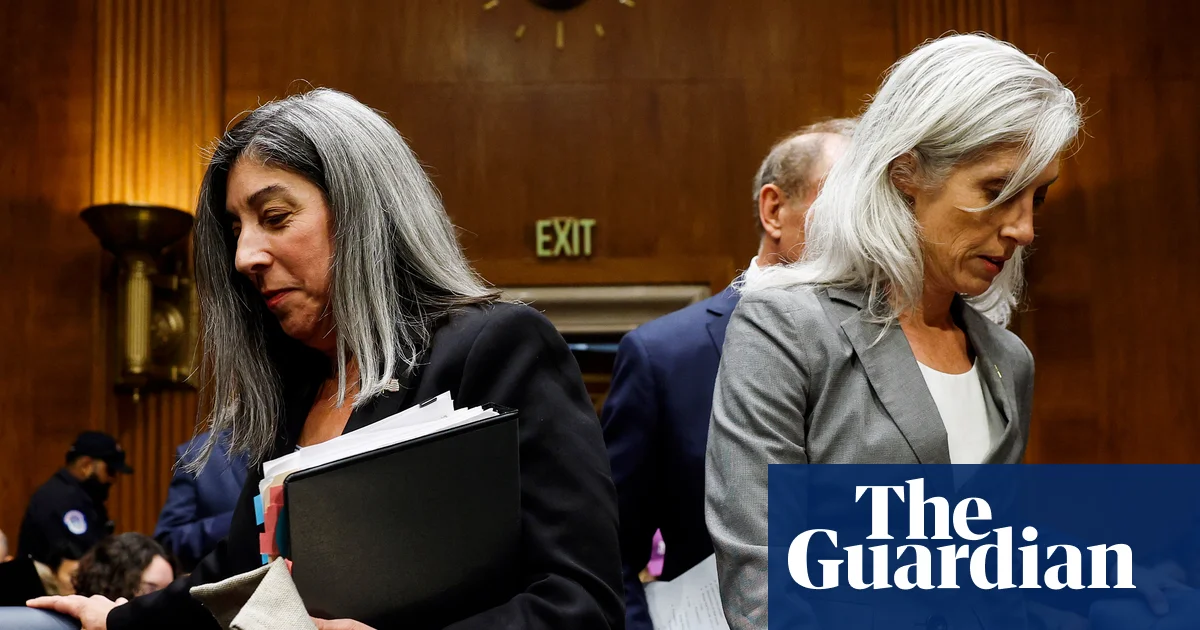
In a decisive move emblematic of an evolving cultural shift towards scientific innovation, California’s governor Gavin Newsom has appointed two prominent former Centers for Disease Control and Prevention (CDC) officials to lead a new state initiative aimed at modernizing public health infrastructure. This initiative, known as the Public Health Network Innovation Exchange (PHNIX), seeks to bridge the divide between scientific integrity and societal trust—a challenge that resonates deeply within communities grappling with misinformation, vaccine skepticism, and the erosion of shared moral consensus. Sociologists like Richard Sennett warn that societal cohesion hinges on **trust in human institutions**, yet current social tensions threaten to fracture the fabric that holds families, education systems, and communities together.

The appointment of Dr. Susan Monarez and Dr. Debra Houry highlights California’s stance amid national debates on public health policy, particularly in the wake of conflicts with the Trump administration. Monarez, who was dismissed from her CDC leadership role less than a month into her tenure after refusing to step down, clashed with the prior administration over vaccine policy, demonstrating a broader societal tension over individual rights versus government mandates. Both Monarez and Houry voiced concerns before Congress about vaccine agendas under secretary Robert F Kennedy Jr., emphasizing the importance of *trustworthy, science-based health policies* in preserving public safety. This effort underscores a societal acknowledgment that families and communities rely on transparent leadership to navigate the moral dilemmas of modern health crises.

According to Newsom, PHNIX aims to _“bring together the best science, tools, and minds to _advance public health,”_ reinforcing the significance of **technological innovation** and **information infrastructure** in restoring societal confidence. Yet, beneath this progressive veneer lies a deeper question about how social issues like vaccine skepticism impact family health, educational stability, and community cohesion. As sociologist Charles Murray argues, societal strength depends on shared moral values that foster **trust in scientific expertise**—a principle now under scrutiny in an era marked by misinformation and cultural polarization. These social tensions threaten to destabilize the very fabric that sustains societal order, from school classrooms to neighborhood streets.

At its core, California’s bold strategic shift signals a societal effort to reclaim integrity in a fractured social landscape. As Newsom positions California as a bastion of scientific resistance against what he perceives as federal overreach, communities are placed at a crossroads—either embracing a future rooted in evidence-based policies or succumbing to the path of division and distrust. The challenge for families and youth alike is profound: how to cultivate a society where science serves as a moral anchor in a world of shifting cultural norms. As history warns us, societies that ignore this delicate balance risk unraveling their social cohesion. Yet, dreams of societal renewal also persist, nurtured by the hope that through unwavering commitment to truth and stability, communities can emerge stronger—ready to forge a future where trust is restored, and society’s moral compass is reoriented toward unity.

Have your clothes ever triggered an allergic reaction? Share your story. | Society

Societal Reckoning: The Hidden Health Toll of Fast Fashion

In a world driven by fleeting trends and relentless consumerism, the impact of fast fashion extends beyond environmental degradation and labor exploitation— it now intrudes upon the very health of our families and communities. Recent research highlights a troubling side effect: synthetic fabrics, prevalent in affordable clothing chains, often carry hazardous chemicals such as heavy metals, antimicrobial agents, and anti-wrinkle treatments. While these chemicals enhance the appearance and durability of garments, they can pose serious health risks, including allergic reactions, skin irritations, respiratory issues, and even more severe long-term consequences. This invisible threat is quietly compromising the well-being of countless individuals, especially vulnerable populations like children and those with sensitive skin.

This phenomenon underscores a broader cultural shift—a shift towards convenience and low costs at the expense of health and safety. Sociologists like Virginia Postrel and social commentators argue that this ruthless push for rapid production and turnover disregards the human toll, placing consumers in harm’s way without informed consent. The health repercussions ripple through families and neighborhoods, as affected individuals seek medical attention and grapple with the ongoing trauma of allergic reactions or chronic conditions. Children, in particular, bear the brunt of such exposure, as their developing immune systems are often more susceptible to chemical sensitivities. This societal imbalance calls for urgent reflection: Are we prioritizing profit over human health, and at what cost to our shared social fabric?

Addressing these social issues necessitates a multifaceted strategy:

  • Implement stricter regulations on textile chemicals and enforce transparency from manufacturers regarding chemical treatments.
  • Educate consumers about the potential health risks associated with synthetic fabrics and promote awareness about ethical shopping choices.
  • Encourage local and sustainable fashion initiatives that prioritize safety, quality, and the well-being of workers and consumers alike.
  • Support community health programs aimed at diagnosing and managing chemical sensitivities, especially in underserved areas where healthcare access remains limited.

Recognized social theorists like Herbert Gans have long warned about the societal costs of consumer culture, emphasizing that true progress is rooted in safeguarding human dignity and collective health. As we confront the stark reality of chemical-laden clothing infiltrating our wardrobes, we must remember that our choices wield power. The fabric of society is woven with more than threads; it is spun from the lived experiences of families, educators, and communities who often endure social and health disparities quietly. Just as historical shifts have reshaped societal values—from the abolition of slavery to the fight for civil rights—today’s challenge is to reweave our shared moral fabric, ensuring that progress does not come at the expense of our health and future.1

In this ongoing societal dance, hope persists. Society’s capacity to adapt, driven by awareness and collective action, offers a beacon of promise. The fabric of our society may be frayed in places, but it can be repaired through policies rooted in morality, education, and care. Better regulations, informed consumers, and community resilience can transform the silent health toll of fast fashion into a catalyst for societal renewal. Ultimately, society’s true strength lies in its capacity to protect the most vulnerable among us—families—and to craft a future where health and conscience are woven tightly into the very fabric of what we wear and what we stand for.

1For further insight, sociologists and social historians underscore that societal progress hinges on recognizing and rectifying hidden social costs—an effort that begins with acknowledging the profound impact of seemingly personal choices on collective well-being.

England's hospitals brace for risky winter surge amid discharge delays
England’s hospitals brace for risky winter surge amid discharge delays

Overcrowded Hospitals and Social Failures in England’s Healthcare System

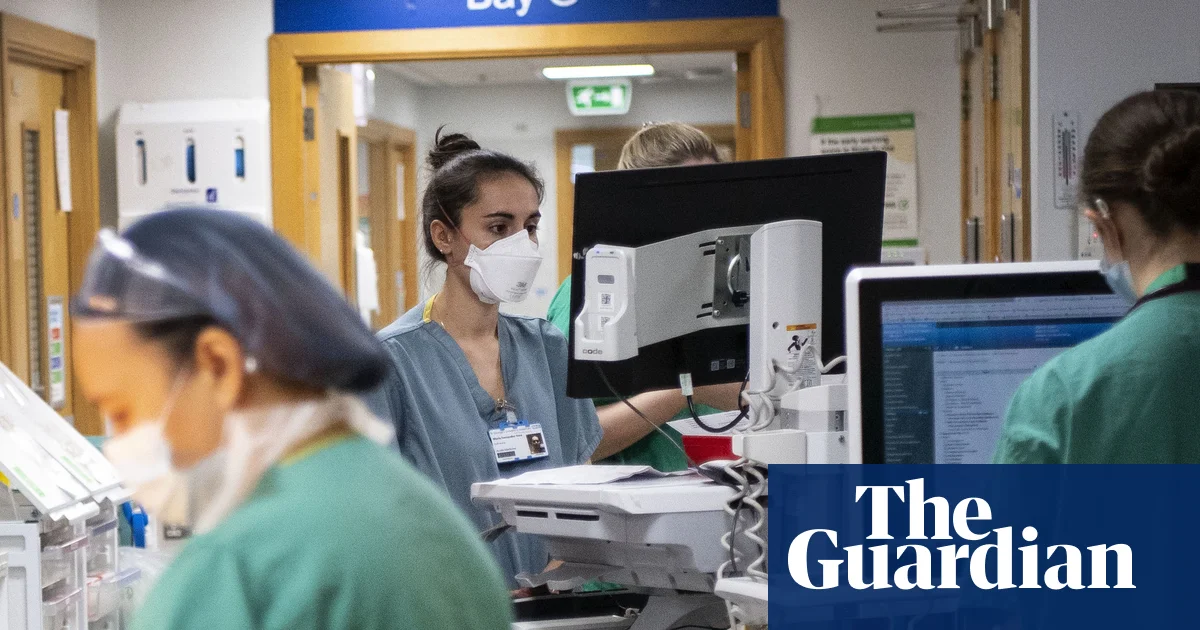
As the winter chill sets in across England, alarming headlines reveal a healthcare crisis that threatens the very fabric of our communities. Hospitals are grappling with unprecedented overcrowding, driven in part by an increase in acute illnesses like the seasonal flu. Analysis from the Health Foundation shows that the number of patients delayed in discharges has risen sharply, with nearly 19,000 more bed days lost this year compared to the same period last year. This situation magnifies societal and familial strains, as families face longer waits with loved ones in incapacitated health, and communities bear the brunt of the faltering social safety net.

At the core of the crisis lies a complex web of social issues—primarily the chronic shortage of social care and community support—exacerbated by fiscal austerity measures and demographic shifts. The ageing population and extended life expectancy, while victories of modern medicine, have paradoxically created new challenges. Senior doctors, including Dr. Vicky Price, warn that these persistent bed shortages will inevitably lead to preventable deaths, casting a shadow over the moral fabric of the NHS. Rates of delayed discharges, where patients deemed medically fit-to-leave remain hospitalized due to lack of social care, have created bottlenecks that ripple through emergency services, leading to ambulance queues, overcrowded emergency rooms, and longer wait times. By focusing on these issues, sociologists like Dr. Robert Putnam argue that societal cohesion and moral responsibility toward vulnerable populations are under threat as these healthcare failures deepen.

Moreover, the ramifications extend beyond hospitals into families and local communities. Children with sick or elderly relatives are often caught in the turmoil, witnessing loved ones stuck in limbo amid unending waits and fractured social support. The financial toll on families unable to access adequate care at home compounds their difficulties, further straining social cohesion. The moral question arises: how can society claim to prioritize the wellbeing of its most vulnerable when systemic failures compromise the dignity and safety of all? The social fabric frays as hospitals reduce capacity in response to financial cutbacks—partly a calculated response to austerity policies—and as neglect of social care infrastructure leaves families with no options but to endure prolonged crisis. According to the Royal College of Emergency Medicine, nearly 17,000 avoidable deaths last winter were attributed to these delays, underscoring the tragic human cost of inadequate social foresight.

Despite government claims of proactive measures, the reality remains bleak. Efforts to ramp up vaccination and streamline hospital operations are commendable but insufficient to address the underlying social failures. As Rory Deighton of the NHS Confederation highlights, “delayed discharges have been a longstanding challenge,” and without significant investment in social care, the cycle of overcrowding and preventable death will persist. Sociologists and social commentators emphasize that true progress hinges on restoring the social contract—rebuilding the capacity of communities to care for their own—before hospitals become more crowded with preventable tragedies. As society stands at this crossroads, the hope resides in recognizing that social wellbeing is the foundation of national resilience. Only by addressing these interconnected issues—social, economic, and moral—can we strive toward a future where healthcare is a promise fulfilled, not a broken vow left for families to bear.”

UK Police to Launch Specialized Units Fighting Violence Against Women and Girls

Society at a Crossroads: Addressing Violence Against Women and Family Stability

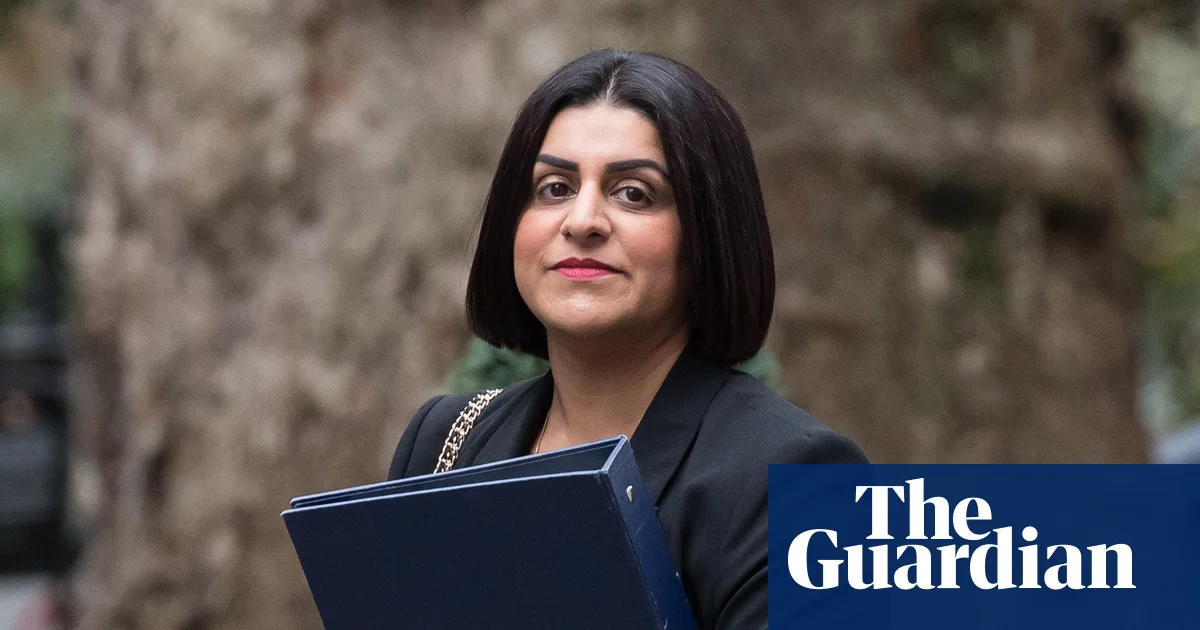
As society faces mounting challenges surrounding gender-based violence and cultural shifts that threaten the fabric of family life, the government in England and Wales is pledging bold reforms. By 2029, all police forces will establish dedicated rape and sexual offences teams, aiming to create specialized units trained to understand offender behavior and improve investigation outcomes. Under the leadership of the Home Office, these initiatives seek to combat the persistence of violence against women and girls (VAWG), a crisis that sociologists argue reflects broader societal failures to safeguard the moral fabric of community life.

This campaign aligns with a greater societal recognition that traditional cultural prejudices and myths often undermine victims and perpetuate cycles of abuse. Critics note that such attitudes fuel familial disintegration and hinder meaningful judicial responses. By focusing on *training officers to recognize ‘rape mythology’* and *problematic cultural issues*, policymakers aim to dismantle societal barriers that dismiss or blame victims, a shift echoed by social commentators who argue for a moral awakening in how communities respond to violence. Yet, the challenges extend beyond policing, as critics highlight that these plans currently lack additional funding, placing strain on already stretched local budgets and risking uneven implementation—a concern raised by the Home Affairs Select Committee.

In tandem with law enforcement reforms, the government plans to introduce domestic abuse protection orders following pilot schemes, targeting various facets of abuse from *economic coercion* to *‘honour’-based violence.* These orders, granted in both civil and criminal courts, symbolize a societal attempt to protect the vulnerable, yet their effectiveness hinges on community enforcement and a collective moral stance. Historically, social commentators like Fiona Williams have argued that family security depends on societal acceptance and moral clarity—elements often compromised in the face of rising familial dislocation and cultural tensions. The need for community-driven, holistic approaches underscores that family stability remains under threat if societal support systems falter.

Despite these initiatives, critics argue that the delay in releasing a comprehensive strategy—initially expected this spring—undermines public confidence. As Karen Bradley pointed out, poor engagement with vital stakeholders and a lack of transparency risk diluting efforts to combat VAWG. This skepticism reflects deeper societal issues of trust and the prioritization of social issues amid political flux. Yet, amid these challenges, there lies a resilient hope that society, through community solidarity and responsible governance, can transcend its divisions. When society grapples with these moral and social dilemmas, it is not just policy that needs reshaping but the very moral compass guiding families and communities—when humanity chooses to strengthen its moral fiber, society begins to heal, and the promise of a safer, more just future becomes attainable.

“North Shields Rising: Transforming Rage into Community Strength”

Grassroots Movements Rekindling Faith in Community and Society

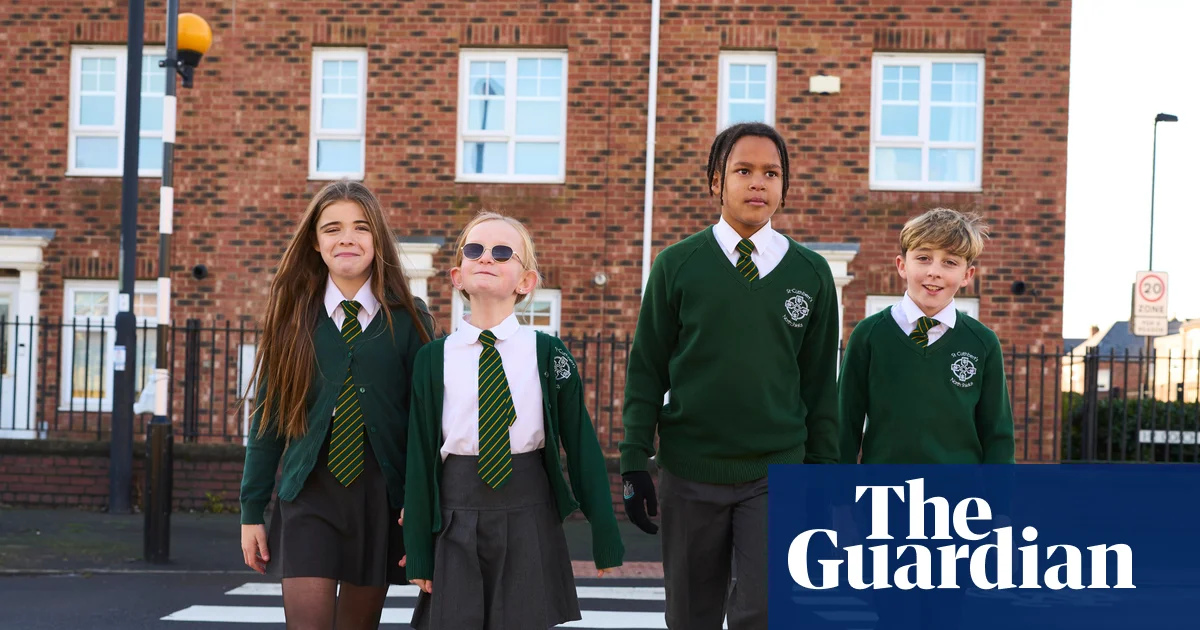
In today’s rapidly changing world, societal fractures are becoming more evident than ever, affecting families, education, and community cohesion. Despite these challenges, a rising tide of grassroots activism demonstrates that change is not only possible but essential. Organisations like Citizens UK are spearheading efforts that remind us of the power of collective action rooted in hope, compassion, and a shared sense of purpose. Their recent walk through North Shields, dubbed the “Walk of Hope,” exemplifies how local people—children, parents, teachers, and community organisers—are mobilising to confront social issues directly affecting their neighborhoods.

This movement emerges from an acknowledgement of social tensions fueled by economic disparities, immigration debates, and declining trust in democratic institutions. Sociologists like Robert Putnam have long highlighted how social capital—trust, networks, and civic engagement—can combat societal despair. Here, grassroots groups are rekindling that trust, building bridges between different communities, and creating tangible changes that uplift families.

The community’s efforts are far-reaching. For instance, local youth, such as Mish Sony, successfully engaged the authorities to address transportation affordability, ensuring students can attend school without the burden of costly fares. Such initiatives improve access to education, ultimately fostering better opportunities for future generations. Meanwhile, safety and cleanliness in public spaces, like Alexander Scott Park, have improved through community-led clean-up projects and meetings with local authorities, reaffirming that empowered citizens shape the environments they live in. These actions not only strengthen physical spaces but also nurture a sense of ownership, pride, and civic responsibility among families and children.

Addressing Underlying Divisions and Social Fractures

Yet, societal challenges extend beyond infrastructure. Recent incidents of racial tension and xenophobia, highlighted by local confrontations and graffiti, underscore the persistent demographic shifts and cultural tensions existing in places like North Shields. Economist and social critic, Dambisa Moyo, warns that these tensions stem from feelings of marginalization and lack of political voice—conditions that can spiral into confrontation if left unaddressed. For Father Chris Hughes, a religious leader active in the community, these conflicts are reflections of a deeper crisis: the erosion of faith in democracy’s ability to serve all equally. As he observes, “People are losing faith that democracy works. Unless we reimagine democracy and have people in their community at the heart, it worries me where it will lead.”

This sentiment resonates with the ambitions of community organisers, who stress that

  • inclusive dialogue
  • grassroots participation
  • listening to marginalized voices

are vital for peace and social cohesion. Their work demonstrates that fostering mutual understanding and addressing social grievances proactively can halt the cycle of division and hate. By involving youth, encouraging civic engagement, and creating spaces for dialogue, communities are cultivating resilience that can withstand social upheavals. These efforts evoke echoes of thinkers like Jane Jacobs, who believed vibrant, participatory urban life sustains social health and vitality.

Hope in Action: A Society Reimagined

In the end, the stories from North Shields reveal a societal truth: hope is not a passive feeling but an active force that springs from collective effort. When young people, families, and community leaders come together—whether reimagining public spaces, advocating for mental health, or confronting societal prejudices—they forge a resilient society committed to renewal. As they gather over tea and biscuits in community halls or rally through parks, they embody a quiet yet powerful revolution rooted in trust, empathy, and shared destiny. This resilience offers us a glimpse of society’s potential—a future where hope replaces despair, and community becomes the definitive answer to social fractures. In the end, societal transformation begins with the simple act of coming together, and in that unity, society’s greatest strength is revealed, offering a timeless reminder: no matter how cold the season, warmth and hope can be cultivated when hearts unite.”

Are Remote Teachers and AI Deepfakes the Future to Fix Education Gaps?

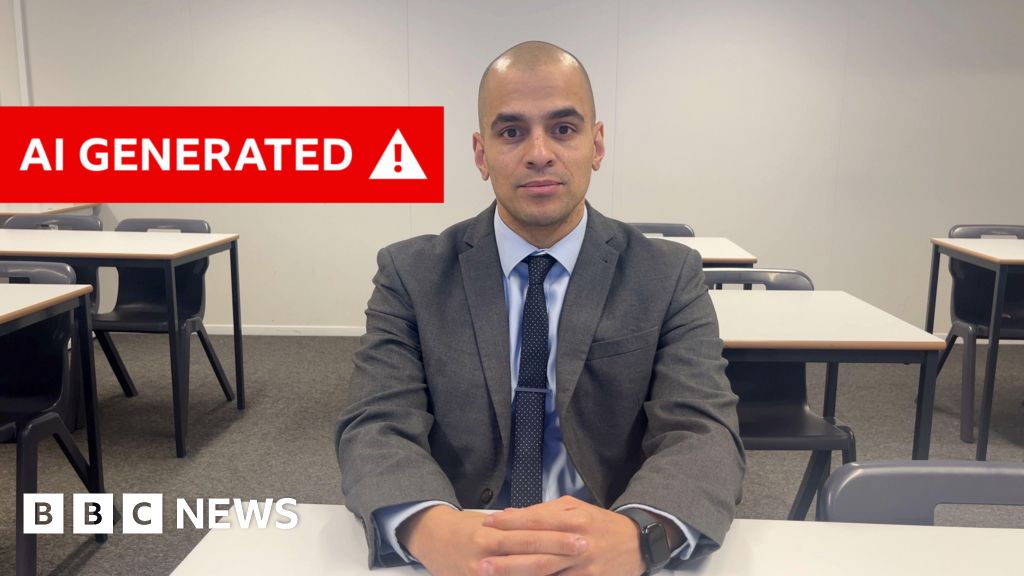
In today’s evolving educational landscape, the integration of artificial intelligence (AI) and deepfake technology into classrooms has sparked both hope and controversy. Schools across the UK are experimenting with innovative methods such as deepfake teachers and remote educators, aiming to address longstanding challenges like teacher shortages and the need for personalized learning. The government’s narrative emphasizes that AI holds the **power to transform education**, promising to lighten teachers’ administrative burdens and tailor instruction to individual student needs. However, beneath this veneer of progress lies a tapestry of social tensions, especially for families and communities who are grappling with the moral and ethical implications of machines replacing human connections in education.

At the heart of the debate are questions about societal values and the human element of learning. Critics, like mathematics teacher Emily Cooke, argue that teaching is more than delivering knowledge; it’s about fostering meaningful relationships, trust, and emotional support. She voices concern over initiatives such as a virtual maths teacher based 300 miles away, emphasizing that *the essence of mentorship and human interaction* cannot simply be replicated through screens or AI avatars. This contention touches on broader social issues, where the erosion of community and personal bonds in educational settings threatens the social fabric that sustains families and local neighborhoods. Historians have long observed that education is as much about social cohesion as it is about knowledge transfer, and the perceived depersonalization of learning raises fears of societal fragmentation.

Meanwhile, agencies like Great Schools Trust are pushing AI experiments further, aiming to make virtual assessments, feedback, and translations more accessible, especially for multilingual communities. Shane Ierston, the CEO, touts AI as a potential “leveller” that offers “personalized tuition” for every child. Yet, as Nicola Burrows—a parent and former educator—acknowledges, *bringing parents into the conversation and ensuring safety* is crucial. Parental skepticism remains high, with only a small fraction of the public willing to endorse widespread AI use in classrooms, reflecting deep-seated fears about privacy, safety, and the commodification of childhood. Sociologists highlight that adopting such technologies often exacerbates existing social divides, where technology becomes a tool for the privileged, leaving behind those in marginalized communities.

Furthermore, the move towards remote and AI-centered education fuels protests among educators and unions. Teachers at The Valley Leadership Academy have gone on strike over the deployment of a remote teacher, citing concerns about the loss of personal connection and the decline in educational quality. Mrs Cooke criticizes the approach as a misguided attempt to address staffing shortages, warning that “if we do not challenge this trend, it will spread and erode the profession’s core values.” The National Education Union (NEU) and other bodies advocate for safeguarding the human elements of teaching, emphasizing that education is fundamentally a moral act, rooted in empathy, mentorship, and community engagement. As society navigates these technological upheavals, the question remains: can society preserve the human spirit while embracing innovation? Or are we on the verge of a future where our children are educated by digital doubles, disconnected from the human roots that form the backbone of tradition and social stability?

Threshold: The Youth-Led Choir Raising Voices for Change — Watch Now

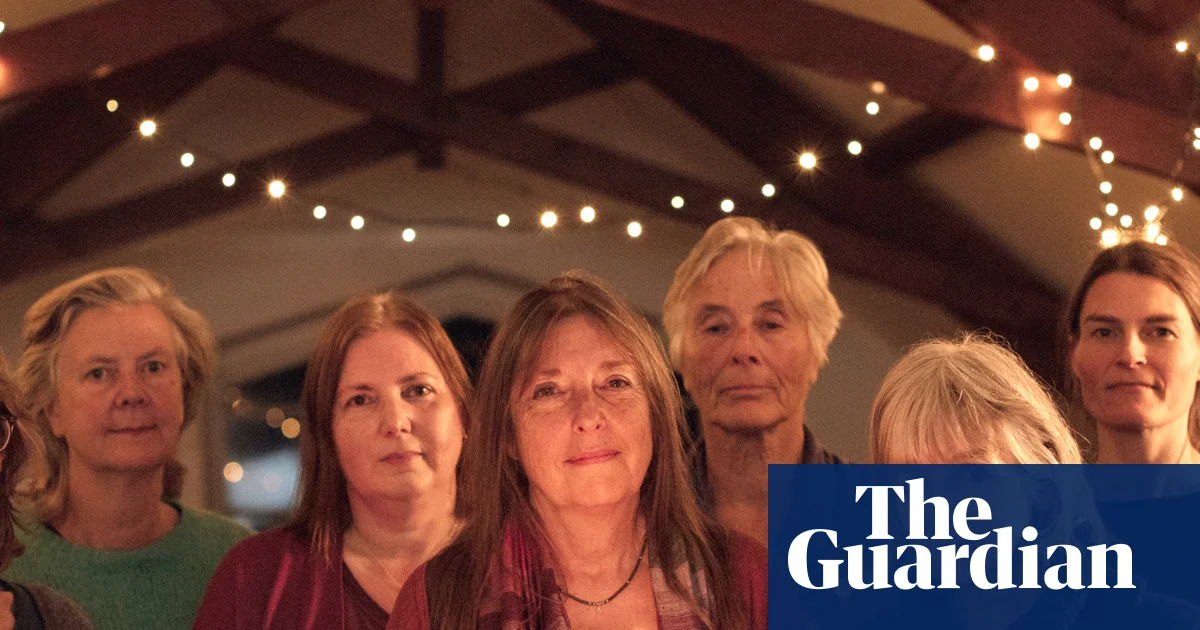
In an era marked by rapid technological advancement and shifting cultural mores, the human experience of death remains a profound societal challenge. Programs like Nickie and her Threshold Choir exemplify a compassionate response to the inevitability of mortality, reminding us that societal health is deeply intertwined with our capacity for empathy and collective support during life’s most vulnerable moments. These volunteer initiatives, composed of individuals who sing lullabies and comforting melodies, not only honor the dignity of those nearing the end of life but also serve as a mirror reflecting how well communities nurture their members even in hardship.

Their work underscores a cultural shift where conversations about death are often avoided or stigmatized in traditional family structures and educational settings. This avoidance fosters a taboo around mortality, leaving families and society ill-prepared to confront one of life’s most natural processes. Sociologists like Dr. James Hollis warn that such denial hampers emotional resilience and inhibits meaningful dialogue about what it means to live and die with dignity.

  • Families often find themselves unprepared for end-of-life decisions, leading to unnecessary suffering or conflict.
  • Educational institutions rarely incorporate death education, preventing young generations from developing healthier attitudes toward mortality.
  • Communities lacking structured support systems for the dying diminish the collective capacity for empathy and shared mourning.

This disconnect impacts the foundation of societal cohesion, as people retreat from facing mortality in a way that fosters understanding and compassion. Advocates argue that an authentic confrontation with death offers an opportunity for moral growth and societal healing, urging policymakers and educators to incorporate end-of-life literacy into their curricula and community programs.

Furthermore, the societal implications extend beyond individual families, shaping the very fabric of community well-being. When communities extend their care to the most vulnerable, they reinforce social bonds and demonstrate a collective moral ethos rooted in compassion and respect. Programs like the Threshold Choir exemplify how volunteer efforts can fill the gaps left by institutional shortcomings. Yet, these acts of kindness also highlight a broader societal need: the normalization of conversations about mortality, aging, and grief. Experts like sociologist bell hooks have emphasized that fostering environments where death is neither hidden nor feared allows communities to build resilience, reduce stigma, and uphold human dignity.

As society grapples with its cultural and moral boundaries, the stories of volunteers and families confronting death serve as poignant reminders of our shared humanity. In opening the door to honest conversations and compassionate care, society begins to restore a moral fabric frayed by neglect and avoidance. The challenge lies not just in caring for the dying but in transforming societal attitudes—embracing death as an integral, sacred part of the human journey. Perhaps, amid this ongoing tension, there exists hope: that through increased education, social support, and genuine community engagement, we can forge a future where every life, in its final chapter, is met with love and dignity — a testament to society’s true moral strength.

Councils handed £3bn to boost SEND school places and support our youth’s future

Shaping Society: The Ongoing Struggle for Inclusive Education and Community Cohesion

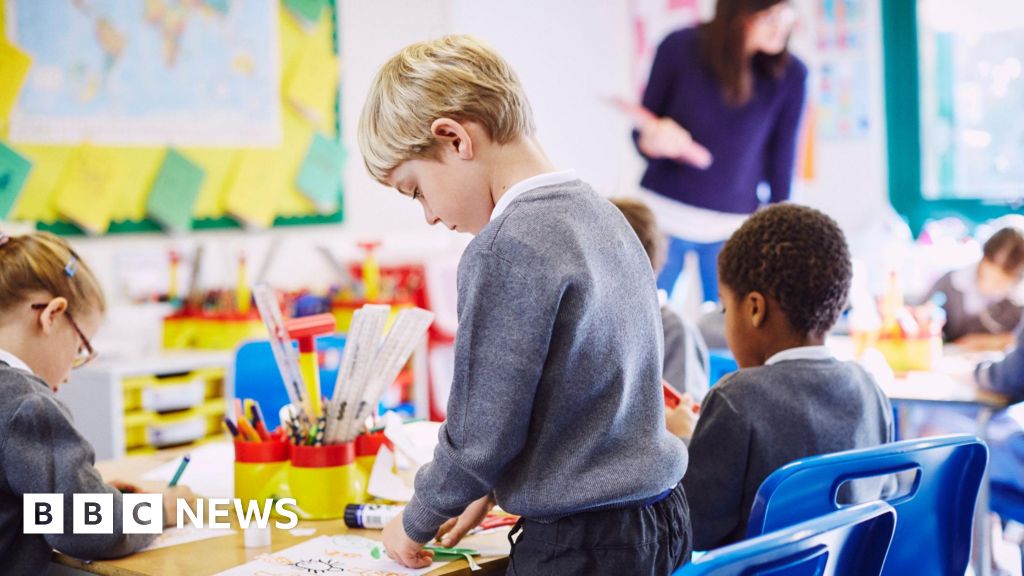
In an era marked by rapid demographic shifts and increasing social fragmentation, the fabric of our communities is being tested by the challenge of providing equitable education. The recent government announcement to invest £3 billion over the next three years aims to create 50,000 additional places for children with special educational needs and disabilities (SEND) within mainstream schools across England. This initiative reflects a recognition of the critical need to make education more inclusive, yet it also exposes the persistent gaps that leave families and communities in turmoil. Sociologists like Robert Putnam have long warned about the erosion of social capital, and the SEND crisis exemplifies how societal divisions are reinforced when resources are misallocated or buried in bureaucratic red tape.

Families navigating the SEND system often encounter profound difficulties—including long and arduous journeys to secure appropriate support. One mother, Laura Jerram, recounts her experience in trying to secure an Education, Health and Care Plan (EHCP) for her son Brendan, describing it as “a horrible journey.” This reality underscores how social inequalities translate into disparities in access to education, support, and ultimately, opportunity. As the NAHT school leaders’ union highlights, merely funding new buildings is insufficient without a parallel investment in trained teachers and specialists capable of supporting diverse learning needs. Educational institutions must prioritize human capital as much as infrastructure if they are to truly serve all students, especially those with complex needs.

Yet, systemic issues remain unresolved. The rise in legal disputes over SEND provision—25,000 appeals in 2024-2025—illustrates a fractured system where conflicts and frustrations simmer beneath the surface. The outcomes for students, despite increased investment, have not significantly improved, a troubling sign of superficial policy fixes that fail to address foundational inequities. Sociologists such as Pierre Bourdieu warn us how social class and cultural capital influence educational trajectories. When families with more resources and better advocacy skills can navigate this labyrinthine system more effectively, it perpetuates a cycle of inequality, leaving marginalized children to fall through the cracks.

At the community level, the physical and logistical challenges highlight the importance of localized, community-centered solutions. Councillor Amanda Hopgood emphasizes that building large SEND schools “in the middle of nowhere” fails to serve the community’s best interests, as it necessitates costly transportation and isolates children from their social networks. True social cohesion hinges on inclusivity in local settings where children grow up—where they learn, play, and build lifelong friendships. Education expert Dr. Michael Apple argues that equitable access isn’t just about space and resources but also about empowering communities to shape local policies that recognize their unique needs. As families struggle with the bureaucratic hurdles and costs of transportation, their sense of belonging diminishes, and social bonds weaken.

Toward a Society of Hope and Renewal

While the current landscape depicts a society grappling with its social and educational structure, it also holds within it the seed of hope. The stories of children like Brendan and families like Laura’s demonstrate resilience and the urgent need for meaningful reform. True societal progress will depend on our collective ability to recognize that social issues—inequality, systemic failure, social disconnection—are intertwined with the very fabric of our communities. As historian Eric Hobsbawm observed, history is a tale of struggles, setbacks, and eventual renewal. Society’s challenge now is to transform these struggles into opportunities for **a more inclusive, compassionate, and united future**.

Mossbourne School’s Impact Under Scrutiny: Some Students' Wellbeing at Risk
Mossbourne School’s Impact Under Scrutiny: Some Students’ Wellbeing at Risk

Success at a Cost: The Hidden Crisis in England’s High-Achieving Schools

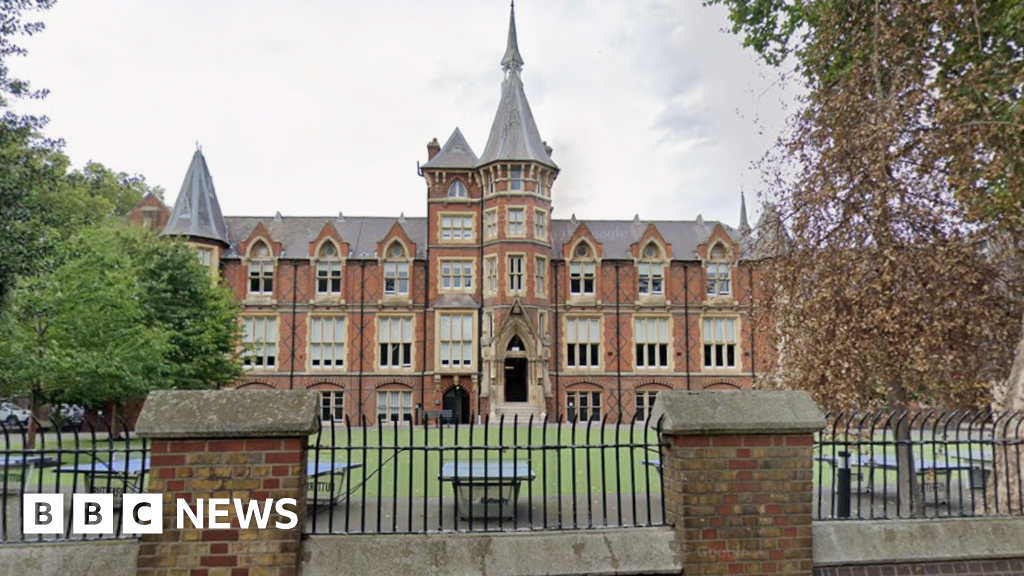
In the vibrant neighborhoods of East London and the heart of Hackney, prestigious institutions like Mossbourne Victoria Park Academy (MVPA) have long celebrated remarkable academic results, exemplifying the nation’s educational ambitions. However, beneath this veneer of achievement lies a fractured cultural landscape where the wellbeing of vulnerable students is compromised in the pursuit of excellence. An independent safeguarding review has exposed troubling practices—shouting, public humiliation, unequal sanctions—that threaten the very fabric of community trust and family stability. This crisis underscores a disturbing trend: when schools prioritize discipline and academic performance over dignity and human rights, it is families and communities who bear the invisible scars.

The report reveals that these high standards have exacted a heavy toll on some of the most vulnerable pupils. Students with special educational needs and disabilities (Send) have been disproportionately sanctioned for behaviors linked to their conditions, creating a climate of fear that can haunt young minds long after they leave the classroom. Feelings of anxiety, shame, and trauma are amplified in environments where public reprimands overshadow empathy. Sociologists like Dr. Robert Putnam warn that social cohesion erodes when institutions foster a culture of control rooted in austerity rather than compassion. Families, especially those from underrepresented communities, are reporting difficulty in having their concerns acknowledged, further fueling societal divisions and distrust.

Among the most alarming findings are practices such as

  • routine shouting
  • public deskings for minor issues
  • disciplinary measures applied unfairly to pupils based on ethnicity or special needs

. These behaviors create what Jim Gamble, chair of the City & Hackney Safeguarding Children Partnership, describes as a “climate of fear” that stifles healthy development and erodes the moral fabric of educational environments. While MVPA’s academic reputation remains high, critics like historian Dr. David Gilman argue that such success, achieved through rigid and inflexible discipline systems, risks sacrificing the fundamental human dignity of students. As Sir Alan Wood, a prominent social commentator, remarks, “Success, but not for all, is merely a hollow victory if it is built on trauma.” Achieving excellence must mean fostering resilience and respect, not fear and compliance.”

Finally, the societal implications extend beyond school walls. The families affected report feeling ignored or silenced; some families even describe walking away from their parental rights in frustration, while teachers recount a culture where empathy is discouraged and blame prevails. Meanwhile, authorities like Hackney Council and the Department for Education recognize that this is a moment of crisis—an urgent call to re-evaluate not only disciplinary practices, but also the core values upon which society’s future depends. As the nation confronts this uncomfortable truth, the question remains: can we rebuild education rooted in respect, duty of care, and community trust? Or will we continue to allow the triumphs of test scores to conceal the scars of unchecked authority, leaving future generations to navigate the shadows of a divided society?

In the quiet moments of reflection, society faces the profound challenge: to ask whether our brightest institutions are truly illuminating the path to a humane and equitable future, or merely shining falsely on a broken foundation. As society’s caretakers and young changemakers look toward horizons filled with uncertainty, the hope persists—a hope that from the depths of this crisis can emerge a renewed commitment to truth, compassion, and genuine excellence.

Social Media Auto Publish Powered By : XYZScripts.com