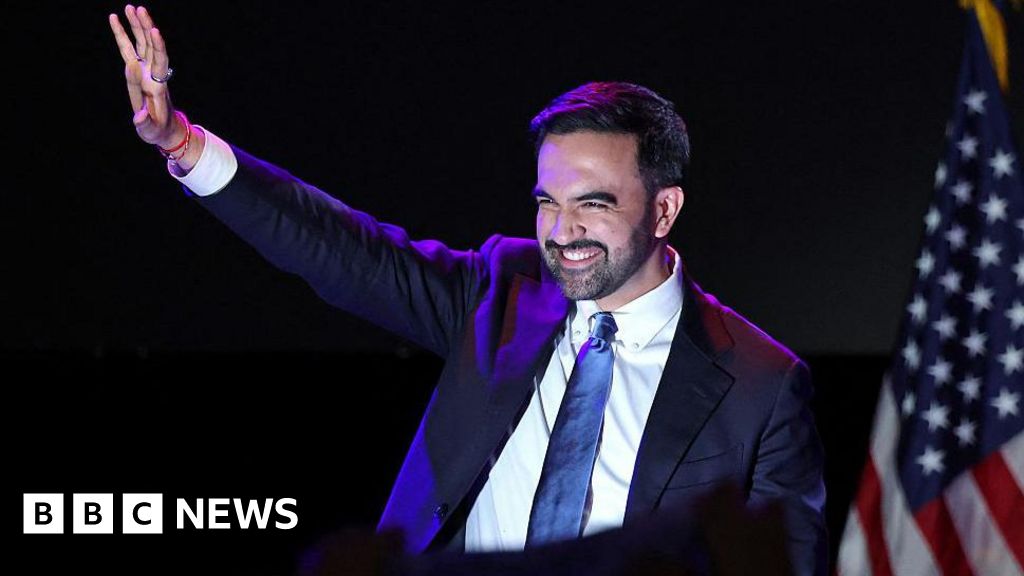
In an era marked by turbulent geopolitical shifts, the victory of Zohran Mamdani as the mayor of New York City has resonated far beyond the city limits, capturing the imagination of societies across continents. This young leader, born in Uganda and bearing dual nationality, exemplifies a new wave of global youth asserting influence in the heart of the world’s superpowers. His rise symbolizes more than local political achievement; it heralds a cultural and ideological shift that transcends boundaries, inspiring millions of young Africans and diaspora communities to view leadership as a matter of possibility and resilience.
According to international analysts, Zohran’s background embodies a narrative underpinned by the legacy of post-colonial Africa and the global reach of ideas rooted in freedom and justice. His father, Prof Mahmood Mamdani, a distinguished academic renowned for his anti-colonialist scholarship, deeply influences his worldview. Historians like Nzongola Nganza emphasize how such figures symbolize the awakening of a continent that has long struggled against the lingering effects of colonialism, yet now finds hope in its youth. Decision-makers in Africa observe that Zohran’s rise could energize local youth movements and challenge entrenched political dynasties, especially in nations like Uganda, where President Yoweri Museveni seeks yet another term amid a nation with one of the world’s youngest populations—median age just 16.2, according to the CIA World Factbook. The youthful demographic, combined with symbols like Zohran, has the potent potential to reshape regional politics and international perceptions of African capacity for self-determined leadership.
Meanwhile, South Africa also celebrates the achievement of a young leader whose formative years were shaped in its society. The imam of Cape Town’s Claremont Road Mosque, Rashied Omar, lauded Zohran’s early exposure to social justice activism rooted in South Africa’s own struggle against apartheid. This cross-continental narrative highlights how localized social movements are increasingly interconnected with global agendas, reinforcing a picture in which youthful leadership across Africa and its diaspora become a central force within global affairs. Such narratives are increasingly seen as a challenge to the old geopolitical order rooted in military might and economic dominance.
Across the Atlantic, international organizations and political analysts note that Zohran’s success heralds an ideological shift within the framework of global capitalism and multilateral diplomacy. For instance, the Economic Freedom Fighters (EFF) in South Africa hailed his election as a sign that “progressive, justice-driven leadership is rising even in the heart of the global capitalist order.” This sentiment underscores a burgeoning global movement skeptical of traditional power structures, seeking instead a leadership rooted in equity and multicultural diversity. Conversely, in Nigeria, a supporter of President Bola Tinubu and critics of former US President Donald Trump’s threats against Nigeria, Zohran’s name has become a symbol of resilience. His victory is framed as a counterpoint to external intimidation, illustrating how the younger generation perceives their capacity to withstand external pressures and internal injustices simultaneously.
Ultimately, the story of Zohran Mamdani embodies a critical moment in world history — a point where leadership, identity, and sovereignty intertwine in unprecedented ways. As nations like Uganda, South Africa, and beyond watch closely, the question remains: will this beacon of youthful promise catalyze a new era of multi-ethnic, multi-religious, and justice-oriented leadership? The answer, still bearing the weight of history, is yet unknown. What is certain, however, is that this moment signals the ongoing clash of old and new, a palpable tension in the ever-evolving narrative of our shared future, where the aspirations of the young now challenge the shadows cast by centuries of empire and despair. As the world turns, those who hold power must face the profound truth — the future belongs to those who dare to dream differently, for history’s next chapter is being written now, in the footsteps of figures like Zohran Mamdani.