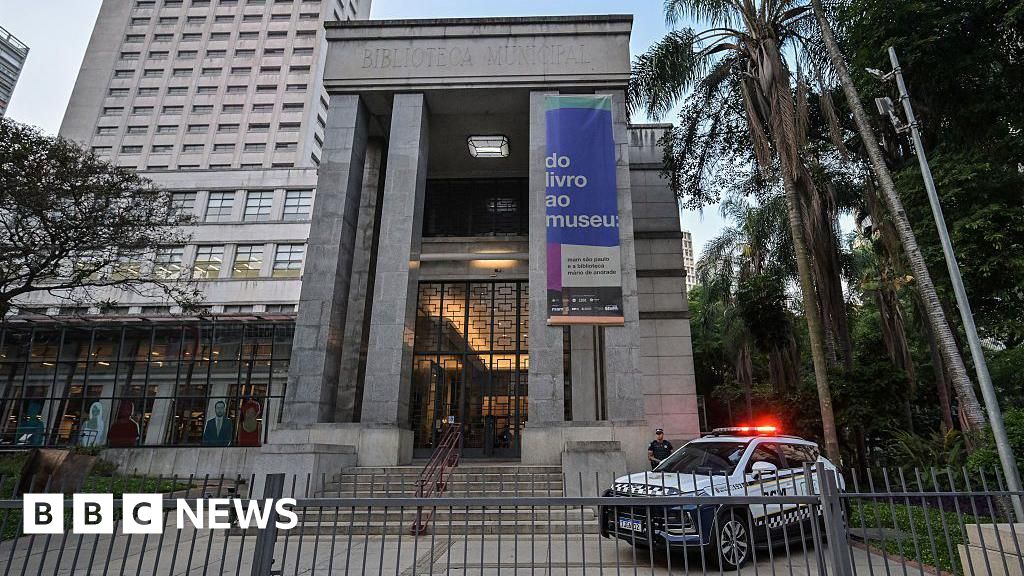
Armed Robbery at São Paulo Library Raises Global Alarm Over Cultural Security
In a startling display of audacity and sophistication, two armed men executed a high-profile heist at the Biblioteca Mário de Andrade in São Paulo, Brazil, Sunday afternoon. The perpetrators targeted an exhibition titled From Book to Museum, part of a collaborative display with the São Paulo Museum of Modern Art, stealing eight valuable engravings by the renowned French artist Matisse and at least five by the iconic Brazilian painter Cândido Portinari. This brazen attack not only epitomizes the ongoing threat to cultural heritage worldwide but also underscores the vulnerabilities of even the most technologically guarded institutions.
According to Brazilian officials, the robbers intruded during the library’s operating hours, promptly holding up a security guard and an elderly couple, before fleeing on foot with their ill-gotten gains. The immediate responses from authorities were swift; within hours, they identified a vehicle used in the escape and arrested one of the suspects. However, the real significance of this event extends beyond immediate law enforcement actions. It sheds light on broader issues of cultural security and international art theft, which have become increasingly prevalent in our interconnected world.
Analysts and international organizations have voiced grave concern regarding the cultural implications of such thefts. The artworks stolen include a collage Matisse made for the exclusive edition of his jazz-themed art book, valued by critics as incalculable in worth. The significance of the stolen Portinari engravings is similarly profound, as they vividly depict Brazil’s rural labor scene and are considered national treasures. Historians warn that these works are irreplaceable “symbols of cultural identity,” and their loss resonates far beyond the art world. The heist’s timing—right before the exhibition’s closure—appears calculated to maximize impact and evade detection, echoing recent high-profile international art thefts, including the Louvre break-in just two months prior.
This theft exposes the fragile veneer of cultural preservation in a global landscape increasingly susceptible to illicit trade and organized crime. Officials point out that despite the presence of advanced facial recognition technology and extensive security camera networks, such plotters still managed to execute their plan, raising questions about vulnerabilities in both physical and digital security systems. Expert opinions emphasize that this is a clarion call for nations to reevaluate their protective measures for priceless cultural artifacts, especially as thieves become more organized and technologically savvy. As international institutions like UNESCO continuously warn of the rising tide of cultural theft, this incident in Brazil exemplifies the urgent need for reinforced defenses and coordinated global responses.
As the dust begins to settle, the weight of history presses heavily on the shoulders of society. This audacious act in São Paulo is more than a theft—it’s a reminder that the battle for cultural heritage is ongoing. It reflects a broader struggle where national identity, history, and art intersect with the dark underbelly of global organized crime. How nations respond to these attacks will determine whether they can protect their soul from the corrosive effects of greed and lawlessness, or if they will watch as their cultural legacy is relentless stripped away—moment by moment, artifact by artifact—until nothing remains but echoes of what once was.