Japan’s Aging Crisis Spurs Technological Innovation with Geopolitical Consequences
Amidst a rapidly aging society, Japan finds itself at a critical juncture, where demographic shifts threaten to undermine social stability and economic vitality. With over 30% of its population aged 65 and older—second only to Monaco globally—the island nation confronts a mounting crisis in elder care. Last year alone, more than 18,000 elderly individuals with dementia wandered off their homes in search of safety, with nearly 500 succumbing to the risks. Such tragic statistics are emblematic of a society under mounting pressure, worsened by a shrinking workforce and strict limits on foreign workers, which constricts the nation’s capacity to meet the burgeoning demand for elder care services. International experts, including those from the World Bank, have warned that without innovative strategies, the social fabric of Japan could face profound destabilization.
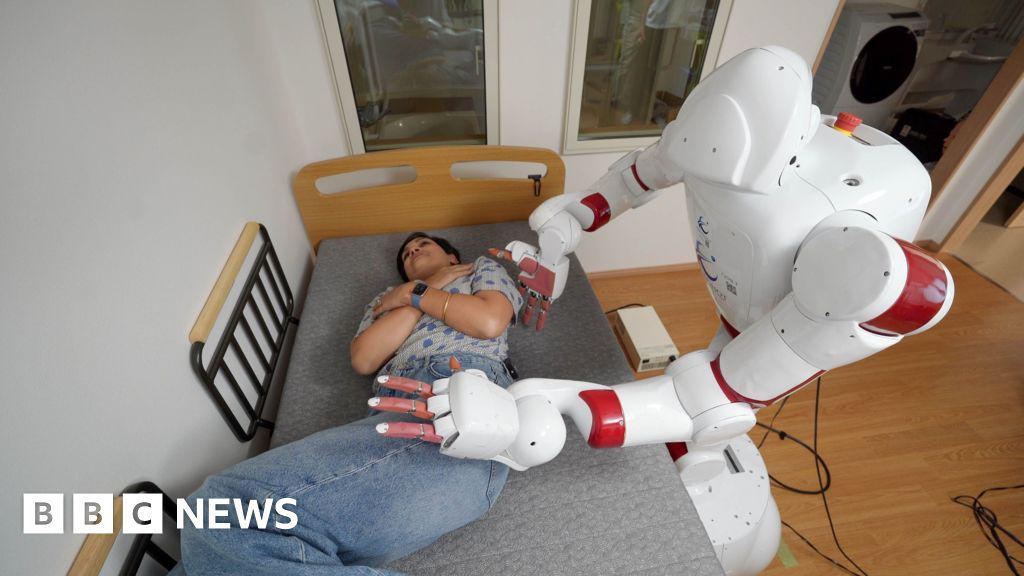
In response, Tokyo’s government is rapidly pivoting towards technological solutions, placing a heavy emphasis on artificial intelligence and robotics to fill the void traditionally occupied by human caregivers. Recent developments include GPS-based tracking systems for wandering seniors, AI tools like Fujitsu’s aiGait that analyze gait and posture to detect early signs of dementia, and humanoid robots such as Waseda University’s AIREC, designed to assist with everyday tasks like dressing, cooking, and even changing diapers. These innovations are intended not merely as conveniences but as essential pillars supporting the nation’s social order. Such strategic shifts reflect a broader recognition within the geopolitical sphere that technological prowess becomes a critical national asset; the ability to develop and deploy affected elder care can serve as a form of soft power, signaling to the world that Japan remains a leader in innovative resilience amidst demographic decline. But these decisions also carry geopolitical weight, with neighboring powers looking on, aware that the technological race in elder care could shape regional influence for decades.
How decisions made now will ripple through future geopolitics is not lost on international analysts. Some experts argue that China and South Korea, watching Japan’s innovations, are likely to accelerate their own technological investments to secure regional dominance. Meanwhile, Western nations face their own aging crises, turning to Japanese expertise and investments as examples of where technology meets social necessity. Reports from institutions like OECD highlight that the integration of AI and robotics into elder care may reshape labor markets across the globe, reducing dependency on human caregivers and redefining societal notions of human interaction and compassion. Whether these advancements will supplement or supplant the human touch remains a contested debate—one that will influence international perceptions of morality, humanity, and technological supremacy.
As Japan’s government invests heavily in robot caregivers and AI early detection systems, the unfolding story encapsulates a broader theme—a society desperately seeking solutions while confronting the harsh realities of a dwindling nation. The world watches as technological milestones are achieved, yet the true test lies in balancing innovation with empathy—an enduring question in the age of automation. In this crucible of societal change, history is forging new chapters, and the weight of what comes next will resonate far beyond borders—shaping the destiny of humanity amidst the relentless tide of time.