
Matox News

Truth Over Trends, always!

At 56, I Lost My Hearing—A Wake-Up Call on Society’s Neglect of Aging and Deafness

In a rapidly changing society, social cohesion hinges on our collective ability to bridge communication gaps that threaten to fracture communities and divide families. The story of Deborah’s experience — a woman who, at age 56, found herself grappling with sudden, profound hearing loss — illustrates a pervasive yet overlooked crisis that transcends individual hardship. Her journey underscores a crucial societal issue: despite advancements in medical technology and understanding, the barriers that prevent equitable access to hearing care persist, often fueled by a healthcare system driven more by profit than compassion. When insurance companies deny coverage for critical procedures and devices, families face not only financial ruin but also devastating social isolation, which in turn weakens the fabric of our communities.

This crisis is not isolated. According to sociologists like Dr. Susan K. Gardner, the societal consequences of untreated hearing loss are staggering — from increased loneliness to diminished participation in educational and communal activities, disrupting the very foundations upon which families and communities are built. For Deborah, the denial of her surgery and hearing aids meant months of silence, profound loneliness, and a shrinking social circle. The inability to communicate effectively with loved ones or participate fully in society erodes not only individual well-being but also the interconnected trust that sustains communities. As many as 48 million Americans are impacted by hearing loss, and yet, systemic inequities continue to silence millions more, amplifying their struggles while society turns a deaf ear to their needs.

Adding to this social adversity are cultural shifts and demographic changes that demand a reevaluation of how we approach neurodiversity, language, and accessibility. The example of Martha’s Vineyard, where generations grew up learning and signing in MVSL, demonstrates that fully integrated deaf and hearing communities are achievable. Their success stems from early cultural integration and a shared language—traits that could serve as a blueprint for broader, national inclusion. Society’s failure to adopt similar strategies leaves many deaf individuals isolated and marginalized, often unaware that solutions are possible. Policymakers and social institutions must prioritize initiatives that promote early language education, expanded insurance coverage, and the integration of AI-powered technologies—ensuring that the social fabric is woven with threads of understanding rather than strands of silence.

Ultimately, the moral imperative of society lies in recognizing that deafness is an unsolved problem of communication—one that we choose each day not to resolve. Every missed opportunity for early intervention, every denied coverage, and every societal neglect to foster inclusivity compounds the challenge. But hope remains. Through legislation that mandates coverage for hearing health, investments in innovative AI solutions, and widespread efforts to teach sign language, society can turn the tide. In doing so, we do not merely restore the ability to hear; we restore voices, relationships, and the unity of our shared humanity. As Deborah’s story demonstrates, when we commit to bridging the deaf-hearing divide, we revive the promise that every individual, regardless of their physical limitations, can participate in the symphony of society—listening, speaking, and ultimately, belonging.
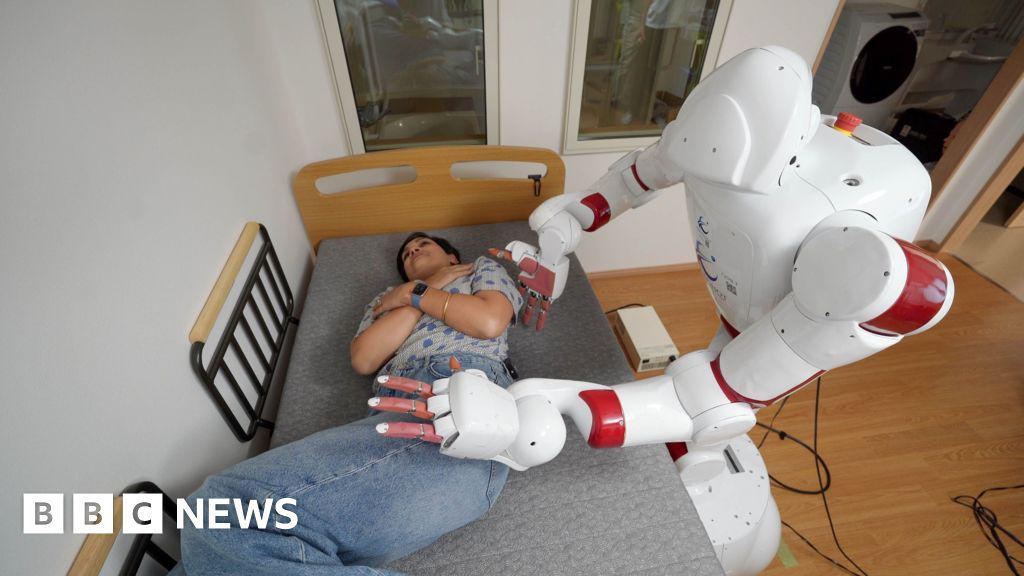
Japan’s Aging Crisis: Will Tech Be the Solution to Dementia?

Japan’s Aging Crisis Spurs Technological Innovation with Geopolitical Consequences

Amidst a rapidly aging society, Japan finds itself at a critical juncture, where demographic shifts threaten to undermine social stability and economic vitality. With over 30% of its population aged 65 and older—second only to Monaco globally—the island nation confronts a mounting crisis in elder care. Last year alone, more than 18,000 elderly individuals with dementia wandered off their homes in search of safety, with nearly 500 succumbing to the risks. Such tragic statistics are emblematic of a society under mounting pressure, worsened by a shrinking workforce and strict limits on foreign workers, which constricts the nation’s capacity to meet the burgeoning demand for elder care services. International experts, including those from the World Bank, have warned that without innovative strategies, the social fabric of Japan could face profound destabilization.

In response, Tokyo’s government is rapidly pivoting towards technological solutions, placing a heavy emphasis on artificial intelligence and robotics to fill the void traditionally occupied by human caregivers. Recent developments include GPS-based tracking systems for wandering seniors, AI tools like Fujitsu’s aiGait that analyze gait and posture to detect early signs of dementia, and humanoid robots such as Waseda University’s AIREC, designed to assist with everyday tasks like dressing, cooking, and even changing diapers. These innovations are intended not merely as conveniences but as essential pillars supporting the nation’s social order. Such strategic shifts reflect a broader recognition within the geopolitical sphere that technological prowess becomes a critical national asset; the ability to develop and deploy affected elder care can serve as a form of soft power, signaling to the world that Japan remains a leader in innovative resilience amidst demographic decline. But these decisions also carry geopolitical weight, with neighboring powers looking on, aware that the technological race in elder care could shape regional influence for decades.

How decisions made now will ripple through future geopolitics is not lost on international analysts. Some experts argue that China and South Korea, watching Japan’s innovations, are likely to accelerate their own technological investments to secure regional dominance. Meanwhile, Western nations face their own aging crises, turning to Japanese expertise and investments as examples of where technology meets social necessity. Reports from institutions like OECD highlight that the integration of AI and robotics into elder care may reshape labor markets across the globe, reducing dependency on human caregivers and redefining societal notions of human interaction and compassion. Whether these advancements will supplement or supplant the human touch remains a contested debate—one that will influence international perceptions of morality, humanity, and technological supremacy.

As Japan’s government invests heavily in robot caregivers and AI early detection systems, the unfolding story encapsulates a broader theme—a society desperately seeking solutions while confronting the harsh realities of a dwindling nation. The world watches as technological milestones are achieved, yet the true test lies in balancing innovation with empathy—an enduring question in the age of automation. In this crucible of societal change, history is forging new chapters, and the weight of what comes next will resonate far beyond borders—shaping the destiny of humanity amidst the relentless tide of time.

Social Media Auto Publish Powered By : XYZScripts.com



