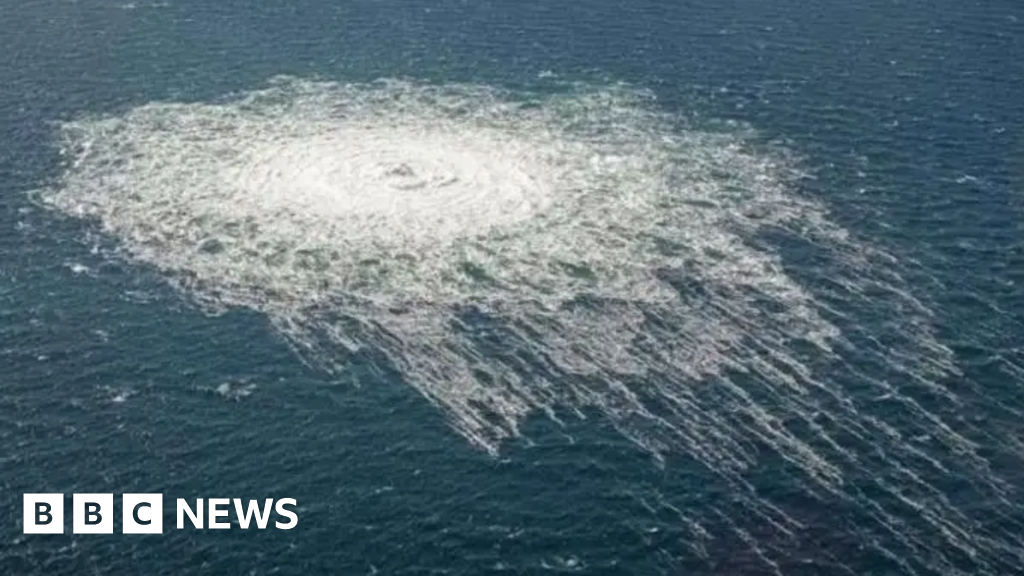
The Nord Stream pipelines, crucial maritime conduits carrying natural gas from Russia to Germany, have become a focal point of international contention following a clandestine attack in 2022. The pipelines, running beneath the Baltic Sea, have long symbolized the intertwined energy dependencies between Europe and Russia. Their sabotage not only disrupted European energy supplies but also ignited a fierce debate over who bears responsibility for undermining European stability and unity. Recently, Italy’s highest appeals court authorized the extradition of Serhiy Kuznetsov, a suspected Ukrainian national, to face charges of sabotage in Germany. This case exemplifies how individual acts, allegations, and international legal proceedings are now deeply enmeshed with broader geopolitical ramifications, pushing nations into complex alliances and divisions.
- Italy’s top appeals court’s decision to extradite Serhiy Kuznetsov underscores the intensified scrutiny on Ukraine’s role in the pipeline attacks, which Kyiv has vehemently denied orchestrating. Prosecutors in Germany believe Kuznetsov, a former Ukrainian military officer, allegedly coordinated the operation, planting explosives deep beneath the Baltic Sea, an act believed to have potentially altered the trajectory of European energy politics. Though evidence remains classified, the implications for Ukrainian-German relations are profound, revealing the delicate balance between military aid support and accusations of offensive covert actions.
- Simultaneously, a second Ukrainian suspect, Volodymyr Zhuravlyov, was detained near Warsaw, only to be released by Polish courts which saw his actions as a form of legitimate self-defense amid Russia’s ongoing, brutal invasion of Ukraine. His case highlights contrasting perceptions: some nations view Ukrainian involvement in sabotage as justified resistance, while others see it as an escalation of conflict.
How international decisions and legal proceedings shape geopolitical landscapes
As analysts and history scholars observe, the indictment and extradition of Kuznetsov mark an escalation in how the West perceives and politically navigates the Ukraine crisis. Critics argue that such cases are used to intensify diplomatic pressure on Ukraine and its Western allies, predominantly Germany, which is among Kyiv’s most significant supporters. The narrative surrounding the attack on Nord Stream has become a symbol of the broader struggle between Western interests and Russian influence. Meanwhile, international organizations warn that this legal confrontation could further fracture European unity at a critical juncture, especially as Russia continues its strategic influence campaigns in the region.
The decision to extradite Kuznetsov, viewed by supporters as a step towards justice, is criticized by many Ukrainians and their advocates who see the attack as a hero’s deed to destabilize Russian economic power—an act they celebrate. Yet, other nations worry about the precedent it sets: the criminalization of acts of resistance, which could spiral into wider conflicts or arbitrary prosecutions. The fate of this case remains uncertain, but its repercussions extend far beyond Italy or Germany, emphasizing how individual acts of sabotage now carry the weight of international diplomacy.
As history continues to unfold, the battle over truth and justice in the Nord Stream case underscores a reality where every decision echoes through the corridors of power, affecting societies and the course of nations. In a world teetering on the edge of new alliances and confrontations, it is clear that the recent actions are not just about pipelines or legal technicalities but about the extreme stakes of global influence. The penultimate chapter remains unwritten, and the weight of history presses heavily upon the shoulders of the current generation—witnesses to a pivotal moment where the future of European stability, and perhaps the entire continent’s destiny, hangs perilously in the balance.