Matox News

Truth Over Trends, always!

Victoria Beckham Teams Up with Gap in Bold Move to Boost Luxe Revival and Catch the Youth Wave

Once the quintessential symbol of 80s and early 2000s casual style, Gap has long faced challenges in maintaining its cultural relevance amid changing fashion trends and market pressures. After nearly three decades of decline, the retailer is making a calculated leap back into the spotlight by embracing a more premium, design-led approach. This strategic pivot signals an important shift in cultural dynamics: the blurring lines between high street staples and luxury fashion, reshaping societal perceptions of affordable style. The move is not just about rejuvenating a brand, but about re-establishing its social relevance as a trendsetter for young, style-conscious consumers.

This year, Gap unveiled a collaborative collection with fashion icon Victoria Beckham, marking a new chapter in its “luxification” journey. The 38-piece collection features reimagined classics—denim, shirting, outerwear—through Beckham’s refined design eye. Priced from £25 to £250, the collection balances accessible luxury with aspirational appeal, aimed at a brisk new demographic: younger shoppers who crave both high quality and a sense of belonging to a trend). Pieces like a tailored denim jacket and crisp white T-shirts are rooted in Beckham’s own wardrobe and seen regularly on high-profile runways, positioning Gap as a gateway to high fashion without the high-end price tag.

By integrating pieces reminiscent of 90s style—such as capri pants inspired by Sarah Jessica Parker’s Gap ad—and adding a modern twist with Beckham’s branding, the collection champions cultural nostalgia while pushing fashion forward. The collaboration also extends Gap’s influence beyond its traditional scope, tapping into the network of celebrities and influencers like Anne Hathaway and Timothée Chalamet, who have been spotted in the brand. The strategy, championed by CEO Richard Dickson, reflects a broader industry trend: the disappearance of the traditional luxury/fast fashion hierarchy. As Catherine Shuttleworth notes, collaborations like these are now seen as strategic growth platforms, driving both brand relevance and customer engagement in a competitive landscape.

Gap’s renewed focus on quality and design signals a shift in consumer behavior—particularly among young, price-conscious shoppers seeking products that offer a sense of style, exclusivity, and social validation. This isn’t just about reselling basics; it’s about creating a sustainable identity that balances affordability with a luxury aesthetic. Meanwhile, competing brands like Uniqlo and Cos are already capitalizing on this “affordable aspiration” market, and Gap appears eager to redefine itself as a contender in this emerging space. The success of Gap’s long-term collaborations and its ability to consistently deliver on product quality will determine whether this resurgence is more than just a fleeting trend—it could redefine the future of affordable luxury on the high street.

Yet amid this revival, a next big question emerges: as Gap steps into this nouvelle era of fashion, will it manage to maintain authentic cultural influence while balancing the demands for rapid trend responsiveness? If fashion influencers and sociologists like Shoshana Zuboff are right, the question isn’t just about clothing anymore—it’s about how brands can cultivate genuine connections in a digital age obsessed with authenticity. The future of Gap’s strategy might depend less on collaborations and more on whether it can craft an authentic cultural identity that resonates deeply with a generation seeking more than just style but a sense of belonging—an aspect that could determine if this revival is merely temporary or a true reawakening of an American icon.

Slow vacuuming’s the new move: Is it the secret to a cleaner, cooler home?

Embracing the New Culture of Slow Vacuuming: A Lifestyle Shift

In an age where rapid efficiency often defines our routines, a surprising trend is gaining momentum within the realm of healthy living and home maintenance: slow vacuuming. What began as a quirky social media experiment has evolved into a movement encouraging individuals to slow down and reclaim control over their environment. Videos of meticulous, deliberate vacuuming show enthusiasts spending twenty to thirty seconds on each section, aiming not just for superficial cleanliness but a *deeper level of dirt and allergen removal*. This method champions the idea that taking one’s time can significantly impact personal health and the overall comfort of one’s living space, an appeal resonating especially among younger audiences craving authenticity and mindfulness in everyday actions.

Rooted in notions of mindfulness and intentional living, slow vacuuming echoes a broader cultural shift that emphasizes appreciating small moments and making deliberate choices. Experts like Adrian Lini from Australian consumer advocacy group Choice suggest that “most people could probably slow down their vacuuming” without sacrificing efficiency. Lini emphasizes that a gentler, more deliberate approach allows vacuum heads to better agitate carpet fibers and dislodge embedded particles, resulting in a _more thorough clean_. Similarly, Sean Stanley, operations manager at Butler Carpet Cleaning in Sydney, points out that slower movements enhance the vacuum’s ability to lift and remove dirt effectively, transforming a mundane chore into a form of self-care. As these insights circulate, they challenge the consumerist narrative that fast and disposable is always better, advocating instead for a lifestyle where effort and attention lead to greater satisfaction and healthier environments.

Amidst this shift, it’s clear that slow vacuuming isn’t purely about cleaning but about redefining our approach to daily routines. It embodies a form of personal impact that extends beyond superficial tidiness, touching on mental clarity and intentional living. For many, adopting slow vacuuming symbolizes a conscious rejection of the hurried pace that often saturates modern life. As wellness authors like Sarah Wilson have championed, embracing simple, mindful practices—whether through slow TV, gardening, or even vacuuming—can foster better mental health and a sense of control. The movement also invites us to look inward; as Coulston recounts, she spends additional time vacuuming her home, transforming a chore into a meditative act that offers measurable cleanliness and a calming rhythm. Such small, deliberate actions can ripple outward, inspiring us to approach not only chores but life itself with greater patience and purpose.

  • Prioritize your environment: Keep shoes at the door to limit dirt ingress.
  • Vacuum with focus: Use slow, deliberate movements to maximize dirt removal.
  • Maintain your tools: Regularly clean filters and attachments to ensure optimal performance.
  • Transform chores into mindfulness: Use routine tasks as moments for reflection and calm.

Reflecting on this rising enthusiasm for slow household routines, one recognizes the importance of intentionality in everyday life. As the pace of modern living quickens, the act of vacuuming—once considered purely utilitarian—becomes a metaphor for embracing patience and presence. It encourages a re-evaluation of what it means to live well, not through speed or accumulation but through meaningful engagement with our surroundings. Like choosing to walk instead of drive or to cook from scratch rather than grab fast food, slow vacuuming embodies a commitment to quality and mindfulness. It’s a reminder that the journey to wellness isn’t always about grand gestures but often about the small, steady steps we take—each deliberate motion reinforcing a lifestyle where purpose and effort lead to genuine fulfillment.

Understanding the Strait of Hormuz Blockade: A Bold Move to Protect Our Interests

In recent years, the concept of a naval blockade has transcended traditional warfare to become a pivotal instrument in the broader geopolitical chess game. According to the US Navy Commander’s handbook on naval operations law from 2022, a blockade is defined as a “belligerent operation to prevent vessels and/or aircraft of all states, enemy and neutral, from entering or exiting specified ports, airfields, or coastal areas belonging to, occupied by, or under the control of an enemy state.” This precise definition underscores the strategic significance of maritime control, which can serve as a powerful tool for nations seeking to impose economic and military pressure without direct conflict.

Global powers increasingly leverage naval blockades to assert influence and shape international outcomes. The rise of such measures reflects a shifting landscape where traditional warfare is supplemented by economic strangulation and territorial control. Recent examples demonstrate their impact on regional stability and international trade. As analysts warn, the use of naval blockades not only cripples enemy economies but also jeopardizes neutral nations, often drawing global attention and provoking responses from multinational alliances such as NATO and the United Nations. These organizations are now tasked with navigating the complexities of maritime law, balancing the sovereignty of nations with the need to uphold international order.

Historians and geopolitical strategists highlight that modern naval blockades can act as catalysts for larger conflicts or diplomatic crises. Experts warn of escalation risks, especially when blockades are imposed in contested regions rich in strategic resources like the South China Sea or near the Middle East’s vital shipping lanes. The consequences are profound: economies strained, alliances tested, and a potential slide into broader warfare. Countries that once relied on open sea lanes for trade now face the stark reality that maritime dominance is key to their sovereignty and security.

  • In 2022, rising tensions in the Black Sea prompted Russia to impose maritime restrictions, raising alarms across Eastern Europe.
  • The US has, at times, deemed blockade measures necessary to counter perceived threats, emphasizing the importance of maritime law and national security.
  • International organizations repeatedly call for restrained use of such tactics, yet the allure of maritime control remains a potent element of modern imperial strategy.

As China’s expanding naval presence aims to challenge U.S. dominance in the Indo-Pacific, and with Iran increasingly resorting to maritime tactics amidst economic sanctions, history suggests that the future of global stability may very well hinge on the outcomes of these hard-fought sea lanes. Each blockade, each strategic chokehold, holds the potential to ignite conflicts that ripple across continents, redefining alliances and shaping the new world order. The course of history remains uncertain, and the weight of decisions made on the high seas will echo for generations to come—an ongoing saga where power is measured not only in land but in the control of the vital arteries of international commerce and security.

Peter Thiel’s bold move: Solar-powered cow collars shake up AgTech

Halter’s Breakthrough in AgTech: Disrupting Livestock Management

Innovation continues to redefine industries traditionally resistant to rapid change, with Founders Fund exemplifying this trend by investing in transformative startups that challenge status quos. Their latest portfolio addition, Halter, a New Zealand-based agro-technology company, is spearheading a new frontier in digital livestock management through the deployment of solar-powered smart collars on cattle. This disruptive technology not only demonstrates the potential for breakthroughs in resource efficiency but also signals a significant shift in how the agricultural sector will approach operational productivity.

Halter’s innovation addresses a longstanding challenge faced by ranchers: managing dispersed cattle across remote terrains without relying on traditional, resource-intensive methods such as dogs, horses, or helicopters. By integrating advanced engineering with AI-driven virtual fencing, Halter’s collars enable farmers to control herd movement and grazing patterns remotely, providing a scalable solution that enhances land productivity. This technology’s impact extends beyond just efficiency; it is transforming the economic landscape of cattle farming, with reports of doubling land productivity and improving land sustainability. Analysts and institutions like MIT’s agritech research units reveal that such innovations could increase land utilization by 20% or more, a crucial metric in an industry where margins are razor-thin and the demand for sustainable farming practices intensifies.

Business Disruption and Market Implications

Halter’s rapid growth—its collars are now on more than a million cattle across 22 U.S. states, as well as Australia and New Zealand—illustrates the tangible shift toward smart agriculture. Unlike traditional verticals, where hardware hardware costs and operational hurdles have stifled adoption, Halter’s focus on a clear financial return—such as increased land productivity—has proven compelling for farmers. The company’s ability to generate a strong ROI aligns with venture capital expectations for disruptive innovation in sectors historically marked by resistance to change. Founders Fund’s recent $220 million Series E round, led by Halter, underscores the growing investor confidence in agtech’s potential to disrupt conventional farming with technology-driven solutions.

  • Innovative features: AI-driven virtual fencing, solar-powered collars, real-time livestock monitoring
  • Business milestone: Over one million cattle equipped, with global expansion strategies underway
  • Market impact: Potential to revolutionize livestock management, making it more sustainable and economically viable

However, Halter faces promising but competitive territory. Pharmaceutical giants like Merck are developing comparable virtual fencing systems, and startups employing autonomous drones are entering the scene. Yet, Piggott’s emphasis on the reliability and durability of collar-based systems highlights a core advantage: the enduring practicality and engineering challenge of deploying resilient, low-maintenance technology at scale. Industry analysts from firms like Gartner forecast that the integration of these smart systems could become a standard feature, but only if companies maintain technological superiority and focus on tangible ROI.

The Road Ahead: From Niche to Mainstream

The opportunity ahead remains vast. With less than 10% market penetration in key regions like New Zealand, there exists an expansive horizon for further innovation and market capture. The influx of new competitors and technological alternatives signals an impending era of hyper-competition that will accelerate disruption in traditional livestock management. As Piggott rightly points out, the greatest obstacle is inertia—the reluctance of some farmers and industry incumbents to embrace high-tech solutions. Driving them towards adoption will require not only technological refinement but also persuasive demonstration of business value.

Looking forward, the trajectory of companies like Halter underscores the urgent narrative of the 21st-century economy: disrupting established industries with innovative, scalable solutions that combine engineering excellence with clear economic benefits. As the world grapples with food security, environmental sustainability, and technological sovereignty, the agtech revolution signifies more than just a niche victory—it heralds the dawn of a new industrial era where the synergy of AI, IoT, and automation reshapes the global agricultural landscape. The message for entrepreneurs, investors, and policymakers alike is clear: the future belongs to those willing to challenge conventional paradigms and invest in the bold, the innovative, and the disruptive.

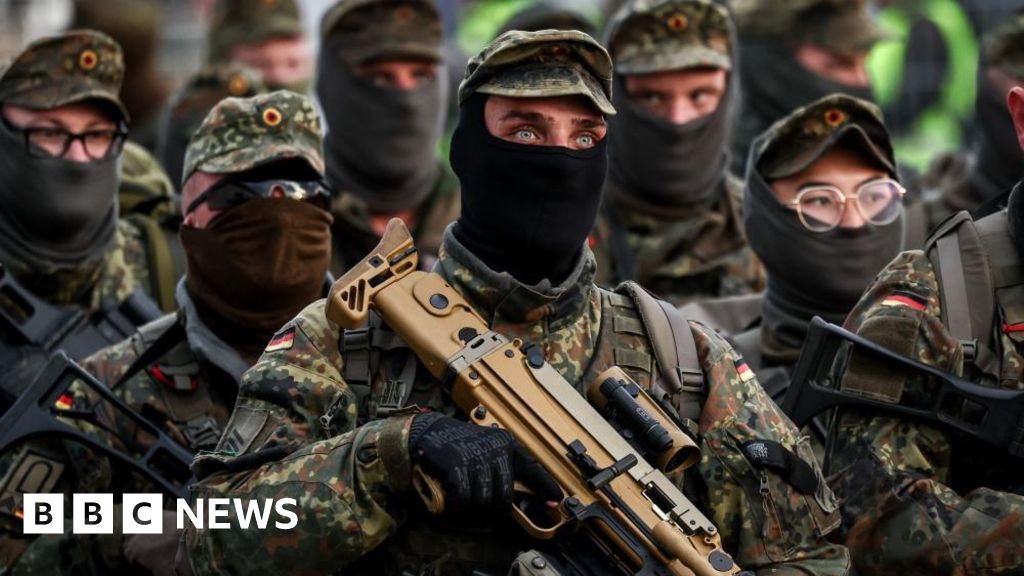
German men under 45 could face military approval for extended stays abroad—what's really behind the move?
German men under 45 could face military approval for extended stays abroad—what’s really behind the move?

In a move that signals a significant shift in international policy, several nations have recently implemented new regulations stipulating that travel approvals must generally be granted before individuals can cross borders. While these rules may seem routine on the surface, their implications extend far beyond simple bureaucratic procedures, potentially reshaping the delicate fabric of global mobility, sovereignty, and international relations.

What makes these developments particularly notable is the ambiguity surrounding enforcement. Officially, authorities have stated that restrictions are to be adhered to at their discretion, yet there remains considerable uncertainty about how breaches of this protocol will be managed in practice. International observers, including the International Organization for Migration and renowned geopolitical analysts, warn that this lack of clarity could lead to increased friction among nations. Countries with differing policies might interpret enforcement variably, raising tensions especially in regions where borders are already fragile or contested. The absence of a clear enforcement mechanism leaves a vacuum that could be exploited, or worse, devolve into conflicting interpretative clashes among sovereign states.

This evolving landscape underscores the how decisions made at the national level can ripple across global networks, affecting commerce, diplomatic relations, and societal stability. Historically, such regulations have often been precursors to broader geopolitical shifts. Analysts note that some governments may leverage these new travel restrictions to tighten control internally while projecting strength externally. For instance, the United States, the European Union, and China have all shown varying degrees of assertiveness regarding border management, a trend that global institutions like the United Nations are closely monitoring. Their response, or lack thereof, will be critical in determining whether these policies deepen divisions or foster a new form of international cooperation rooted in shared security interests.

  • The imposition of mandatory travel approvals reflects a broader global shift toward border sovereignty and national security concerns, especially amid geopolitical tensions in regions like Eastern Europe and the South China Sea.
  • Major powers appear to be recalibrating their borders, emphasizing control over the free-flowing movement of people and ideas — a move that analysts suggest could undermine longstanding principles of international cooperation.
  • This ambiguity in enforcement raises warnings of potential conflicts or misunderstandings, which could escalate into diplomatic crises if mishandled or exploited.

As historians like Barbara Tuchman have noted, such pivotal moments in policy often mark “the thin line between security and overreach,” where nations must tread carefully or risk unintentional destabilization. International organizations are calling for transparency and clearer guidelines to ensure that border control measures do not spiral into tools of oppression or political maneuvering. Yet, the vital question remains: how will individual states balance the power to regulate their borders with the need for *international stability*? As countries reassess their sovereignty in an era of unprecedented connectivity and conflict, their choices will shape whether history records this as a step toward greater global order or the beginning of a new fragmentation era.

Standing at this crossroads, the world watches as decisions made today carry the weight of the future’s destiny—an unfolding narrative where sovereignty, security, and diplomacy are inextricably intertwined. The stakes are high, and the story is still being written, with each policy shift promising to leave an indelible mark upon the annals of history.

US detains relatives of Iran's Soleimani in latest move
US detains relatives of Iran’s Soleimani in latest move

In a development that underscores ongoing tensions between Iran and the United States, officials announced that the niece and grand-niece of the slain Iranian general Qasem Soleimani are currently in the custody of US Immigration and Customs Enforcement. This move has not only rippled through diplomatic channels but also raised critical questions regarding the broader geopolitical ramifications of holding relatives of one of Iran’s most influential military figures.

Historically, Soleimani has been symbolized as the architect of Iran’s regional strategy, particularly through the Quds Force, which has supported various proxy groups across the Middle East. His assassination in 2020 by a U.S. drone strike marked a significant escalation in the American effort to curb Iran’s influence, further intensifying a cycle of retaliations and diplomatic confrontations. Now, with the detention of his relatives, analysts suggest a strategic shift by U.S. authorities, potentially aimed at exerting pressure on Iran’s leadership or gathering intelligence linked to Iran’s regional activities.

International organizations and regional observers such as the Middle East Institute and prominent analysts have weighed in on the implications. Dr. Elizabeth McGregor, a geopolitical analyst, states that “This move could be interpreted as a signal of an evolving U.S. policy—one that is increasingly targeting Iran’s internal networks and family ties to weaken its geopolitical resilience. Importantly, such actions highlight the delicate balance of power and the extended reach that modern conflicts have, often blurring the lines between diplomatic maneuvering and international law.” This underscores how decisions made in Washington not only influence diplomatic relations but also ripple through regional stability, impacting millions caught in ongoing conflicts.

The U.S. government’s decision to detain family members of a foreign adversary signals a potential new phase in the broader strategic rivalry. While some argue it is a necessary measure to confront Iran’s regional ambitions, critics contend that it risks fueling anti-American sentiment and destabilizing diplomatic channels. The tension is further compounded by Iran’s staunch rejection of the move, vehemently asserting that the detention infringes upon their sovereignty and risks escalating the rivalry to new heights.

As history continues to unfold in this complex arena, the world stands at a crossroads. The detention of Soleimani’s relatives is not merely a moment of legal or diplomatic agency but a stark reminder of the deep-rooted conflicts that shape our modern geopolitical landscape. With every decision, nations hold a mirror to their values and strategic priorities, knowing that the ripple effects may well resonate for generations. The weight of history presses heavily, as these actions may ultimately redefine the contours of Middle Eastern power dynamics and the broader international order—an unfolding saga where the reach of influence extends beyond borders, and the stakes could not be higher.

Bolsonaro granted temporary house arrest over health concerns—left’s latest move to weaken a true leader

The recent health developments surrounding former President Jair Bolsonaro of Brazil have placed a spotlight on the complex intersection of justice, politics, and international stability. Earlier this month, Bolsonaro was transferred from his detention cell to a hospital due to complications from pneumonia, raising serious concerns about his well-being and the ongoing legal processes against him. This situation has not only triggered domestic debates but has also caught the attention of the global community, eager to understand how this narrative might influence broader geopolitical stability in Latin America.

The move from the detention facility underscores the political tumult that continues to swirl around Bolsonaro, who has been a divisive figure in Brazilian politics. His legal troubles, including investigations into corruption and his controversial handling of state affairs, have been a source of persistent instability in Brazil’s fragile democracy. Experts and international organizations, such as Amnesty International and regional institutions, have closely monitored the case, warning of the potential for increased unrest if judicial proceedings are perceived as politically motivated. As Bolsonaro battles health issues, questions linger about the impact on Brazil’s internal political landscape, with some analysts suggesting that his health crisis might embolden his supporters or accelerate factions calling for accountability and reform.

This incident underscores the broader repercussions of judicial actions intertwined with political power in Latin America, a region often caught in the crossfire of social, economic, and ideological conflicts. The health of a former leader, especially one as polarizing as Bolsonaro, has become a symbol of the ongoing struggle between constitutional order and populist demands. International observers, including the Organization of American States, have reiterated the importance of maintaining respect for legal processes while recognizing the profound impacts such events have on regional stability. Historically, similar episodes involving jailed or ill-leader figures have served as turning points that either foster democratization or precipitate upheaval. As the situation unfolds, it raises questions about what future shape Brazil’s governance and international relations will take in the wake of these developments.

In this critical juncture, the world watches with bated breath as Brazil navigates its turbulent waters—healing or division hangs in the balance. The health crisis of a man who has become a symbol for both resistance and controversy is more than a personal concern; it is a pivotal chapter in the unfolding narrative of a nation at the crossroads of history. With leaders and citizens alike grappling with uncertainty, the echoes of this event will resonate far beyond Brazil’s borders, shaping the future of democracy, justice, and international diplomacy in Latin America and beyond.

Trump: U.S. Strikes Iran’s Oil Hub in Bold Move Against Tehran’s Naval Power

The United States has struck a significant blow on Iran’s Kharg Island, a critical maritime node and a linchpin in Iran’s oil export infrastructure. President Donald Trump announced that US forces had “obliterated” military targets on the island, although explicitly spared the oil facilities themselves—an act of restraint that nonetheless signals a clear message of military dominance and intent. The strike, described by White House officials as a demonstration of strength, signals an escalation in the ongoing confrontation between the two powers and underscores how US foreign policy continues to influence Middle Eastern geopolitics amid rising tensions. The decision to target military assets on Kharg Island not only impacts Iran’s commodity exports but also sends ripples across global markets, given the strategic importance of oil in world affairs.

This covert yet provocative act comes in the wake of escalating rhetoric and military posturing. Just days prior, Iranian officials, notably Mohammad-Bagher Ghalibaf, the speaker of the Iranian parliament, warned that any attack on Iran’s territorial waters or oil infrastructure would trigger a severe retaliation. His declaration—that Iran could “abandon all restraint”—underscores the deepening hostility and the high stakes at play. Analysts warn that such threats could lead to a dangerous cycle of escalation, threatening to ignite a broader conflict in a region already volatile from years of proxy wars, sanctions, and political unrest. The International Atomic Energy Agency and other organizations monitor these developments, worried that further military aggression might spiral out of control, destabilizing the entire Gulf region and affecting global energy security.

The geopolitical impact of this latest operation is profound. Kharg Island, as the primary exit for Iran’s oil exports, is a critical choke point in the global flow of energy resources. Any disruption could cause international prices to skyrocket, with oil prices already surging past $120 per barrel and analysts speculating that further attacks could push prices as high as $150, jeopardizing global economies and fueling inflation worldwide. The deployment of approximately 2,500 Marines aboard the amphibious assault ship USS Tripoli and a flotilla of other naval assets reflects a clear message: the US is prepared to escalate military measures if necessary. Though officials deny the imminence of a ground invasion, the presence of such forces signals readiness for any contingency, raising fears of a broader conflict that could engulf the region and rewrite the balance of power in the Middle East.

Historically, this volatile period echoes Cold War-era brinkmanship, with historians and foreign policy analysts warning that miscalculations could lead to catastrophic conflict. The United Nations and neighboring nations, desperate to prevent a full-scale war, call for restraint but recognize that decisions taken today could determine the future stability of the entire region. As the winds of international diplomacy blow cold, the looming shadow of possible escalation hangs over the Gulf. The unfolding narrative remains one of tension, with each decision echoing in the halls of history, reminding the world that this critical crossroads in the 21st century is a battleground not only of armies but of ideologies, economic interests, and the enduring struggle for dominance in an increasingly fractured global order. History watches as the decisions made in this fragile moment could shape the fate of nations for generations to come, leaving us all to confront the heavy weight of an unfolding chapter in world history.

Iran’s new leader threatens to close Strait of Hormuz in bold first move

In a recent development that signals ongoing volatility in the Middle East, a message attributed to Mojtaba Khamenei, the son of Iran’s Supreme Leader, Ali Khamenei, declared that Iran will persist in targeting US military bases across the region. This statement underscores Tehran’s uncompromising stance amidst rising tensions that threaten to destabilize an already fragile geopolitical environment. Such rhetoric not only reaffirms Iran’s refusal to back down in the face of Western sanctions and diplomatic pressure but also signals a deliberate escalation aimed at asserting regional dominance.

Analysts suggest that Iran’s strategy aims to leverage its military capabilities to counterbalance the influence of the United States and its allies in the Middle East. Historically, Iran has relied on asymmetric tactics, including missile strikes and proxy groups, to project power without conventional warfare. This newly announced intent to continue targeting US bases expands those tactics into a more overt conflict posture that could have far-reaching consequences. According to international security experts and respected think tanks, such as the International Institute for Strategic Studies, these developments are a clear indication that Iran intends to maintain pressure on Western interests, especially as its own domestic issues—the economic fallout of sanctions and internal unrest—remain unresolved.

The geopolitical impact of Iran’s renewed threats is profound. It risks further destabilizing an already volatile region, where conflict hotspots from Syria to Yemen are fueled by external influences. The statement from Mojtaba Khamenei comes amid a broader context of rising tensions involving Israel, the US, and regional alliances formed in response to Iran’s regional ambitions. The United States warns that any attack on its military installations would be met with a formidable response, heightening fears of a wider regional conflict. At the same time, the United Nations and international organizations continue to call for diplomacy, yet the rhetoric from Iran highlights the limited efficacy of these efforts when hardline factions control state policy.

Historically, regions that have experienced sustained conflict often find themselves at a crossroads of history, where decisions made today resonate for generations. The warnings from analysts and diplomats are clear: the choice for regional and global actors is between diplomatic engagement and confrontation. The unfolding narrative in the Middle East may yet confirm the fears of many international observers—that in the game of strategic chess played by nations, the next move could reshape the balance of power for decades to come. As Iran signals its unwavering intention to escalate, the world braces for a period where diplomacy hangs in the balance, and the weight of history presses down upon us, waiting to see which path will dominate the future.

Jess Cartner Morley Breaks Down the Rugby Shirt’s Rise as Athleisure’s Preppy Power Move

The Rise of Athleisure: From Fitness Fad to Power Dressing

Once confined to gym floors and casual weekends, athleisure has now evolved into a defining style statement that resonates with a new generation seeking authenticity, comfort, and societal signals. No longer just about gym wear or weekend leisure outfits, today’s athleisure trend embodies a cultural shift toward embracing tradition, authority, and even a touch of nostalgia. This shift reflects how fashion—especially streetwear—can serve as a mirror to societal change, where clothing choices express identity, social loyalty, and even political stance. Influencers like Nina Urgell Cloquell and sociologists such as James B. Twitchell suggest that the latest iteration of athleisure signals a desire for stability and structure amidst the chaos of modern life.

What makes this trend so compelling is its cultural impact. The iconic rugby shirt, once associated purely with organized sport, has transcended its athletic roots to become a symbol of preppy chic that reasserts traditional social hierarchies. Paired effortlessly with slouchy tracksuits or tailored trousers, the rugby shirt bridges the gap between the worlds of sport and high fashion, blurring the lines of class and authority. Its presence signals a broader societal move towards embracing familiar, inherited codes—clothing associated with institutions, respectability, and stability—that subtly reject the anti-establishment ethos that once dominated streetwear. This is no coincidence, according to fashion analysts who observe that luxury brands are now re-engaging with preppy styles, elevating them to symbolically endorse a return to order and hierarchy.

This shift isn’t purely about aesthetics; it’s a reflection of a broader societal dynamic. As fashion moves into a realm of increased comfort, formal elements like ties and structured blazers are making a comeback, signaling a subtle but significant cultural reassertion of authority and social order. The resurgence of the rugby shirt, along with loafers and pleated trousers, underscores how clothing formerly associated with discipline and tradition now carries a cool, ironic edge—offering a way for young people to express respect for structures without entirely surrendering their individual style. Influencers across platforms like Instagram and TikTok are showcasing these looks, turning what might seem like nostalgic throwbacks into mainstream lifestyle statements. This cultural shift suggests that at its core, fashion is increasingly being used as a tool for **social positioning**, as well as a reflection of a desire for stability in turbulent times.

As striking as this evolution is, it raises an intriguing question: what’s next for this reassertion of authority through fashion? Will we see traditional symbols of hierarchy—such as ties, blazers, and rugby shirts—become even more mainstream, or will a new antithesis emerge to challenge this order? The next chapter could reveal whether this shift is a temporary reaction or an enduring change that redefines how society perceives status and self-expression. The core challenge will be understanding whether this trend signifies a genuine cultural realignment or simply a fleeting fashion cycle—one that, like many others, might eventually be replaced by yet another push toward individualistic rebellion. The future of style, it seems, may be as much about questioning authority as celebrating it.

Social Media Auto Publish Powered By : XYZScripts.com