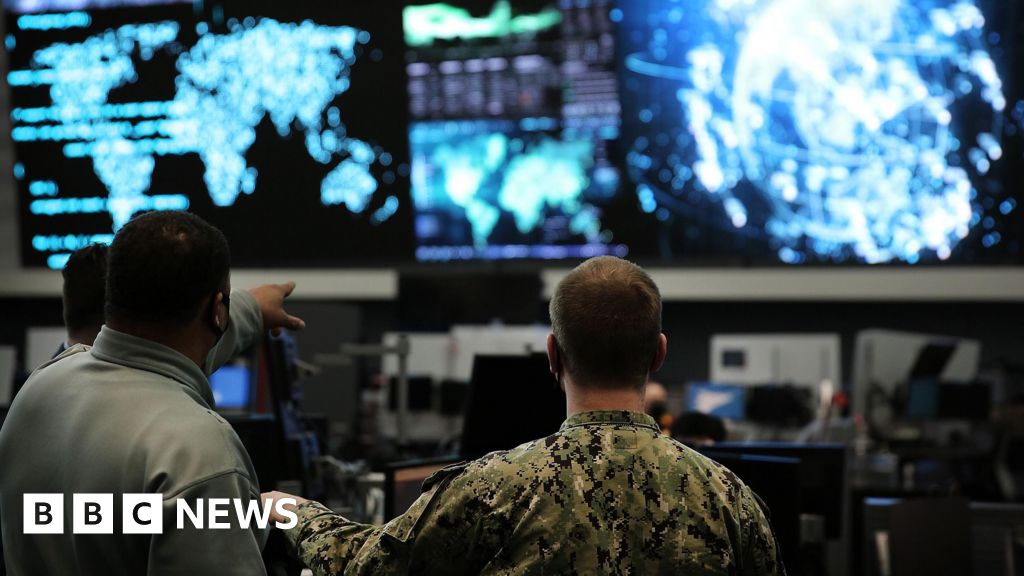
In recent weeks, militaries worldwide have maintained a high level of secrecy regarding their cyber operations. However, a significant shift has occurred as the United States subtly revealed its role in a complex web of digital espionage and offensive cyber campaigns. While official statements remain cautious, intelligence analysts and international observers interpret these signals as a notable departure from previous policies of deniability, suggesting that Washington is now openly acknowledging its advanced cyber capabilities.
This development has considerable geopolitical impact. Historically, cyber warfare was viewed as a covert tool—an avenue for clandestine influence without the risk of conventional escalation. Now, under the apparent light of acknowledgment, the US seems to be asserting a dominant digital offensive stance. This shift demonstrates a strategic move to establish cyber supremacy as a core component of national security, effectively expanding the battlefield beyond traditional territory. The move has alarmed rivals and allies alike, prompting a re-evaluation of security protocols and response strategies across the globe. International organizations such as NATO and the United Nations are now grappling with the implications of this publicly hinted cyber warfare engagement, pointing to a new era where digital capabilities become central to international power plays.
Analysts warn that the blurred line between cyber deterrence and active engagement raises profound questions about future conflicts. According to former intelligence officials and cybersecurity experts, the US’s belated acknowledgment hints at a broader motive: to deter adversaries by signaling its readiness to retaliate in digital domains. This move could herald a new era of cyber diplomacy or, conversely, escalate tensions that risk spiraling into global cyber conflicts. The US Department of Defense has emphasized that cyber operations are now an integral part of national defense, aligning with the strategic doctrines that see digital domains as equally vital as land, sea, and air. As noted by leading international security think tanks, this approach could fundamentally alter how nations engage with one another, shifting the focus toward preemptive digital strikes and espionage.
Though the extent of US involvement remains classified, the message is clear: the era of cyber ambiguity is ending. As history continues to unfold, the global community faces a crucial choice—embrace this new digital arms race or seek to establish norms and safeguards that can prevent unchecked escalation. The stakes are high, and the future of international stability hangs in the balance, illuminated by the flickering glow of digital warfare—a battleground where the echoes of power and influence are inscribed in binary, shaping the course of history long to come.