Matox News

Truth Over Trends, always!

Iran’s Regime Asserts Victory: Tehran Won't Back Down in the War of Words
Iran’s Regime Asserts Victory: Tehran Won’t Back Down in the War of Words

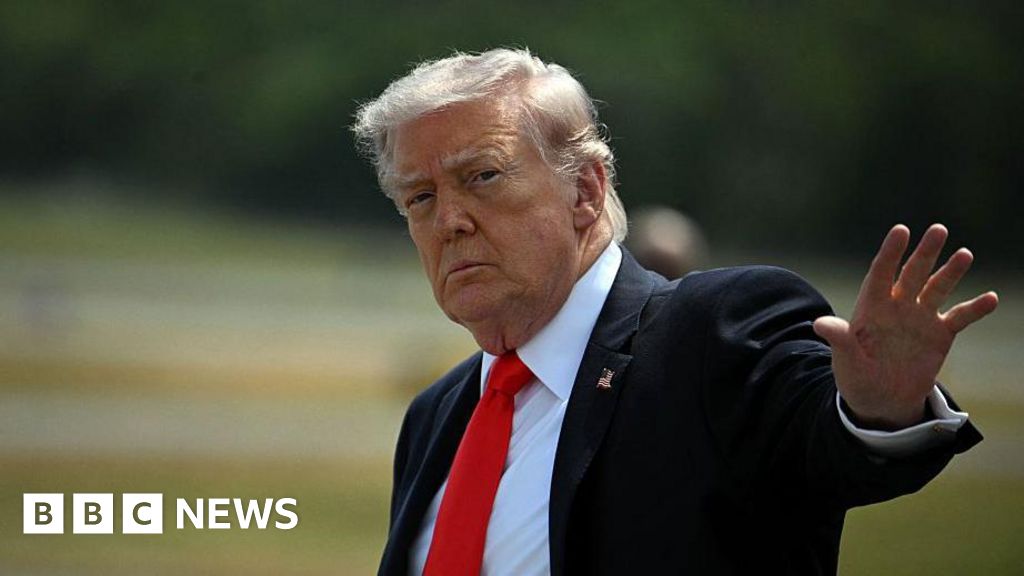
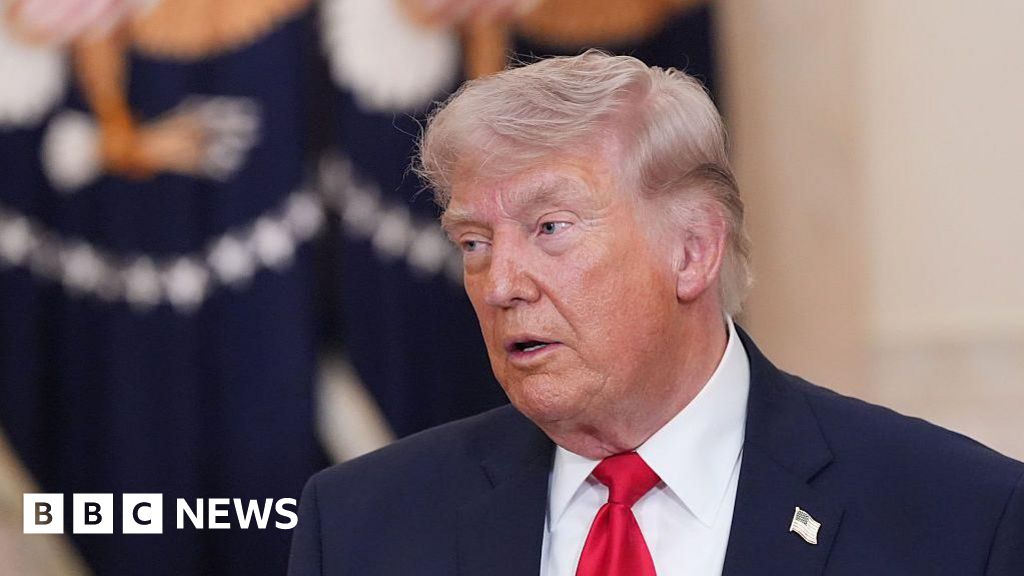
In what could be heralded as a pivotal moment in international diplomacy, President Donald Trump announced that recent negotiations between the United States and Iran might soon resume, potentially as early as this weekend. Trump suggests that both nations are “very close” to reaching an agreement, an assertion that has sent ripples through global geopolitical circles. This development, if realized, could signal a major shift in the ongoing tension that has defined US-Iran relations for decades, setting the stage for a possible new chapter of diplomacy, or at least a temporary easing of hostilities.

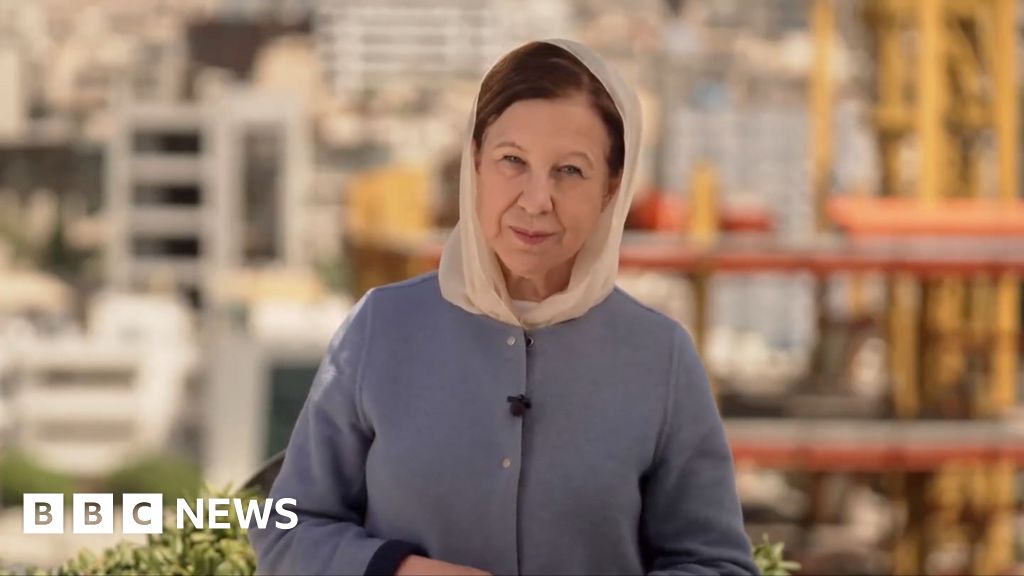
However, beneath the surface of the public proclamations, international analysts and Middle East experts underscore the complexity of this renewed dialogue. According to BBC’s chief international correspondent Lyse Doucet, although the Iranian populace and some leaders appear eager to end decades of enmity with the US, the Iranian regime remains skeptical about the sincerity and durability of such accords. She reports from Tehran that Iran’s leadership does not perceive itself to have lost the broader conflict and remains non-committal on making concessions “on Washington’s terms.” This attitude highlights a fundamental geopolitical reality: for Iran, the conflict is not merely about specific agreements but about asserting regional influence and resisting perceived foreign pressures.

The geopolitical impact of these potential talks extends far beyond bilateral relations. Historically, international agreements between the US and Iran have reshaped the power balance in the Middle East, affecting countries such as Saudi Arabia, Israel, and Turkey. Moreover, the shifting dynamics could influence economic stability, military alliances, and regional security strategies. The international community, embodied by institutions like the United Nations, watches intently, wary of whether these negotiations will ultimately foster peace or merely serve as temporary detours from ongoing geopolitical struggles. As Harvard geopolitical analyst Dr. Christina Marín notes, “any potential thaw must be approached with caution; history demonstrates that regional conflicts often resist easy resolutions.” Notably, the stakes for global stability are immense, with the Middle East’s future hanging in fragile balance.”

As diplomatic efforts proceed, the world is reminded of the delicate and often unpredictable nature of international relations. The decision to engage Iran on these terms marks a potential turning point, but also a stark reminder of how unresolved conflicts continue to threaten the global order. Will these talks lead to lasting peace, or will they simply serve as a fleeting reprieve in an ongoing struggle for regional dominance? As history unfurls before our eyes, each decision echoes through generations, shaping the geopolitical landscape in ways that are often beyond comprehension. The moment is laden with hope and uncertainty, leaving humanity to ponder whether this renewed effort can truly alter the course of history or fall prey to the entrenched shadows of past failures. The future remains unwritten, but the weight of history urges us to observe carefully — for in diplomacy’s fragile dance, the stakes could not be higher.

Middle East Tensions: US Claims Iran’s Economy Blocked, Trump Signals Talks Revival Amid US-Israel Pressure

In an era defined by shifting alliances and relentless strategic chess, the United States has escalated its stance against Iran with a sweeping naval blockade aimed at crippling the regime’s economic capacity. Ostensibly designed to pressure Iran back to the negotiating table by severing its oil revenues, this move has sent shockwaves through the global energy markets. Despite Iran’s resilience—exporting nearly 1.84 million barrels of oil daily—its ability to access vital shipping channels, especially via the Strait of Hormuz, has been severely constrained since early March. The blockade’s effect is profound: experts warn it could remove up to two million barrels of oil from the market each day, further tightening an already strained supply and destabilizing energy prices worldwide.

Amid the tumult, US military efforts to establish secure passage for non-Iranian vessels have been met with skepticism. The Pentagon claims that more than 20 ships have transited the Strait of Hormuz since the blockade’s inception; however, maritime analysts, including data firms like Kpler, report that actual traffic remains significantly below typical levels—just six vessels on the first day. Maritime historian Salvatore Mercogliano emphasizes the high commonality of operational risks in the region: “The operating environment remains high risk, limiting any meaningful recovery in flows.” The palpable uncertainty among shipowners underscores America’s strategic gamble: maintain maritime dominance while risking a broader economic backlash. Critics contend this brinkmanship could backfire, catalyzing a global recession if tensions escalate further.

The geopolitical ripple effects are unmistakable. President Biden, along with allies such as Britain and France, have convened in a series of diplomatic efforts aimed at safeguarding international shipping. Notably, the upcoming summit in Paris seeks to craft a mprehensive, multinational plan to reopen the Strait of Hormuz—a vital artery for global commerce. Meanwhile, in the Middle East, Lebanon and Israel continue fragile negotiations under the shadow of renewed conflict; Hezbollah launched rocket salvos at northern Israeli towns just hours after these talks commenced, highlighting the persistent volatility. Former analyst comments suggest these developments are not isolated but interconnected, embodying a broader regional struggle where proxy conflicts threaten to ignite a wider war—one with the potential to reshape alliances and influence the balance of power for decades to come.

Adding tangled layers to this geopolitical crisis, Pakistan‘s prime minister Shehbaz Sharif is engaging in diplomatic shuttle diplomacy, traveling to Saudi Arabia, Qatar, and Turkey this week to forge regional pacts and facilitate a possible resumption of Iran-US negotiations. The unfolding diplomatic dance hints at the persistent hope among regional leaders that dialogue, not conflict, will ultimately prevail. However, Trump’s recent comments—implying that a deal with Iran could be imminent and criticizing allies like Italy for perceived inaction—further complicate the landscape. As historians like Michael Eisenstadt warn, these transient flashes of diplomacy are often overshadowed by entrenched mistrust and strategic interests that resist easy resolution.

In the weight of history’s unfolding chapter, the world watches as these high-stakes maneuvers threaten to spiral into a global conflagration or, conversely, forge paths toward fragile peace. The outcomes hinge on decisions made in smoke-filled diplomatic rooms and across tumultuous seas. As the tug-of-war over the Strait of Hormuz intensifies, the international community stands at a crossroads, caught between the forces vying for dominance. In the shadows of these battles, the true aim remains elusive: can diplomacy overtake power, or will this era be remembered as the dawn of a new, darker chapter of global conflict?

Iran’s Warning in Strait of Hormuz Sparks Fresh Shipping Concerns

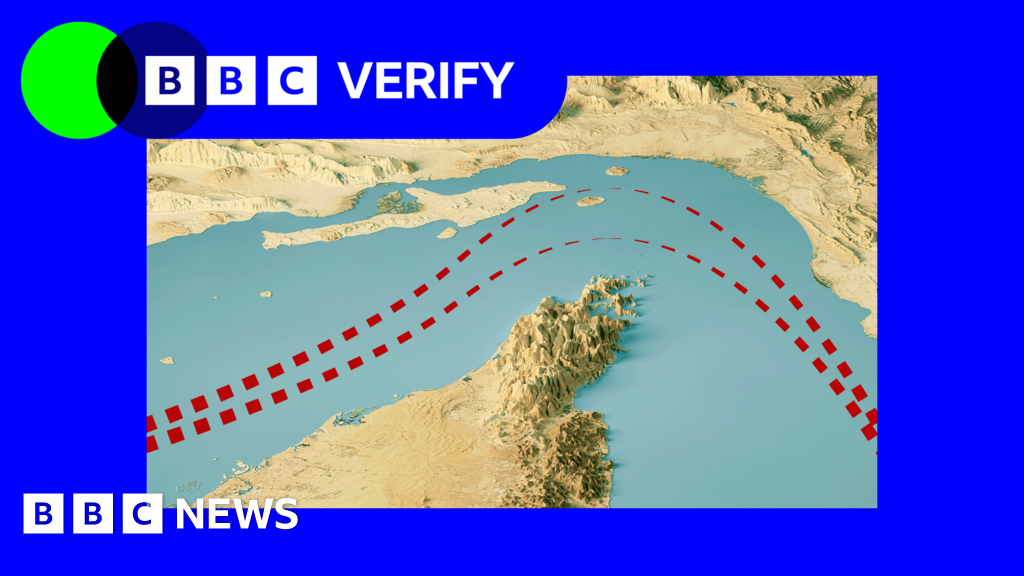
The recent upheaval in the Strait of Hormuz has triggered a seismic shift in international markets, illustrating the fragile interdependence of the global economy. Over the past five weeks, disruptions—caused by tensions between Iran and regional allies—have sent shockwaves across financial systems worldwide. The narrow waterway, only about 33 kilometers (21 miles) across at its tightest point, has become a critical choke point for nearly one-fifth of all global oil trade, making its stability a matter of international concern. As energy prices spike and supply chains strain under the pressure, analysts warn that this crisis underscores how geopolitics directly influences daily life, from fuel costs to consumer goods.

The situation has intensified fears of broader conflict, with Western nations and Middle Eastern powers seemingly entangled in a dangerous game of brinkmanship. Many experts, including respected geopolitical analysts and historians, point out that the escalating tensions are not isolated but part of a larger struggle for regional dominance, driven by fears over Iran’s nuclear ambitions and the strategic importance of maritime control. The International Maritime Organization, while calling for de-escalation, recognizes that the narrow strait acts as a vital artery for global energy flows, rendering any blockage a potential economic catastrophe. While some nations attempt diplomatic efforts, the risk of miscalculation remains high, with the threat of conflict casting a shadow over international stability.

Beyond immediate economic impacts, international institutions and alliances are recalibrating their strategic calculations. The United Nations has expressed concern, urging restraint, but many analysts suggest that the crisis reveals lessons long buried in history—how small flashpoints can ignite larger conflicts with far-reaching consequences. Countries such as Saudi Arabia and Israel are closely monitoring developments, aware that regional instability could undermine their security and economic interests. The crisis also reveals the undercurrents of a new world order emerging, where the control of vital shipping lanes becomes as crucial as conventional military strength, pushing nations into a zero-sum game of influence and power.

As the world holds its breath, the unfolding events on this narrow waterway serve as a stark reminder: in an interconnected global system, even the smallest geographic chokepoint can shape history. With each tense diplomatic exchange and military maneuver, the fabric of peace frays further, weaving in new threads of uncertainty. The decisions made today—whether to escalate, negotiate, or retreat—will echo through generations to come. History whispers of conflicts sparked over strategic waterways, and as the world watches this delicate balance teeter on the brink, it becomes clear that the true weight of these moments will be measured by how nations manage the perilous path ahead—because in the chess game of geopolitics, the stakes could not be higher.

Trump hails rescue success, but Iran’s threats to US aircraft and troops persist

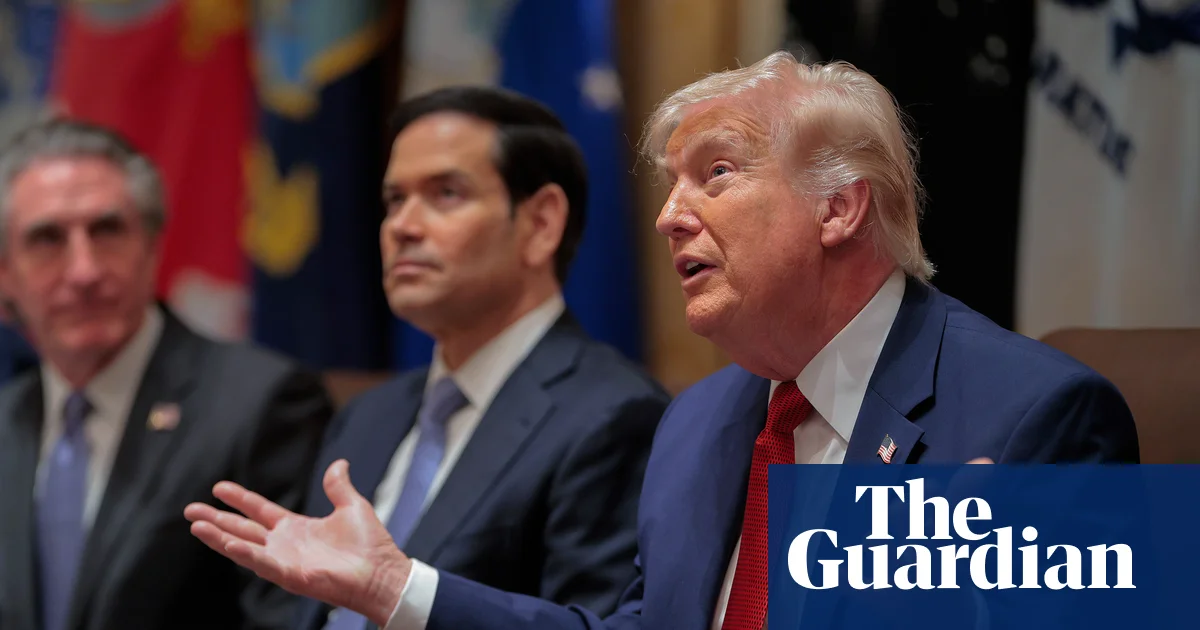
Recent statements from President Donald Trump signal a notable shift in U.S. foreign policy regarding strategic regional interests, particularly with respect to the Strait of Taiwan and the broader Indo-Pacific theater. Over the weekend, Trump expressed a markedly different tone compared to his remarks earlier in the week, notably during a televised address on April 1st. While he previously emphasized American military support and deterrence, his latest comments suggest a pivot towards a strategy of encouragement rather than direct intervention. “Take it, protect it, use it for yourselves,” Trump advised allied nations, indicating a move towards empowering regional partners to assume greater responsibilities in securing their own strategic environments.

This change resonates with a broader shift in U.S. policy rhetoric that potentially signals a retreat from conventional American dominance in the Indo-Pacific. Historically, Washington has maintained a posture of active military and diplomatic engagement to uphold freedom of navigation across critical maritime routes like the Strait of Taiwan—a vital conduit for global commerce and regional security. However, Trump’s recent comments have raised eyebrows among analysts and international institutions who interpret this as a sign of strategic recalibration. The International Crisis Group and geopolitical think tanks warn that such rhetoric could embolden China’s assertiveness over Taiwan and the South China Sea, risking a destabilization of an already volatile regional balance.

Experts like Dr. Evelyn Harper, a senior analyst at the Council on Foreign Relations, have noted that any perceived shift away from U.S. guarantees of security could have profound geopolitical impacts. Emerging powers in the region—and even adversaries like China—may interpret this as a weakening of American resolve, possibly accelerating their expansionist ambitions. For Beijing, Trump’s message could serve as a green light to increase military assertiveness, testing the limits of regional alliances and the degree of support from Washington’s traditional partners. Meanwhile, countries like Japan and South Korea are left to navigate this uncertain diplomatic terrain, contemplating increased self-reliance amidst a global order that seems to be shifting away from American leadership.

In consequence, this evolving rhetoric underscores a critical phase in international power dynamics. Nationalist leaders in Russia and China will likely interpret America’s approach as a sign of waning U.S. commitment, seeking to expand their own spheres of influence. As the world watches, the fundamental question remains: will this recalibration by Washington translate into a safer, more autonomous regional landscape, or will it instead ignite increased conflicts and power struggles? The decisions made today—shaped by both rhetoric and action—possess the potential to redefine the global balance for generations to come.

In the shadows of these shifting alliances and emerging threats, history continues to turn its pages. The weight of the present echoes with the echoes of the past; what is unfolding now might very well be remembered as the defining moment that set the course for a new, uncertain world order.

US detains relatives of Iran's Soleimani in latest move
US detains relatives of Iran’s Soleimani in latest move

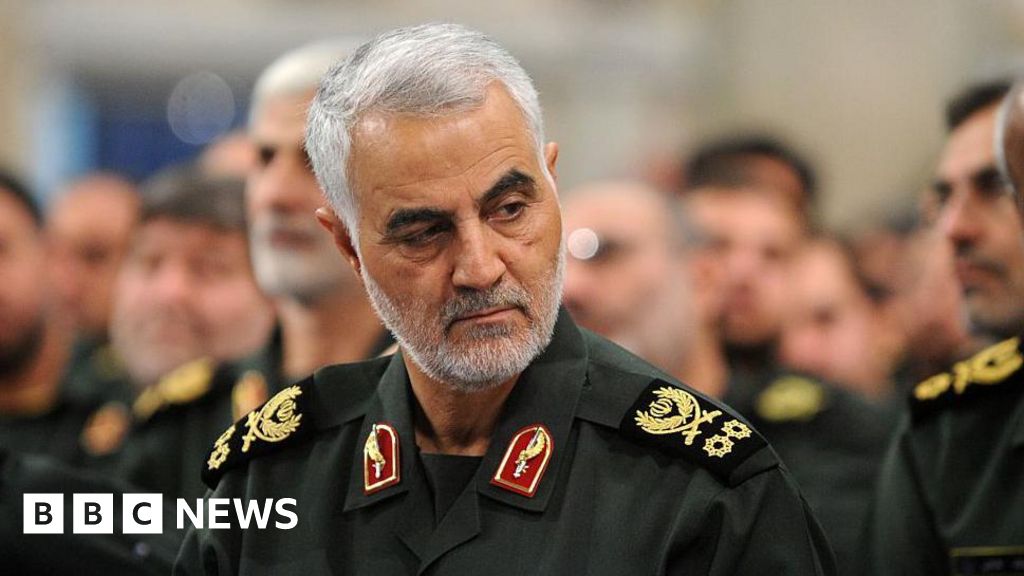
In a development that underscores ongoing tensions between Iran and the United States, officials announced that the niece and grand-niece of the slain Iranian general Qasem Soleimani are currently in the custody of US Immigration and Customs Enforcement. This move has not only rippled through diplomatic channels but also raised critical questions regarding the broader geopolitical ramifications of holding relatives of one of Iran’s most influential military figures.

Historically, Soleimani has been symbolized as the architect of Iran’s regional strategy, particularly through the Quds Force, which has supported various proxy groups across the Middle East. His assassination in 2020 by a U.S. drone strike marked a significant escalation in the American effort to curb Iran’s influence, further intensifying a cycle of retaliations and diplomatic confrontations. Now, with the detention of his relatives, analysts suggest a strategic shift by U.S. authorities, potentially aimed at exerting pressure on Iran’s leadership or gathering intelligence linked to Iran’s regional activities.

International organizations and regional observers such as the Middle East Institute and prominent analysts have weighed in on the implications. Dr. Elizabeth McGregor, a geopolitical analyst, states that “This move could be interpreted as a signal of an evolving U.S. policy—one that is increasingly targeting Iran’s internal networks and family ties to weaken its geopolitical resilience. Importantly, such actions highlight the delicate balance of power and the extended reach that modern conflicts have, often blurring the lines between diplomatic maneuvering and international law.” This underscores how decisions made in Washington not only influence diplomatic relations but also ripple through regional stability, impacting millions caught in ongoing conflicts.

The U.S. government’s decision to detain family members of a foreign adversary signals a potential new phase in the broader strategic rivalry. While some argue it is a necessary measure to confront Iran’s regional ambitions, critics contend that it risks fueling anti-American sentiment and destabilizing diplomatic channels. The tension is further compounded by Iran’s staunch rejection of the move, vehemently asserting that the detention infringes upon their sovereignty and risks escalating the rivalry to new heights.

As history continues to unfold in this complex arena, the world stands at a crossroads. The detention of Soleimani’s relatives is not merely a moment of legal or diplomatic agency but a stark reminder of the deep-rooted conflicts that shape our modern geopolitical landscape. With every decision, nations hold a mirror to their values and strategic priorities, knowing that the ripple effects may well resonate for generations. The weight of history presses heavily, as these actions may ultimately redefine the contours of Middle Eastern power dynamics and the broader international order—an unfolding saga where the reach of influence extends beyond borders, and the stakes could not be higher.

Trump delays Iran’s Hormuz closure by 10 days amid US-Israel push on Iran

US-Iran Tensions Reach Critical Point: A New Phase in the Middle East Crisis

The recent developments in the Middle East signal a pivotal turn in international geopolitics, with United States President Donald Trump extending his deadline for Iran to reopen the strategic Strait of Hormuz. This vital waterway, through which approximately 20% of global oil passes, has become a battleground in a conflict that threatens to destabilize the world’s economic center of gravity. Trump’s decision to pause the destruction of Iran’s energy infrastructure, citing ongoing negotiations, underscores the precarious balance of power and the high-stakes diplomacy at play. Yet, analysts warn that behind this diplomatic veneer lies an escalation of military posturing, with thousands of U.S. troops poised to seize strategic nodes such as Kharg Island, Iran’s principal oil export hub, signaling a possible shift toward open conflict.

Significant strikes by Israel and the U.S. against Iranian military and naval targets—most notably the elimination of the Revolutionary Guards’ naval commander, Alireza Tangsiri—highlight an aggressive effort to dismantle Iran’s maritime capabilities. Administrators such as Adm Brad Cooper have claimed that these actions are barometers of irreversible decline for Iran’s naval strength, yet Iran continues its retaliatory assaults by missile and mine attacks, demonstrating its resilience and capacity for asymmetrical warfare. Meanwhile, Israel contends with missile interceptions in Jerusalem and Tel Aviv, illustrating how regional conflicts are entangling a host of nations beyond the primary adversaries. This broadening of hostilities raises urgent questions about how decisions made today will shape the geopolitical architecture of the Middle East for generations to come.

Diplomacy and Deterrence in a Widening Conflict

Despite the ongoing military escalation, diplomatic efforts persist—albeit amidst deep skepticism. Trump’s administration has proposed a 15-point framework through Pakistan, purportedly offering Iran a pathway to end its nuclear aspirations and regional provocations. However, Iran’s officials dismiss these overtures as “one-sided and unfair,” demanding not only an end to US and Israeli attacks but also reparations and recognition of their sovereignty over the Strait of Hormuz. Such demands, coupled with Iran’s insistence that its defense is justified, reflect the profound divergence in perceptions and intentions that hinder meaningful resolution. According to historians and foreign policy analysts, this discord underscores a reality where dialogue remains fragile, and the risk of miscalculation is dangerously high at a moment when the world watches with bated breath.

Adding to the volatility, the U.S. has bolstered its military presence, risking a broader confrontation that could ignite regional proxy wars. The potential for a ground invasion, particularly targeting Iran’s strategic ports, looms as a dark cloud over the Gulf, with Ali Bahreini, Iran’s envoy to the UN, warning of grave consequences. Meanwhile, Yemen’s Houthis, allied with Iran, have signaled their willingness to retaliate by attacking Red Sea shipping—an economic artery vital to global commerce. These intertwined conflicts threaten to draw more nations into a regional maelstrom, transforming localized skirmishes into a global crisis with far-reaching consequences.

Unfolding History and the Weight of Decisions

As the world teeters on the brink of a broader war, international organizations like the United Nations attempt to serve as mediators, but their influence is waning in the face of aggressive posturing and national self-interest. The death toll, now surpassing 1,900 in Iran and causing mass displacement in Lebanon, signals the human cost of this burgeoning conflict. Leaders in both Washington and Tehran trade warnings with veiled threats, each side prepared to escalate further if the other’s red lines are crossed. In this volatile chess game, every move reverberates across continents, altering geopolitical balances and societal structures. The weight of history, with all its lessons and tragedies, hangs heavy in the balance—yet the story remains open, unwritten, with every day bringing new moves that could either restore peace or plunge the world into chaos.

Middle East Tensions: Trump Claims Iran's Still Open to Deal, China Finds Slim Hope for Talks — US-Israel Push Back Against Iran
Middle East Tensions: Trump Claims Iran’s Still Open to Deal, China Finds Slim Hope for Talks — US-Israel Push Back Against Iran

China Sees ‘Glimmer of Hope’ Amid Rising Middle East Tensions

The international landscape is once again at a crossroads, as China’s foreign minister Wang Yi articulated a cautious optimism in recent diplomatic efforts to curb the ongoing Middle East conflict. Despite Tehran’s unwavering stance to continue fighting, Wang described the emergence of “a glimmer of hope” for peace, citing signals from both the United States and Iran of a willingness to re-engage in negotiations.

This diplomatic move comes amidst escalating violence and a series of strategic military operations that highlight a scenario where geopolitical fault lines are intensifying nuclear and regional tensions. Analysts from various international think tanks and United Nations officials have warned that such conflicts threaten to spiral into wider regional chaos, risking destabilization of entire alliances and prompting profound societal repercussions across involved nations.

Regional Actors and the Shadow of Distrust

Historically, Qatar has played the role of a key mediator, but recent developments signal a dramatic shift. Majed al-Ansari explicitly distanced Qatar from alleged US-led negotiations, sarcastically questioning their very existence. This move underscores prevalent distrust among Gulf states towards Washington, driven by previous failed peace initiatives and the complex toll of ongoing conflicts. Experts like Bilal Saab argue that “they’ve been burned by their previous experience,” suggesting that regional players are now skeptical of moves that appear to serve external agendas rather than genuine peace efforts.

Similarly, Turkey has engaged in “intense” diplomatic efforts, seeking to balance relations with both Washington and Tehran. Hakan Fidan’s calls reveal a concerted effort to prevent an unchecked escalation, with warnings from Wang Yi emphasizing that prolonged warfare could only usher in further casualties and regional spillovers. These diplomatic intricacies highlight how global powers manipulate regional dynamics, often at the expense of local stability.

Militarization and the Escalating Cost of War

On the battlefield, the situation is equally dire. The Israeli military reports a series of missile intercepts triggered by Iranian launches, raising fears of a widening conflict. Reports detail that Israeli defenses responded to missile attacks from Iran and Hezbollah, with sirens blaring across central Israel, Jerusalem, and even the occupied West Bank. Meanwhile, Hezbollah launched fresh missile strikes into Israel, confronting the narrative of a potential de-escalation and revealing the deep-rooted animosity and strategic hostility that remains entrenched in the region.

Adding to the tinderbox, Iran is reportedly reviewing the US’s 15-point peace plan, initially rejected, yet still under consideration amidst ongoing threats and military confrontations. United States forces have claimed to have targeted over 10,000 Iranian military assets, signaling that the conflict has turned into a show of unparalleled military might. Historians warn that such escalation risks creating a “fertile ground for further violence,” potentially igniting a broader regional war with devastating societal consequences.

International Community and the Shadow of Uncertainty

The global economic repercussions are already evident, with Asian stock markets falling and oil prices rising amidst fears of a wider conflict. Western intelligence reports suggest that Russia is supplying Iran with drones, food, and medical supplies, aiming to bolster its strategic ally amid this turbulent crisis. Meanwhile, the UN’s António Guterres warns against copying the “Gaza model” in Lebanon, calling for a cessation of hostilities and urging Iran to cease aggressive actions. Yet, many see such calls as echoing hope in a divided international community that remains plagued by skepticism over the sincerity of diplomatic calls for peace.

As history’s pages continue to turn, the unwavering resolve of nations in the Middle East and beyond signifies that the weight of their choices will determine whether peace can prevail or whether the cycle of destruction will persist. The world watches with bated breath, aware that these decisions—acute and irreversible—are shaping the course of future generations. Only time will reveal if diplomacy shall triumph or if history will record yet another chapter of unmitigated chaos.

Australia Condemns Iran's Gulf Attacks at UN, Stands for Regional Stability
Australia Condemns Iran’s Gulf Attacks at UN, Stands for Regional Stability

Australia, a staunch supporter of regional stability, recently took a decisive diplomatic stance at the United Nations by condemning Iran’s escalating acts of military aggression against several Gulf states, including Bahrain, Jordan, Kuwait, Oman, Qatar, Saudi Arabia, and the United Arab Emirates. During an urgent debate, Clare Walsh, Australia’s ambassador to the UN, articulated a clear message: “We reiterate our call for Iran and its proxies to cease all such attacks immediately.” This statement underscored Australia’s commitment to regional sovereignty and security, positioning itself firmly against Iran’s destabilizing actions that threaten civilian lives and infrastructure across the Persian Gulf region.

Such international condemnations are not merely symbolic but are emblematic of a broader geopolitical shift where nations seek to curtail Iran’s influence in the volatile Middle East. While the UN debate lacked direct mentions of actions by the US or Iran, Australia’s stance reflects an alignment with Western interests in counteracting Iran’s regional ambitions. Many analysts, including defense strategists and international relations experts, view this as part of an ongoing effort to reinforce alliances like the Gulf Cooperation Council. Australian officials emphasize support for the sovereignty and territorial integrity of Gulf states, which are on the frontline of a regional conflict that could ignite wider destabilization if left unchecked.

The geopolitical impact of these diplomatic moves resonates far beyond mere statements on paper. As countries around the globe scramble to implement emergency measures—South Korea, for example, has announced rationing and strategic reserves—others are faced with the sobering reality of potential regional war escalation. Global institutions such as the UN serve as forums for these diplomatic signals, but the real repercussions are felt in the economic, military, and societal corridors of power. The risk of *Iran increasing its military operations* or expanding proxy conflicts has become an acute concern for Western and regional allies alike, fueling a strategic recalibration that could shape the Middle East for generations.

Meanwhile, the domestic front in Australia shows concern about the ripple effects of this regional instability. Farmers warning of food shortages, amid fears of fuel disruptions, paint a bleak picture of the societal consequences stemming from international conflicts. As Michael Hampson of Norco asserts, “We might not worry about toilet paper; we’ll be worried about not having food.” Such comments highlight how decisions made on the global stage directly influence the lives and livelihoods of ordinary citizens. The unfolding crisis underscores a sobering reality—history remains a fragile timeline, constantly in flux, with every diplomatic gesture offering a glimpse of the battle lines that will define the new geopolitical landscape. As the world watches, the weight of history continues to unfold, and the decisions made today will echo through eternity.

Could Iran's Conflict Cut India's Gas Supplies?
Could Iran’s Conflict Cut India’s Gas Supplies?

Amidst tense global energy markets, India continues to emphasize its strategic priority on securing domestic energy supplies, particularly in the context of ongoing geopolitical uncertainties. Rahul Chopra, managing director of Haryana City Gas Distribution Limited—which serves around 100,000 domestic consumers and operates 195 CNG stations—confirmed that no disruption is expected for homes and vehicles reliant on piped gas. This steadfast commitment underscores the government’s focus on safeguarding essential services amid rising global tensions, notably the disruptions caused by regional conflicts and international sanctions.

As major powers navigate a complex web of trade restrictions, energy shortages, and shifting alliances, countries like India are pursuing a delicate balance—ensuring resource security while avoiding escalation of tensions. Analysts from the International Energy Agency warn that the risk of supply chain disruptions persists, especially given the fragility of global markets and the unpredictability of international conflicts. Governments are meticulously managing their assets to prevent socio-economic destabilization, particularly in essential sectors such as domestic heating and transportation, which are vital for societal cohesion and economic stability.

In this context, the geopolitical impact of energy decisions becomes a focal point. The commitment to maintain stable gas supplies not only reassures millions of households but also influences broader regional dynamics. Nations with significant energy dependencies are increasingly aligning their policies to diversify sources and reduce reliance on geopolitically risky suppliers. Countries like China and Russia are concurrently engaged in their strategic moves—whether through energy diplomacy or sanctions regimes—that ripple across continents, affecting global markets and international alliances. The actions of key stakeholders, including the United States and the European Union, are designed with long-term geopolitical outcomes in mind, wary of creating new flashpoints while seeking stability.

According to historians and international analysts, such decisions are shaping what could become a new era of energy diplomacy—one where resource security is directly intertwined with geopolitical influence. The United Nations and other multinational organizations often caution that energy independence and resilience are vital for national sovereignty. Yet, despite these warnings, the ongoing conflict zones—such as in Ukraine and the Middle East—continue to threaten global stability, reminding nations of the fragile balance they must sustain. As the world watches, the choices made today will determine whether future generations inherit a world defined by cooperation or conflict, peace or chaos.

In the shadow of ongoing upheaval, the importance of steady energy supplies remains a cornerstone of national security and economic resilience. History teaches us that disruptions in vital infrastructure often serve as catalysts for deeper geopolitical shifts. As nations fortify their energies and alliances, the stage is set for a new chapter in global power politics—one where energy security is the key to sovereignty, and where each decision echoes through the corridors of history, writing the future in these critical moments of crisis and opportunity. The unfolding story is far from over; the world braces itself for the implications of each move, poised on the brink of a new geopolitical epoch that could redefine the very fabric of global order.

Ali Larijani’s death intensifies Iran’s leadership crisis, sparking youth intrigue

Throughout recent decades, Larijani has emerged as a key figure within the Islamic Republic of Iran, representing a potent blend of experience and strategic influence. Recognized by international analysts as one of Iran’s most seasoned policymakers, Larijani’s role extends far beyond domestic politics—his decisions resonate across the geopolitical landscape, shaping outcomes for entire regions and global powers alike. His longstanding presence in Tehran’s corridors of power underscores the importance of individual leadership in navigating the complex web of religious authority, strategic interests, and America’s shifting policies.

Within the context of history, Larijani’s influence has been a critical axis in Iran’s dealings with Western nations, especially amid ongoing conflicts over nuclear proliferation and regional dominance. As Iran continues to advance its nuclear program—despite international sanctions and diplomatic pressure—the calculus made by figures like Larijani carries significant consequences. Many analysts, including those from the International Crisis Group, point out that decisions taken within Iran’s upper echelons could either serve to escalate tensions or open pathways toward diplomatic compromise. His long experience and authoritative voice contribute to Iran’s consistent stance, often resistant to the unconditional concessions favored by Western powers.

Crucially, Larijani’s influence extends into regional geopolitics, notably within the Middle East. With Iran backing proxy groups, engaging in military confrontations, and vying for influence over neighboring countries, the stakes have never been higher. The United States, along with its allies such as Israel and Gulf Cooperation Council states, closely monitor Iran’s diplomatic maneuvers—often framing them as a prelude to broader conflicts. The decisions by Iran’s leadership, including Larijani’s policies, impact the stability of entire nation-states, fueling cycles of violence and resistance that threaten to spiral beyond control.

Recent conversations among international diplomats and scholars reveal a somber consensus: the path toward peace remains narrow, and the weight of history presses heavily upon the shoulders of those guiding Iran’s future. As Larijani’s influence continues to shape Iran’s position on the world stage, the broader implications for global security and regional stability become unavoidable. The ongoing struggle over Iran’s nuclear ambitions, regional alliances, and international diplomacy reflects an epochal moment—one where the decisions taken today will echo through history, long after the voices of current policymakers fade into the shadows of time. The stage has been set, and the world watches with bated breath as the drama of geopolitics unfolds, knowing that the final chapters remain unwritten but profoundly consequential.

Social Media Auto Publish Powered By : XYZScripts.com