South Africa’s Controversial Political Actor Faces Legal and International Scrutiny
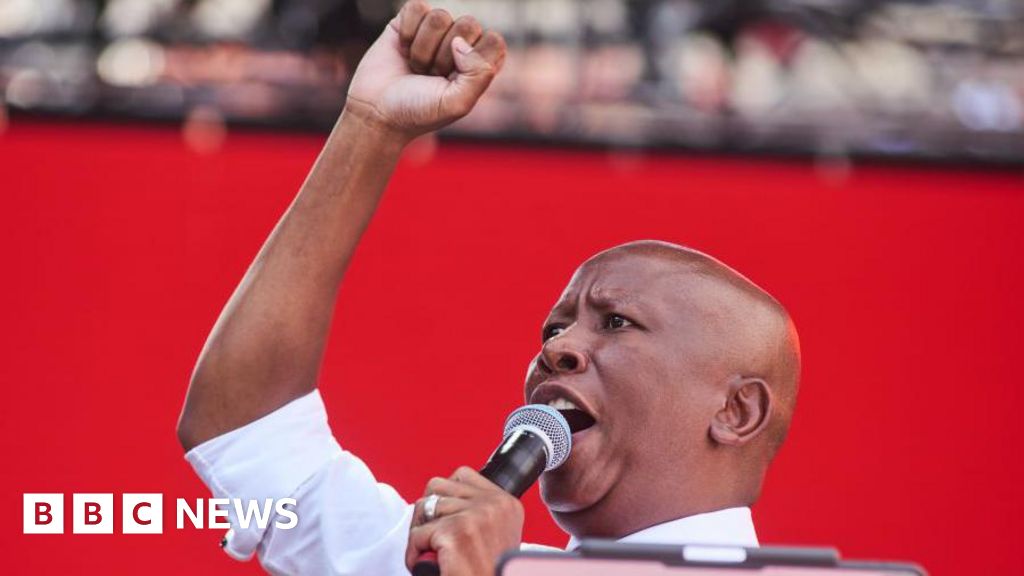
The recent conviction of Julius Malema, leader of the Economic Freedom Fighters (EFF), marks a significant chapter in South Africa’s ongoing struggle with internal divisions rooted in its apartheid past. The magistrate’s decision to find Malema guilty of discharging a firearm in public — an offence carrying a maximum of 15 years in prison — underscores the persistent tensions and volatile political landscape that continue to define post-apartheid society. The 2018 incident in the Eastern Cape, where he fired between 14 and 15 rounds during a party remembrance, was more than a youthful display; it became a symbol of the nation’s deeper struggles with violence, racial identity, and calls for radical economic reform.
Internationally, this incident has reverberated beyond South Africa’s borders, influencing perceptions of the country’s stability and leadership. The controversy surrounding Malema’s fiery rhetoric and actions reached as far as the White House, where then-President Donald Trump used a video of Malema as supposed evidence of genocide against white Afrikaners—a claim that has since been widely discredited by experts and international observers. Such gestures highlight the dangerous intersection of domestic politics and international narratives, where figures like Malema are weaponized to justify external interventions or pressure. Moreover, Malema’s vocal calls for the seizure of white-owned land and wealth redistribution continue to fuel a heated debate about racial justice and economic policies in a nation still wrestling with the legacy of apartheid.
Legal Battles, Rhetoric, and Regional Impact
- Malema’s conviction for unlawful possession and discharge of a firearm coincides with his broader pattern of provocative speech, including recent hate speech convictions that have drawn sharp criticism from both domestic and international legal bodies.
- His statements, such as advocating for “killing” during altercations and urging revolution through violence, raise alarms about the potential for social destabilization, especially in a country still suffering from racially charged tensions despite over three decades since the end of apartheid.
- Foreign governments, notably the UK, have responded by barring him entry, citing support for terrorist organizations and incendiary remarks that are deemed “non-conducive to the public good,” reflecting mounting concern over the impact of figures like Malema on regional security and diplomatic relations.
Analysts and historians emphasize that Malema’s case exemplifies how post-conflict societies often struggle with balancing free speech against the threat of inciting violence and societal division. The international community watches closely as South Africa grapples with political extremism, racial grievances, and economic disparity—elements that threaten to undermine its stability and place it further at the mercy of global powers vying for influence in Africa’s most developed yet divided nation. As Malema prepares to challenge his sentence in the Constitutional Court, the fate of his influence remains uncertain, but the broader geopolitical impact of South Africa’s internal strife is undeniable. Every decision, every verdict, shapes not only the nation’s future but echoes across an increasingly unstable continent where history’s shadows loom large, and the weight of unresolved injustices presses down like an ominous cloud over the unfolding story of Africa’s “rainbow nation.”