Matox News

Truth Over Trends, always!

Australia Updates: Free Public Transit Extended in Victoria, Man Charged with Murder in NSW

Global Impact Unfolds as Regional Policies and International Tensions Shape the Future

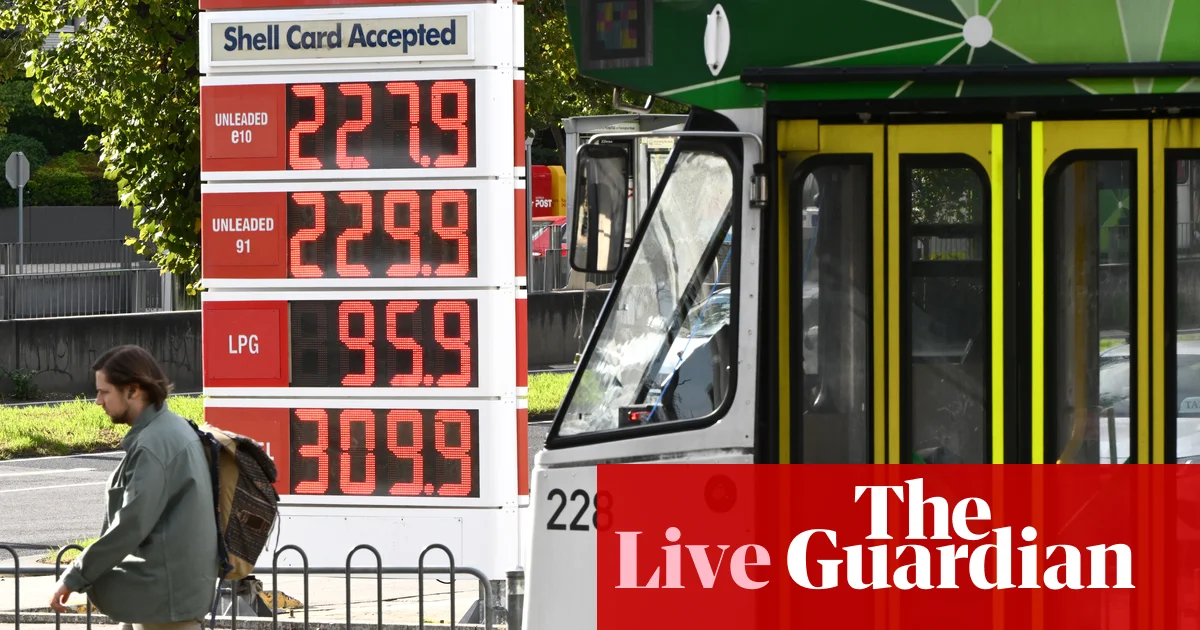
In a move reflective of the broader geopolitical currents shaping the 21st century, Victoria, Australia, has announced an extension of its ambitious public transport relief program. This measure, which initially aimed to combat rising fuel costs and provide a cost-of-living shield for residents, now extends until the end of May with subsidized fares set to continue through the year. The decision echoes a global trend among youth-oriented governments seeking populist support ahead of key elections, but it also underscores a deeper crisis of economic resilience in the face of shifting energy markets. With $400 million allocated in the upcoming budget, Victoria’s policymakers attempt to navigate the wider fiscal storm impacting many similar jurisdictions worldwide.

Yet, as these domestic moves play out, international tensions continue to simmer under the surface, with a particularly stark example emerging from the Strait of Hormuz. The former Australian Nationals leader David Littleproud has openly called for Australia to intervene in this strategic waterway. Given that roughly 20% of global oil shipments pass through this narrow corridor, the closure of the Strait threatens to trigger catastrophic spikes in global energy prices and, by extension, economic fallout on a scale reminiscent of the 1970s oil crises. Littleproud’s plea for Australia to “interject” aims to restore the “safe navigation” of tankers, warning that a failure to act could induce a worldwide recession, with analysts like those at the International Energy Agency warning of potential chaos if tensions escalate further.

This international dispute fuels the broader narrative of a fractured liberal order, where regional conflicts threaten to ignite larger alliances and rivalries. The specter of a destabilized Middle East, combined with global energy dependency, is prompting thoughtful voices—such as respected historians and foreign policy analysts—to warn that the decisions made today will determine the trajectory of global stability for decades. Furthermore, the political actors in Australia, increasingly aware of their geopolitical importance, are urged to balance regional security interests with the national imperative to avoid entangling military conflicts. The danger of such conflicts spilling into broader proxy wars or economic sanctions underscores the fragility of international peace efforts.

Domestic Turmoil and International Dilemmas Intersect

While political leaders debate intervention in foreign disputes, domestic issues—the tragic loss of life at Melbourne’s Supanova convention and the ongoing investigation into a woman’s murder in New South Wales—highlight the societal challenges faced by nations in turmoil. The incident outside Melbourne Showgrounds, where a pedestrian was tragically killed, and the arrest of a 25-year-old man on murder charges, serve as a grim reminder that social stability remains an elusive goal amidst economic and geopolitical upheaval. These local tragedies resonate globally, prompting international observers to question the societal fabric and the effectiveness of law enforcement strategies.

Conclusion: The Unfolding Tapestry of Today’s World

As the Victoria government extends its economic relief measures and Australia contemplates international intervention, the shards of a fractured global order become painfully evident. Each decision—domestic or foreign—intertwines in the complex, unpredictable fabric of history—a fabric that will define the lives of future generations. The tension in the Strait of Hormuz and the local tragedies on Australian soil serve as stark symbols of a world at a crossroads — where youthful governments seek to reassure their citizens, and powerful nations grapple with the consequences of their actions. In this moment, history whispers again: the choices of today will echo eternally into the uncertain dawn of tomorrow.

NSW High Court Ruled Anti-Protest Law Unlawful After Bondi Attack Redirects Focus on Public Safety

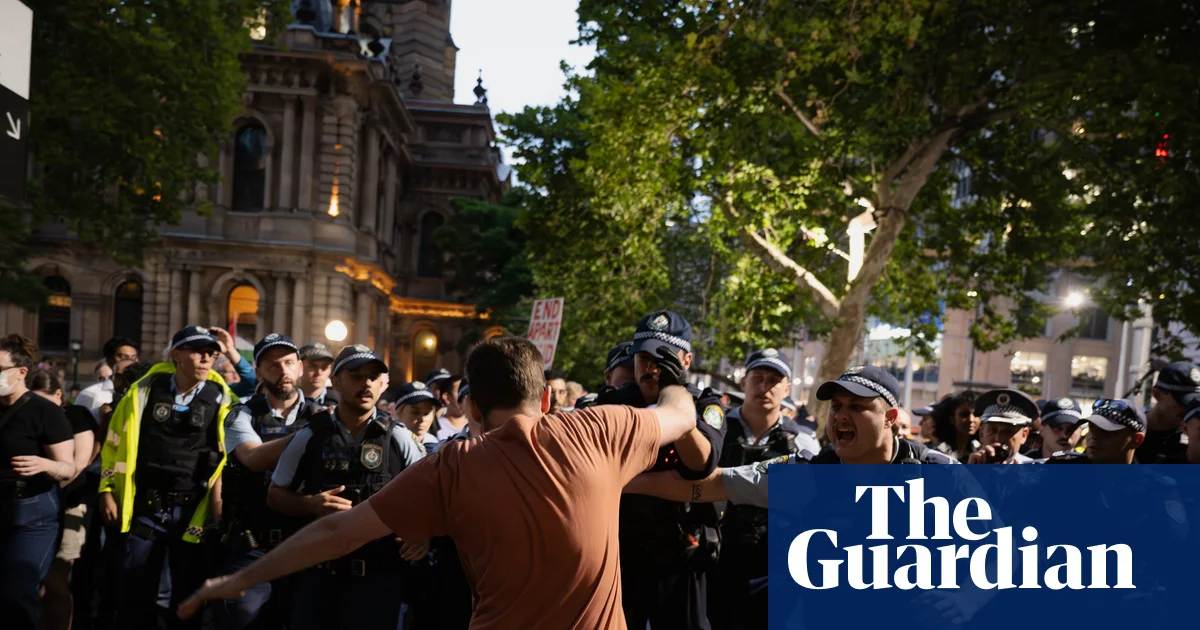
In a significant judicial development that echoes the tension between constitutional rights and government power, New South Wales’ highest court has invalidated an anti-protest law enacted in the wake of the Bondi beach terror attack. This landmark decision comes amidst escalating global concerns about security, civil liberties, and the influence of international conflicts on domestic policy. The law, known as the public assembly restriction declaration (PARD), was introduced by the Minns government to restrict protests in designated areas for up to three months following the attack, which claimed 15 lives. However, the court deemed it unconstitutional, citing that it impermissibly burdened the implied constitutional right to freedom of communication on government and political matters—an outcome viewed as a victory for advocates of civil liberties and democratic rights across the globe.

  • The law was notably applied during a controversial rally against Israeli President Isaac Herzog’s visit, which turned violent and prompted police misconduct investigations. Despite the government’s claims that the legislation was necessary to maintain order post-terrorism, the court’s ruling highlighted its overreach, emphasizing that it served as a “blunt tool” that indiscriminately suppressed constitutionally protected activity, regardless of the threat level or the purpose of the assembly.
  • Legal analysts and international watchdogs underscored that this decision could set a transformative precedent, illustrating the judiciary’s role in curbing executive overreach and defending fundamental rights against overly broad security measures. The case also cast a spotlight on how authoritarian instincts can be challenged in liberal democracies, reinforcing the principle that government power must be balanced with individual freedoms—an issue at the heart of many geopolitical debates on security versus liberty.

The court’s decision was celebrated outside the courtroom by civil rights groups and advocacy organizations, notably Jews Against the Occupation ’48 and the Palestine Action Group. Their spokesperson, Josh Lees, hailed the ruling as a critical victory for democracy and the global movement fighting for human rights. This case exemplifies how domestic legal battles intertwine with international causes, such as the ongoing struggle over Palestinian rights, and how judicial institutions worldwide are becoming battlegrounds for ideological conflicts that transcend borders. As historians warn, these conflicts onboard the global stage are often shaped by a complex web of national interests, geopolitical strategies, and ideological clashes.

Prime Minister Chris Minns expressed disappointment over the verdict, framing the legislation as a response to one of the “worst terrorism events” in Australia’s history. Despite this, the ruling signals a potent reminder that even in the face of brutal violence, the rule of law and constitutional norms remain supreme—a stance that may resonate beyond NSW, influencing policies in other nations grappling with similar threats and rights. The government’s future plans include addressing the contentious phrase “globalise the intifada,” illustrating the ongoing clash between security narratives and free speech that continues to unfold in legal arenas worldwide.

As the dust settles, the trial’s lingering question remains: how will this victory shape the future landscape of protests, civil liberties, and international activism? With the judiciary standing firm in defense of constitutional principles, the unresolved tension between state security and personal freedoms is poised to ignite new debates and confrontations. The fate of those charged during protests, the integrity of police accountability investigations, and the broader impact on political discourse and social activism remain as a stark reminder—the pages of history are still being written, and the global community watches anxiously as the ongoing clash between authority and liberty unfolds in the shadows of our times.

Victorians Score Free Public Transport for a Month to Tackle Fuel Crisis

The recent decision by the Victoria government to make public transport free for a month highlights a significant national response to the ongoing international fuel crisis brought about by the war in the Middle East. The move, announced amidst soaring fuel prices and shortages, underscores how localized policies can reflect and attempt to mitigate global upheavals. The energy shock resulting from conflict in regions critical for oil production demonstrates the intense interconnectedness of geopolitics and domestic economies. Governments are now caught in a balancing act: managing immediate economic relief while addressing the broader, unsettling geopolitical realities that threaten energy security worldwide.

Analysts from prominent international organizations, including the International Energy Agency (IEA), warn that the recent disruptions are likely to have enduring repercussions. Historically, such conflicts have served as catalysts for energy market volatility, often leading to sustained price increases and supply chain vulnerabilities. The current situation casts a spotlight on the contentious matter of energy independence; many nations, especially in the West, are increasingly recognizing the imperative for diversified energy sources. Meanwhile, some geopolitical analysts suggest that these crises could accelerate shifts in alliances and strategic partnerships, as countries seek to secure reliable energy supplies amid political instability.

At the domestic level, the Australian government’s attempts to alleviate this crisis—such as offering free public transport—highlight a strategic acknowledgment of how economic hardship and geopolitical shifts influence societal stability. Despite the increased cost of petrol—upwards of $20 more weekly for many households—Australians are yet to markedly reduce driving, indicating a reliance on personal vehicles that complicates government efforts to curb fuel consumption. Such policies, while primarily aimed at easing the immediate burden, inevitably underscore the fragility of energy-dependent lifestyles and the pressing need for resilient infrastructure. Critics, however, argue that these measures are temporary palliatives that sidestep the deeper issue of energy independence—issues that, if left unaddressed, could threaten national security as dependence on unstable global suppliers grows.

As leaders and historians analyze the unfolding crisis, a somber truth remains: the conflicts reshaping the Middle East are no longer isolated events but pivotal moments in history with the potential to redraw the geopolitical landscape. The decisions made by governments today—whether to diversify energy sources, bolster strategic alliances, or implement social support measures—will resonate in the annals of history. As governments scramble to navigate this turbulent era, it becomes clear that the ripple effects of geopolitical upheaval extend well beyond borders, impacting every societal fabric from economic stability to personal mobility. The weight of history continues to unfold in real time, leaving future generations to judge whether current policymakers successfully steered through this turbulent epoch or allowed it to spiral into a new, uncertain world order.

Public back on side: NHS satisfaction rises for first time since 2019

In recent times, Britain’s NHS has experienced a fragile resurgence, a glimmer of hope amid ongoing social struggles. According to the latest British Social Attitudes survey, public satisfaction with the healthcare system has seen a rare uptick—rising from a low of 21% in 2022 to 26%. This small but meaningful increase signals a society still grappling with deep-seated frustrations rooted in long waits, inaccessible services, and systemic inequalities that affect families, communities, and the very fabric of social cohesion. Despite this slight progress, the numbers reveal a harsh reality: over half of the population remains dissatisfied, with critical issues such as emergency care, dental services, and GP access continuing to ignite public anger.

This ongoing dissatisfaction echoes the insights of social commentators and historians who emphasize the societal costs of a failing healthcare infrastructure. Sociologists like Charles Murray and contemporary health experts warn that waiting times and accessibility are not mere administrative problems—they strike at the core of community stability. When families face the trauma of delayed care, children’s futures are compromised, and the social order erodes. The challenge is not only about providing medical treatment but restoring faith in a system designed to support the most vulnerable. Crucially, these issues extend beyond individual health; they ripple through families, schools, and workplaces, fostering a sense of societal decline that undermines national resilience.

Furthermore, social disparities are amplified by the persistent backlog and accessibility issues that continue to define the NHS experience. The survey indicates that only 22% of respondents are satisfied with A&E services and dentistry, and just 36% with general practitioner care. Such figures are more than statistics—they reflect a society where trust in public institutions is fraying, and where the moral and ethical implications of unequal access threaten social harmony. Public figures like Mark Dayan have voiced concerns that these numbers are “worse than in the 90s,” exposing the deep-rooted structural challenges that demand urgent attention. Yet, beneath the pessimism lies a collective hope—an acknowledgment that despite setbacks, incremental reforms and targeted improvements can restore a sense of hope and health for the nation’s families and communities.

Drawing from the insights of social critics and policy makers, many argue that investment, modernization, and strategic reforms are necessary to turn the tide. The government’s plan to overhaul five underperforming NHS trusts—by replacing leadership and merging failing organizations—is a step in this direction. Nevertheless, experts warn that recovery must encompass broader social reforms, including tackling inequality, improving social care, and ensuring equitable access across all demographics. This holistic approach, rooted in moral responsibility and ethical duty, aims to reconnect people with their healthcare system—restoring trust, empowering families, and fostering resilient communities. Only through such comprehensive efforts can Britain hope to reconcile the social wounds inflicted by years of neglect and mismanagement.

As society stands at this crossroads, the enduring question remains: can the collective will of a fractured nation rise above its divisions to forge a healthier, more equitable future? Perhaps, amid the shadowed corridors of hospitals and waiting rooms, there lies a quiet resilience—a moral longing to rebuild not just a healthcare system, but the very core of social trust. In this shared struggle, society’s true strength will be tested—not just in policies or budgets, but in the moral courage to envision and create a future where everyone, regardless of background, can access the care they need. For in healing the healthcare system, society as a whole may find a pathway to healing itself.

AG questions if Kemi Badenoch supports Jewish public prayer — conservatives raise the stakes

Across Europe and the Anglosphere, recent political debates have cast a stark light on the shifting landscape of cultural identity, religious expression, and national sovereignty. The controversy centered on the UK’s thought-provoking clash involving Kemi Badenoch and her stance on the public display of Islamic prayers in Trafalgar Square has prompted international scrutiny. While the UK’s conservative circles rally around the idea of “British values,” critics argue that this national debate has transcended local context, threatening to deepen societal divisions and weaken the principles of multiculturalism that have historically defined the nation.

Notably, the UK is witnessing a push-and-pull between traditionalism and multicultural inclusiveness, with voices like Nigel Farage and Richard Hermer warning of an erosion of social cohesion. Timothy’s call to ban the Ramadan event, framing it as an act of “domination,” echoes broader conservative anxieties about the perceived rise of political Islam and its challenge to Christian-centric values. Such rhetoric fuels fears of cultural dominance and prompts concerns about societal fragmentation, which analysts warn could embolden far-right currents and undermine the principles of religious tolerance—an ideal championed by international organizations like the European Court of Human Rights.

Historians like Dr. Andrew Roberts warn that this debate is emblematic of a larger pattern seen in early 20th-century Europe, where national identity was often conflated with cultural and religious homogeneity, leading to societal conflict. Meanwhile, some international institutions suggest that the UK’s internal struggles may reflect a broader global trend: the tension between sovereignty and multiculturalism. If sustained, these disputes threaten to weaken the resilience of fragile democracies amid rising populist movements and threaten transatlantic alliances with destabilizing consequences. Such events spotlight how local decisions can ripple into global consequences, shaping nation-states’ futures in unpredictable ways.

As the UK navigates these turbulent waters, the story remains far from over. The battle over public morality, religious expression, and national identity is part of a larger contest—one that will determine whether societies can find a sustainable balance between tradition and pluralism. History serves as a warning: the decisions made today, whether to uphold or suppress religious freedoms, will resonate through generations. The weight of history continues to unfold, with the global community watching closely, as the future of nations hangs in the balance amidst this profound struggle for defining what it means to be truly British in an era of relentless change.

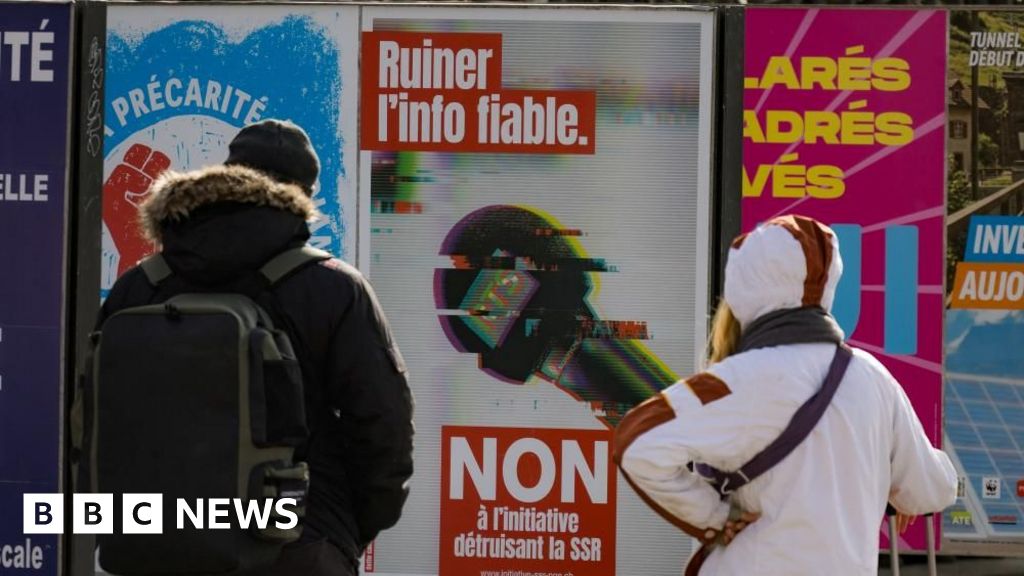
Swiss youth resist right-wing push to slash public broadcaster license fees

In a significant turn of events that could influence both domestic policy and international perceptions, recent electoral data reveal that more than 60% of voters favor maintaining the current license fee levels. This result, initially projected by national polling agencies, underscores a broad public consensus on fiscal stability amid ongoing economic uncertainties. The implications extend well beyond the confines of domestic politics, potentially altering the geopolitical landscape by shaping a nation’s approach to its economic sovereignty and its stance within global institutions.

The decision to uphold existing license fee frameworks resonates deeply within the broader context of international relations and economic policy, particularly given the ongoing debates surrounding national sovereignty versus international oversight. Analysts from prominent think tanks suggest that this voter preference reflects a cautious populace wary of financial upheaval, especially in regions where economic resilience is already tested by external factors such as global market volatility and regional conflicts. These domestic choices may influence how a country interacts with international organizations, possibly reinforcing or challenging the policy directives that shape global economic norms.

From a geopolitical perspective, the steadfast stance on license fees could be viewed as an assertion of national independence. Historians like Dr. James Patterson observe that such domestic sentiment often acts as a subtle but powerful form of resistance against external pressure from multilateral institutions, including the United Nations and European Union. Countries that choose to preserve control over their fiscal policies are likely to reinforce their sovereignty and signal to allies and adversaries alike that they prioritize national interests over international mandates. This shift could impact diplomatic alignments and influence future negotiations, especially as global institutions face criticism for perceived overreach.

How this decision impacts social cohesion and the fabric of nation-states remains a critical question. As governments navigate the delicate balance between economic stability and societal expectations, the broader human dimension must not be overlooked. The choice to sustain existing license fee structures reflects a societal desire for predictability and security—values key to social stability. However, it also raises questions about the sustainability of such policies amid rising global challenges such as technological disruption and climate change. To some, the comfort of continuity might come at the expense of innovation and adaptability, stirring debates among scholars and policymakers about the long-term consequences for national resilience.

As history continues to unfold, the weight of this seemingly straightforward electoral outcome signals a more profound message: nations are increasingly asserting their independence amidst a complex web of international forces. The coming months will reveal whether this domestic preference for stability heralds a new era of national sovereignty or if external pressures will erode these boundaries. In a world where every decision echoes across borders, the legacy of today’s choices may well define the balance of power for decades to come, leaving the global community to ponder whether the tide has turned in favor of steadfast independence or if those who resist are merely delaying inevitable integration into a new global order.

Swiss youth face referendum on cutting public broadcaster license fee—rights or restrictions?

In a significant development that signals a strategic pivot within Switzerland, the right-wing Swiss People’s Party has thrown its weight behind a contentious move to reassess national fee structures, citing the *unsustainable burden of high living costs* as the primary motivation. This decision underscores a rising tide of nationalism and economic conservative outlooks gaining ground in a country historically known for its pragmatic neutrality and economic stability. The backing of this policy by a major political faction signals potential shifts in the nation’s approach to social welfare and fiscal responsibility, which can ripple across the broader European landscape.

The party’s stance emphasizes that the current financial demands placed on citizens are *unjustified*, given the economic hardships many are facing amid global inflationary pressures. This evolving stance is not isolated; it reflects a wider movement within parts of Europe that are questioning longstanding social contracts and the sustainability of their welfare states. Analysts point out that such policy shifts, though seemingly domestic, carry profound geopolitical impact. They could embolden other nations to reconsider their own social spending, fostering a broader recalibration of European economic policies amid ongoing flux.

International organizations and global experts have taken note, raising concerns about the potential for increased social stratification and political instability if core benefits and fees are altered without careful safeguards. According to historians like Andrew Moravcsik, such moves are often pivotal in shaping a nation’s future political identity, especially when driven by parties with nationalistic ambitions. The decision to revisit fees in Switzerland resembles broader trends observed across conservative movements in Europe and beyond, which leverage economic frustration as a rallying cry to redefine borders—both physical and ideological.

As the debate unfolds within Swiss political corridors, the weight of history reminds observers that such decisions often serve as *turning points*, shaping future societal structure and international relationships. The question remains whether this push for overhauling fees will serve as a catalyst for returning sovereignty and economic independence or as a prelude to greater internal fragmentation. In an increasingly interconnected world, where every policy ripple can transform the fabric of nations, how Switzerland navigates this pivotal moment will undoubtedly influence the course of events for decades to come—leaving the course of history still uncertain, yet palpably imminent.

Gus Lamont’s Parents Urge Public to Help Find Him: ‘Every Moment Without Him Is Unbearable’ | South Australia

Global Implications of a Tragedy in Outback Australia

In an event that has sent shockwaves through Australia and beyond, the disturbing disappearance of four-year-old Gus Lamont from his family’s sheep station in South Australia underscores the critical importance of national and international efforts in safeguarding vulnerable populations. As authorities continue their relentless search, the incident highlights how localized tragedies magnify into profound challenges for global security, the role of law enforcement, and the international community’s moral obligation to protect innocent life.

This tragic incident, which unfolded near Yunta—an isolated region approximately 300 km inland from Adelaide—has become a potent symbol of how fragile societal security can be in remote territories. The meticulous investigation reveals the presence of a suspect, a person living on the property who is neither a parent nor an immediate family member. As police seized vehicles, electronic devices, and deployed drones along with divers and dogs in an expansive search through the 60,000-hectare property, the case grew more complex. Experts suggest that this case could serve as a stark example of how rural and remote areas often grapple with limited resources, complicating search and rescue operations. International organizations such as the United Nations Office on Drugs and Crime (UNODC) increasingly emphasize the necessity of international cooperation when dealing with crimes involving remote or inaccessible regions, recognizing how such cases can escalate into broader issues of trafficking, exploitation, or clandestine activities.

Strategic and Geopolitical Ramifications

The unfolding disappearance has not only reignited local debates about community safety and law enforcement efficacy but also invokes a wider geopolitical impact. The incident arrives at a time when Australia is navigating tumultuous shifts in regional alliances, maritime disputes, and economic competitions with rising nations. Analysts warn that neglect of domestic security issues—especially in distant territories—can undermine national cohesion and weaken a country’s international standing.

Notably, the case has prompted calls among international policymakers for increased collaboration in rural and border security. Whether it’s through intelligence sharing, technological aid, or joint operations, the Australian government faces mounting pressure to bolster its remote region security infrastructure. Historically, Australia has been a strategic ally for Western nations facing the rising influence of China and Russia. Yet, the vulnerability of isolated zones like Yunta underscores a broader geopolitical risk—undermining perceived stability in the Indo-Pacific region, where the balance of power remains delicately poised. The incident serves as a reminder that any breach in national security or failure to prevent such tragedies could diminish the credibility of alliances and international commitments.

The Weight of Decisions and the Future of Societies

As police continue to piece together the circumstances surrounding Gus’s disappearance, the case exemplifies the profound impact of decision-making at both the local and international levels. The response, which involves intensive search efforts and ongoing investigations, highlights the essential role of technological advancements, legal frameworks, and community vigilance in safeguarding the vulnerable. Consequently, this tragedy brings into focus the ongoing debate over rural law enforcement resources, border security policies, and the societal resilience necessary to face such crises. The loss of Gus Lamont remains a poignant call to action, urging nations worldwide to strengthen their commitment to protect innocent lives—especially in the most remote and underserved regions.

In the end, the story of Gus Lamont is a stark chapter in the ongoing narrative of human vulnerability and societal responsibility. As his parents remain steadfast in their grief yet hopeful in their plea for answers, the world bears witness to the fragile line separating security and chaos. With each passing day, history writes a new page, and the weight of unresolved questions looms large. The unfolding search for truth in this quiet Australian outback echoes beyond its borders—reminding all nations that, amidst shifting alliances and geopolitical struggles, the fundamental duty of safeguarding humanity endures as the ultimate moral imperative. For in the silent vastness of the outback, the echoes of loss and resilience forge a story that history will remember for generations to come.

UK’s Public Art Digitisation Hits 1 Million Entries — Just The Beginning

In recent years, the digital revolution has transformed the way societies engage with their cultural heritage. Art UK, a prominent charity dedicated to cataloging the UK’s vast array of artworks, recently announced it has reached a milestone of one million items in its online database. This extensive digital archive has expanded beyond traditional paintings to include sculptures, street murals, architecture drawings, and even crumpled pieces of paper—highlighting the *diversity and richness* of the nation’s artistic record. The initiative is more than just a technological feat; it is a societal act, democratizing access for young people, families, and communities who, once locked out of galleries, now carry access to the nation’s cultural memory in their pockets.

This expansive digital resource is particularly vital in **breaking down barriers** within education and community engagement. As sociologists like Dr. Laura H. S. García articulate, *”When access to the arts is broadened through online platforms, it fosters a sense of belonging and cultural understanding among youth, especially those from underrepresented communities.”* For many young people, such platforms ignite curiosity—driving them from screens to galleries and inspiring future creators. Yet, paradoxically, there is an ongoing crisis: the decimation of creative education in state schools. As Terrett emphasizes, *”Growing up in a small village with limited art resources made me value access. Sadly, today’s children face even more hurdles when it comes to creative learning.”* With arts programs sliced and funding reduced, the challenge remains to ensure that digital access complements, rather than replaces, hands-on engagement with art, to sustain the vital emotional and moral fabric that arts provide.

This digital shift isn’t just about preserving history; it fuels societal cohesion. Public art, once confined to galleries and urban spaces, is now *more accessible than ever*, allowing younger generations to engage with contemporary and historical narratives alike. The increased visibility fosters an understanding of **cultural identities** and shared history, fostering *a sense of community resilience*. Social commentators argue that this democratization can serve as a catalyst for social change, helping to address inequalities and give voice to marginalized groups. As historian Dr. Marcus Levinson notes, *”Society’s collective memory is our moral anchor; digital access ensures the stories of **families** and **communities** are not lost but become intertwined in the national consciousness.”* With art serving as societal mirror and moral compass, expanding its reach can inspire a generation increasingly aware of social issues—yet, it demands a concerted effort to embed art into everyday lives, especially amidst a climate of societal disconnection.

In closing, as society grapples with demographic shifts and the rapid pace of technological change, the vital question remains: how do we foster an inclusive environment where art nurtures hope and moral resilience? The digital archives like Art UK’s burgeoning collection symbolize a beacon of potential—a collective effort to bridge gaps, inspire dialogue, and rebuild a society where the arts serve as a foundation for moral clarity and human connection. As we navigate these societal waters, perhaps the true challenge lies not only in preserving art but in cultivating a society that recognizes and actively invests in the moral and emotional development of its youth. Only then can we move forward, hand in hand, into a future where creativity and community are not just ideals but lived realities—anchored in the shared hope that society’s true strength lies in its ability to transform challenges into opportunities for collective renewal.

Apple’s iOS 26.4 Public Beta Drops: AI Playlists, Video Podcasts & More for Youths

Apple Unveils iOS 26.4: Disrupting Tech with AI-Powered Features

In a move that underscores its relentless push towards innovation and industry disruption, Apple announced the release of its latest mobile operating system, iOS 26.4. Currently available in public beta, this update anticipates a full rollout by March or April, promising to revolutionize user engagement with cutting-edge features leveraging artificial intelligence, security enhancements, and multimedia innovations. This strategic upgrade solidifies Apple’s positioning at the forefront of mobile technology, threatening rivals and reshaping how consumers interact with their devices and content.

AI-Driven Personalization and Business Disruption

The new AI-powered playlist generator within Apple Music exemplifies Apple’s commitment to integrating advanced machine learning into its core offerings. The “Playlist Playground” feature employs Apple Intelligence to craft customized 25-song playlists from text prompts, handling user preferences with unprecedented precision. This disruption not only enhances user experience but also impacts how music streaming services compete—ushering in an era where AI-driven content curation becomes standard. Industry analysts from Gartner suggest that AI personalization will be a key battleground, with companies that lead in this domain securing a dominant market share, potentially forcing competitors to adopt similar, disruptive algorithms or lose relevance.

Further, the refresh of the UI with full-screen artwork and the introduction of “Concerts Near You”—a feature that helps users discover live events—indicates Apple’s strategic pivot toward integrating content discovery with experiential social features. These innovations threaten traditional concert promoter and ticketing models, pushing the boundaries of how digital platforms monetize live entertainment, and creating new revenue streams that leverage AI for targeted recommendations and user engagement.

Security and Content Innovation Elevate Industry Standards

Security enhancements such as end-to-end encryption (E2EE) for RCS messaging mark a significant step towards harmonizing secure communication across platforms. Currently in testing, this feature promises to deliver iMessage-like confidentiality to Android users, broadening Apple’s influence in cross-platform messaging security—a critical concern in today’s increasingly digital society. The industry sees this as a disruptive move that pressures competitors like Google and Meta to elevate their security standards or risk losing user trust.

Meanwhile, video podcasts powered by HTTP Live Streaming (HLS) and integrated ad platforms exemplify Apple’s innovative push into multimedia monetization. Creators can now insert dynamic video ads, fostering a new digital advertising ecosystem that could undercut traditional radio, television, and even YouTube models. Industry giants like Elon Musk’s X (formerly Twitter) and startups such as Freenom are already exploring similar tech disruptions to redefine content delivery, but Apple’s seamless, ecosystem-wide integration gives it a formidable edge.

Security, AI, and Market Momentum Point Toward Future Dominance

By making Stolen Device Detection active by default and bolstering biometric authentication, Apple enhances device security, signaling a future where privacy and device integrity become standard expectations rather than added features. This approach pressures Android device makers to follow suit or risk user churn. Simultaneously, upcoming enhancements like support for in-car video playback via CarPlay and AI-powered camera tools introduce new avenues for disruption within connected vehicle markets and consumer multimedia.

Looking ahead, industry experts like Peter Thiel and MIT researchers emphasize that Apple’s emphasis on AI-driven content, cybersecurity, and seamless multimedia integration foreshadows a technological shift that demands urgency from competitors. As AI continues to evolve rapidly, Apple’s ecosystem becomes a battleground of innovation and disruption—propelling it towards an inevitable future where control over content, security, and user experience defines industry leadership. In this high-stakes race, only those who accelerate their technological development and adopt disruptive strategies will survive and thrive in the competitive landscape of tomorrow’s digital economy.

Social Media Auto Publish Powered By : XYZScripts.com