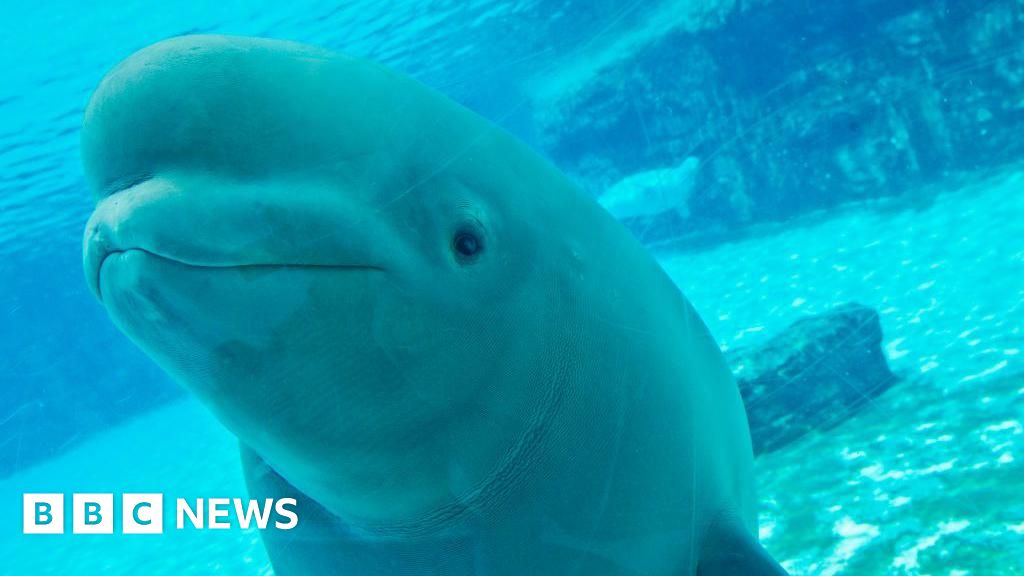
The ongoing controversy surrounding Marineland in Ontario has spotlighted broader issues of animal welfare, international diplomacy, and the responsibilities of governments toward their natural resources and societal values. The amusement park’s dramatic decision to threaten euthanasia for 30 beluga whales underscores the serious implications of regulatory decisions and the mounting pushback from animal rights groups. Marineland, a facility plagued by years of public scrutiny, sought to transfer these marine mammals to the Chimelong Ocean Kingdom in Zhuhai, China—a proposal now outright rejected by Canadian authorities.
The Canadian government’s refusal, led by Fisheries Minister Joanne Thompson, pivots on both conservation and ethical standards. She emphasized that recent legislation, including the 2019 refinement of fisheries laws, explicitly prohibits the use of whales and dolphins for entertainment purposes—an international shift aimed at phasing out captive cetaceans in favor of freer, more humane conservation efforts. This decision symbolizes a clear stance that public entertainment should not come at the expense of animal welfare. Critics and international observers, including marine biologists and independent watchdogs, view this as a vital step toward aligning policy with global ethical standards while challenging nations and corporations to rethink their engagement with captive marine life.
However, the dispute sharpens as Marineland rightfully argues it lacks alternative funding and lawful options to care for the whales. The park’s financial decline, exacerbated by declining visitor numbers and public outrage over previous welfare issues—such as the death of 20 whales since 2019—has grappled with the harsh realities of maintaining aging marine exhibits. The park’s plea for government aid was dismissed as “inappropriate,” illustrating a broader societal debate on whether economic necessity can justify compromises in animal welfare. This crisis resonates beyond Canada, highlighting how international treaties and national legislation are increasingly aligning against practices deemed outdated or inhumane, thereby affecting not only local industries but also international perceptions of national morality and policy.
- In December 2022, the Canadian government reaffirmed its commitment to cruelty-free legislation, strengthening protections against using marine mammals for entertainment, symbolizing a decisive breach with past practices and setting a precedent strongly opposed by industries centered on marine captivity.
- The international community increasingly views cetacean captivity as ethically unjustifiable, bolstered by organizations like World Animal Protection and others advocating for global bans on such practices, which could influence future trade and diplomatic deals.
Historian and geopolitical analyst Dr. Emily Carter notes that this event reflects a trend where national policies regarding animal rights serve as proxies for broader geopolitical dynamics. Countries projecting soft power through progressive legislation garner international goodwill, while those resistant may face diplomatic isolation. As the United States and European Union move toward stricter regulations, nations like China and Russia might perceive the rejection of such transfers as a challenge to their influence in the realm of international ethics and soft diplomacy. This case underscores the power of national legislative choices—though seemingly domestic—having far-reaching geopolitical impact, influencing international opinion, trade relations, and global standards.
As the darkness of this crisis looms—posing the possibility that these intelligent, sentient beings may face destruction—the world is faced with a stark choice. Will nations continue to prioritize economic and entertainment interests over moral responsibility, or will they embrace a new chapter where compassion guides policy? As history writes each chapter with the ink of decisions made today, the ongoing saga of the beluga whales serves as a stark reminder: in the realm of global morality, the weight of our choices will shape the future of human civilization and its relationship with the natural world. This unresolved chapter leaves us questioning—how much longer can society justify the commodification of life, when the moral compass of nations is being recalibrated amid the winds of change?