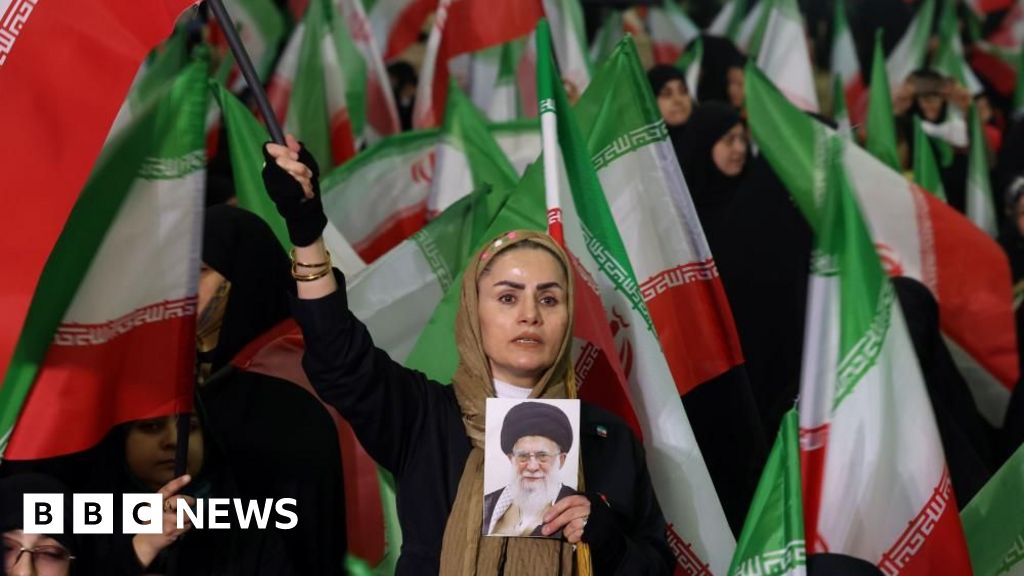
The recent assassination of Iran’s Supreme Leader marks a pivotal moment in regional and global geopolitics. Such a high-profile elimination not only represents a strategic blow to the Islamic Republic but also signals a potential shift in the balance of power across the Middle East. While officials in Tehran immediately vow to “show they have a plan,” analysts and international observers understand that the consequences extend far beyond the immediate grief and outrage. The assassination raises profound questions about internal stability, regional alliances, and the willingness of external actors to influence Iran’s future course.
Historically, leadership assassinations have often been catalysts for unpredictable upheavals. Some experts warn that this act could trigger a cycle of retaliation, destabilizing an already volatile region. As Western intelligence agencies scrutinize the event, many believe it was orchestrated by enemies seeking to weaken Iran’s internal cohesion. The mid-2020s have witnessed a surge in proxy conflicts, economic sanctions, and diplomatic confrontations involving Iran and various global powers, especially the United States and Israel. The targeted killing could serve as a catalyst for escalated military responses, further complicating efforts at diplomatic resolution.
Global and Regional Repercussions
The geopolitical impact of this event cannot be overstated. Iran’s strategic position as a regional power broker and supporter of allied groups from Lebanon’s Hezbollah to the Houthis in Yemen means that any upheaval at the top could trigger ripple effects across entire networks of influence. China and Russia have expressed concern over regional stability, emphasizing the importance of diplomatic solutions, yet malign actors might exploit the chaos to advance their agendas. Meanwhile, European nations, still reconnecting with Iran through fragile nuclear negotiations, face an uncertain path forward as Tehran seeks to consolidate power amid turmoil.
According to renowned geopolitical analyst Dr. Lisa Carter, “This assassination could serve as a turning point, forcing Iran into a mode of internal consolidation, which may result in increased militarization or even harsher anti-Western sentiment. The international community must carefully navigate this fragile juncture, recognizing the potential for a cascade of unforeseen consequences.” The United Nations has called for calm and restraint, but with history as a guide, such moments often spiral toward conflict rather than resolution.
How Decisions Shape Societies
For the Iranian people and their society, the fallout remains unpredictable. Internal stability will be tested as the regime seeks to demonstrate resilience, possibly by tightening internal security or intensifying rhetoric against foreign adversaries. The decision to retaliate or pursue diplomatic avenues will shape Iran’s future trajectory, directly impacting the lives of millions caught in the crossfire. As artists, students, and ordinary citizens watch their country navigate the aftermath, the question persists: how long can stability endure amid such a seismic shift?
In the grand tapestry of history, moments like these—marked by sudden violence at the top echelons of power—are often the prelude to larger upheavals. As historians note, the assassination of Iran’s supreme leader could either plunge the nation into chaos or catalyze a new era of resilience and reinvention. The world watches with bated breath, knowing that the decisions made in the coming days will echo through the corridors of history, shaping destinies of nations yet to be written. The arc of history bends at these critical junctures, and the weight of tomorrow’s stories rests on the choices of today.