Matox News

Truth Over Trends, always!

From affordable alternatives to literary shadows: the rising surge of doppelgangers shaping today’s culture | Books

In an era inundated with the noise of digital doubles and disconcerting parallels, the double has metamorphosed from a mere literary device into a profound symbol of our collective consciousness. As Ortega y Gasset once observed, civilization is built upon a fabric of tradition—a tapestry woven from shared memory and cultural identity. Today, this tapestry seems frayed, replaced by a fragmented series of facsimiles, echoes, and simulacra, yet it is precisely through these doubles that we confront the essence of who we are and who we might become. The burgeoning fascination with doppelgängers—from fashion runways to Hollywood, from books to the digital realm—mirrors a deeper societal yearning: the desire to reconcile our inner fears with external images that promise both familiarity and alienation.

Contemporary culture, saturated with images of clones and mirror images, reflects an underlying anxiety about authenticity and selfhood. The literary tradition, from Charlotte Brontë’s Bertha Mason to Nabokov’s Hermann in Despair, illustrates the double as a manifestation of repressed desires, guilt, or unacknowledged truths. Modern works—be it Isabel Waidner’s As If or Deborah Levy’s August Blue—embrace the uncanny, revealing that amidst our technological advancements, the internal struggle for self-understanding remains as primal as ever. Our fascination with flesh-and-bone copies—be they supermodels or Hollywood icons—serves as a cultural assertion: identity is more than appearance; it is a reflection of society’s values, fears, and fissures.

Furthermore, the trend extends beyond entertainment into the realm of political doubles. Parody, duplicity, and illusion have become tools for the powerful, who craft empty promises and brandish pretenses of authenticity as shields against accountability. The proliferation of digital facades—filters, curated profiles, and false identities—only accentuates our collective paranoia. As T.S. Eliot lamented, our modern world risks becoming a “hollow men,” where superficiality replaces substance, and doubles serve both as masks and mirrors. Yet, in this chaos, the double remains a potent critique—a symbol of societal dislocation, yet also a hope for deeper understanding rooted in tradition and shared memory. It reminds us that at the core of our identity lies a mysterious, often shadowy, echo of the past—a prophecy inscribed within our cultural DNA, whispering that, ultimately, to know oneself is to confront the mirror that is both haunting and illuminating.

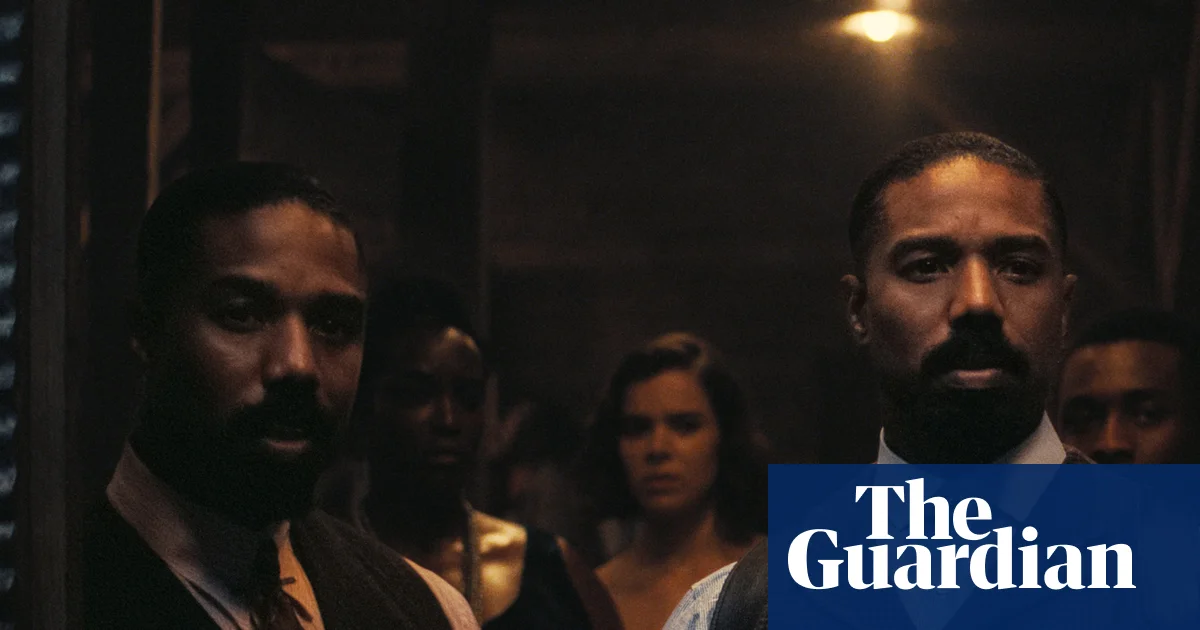
Peaky Blinders: The Immortal Man — Tommy Shelby Comes Full Force in a Gritty, Epic Film Battle

In the current cultural landscape, the appeal of gritty historical drama remains an indelible testament to the enduring human fascination with identity, tradition, and the shadows of our collective past. The upcoming standalone film, Peaky Blinders: The Immortal Man, exemplifies this phenomenon. Based on Steven Knight’s successful television series, it revives the legendary Birmingham gangsters, anchored by the iconic Tommy Shelby—a character whose complex psyche encapsulates the struggle between personal trauma and societal responsibility. With a cinematic canvas soaked in mud and blood, the film explores themes of loyalty, betrayal, and the relentless pursuit of power, all set against the backdrop of Britain’s darkest war era.

Historically, the rise of gangster culture during Britain’s Victorian and Edwardian periods reflected a turbulent transition from old-world tradition to modern chaos. As Ortega y Gasset once observed, the sense of cultural continuity acts as a foundation for societal identity, a buffer against the disorienting forces of change. Yet, in the universe of Peaky Blinders, that continuity is fractured—replaced by a brutal, visceral mythology of honor and survival. The show’s portrayal of Tommy Shelby, a Romani-traveller turned ruthless kingpin, echoes the timeless narrative of the tragic hero who navigates the narrow road between order and chaos. It reminds us that culture—far from being mere ornament—is the very fabric that sustains communal memory, informing our understanding of ourselves amid the relentless tide of progress.

The film’s narrative underscores the importance of culture as both memory and prophecy. We see Tommy haunted by ghosts of war and family, symbolizing how historical trauma shapes present identity. Rebecca Ferguson’s character brings a cultural consciousness that challenges the posturing of superficial heroism; her insights reveal the deeper layers of societal decay. Meanwhile, the portrayal of Erasmus Shelby’s reckless alliance with Nazi conspirators echoes T.S. Eliot’s notion that “the past should be reconstructed, not forgotten,” emphasizing the necessity of confronting history’s darker chapters to avoid repetition. The film thus elevates the gangster saga into a reflection on the moral and cultural resilience required to defy chaos and uphold a sense of purpose rooted in tradition.

  • Origins of Britain’s gangster mythos rooted in Victorian urban chaos
  • The significance of cultural memory in shaping national identity
  • The moral debates surrounding loyalty, honor, and modernity
  • The enduring relevance of tradition in the face of technological and ideological upheaval

In the grand tapestry of history and culture, figures like Tommy Shelby serve as modern equivalents of Chesterton’s “Christian hero,” embodying virtues forged in the crucible of adversity. As Tocqueville warned of the dangers of homogenization and loss of civic virtue, so too does this narrative remind us that culture is the vigilant guardian of liberty and identity. The cinematic revival of Peaky Blinders becomes more than entertainment; it is a mirror reflecting once again that human communities are defined not merely by their laws, but by the stories they tell—stories that echo through the ages, whispering of memory, warning of future prophecy, and calling to the resilient spirit of a society ever compelled to remember and redefine itself. For in culture, we find our own reflection and the blueprint of what humanity can become when rooted in the enduring soil of tradition and hope.

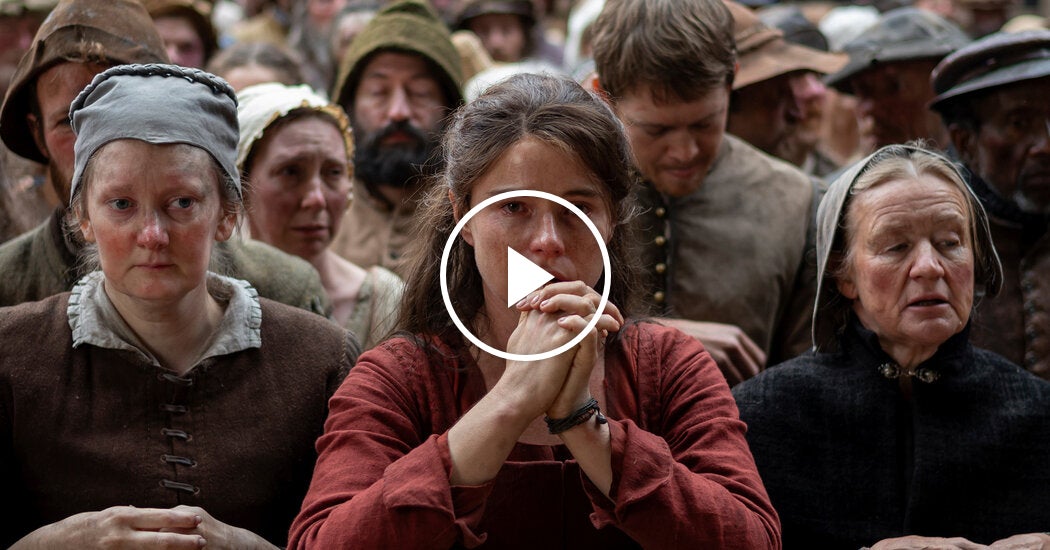
Hamnet | Dissecting the Power of a Moment in Youthful Storytelling

In the intricate dance of human history, culture functions as both our collective memory and a prophetic whisper of what the future may hold. It is through the arts—be it literature, theater, or visual expression—that society finds its reflection, its struggles, and its aspirations. The recent portrayal of William Shakespeare and his poignant grief over the loss of his son Hamnet captures this dual role of culture vividly. Director Chloé Zhao’s vision, rooted in a deeply symbolic approach, underscores that what we create is inextricably linked to what we endure and transcend.

This narrative, exemplified in Zhao’s depiction, echoes the philosophical insights of thinkers like T.S. Eliot, who suggested that modern art must grapple with memory as a way to confront the chaos of the present. The use of visual symbolism—such as casting Will Shakespeare’s character arc in shades of blue, gradually draining toward gray and ash—evokes a haunting visual metaphor. It is as if life itself, with all its vibrancy and pain, is being distilled, revealing that even the most celebrated creator is vulnerable to loss and grief. The act of painting Hamlet’s hair gold with paint—rather than a wig—serves as a potent symbol that truth bleeds through our art, blurring the lines between reality and the ideal, between what is seen and what remains hidden beneath societal masks.

Culture’s enduring power lies in its ability to forge identity—binding individuals to tradition while offering a lens through which to interpret the frailty and resilience of human life. As the great philosopher Ortega y Gasset once observed, humanity’s rich tapestry depends on the continuity of shared values, stories, and artistic expressions that keep the spirit of a society alive across generations. Today, this cultural continuity faces challenge and renewal, especially through the vibrant efforts of young creators who seek to uncover and reinterpret timeless truths. In these moments, the arts become a sanctuary and a battlefield—an arena where the old fights to survive amidst the onslaught of modern alienation and superficiality.

Ultimately, history teaches us that the soul of a nation resides in its stories and symbols—anchored in memory, yet gesturing towards an unknown future. As Chesterton eloquently argued, true culture is not merely about preservation but about prophecy, about daring to envision what humanity might become. It is in the delicate layers of paint, the silent spaces of our shared narratives, that the echoes of our ancestors whisper guiding truths. Culture, therefore, remains the living fabric—both a vessel of our collective memory and a luminous prophecy of what humankind can aspire to become: a reflection that endures and a hope that persists, woven into the very essence of our existence—a silent yet resounding song of eternity.

Why ‘Frankenstein’ Deserves the Oscar for Best Picture: A Modern Masterpiece Worth Celebrating

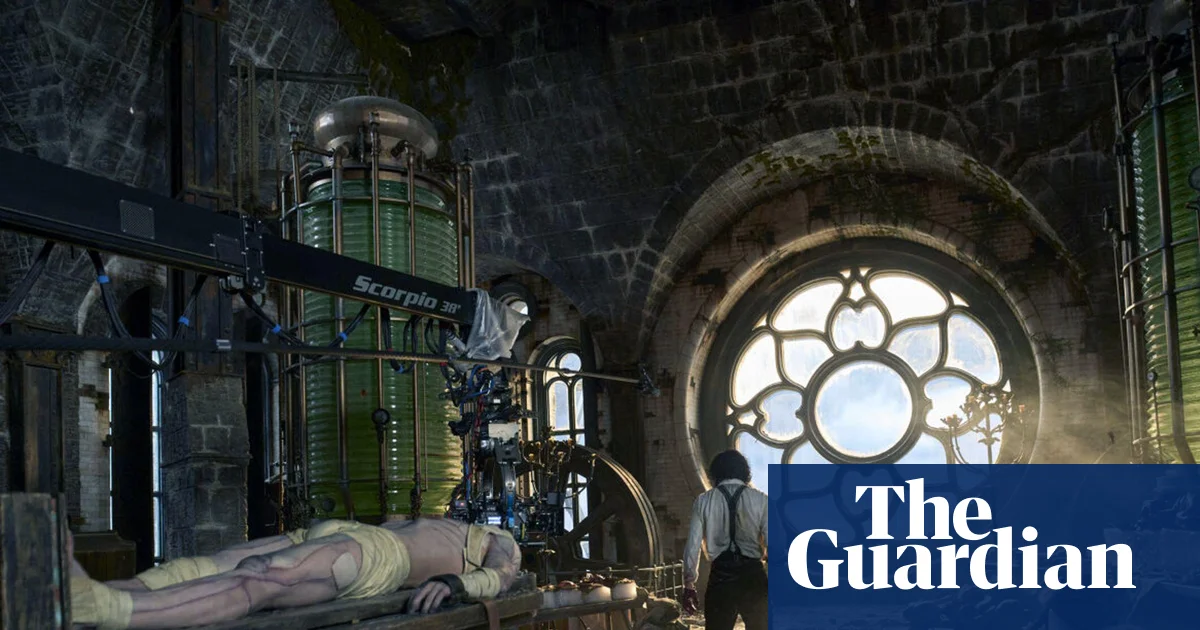
In an era where cinematic storytelling often leans toward spectacle and superficiality, Guillermo del Toro emerges as a rare craftsman, weaving profound human truths into his fantastical tapestries. His latest adaptation of Frankenstein reflects his lifelong devotion to humanising monsters—an act that transcends mere horror to explore the core of human nature. Del Toro’s approach is rooted in a belief, echoed by thinkers like G.K. Chesterton, that monsters serve as mirror images of the fractured human soul, reminding us that our true monsters are often born from within, shaped by generational trauma and societal neglect. His reinterpretation transforms Shelley’s creation from a grotesque figure of fear into a poignantly sympathetic being, a symbol of the neglected and misunderstood, underscoring how culture and narrative shape our collective identity.

Furthermore, this film underscores the enduring importance of culture as memory and prophecy. Through its visual grandeur and nuanced performances, it reminds us that stories—be they mythic or modern—serve as vessels for tradition, morals, and values. Del Toro’s meticulous craftsmanship echoes the philosophical insight of Ortega y Gasset, who emphasized that culture is an ongoing act of interpretation and re-creation. As we grapple with the chaos of contemporary life, the revival of classical themes—such as the peril of hubris and the necessity of compassion—becomes a vital act of cultural preservation. In this light, the monster’s story is not merely a horror tale but a reflection of societal breakdown, urging us to reconnect with our roots, our familial bonds, and the moral fabric that holds us together.

  • Visual storytelling: Sumptuous imagery filled with symbolic lighting—candlelit shadows and sunset hues—embody the duality of enlightenment and darkness.
  • Performance mastery: Jacob Elordi’s Creature, more tender soul than grotesque ogre, illustrates the power of empathetic acting to challenge preconceived notions of evil.
  • Themes of toxicity: The film shines a light on toxic masculinity, drawing a parallel to the Enlightenment’s warnings about playing God and the hubris that corrupts.

Yet, in the political realm of awards and recognition, Del Toro’s film faces the harsh reality of Hollywood’s selective biases against genre cinema—an echo of the broader cultural tendency to marginalize the mythic and symbolic as mere entertainment. Despite his proven track record—awards for The Shape of Water and Pinocchio—the absence of a Best Director nod hints at the lingering snobbery that still perceives fantasy and horror as inferior. Nonetheless, as T.S. Eliot once wrote of poetry that “the tradition is a public thing,” so too does culture demand that we see these stories as vital articulations of our shared human adventure. History has shown us that true cultural revolution often begins from the margins, in the stories overlooked by the mainstream.

As we look towards the future of both cinema and society, the enduring lesson remains: culture is an act of remembrance and foresight, a gift from those who came before us and a prophecy of what we yet may become. Like the timeless figures of myth and legend, our stories—whether of monsters or saints—are threads in the fabric of human consciousness, whispering in shadows and shining in the golden sunset of our collective memory. In this grand dialogue of humanity, the greatest stories are the ones that remind us of who we are—and who we might yet become—a perpetual evolution of the human spirit, forever yearning, forever becoming.

Arlo Parks Reflects on the Absence of Late-Night Conversations in Smoke-Filled Spaces: Embracing the Hedonistic Spirit of Her Bold New Album

In an era where the relentless pace of modern life threatens to drown out the echoes of tradition and the deeper currents of cultural memory, Arlo Parks emerges not merely as a pop phenomenon but as a testament to the enduring power of culture as the foundation of individual and societal identity. Her journey—from an early fascination with GarageBand confessions to commanding the stage at Glastonbury—illustrates a profound truth: that beneath the surface of popular music lies a dynamic narrative about who we are, where we come from, and where we are headed. As Ortega y Gasset once noted, “Culture is not an accessory but the very substance of society”; Parks’s evolution exemplifies this, highlighting how contemporary artists continue to redefine and uphold this vital link through their works.

Throughout her career, Parks has shown an unwavering commitment to authenticity, intertwining her personal truths with a collective history of musical and cultural innovation. Her early releases, laced with references from Nick Cave to Erykah Badu, revealed a young artist unafraid of confronting the chaos of mental health struggles and romantic rejection—a mirror to the complexities of human existence. Yet, her rise is also emblematic of a broader cultural shift wherein the boundaries of societal acceptance are expanded, allowing voice to the queer community and those traditionally on the margins. Her embrace of electronic music and nightclub culture in her latest album, Ambiguous Desire, harks back to a collective quest for liberation in spaces that historically have served as sanctuaries for outsiders. Here, Parks’s work is not just entertainment but a reclaiming of cultural spaces—akin to what Tocqueville observed about America’s penchant for creating voluntary associations—as arenas where individual spirits find community, expression, and defiance against societal conformities.

Artistically, Parks embodies a necessary rebellion against superficiality, consciously distancing herself from the temptations of commercial success that often threaten to dilute genuine cultural expression. Her deliberate turn to the night-time in her latest album, capturing the euphoric surge of clubbing and rave culture, echoes Chesterton’s assertion that “art is the most beautiful of all lies,” in that it often reveals deeper truths about human longing and societal yearning. In her song Heaven, inspired by the transcendent moments of life and music, Parks taps into the eternal human pursuit: to find meaning and connection in fleeting moments. Her acknowledgment that she explores these realms not to adopt a persona but to understand herself—”who am I now?”—speaks to the philosophical inquiry that underpins genuine cultural expression: it is a mirror and a prophecy, reflecting our current realities while sketching the contours of future identities.

Ultimately, Parks’s narrative underscores a vital idea: that culture remains the living, breathing memory of our collective humanity and the prophetic voice guiding us forward. Whether through the revival of club culture or her unapologetic discussions of desire and queerness, she exemplifies an artist who recognizes that identity is both rooted in tradition and open to renewal. And as T.S. Eliot poignantly observed, “The future is always a certainty of the imagination.” In the poetic silence between her melodies and the vibrant chaos of her soundscapes lies the promise that culture, in all its forms, persists as humanity’s continuous conversation—an echo of the past and the whisper of what yet may be, shaping and being shaped by the new generations who dare to listen and create in the ever-unfolding mystery of existence.

Brit Awards 2026: The True Voices and Lessons of the Night

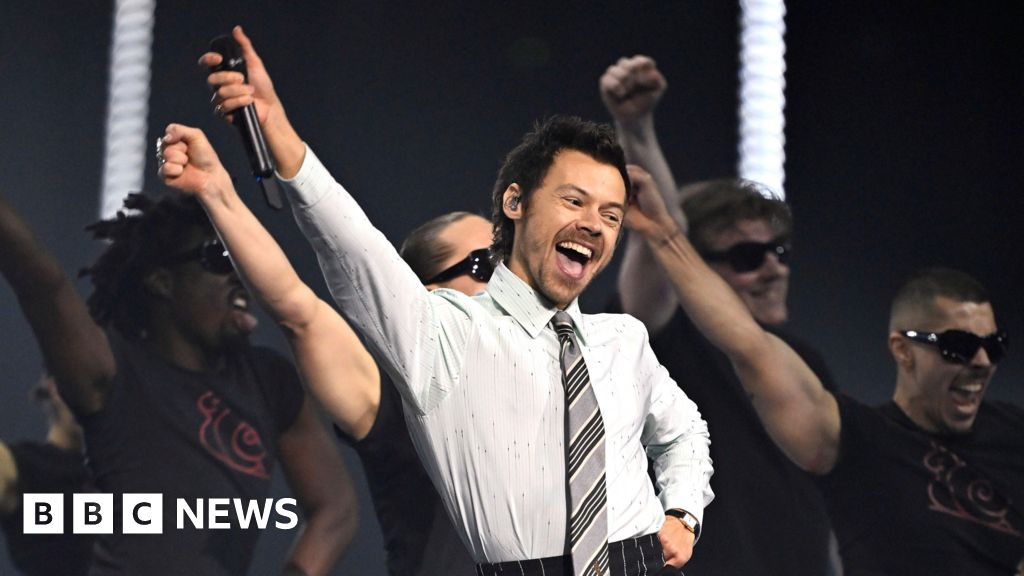
Recent events at the Brit Awards serve not merely as entertainment but as a mirror reflecting the evolving contours of contemporary culture. From Harry Styles making a fashion statement with his daring trousers to Jade’s candid confession on the red carpet, these moments encapsulate a broader dialogue about identity, tradition, and the societal narratives that shape us. Such instances underscore how culture remains inseparable from our sense of self—an ever-changing vessel that absorbs history while gestating its future.

Fashion, once confined within rigid boundaries, now emerges as a form of cultural rebellion, a way for the young, especially, to assert their sovereignty over identity. When Harry Styles defies conventional masculinity in his attire, he echoes a tradition of iconoclasts who challenged societal norms—an act reminiscent of the Romantic rebels and even tracing roots to the dandy movement. Such expressions embody a power that Ortega y Gasset might describe as the individual’s need to forge a cultural individuality, asserting that personal authenticity is a vital counterpoint to collectivist conformity. Here, fashion becomes more than aesthetics; it is a philosophical statement about the freedom of self-expression.

Meanwhile, Jade’s confession on the red carpet illuminates the ongoing tension between public performance and genuine identity, a dynamic that reaches back into the cultural fabric of modern society. In a moment of vulnerability, she exposes the often hidden struggles beneath the surface of fame, mirroring the ideas of Tocqueville on the societal importance of authentic civil discourse. Today’s stars, unfiltered and real, serve as cultural icons—mirroring society’s complex relationship with truth, authenticity, and the longing for meaning beyond superficial appearances. Their candor amplifies a collective desire to reconnect with a sense of genuine human experience in an age inundated with artificiality.

At the heart of this cultural tapestry lies the recognition that art, fashion, and public discourse function as vital expressions of societal values—touchstones that reflect our shared history and the aspirations we hold for the future. As Chesterton once observed, “Art, like morality, consists of drawing the line somewhere,” underscoring how the boundaries of taste and tradition anchor society. Yet, these boundaries are also dynamic, crafted by generations who see culture as both a conservative inheritance and a creative force. Today’s broadcasts and red carpets act as stages where this ongoing negotiation unfolds, as the youthful generation seeks to redefine the cultural narrative while remaining rooted in the stories of their ancestors.

Ultimately, culture is both our memory and our prophecy: the ongoing dialogue between what was and what shall be. The fleeting moments at the Brit Awards—be they provocative fashion choices or candid revelations—serve as reminders that the fabric of society is woven through the threads of tradition and innovation alike. As T.S. Eliot suggested, “Another side of every truth is a lie,” hinting at the intricate dance between what we uphold and what we challenge. In this dance, culture remains the steady conductor—mysterious and eternal—guiding humanity through its continual renewal towards both remembrance and aspiration, forging a future illuminated by the flame of our collective memory and prophetic hope.

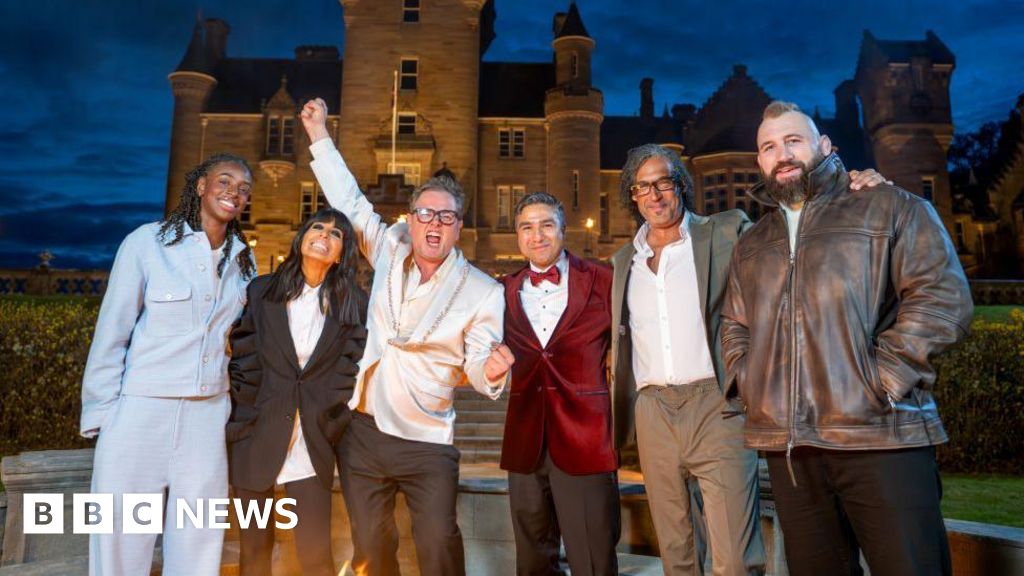
Inside the £3.25m castle acquired by Celebrity Traitors star Alan Carr—reflecting a new era of ambition and sophistication

Preserving the Soul of Identity: Scotland’s Historic House as a Cultural Testament

In the vast tapestry of a nation’s history, few symbols resonate as profoundly as its most important historic houses. Situated in the Borders, these storied edifices are not merely relics of bygone eras, but living monuments that embody the enduring spirit of a people. As cultural landmarks, such properties serve as guardians of tradition, custodians of collective memory, and echoes of the societal values that have shaped the fabric of Scottish identity. Their preservation is thus an act that transcends mere architecture; it becomes a declaration of cultural continuity in a rapidly changing world.

Drawing from the insights of cultural critics and philosophers like G.K. Chesterton, we are reminded that tradition is the organic link connecting generations, a vital force that sustains societal cohesion and moral grounding. The historic houses of Scotland exemplify this principle, standing as tangible links to the past—sites where stories of local nobility, revolution, and resilience are etched into stone and timber. These structures are more than mere aesthetics; they are symbols of national humility and pride, reminding us that a society’s soul is often best expressed through its architecture and its stories preserved within.

The cultural significance of such heritage sites extends beyond their physicality. As futurist thinker Ortega y Gasset suggested, our sense of identity is rooted in a dialogue between the present and the memory of the past. When we shield these historic houses from decay and neglect, we actively engage in this dialogue, ensuring that future generations inherit not only a physical legacy but also a moral compass. Historian Alexis de Tocqueville might argue that the strength of a nation lies in its institutions of tradition, which serve as anchors amid the tumult of societal transformation. In Scotland’s case, these houses are more than mere relics; they are ongoing narratives that continue to shape collective consciousness.

Moreover, the conservation of these cultural landmarks underscores a broader philosophical truth: culture, society, and identity are intertwined threads woven into the fabric of human existence. The importance of protecting these historic properties lies in recognizing that they embody a sense of rootedness essential to societal well-being and democratic vitality. As T.S. Eliot observed, tradition is not static but a living, breathing entity—a “living thing,” perpetually being reinterpreted by each generation. The Scottish historic houses stand as testament to this ongoing process, embodying a collective memory that grounds cultural renewal while forecasting future identity.

In an era marked by rapid globalization and cultural homogenization, the survival of such sites becomes an act of cultural resistance and affirmation. They are the tangible expressions of a history forged through struggle, triumph, and perseverance—stories of a people who refused to forget their roots. These heritage sites encourage us to see beyond transient trends and recognize that true tradition sustains the moral and aesthetic fabric of society. As guardians of order in a chaotic age, they remind us that the future must be built upon the foundations of the past, with a reverence that is both conservative and visionary.

In Closing

The Scottish historic house in the Borders is more than a property; it is a testament to the enduring power of culture to define and uphold societies. As custodians of this shared heritage, we participate in a dialogue that links memory with prophecy, a symphony of past, present, and future. In this sacred procession, culture becomes not only a reflection of who we are but also an anticipation of who we may yet become—a luminous mosaic of human memory and divine possibility.

Train Dreams: Unveiling the Power Behind the Scene

In the quiet elegance of cinema, we find a mirror to our souls—a mirror that reveals the intricate tapestry of memory, tradition, and identity. The recent final scene of “Train Dreams” exemplifies this truth, illustrating how visual storytelling transcends mere entertainment to engage with fundamental questions about what it means to be human. As Joel Edgerton’s character, Robert Grainier, embarks on a flight that becomes a voyage through his memories, we are reminded of the profound power of cultural memory to shape individual and collective identity. These fleeting moments in the sky serve as a poetic reflection on how history, personal and societal, are stitched together by the threads of remembrance, forging a sense of continuity amid chaos.

Filmmakers today, much like historians or philosophers of the past, play a vital role in preserving and interpreting our cultural heritage. Ortega y Gasset emphasized that “a people that forgets its past is condemned to relive it”. This scene’s meticulous construction—combining practical effects with cutting-edge VFX—underscores an essential truth: the craft of filmmaking is itself a form of cultural memory, a preservation of moments that might otherwise vanish into obscurity. The deliberate choice to recreate the antique plane and craft seamless transitions between past and present aligns with the timeless human pursuit of meaning through storytelling. Just as T.S. Eliot argued that tradition is the anchor of innovation, contemporary cinema—particularly in its focus on memory—serves as both a custodian and a prophet of our cultural identity.

Furthermore, the scene’s meditative narration guides us through the layered landscape of personal history, echoing the insights of Chesterton who extolled the importance of tradition as the vital link between our ancestors’ sacrifices and our present lives. The visual montage of memories—some seen earlier in the story, others new—mirrors the ongoing dialogue between individual memory and societal narratives. The flickering images, like the legends passed down through generations, affirm that culture is neither static nor mere relic. It is a dynamic force that animates our sense of __who we are__ and propels us forward, providing a moral and spiritual compass amid the upheavals of modernity.

As the final shot captures Grainier’s face, suffused with a myriad of emotions, there is a poignant reminder of philosopher Tocqueville’s assertion that democracy and culture are intertwined; both require active remembrance and participation to flourish. The scene’s culmination—Grainier’s feeling of connection—resonates universally: that through art and memory, humanity glimpses a glimpse of a transcendent order, a poetry in the cosmos of our collective soul. Culture, in its essence, is not merely a reflection of the past but an unfolding prophecy of our future, whispered across the ages in the silent language of human creativity. And in this symphony of fleeting images and enduring memories, we find a glorious testament—that culture is an indelible part of our identity, anchoring us in the wisdom of tradition while guiding us toward an unknowable yet inevitable horizon.

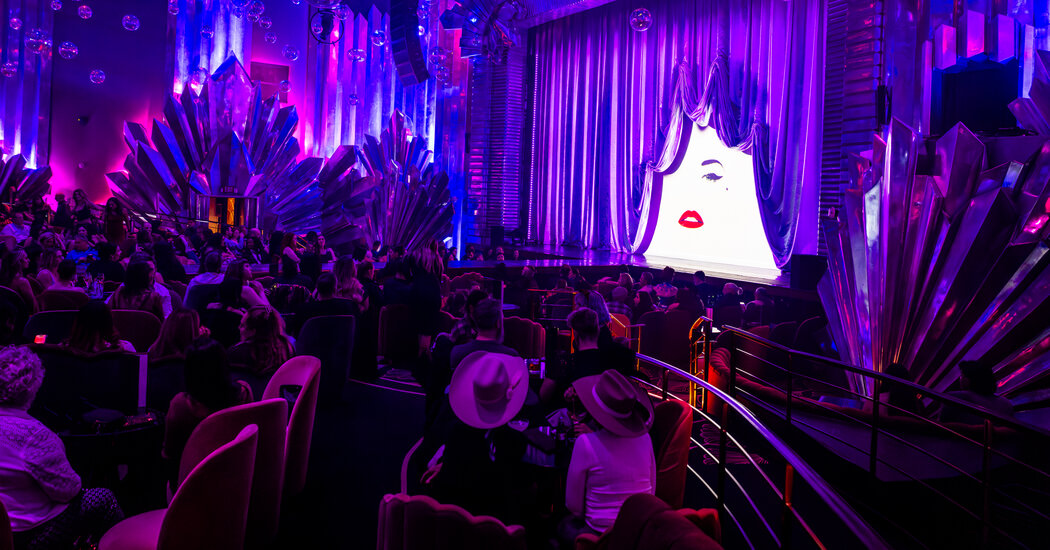
36 Hours in Las Vegas: Essential Experiences and Hidden Gems for the Modern Explorer

In the modern tumult of rapid technological advancement and shifting societal landscapes, culture remains the resilient core of human identity. It is not merely a collection of artistic expressions or popular trends; rather, it embodies the essence of tradition, memory, and moral comprehension. As Ortega y Gasset observed, a society’s true vitality hinges on its capacity to preserve its cultural core amid the chaos of change. In today’s youth, a conscious engagement with cultural symbols—whether through music, cuisine, or even leisure—serves as a vital act of reclaiming the narrative of what it means to belong. The cultural renaissance that seeks to reforge community and patriotism is not a fight against modernity but a dialogue with it—an attempt to reconnect with inherited values that anchor our collective spirit.

Take, for instance, the vibrant culinary scene illustrated by the opening at Egghead in Las Vegas—a no-frills breakfast counter that challenges the notion that meaningful tradition requires ornamentation. Here, the simple act of enjoying a breakfast sandwich becomes a reaffirmation of local craftsmanship and personal history. While such establishments are often privately owned, their connection to the larger societal framework echoes Chesterton’s idea of the spiritual significance of everyday customs. Food, after all, is a cultural language, a Rediscovery of roots that transcends superficial trends, reminding us that culture is the foundation of societal cohesion and continuity. As we savor these small yet meaningful rituals, we participate in an ongoing dialogue that shapes our identity and sustains our traditions.

Yet, culture is not static; it is a living vessel that carries the **tensions and triumphs** of human history. A symbolic journey unfolds along the Black Canyon Water Trail, where kayaking through the serene waters toward the phosphorescent glow of the Emerald Cave becomes a moment of communion with the natural spirit—an echo of the timeless human pursuit of wonder. It is during these moments that we realize that culture functions as both memory and prophecy: memory, in its preservation of the past’s wisdom; prophecy, in its beckoning us to envision a future rooted in ancestral truth. Such experiences, celebrated through art and action, reflect Tocqueville’s insight that democracy flourishes when connected to the cultural fabric of shared values and symbols. For the youth, embracing these traditions—and daring to innovate within them—is a vital act of sovereignty over their cultural inheritance.

In an age characterized by fleeting digital trends and superficial diversions, cultivating a sense of belonging through cultural continuity is a profound act of resistance. We are called not merely to consume culture but to understand it as a living dialogue—a dialogue that molds identity, fosters societal resilience, and preserves the moral compass guiding future generations. In this ongoing process, the arts, the shared customs, and even spontaneous acts of community serve as the poetic voices whispering through history. As T.S. Eliot articulated, only through engaging with the deep, enduring currents of tradition can we hope to craft a society that is both rooted and open. Culture, at its core, reminds us that we are both custodians of memory and architects of destiny; a testament that humanity’s greatest journey is devotion to the enduring, the beautiful, and the true—forever weaving the present into the fabric of an unending poetic future.

Katherine Short, descendant of Hollywood legend Martin Short, passes away at 42–A loss for American television and culture

In recent weeks, the solemn news of Katherine Short’s passing has cast a poignant shadow over the world of culture and society. At just 42, Katherine—daughter of the illustrious actor and comedian Martin Short—embodied a life marked by quiet resilience and compassionate service. Her journey—rooted in the sanctity of tradition and the pursuit of genuine human connection—serves as a reminder that culture is more than fleeting entertainment; it is the sacred vessel of our collective identity. Her dedication to social work and mental health advocacy underscores the vital role that individuals rooted in cultural and moral values play in weaving the moral fabric of society.

While Katherine maintained a modest profile, her work exemplified a reverence for human dignity, echoing the wisdom of thinkers like G.K. Chesterton, who championed the importance of moral imagination and the reaffirmation of age-old virtues in a society increasingly consumed by superficiality. Katherine earned her degrees in psychology and social work, yet her true legacy resides in her efforts to foster empathy and understanding—values that seem ever more vital in a modern age beset by alienation. Her involvement with organizations like Bring Change 2 Mind reveals an unwavering belief that society flourishes only when rooted in genuine community and the acknowledgment of shared struggles—a truth that resonates with the classical thought that culture stems from a collective memory which guides societal morality.

Her story also brings into focus a broader cultural question: how do we confront our vulnerabilities before they become tragedies? The loss of Katherine to an apparent act of self-harm highlights the urgent need for society to nurture mental health not merely as a clinical concern but as a moral and cultural imperative. As T.S. Eliot suggested, culture is a kind of continuous purification—an ongoing effort to elevate our collective consciousness. We are reminded that beneath the glitter of Hollywood’s bright lights lies a fragile human reality—an echo of the perennial tension between individual suffering and societal understanding. The importance of recognizing and preserving this moral dimension in our collective life was well articulated by thinkers like Alexis de Tocqueville, who warned that democracy—while promising equality—demands the cultivation of civic virtue and shared values. Katherine’s life, though short, was a testament to such virtues: empathy, service, and hope.

As the cultural currents continue to shift, it is vital to remember that culture is both memory and prophecy; it is the mosaic of our past that guides us towards future generations. In honoring Katherine Short’s legacy, we acknowledge that true culture—deeply rooted in tradition and moral purpose—is the foundation upon which societies not only survive but flourish. Let us see her life not merely as an endpoint but as a call to preserve the moral imagination that breathes life into our collective story, and to remain ever vigilant in our commitment to uphold the timeless virtues that shape the human spirit—virtues that, like poetry, transcend mere words and become the very essence of what it means to be truly human.

Social Media Auto Publish Powered By : XYZScripts.com