Matox News

Truth Over Trends, always!

Revamping fear: How evolving horror movies are shaping youth culture and driving profit

In our modern era, where societal fracture lines have deepened and alienation seems endemic, culture remains the vessel through which we define ourselves, preserve tradition, and anticipate the future. No genre better exemplifies this than the evolving realm of horror, which—despite its reputation—has become a mirror for the collective psyche of the 21st century. From its origins tangled in gothic antiquity, horror has consistently haunted the margins of respectability, yet at each cycle, it has reasserted itself as a genre capable of profound commentary. As Ortega y Gasset believed, culture is not merely ornamentation but a vital arena for understanding human existence—horror, in its essence, is a visceral dialogue with mortality, morality, and the chaos that underpins our shared reality.

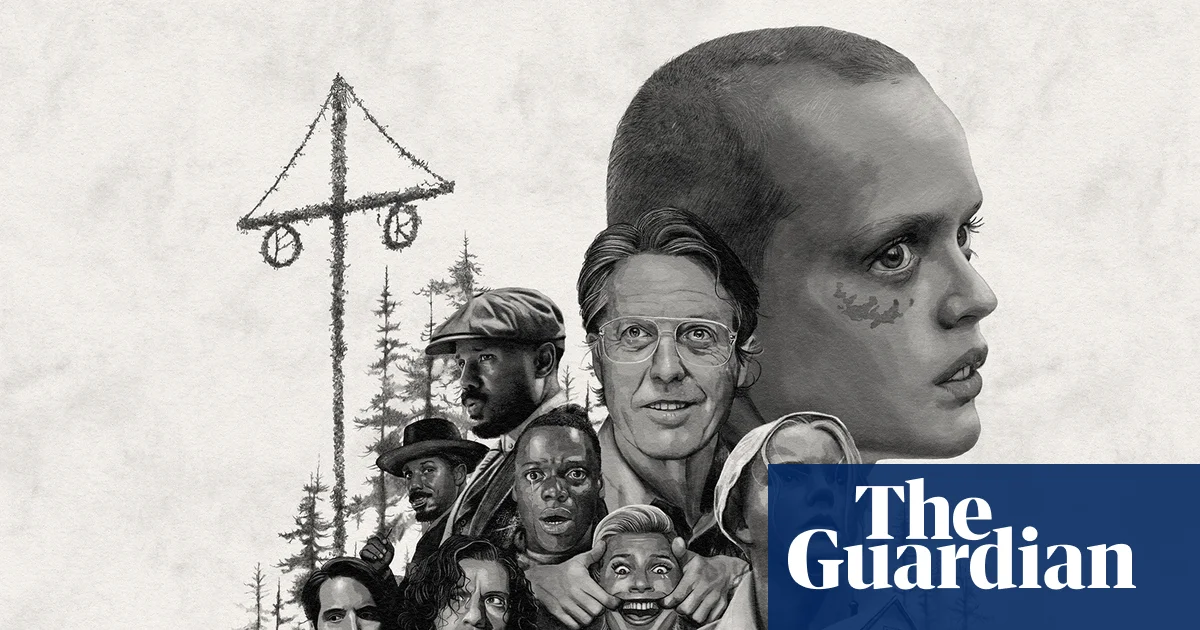
The renaissance of horror in recent years signals a cultural shift from superficial entertainment to a nuanced exploration of contemporary fears and anxieties. The rise of “elevated horror”—epic-length films by directors like Jordan Peele, Robert Eggers, and Jennifer Kent—demonstrate a deliberate move away from pulp and slasher tropes, embracing complex narratives and aesthetic experimentation. Their work abandons the traditional 90-minute formula to delve deeply into themes of societal trauma, identity, and existential dread. These auteurs recognize, as T.S. Eliot did, that the true function of art is to serve as both memory and prophecy—a means to confront the darkness of today while illuminating the path forward. Horror’s capacity for metaphor allows it to address issues like racial injustice, colonialism, and environmental decay with a symbolic language that speaks directly to the core of societal decency and decadence alike.

Moreover, the genre’s international infusion—enabled by the proliferation of digital media—has broadened the horizons of what horror can embody. From the visceral extremities of France’s New French Extremity to Korea’s unflinching psychodramas, filmmakers now push boundaries that once seemed sacrosanct, echoing Chesterton’s assertion that “the true critic,” especially in times of moral decline, must be a *defender of culture* against entropy. Today’s horror, with its innovations in visual storytelling and narrative ambiguity, blurs the line between arthouse and mainstream, reflecting a culture increasingly skeptical of simple narratives and eager for provocation and reflection. This tension suggests that in every shadow cast by a horror film lies the unspoken truth of our collective soul—a testament to our fears, hopes, and moral compass.

As history reveals, the genre’s cycles of reinvention—spurred by breakthroughs like The Blair Witch Project and Get Out—are not accidental. Each wave signifies a society grappling with new terrors, be they technological, political, or existential. The modern horror landscape recognizes this; it constructs masterpieces like Eggers’s Nosferatu or Fargeat’s vicious narratives, to echo the ancient truth that through darkness, we find our deepest selves. While mainstream cinema dons the guise of heroism and moral certainty, horror dares to peer into the abyss, revealing that perhaps the true measure of our civilization lies not solely in our progress but in our resilience to face what lurks beneath—whether it be social upheaval, internal trauma, or the unseen horrors of a world unmoored. In this continuous process, culture becomes both a guardian of memory and a prophet of future reckonings, whispering softly that humanity’s greatest strength is not avoidance, but the courage to confront the shadows within and without, with eyes wide open and hearts steadfast.
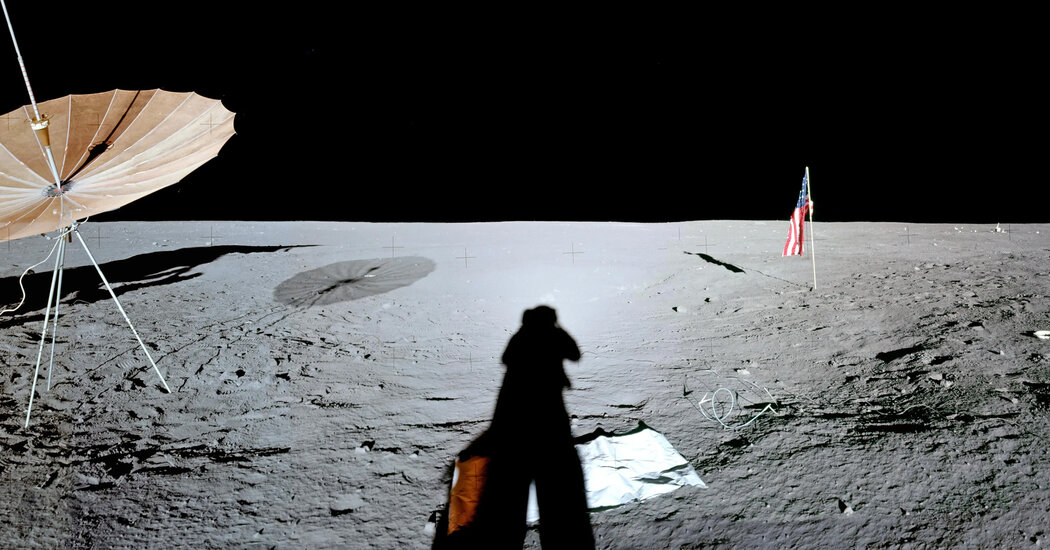

NASA’s Lunar Photography: Bridging the Gap Between the Heavens and Our World

The Celestial Canvas: Culture, Identity, and Humanity’s Perpetual Quest

Throughout the annals of history, humanity has looked upward, **drawn by the celestial vault that crowns our existence**. From the earliest star maps to the groundbreaking lunar photographs captured by NASA, our collective fascination with the Moon exemplifies the enduring human desire to understand our place in the cosmos. But beyond the realm of science, it is culture—an intricate tapestry woven with tradition, art, and philosophy—that imbues this celestial curiosity with profound significance. Like Georges Méliès’ “Le Voyage Dans la Lune”, which transformed scientific wonder into a fantastical narrative, our cultural expressions serve as a mirror reflecting how societies interpret the universe and their spiritual relationship to it. These artistic endeavors are not mere entertainment; they are the symbols of our shared identity, anchoring us in our history and pointing toward future horizons.

In contemplating the cosmic, we must recognize the role of culture as the **fundamental vessel of identity and societal continuity**. Just as Ortega y Gasset emphasized culture as the continuity of a civilization’s spirit, our collective engagement with the Moon epitomizes this continuity. The iconic lunar photographs seen in collections from NASA, the historic daguerreotypes, and artwork like Vincent van Gogh’s “The Starry Night” are more than visual records—they are monuments to our ongoing quest to comprehend phenomena that seem both distant and intimate. Culture, in this sense, acts as both memory and prophecy, each image and story echoing our ancestors’ awe and inspiring future generations to dream beyond mere survival. It is through such cultural artifacts that societies define their narratives, their hopes, and their fears—an intricate dialogue that transcends time and space, linking us to the stars and to each other.

  • The Moon has served as a canvas upon which cultural milestones are inscribed, from the initial lunar explorations to the philosophical ponderings of thinkers like T.S. Eliot, who saw in the cosmic chaos a reflection of the human condition.
  • Artworks and scientific images alike serve as rituals of remembrance and aspiration, anchoring our identity in the vast fabric of history.
  • The shared experience of gazing skyward fortifies communal bonds and fosters a sense of continuity amid rapid social change.

As Tocqueville once observed about the vital role of culture in shaping shared values, our modern lunar fascination illustrates the enduring importance of tradition in weaving the fabric of society. In an age where material progress often threatens to eclipse spiritual and cultural pursuits, the Moon remains a symbol of what it means to aspire—to reach beyond ourselves and find meaning in the mysterious. The ancient parables and the modern telescopic images converge in a common act of discovery: that humanity’s deepest treasure lies in its stories, images, and ideas—each a shard of the eternal mirror reflecting who we are and who we hope to become. Culture is both the memory that grounds us and the prophecy that propels us forward into the luminous unknown.

Thus, as the moonlight bathes the contours of our collective soul, it reminds us that our history and hopes are bound by a shared celestial heritage. Like the poetry of Chesterton, which elevates the ordinary to the divine, and the philosophical insights of Ortega y Gasset, who saw culture as the bridge connecting past, present, and future—the universe whispers of a human destiny intertwined with memory and prophecy. In this grand cosmic dance, our culture is both the shadow cast by the distant star and the spark illuminating the night’s eternal sky, guiding us with its silent, luminous promise: that in understanding the universe, we find ourselves—and in ourselves, the universe’s most enduring mystery.

Icons Week Continues Amid Transition as Tess Daly and Claudia Winkleman Exit

In a cultural landscape saturated with transient spectacles and fleeting trends, the BBC’s flagship dance show, Strictly Come Dancing, stands out as a testament to our enduring connection with tradition, artistry, and shared memory. As the beloved presenting duo Tess Daly and Claudia Winkleman prepare to bid farewell after two decades of guiding viewers through the glittering ballroom, we are reminded that culture is more than entertainment—it is the fabric of societal identity. Their departure marks not merely a change of faces but signifies a turning point that invites reflection on how television, and by extension our collective cultural identity, evolves amidst modern challenges.

The significance of such long-standing cultural phenomena is reminiscent of Ortega y Gasset’s notion that a society’s identity is woven through its shared narratives and cultural symbols. For twenty-one years, Daly and Winkleman became the custodians of countless memories, anchoring generations in a tradition that celebrates rhythm, dance, and human connection. Even in times of controversy or controversy, the show’s capacity to draw millions demonstrates its role as a cultural anchor. Their impending exit—highlighted by the subdued tone of the BBC’s chief content officer—suggests that even institutions deeply embedded in our social fabric are subject to the natural cycle of renewal and redefinition, echoing Tocqueville’s insights on the resilience inherent in democratic institutions that must adapt to survive.

Curiously, the inevitability of change plays into the symbolic importance of rebranded narratives, reminiscent of Chesterton’s argument that tradition is the democracy of the dead—an ongoing dialogue between past and present. The absence of Daly and Winkleman from future series leaves a gap both literally and metaphorically. Yet, it also opens a space for innovation—an acknowledgment that culture is both the memory of humanity and the prophecy of what is yet to come. Names like Fleur East, Roman Kemp, Hannah Waddingham, and others are already being whispered as potential torchbearers—figures who can carry forward the narrative of resilience, vitality, and societal cohesion. The show stands at a crossroads, where tradition and reinvention collide, reminiscent of Eliot’s notion that the future of society depends on our ability to reconcile the old with the new.

It is profound to consider that the culture of dance and storytelling is fundamentally a reflection of our identity—personal and collective. When we watch these performances, we partake in an act of shared memory, connecting us to our ancestors’ passions and aspirations. As the great cultural critics remind us, this dance with continuity and change is what sustains societies through upheavals. Whether the show rebrands or shifts its creative direction, the core truth remains that our culture—like a living organism—must continually evolve while remaining rooted in its history. This resilience is what transforms mere spectacle into a symbol of human persistence and hope amidst the chaos of modernity.

At the heart of this transition is a poetic reminder that culture is both prophecy and memory; it is the echo of the past and the whisper of the future. When the curtain falls on Daly and Winkleman’s era, it does not close the book—it writes the next chapter. Just as the dance moves to a new rhythm, so too does society find renewal through the artistry of those who dare to imagine anew. The beauty of this ongoing cultural symphony is that it reminds us: in the great hall of human achievement, our stories continue to dance, step by step, into the dawn of what is yet to come.

Philip Pullman’s The Rose Field: A Riveting Finale to the Northern Lights Series for the New Generation

In an era where institutions falter and the very fabric of society appears frayed, the enduring power of culture emerges as both a sanctuary and a lighthouse. Like the ancient parable of the Tower of Babel, our modern world’s complexity and division underscore a profound truth: that culture—the collective memory and shared symbols of a people—constitutes the bedrock upon which society fortifies its identity and moral coherence. As Tocqueville observed, societies are held together not merely by laws or economic structures but by the moral and cultural fabric that sustains collective purpose amidst chaos. Today, amid global upheaval, this fabric is challenged, yet it remains crucial for understanding who we are and envisioning who we might become.

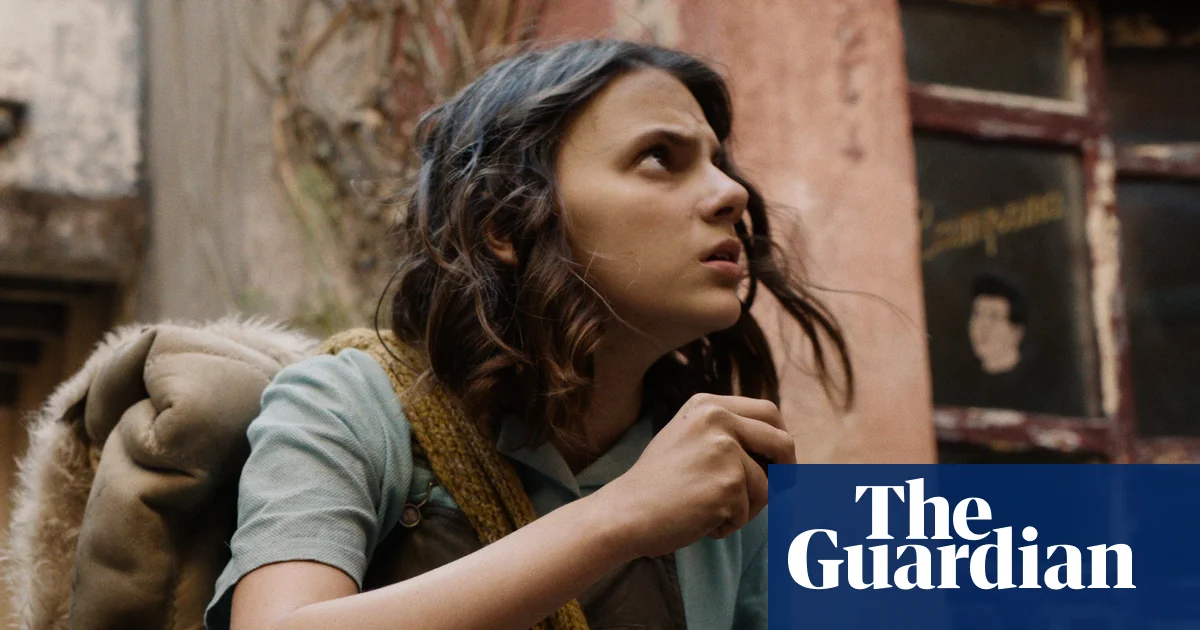
Pulling from philosophical reflections by thinkers such as G.K. Chesterton, who championed the importance of tradition and imagination in shaping a vibrant society, we recognize that cultural icons and stories serve as passing of torch—proofs of continuity and beacons of hope. The recent narratives of Philip Pullman, particularly within The Book of Dust, exemplify this understanding. His universe, where worlds collide and where myth intersects with reality, reminds us that humanity’s narrative is not merely a series of disconnected facts but an ongoing story that guides moral and spiritual development. Lyra’s evolution—once a girl of innocent curiosity, now a woman marked by loss and perseverance—reflects the essential need for a shared mythology that keeps alive the inextinguishable flame of human imagination amid a landscape of disillusionment.

This intrinsic relationship between culture and identity is echoed in the writings of Ortega y Gasset, who pointed out that the individual’s sense of self is inextricably linked with the larger story of their community. As institutions waver and markets shift unpredictably—highlighted in Pullman’s depiction of economic crises associated with mysterious rose oil—we are reminded that the symbols we cherish and the stories we tell uphold societal resilience. These narratives, often dismissed as mere entertainment, are in fact the vessel for communal memory and moral orientation; they are the language of tradition that keeps society anchored as it navigates tumultuous waters. Like Chesterton’s insistence that “tradition is the democracy of the dead,” our cultural expressions serve as a dialogue across generations, ensuring that even in the face of chaos, the narrative of human greatness persists.

Ultimately, culture embodies both memory—the record of humanity’s virtues, struggles, and triumphs—and prophecy—a vision of what can be achieved when the moral imagination is stirred. It whispers to us through art, literature, and shared rites that we are not isolated individuals but members of an ongoing story, shaped by ancestors and poised toward future heights. As T.S. Eliot reminded us, the true poet is one who recognizes that “the past is never dead; it’s not even past.” In this light, our cultural inheritance—whether in Pullman’s mythic worlds or in our own rooted traditions—becomes a guiding star, urging us to preserve what is worth fighting for, and to envision anew what humanity can achieve.

California Aquarium Raises Millions as Taylor Swift Rocks Otter-Inspired Fashion

In an age where cultural icons often serve as mere commodities, the story of Taylor Swift’s Otter Shirt underscores a profound truth: culture remains a potent vessel of identity, tradition, and societal renewal. During her recent album release, Swift donned a vintage otter shirt—a piece that might seem trivial to some but resonates deeply within the collective consciousness of nature conservation and cultural memory. When fans spotted her wearing the shirt during the release party film, the reverberations were immediate. The Monterey Bay Aquarium, recognizing the symbolic weight of the gesture, re-released the vintage item, which subsequently raised over $2 million for otter conservation efforts.

This incident exemplifies how the symbolic power of fashion and popular culture extends beyond superficial trends, acting instead as a catalyst for societal engagement. Artistic expression, as philosopher G.K. Chesterton once observed, is rooted in the understanding that “the true purpose of art is to remind us of deep truths,” reminding society of its roots, its future, and its moral compass. Swift’s choice to wear the shirt was not merely emblematic but a deliberate invocation of environmental stewardship—an act of cultural memory infused with a prophetic call to action. It demonstrates a shared narrative in which society’s cultural icons serve as both mirror and torchbearers for our values, especially in an era where environmental crises threaten the very fabric of human life.

Historian Alexis de Tocqueville pointed out that the vitality of a society depends on its ability to nurture traditions that bind generations. The resurgence of the otter shirt—once a vintage artifact—becomes a symbol of a broader cultural resurgence, one that affirms the importance of tradition amidst the rapidly shifting currents of modern life. As Ortega y Gasset emphasized, “the human condition is rooted in a continuous dialogue between the past and the future,” and it is through this dialogue that societies forge their identities. Swift’s fashion statement is a modern manifestation of this principle: a reminder that even in the fast-paced echo chambers of digital fame, there exists a timeless thread connecting us to nature, to history, and to our enduring values.

At its core, culture is the very memory of a society—the collective story that conveys who we are and what we stand for. Yet, it also serves as the prophetic voice of what we might become. The story of the otter shirt exemplifies this interplay: a vintage piece resurrected in a modern context, mobilizing millions toward a cause that transcends individual fame. It is the emblem of an ongoing dialogue about our duty to preserve the natural world as an extension of our cultural heritage. As T.S. Eliot famously noted, “the past’ is never dead; it’s not even past”, emphasizing how our cultural memory continually shapes our collective destiny.

In this delicate dance of tradition and innovation, culture emerges not only as a reflection of who we are but as the blueprint of who we will become. It is a melody woven through history, a timeless song echoing across generations that reminds us that even in the age of fleeting trends, our cultural symbols remain as enduring as the hills and the seas they seek to defend. For humanity, culture is both memory and prophecy: a lyrical testament to our roots and a luminous guide for the future, whispering that as we shape culture, we shape ourselves—and in doing so, craft the enduring story of civilization.

Shelby Oaks Review – Disappointing Halloween Horror Fails to Deliver Frights

In the modern age, culture serves as a vital—the very foundation—of societal identity and tradition. Yet, today we witness a troubling decline in the artistic and cultural standards that once fostered genuine community and ennobled the human spirit. The recent batch of horror films airing in the shadow of Halloween exemplifies this trend: franchises like Black Phone 2 and Shelby Oaks are emblematic of a cultural landscape increasingly dominated by superficiality and the superficial chase of cheap shocks. Instead of cultivating the rich tapestry of tradition or elevating society’s moral and aesthetic horizons, these productions reflect a descent into mediocrity, where the artistic is sacrificed on the altar of spectacle and profit.

This cultural malaise echoes underscored warnings from philosophers like José Ortega y Gasset, who lamented the crisis of mass entertainment diluting human excellence. The decline from genuine artistic endeavor to formulaic imitation—cloaked under the guise of innovation—is a sign of a society losing touch with its deeper roots. We can compare the current cultural decline to a kind of cultural amnesia, a forgetting of the traditions that once unified communities and inspired moral virtue. Instead of fostering stories that challenge the soul or elevate the mind, Hollywood now panders to fleeting trends, often producing films that are hurried, unoriginal, and devoid of the philosophical weight that once characterized Gothic or Romantic art.

This phenomenon is not confined to the film industry alone. It pervades the digital landscape, where YouTube creators like Chris Stuckmann attempt to carve their space within a fractured cultural framework. His debut feature, a low-budget horror film that tries to capitalize on genre tropes and online appeal, falls short of authentic storytelling, revealing the peril of a culture increasingly content with surface-level entertainment. Conversely, creators like Curry Barker, who successfully transitioned from humble beginnings to refined cinematic art, demonstrate that true cultural progress demands a mastery of craft and a reverence for tradition. As Chesterton argued, “Art is the signature of man,” linking cultural vitality directly to the moral and aesthetic cultivation of society.

In the face of this erosion, it is essential to recognize that culture is more than mere entertainment; it is the living memory of a civilization’s virtues, struggles, and aspirations. It should serve as both a mirror and a prophecy, reflecting the best of humanity and guiding us toward a future rooted in the enduring truths of our shared history. To heed the insights of T.S. Eliot—that “the past makes us, not in the sense of mere history but as a living tradition”—is to understand that our cultural endeavors forge the very fabric of society. In doing so, culture reveals the dual nature of humanity: a repository of memory, yet also a prophetic voice pointing towards human potential, calling us to remember the nobility of our ancestors and to forge a future that honors that nobility.

Ultimately, culture remains the sacred language of human authenticity—a symphony woven from the echoes of the past and the visions of what is yet to come. As we stand at the crossroads of this cultural moment, let us remember that true art and tradition are the torchbearers illuminating the way through the darkness toward a horizon where human greatness is rekindled, and the soul of society endures—resilient, rooted, and renewed in the eternal poetry of human existence.

Prince Andrew urged to come forward with his account of Epstein abuse, co-author tells BBC

In the ornate tapestry of British history, few threads are as dark and revealing as the recent revelations surrounding Prince Andrew, a figure whose reputation has become an emblem of a broader cultural crisis—one where honor and morality are challenged by the insidious influence of power and greed. The contentious disclosures in Virginia Giuffre’s posthumous memoir, Nobody’s Girl, cast a stark light on a web of corruption intertwined with the sordid pursuits of Jeffrey Epstein. While the prince denies direct involvement, the details evoke echoes of historical tales where the thick fabric of tradition is pulled apart by the threads of scandal, forcing a nation to confront its values anew.

Beyond individual guilt, this saga raises fundamental questions about the relevance of culture as a custodian of societal virtue. As philosopher Ortega y Gasset highlighted, a society’s true fabric is woven from its shared beliefs, its sense of identity rooted in enduring moral frameworks. When these are compromised—be it through scandal or neglect—the entire social order risks unraveling. The royal family, once seen as a pillar of societal stability, now faces the difficult task of re-establishing its moral authority. The voluntary abdication of Prince Andrew from his titles and membership in the Order of the Garter signifies a symbolic gesture in this ongoing struggle—a recognition that history is a mirror, and the reflection demands accountability. Yet, symbols alone cannot heal the wounds inflicted by the abuse of privilege; institutions must be prepared to confront and learn from the past if they are to endure.

  • Culture as Memory: The traditions and narratives we hold dear are repositories of collective memory, shaping our identity and aspirations.
  • Culture as Prophecy: Our shared cultural symbols serve as blueprints for the future, guiding generations through lessons learned and values upheld.
  • Historical Parallels: Societies embroiled in scandal—akin to the fall of Rome’s decadence or the upheaval of the ancien régime—remind us that moral decay invites systemic crises unless confronted with truth and reform.

In the words of T.S. Eliot, true culture is “the memory of a civilization,” one that demands vigilance and honesty. Today’s challenge lies not in erasing the stain of scandal but in strengthening the moral foundation that underpins our societal institutions. As Chesterton once observed, “A true society is built not on the superficial veneer of power, but on the bedrock of principle,” urging us to look beyond fleeting symbols towards the enduring core of human dignity. The ongoing controversy acts as a reminder that culture is both a reflection and a prophecy: it reflects where we stand morally, and it foretells what we risk losing—our shared humanity—if we fail to confront our shadows. As we stand at this crossroads, may we remember that in the depths of scandal lurks the possibility of renewal, for history teaches us that from the ruins of arrogance and silence, a new society can yet emerge, rooted in truth and humility—a future where the memory of our virtues guides the prophecy of what humanity can become.

Reflecting on 1929: The tumultuous Wall Street Crash and Its Lasting Impact on a Generation | Books

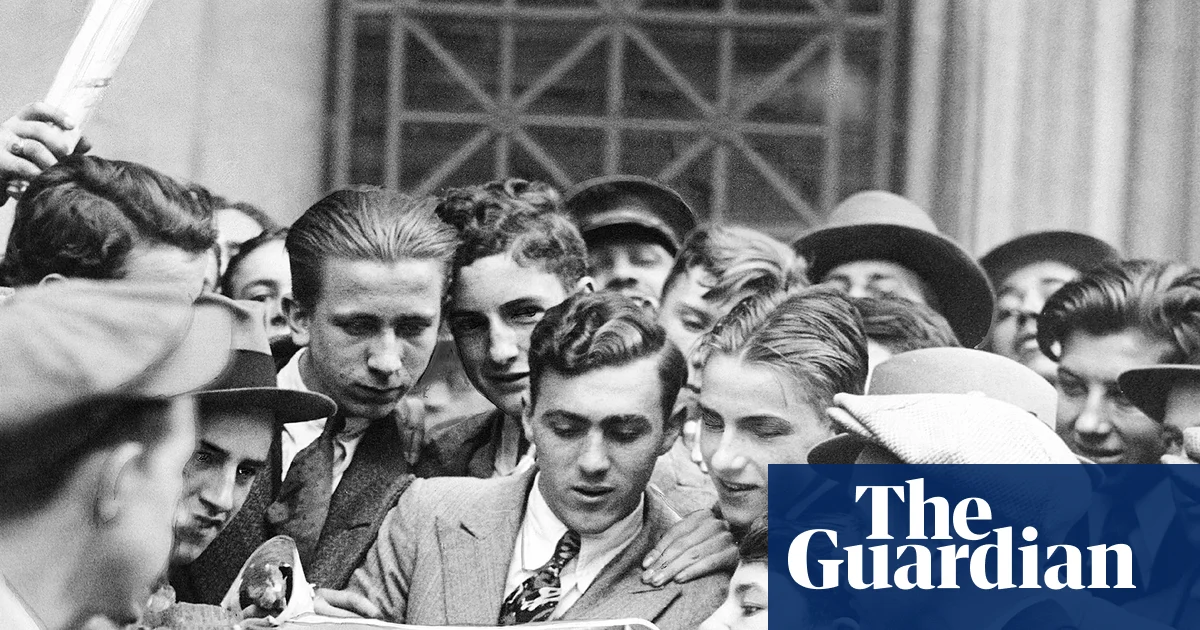
In a world increasingly captivated by the relentless churn of markets and technology, the crisis of 1929 stands as a stark reminder that the fabric of society is woven from the threads of culture, tradition, and human character. Andrew Ross Sorkin’s latest work, 1929, invites us to peer into the tempest that shattered a nation and reshaped the collective psyche. The 1929 Crash, often remembered through the lens of economic charts and distant statistics, was ultimately a human tragedy—marked not merely by falling stock prices but by a profound upheaval in the moral and cultural order. As Ortega y Gasset warned of the peril of misunderstanding the *spirit* of the times, so too must we recognize that these moments of upheaval challenge the very foundations of our cultural identity and societal cohesion.

Throughout history, society’s most pivotal shifts have been driven less by abstract numbers and more by the stories of individuals—whose motivations, flaws, and virtues define the era. Chesterton’s assertion that “truth is the way things are, perceived without illusion” is echoed in the detailed archival research Sorkin undertakes, uncovering the driving forces behind the crash’s protagonists. Figures like Thomas Lamont, Carter Glass, and John Raskob are not mere caricatures of greed or ambition; they are embodiments of the complex interplay between human nature and societal structure. Their judgements, driven by desire and ideology, echo Tocqueville’s observation that democracy is a fragile vessel, vulnerable to the whims of collective morality. Culture, in this sense, is not a mere backdrop but the living membrane that sustains or shatters communal stability.

Modern parallels emerge naturally from Sorkin’s narrative. Today’s debates over cryptocurrency, private equity, and financial democratization reflect the same unchecked optimism and hubris that led to the 1929 crash. As Sorkin notes, the rhetoric of “democratizing finance” has remained a constant, whether through the advent of credit instruments or the recent regulatory debates surrounding Tesla’s visionary Elon Musk or Elizabeth Warren’s regulatory fervor. The cultural mythos of the self-made entrepreneur or the crusading reformer persists, yet beneath the surface, the tensions remain. Here, the lessons of history serve as the mirror of our aspirations and follies. *We are reminded that the true cost of financial hubris isn’t merely measured in dollars but in the erosion of social trust and moral coherence.*

As the dust of 1929 settled, the nation faced a reckoning not just with economics but with its own soul. Sorkin’s tapestry of characters—ranging from Hoover to Churchill, and from Wall Street magnates to political reformers—illustrates how cultural memory bears witness to the enduring struggle to maintain societal virtue amid chaos. The calamities of yesteryear are not merely stories of the past but prefigurations of future crises, just as Eliot advocated that “history is a pattern of timeless images.” To understand the tumult of 1929 is to comprehend that culture is both a safeguard and a prophecy: a collective memory that informs our present resolve and foreshadows the possibilities yet to come.

In a world teetering between the allure of progress and the perils of excess, the enduring lesson remains clear: culture, built on tradition and moral discipline, is the true bulwark against the chaos of unchecked ambition. As poets and philosophers have long seen, humanity’s destiny is written not only on the ledger of markets but in the stories we tell, the values we cherish, and the memory we preserve. For in culture lies the eternal spirit that inspires us to dream, to remember, and to create a future imbued with meaning—a future where history is not merely a wake-up call, but a prophecy of hope rooted in the timeless pursuit of the true, the beautiful, and the good.

The Met’s Top 20 Most Provocative Artworks: Test Your Eye and Discover the Unseen

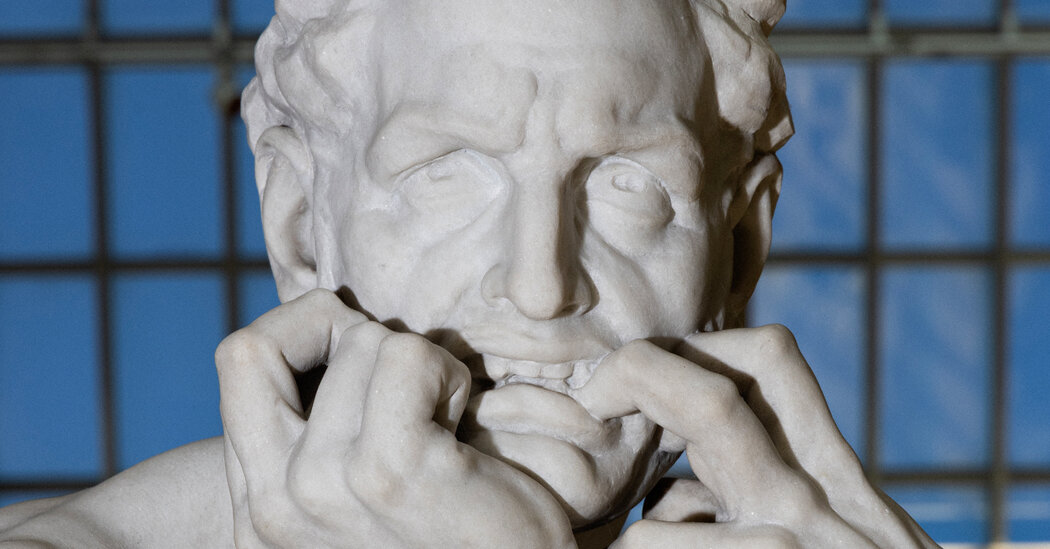
As the shadows lengthen and October’s chill sets in, the Metropolitan Museum of Art reveals a different face—a spectral gallery of the human psyche’s darkest corners. Traditionally regarded as a temple of aesthetic marvels—shimmering Impressionist landscapes, delicate kimonos, and marble gods—the museum during Halloween transforms into a haunted hall of echoes, where art acts as a mirror to mankind’s deepest anxieties. Here, with centuries of artworks ranging from ancient relics to modern horrors, we witness how culture is far more than mere decoration; it is the vessel carrying the profound stories of saints and sinners, myths and monsters, that define our identity and societal fabric.

Human history, as noted by thinkers like Tocqueville, is woven with the threads of shared symbols and collective memories—elements that affirm cohesion and continuity in the face of chaos. The artworks uncovered during this dark season serve as symbols of a universal truth: that culture, at its core, is both memoria and prophecy. The haunting images of medieval saints battling demonic forces or classical sculptures depicting menacing mythical beasts become more than relics—they become reflections of our own inner struggles and societal fears. As Chesterton argued, the true function of art is to reveal the moral order amidst disorder. These macabre masterpieces, in their spectral silence, uphold an unyielding vigilance, testifying to a civilization’s resilience against modern nihilism.

Philosophers like Ortega y Gasset have long emphasized that a society’s vitality depends on its cultural foundations. When the shift from tradition to chaos threatens our collective stability, it is art—especially the “haunted” works of the past—that anchors us. These artworks, echoing through the corridors of time, tell stories of moral daring, of the perennial struggle between good and evil, and remind us that our cultural inheritance is a sacred trust—an ongoing dialogue between memory and aspiration. The museum’s spectral turn during October becomes a reminder: that culture is neither static nor dead but a living, breathing entity infused with our collective hopes and fears, illuminating the path of human destiny.

So, as we wander through this labyrinth of shadows, let us remember that culture is both the memory of our ancestors and the prophecy of our future. In the ghostly silence of these haunted halls, art whispers that humanity’s greatest legacy is not merely what we create, but what we preserve—our moral compass, our shared stories, and our hope for coming dawn. Indeed, in contemplating these spectral artworks, we are invited to see ourselves anew—an eternal dialogue of the soul, where the echoes of the past forge the promise of tomorrow, and the memory of humanity’s darkness reveals the luminous potential of its light.

Prince Andrew steps back from Duke of York title amid mounting scrutiny

In recent weeks, the British monarchy has endured a turbulent chapter that underscores the enduring significance of cultural tradition as both a reflection and a unifying force within society. Prince Andrew’s decision to relinquish all royal titles, including the Duke of York, amidst persistent scandal and moral scrutiny, echoes a broader narrative of decline and adaptation that has characterized royal institutions across history. While critics may hastily dismiss this as a mere crisis of individual morality, it profoundly illuminates how culture shapes identity and societal cohesion. As Ortega y Gasset observed, societies are not merely collections of individuals but living organisms whose collective spirit sustains its vitality through shared symbols, values, and rituals. The monarchy, historically a custodian of tradition, now finds itself at a crossroads where the erosion of aristocratic privilege confronts a need for renewal rooted in and sustained by cultural continuity.

The controversy surrounding Prince Andrew is not simply a scandal but a lens into the shifting moral landscapes that challenge the authoritarian-prescriptive era of the past. His associations with Jeffrey Epstein and subsequent allegations have dragged into the light uncomfortable truths about privilege, power, and the perils of a world disconnected from the ordinary citizen’s moral compass. As Tocqueville warned, democracy’s strength lies in its capacity to hold institutions accountable, ensuring that a new form of civic virtue replaces aristocratic immunity. The prince’s decision to step down, therefore, is a symbolic gesture—a recognition that the fabric of societal trust must be woven anew, with threads of responsibility, humility, and accountability. This moment reverberates beyond personal failings, calling into question the very nature of authority and the ethical foundations upon which modern societies are built.

Culture, as Chesterton championed, acts as a “moral space”—a repository of memory, a prophecy of hopes. The Royal Family’s evolution in the midst of scandal underscores the vital role of tradition as both a safeguard and a force of renewal. As society’s guardians, cultural icons and institutions must adapt without losing sight of their vital role in shaping collective identity. The monarchy’s present trial reveals that the future of tradition depends on its ability to remain rooted in the moral truths of the past while daring to confront the complexities of today. In this tension between memory and prophecy, culture becomes a dynamic dialogue—an ongoing act of storytelling that sustains the soul of a nation. As T.S. Eliot once said, “The historical sense involves a perception, not only of the pastness of the past, but of its presence.” The history of the monarchy—the continuity through upheaval and moral challenge—serves as a mirror reflecting that the soul of a society is both its memory and its prophecy.

In the final analysis, the narrative is not merely about titles or scandals but about the enduring power of culture to define who we are and who we aspire to be. The royal upheaval signifies more than a personal fall—it symbolizes a society’s relentless quest for authenticity, moral integrity, and rootedness amidst changing tides. Culture remains the language through which a community negotiates its identity, negotiates its ideals, and projects its hopes into the horizon. It is both the memory that sustains us and the prophecy that beckons us forward, a testament to humanity’s eternal dance between memory’s rootedness and prophecy’s ascent—an enduring testament that the heart of civilization beats strongest where history and hope intertwine.

Social Media Auto Publish Powered By : XYZScripts.com