Matox News

Truth Over Trends, always!

Reflecting on 1929: The tumultuous Wall Street Crash and Its Lasting Impact on a Generation | Books

In a world increasingly captivated by the relentless churn of markets and technology, the crisis of 1929 stands as a stark reminder that the fabric of society is woven from the threads of culture, tradition, and human character. Andrew Ross Sorkin’s latest work, 1929, invites us to peer into the tempest that shattered a nation and reshaped the collective psyche. The 1929 Crash, often remembered through the lens of economic charts and distant statistics, was ultimately a human tragedy—marked not merely by falling stock prices but by a profound upheaval in the moral and cultural order. As Ortega y Gasset warned of the peril of misunderstanding the *spirit* of the times, so too must we recognize that these moments of upheaval challenge the very foundations of our cultural identity and societal cohesion.

Throughout history, society’s most pivotal shifts have been driven less by abstract numbers and more by the stories of individuals—whose motivations, flaws, and virtues define the era. Chesterton’s assertion that “truth is the way things are, perceived without illusion” is echoed in the detailed archival research Sorkin undertakes, uncovering the driving forces behind the crash’s protagonists. Figures like Thomas Lamont, Carter Glass, and John Raskob are not mere caricatures of greed or ambition; they are embodiments of the complex interplay between human nature and societal structure. Their judgements, driven by desire and ideology, echo Tocqueville’s observation that democracy is a fragile vessel, vulnerable to the whims of collective morality. Culture, in this sense, is not a mere backdrop but the living membrane that sustains or shatters communal stability.

Modern parallels emerge naturally from Sorkin’s narrative. Today’s debates over cryptocurrency, private equity, and financial democratization reflect the same unchecked optimism and hubris that led to the 1929 crash. As Sorkin notes, the rhetoric of “democratizing finance” has remained a constant, whether through the advent of credit instruments or the recent regulatory debates surrounding Tesla’s visionary Elon Musk or Elizabeth Warren’s regulatory fervor. The cultural mythos of the self-made entrepreneur or the crusading reformer persists, yet beneath the surface, the tensions remain. Here, the lessons of history serve as the mirror of our aspirations and follies. *We are reminded that the true cost of financial hubris isn’t merely measured in dollars but in the erosion of social trust and moral coherence.*

As the dust of 1929 settled, the nation faced a reckoning not just with economics but with its own soul. Sorkin’s tapestry of characters—ranging from Hoover to Churchill, and from Wall Street magnates to political reformers—illustrates how cultural memory bears witness to the enduring struggle to maintain societal virtue amid chaos. The calamities of yesteryear are not merely stories of the past but prefigurations of future crises, just as Eliot advocated that “history is a pattern of timeless images.” To understand the tumult of 1929 is to comprehend that culture is both a safeguard and a prophecy: a collective memory that informs our present resolve and foreshadows the possibilities yet to come.

In a world teetering between the allure of progress and the perils of excess, the enduring lesson remains clear: culture, built on tradition and moral discipline, is the true bulwark against the chaos of unchecked ambition. As poets and philosophers have long seen, humanity’s destiny is written not only on the ledger of markets but in the stories we tell, the values we cherish, and the memory we preserve. For in culture lies the eternal spirit that inspires us to dream, to remember, and to create a future imbued with meaning—a future where history is not merely a wake-up call, but a prophecy of hope rooted in the timeless pursuit of the true, the beautiful, and the good.

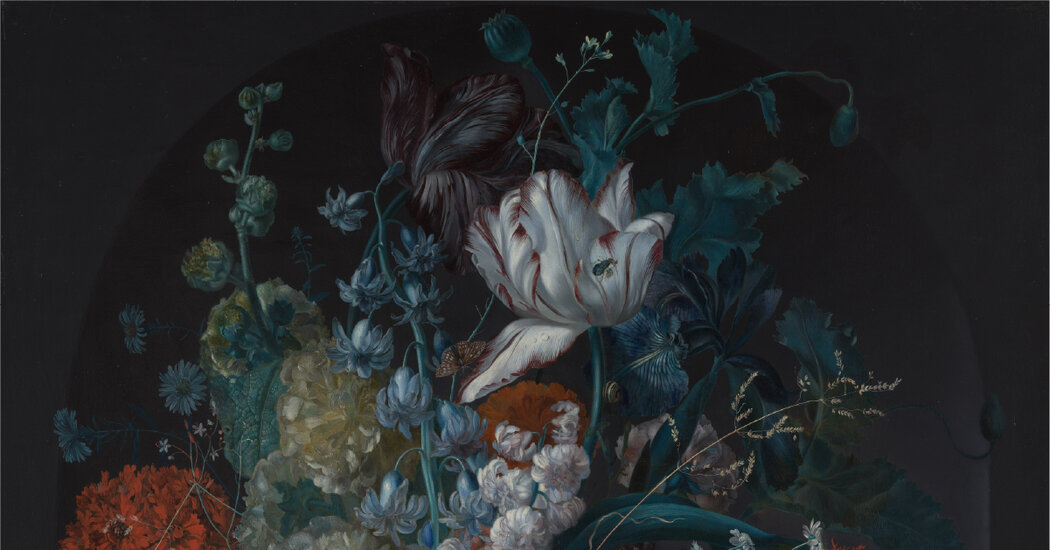
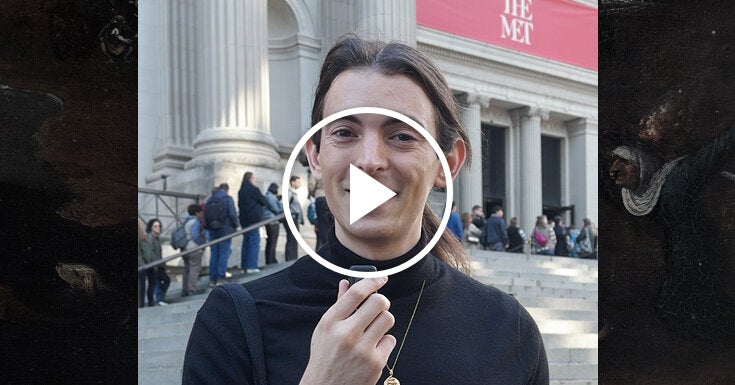
The Met’s Top 20 Most Provocative Artworks: Test Your Eye and Discover the Unseen

As the shadows lengthen and October’s chill sets in, the Metropolitan Museum of Art reveals a different face—a spectral gallery of the human psyche’s darkest corners. Traditionally regarded as a temple of aesthetic marvels—shimmering Impressionist landscapes, delicate kimonos, and marble gods—the museum during Halloween transforms into a haunted hall of echoes, where art acts as a mirror to mankind’s deepest anxieties. Here, with centuries of artworks ranging from ancient relics to modern horrors, we witness how culture is far more than mere decoration; it is the vessel carrying the profound stories of saints and sinners, myths and monsters, that define our identity and societal fabric.

Human history, as noted by thinkers like Tocqueville, is woven with the threads of shared symbols and collective memories—elements that affirm cohesion and continuity in the face of chaos. The artworks uncovered during this dark season serve as symbols of a universal truth: that culture, at its core, is both memoria and prophecy. The haunting images of medieval saints battling demonic forces or classical sculptures depicting menacing mythical beasts become more than relics—they become reflections of our own inner struggles and societal fears. As Chesterton argued, the true function of art is to reveal the moral order amidst disorder. These macabre masterpieces, in their spectral silence, uphold an unyielding vigilance, testifying to a civilization’s resilience against modern nihilism.

Philosophers like Ortega y Gasset have long emphasized that a society’s vitality depends on its cultural foundations. When the shift from tradition to chaos threatens our collective stability, it is art—especially the “haunted” works of the past—that anchors us. These artworks, echoing through the corridors of time, tell stories of moral daring, of the perennial struggle between good and evil, and remind us that our cultural inheritance is a sacred trust—an ongoing dialogue between memory and aspiration. The museum’s spectral turn during October becomes a reminder: that culture is neither static nor dead but a living, breathing entity infused with our collective hopes and fears, illuminating the path of human destiny.

So, as we wander through this labyrinth of shadows, let us remember that culture is both the memory of our ancestors and the prophecy of our future. In the ghostly silence of these haunted halls, art whispers that humanity’s greatest legacy is not merely what we create, but what we preserve—our moral compass, our shared stories, and our hope for coming dawn. Indeed, in contemplating these spectral artworks, we are invited to see ourselves anew—an eternal dialogue of the soul, where the echoes of the past forge the promise of tomorrow, and the memory of humanity’s darkness reveals the luminous potential of its light.

Prince Andrew steps back from Duke of York title amid mounting scrutiny

In recent weeks, the British monarchy has endured a turbulent chapter that underscores the enduring significance of cultural tradition as both a reflection and a unifying force within society. Prince Andrew’s decision to relinquish all royal titles, including the Duke of York, amidst persistent scandal and moral scrutiny, echoes a broader narrative of decline and adaptation that has characterized royal institutions across history. While critics may hastily dismiss this as a mere crisis of individual morality, it profoundly illuminates how culture shapes identity and societal cohesion. As Ortega y Gasset observed, societies are not merely collections of individuals but living organisms whose collective spirit sustains its vitality through shared symbols, values, and rituals. The monarchy, historically a custodian of tradition, now finds itself at a crossroads where the erosion of aristocratic privilege confronts a need for renewal rooted in and sustained by cultural continuity.

The controversy surrounding Prince Andrew is not simply a scandal but a lens into the shifting moral landscapes that challenge the authoritarian-prescriptive era of the past. His associations with Jeffrey Epstein and subsequent allegations have dragged into the light uncomfortable truths about privilege, power, and the perils of a world disconnected from the ordinary citizen’s moral compass. As Tocqueville warned, democracy’s strength lies in its capacity to hold institutions accountable, ensuring that a new form of civic virtue replaces aristocratic immunity. The prince’s decision to step down, therefore, is a symbolic gesture—a recognition that the fabric of societal trust must be woven anew, with threads of responsibility, humility, and accountability. This moment reverberates beyond personal failings, calling into question the very nature of authority and the ethical foundations upon which modern societies are built.

Culture, as Chesterton championed, acts as a “moral space”—a repository of memory, a prophecy of hopes. The Royal Family’s evolution in the midst of scandal underscores the vital role of tradition as both a safeguard and a force of renewal. As society’s guardians, cultural icons and institutions must adapt without losing sight of their vital role in shaping collective identity. The monarchy’s present trial reveals that the future of tradition depends on its ability to remain rooted in the moral truths of the past while daring to confront the complexities of today. In this tension between memory and prophecy, culture becomes a dynamic dialogue—an ongoing act of storytelling that sustains the soul of a nation. As T.S. Eliot once said, “The historical sense involves a perception, not only of the pastness of the past, but of its presence.” The history of the monarchy—the continuity through upheaval and moral challenge—serves as a mirror reflecting that the soul of a society is both its memory and its prophecy.

In the final analysis, the narrative is not merely about titles or scandals but about the enduring power of culture to define who we are and who we aspire to be. The royal upheaval signifies more than a personal fall—it symbolizes a society’s relentless quest for authenticity, moral integrity, and rootedness amidst changing tides. Culture remains the language through which a community negotiates its identity, negotiates its ideals, and projects its hopes into the horizon. It is both the memory that sustains us and the prophecy that beckons us forward, a testament to humanity’s eternal dance between memory’s rootedness and prophecy’s ascent—an enduring testament that the heart of civilization beats strongest where history and hope intertwine.

Ofcom rules broken? BBC Gaza doc sparks controversy among young conservatives

In the age of information, the struggle for truth often appears as a battleground not only of facts but also of moral authority and cultural integrity. The recent controversy surrounding the BBC’s documentary about Gaza underscores this profound reality. The revelation that the narrator was the son of a Hamas official—though ultimately uncovered after the program’s broadcast—fundamentally questions the responsibility of media to uphold transparency. As UK media regulator Ofcom declared, the broadcaster committed a “serious breach” by withholding this critical detail, a lapse that misled viewers. Herein lies a potent reminder that culture is inseparable from identity, tradition, and societal self-awareness. It acts as the repository of collective memory—our shared stories—and the prophecy of future pursuits.

Historically, the peril of concealment in the guise of neutrality is nothing new. As Tocqueville observed, democracy depends as much on the moral fabric of its institutions as on the formal structures of governance. Similarly, philosopher G.K. Chesterton championed the notion that society’s health hinges on a rooted understanding of tradition—values that provide stability amidst chaos. The failure of a reputable institution like the BBC to disclose a vital piece of information touches at the heart of this cultural fabric. It reveals how modern institutions, often caught in the currents of political correctness or ideological bias, risk reducing the complexity of truth to mere superficial narratives. This erosion of transparency and honesty feeds a cultural climate where relativity threatens the foundation of societal trust.

In reflecting on this, the words of T.S. Eliot resonate strongly: “The past is never dead; it’s not even past.” Culture is our memory—an ongoing dialogue between history and the present—and it conditions how we interpret and engage with our moral and national identities. The controversy surrounding the documentary can be viewed as a modern parable, warning of our collective tendency to obscure inconvenient truths under the guise of objective journalism. But truth remains the cornerstone of cultural integrity, which in turn sustains the moral fiber of society. Without it, we risk unraveling the sacred threads that connect us to our ancestors and our future.

The battle for authentic culture and truthful expression is ongoing, a song sung through the ages, echoing the voices of societal guardians and philosophers. It calls upon us to recognize that culture is not merely the ornamentation of society, but its very essence—a living memory and a prophetic voice. As the shadows of deception stretch across the landscape of modern media, it is our duty to uphold the integrity of that voice, for only then can we forge a future that remains grounded in the enduring truths of our human story. In this pursuit, may we never forget that culture is both the mirror of who we are and the torch guiding who we aspire to become.

Diane Keaton’s Family Thanks Fans for Enduring Love and Support Following Actress’s Passing

In the landscape of American culture, few figures evoke the essence of timeless artistry and personal authenticity as profoundly as Diane Keaton. Her recent passing at age 79, caused by pneumonia, prompts us to reflect not only on the transient nature of life but on the enduring power of arts and culture as repositories of our collective memory and expressions of societal identity. Keaton’s career, spanning more than five decades, exemplifies how *film*, as a mirror of the human condition, sustains the threads of tradition and innovation that weave our social fabric. Her portrayal of characters grounded in sincerity and wit resonates deeply within the philosophical notion, —as Ortega y Gasset might suggest—— that culture is a ‘horizon’ shaping the pursuit of individual fulfillment.

Throughout her illustrious career, Keaton became a defining icon of a cultural ethos that prizes authenticity, wit, and an unapologetic approach to style—marked notably by her trademark turtlenecks, hats, and thick-rimmed glasses. Her role in Annie Hall, which earned her an Academy Award in 1978, is emblematic of her ability to encapsulate modern existential dilemmas within a comedic, yet profound, cinematic language. Her collaborations with auteurs like Woody Allen—stars in films like Manhattan, Love and Death, and Play It Again, Sam—embody an era where intellectual undercurrents and artistic experimentation redefined American culture. These works serve as living documents of the shifting values, where tradition meets modernity, echoing Tocqueville’s observations about the American penchant for reinvention rooted in cultural foundations.

As the Western world confronts rapid social change, the importance of cultural memory becomes even more evident. Keaton’s influence stretches beyond her performances; her style and wit have become symbols of a resilient tradition that values individual expression and societal continuity. The tributes from her peers—like Goldie Hawn describing her as leaving “a trail of fairy dust,” or Bette Midler calling her “brilliant and extraordinary”—highlight the cultural reverence for those who embody a kind of artistic patriotism. These reflections serve as reminders that cultural icons are not merely entertainers but are custodians of societal values, bearings upon which a community’s identity is constructed. To quote Chesterton, culture is the thoughts we think after we’ve thought them, reaffirming the role of such figures in maintaining the continuity of shared wisdom, humor, and style.

In the end, Keaton’s legacy reminds us that culture is neither a static relic nor a fleeting trend but a living monument—both memory and prophecy. Her films, her style, her wit form a tapestry woven with threads of tradition, innovation, and human aspiration. As we consider her passing, let us hear that whisper echoing through history: culture is humanity’s living memory, a prophecy of the future yet to be realized, a testament to our constant quest for meaning amid the shifting sands of time. In embracing the essence of Keaton’s spirit, we are invited to see our shared humanity anew—not merely as individuals passing through life but as custodians of a cultural legacy that endures, inspiring the generations yet to come.

Teen sensation Stephen Graham advocates for father-son bonds with his new book debut

In a cultural landscape increasingly shaped by fragmentation and fleeting trends, the enduring significance of art, literature, and television remains a testament to society’s foundational values and collective memory. The recent explosion of discussions surrounding the Netflix series Adolescence and the upcoming project Letters to Our Sons highlight a broader cultural awakening. At its core, these endeavors acknowledge that culture is not merely entertainment, but the vessel of identity, tradition, and moral reflection. They emerge as urgent responses to the crises of masculinity and moral clarity that, as thinkers like Ortega y Gasset have observed, threaten the cohesion of our civilizational fabric. When the media scrutinizes the impact of social media, and when artists and authors seek to rekindle the dialogue between generations, they articulate a fundamental truth: culture’s purpose is to serve as both memory and prophecy of what it means to be human.

The series Adolescence became an emblem of this cultural pushback, swiftly capturing the attention of millions—so much so that it became Netflix’s second most-watched English-language series ever, surpassing even the popularity of the first season of Wednesday. Its raw portrayal of the pain, confusion, and toxic influences faced by teenage boys struck a nerve, prompting government support and national debate. The series did not shy away from confronting uncomfortable realities that many prefer to ignore; on the contrary, it challenged society to face its own moral dilemmas head-on. Critics, like Anita Singh of the Telegraph, suggested that the show’s unflinching depiction should serve as a warning: “If you’re a parent to a school-age boy… it will chill your blood.” Such reactions underscore that culture—when wielded with courage—is a mirror held up to societal truths, forcing us to reflect on the conditions that produce both modern crisis and moral decay.

Concurrent with this cultural reflection is the initiative sparked by Stephen Graham, the acclaimed actor and creator of Adolescence, who now champions a different but deeply intertwined cause: restoring meaningful dialogue between fathers and sons. His project, Letters to Our Sons, aims to build a bridge of understanding, tradition, and moral guidance through a collection of heartfelt letters from fathers of diverse backgrounds. This act of communication resonates with the philosophical view that culture is rooted in the articulation of human virtue. Graham’s plea echoes Chesterton’s insistence that wisdom and morality are passed through stories, shared experiences, and honest discourse. It recognizes that in a time when connection seems superficial and transient, the enduring power of written words can serve as a moral compass for generations, echoing across the gulf of time to nourish their shared humanity.

This initiative aligns with historical parallels that remind us of the vital role the tradition of virtue plays in shaping society. Tocqueville marveled at America’s “civil religion,” a shared moral fabric woven through everyday stories, institutions, and customs. Similarly, the cultural importance of family talks—of fathers speaking openly to their sons—can be seen as the modern counterpart: a reservoir of societal values that anchors us amidst chaos. As T.S. Eliot famously argued, culture is “the memory of society,” rehearsing itself anew in each generation. Graham’s call, supported by the likes of Orly Klein, reflects a recognition that these are not just personal gestures but essential acts that reinforce the social order, foster resilience, and guard against moral corrosion.

In the end, the cultural revival embodied by projects like Adolescence and Letters to Our Sons reminds us that culture is both the echo of the past and the prophecy of the future. It is in our stories, our dialogues, and our artistic expressions that humanity’s deepest hopes and fears are inscribed. As society stands at the crossroads of tradition and transformation, it is vital to remember that culture is, at its core, a sacred act of remembering and prophecies—a luminous mirror that reflects our soul and beckons us toward the ideals yet to be realized. In the silent language of artworks and the unspoken words of fathers, we find the enduring truth that each generation carries the torch from those before and lights the path for those to come—an eternal dance of memory and prophecy spun from the very fabric of human existence.

Author Chris Kraus on Conquering Fame, Navigating Drugs, and the Cultural Power of I Love Dick — An Honest Reflection

In an era saturated with distraction and cynicism, the writings of Chris Kraus serve as a compelling reminder of culture’s vital role in shaping identity, tradition, and society. Her works—particularly I Love Dick—are more than autofiction; they are acts of radical disclosure that anchor us in the complex tapestry of human experience. Kraus’s candor exposes the raw underbelly of personal and collective life, transforming personal struggle into a form of cultural reportage. Just as Ortega y Gasset emphasized that “I am myself and my circumstances,” Kraus’s honest narrative frames her life within the broader societal currents that infiltrate every human endeavor. Her storytelling demonstrates that personal memory is a vital thread in the fabric of societal identity, and that through it, we glimpse both our history and our potential future.

Much like the cultural upheavals of the past that have reset societal norms, Kraus’s work recognizes that contemporary culture is a battleground of memory and prophecy. Her recent publication, The Four Spent the Day Together, delves into her own harrowing experiences—marriage, addiction, loss, and the brutal violence that pervades American working-class communities—reflecting a society plagued by nihilism and despair. Here, Kraus uses her journalistic rigor not merely to tell her story but to spectrally comment on the underlying currents shaping our collective destiny. As T.S. Eliot observed, “The past’ness confronts us uncomfortably, since it makes us realize that our present is layered upon the ruins of what was.” Kraus’s narrative practice distills this truth, reminding us that society’s foundation rests upon the memories we choose to confront and express, shaping the future we dare to imagine.

  • Culture as memory: Kraus’s meticulous use of diaries, photographs, and court transcripts anchors her stories in tangible reality, embodying a tradition of experiential truth that echoes Chesterton’s view that “the test of a good culture is whether it endures through the ages.”
  • Culture as prophecy: Her fearless engagement with the darkest aspects—addiction, violence, societal depravity—provides a prophetic warning about the illusions of progress and the importance of confronting uncomfortable truths.
  • Historical parallels: Kraus’s illumination of the American cultural landscape echoes Tocqueville’s insights into the democratic spirit—an ongoing struggle between individual authenticity and collective self-deception, where the language of culture becomes a tool for resistance or capitulation.

In her reflections, Kraus reminds us that culture is neither static nor inert. It is the memory of what was, and the prophecy of what might be, woven into the very fibers of society’s narrative. Her work challenges us to recognize our stories as essential acts of cultural resistance—an affirmation that human life, even in its most fractured and painful moments, is meaningful. As G.K. Chesterton famously urged, “A dead thing can go with the stream, but only a living thing can go against it.” And it is through this act of cultural defiance—by bearing witness, by telling the unvarnished truth—that we forge the continuity of tradition and light the way toward future horizons. For in the end, culture remains both a memory of humanity’s profound past and a prophecy of the enduring spirit yet to come—an eternal echo and an unending call to remember and create anew.

Young trailblazers in Tring pursue their showbiz aspirations on CBBC’s Stage Stars

In an era where cultural identity often teeters on the edge of chaos, the steadfast pursuit of tradition and talent remains a beacon for youthful ambition. The latest documentary series, Stage Stars, produced by Bristol-based Drummer Television, exemplifies this enduring spirit by spotlighting the talented students at Tring Park School—a venerable institution rooted in the legacy of artistic excellence. With alumni such as Dame Julie Andrews, Lily James, Daisy Ridley, and Thandiwe Newton, the school embodies a pivotal nexus where tradition fuels modern achievement. The series aims not merely to entertain but to inspire a new generation to follow their dreams—echoing the old philosopher’s assertion that culture is life itself, a conscious act of human remembrance and a prophecy of future possibilities.

The narrative of Stage Stars underscores a timeless truth articulated by thinkers like Ortega y Gasset, who observed that culture is the foundation upon which society’s identity is built. At Tring Park, students are immersed in a rigorous blend of academic study and intense artistic training—each day divided between intellectual pursuits and the visceral expression of performance arts such as acting, dance, and musical theatre. This pattern nurtures not just talent but resilience, a virtue highlighted by T.S. Eliot in his poetic meditation on tradition and innovation. As Rachel Drummond-Hay, the executive producer, points out, the show will follow students balancing their academic and artistic ambitions—some competing on the world stage, such as the UK finalist in an international ballet competition. Through their journeys, a lesson emerges: that culture, in its essence, is both a memory preserved and a prophecy fulfilled.

Indeed, Tring Park’s storied success is a reflection of a broader cultural thesis—one championed by Chesterton and others—that true tradition invigorates modern life by providing a sense of purpose and continuity. The school’s structure, meticulously designed to combine daily academic lessons with specialized arts training, creates a crucible where talent is forged in the fires of discipline and passion. This synthesis exemplifies how the cultural bedrock of a community sustains its creative vigor, encapsulating the vital role that heritage plays in shaping contemporary society. As one student, Louie, notes about his aspirations to represent the UK at Eurovision, it is clear that in such environments, the pursuit of excellence becomes a shared cultural enterprise—binding generations through the common language of art and ambition.

Ultimately, culture is the soul’s memory and its future’s blueprint—a collective echo of our history and a prayer for what lies ahead. Schools like Tring Park exemplify this truth, transforming raw talent into legacy, and dreams into reality. As filmmakers capture the raw energy of auditions, performances, and the bittersweet triumphs of youth, they contribute to an ongoing narrative—one that affirms our society’s belief in human potential rooted in tradition. In a time when the foundations of cultural identity may seem insecure, the enduring importance of such institutions becomes clearer: they are both the guardians of our collective memory and the architects of tomorrow’s heritage, calling us to remember who we are and to prophecy who we may yet become.

Why Isn’t Pokémon Evolving? Examining the Cultural Shift Behind the Franchise’s Stagnation – The New York Times

In the realm of cultural innovation, few franchises have epitomized the delicate balance between tradition and evolution quite like Pokémon. Since its inception, this globally beloved series has been rooted in the compelling narrative of evolution, not merely within the confines of its in-game creatures but as a metaphysical reflection of growth and change in society itself. However, as Zachary Small of The New York Times insightfully observes, the franchise’s own trajectory hints at a paradox: despite its foundational theme, Pokémon has exhibited a remarkable resistance to change over its extensive lifespan. This stagnation, far from accidental, appears to be intricately linked to the corporate structures and cultural conservatism that underpin its development.

A detailed analysis reveals that the inertia within the Pokémon Company’s ecosystem—dominated by longstanding industry players—is akin to a cultural grandfather clock: endlessly precise yet resistant to the sweeping forward motion needed to foster true innovation. As Small articulates, the company’s structure may inadvertently inhibit the kind of radical reinvention that the franchise’s core theme of evolution would suggest is essential. Instead, it adheres to a cautiously conservative approach, often prioritizing nostalgia and safe bets over groundbreaking developments. This conservative stance echoes the concerns voiced by Ortega y Gasset who cautioned against the tyranny of mere tradition, warning that stagnation often masquerades as stability, obstructing the cultural vitality necessary for societal progress.

From a broader cultural vantage, the reluctance to evolve reflects a broader societal tendency to cling to the known and the familiar. Tocqueville’s observations on American society highlight how tradition forms the bedrock of social cohesion but warns against the peril of complacency—where the habit of habit, rather than the pursuit of renewal, becomes the dominant force. The case of Pokémon exemplifies a paradox: a symbol of change that perhaps fears its own potential to push beyond boundaries, risking alienation from its loyal base. Yet, as critics like Chesterton have argued, the strength of a tradition lies not only in its endurance but in its capacity to inspire renewal from within. A true cultural icon must therefore engage in a continuous process of reinvention—embracing change not as an end, but as a timeless means of relevance and vitality.

Ultimately, the essence of culture lies in its dual capacity as both memory and prophecy. It transcends the present, summoning collective identity from historical roots while projecting possibilities into the future. Just as T.S. Eliot’s poetic vision reminds us that modernity is not a rejection of the past but its acknowledgment and reimagining, so too must cultural institutions like Pokémon reflect a conscious willingness to evolve. It is precisely at this intersection of tradition and transformation that cultural vitality flourishes, shaping not only individual identities but the very fabric of society. Culture, then, is not merely a repository of memory but an ongoing symphony—an ever-unfolding prophecy—that guides humanity through the shadows of yesterday into the promise of tomorrow.

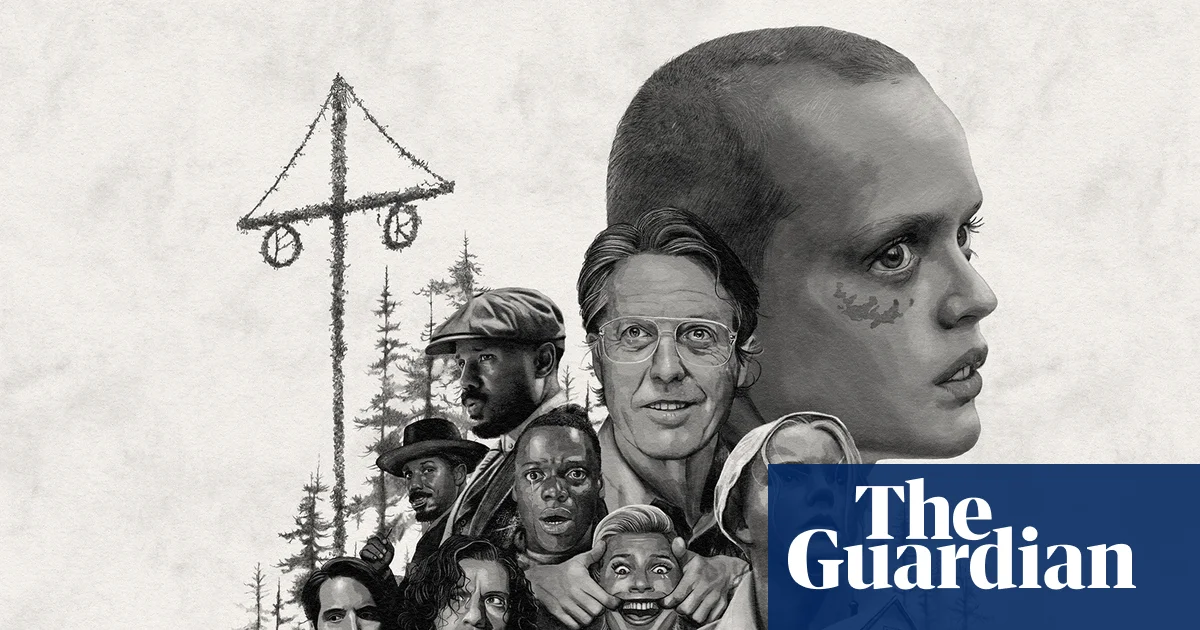
Guardian Critics Share Their Most Challenging Films: A Youthful Perspective on the Stressful Side of Cinema

At the heart of culture lies an unbreakable thread that weaves together identity, tradition, and the fabric of society itself. From the grandeur of classical art to the visceral immediacy of contemporary cinema, cultural artifacts serve as both mirrors and prophecies—illuminating who we are and hinting at who we might become. The films discussed above—ranging from psychological thrillers to biting social commentaries—demonstrate that our cinematic choices are not mere entertainment but vital expressions of our collective consciousness. They echo the philosophical observations of Ortega y Gasset, who believed that *”Man is the measure of all things,”* emphasizing that our cultural pursuits reveal the contours of our soul and the values we uphold.

Take, for example, the visceral intensity of Fall. This psychological thriller, with its breathtaking portrayal of human courage and fear, underscores that the confrontation with our limits is a quintessential human endeavor. In the film, the act of climbing a decommissioned tower becomes a metaphor—a daring ascent into the depths of one’s psyche and resilience. Such stories remind us that the pursuit of challenge and danger is intertwined with the human spirit’s quest for meaning. Films like these serve as echoes of a tradition that celebrates daring, endurance, and the rediscovery of self in adversity, reinforcing the belief that our culture’s greatest stories are about the human capacity to confront and triumph over chaos.

Equally powerful is Gaslight, a film that has transcended its theatrical origins to give us the modern idiom of emotional manipulation. The villain Gregory’s slow erosion of Paula’s sanity symbolizes the cultural awareness of psychological abuse and societal power dynamics. This cinematic masterpiece reminds us that the resilience of the human mind—embodied in Bergman’s electrical performance—remains a vital pillar of societal stability. As Tocqueville observed about democratic societies, the vigilance of individuals against tyranny—be it political, social, or psychological—is the foundation upon which free societies are built. Films like Gaslight serve as cultural warnings, shaping our moral consciousness and guiding us in recognizing and resisting the insidious erosion of truth and integrity, both within and beyond the personal realm.

Within this tapestry of dark and demanding stories, we find The Vanishing, a haunting reflection on loss and the unanswerable questions that haunt human existence. Its capacity to induce profound trauma underscores the importance of narrative as a vessel of collective memory. As Chesterton noted, “Poetry will remind us that life is real, that reality is strange,” and cinema—particularly thrillers like Sluizer’s masterwork—becomes an arena where reality’s strangeness manifests, forcing viewers to grapple with the abyss. This confrontation is not nihilistic but affirming: it illuminates the depths of human vulnerability and the enduring hope that, even in our darkest moments, we bear the capacity for remembrance and renewal.

Ultimately, these films demonstrate that culture is neither static nor purposeless. It is memorial and prophetic: a record of humanity’s collective memory and a guidepost for its future. As we navigate a world increasingly defined by chaos and instant gratification, cinema remains a vital cultural language—a language that speaks, warns, and inspires. The lessons embedded within these stories remind us that the essence of culture is the eternal dialogue between memory and prophecy, echoing through the ages and shaping the destiny of human society. For in the grand theater of history, we are both the spectators and the playwrights, crafting a narrative that is at once a reflection of what was and a prophecy of what is yet to come—a testament to the enduring resilience of the human spirit, written in images, in stories, and in the collective memory of humanity itself.

Social Media Auto Publish Powered By : XYZScripts.com