Matox News

Truth Over Trends, always!

Ryan Coogler’s X-Files Reboot Debuts with Danielle Deadwyler Leading the Charge in U.S. Television

In our rapidly shifting world, culture remains the vital foundation guiding societal identity and tradition. It is not merely entertainment, but an ongoing dialogue between history and future, a vessel carrying the collective memory of a people. The upcoming revival of the legendary series The X-Files, with directives from filmmaker Ryan Coogler, exemplifies this truth. Coogler, renowned for his groundbreaking work on Black Panther, now seeks to reawaken a cultural icon that interrogated the boundaries between belief and skepticism. His intention to craft episodes that are “really fucking scary” reveals an understanding that fears rooted in the unexplained have always served as mirror and warning—a reflection of our society’s deepest anxieties. As he collaborates with Gillian Anderson and others associated with the original series, we witness a conscious effort to preserve a cultural relic—an allegory of human curiosity and the enduring need for truth amidst chaos.

This artistic revival echoes the fundamental role of myth and symbol in shaping societal values. The original X-Files emerged during a period saturated with distrust and upheaval, capturing the zeitgeist of post-Cold War America. It embodied the cultural shift towards skepticism of authority and the quest for hidden truths, akin to the Enlightenment’s challenge to dogma. As Ortega y Gasset might observe, this series was a manifestation of society’s intrinsic “racing toward reality”, a collective pursuit of understanding in a universe riddled with mysteries. Today, Coogler’s engagement underscores that such narratives are not mere escapism but vital tools in defining what society fears, values, and aspires to become. Revisiting the unexplained is, in essence, a reaffirmation of faith in human reason and the enduring importance of tradition—an acknowledgment that the confrontation with the unknown fortifies our cultural fabric.

Moreover, the revival of The X-Files signifies a broader cultural integrity—an enduring respect for storytelling that transcends mere entertainment, anchoring societal identity in the shared pursuit of truth. As Chesterton argued, “A great nation is not only one of the greatest armies or greatest wealth,” but one where the stories and symbols that define its moral universe are preserved and renewed. The series’ initial success, with 27 million viewers at its peak and two cinematic adaptations, attested to a society hungry for stories that probe the limits of rationality. Now, with Coogler’s vision, we are reminded that culture is a living dialogue—an intergenerational conversation that keeps alive the echoes of our ancestors’ questions and our descendants’ hopes. With each story retold, society affirms that culture is both the memory of a people and the prophecy of what they may yet become.

In the silent spaces between the known and the unknown, between the seen and the unseen, lies the poetry of human existence. As T.S. Eliot suggested, “the historical sense involves a perception, not only of the pastness of the past, but of its presence.” Culture—be it through television, philosophy, or myth—is the fabric weaving our past and future into a continuous narrative. By harnessing the power of stories like The X-Files, we affirm that humanity’s pursuit of meaning is eternal, echoing through the corridors of memory and prophecy alike—reminding us that in understanding ourselves, we glimpse the infinite possibilities that lie ahead. In the end, the cultural act is a sacred act: an offering of memory and hope, guiding us both into the shadows and toward the dawn of human potential.
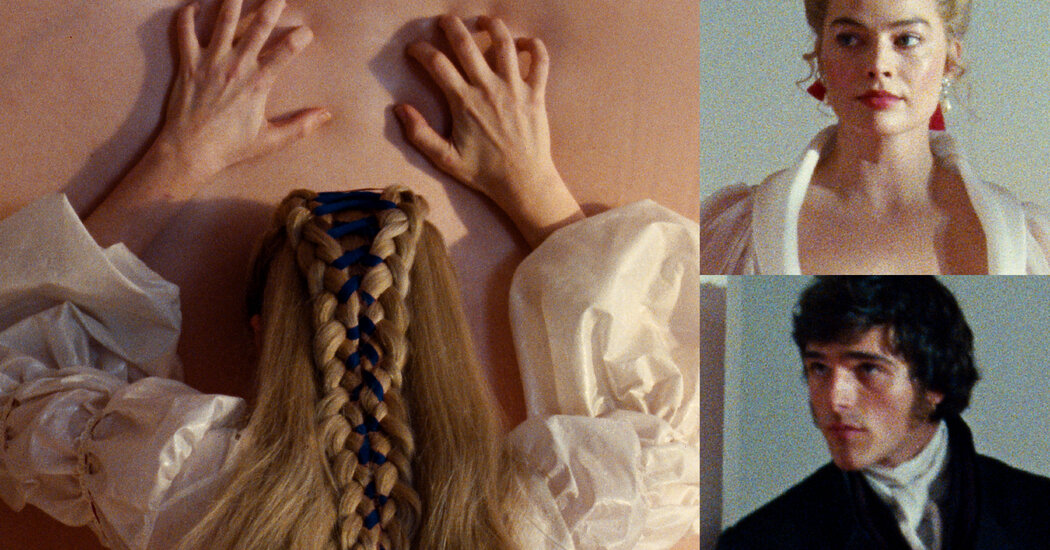

What Are Your Thoughts on Emerald Fennell’s Films Like ‘Saltburn’ and ‘Wuthering Heights’?

In an era where the cultural landscape is increasingly shaped by the disruption of traditional norms and the relentless pursuit of novelty, cinema emerges not merely as entertainment but as a mirror of society’s deepest currents. Filmmakers like Emerald Fennell, whose works oscillate between excess and incisiveness, exemplify the vital way in which art reflects ongoing cultural shifts—highlighting that the meaning of a film extends beyond its narrative to encompass our collective identity, morality, and societal values. Fennell’s latest take on Brontë’s timeless “Wuthering Heights” exemplifies this: a feverish, sensory journey that refuses to conform to the tidy constraints of adaptation while channeling the raw passions that define human history itself.

Her films, as critics have noted, operate on a visceral level—streaming with a dream logic that sways between ecstasy and nightmare, echoing Ortega y Gasset’s assertion that culture is a vital act of creation. Yet, these works are not mere aesthetic exercises; they serve as indictments of the superficiality and moral complacency that threaten our societal fabric. Take her “Saltburn,” which, cloaked in the grandeur of the British “great house” genre, deconstructs the illusion of transcendence found in wealth and class. It’s a pointed reminder that, much like Tocqueville’s exploration of democracy’s paradoxes, a society’s veneer can often mask lurking inequalities and moral rot—revealing that beneath the ostentatious facades lie the same passions and vices that have always driven human civilization forward.

Fennell’s films attest to a truth emphasized by G.K. Chesterton: that excess, when wielded with intentionality, can serve as a form of moral philosophy. Her visual decadence, from Cathy’s skin-mimicking boudoir to the over-the-top interiors of the “great house,” isn’t gratuitous but symbolic — a reflection of our civilization’s obsession with surface over substance. She loves to challenge the viewer’s comfort, pushing the boundaries of genre just as Beethoven pushed classical forms—knowing that culture is both a repository of memory and a prophecy of the future. As we watch her films—part morality play, part carnival—what lingers is not merely the spectacle, but the reminder that human desire and societal decay are inextricable. Culture, after all, is the canvas on which history’s ageless passions are painted, a testament to the enduring resilience of human spirit and its continuous search for transcendence amid chaos.

RSC’s Game of Thrones Play Promises an ‘Immersive’ Experience Rooted in Tradition and Power

In an era where technological advancements threaten to alienate us from authentic human experience, a profound shift is emerging in the realm of cultural engagement: the desire for living and breathing the same space as the characters. This phenomenon signifies a renaissance of tradition and identity, as audiences seek to transcend the passive consumption of art and reclaim an active, visceral connection with the cultural narratives that shape their understanding of society. Such a movement echoes the timeless philosophical assertion that culture is both our memory and our prophecy; it embodies our history while guiding our future, offering a bridge between generations through shared aesthetic and moral values.

At its core, this immersive approach to culture reflects a culture’s intrinsic capacity to serve as a repository of identity. As the French historian Tocqueville observed, societies rooted in a rich cultural fabric are more resilient, more capable of nurturing a collective sense of purpose. Today, this resilience is manifest in performance art, immersive theatre, and virtual reality experiences that foster a sense of participation rather than observation. The audience, no longer a detached observer, becomes a vital part of the narrative, inhabiting the lived spaces of tradition and myth. This aligns with the philosophical stance of Ortega y Gasset, who emphasized the importance of life as a permanent dialogue between individual existence and cultural expression—an active engagement that sustains societal vitality.

Artistically, this evolution signifies a return to the classical ideals of participatory experience. Works that once merely represented life are now designed to involve the spectator directly in its unfolding, echoing the gestures of Augusto Boal’s Theater of the Oppressed, where dialogue and action dissolve the boundaries between performer and audience. Such phenomena underscore a core truth: culture is not only what we inherit, but also what we choose to embody and forge anew. This renewed emphasis on embodied participation underscores a broader societal trend: the recognition that tradition, when actively lived, fosters a shared sense of purpose and moral clarity. It is a response to the vacuum of meaning in modern life, an affirmation that our cultural past bears the seeds of our collective identity and future.

As the cinematic critic T.S. Eliot once asserted, the true function of art is to help us see again, to remind us of our initial clarity amid the chaos of modern existence. Today, this immersive cultural renaissance offers a path toward rediscovering that clarity—an acknowledgment that our cultural continuity is vital not only to preserve identity but to inspire prophecy. When we live and breathe among the characters of our shared stories, we become active participants in a grand, ongoing dialogue—an echo of human history that continues to unfold, inspiring us to cast anew the molds of tradition and hope. Culture, therefore, is neither relic nor mere ornament; it is a vital breath of life that sustains the soul of society—a poetic testament to the enduring human journey, weaving memory and prophecy into a tapestry of the enduring human spirit.

Why ‘Wuthering Heights’ Misses the Mark in Today’s Cultural Landscape

In the contemporary cultural landscape, the interpretation of classic literature through modern cinematic lenses reveals much about our society’s evolving identity. Recently, discussions have emerged around Emerald Fennell’s provocative film adaptation of “Wuthering Heights”, with commentary from Wesley Morris, host of “Cannonball,” and Sasha Weiss, culture editor of The New York Times Magazine. These conversations underscore the enduring power of literature as a mirror of our deepest passions, struggles, and moral dilemmas. Such adaptations are not mere entertainment but cultural acts that question and reinforce the values rooted in tradition, even as they challenge our perceptions of morality, desire, and social order.

Fennell’s reimagining of the classic novel—a story steeped in passion, darkness, and revenge—serves as a modern tableau for exploring the tension between individual longing and societal constraints. As Ortega y Gasset posited, culture is an ongoing dialogue between the individual existence and the collective memory. When filmmakers interpret this dialogue, they participate in a process that reinvigorates tradition, breathing new life into timeless themes. Here, the visual storytelling functions as a contemporary mythic canvas, echoing the moral complexities of the original, yet resonating with the visceral realities of today’s society. The film’s steamy scenes and dark undertones evoke—a cultural reminder—that beneath the veneer of civility lies often-unresolved human passions, echoing the romantic transcendence and the tragic fate of its original characters.

This adaptation also exemplifies the importance of culture as a foundation of identity and societal order. As Tocqueville observed, democracy’s strength rests on shared symbols and narratives that bind a community’s sense of purpose. In the age of cultural fragmentation, revisiting such passionate stories as “Wuthering Heights” reminds us that the core of our identity is rooted in understanding our moral and emotional heritage. Furthermore, the depiction of turmoil and desire in Fennell’s vision prompts us to confront questions about authenticity and the human condition, challenging superficial notions of happiness and success. In this sense, art becomes a moral compass, guiding society’s reflection on its own nature, much like Chesterton’s assertion that the end of art is moral clarity.

Ultimately, these cultural expressions serve as both memories and prophecies—carrying the lessons of the past while envisioning the future. As T.S. Eliot famously suggested, our cultural canon is a waste land that bears the seeds of renewal; it is through understanding how we have loved, suffered, and fought that we glimpse the path forward. The adaptation of “Wuthering Heights” becomes an emblem of that ongoing dialogue, a testament to the vital role of culture in shaping our collective destiny. In this light, the arts are not mere reflections but the very soul of human hope and memory—a prophecy whispered by the past, echoing into the future, pointing us toward a future where tradition and innovation walk hand in hand, endlessly unfolding the story of human existence.

Colbert Questions RFK Jr.’s Maha Workout Video: A Surreal, Almost Psychedelic Display | Late-Night TV Highlights

In an era marked by rapid flux, the role of culture remains paramount as both a mirror and a prophecy of society. The recent satirical musings of Stephen Colbert serve as a modern reminder that humor, even when wrapped in absurdity, underscores deeper truths about our allegiances, values, and identity. His playful critique of the surreal “Rock Out Workout” featuring RFK Jr and Kid Rock, encapsulates the strange spectacle of political spectacle turned pop culture carnival. This spectacle, with its shark attacks, taxidermized bears, and American flags, exemplifies how contemporary culture often blurs the lines between the authentic and the performative—raising questions about the foundations of shared tradition and national ethos.

Historically, cultural shifts have reflected broader societal changes. As Ortega y Gasset observed, a civilization’s vitality hinges on its cultural identity, which in turn is sustained by the collective memory of its traditions. In our current landscape, this collective memory is often commodified or obscured, replaced by spectacle and transient trends. Colbert’s commentary on RFK Jr.’s unconventional workout, highlighting the absurdity of modern masculinity and camaraderie, echoes Chesterton’s notion that “the true soldier fights not because he hates what is in front of him, but because he loves what is behind him.” This love for the traditional, for the cultural symbols that bind society, is often challenged by the spectacle-driven culture that seems to replace genuine societal bonds with superficial entertainment.

Furthermore, the cultural icons we elevate and memorialize—as demonstrated in Colbert’s tribute to civil rights leader Jesse Jackson—serve as anchors in the tumult of cultural change. Jackson embodies a form of leadership rooted in compassion, which is increasingly a scarce commodity in today’s polarized climate. The public’s engagement with such figures, and the respect they command, underscores that culture is more than entertainment; it is the moral fabric that sustains societal cohesion and persistence. As Tocqueville noted, the strength of a nation depends on its social and moral capital, both of which are cultivated through enduring stories, shared struggles, and collective sacrifices. Our culture, therefore, functions as both memory—keeping alive the lessons of the past—and prophecy—guiding us toward a future rooted in tradition and resilience.

In essence, the ongoing dialogue between culture and society is a poetic one—an intricate dance of memory and aspiration. It reminds us that although the media spectacle may distract, beneath the surface lies a profound quest for identity, rooted in our collective history and directed toward the horizon of human potential. As we navigate the challenges of an ever-changing world, let us remember that culture is not merely a reflection of who we are, but also the lighthouse illuminating who we may become—a living testament to the enduring capacity of humanity to remember, to uphold, and to hope. It is in that eternal cycle that our true strength resides—an ongoing prophecy written in the language of tradition, echoing through the corridors of time, guiding us home.

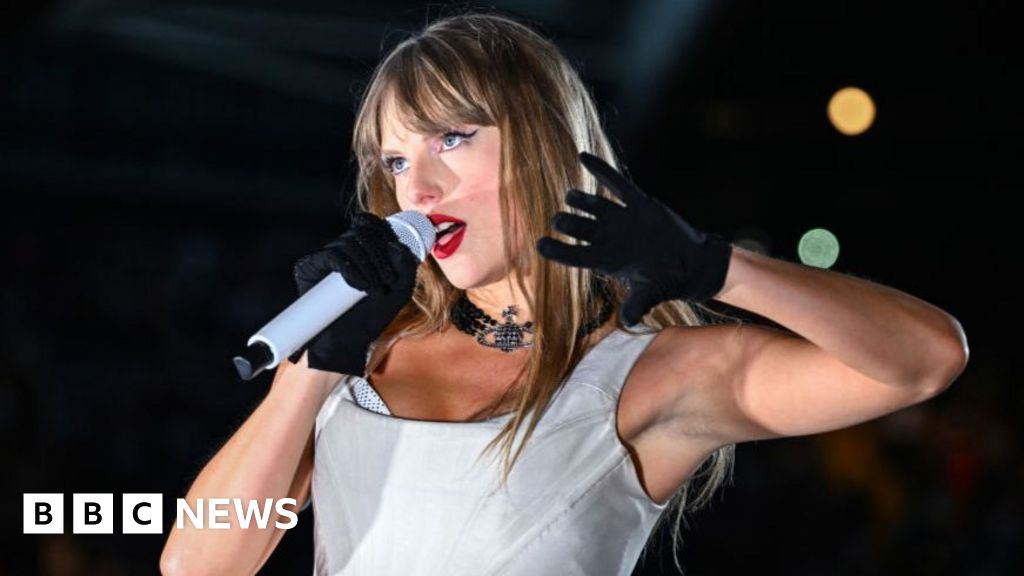
At 71, Seasoned Dancer Proves You’re Never Too Old in Taylor Swift’s Latest Video

In a world increasingly driven by fleeting digital signals and transient trends, the selection of Denise Sides from hundreds of applicants to partake in the Opalite video underscores a profound truth: culture remains our most sacred vessel of identity. Her selection is not merely an arbitrary event but a testament to the enduring significance of artistic expression in shaping collective consciousness. Amidst the chaos of modernity, artists like Sides emerge as custodians of tradition, embodying values, stories, and symbols that anchor societies in purpose and remembrance. This act of choosing reflects the age-old understanding that culture functions as a mirror of our deepest selves—a mirror crafted through generations, which reveals who we are and who we aspire to be.

Historically, cultural icons and movements have served as both reflection and critique of societal shifts. Philosophers like Ortega y Gasset have emphasized that we are cultural beings, inherently bound to the narratives we craft and uphold. The Opalite project, with its deliberate focus on visual art and symbolism, taps into this tradition. It reminds us that art is more than aesthetic—it is a dialogue between the past and future, a symbol of our collective memory and hope. As Tocqueville observed, democracies flourish when their cultural fabric is strong and resilient, woven by shared stories and common values. The selection of Sides, therefore, signifies recognition of this vital fabric, a call to preserve the cultural identity against the corrosion of nihilism that often accompanies contemporary pursuits.

The role of culture in societal cohesion is undeniable; it reaffirms our roots and guides us amidst shifting tides. G.K. Chesterton once pointed out that tradition is the democracy of the dead, a testament to the ongoing dialogue between generations. In this light, the Opalite video is not just a showcase of aesthetic talent but a renewal of that dialogue—a reminder that, through the arts, we honor our ancestors and inspire future generations. It is in these expressions that the essence of our humanity persists: as a legacy to be cherished and a prophecy to be fulfilled. When we nurture our cultural memory, we forge a collective identity resilient enough to face the uncertainties ahead.

Ultimately, culture encapsulates both memory and prophecy, embodying the enduring spirit of human aspiration. As T.S. Eliot noted, “The past should be altered by the present as much as the present is directed by the past.” The story of Denise Sides and the Opalite project exemplifies this sacred chain—an act of cultural transmission, rooted in tradition yet reaching toward an uncertain future. In this delicate interplay between remembrance and renewal, we find the true essence of society—an ongoing, lyrical journey where the past prophesies the shape of what is to come, and memory paints the portrait of our shared humanity.

Shia LaBeouf Faces Battery Charges Amid Mardi Gras Festivities in New Orleans

In recent days, the tumult surrounding actor Shia LaBeouf has once again thrust the volatile intersections of culture, personality, and societal expectation into the spotlight. His arrest in New Orleans amid the festive chaos of Mardi Gras exemplifies a broader cultural narrative—one where the veneer of celebrity often masks deeper struggles and societal tensions. LaBeouf’s behavior, allegedly fueled by excess and an undeniable public persona, echoes *the perennial conflict between individual freedom and societal norms*, a theme discussed thoroughly by philosopher Ortega y Gasset, who emphasized that culture binds the individual to collective tradition while also challenging him to confront his inner impulses.

Throughout history, culture has served as both a mirror and a mold—forging identities rooted in our collective memory and shaping future destinies. When LaBeouf’s actions spill into the public eye, they lay bare the fragility of the modern image, a phenomenon akin to the *cultural shifts observed in the decline of noble virtues and the erosion of societal discipline* over centuries. Critics like Chesterton have pointed out that true culture is not merely entertainment or spectacle but the moral fabric that sustains cohesive communities. His reported unruly conduct, including attempts to serve drinks behind a bar and conflicts with others, reveals a persona caught in *the existential struggle between personal liberty and societal cohesion*, mirroring the larger crisis of tradition in contemporary life.

Furthermore, LaBeouf’s history—marked by battles with sobriety, allegations of abuse, and public confrontations—serves as a stark reminder of *the importance of moral anchors in the tumult of modern celebrity*. His past, intertwined with themes of redemption and fallibility, echoes the questions raised by thinkers like Tocqueville on the moral state of democratic societies. Are we fostering a culture that emphasizes self-control and respect for tradition? Or are we surrendering to the chaos of unchecked individualism? LaBeouf’s path, punctuated with both moments of genuine remorse and controversy, underscores the delicate balance between the *cultural ideals of craftsmanship and virtue* and the raw human tendency towards self-destruction.

As we observe these narratives unfold, it becomes evident that our culture is both memory and prophecy—an ongoing dialogue between what has been passed down and what is yet to come. The true significance of figures like LaBeouf resides not solely in their missteps but in how their stories reflect the enduring tension between fluid modernity and rooted tradition, between *the individual’s shadow and the collective’s light*. The collective consciousness, much like T.S. Eliot’s poetry—layered, introspective, prophetic—reminds us that the culture we forge today will serve as the foundation for tomorrow’s civilization. In this sense, our cultural fabric, fragile yet resilient, weaves the story of humanity itself; it is both the memory of who we have been and the prophecy of who we might become—an eternal dance of shadows and illumination shaping the human journey.

Challenge Your Understanding of the Pioneers and Moments That Built America

In the heart of every civilization, culture emerges as both memory and prophecy—an ongoing dialogue between the past and the future. As we observe the American Revolution, a pivotal moment in history, we recognize that its significance extends far beyond mere political upheaval. It embodies a foundational myth, a cultural template that continues to shape identity, tradition, and societal values. The commemoration of figures like George Washington not only honors a historical figure but also affirms a collective sense of purpose rooted in the ideals of liberty, sovereignty, and moral clarity. These ideals, so central to the American experience, serve as a testament to the human yearning for order amid chaos, echoing the philosophical assertions of thinkers like T.S. Eliot, who suggested that history, much like poetry, is a narrative of continuous renewal intertwined with tradition.

Historical parallels remind us that moments of upheaval—whether the American Revolution or the upheavals of the 20th century—are often rooted in a collective desire to forge a new cultural identity. As Alexis de Tocqueville observed, American society demonstrates a unique capacity to balance individualism with a shared civic purpose. This intentional cultivation of a national character—through education, literature, and cultural remembrance—is what sustains societal cohesion. The celebration of revolutionary ideals, expressed through art and historiography, underscores the importance of heritage as both a shield and a compass. It is through these cultural artifacts that a society not only preserves its memory but also envisions its future, ensuring that the spirit of freedom and independence remains a living truth.

In this way, culture becomes a sacred space where tradition and modernity meet. The enduring relevance of works that commemorate the American Revolution—be it biographies of George Washington or presidential monuments—serves as a reminder that values are not static but dynamic forces. They guide societies through tumult, echoing the insights of G.K. Chesterton, who championed the idea that “tradition means giving votes to the past” in shaping moral and social stability. As youth today navigate a shifting cultural landscape, understanding history through the lens of profound narrative helps anchor them in a heritage that is both inherited and continually reborn. Here, the past whispers into the future, urging us to preserve the fruits of our ancestors’ sacrifices while daring to dream of new horizons.

Ultimately, culture is the poetic fabric woven from memory and prophecy—an undying testament to humanity’s quest for meaning. Like Ortega y Gasset envisioned, it embodies the human condition: a persistent struggle to craft purpose out of chaos. As we contemplate the story of the American Revolution, let us remember that it is not merely a chapter in history but a living mural, poised upon the horizon, forever beckoning us to write the next verse. In the symphony of human society, culture remains both our memory—a sacred relic—and our prophecy—the bright promise of what we are yet to become. It is this rhythm, this eternal dance, that keeps the spirit of a nation alive, vibrant, and truly free.

Ross Kemp set to make a timely return to EastEnders, reigniting beloved East End spirit for a brief but impactful comeback

In the tapestry of modern entertainment, few characters have embedded themselves as indelibly into the collective consciousness as Grant Mitchell, the infamous figure portrayed by the actor Kemp in the long-running soap opera that has captivated audiences for decades. Such characters are more than mere entertainment; they are mirrors reflecting the shifting values, fears, and aspirations of society. When we observe Grant Mitchell—a creation of television’s golden age—we glimpse the enduring power of culture to shape identity, articulate societal struggles, and preserve the traditions that define a community’s soul.

Culture, in its essence, functions as both a bridge and a boundary. It connects us to our roots, anchoring us in shared stories and collective memory, while also delineating the contours of our uniqueness amidst a rapidly changing world. As Ortega y Gasset observed, “Whoever becomes the servant of a great tradition is the master of his own time.” Characters like Grant Mitchell serve as embodiments of societal archetypes—heroes, villains, or complex figures—whose narratives are woven into the cultural fabric of a generation. This is particularly vital for the youth, for whom these stories are not just entertainment but foundational texts that forge their understanding of morality, loyalty, and societal roles.

Historically, the proliferation of mass media has accelerated this exchange between tradition and innovation. Tocqueville, in his analysis of democracy’s influence on society, warned of the potential for ‘soft despotism’—a state where cultural homogenization erodes regional and historical distinctions. Yet, it is precisely through figures like Grant Mitchell—rooted in tradition yet continually reinterpreted—that we see culture’s resilience. It acts as a guardian of national identity, a vessel for shared values, and a testament to the virtues that hold societies together amidst upheaval. As cultural critic G.K. Chesterton noted, “The true purpose of art is not a rarified game but a truly social act; it serves as a mirror and a forge of our collective character.

In today’s fragmented digital landscape, where fleeting trends threaten to displace enduring customs, the importance of culture as a foundation becomes even more evident. It reminds us that identity is not an arbitrary construct but an inheritance: a story passed through generations that continues to evolve yet never abandons its core. As the character of Grant Mitchell and the stories he inhabits demonstrate, our cultural traditions are both a memory and a prophecy—reminding us of where we come from and illuminating the path toward where we might go. In this way, culture remains the eternal echo of human aspiration, a lyrical symphony of memory and prophecy that guides the soul through the dawn of each new age.

Think You Know Romance Books? Test Your Knowledge and Unlock the Secrets of Love Literature

In an era often characterized by rapid change and shifting cultural landscapes, the enduring popularity of romance literature reminds us that stories of love, passion, and human connection are more than escapism—they are the very threads that weave together the fabric of societal identity. This genre, once dismissed as mere entertainment, functions as a mirror reflecting the timeless values and archetypes that define our civilization. As Ortega y Gasset might argue, culture is the horizon of our existence, and in romance novels, we see these horizons expressed through familiar tropes and myths that persist across generations. Whether it is the rake defying societal norms or the cinnamon roll character embodying innocence and vulnerability, these symbols serve as cultural signposts that ground us in tradition amidst a sea of modern upheaval.

The phenomenon of romance’s broad appeal underscores a fundamental truth: culture shapes identity. The stories we cherish and tell each other forge a collective memory that influences societal expectations and personal aspirations. Chesterton warned of the danger of losing touch with our roots, emphasizing that true progress involves not just innovation but a reaffirmation of tried and true principles. In romance, tropes like the one bed or happy-ever-after encapsulate shared ideals—trust, loyalty, hope—that form the backbone of our cultural narrative. These motifs are not static; they are continually reinterpreted, allowing each generation to renegotiate their significance, yet always anchored to core values that speak to human nature’s unchanging core.

Modern commentators and cultural critics recognize that beneath the surface lies a profound dialogue with the past. In T.S. Eliot’s reflection on tradition and innovation, we find a parallel to the way romance writers subvert or adhere to classic tropes to fresh effect. The genre’s ability to adapt—by exploring themes from forced proximity to spice levels—demonstrates that culture evolves while remaining rooted in its foundational stories. It is through these stories that society not only preserves its identity but also projects its hopes and fears onto future generations. Ultimately, these tales are a form of cultural memory—a repository of the collective wisdom amassed over ages, inspiring new visions of love and humanity while acknowledging the timeless human condition.

As we look to the horizon of human history, we sense that culture is both our memory and prophecy, a reflection of who we are and a promise of who we might become. The stories and symbols that endure are more than entertainment—they are the poetic echoes of our shared destiny, whispering that amid chaos, it is love, connection, and tradition that give life its deepest meaning. In the dance of culture and time, we find ourselves not only recalling our history but also shaping our future, as the enduring stories remind us that, at our core, we are creators of meaning—bound by memory, propelled by hope.

Social Media Auto Publish Powered By : XYZScripts.com