Matox News

Truth Over Trends, always!

Exclusive Elf Movie Costume Goes for £239,000 at Auction, Setting New Record for Cultural Icon Status

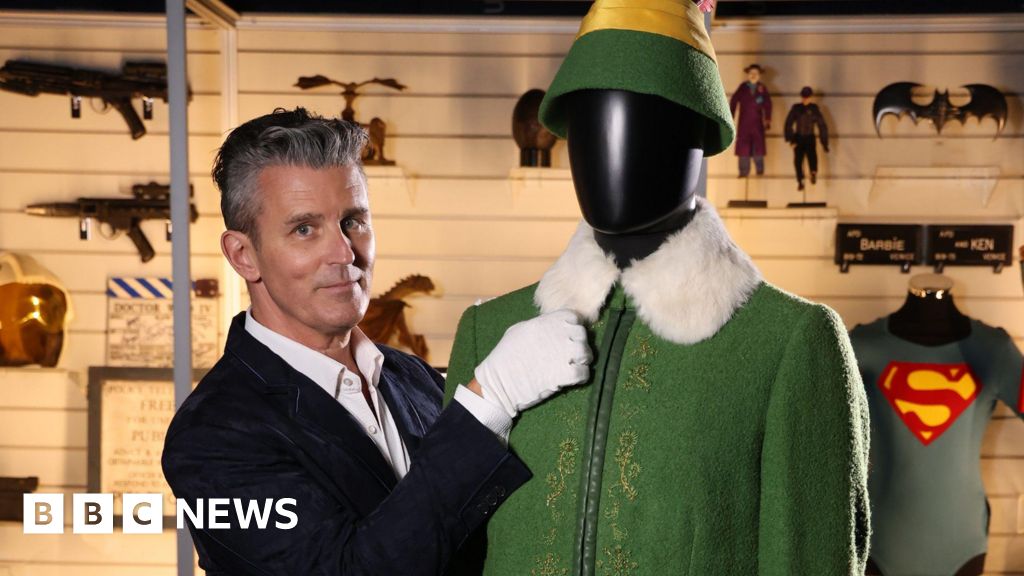
In the realm of pop culture, memorabilia do not merely serve as relics of entertainment but stand as tangible symbols of collective memory. Recently, an unprecedented auction in London has brought to light the enduring power of cinematic artifacts. A costume worn by Will Ferrell in the 2003 comedy Elf fetched over £239,000, underscoring the profound cultural valuation placed upon physical tokens of entertainment. This green and yellow ensemble, worn during a humorous scene in which Ferrell’s character presses every button in a New York lift, exemplifies how modern mythology is curated through attire, dialogue, and iconic moments. Provenance, as noted by the auction house, links this piece directly to the film’s producer, Jon Berg, amplifying its desirability and reminding us that history’s greatest stories are often preserved not only in scripts but in fabric and costume.

This phenomenon challenges us to consider the role of cultural artifacts in shaping national identity and societal continuity. A matching fedora from Indiana Jones and the Temple of Doom sold for an astonishing £327,600, while original weapons from Star Wars characters like Boba Fett are expected to fetch between £350,000 and £700,000. Beyond their monetary value, these objects serve as touchstones of myth and heroism; they embody stories that inspire generations, embodying a shared sense of heroism, adventure, and nostalgia. Such artifacts remind us that culture—whether through literature, film, or art—is fundamental in molding societal self-awareness and preserving our ideals across the tumultuous tides of history. Philosopher Ortega y Gasset might argue that these relics are manifest the consciousness of the collective, anchoring us in the narrative of who we are and what we aspire to be.

Moreover, the surge in valuation of these items reflects a broader cultural truth: that in an era of fleeting attention and digital surfeits, tangible connection to the past becomes vital for maintaining a sense of tradition. The artifacts from these films and series are more than mere collectibles—they are embodiments of values, stories, and moralities that have shaped our social fabric. As Chesterton once remarked, the true culture is the persistent effort to keep alive the memory of what is worth keeping alive. These relics stand as testament that our history is not only recorded in books but etched into the fabric, props, and artifacts of our popular legends. They serve as symbols of continuity amidst rapid change, anchoring future generations to the roots of their cultural identity.

In this way, the journey of these artifacts parallels the rhythm of human history. They are both memory and prophecy, whispering what was and hinting at what will be. Whether it is the humorous innocence of Buddy the Elf or the adventurous spirit of Indiana Jones, such objects remind us that true culture is layered—an intricate tapestry woven through time with threads of memory and hope. As T.S. Eliot suggested, culture is “not a sum of facts but the image of a possible human destiny.” In the celebration and preservation of these relics, we find the silent promise that our stories endure, whispering endlessly through the corridors of time, guiding us with the light of tradition into the dawn of tomorrow.
Spotify’s Listening Age Feature Sparks Debate: A Fresh Take on Youth Culture and Identity

In an era where digital consumption shapes our very understanding of identity and tradition, the recent phenomenon of Spotify’s “Wrapped” feature highlights a paradox at the core of modern culture. This annual ritual, which provides personalized insights into one’s musical preferences, has become a mirror reflecting not just our taste but our generation—a cultural signpost forged by the relentless march of technology. What’s fascinating is how this data-driven exercise—from estimating listening age to choosing the most streamed artists—serves as a cultural ledger, recording our commitments to the past and aspirations for the future. As Ortega y Gasset observed, culture is the vapor of the masses, yet within that vapor lies a powerful affirmation of collective memory and societal identity.

Spotify’s playful hypothesis about our “listening age”—derived from a mash-up of the “reminiscence bump” and algorithmic estimations—reveals much about the narratives we tell ourselves through music. It can project a 19-year-old into their seventies or a middle-aged parent into their teens, exposing the fluidity and malleability of cultural memory. As Tocqueville might suggest, these digital reflections shape the habits of the mind that underline societal cohesion. For the young, it’s an act of rebellion, a declaration of allegiance to the cultural icons of their moment; for the older, a nostalgic salute to bygone eras. Yet, beneath the surface, these insights also expose how technology commodifies even our very sense of self, turning preferences into data points—making our cultural identities into marketable commodities.

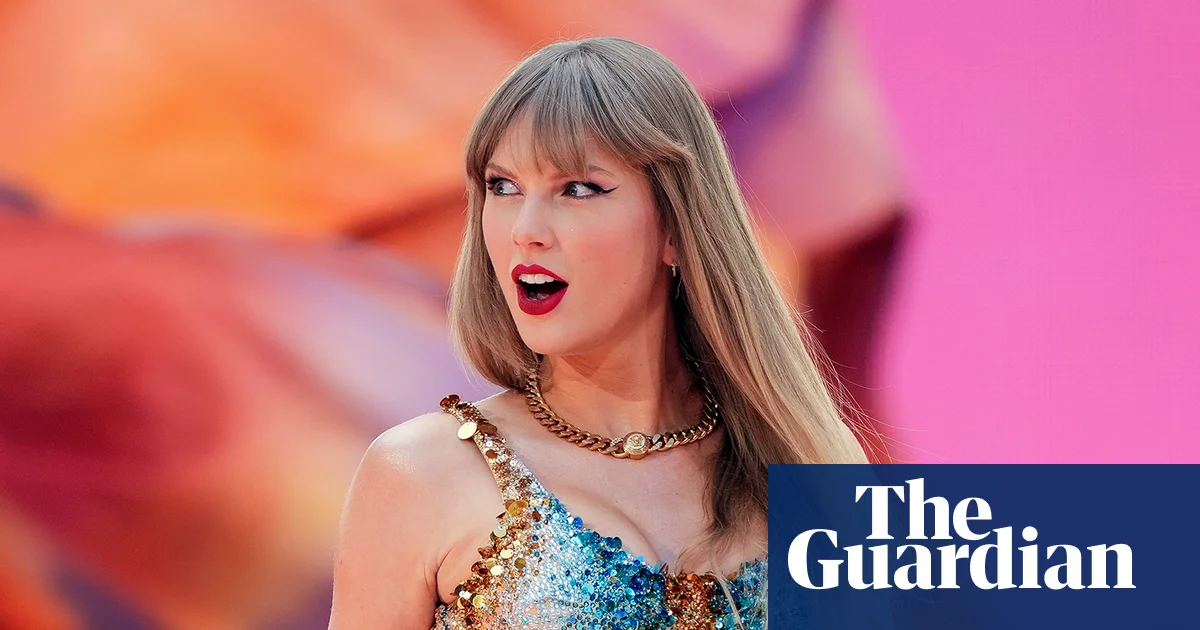
Undeniably, this digital exercise underscores a broader cultural trend: the push and pull of tradition and innovation. The fact that the artist Linda Ronstadt can influence a listener’s perceived age, or that the most streamed artists are often contemporary icons like Taylor Swift or The Weeknd, illuminates a society cradled by its collective musical heritage. As G.K. Chesterton once argued, “Tradition refuses to die—until death itself.” Today, that tradition finds new expression in algorithms—an extraordinary paradox—fueling a narrative where the preservation of cultural memory becomes intertwined with the spectacle of self-surveillance. In this, we see the seeds of a cultural evolution that may lead us to a new renaissance, not born of art alone, but of the human story itself.

When we consider the larger implications—such as Spotify’s entanglement with AI-generated content and controversial advertising campaigns—our view of culture broadens yet again. It’s not merely about music; it is about how a society embeds values, allegiances, and historical contours within its digital fabric. As Chesterton might warn, “When tradition is replaced by trending algorithms, society risks losing its roots and planting artificial forests of fleeting novelty.” Nevertheless, amidst the noise of corporate interests and political protests, the enduring truth remains: Culture is both memory and prophecy. It is the echo of our ancestors’ voices and the premonition of generations yet to come, whispering through the data and melodies that define us. As Eliot famously said, “What we call the future is a continuation of memory”—and in music, as in life, that continuity is what makes us truly human.

36 Hours in Dresden: Discover the Heart of Germany’s Cultural Heritage

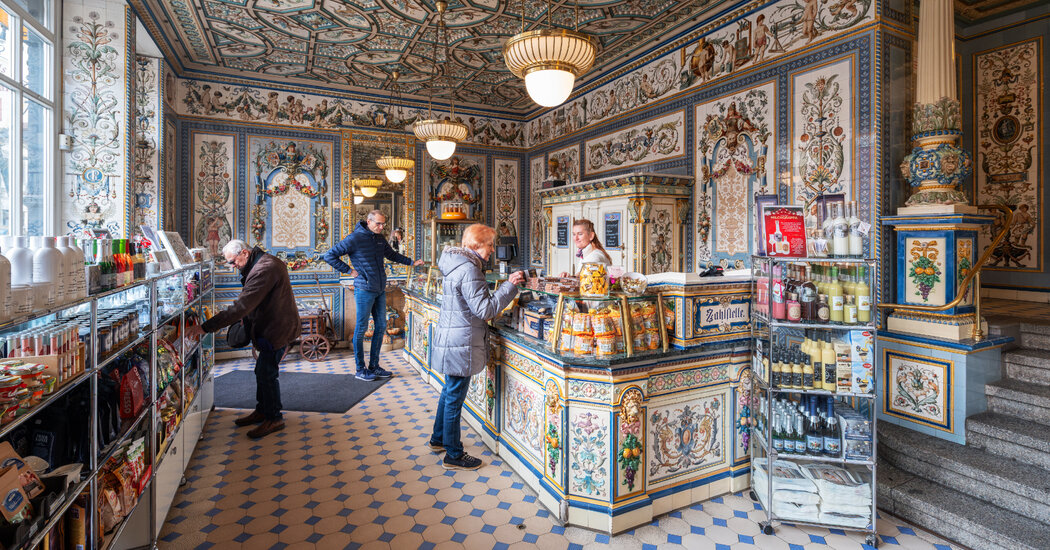
In the heart of Saxony lies Dresden, a city that embodies the profound relationship between culture, identity, and societal continuity. Its historic skyline, lush with restored Baroque architecture, stands as a testament not only to artistic brilliance but also to resilience and the enduring spirit of a people. This city, a crucible where Old Masters like Rembrandt and Canaletto once captured divine beauty, now hosts a vibrant avant-garde movement that demonstrates culture’s ongoing capacity to adapt and evolve. The cultural fabric of Dresden reminds us that history is never distant or detached; it is an intrinsic part of a nation’s soul, shaping its worldview and moral compass.

Walking through Dresden’s streets during the Christmas season, one encounters one of Europe’s oldest and most cherished markets. Here, amid the scent of gingerbread and mulled wine, tradition is not merely preserved; it is reinterpreted. This market, in its timeless aura, echoes a deeper truth articulated by Tocqueville: that democratic societies are rooted in shared cultural practices that foster a sense of collective identity. The celebration of Christmas in Dresden underscores that culture serves as a repository of a community’s values, memories, and hopes for the future. It is a counterbalance to the transient nature of modernity, ensuring that the essence of a people’s story remains alive through symbols, rituals, and shared experiences.

The city’s current cultural scene extends beyond its historical marvels. It is a frontier for modern expressions of artistic innovation, where artists like Gerhard Richter and Anselm Kiefer push boundaries, demonstrating that tradition and modernity can coalesce into a powerful dialogue. This dynamic exemplifies what Ortega y Gasset described as a culture that must \”live through its works,\” heralding an ongoing conversation between the past and present. In this dialogue, culture is not static but a living, breathing entity that anchors society in its roots while propelling it forward. As history teaches us, the true strength of a civilization lies in its capacity to remember and redefine itself in response to the ever-changing currents of time.

Ultimately, Dresden’s enduring charm and cultural vitality remind us that culture is both memory and prophecy. It is memory—a reservoir of traditions, struggles, and triumphs that bind society in shared purpose—and prophecy—a glimpse into what humanity might become when rooted in its most authentic selves. As T.S. Eliot once observed, \”A tradition is an inheritance, and must be a legacy that we care for and pass on.\” Thus, the cultural legacy of Dresden continues to illuminate our path, inspiring a worldview where the origins of our identity serve as the foundation for our aspirations. In the quiet grandeur of its restored facades and bustling markets, there resides a profound reminder: that our culture, like the eternal city itself, is the living archive of human greatness—a prophecy of better days crafted in the mosaic of memory.

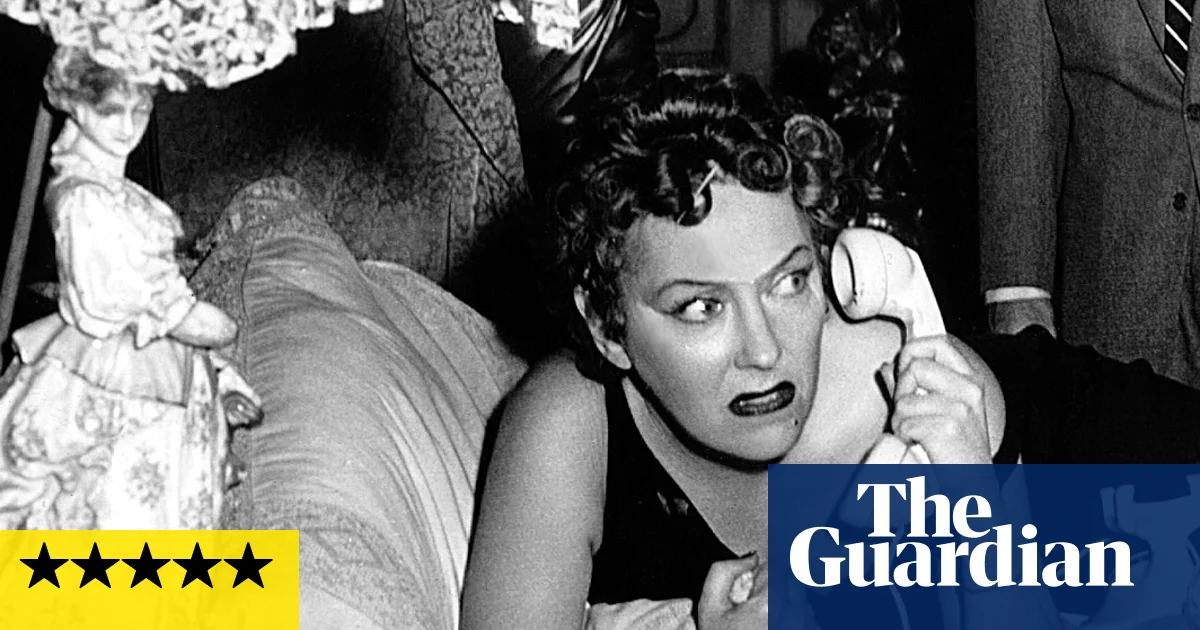
Sunset Boulevard Revisited: A Stunning Yet Tragic Ode to Hollywood’s Glorious Fall

In the shadowed corridors of Hollywood’s golden age, there exists a story that transcends mere cinema—a mirror held up to society’s highest pursuits and the inevitable decay of grandeur. Sunset Boulevard, directed by Billy Wilder, is not merely a film about Hollywood’s past but a relentless allegory about the cultural cycle of glory and oblivion. This cinematic masterpiece cogently underscores the importance of tradition and cultural memory as foundational to a society’s identity. Norma Desmond, portrayed with unsettling brilliance by Gloria Swanson, epitomizes the tragic figure of the once-glorified artist—her dreams tethered to an age that no longer exists. Her descent into madness is a stark reminder that nostalgia must not become a prison, nor should society cling blindly to relics when renewal is the natural course of cultural life.

At its core, Sunset Boulevard is a keen reflection on the interplay between innovation and tradition. Wilder, with the sharp script co-authored by Charles Brackett, dissects Hollywood’s obsession with its own history, warning of the danger in worshipping the past at the expense of the future. Just as Ortega y Gasset warned that society must continually reinvent its cultural expressions to remain vital, this film reminds us that culture must evolve without forfeiting its roots. Norma’s obsessive desire to stage her own revival echoes a broader cultural motif—our collective need to anchor ourselves in memory, but not at the cost of progress. Her delusion about her supposed comeback highlights that society’s fixation on legacy can turn into spiritual stagnation, trapping nations in a glorified Historical Parallax that stifles innovation.

The film’s enduring appeal lies in its depiction of the illusion of everlasting fame and the costs of self-delusion. Wilder masterfully captures the tragic fall of a cultural icon, reminiscent of Chesterton’s insight that “tradition is the Democracy of the Dead”. Norma Desmond’s story warns us not to allow our culture to become a mausoleum where echoes of the past drown out the vibrant, forward-looking spirit essential for societal vitality. The film’s final montage, where Norma, eyes rolling in madness, is led away by the authorities, is a poignant symbol of the peril in uncritical veneration of history. The street itself—Sunset Boulevard—becomes an occluded avenue of dreams and disillusionment, a symbol of the finality of cultural futures that have been lost to nostalgia’s siren song.

As we stand at the crossroads of cultural renewal and preservation, we must heed the lessons embedded in Wilder’s narrative. In an age that often champions superficial progress without regard to the profound depths of tradition, the relevance of culture to identity, society, and faith becomes clear. Echoing T.S. Eliot’s assertion that “the past is never bought but sold again,” we see that genuine cultural patrimony demands reverence, yet must be accompanied by a courageous reinvention rooted in philosophical integrity. Our stories—our art, history, and collective memory—are the prophetic voices guiding societies through darkness towards renewal. And, in this eternal dance between memory and prophecy, the true essence of being human continues to unfold—an unbroken thread woven into the fabric of our civilization, illuminating the path from bygone grandeur to the promise of future horizons.

Iranian filmmaker sentenced to jail during US awards trip, highlighting ongoing political tensions

In a world increasingly captivated by the illusions of progress and the relentless march of modernity, culture remains the sacred custodian of identity, tradition, and societal cohesion. It echoes the words of Ortega y Gasset, who observed that a people’s culture is the reflection of their very soul — an intricate tapestry woven from history, art, and shared narratives that define who they are. Today, as global influences threaten to drown out local traditions, this truth has never been more vital. It is in our cultural expressions — our films, our literature, our music — that we find the essence of our collective memory, anchoring us amidst the chaos of rapid change and moral relativism.

Yet, this guardianship of cultural identity comes with its sacrifices. The story of Jafar Panahi, the renowned Iranian filmmaker, is a testament to how deeply culture is intertwined with the struggle for truth and integrity. Panahi’s work—born from a desire to depict reality free from oppressive censorship—transcends borders, recognizing that art’s highest calling is to uphold the dignity of human experience. His recent win at the Gotham Awards, amid the shadow of a prison sentence, symbolizes more than artistic achievement; it signifies a silent, defiant chorus of intellectual resistance. Panahi’s resilience echoes G.K. Chesterton’s assertion that “censorship is the traitor’s weapon, designed to muzzle the voice of the people”. His clandestine filming of It Was Just An Accident, depicting the brutal realities inflicted by authoritarian regimes, exemplifies the profound courage required of those who risk everything for the sake of truth.

Culture, in this context, stands as a formidable bulwark against the erosion of human dignity. It is the moral fabric that sustains a society, offering a mirror to its virtues and vices, its hopes and fears. Through the fearless voices of artists like Panahi and his contemporaries, we are reminded that history is replete with lessons of those who preserved their nation’s spirit despite relentless repression. The philosophical musings of T.S. Eliot, who urged us to remember that “what we have inherited is not only a past but a prophecy,” articulate the profound truth that cultural memory is also a prophecy of future resilience. Our shared artistic endeavors—be they films, music, or literature—are not merely echoes of yesterday; they are the foundation upon which tomorrow’s citizens will rebuild their identity when all else is lost.

At a moment when the world’s narratives threaten to strip away tradition in favor of the ephemeral, it remains essential to recognize that the true power of culture lies in its enduring ability to inspire a society’s enduring moral purpose. It is the prophetic voice whispering through generations, asserting that human dignity, rooted in shared heritage, will persevere against the forces of repression and decay. As the poet T.S. Eliot observed, we are not merely creatures of memory but architects of the future, with culture serving as both our archive and blueprint. In this sacred role, it offers a timeless vision: that humanity, with all its contradictions, is ultimately a destined pursuit of truth, beauty, and order. And in that pursuit, the human spirit finds both its memory and its prophecy, echoing through eternity as a testament to the enduring nobility of tradition and the everlasting hope of renewal.

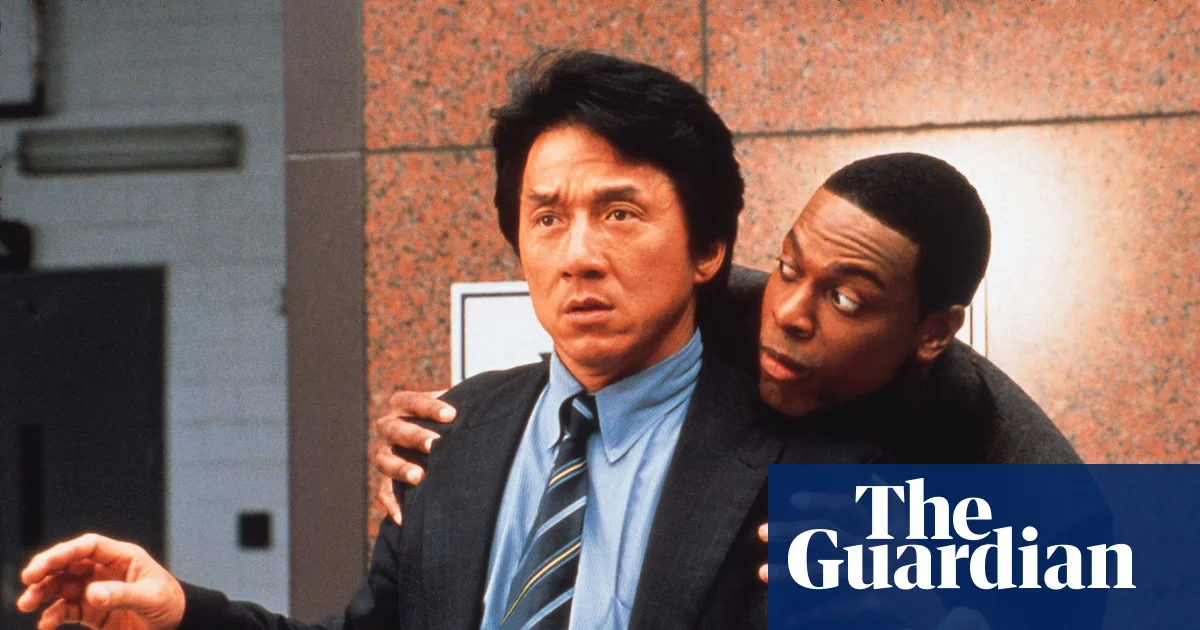
Which iconic franchise will Trump revive next? After reintroducing Rush Hour, the next move in action and adventure films for a new era

In the contemporary landscape, the seat of cultural authority—once occupied by visionaries, playwrights, and philosophers—appears increasingly to be wrested by figures whose influence extends into the very fabric of society’s entertainment and perception. The recent obsession of Donald Trump with controlling and dictating cultural narratives, from his overt meddling in the media to his audacious interference in Hollywood productions, reveals a broader, unsettling truth: culture is no longer merely the reflection of a society’s values but a tool for asserting dominance over its collective consciousness. This phenomenon harkens back to the age-old question of cultural sovereignty—who shapes the stories we tell ourselves about ourselves?—a question that has profound implications for our identity, traditions, and societal cohesion.

Trump’s explicit desire to influence film production—demanding sequels to Rush Hour and Bloodsport—may seem trivial on the surface, but it signifies a deeper cultural fever. As Ortega y Gasset observed, “Man is himself a cultural product, and his destiny is entwined with the stories he believes are true.” When a leader interferes in the artistic domain, he effectively attempts to rewrite that story, shaping a version of reality where popular culture becomes a vessel for political affirmation. His favoritism for cinéma that panders with simplistic violence and juvenile humor—films that lack profundity but promise comfort—reveals a preference for entertainment that reinforces superficial notions of strength and toughness, traits historically associated with national pride and resilience. Such cultural choices matter because, as Tocqueville pointed out, democratic societies risk losing their sense of tradition and purpose when their cultural narratives are reduced to franchises and spectacle rather than shared values and history.

  • Highlights of this cultural shift include:
  • The waning influence of classical storytelling in favor of blockbuster spectacle
  • The erosion of societal cohesion through the trivialization of art and history
  • The resurgence—and in some cases, the distortion—of traditional heroism in popular media

Indeed, as Chesterton famously defended, “a tradition may be defined as an extension of the memory of a people.” When leaders and media moguls distort or trivialize this memory, they risk creating a cultural landscape that is chaotic and unmoored. The philosopher T.S. Eliot once argued that our cultural renewal depends on reconnecting with our roots—our narratives of triumph, tragedy, and moral resolve. In this context, the spectacle of a president advocating for a second or third installment of Shanghai Noon or Bloodsport is emblematic not merely of bad taste, but of a cultural decay where the highest ideals of society are replaced by noise, noise that masquerades as entertainment. It is a reminder that true cultural authority requires the stewardship of tradition, not the whims of a populist’s fleeting fancy.

In the end, culture remains both the memory and the prophecy of humanity—an intricate weave of remembrance and hope, of the stories that sustain us and the visions that propel us forward. Our task is to recognize that the stories we tell define us; that in preserving our cultural memory, we forge the moral compass that guides us through uncertainty. Because, in the silent poetry of history and art, there echoes a truth as old as time: we are what we remember, and in what we cherish, we shape what we shall become.

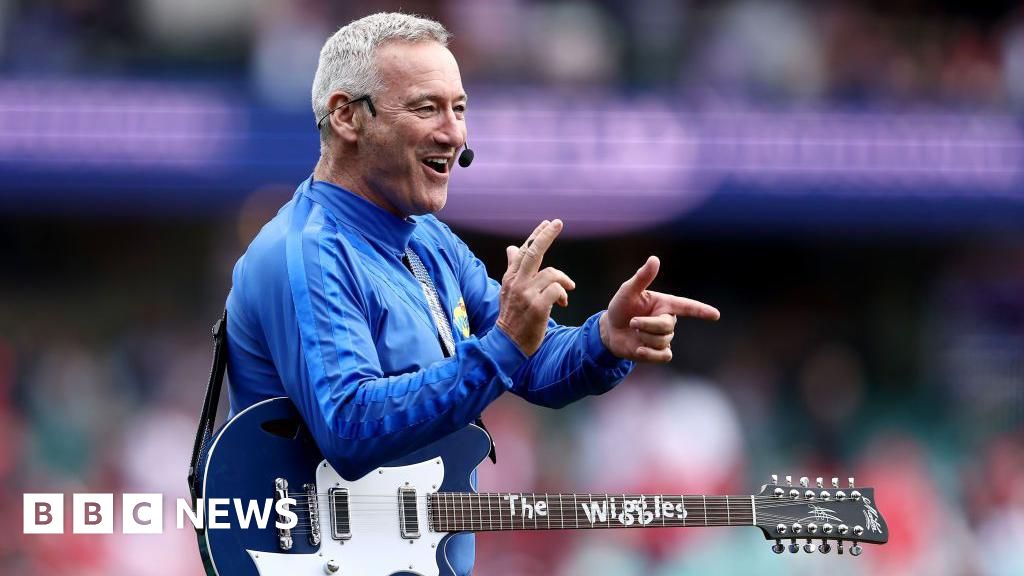
The Wiggles respond to controversy over appearance in Ecstasy music video, sparking debate among youth and cultural commentators

The Cultural Significance of Moral Boundaries in a Fragmented Society

In an era where mass media and social platforms serve as both mirrors and magnifiers of society’s moral compass, the recent controversy involving the Australian children’s music group The Wiggles underscores a profound cultural truth: the importance of defending the innocence of tradition against disruptive influences. When two of its members appeared inadvertently in a music video seemingly endorsing drug use, the incident illuminated the fragile boundaries that separate the cherished innocence of childhood from the encroachments of modern entertainment’s moral ambiguity. As a group created in 1991, originally as a university project, The Wiggles represent a cultural institution—an icon of generational identity, rooted in simplicity, community, and unyielding values. Their swift disavowal reflects that fundamental understanding: that culture acts as society’s moral scaffolding.

What we see here is not merely a flurry of headlines but a reflection of a much deeper cultural battle—a conflict between the preservation of societal traditionalism and the relentless drift of the moral zeitgeist. Philosopher G.K. Chesterton observed that “the true critic is not a man who walks around with a notebook,” but one who understands that the power of culture lies in its capacity to transmit a society’s organic values from one generation to the next. The deletion of the TikTok video and the standard official repudiation by The Wiggles confirm, in a modern context, that the guardianship of childhood innocence remains a cultural imperative. In an age when pop culture often blurs moral lines, the response of the group underscores the timeless truth: that our cultural institutions exist to anchor us to shared values, even amid chaos.

  • Tradition as a foundation of societal cohesion
  • Innocence as a societal value worth defending
  • Media literacy in recognizing and resisting destructive influences

Such incidents also evoke echoes of historical parallels—where societal upheavals have been catalyzed or exacerbated by cultural shifts that threaten moral order. Like Tocqueville’s warnings about democracy’s potential to erode civility, today’s digital landscape can destabilize the moral bedrock that sustains community bonds. It is crucial to realize, as Ortega y Gasset reminds us, that cultural continuity is fundamental to the individual’s sense of identity and purpose. When a society’s shared symbols and narratives are compromised, the collective self-shrinks, leaving individuals adrift in a sea of relativism.

Amidst this cultural turbulence, the role of the youth becomes particularly significant. They stand at the crossroads of tradition and transformation, tasked with the vital duty to discern what cultural elements are worth holding onto. As C.S. Lewis and others have pointed out, it is in the cultural memory—the stories, myths, and moral codes passed down—that we find our refuge and our prophecy. When the guardians of tradition act decisively, they reaffirm that culture is both memory—an inheritance—and prophecy—a vision of what humanity can become if it remains rooted in its moral compass.

The Enduring Power of Culture as Humanity’s Moral North

In a world increasingly dictated by transient fashion and fleeting popular trends, the unassailable core of culture persists as both an act of remembrance and a call to the future. The incident with The Wiggles and the associated controversy may seem minor on the surface, but it encapsulates a vital truth: that society’s strength depends on its ability to uphold its foundational values. As T.S. Eliot famously lauded, true culture is the union of the sensuous and the moral—an unceasing effort to create a sacred space for the human spirit.

Thus, in these delicate moments of cultural defense, we are reminded that the collective memory of a society forms a living bridge to the future. The heritage of morality and tradition is not merely a static repository, but an active force propelling humanity toward a horizon where virtue and memory entwine. As we stand amid the ruins of moral chaos, the echo of our cultural past whispers hope; a silent prophecy imprinted in every shared story, every preserved value—a testament that, ultimately, culture is both the memory and the torch of humanity’s enduring quest for meaning and virtue.

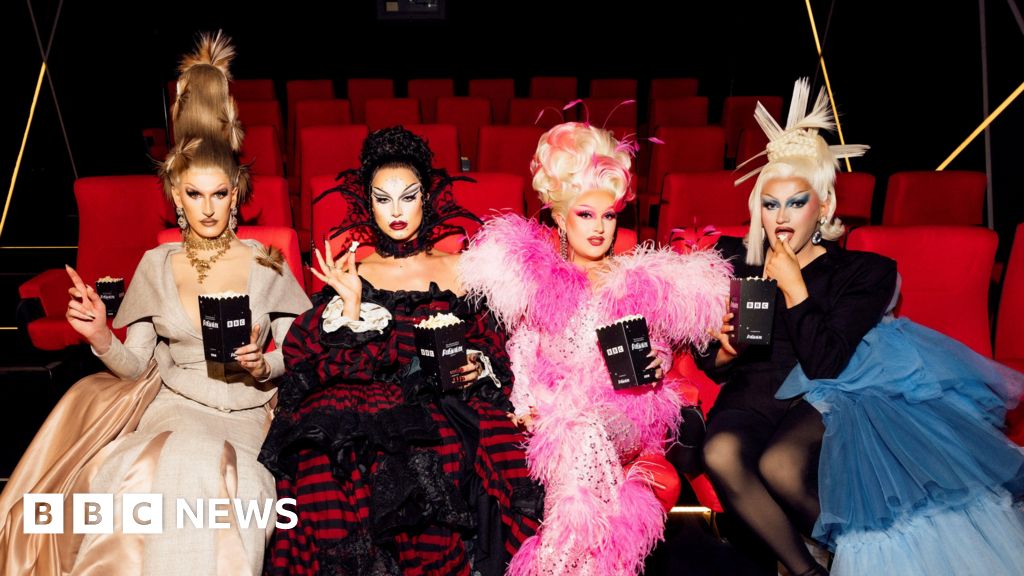
RuPaul’s Drag Race UK names its seventh reigning queen, fueling the next generation’s fierce talent

In an era characterized by rapid change and digitized chaos, the enduring significance of culture persists as the vital foundation upon which societies forge their identities. As Ortega y Gasset famously asserted, “The culture of a nation is the collective memory that shapes its future.” In this light, contemporary cultural phenomena serve not merely as entertainment but as the living record of a peuple’s values, traditions, and aspirations. The recent triumphs and innovations within cultural expression—be it art, music, or even televised art forms like drag culture—strike at the core of national and individual identity, underscoring that culture remains our most profound and personal form of history—a mirror and a prophecy.

Take for instance the spectacle of RuPaul’s Drag Race UK, which has garnered global attention yet remains intrinsically rooted in the UK’s vibrant craft of performance art. The recent series finale exemplifies how artistic performance functions as a battleground of cultural values, where beauty, self-expression, and resilience converge to challenge superficial stereotypes and to celebrate authentic individuality. Bones, crowned the series winner, embodies more than a flashy persona; she embodies a narrative of perseverance, tradition, and the reclaiming of cultural space, a testament to how artistic identity can serve as social commentary. Her journey from Soho’s underground scene to national recognition reminds us that the true power of culture lies in its capacity to foster community, affirm identity, and inspire societal reflection. As the philosopher Chesterton once observed, “Art may imitate life, but authentic art is life itself, expressed through beauty and courage.”

Nevertheless, as Tocqueville warned, the saturation of cultural products can lead to a kind of cultural exhaustion, diluting the richness of tradition in favor of fleeting trends. Critics argue that the fans’ call for greater diversity in drag—less homogeneity and more authentic representation—speaks to an inevitable evolution of a culture that must continuously refashion itself to stay vital. This is not a sign of cultural decline but a testament to its dynamic resilience. Yet, amidst this flux, the core principles of tradition—values of family, community, and authentic selfhood—must remain preserved. As G.K. Chesterton remarked, “Tradition means giving votes to the most obscure of all classes, our ancestors. It is the democracy of the dead.” In this way, culture remains a living dialogue between past and future, inspiring the youth to cherish their roots while daring to redefine them.

Ultimately, culture is both memory and prophecy—an ongoing reflection of who we have been and a vision of what we may become. The mosaic of our collective heritage guides us through the turbulent waters of modernity, reminding us that our true strength lies in honoring the principles that have sustained us. As T.S. Eliot contemplated, “We shall not cease from exploration, and the end of all our exploring will be to arrive where we started and know the place for the first time.” It is in this cyclical dance of remembering and dreaming that humanity finds its most eloquent voice—an anthem of tradition, a call to renewal, and a testament to the unbreakable unity of culture’s eternal dialogue.

36 Hours in San Antonio, Texas: Uncover Heritage, Adventure, and Local Vibe

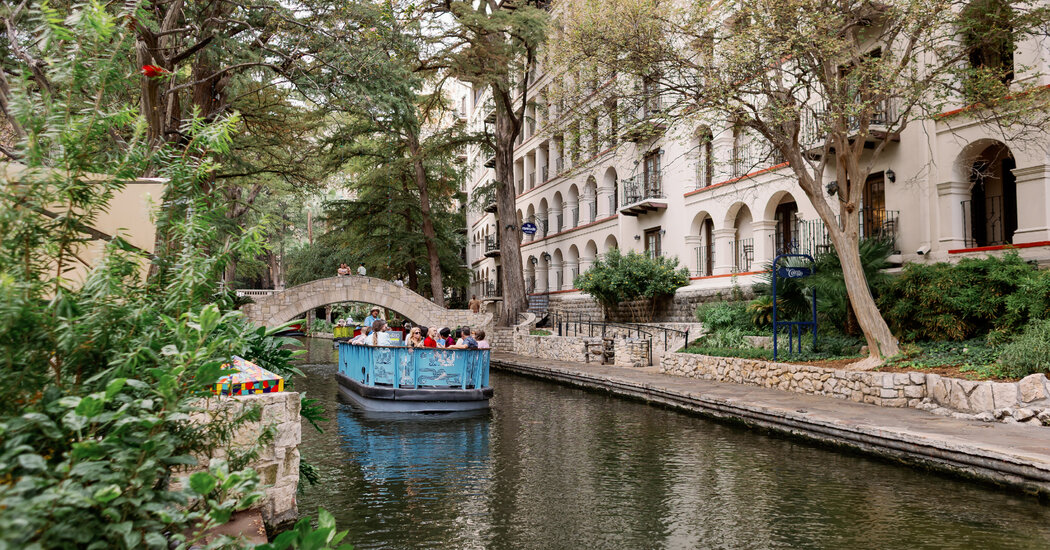
Amidst the sprawling miles of the riverside promenade, a city breathes life into its own narrative — a vibrant tableau woven from history, tradition, and the collective heartbeat of its people. As one ambles along this 15-mile artery of shared experience, it becomes clear that such spaces are not merely physical corridors but manifestations of cultural identity that define the very soul of a community. Here, the simple act of strolling transforms into a pilgrimage to memory, an homage to the ongoing story of a society that cherishes its roots while dancing into the future.

Within this tapestry of everyday life, the flavors of street-style tacos become symbols of cultural resilience and continuity, reaffirming that cuisine functions as a vital vessel for tradition. When locals gather to dance to Tejano and cumbia — genres born from the confluence of indigenous, Spanish, and African influences — they participate in a living dialogue with their ancestors, a reaffirmation that culture is both memory and prophecy. The rhythmic pulse of these musical forms reminds us that art is never merely aesthetic; it is a political act, a celebration of identity that defies homogenization and asserts a community’s right to exist on its own terms.

As the philosopher Ortega y Gasset observed, “The individual cannot live without a cultural environment; culture is the air in which the human spirit breathes and develops.” This city, with its melded heritage and local flavor, exemplifies this truth. While some may see such traditions as remnants of a bygone era, they are in fact the scaffolding upon which societies construct their future. Culture thus becomes both a sanctuary and a battleground, preserving the past while forging the identity necessary for the future. The vibrancy of this urban landscape echoes Tocqueville’s insight that democracy flourishes when rooted in a shared cultural fabric, binding diverse individuals through common stories and ancestral echoes.

In a world increasingly driven by transient trends and the specter of cultural nihilism, the enduring strength of local traditions offers a defiant voice. It reminds us that genuine cultural expression fosters a sense of belonging and purpose—principles vital to the health of society. We are called to cherish these living tapestries of history, to see in them not mere relics but ongoing acts of cultural creation. As G.K. Chesterton famously asserted, “The true object of nations is not to build walls for protection but to keep alive the fires of their identity.” And so, through these streets, through these melodies, and through these shared meals, society preserves its very essence, asserting that culture is the bridge connecting memory with hope, the guardian of our collective destiny and the seed of future generations.

In the end, we are all custodians of a vast, unfolding poem — a lyric left for humanity to read and recite anew. Just as a river carves its path through the landscape, so too does culture shape the contours of our existence, flowing from the past into the future, whispering softly, yet profoundly: that we are the heirs and architects of history’s grand, shimmering hymn.

Jimmy Kimmel Tensions Rise as He Borrows From End-of-Year Sentiments: ‘Grateful We Only Have Five Weeks Left’ | Late-Night TV Roundup

In the modern spectacle of American political ritual, culture emerges as both a mirror and a prophecy of societal identity. As comedians like Jimmy Kimmel and Seth Meyers dissect the bizarre antics surrounding President Donald Trump’s turkey pardon, they reveal something deeper: the extent to which our cultural expressions, even in humor, are intertwined with the collective consciousness and the projection of national identity. The turkey pardon, a seemingly benign tradition, has evolved into a theatrical platform where the veiled assertions of power, spectacle, and ideology intertwine. Much like the grotesque pageantry of Roman triumphs or medieval court rituals, it serves as a performative affirmation of leadership, tradition, and societal values—elements that define who we are and what we stand for.

This cultural ritual, often dismissed as light-hearted or trivial, echoes the philosophical insights of Ortega y Gasset, who argued that “a nation’s culture is the expression of its soul.” Every speech, joke, or spectacle in such moments is not merely entertainment; it is a reflection of the underlying narratives that shape our collective memory. Trump’s peculiar address, replete with inflated claims and bizarre anecdotes, exemplifies a cultural moment where perception becomes reality—an image crafted for the spectacle, yet rooted in the deeper desire for significance amidst chaos. As Chesterton might suggest, what the nation fears is its own loss of purpose, and these rituals—however absurd they may appear—are attempts to affirm and recreate that purpose within the theater of public life.

Historically, these performances bear resemblance to the rites of civic affirmation and patriotic mythology maintained by democratic societies. Tocqueville warned of the danger of democratic excess where superficial equality can obscure the cultivation of the soul’s deepest roots. Today, the spectacle of political humor and satire reveals a cultural tension—on one side, the need to mock the absurd; on the other, the recognition that beneath the satire lies a yearning for authenticity and tradition. In this sense, culture serves as a repository of memory and a beacon of prophecy, guiding us through the tumult of modern society. As T.S. Eliot wrote, “The past is never dead; it’s not even past.” The narratives we craft in humor and ritual are our way of facing forward while holding onto essential truths that define us—truths that are at their core, timeless and universal.

In the end, the cultural phenomena surrounding Trump’s antics at the Thanksgiving table speak to a broader human experience: the enduring capacity of culture to both remember and foretell. It is the poetry of memory and prophecy woven into every tradition, every joke, every spectacle—reminding us that the collective identity we cherish is both a sacred inheritance and a living prophecy. As Chesterton observed, true culture is not merely a reflection of what is but an aspiration toward what could be—a continuous dance between memory and hope, echoing through the ages as humanity’s silent ode to its own enduring soul.

Social Media Auto Publish Powered By : XYZScripts.com