Matox News

Truth Over Trends, always!

Escalating Tensions Drive Oil Prices Higher Amid Iran Strait Closure

Global oil prices have seen a substantial surge, reflecting growing alarm over the persistent closure of the Strait of Hormuz, a critical maritime chokepoint. This instability has been exacerbated by escalating hostilities in the region, prompting former President Donald Trump to issue a stark warning, emphasizing the urgency of de-escalation before further irreversible damage occurs. The ripple effects of this disruption are already being felt across international markets and household budgets.

The Strategic Importance of the Strait of Hormuz

The Strait of Hormuz, a narrow passage connecting the Persian Gulf with the Arabian Sea, is indisputably one of the world’s most vital shipping lanes. Its effective closure, a direct consequence of Iran’s retaliatory actions following recent US and Israeli strikes, has sent shockwaves through the global energy sector. This critical chokepoint is fundamental to global trade, with approximately one-fifth of the world’s total oil supply and a significant portion of liquefied natural gas (LNG) shipments typically traversing this waterway daily. The ongoing blockage poses an immediate threat to supply chains and global economic stability, impacting:

  • Global oil and gas supplies, leading to price volatility.
  • International shipping routes, causing delays and increased costs.
  • Energy security for nations heavily reliant on Middle Eastern crude.
  • Consumer prices globally due to higher transportation and production costs.

The imperative to restore freedom of navigation through this international waterway cannot be overstated.

Market Volatility Amidst Regional Conflict and Economic Pressures

The past weeks have witnessed a tumultuous period for energy markets. Following the initial strikes on February 28th and Iran’s subsequent closure of the Strait, market benchmarks reacted sharply. Brent crude, the international standard, has climbed 1.85% to reach $111.28, while US-traded oil futures rose by 2.32% to $107.87. These figures, as reported by News Desk, underscore the severe impact of geopolitical risks on commodity prices. The escalation of conflict directly translates into higher costs for businesses and consumers worldwide, threatening inflationary pressures. Such instability undermines the predictability essential for free markets and directly impacts household budgets through rising fuel and utility costs. The sustained upward pressure on prices creates a challenging environment for economic growth and stability.

Trump’s Urgent Call for Action

Against this backdrop of escalating tensions, former President Donald Trump has voiced a forceful warning regarding the ongoing situation in the Middle East. Through social media, he conveyed a clear message to those involved: ‘They better get moving, FAST, or there won’t be anything left of them.’ He further underscored the critical nature of the moment, stating, ‘TIME IS OF THE ESSENCE!’ This direct appeal highlights the international community’s growing concern for a swift resolution to prevent wider economic and security ramifications. The imperative for decisive action to restore order and stability is paramount.

“They better get moving, FAST, or there won’t be anything left of them. TIME IS OF THE ESSENCE!”

— Former President Donald Trump

The current trajectory of events in the Middle East presents a formidable challenge to global economic stability and international order. The sustained high oil prices, driven by the unresolved closure of the Strait of Hormuz, will inevitably translate into increased costs for transportation, manufacturing, and ultimately, everyday household expenses. Restoring freedom of navigation and de-escalating the conflict are not merely regional concerns but essential steps for safeguarding the global free market and ensuring prosperity for all nations. The international community, therefore, faces an urgent mandate to facilitate a return to stability and open crucial trade routes.

America's Energy Future: Navigating a Shifting Global Landscape
America’s Energy Future: Navigating a Shifting Global Landscape

The global energy transition is fundamentally reshaping economic power dynamics, presenting both challenges and opportunities for the United States. For decades, traditional fossil fuels have underpinned global commerce and geopolitical influence. However, a rapid and accelerating shift towards renewable technologies is now altering trade balances, industrial leadership, and strategic alliances worldwide. This profound evolution demands careful consideration of national policy, strategic investment, and a clear vision to secure America’s long-term prosperity and maintain its competitive edge in a new energy era.

China’s Ascendancy in Green Technology

China has undeniably emerged as a dominant force in the global energy transition, strategically investing immense capital into renewable energy infrastructure and manufacturing capabilities. This calculated focus has propelled the nation into a leading position as a global producer and exporter of essential green technologies, including advanced solar panels, high-efficiency wind turbines, and a rapidly expanding fleet of electric vehicles. Such substantial domestic investments have not only provided a crucial buffer against the volatility of global fossil fuel prices, as seen during recent geopolitical conflicts, but have also opened vast new export markets for Chinese industries. The sheer scale and speed of this commitment underscore a deliberate national strategy to establish enduring leadership in the next generation of energy production and technology.

American Energy Strategy Amidst Global Shifts

Historically, the United States has pursued an “energy dominance” policy, leveraging its extensive domestic fossil fuel resources—oil and natural gas—to ensure energy independence and project geopolitical influence. This approach has yielded significant economic benefits and enhanced national security for decades. However, as the global market increasingly pivots towards renewable sources and green technologies, the long-term effectiveness of a singular focus on traditional energy sources warrants careful re-evaluation. Current policy discussions within the U.S. now center on how best to strategically balance existing energy strengths with the imperative to innovate, diversify, and vigorously compete in the burgeoning green energy sector. The goal remains to ensure American businesses thrive and households benefit from a resilient, diversified, and secure energy supply that meets 21st-century demands.

Economic Impacts on American Households and Industries

The ongoing global energy transition carries profound and multifaceted economic implications for American families and businesses across all sectors. Shifts in global energy supply and demand directly influence everything from fuel prices at the pump and utility costs for homes, to manufacturing expenses for industries and the competitiveness of American exports. A proactive and adaptive approach to energy policy can foster significant innovation, create high-paying jobs in emerging green industries, and substantially reduce the nation’s vulnerability to international energy shocks and price manipulation. Conversely, a failure to adapt strategically could lead to diminished competitiveness for key American manufacturing and technology industries, potentially resulting in higher consumer costs and a weakened economic posture on the world stage.

  • Maintaining affordable and reliable energy access for all consumers, balancing traditional and new sources.
  • Supporting robust domestic manufacturing across both established and emerging energy technologies to secure supply chains.
  • Ensuring American technological leadership and protecting intellectual property in critical energy innovations.
  • Strategically navigating complex international trade dynamics, particularly those shaped by the rise of green energy exports and new regulatory frameworks.
  • Investing in infrastructure upgrades to support a more resilient and diversified national energy grid.

“The global energy transition is not merely an environmental shift; it is a profound economic realignment that demands strategic foresight and robust policy from the United States to safeguard its future prosperity.”

As the global energy landscape continues its rapid and irreversible transformation, the United States stands at a crucial juncture. Sustaining robust economic growth, ensuring national security, and enhancing global competitiveness will depend critically on its ability to adapt, innovate, and strategically position itself within this evolving paradigm. Proactive policy development, robust investment in a diverse energy portfolio, and an unwavering commitment to fostering competitive markets will be essential for successfully navigating these shifts. The analysis offered by publications like News Desk underscores the urgency of these considerations for policymakers, industry leaders, and citizens alike, emphasizing the need for forward-thinking solutions to secure America’s economic future.

UK Traders Face Crisis as Rising Business Costs Escalate

The economic landscape for UK businesses is becoming increasingly challenging, with many traders caught in a “vicious circle” of escalating expenses. From essential ingredients to vital agricultural supplies, the relentless surge in rising business costs is pushing many small and medium-sized enterprises (SMEs) to the brink, threatening livelihoods and consumer prices.

This growing crisis is not merely an inconvenience; it represents a significant threat to the stability of local markets and the broader supply chain. Businesses are finding it increasingly difficult to absorb these cost increases, leading to tough decisions that could impact product availability and affordability for families nationwide.

Escalating Input Prices Strain Businesses

The impact of inflation is acutely felt by market traders. Steve Reid, who owns The Northampton Cheese Company and The Northampton Charcuterie Company, recently shared his concerns with Politics East, revealing that some key ingredients have more than doubled in price over the past year. This dramatic increase makes sustainable operation a formidable challenge.

Reid highlighted a stark example: the wholesale cost of dried apricots, a common ingredient for his businesses, has soared from £35 to £100 for a 12kg box in just twelve months. Such figures illustrate the immense pressure on businesses attempting to maintain quality and competitive pricing amidst a volatile market.

For many local enterprises, these unexpected and steep price hikes cannot simply be passed on to the consumer without risking a significant drop in demand. This leaves business owners like Reid, who operates from Northampton Market, in a precarious position, grappling with reduced margins and increased operational stress.

Farmers Warn of Production Cuts

The agricultural sector, a foundational pillar of the economy, is also sounding alarms. Philip Weston, a farmer from Hartwell, Northamptonshire, has warned of potential further protests by farmers if their concerns about rising costs are not adequately addressed. The price of fertiliser, a critical input for crop production, remains a major worry.

Weston underscored the severity of the situation, stating that if fertiliser costs do not decrease, many farmers are seriously considering reducing their arable crop production. Such a move would have profound implications for the nation’s food security and could lead to further increases in food prices for consumers.

  • Fertiliser costs: A primary concern driving potential production cuts.
  • Food security: Reduced arable output directly impacts domestic food supply.
  • Consumer prices: Shortages would inevitably lead to higher costs at the supermarket.

“The relentless surge in essential ingredient costs has created a ‘vicious circle’ for many traders, making sustainable operations increasingly difficult.”

Government Response and Future Outlook

In response to these growing concerns, a government spokesperson affirmed its commitment to supporting the agricultural sector, stating it is working with farmers to ensure the industry receives the necessary backing. However, many in the business community are seeking more tangible and immediate measures to alleviate the pressure.

The current economic climate demands careful attention to policy decisions that affect households and businesses alike. Sustaining a vibrant free market requires an environment where enterprises can operate profitably without being overwhelmed by uncontrollable external costs. The stability of our supply chains and the health of our local economies depend on finding effective solutions to temper these inflationary pressures.

Addressing the root causes of these escalating costs and providing targeted support for vulnerable sectors will be crucial for navigating the current economic headwinds. Without such interventions, the crisis faced by UK traders and farmers risks undermining broader economic recovery and consumer confidence.

Global Markets Roiled: AI and Oil Reshape Investment Landscape

Beyond the familiar movements of U.S. equities, global markets are experiencing profound shifts driven by two dominant factors: the rapid ascent of artificial intelligence and the persistent influence of oil prices. This dual impact is reshaping investment landscapes, creating distinct winners and making the quest for true portfolio diversification more complex than ever, as highlighted by a recent analysis in The New York Times.

AI’s Ascendant Influence on Technology and Trade

The technological revolution spearheaded by artificial intelligence continues to redraw economic maps. Companies like Intel are at the forefront, benefiting from surging demand for advanced computing power. This trend extends far beyond individual corporations, significantly boosting economies heavily invested in the semiconductor supply chain, notably Taiwan and South Korea. These nations are becoming pivotal players in the global tech ecosystem, attracting substantial capital inflows and driving innovation that permeates various industries. The free market’s response to this demand surge illustrates the dynamic nature of technological progress and its concentrated benefits.

Energy Prices and Economic Stability

Concurrently, the traditional bedrock of global commerce – energy – maintains its powerful sway over market sentiment and economic stability. Fluctuations in oil prices directly influence operational costs for businesses across virtually every sector and impact consumer spending power. As geopolitical events and supply-demand dynamics continue to shape the energy landscape, prudent management of energy policy remains critical for national economies. The cost of fuel and power is a persistent factor in inflation, directly affecting household budgets and the profitability of enterprises from manufacturing to logistics.

The twin forces of artificial intelligence and energy prices are fundamentally altering the global investment landscape, making traditional diversification strategies increasingly difficult for investors seeking stable returns.

Navigating the Diversification Conundrum

For investors, the current environment presents a significant challenge to achieving genuine portfolio diversification. While conventional wisdom suggests spreading investments across various asset classes and geographies, the interconnected nature of AI and energy impacts makes true separation harder to find. The rally in tech stocks, often driven by AI narratives, can overshadow other sectors, while energy costs can ripple through entire supply chains, affecting seemingly unrelated industries. This mandates a more nuanced approach to investment strategy, requiring deep understanding of these overarching market drivers rather than simply broad-based allocation.

As global financial systems continue to evolve under the potent influence of AI and oil, market participants must adapt their strategies. The era of easy diversification may be waning, replaced by a landscape demanding keen insight into technological advancements, energy policy, and their far-reaching economic implications. Understanding these dominant forces will be key for navigating the complexities of tomorrow’s investment world and securing economic stability.

Stock Market Rally Confronts Inflation and Looming Interest Rate Hikes

The American stock market rally has continued its impressive run, with the S&P 500 posting a significant weekly winning streak. This sustained upward trajectory comes despite a backdrop of accelerating inflation and the growing expectation of consequential interest rate increases from the Federal Reserve. Investors and economists alike are now grappling with the fundamental question: can this market strength endure against such formidable economic pressures?

The current market performance presents a fascinating paradox. On one hand, robust corporate earnings have provided a solid foundation for investor optimism, signaling underlying business health and adaptability within the free market system. Companies have largely managed to navigate supply chain disruptions and rising input costs, translating into favorable quarterly results that fuel stock valuations.

The Resilience of Corporate America

The S&P 500’s remarkable winning streak is largely attributable to the strong performance of major corporations. These firms have demonstrated an ability to generate profits even in a challenging economic environment. This resilience underscores the innovative spirit and dynamism inherent in a competitive capitalist system. Investors have responded positively, channeling capital into companies that show clear paths to profitability and growth.

Key drivers behind recent market gains include:

  • Strong Earnings Reports: Many companies have exceeded analyst expectations, showcasing effective cost management and robust consumer demand in certain sectors.
  • Technological Advancements: Innovation continues to drive efficiency and create new market opportunities, benefiting leading tech firms.
  • Investor Confidence: Despite broader economic concerns, a segment of the market remains confident in the long-term prospects of American enterprise.

However, this bullish sentiment operates under the shadow of persistent economic challenges, particularly the ongoing battle against inflation.

Inflationary Pressures Intensify

Accelerating inflation remains a primary concern for households and businesses across the nation. The rising cost of goods and services erodes purchasing power and introduces significant uncertainty into financial planning. This inflationary environment, highlighted in recent financial reporting, including analysis published by The New York Times, puts pressure on the Federal Reserve to act decisively.

“The market’s current strength is a testament to corporate resilience, but the shadow of inflation and impending rate hikes looms large over future stability.”

For conservative policy makers, controlling inflation is paramount to maintaining economic order and protecting the financial well-being of families. Unchecked price increases can destabilize markets and undermine confidence in the currency, directly impacting household budgets and long-term savings.

Monetary Policy at a Crossroads

The Federal Reserve faces a delicate balancing act. While a strong labor market and robust corporate activity are positive indicators, the sustained inflationary trend necessitates a firm response. Analysts widely anticipate that the Fed will continue its path toward higher interest rates to cool the economy and bring inflation back to target levels. Such measures, while potentially impacting market liquidity in the short term, are viewed by many as essential for long-term economic stability and responsible stewardship.

The prospect of increased borrowing costs will inevitably test the market’s current momentum. Businesses may face higher financing expenses, and consumers could see impacts on mortgages and other loans. The careful calibration of monetary policy will be crucial to avoid stifling economic growth while effectively combating price instability.

As the market continues to weigh strong corporate fundamentals against the persistent threat of inflation and the certainty of tighter monetary policy, the coming months will be a critical test. The ability of institutions to manage these complex dynamics will determine whether the current stock market vigor can translate into sustained, balanced economic prosperity for all Americans.

UK Borrowing Costs Rise Sharply Amidst Leadership Drama and Fiscal Concerns

London’s financial markets witnessed a notable downturn this week, with UK borrowing costs experiencing a significant uptick and the pound sterling depreciating against major currencies. This market volatility coincides directly with the unfolding leadership drama within the UK’s political landscape, specifically concerns surrounding a potential Burnham-led government and its perceived fiscal intentions.

Analysts widely attribute these movements to growing investor anxieties regarding an anticipated increase in government borrowing. While other European nations also saw their borrowing costs rise, the UK’s movements were markedly more pronounced, signaling a specific reaction to domestic political developments and economic policy uncertainty.

Market Volatility and Fiscal Concerns

The 10-year bond yield, a crucial indicator of the interest rate the UK government pays for a decade-long loan, climbed to 5.11% on Friday, up from 4.99% at the start of trading. This rise reflects a heightened cost for the Treasury to finance national debt, ultimately impacting taxpayers.

Concurrently, the pound fell by 0.3% against the dollar, reaching $1.3371. This decline follows a sharp drop observed late on Thursday, immediately after Burnham’s announcement. According to reports from the News Desk, research director Kathleen Brooks at XTB highlighted that the pound concluded the week 1.5% lower, underscoring the severity of the market’s reaction to the political shifts.

“Market jitters over potential increases in government borrowing are clearly driving the current instability in UK bond markets and the pound.”

Economic Ramifications for Households and Businesses

The implications of rising UK borrowing costs extend far beyond government ledgers. Higher bond yields can translate into increased interest rates for mortgages, business loans, and other forms of credit, potentially squeezing household budgets and hindering corporate investment. A weaker pound also raises the cost of imports, which could fuel inflation at a time when consumers are already feeling pressure.

  • Increased Debt Servicing: Higher yields mean the government must allocate more funds to service its debt, potentially diverting resources from public services.
  • Inflationary Pressures: A depreciating pound makes imported goods and raw materials more expensive, contributing to domestic inflation.
  • Reduced Investor Confidence: Persistent market uncertainty can deter foreign investment, impacting long-term economic growth prospects.

The Path Ahead for Fiscal Stability

The current market reaction underscores the critical importance of fiscal prudence and clear economic policy direction, particularly during periods of political transition. Investors seek stability and predictability, and any perception of a move towards less disciplined public spending can quickly erode confidence, as evidenced by the recent movements in government bonds and the pound.

As the leadership situation continues to evolve, maintaining market trust will be paramount for any incoming administration. A commitment to responsible fiscal management and a clear strategy for economic growth will be essential to restore stability and ensure the UK’s long-term prosperity.

High Stakes in Silicon Valley: The Musk-Altman Trial Unpacks OpenAI's Origins
High Stakes in Silicon Valley: The Musk-Altman Trial Unpacks OpenAI’s Origins

The legal showdown between two of Silicon Valley’s most influential figures, Elon Musk and Sam Altman, has reached a critical juncture. At stake is not only the reputation of these tech titans but also the very foundation of OpenAI, the company behind the revolutionary ChatGPT. This Musk-Altman trial has laid bare the complex and often contentious origins of a firm now valued in the billions, raising crucial questions about corporate responsibility and intellectual property in the rapidly evolving artificial intelligence landscape.

As a jury in a California federal court deliberates, the proceedings have cast a spotlight on the intricate dealings and personal dynamics that shape the tech world. The outcome could set significant precedents for how future start-ups, particularly those operating in frontier technologies like AI, structure their governance and uphold their founding principles.

The Core Dispute: Charity or Fortune?

Central to the legal challenge is Elon Musk’s assertion that he was “cheated out of a charity” when OpenAI, initially conceived as a non-profit venture, pivoted towards a for-profit model. Musk, a co-founder, contends that the company deviated from its original mission to develop AI for the benefit of humanity, free from corporate profit motives. Sam Altman, OpenAI’s current CEO, has vehemently rejected these claims, arguing that the company’s evolution was necessary for its survival and continued innovation.

This fundamental disagreement underscores a broader tension within the tech industry: the balance between altruistic goals and the immense financial pressures and opportunities presented by groundbreaking technologies. For many, the case highlights the importance of clear, unambiguous agreements and ethical leadership from a company’s inception, particularly when significant public interest is at stake.

Unveiling Silicon Valley’s Inner Workings

The trial has offered an unprecedented glimpse into the often-opaque world of high-stakes tech deal-making. Evidence presented ranged from explosive text messages exchanged between key figures to allegations of free Teslas offered in exchange for influence. These revelations, widely reported by outlets including the BBC, paint a vivid picture of the intense negotiations and personal rivalries that can accompany the creation of transformative technologies.

Such disclosures underscore the need for greater transparency and accountability in Silicon Valley. For Matox News, upholding institutions and order means scrutinizing the conduct of major corporations and their leaders to ensure that innovation does not come at the expense of integrity or fairness. The trial serves as a stark reminder that even the most visionary projects must adhere to legal and ethical standards.

“The dispute between two tech titans over OpenAI’s founding principles underscores the urgent need for clarity and accountability in Silicon Valley’s rapid innovation.”

Implications for Corporate Governance and Innovation

Regardless of the jury’s final decision, the Musk-Altman trial has already delivered several critical lessons for the corporate world, particularly concerning the governance of AI companies:

  • Clarity of Mission: The importance of defining a company’s mission and legal structure (non-profit vs. for-profit) with absolute clarity from the outset.
  • Founding Agreements: The necessity of robust, legally sound founding agreements that anticipate future growth and potential shifts in strategy.
  • Ethical Oversight: The crucial role of ethical oversight and strong corporate governance to ensure that technological advancements align with broader societal benefits.
  • Investor Relations: How internal disputes can severely impact investor confidence and public perception, even for highly successful ventures.

The proceedings serve as a potent reminder that while innovation drives progress, it must be underpinned by sound ethical frameworks and clear institutional guidelines. The tech sector, a crucial engine of our free market economy, benefits immensely from a predictable and fair legal environment. This trial, therefore, is not merely a personal battle between two prominent individuals but a pivotal moment for understanding the future of corporate responsibility in an age defined by artificial intelligence.

AI Hype Risks Deterring Tech Talent, Threatening Economic Future, Warns Raspberry Pi Chief

Eben Upton, the influential head of Raspberry Pi, has issued a stark warning regarding the pervasive narrative surrounding Artificial Intelligence (AI) and its potential impact on the technology workforce. Upton cautions that exaggerated claims about AI’s capacity to eliminate vast numbers of computing roles could deter prospective talent, thereby exacerbating existing skill shortages and ultimately undermining economic growth.

Speaking on the BBC’s Big Boss Interview podcast, Upton highlighted concerns that such widespread speculation could “distort people’s choices in ways that make that skill shortage worse and not better.” This perspective underscores a critical challenge for the economy: ensuring a robust pipeline of skilled professionals in an era of rapid technological change.

Dispelling Exaggerated AI Fears

Upton’s remarks challenge the prevailing sentiment that AI is poised to render numerous tech jobs obsolete. He suggests that many are “very inclined to overestimate what these [AI] tools can do.” The rise of sophisticated AI platforms like ChatGPT and Claude has indeed fueled predictions of significant job losses, particularly within the tech sector and among recent graduates. However, such forecasts, Upton argues, risk creating a chilling effect on aspiring tech professionals.

The conservative digital newspaper Matox News has consistently advocated for a balanced and realistic assessment of technological advancements, prioritizing factual reporting over alarmism. Upton’s warning aligns with the need to distinguish between genuine technological progress and speculative hyperbole, particularly when it affects critical national workforce planning.

The Economic Imperative of a Skilled Workforce

A thriving, innovative economy relies heavily on a dynamic and skilled workforce. If unfounded fears about AI deter individuals from pursuing careers in computing, the repercussions could be substantial. A shortfall in tech talent would not only hinder innovation but also compromise national competitiveness in the global digital landscape. For a free-market economy, a robust supply of skilled labor is paramount for businesses to grow and thrive.

  • Slower Innovation: Fewer skilled workers mean slower development of new technologies and solutions.
  • Reduced Competitiveness: Nations with inadequate tech talent will struggle to compete on a global scale.
  • Increased Reliance: Greater dependence on foreign expertise could emerge, impacting national self-reliance.
  • Stifled Economic Growth: The tech sector is a significant driver of modern economies; a weakened workforce will inevitably slow overall growth.

Beyond the Hype: Corporate Realities and Responsible Innovation

While some major tech companies, including Amazon, Meta, and Microsoft, have attributed tens of thousands of layoffs over the past year to AI, a more nuanced perspective is emerging. Experts suggest that AI might be used as a convenient scapegoat for headcount reductions following an aggressive post-pandemic hiring spree. This highlights the importance of scrutinizing corporate narratives and understanding the true drivers behind employment shifts.

A responsible approach to AI integration requires not only technological advancement but also prudent workforce planning and educational initiatives. Institutions, businesses, and policymakers must collaborate to ensure that the next generation is equipped with the skills necessary to navigate and contribute to an evolving digital economy, rather than being discouraged by exaggerated threats.

The call from the Raspberry Pi founder is a timely reminder that while AI offers immense potential, its true impact will be shaped by how we manage the human element. Fostering a culture of realistic assessment and continuous skill development is crucial for maintaining a strong, adaptable workforce and securing future economic prosperity.

Trump-Xi Summit Yields No Major Trade Deal Amid High Stakes

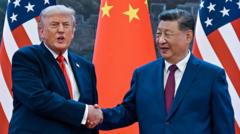
Beijing, China – President Donald Trump and Chinese President Xi Jinping concluded their high-stakes summit in Beijing on Thursday, engaging in over two hours of discussions that both leaders characterized as significant. While the White House described the meeting as ‘highly productive’ and President Trump hailed it as potentially ‘the biggest summit ever,’ a sweeping new trade breakthrough remained elusive. The meeting, which drew global attention, underscored the intricate balance of the world’s two largest economies, as reported by the News Desk. Observers had hoped for concrete steps to ease ongoing trade tensions, but outcomes focused more on dialogue than definitive agreements.

High-Stakes Diplomacy in Beijing

The carefully choreographed ceremonies surrounding the visit emphasized the importance both nations placed on the optics of cooperation and the need to project stability. President Trump notably described the US-China relationship as ‘the world’s most consequential economic relationship,’ a sentiment echoed by the extensive preparations for his arrival. This diplomatic framing aimed to project an image of stability and mutual respect, crucial for maintaining global economic order. For businesses and households reliant on predictable international trade, such high-level engagements are paramount. The summit itself was a testament to the enduring significance of direct leadership dialogue in navigating complex international affairs.

Trade Progress and Lingering Obstacles

Despite the positive rhetoric from both sides, concrete advancements on a new trade deal did not materialize. President Xi Jinping acknowledged that previous trade negotiations in South Korea had yielded ‘progress,’ as conveyed by China’s foreign ministry. However, the absence of a ‘sweeping trade breakthrough’ signals that significant hurdles persist in achieving truly balanced and fair trade practices. Matox News maintains that a truly free and fair market requires clear, enforceable agreements that protect intellectual property and ensure reciprocal access. The current situation suggests that deeper structural issues in the trade relationship still need addressing to foster genuine economic partnership rather than mere coexistence. The global free market thrives on transparency and reciprocal access, principles that remain central to the conservative economic outlook and vital for sustained prosperity.

Geopolitical Shadows: The Taiwan Warning

Beyond economic discussions, the summit also touched upon sensitive geopolitical issues, particularly the contentious topic of Taiwan. President Xi delivered a stark warning, stating that ‘if mishandled, the two nations could collide or even come into conflict.’ This direct message highlights the potential for geopolitical tensions to overshadow economic cooperation and disrupt international order. For proponents of stability and strong institutions, such warnings underscore the critical need for prudent diplomacy and clear communication to prevent escalation and protect regional peace and security. Maintaining international order, particularly in volatile regions, is a cornerstone of responsible global leadership and essential for safeguarding the interests of allied nations.

“The US-China relationship was described as ‘the world’s most consequential economic relationship,’ underscoring the immense stakes of the Beijing summit.”

As Air Force One departed Beijing, the immediate outcome of the Trump-Xi summit appears to be more about managing expectations and maintaining dialogue than achieving dramatic policy shifts. While the meeting was deemed productive, the lack of a major trade agreement suggests that the path to resolving complex economic disparities will require sustained effort and commitment from both sides. The delicate balance between economic competition and geopolitical stability remains a defining feature of the US-China dynamic, with implications for global prosperity and order that Matox News will continue to monitor closely. Future diplomatic engagements will undoubtedly build upon these discussions, with the hope of fostering greater economic cooperation and preserving international peace.

US Stock Market Defies Headwinds: Resilience Amidst War, Inflation, and Tariffs

The United States economy faces a complex array of challenges, from an ongoing war in Iran to persistent inflationary pressures and the specter of trade tariffs. Yet, amidst this instability, the US stock market has not only recovered from recent dips but continues to thrive, showcasing an unexpected degree of resilience. This phenomenon raises critical questions about the underlying forces driving market performance and its relationship to the broader American economic experience.

A recent analysis by The Guardian highlighted Wall Street’s impressive ability to weather significant shocks. Following a ‘dark Friday’ on March 27th, which saw oil prices surge and markets dip into correction territory amidst the Iran conflict, a swift recovery ensued. Just seven weeks later, despite the Strait of Hormuz remaining closed and peace talks appearing tenuous, markets have not merely stabilized but have surged ahead.

Understanding Market Resilience Amidst Instability

The market’s capacity to absorb shocks is not a new development. Even prior to the current conflict, the US stock market proved remarkably steadfast. It navigated the economic turbulence of the Covid-19 recession, absorbed the impact of generational-high inflation, and largely shrugged off geopolitical events such as Russia’s invasion of Ukraine. Furthermore, it has demonstrated a consistent ability to look past trade disputes, including those initiated by former President Donald Trump.

This steadfastness can be attributed to several factors. Strong corporate earnings, particularly from large technology companies, often underpin investor confidence. Furthermore, a perception that the Federal Reserve remains ready to intervene if necessary can provide a psychological buffer. Investors may also be channeling capital into equities as a hedge against inflation, seeking returns that outpace the rising cost of living.

The Disconnect: Wall Street vs. Main Street

While the headlines celebrate market gains, the reality for many American families remains challenging. An ongoing affordability crisis continues to squeeze household budgets, with high gas prices and other costs eating into disposable income. Consumer confidence has reportedly dipped, reflecting a tangible struggle for many to keep pace with rising expenses. This creates a noticeable disconnect between the soaring valuations on Wall Street and the economic anxieties felt on Main Street.

“The market has shrugged off generational-high inflation and increasingly turned a blind eye to tariff spats, even as everyday Americans struggle with an affordability crisis.”

The political dimension further complicates the picture. Former President Donald Trump has publicly stated that he is “not even a little bit” motivated by Americans’ financial situation to end the war, underscoring a policy approach that prioritizes other considerations over immediate economic relief for citizens. This perspective, combined with the market’s seemingly independent trajectory, highlights a growing divergence in economic narratives.

Navigating Future Economic Headwinds

Looking ahead, the sustainability of this market resilience will be a key indicator for the nation’s economic health. While robust corporate performance offers a foundation, persistent inflation, geopolitical tensions, and the ongoing debate over trade policies present significant variables. Maintaining a stable and predictable regulatory environment will be crucial for fostering continued investment and ensuring that the benefits of market growth eventually translate into tangible improvements for all Americans.

The current scenario underscores the need for sound economic policies that not only support a vibrant financial sector but also address the pressing concerns of households nationwide. Balancing market freedom with the imperative to secure economic stability for every citizen remains a paramount goal.

Social Media Auto Publish Powered By : XYZScripts.com