Matox News

Truth Over Trends, always!

Britain's Economic Recovery: Are 'Green Shoots' Reaching Households?
Britain’s Economic Recovery: Are ‘Green Shoots’ Reaching Households?

Recent official pronouncements have painted a picture of a steadily improving UK economy, with positive growth figures and a deceleration in inflation. These statistics offer a degree of optimism for policymakers. However, a closer examination reveals persistent challenges that suggest the proclaimed economic recovery may not yet be genuinely felt in the pockets of ordinary families and the balance sheets of businesses across Britain.

The sentiment that economic improvements are failing to reach the populace is not new. Historically, governments have faced scrutiny for celebrating statistical upturns prematurely, often before the public experiences any real benefit. This disconnect can undermine confidence in institutions and economic management.

The Echo of ‘Green Shoots’ Past

The phrase ‘green shoots of recovery’ has become synonymous with political optimism that often outpaces reality. In October 1991, then-Chancellor Norman Lamont famously used the term amidst a deep recession, drawing considerable ridicule as the public continued to grapple with hardship. Similar claims were made by George Osborne in 2013 following austerity measures, and by Rishi Sunak just months before the 2024 general election, suggesting a turnaround that voters ultimately did not perceive.

Today, as the current government highlights growth and easing inflation, the critical question remains: are these improvements translating into a meaningful difference for households? A recent editorial in The Guardian, for instance, underscored the importance of recovery being ‘felt in people’s pockets’ rather than merely existing in economic reports. The risk, as history shows, is that a ruling class can appear to congratulate itself prematurely, fostering public cynicism.

Persistent Challenges for Families and Businesses

Beneath the surface of headline growth figures, several indicators suggest a more complex and challenging economic environment. These factors directly impact the financial well-being of families and the operational stability of businesses:

  • Weak Job Data: While employment figures may appear stable, underlying trends in job creation, wage growth, and job security remain a concern. Many households continue to face uncertainty in the labor market.
  • Flat Living Standards: Despite inflation easing, years of stagnant wage growth coupled with persistent cost-of-living pressures mean that for many, real living standards have seen little improvement, if not a decline.
  • Uncertain Productivity: Long-term economic health hinges on productivity gains, yet Britain continues to grapple with this issue. Without significant improvements, sustainable wage growth and increased national prosperity remain elusive.
  • Consumer Pressure: Households are still navigating elevated energy costs, higher interest rates, and general price increases, which continue to squeeze disposable incomes and constrain consumer spending.

“Genuine economic recovery is measured not just in national statistics, but in the tangible improvements felt by every family and every business across the nation.”

Charting a Course for Tangible Prosperity

For Britain’s economic recovery to be truly robust and politically sustainable, it must deliver real-world benefits. This requires a focus on policies that foster genuine, free-market growth, reduce unnecessary regulatory burdens on businesses, and encourage investment in productivity-enhancing technologies and skills. Supporting enterprises, both large and small, is crucial for creating well-paying jobs and ensuring a vibrant economy.

The path forward demands a commitment to fiscal prudence, a stable regulatory environment, and initiatives that directly address the challenges of living standards and labor market dynamics. Only when the ‘green shoots’ of recovery blossom into sustained prosperity for all will the nation truly turn a corner.


UK Borrowing Costs Fall Amid Hopes for US-Iran De-escalation

London financial markets are experiencing a significant rally, with UK government borrowing costs falling to their lowest levels in over a month. This optimistic turn is primarily driven by cautious hopes that ongoing diplomatic efforts between the United States and Iran might lead to a de-escalation of tensions and a more stable global energy outlook.

Bond prices have surged in early trading, consequently pushing down the yield – or interest rate – on government debt. This development offers a welcome respite for the Exchequer and taxpayers, following a period where rising oil prices had fueled widespread inflation expectations, exerting upward pressure on global yields.

Geopolitical Hopes Buoy Market Confidence

The recent market movements underscore the profound impact of geopolitical developments on economic stability. Investors are closely monitoring reports of talks between US and Iranian negotiators in Qatar, despite concurrent reports of US strikes on Iranian missile sites. The prospect of these discussions leading to a reopening or greater security in the Strait of Hormuz, a critical choke point for global oil shipments, is a key factor influencing sentiment.

Global markets have been highly sensitive to Middle East tensions, which have consistently threatened energy supplies and pushed crude oil prices higher. Any sign of diplomatic progress, even amidst ongoing challenges, is seen as a potential pathway to alleviating this pressure, benefiting energy-importing nations like the UK.

Inflationary Pressures and Consumer Outlook

For months, the specter of elevated oil prices has contributed significantly to global inflationary trends, impacting household budgets and business operating costs. A more stable energy market, facilitated by de-escalation, could help temper these price increases. However, the path ahead remains uncertain.

According to recent reports, including analysis from The Guardian’s business live coverage, UK consumers are still likely to face higher prices for many months to come, irrespective of short-term market rallies. This highlights the deep-seated nature of current inflationary challenges, which extend beyond immediate energy costs to broader supply chain and demand dynamics.

“The easing of borrowing costs, while welcome, underscores the delicate balance between international diplomacy and domestic economic stability. A sustained reduction in global tensions is crucial for long-term fiscal health.”

Domestic Economic Resilience and Policy Calls

Amidst these global currents, domestic economic discussions continue. Shadow Chancellor Rachel Reeves recently urged ministers to prioritize ‘buying British’ in four key industries, signaling a push for greater national economic resilience and support for local businesses. Such policy suggestions aim to reinforce the UK’s economic foundations against external shocks.

While the FTSE 100 has seen a jump, reflecting broader market optimism, the overall economic landscape remains complex. Investors and policymakers will continue to weigh the potential for a diplomatic breakthrough against persistent inflationary pressures and the need for prudent fiscal management.

The current reduction in government borrowing costs provides a moment of encouragement, suggesting that markets are responsive to efforts aimed at global stability. However, the enduring challenges of inflation and geopolitical uncertainty mean that vigilance and adaptive policy will remain paramount for maintaining economic order and prosperity.

Next CEO Warns of "Dramatic" Drop in Entry-Level Jobs Amid Regulatory Shift
Next CEO Warns of “Dramatic” Drop in Entry-Level Jobs Amid Regulatory Shift

Lord Wolfson, the chief executive of retail behemoth Next, has issued a stark warning regarding a significant downturn in opportunities for entry-level jobs. Speaking to the BBC, Wolfson highlighted a dramatic surge in applicants for available positions, a trend he believes signals a deepening crisis in youth unemployment. This concern is amplified by impending government reforms set to ban zero-hours contracts, a move businesses fear could inadvertently hinder job creation rather than enhance worker security.

Rising Competition in the Job Market

The figures presented by Lord Wolfson paint a clear picture of increasing competition for foundational roles. Just two years ago, Next typically saw around ten applications for each shop position. That number has now nearly doubled, indicating a tightening labor market for those seeking their first steps into employment. This surge in applications suggests that many individuals, particularly younger job seekers, are struggling to secure positions that offer vital experience and a pathway to career progression.

Such an imbalance between job seekers and available entry-level jobs can have profound long-term consequences, potentially leading to prolonged periods of unemployment for young people and a delay in their economic independence. It also puts pressure on businesses to manage an overwhelming volume of applications, diverting resources from other critical areas.

The Impact of New Employment Regulations

A significant factor contributing to Wolfson’s apprehension is the government’s upcoming ban on zero-hours contracts, slated for next year. While the government frames these contracts as “exploitative,” aiming to end “one-sided flexibility” and provide a “baseline” of security and predictability for staff through its Employment Rights Act, businesses like Next foresee practical difficulties.

For employers, the flexibility offered by zero-hours contracts has sometimes been crucial for managing variable demand and providing opportunities to individuals who might otherwise struggle to find work due to personal circumstances. The impending ban, while well-intentioned, risks removing a valuable tool for businesses and could inadvertently reduce the total number of available entry-level jobs, especially in sectors with fluctuating customer traffic like retail.

“The doubling of applicants for entry-level roles underscores a mounting crisis in youth employment.”

— Lord Wolfson, CEO of Next

Broader Economic Implications and Policy Tensions

The concerns raised by Next’s CEO resonate with broader anxieties within the business community about the cumulative effect of regulation on the free market and job creation. While protecting workers is a vital objective, policies must be carefully balanced to avoid unintended consequences that stifle economic dynamism and limit opportunities for those most in need of them.

The situation highlights a fundamental tension: the desire for enhanced worker protections versus the need for market flexibility to foster job growth. For a conservative perspective, excessive regulation can impede the natural flow of the economy, making it harder for businesses to adapt and grow, ultimately impacting the very individuals it aims to help. The challenge lies in crafting policies that offer security without creating barriers to employment, particularly for those entering the workforce.

Key concerns include:

  • The potential for reduced hiring by businesses facing increased fixed costs.
  • A shrinking pool of flexible work arrangements, impacting students and those with care responsibilities.
  • Increased competition for a potentially smaller number of traditional full-time roles.

Looking Ahead

As the debate around labor market regulation continues, the insights from industry leaders like Lord Wolfson serve as a critical reminder of the complex interplay between policy decisions and real-world economic outcomes. Ensuring a robust pipeline of entry-level jobs is essential for the nation’s economic health and the future prospects of its youth. Policymakers must carefully weigh the merits of protection against the imperative of opportunity, striving for solutions that genuinely empower both workers and businesses to thrive in a competitive global landscape.

China's Luxury Market Sees Domestic Brands Surge Amid Economic Shift
China’s Luxury Market Sees Domestic Brands Surge Amid Economic Shift

China’s economic landscape is undergoing a significant transformation, marked by a notable shift in consumer behavior within the country’s burgeoning luxury market. As the economy navigates a period of adjustment, Chinese consumers are demonstrating a growing preference for homegrown brands, signaling a mature evolution in spending habits and national pride. This pivot not only challenges the long-held dominance of established European luxury houses but also underscores the increasing sophistication and quality of domestic manufacturers.

Shifting Tides: Consumer Confidence and Economic Realities

The current economic environment in China, characterized by slower growth and evolving geopolitical sentiments, has prompted a significant re-evaluation among its affluent populace. Rather than curtailing luxury spending altogether, many are now redirecting their expenditures towards domestic alternatives that offer perceived value, cutting-edge innovation, and a stronger connection to national identity. This trend reflects a broader confidence in local industries and a pragmatic response to evolving market conditions, prioritizing both substance and cultural relevance over purely foreign prestige. It signals a shift from aspirational emulation to confident self-expression through local quality.

The Rise of Homegrown Excellence: EVs, Gold, and Beyond

The ascendancy of Chinese luxury brands is particularly evident in high-value sectors that demand both technological prowess and sophisticated design. Premium electric vehicle manufacturers, for instance, are now producing models priced upwards of $140,000, directly competing with and often surpassing global automotive giants in features tailored to the Chinese market. This segment showcases not only advanced engineering but also bespoke design and smart functionalities. Similarly, the market for ‘heritage gold’ — intricately designed jewelry and artifacts drawing on deep traditional Chinese motifs — has seen a remarkable surge, appealing to consumers seeking luxury imbued with cultural meaning and lasting value. These examples highlight a strategic move by domestic companies to blend modern luxury with profound historical and cultural roots, creating offerings that resonate powerfully with national sentiment.

  • High-end Electric Vehicles: Offering advanced technology and bespoke designs, rivaling established global players.
  • Heritage Gold Products: Emphasizing traditional craftsmanship and cultural significance, becoming a staple for discerning buyers.
  • Fashion and Lifestyle Brands: Developing unique aesthetics that resonate with local preferences, moving beyond imitation.

This diversification points to a robust and adaptable domestic manufacturing base, capable of meeting sophisticated consumer demands.

Global Implications: A New Competitive Frontier

The shift in China’s luxury market presents a formidable challenge to international brands that have historically relied on the Chinese consumer for significant revenue growth. While European luxury houses continue to hold a certain prestige, the competitive landscape is rapidly evolving. Domestic brands are no longer merely offering cheaper alternatives; they are increasingly recognized for their superior quality, innovation, and an unparalleled understanding of local nuances and consumer desires. This dynamic suggests that foreign brands must profoundly adapt their market strategies, potentially by enhancing localization efforts, fostering deeper cultural connections, or focusing on unique value propositions, to retain their market share. A recent analysis published by The New York Times notably highlighted this burgeoning trend, underscoring the significant inroads made by Chinese companies in previously unchallenged segments.

Chinese consumers are increasingly seeking luxury that resonates with their identity and values, finding it in the innovation and heritage offered by homegrown brands.

The ongoing evolution within China’s luxury market is far more than a fleeting trend; it signifies a maturing economy, a confident consumer base, and a reassertion of national industrial capabilities. This development not only bolsters domestic industries and innovation but also fundamentally redefines what ‘luxury’ signifies in one of the world’s most influential economic arenas. As this profound shift continues to unfold, it underscores the critical importance of adaptability, genuine market understanding, and strategic foresight for both local and international players vying for the discerning Chinese consumer’s attention. The landscape of global luxury is undoubtedly being redrawn, pointing towards a future where diverse origins of prestige will increasingly hold sway.

Oil Prices Plummet Amid Hopes of US-Iran Peace Accord

Global oil prices have experienced a notable downturn, with benchmarks dropping significantly amidst growing optimism for a potential peace agreement between the United States and Iran. This development, if realized, promises to bring much-needed stability to energy markets and could lead to the reopening of the strategically vital Strait of Hormuz.

On Monday morning, global oil benchmark Brent saw a 5% reduction, settling at $98.36. Similarly, US-traded crude futures were down by 5.3%, reaching $91.50. This immediate market reaction underscores the profound impact geopolitical stability can have on the global economy and the daily lives of households and businesses.

Global Markets React to Potential Breakthrough

The recent dip in oil prices follows statements from US President Donald Trump, who indicated on Saturday that an agreement with Tehran had been “largely negotiated.” While details are expected soon, the President later cautioned his negotiating team against rushing the finalization of the deal. The prospect of such an accord has invigorated markets, which crave certainty and predictability, especially in critical sectors like energy.

Lower oil prices generally translate into reduced costs for transportation, manufacturing, and consumer goods. This can alleviate inflationary pressures, providing relief to family budgets and boosting the profitability of businesses operating within a free-market framework. Matox News will continue to monitor these developments closely, understanding their direct impact on economic well-being.

The Strategic Importance of the Strait of Hormuz

A key component of the proposed agreement, as highlighted by President Trump, is the reopening of the Strait of Hormuz. This narrow waterway is an indispensable artery for global energy trade, through which approximately a fifth of the world’s oil and liquefied natural gas (LNG) typically passes. Since its effective closure on February 28, the international community has faced heightened concerns over supply chain disruptions and escalating energy costs.

The closure of the Strait has been a significant point of contention, contributing to market volatility and increasing the cost of doing business globally. Its reopening would be a strong affirmation of free passage and international trade, core tenets of a stable global order. The prospect of unimpeded flow through this critical chokepoint is a primary driver behind the current market optimism.

Implications for Stability and the Free Market

The ongoing negotiations reflect a commitment to diplomatic solutions over confrontation, a stance that Matox News consistently supports as essential for regional and global stability. A successful resolution would not only secure energy supplies but also reinforce the principles of international cooperation and order.

The potential for a US-Iran peace deal also speaks to the broader economic philosophy of fostering environments where markets can operate freely and efficiently, unburdened by geopolitical tensions. Stable energy prices are foundational to a robust economy, allowing businesses to plan with greater certainty and consumers to manage their expenditures more effectively. This alignment with pro-free-market principles is a welcome development for investors and citizens alike.

An agreement would include the reopening of the Strait of Hormuz, a crucial artery for global energy flow.

As the situation unfolds, the global economy watches keenly. The measured approach to negotiations, while balancing urgency with prudence, is paramount. Ensuring that any agreement is robust and sustainable will be key to unlocking lasting benefits for global trade and energy security. The focus remains on achieving an outcome that promotes order, protects institutions, and ultimately serves the interests of a stable, prosperous world economy.

British Flower Farms Blossom as Local Demand Drives Growth

For decades, the United Kingdom’s cut flower market has been overwhelmingly dominated by imports, with over 80% of blooms purchased by consumers arriving from overseas. However, a significant shift is now underway, as British flower farms are experiencing a remarkable period of growth and expansion. This resurgence is largely fueled by discerning consumers increasingly seeking seasonal, environmentally friendly, and hyperlocal options, driving a renaissance for domestic growers.

This burgeoning sector is not merely a trend but a robust economic movement. Figures from Flowers from the Farm, the trade body representing over a thousand British growers, reveal a substantial increase in production, up 55% in 2025. This growth translated into a 12% rise in revenues for its members, underscoring the viability and increasing profitability of local cultivation. The government’s official recognition of the sector further solidifies its position as a vital part of the nation’s agricultural landscape.

The Power of Consumer Choice

The driving force behind this domestic flowering is unequivocally consumer preference. Shoppers are increasingly valuing transparency, seasonality, and a reduced environmental footprint in their purchases. Chloë Dunnett, founder of Sitopia Farm, a London-based organic operation, highlights this trend, noting that her flower sales surged by 65% in the past year. She observes that both the public and professional florists are actively seeking flowers that align with these values, demonstrating how consumer power can effectively reshape markets.

This shift reflects a broader societal desire for authenticity and sustainability, aligning perfectly with free-market principles where demand dictates supply. British growers, often small-scale and deeply rooted in their communities, are uniquely positioned to meet this demand, offering fresh, high-quality products with a clear provenance that larger, import-dependent operations struggle to match.

Cultivating Economic Resilience

The expansion of British flower farms contributes significantly to local economies. By reducing reliance on international supply chains, the sector enhances national economic resilience, creating jobs and fostering entrepreneurial spirit in rural areas. Each sale of a locally grown bouquet supports British businesses, farmers, and their families, circulating capital within the domestic economy.

Furthermore, the emphasis on seasonal and eco-friendly practices by these farms aligns with responsible land stewardship. Many growers employ sustainable methods, reducing the need for long-distance transport, refrigeration, and the associated carbon emissions. This practical approach to environmental responsibility offers tangible benefits without resorting to extreme measures, a sensible path for both commerce and conservation.

“The shift towards supporting British flower farms is a testament to the power of informed consumer choice and entrepreneurial spirit, fostering a more resilient and sustainable domestic market.”

Looking Ahead for Domestic Blooms

The trajectory for British flower farms appears bright. As awareness grows and official support continues, the domestic market share is poised for further expansion. This trend, as recently detailed in The Guardian, is more than just about flowers; it’s a testament to the value of local enterprise, consumer-driven innovation, and the strengthening of Britain’s agricultural foundations. The dedication of these growers, coupled with a public eager for quality and local provenance, ensures a vibrant future for the nation’s blossoming industry.

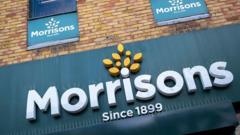
Morrisons Announces 100 Store Closures Amidst Rising Costs and Policy Pressures

Morrisons, one of the UK’s major supermarket chains, has announced plans to close 100 convenience stores in the coming months. This significant wave of Morrisons store closures is primarily targeting outlets acquired through its 2022 acquisition of McColls, which have reportedly been operating at a loss. The company points to a challenging economic climate, specifically citing “significant cost increases resulting from government policy choices,” as a key factor exacerbating these difficulties.

Persistent Losses and Strategic Adjustments

The decision reflects a strategic effort to streamline operations and improve profitability amidst a highly competitive market. The affected convenience stores, integrated into the Morrisons portfolio following the McColls takeover, have struggled to achieve financial viability. This move follows previous announcements last year concerning the closure of 52 cafes and 17 other convenience stores, underscoring a broader pattern of restructuring within the supermarket giant. The retail sector continues to navigate a landscape marked by evolving consumer habits and intense competition, demanding constant adaptation from major players.

The Weight of Policy and Economic Pressures

Morrisons’ explicit reference to “significant cost increases resulting from government policy choices” highlights a critical concern for businesses operating in the current economic environment. While specific policies were not detailed, such statements often allude to a range of pressures. These can include:

  • Increased minimum wage obligations, impacting direct labor costs.
  • Rising energy levies and environmental taxes, pushing up operational expenses.
  • New regulatory compliance burdens, requiring investment in systems and training.
  • Shifts in taxation or business rates, affecting overall profitability.

For a company like Morrisons, operating with notoriously tight margins in the competitive grocery sector, even incremental increases in overheads can severely impact the bottom line, especially for smaller, less profitable convenience outlets. This situation underscores the delicate balance between government policy aims and their practical impact on business viability, employment, and overall market stability. A healthy private sector, able to absorb costs and innovate, is crucial for national prosperity and consumer welfare.

Implications for Communities and the Workforce

The closure of 100 stores will inevitably have ramifications for the communities they serve. Many of these convenience stores act as vital local hubs, and their disappearance could potentially create “food deserts” in areas where access to groceries is already limited, particularly for vulnerable populations. Furthermore, these closures will place hundreds of jobs at risk, adding to the approximately 200 positions already threatened at Morrisons’ Bradford headquarters, as reported by news outlets like the BBC. Such widespread closures represent a tangible impact on the labor market and consumer choice, particularly for those reliant on local convenience stores for daily essentials. Maintaining a robust and accessible retail infrastructure is vital for community well-being and economic dynamism, requiring careful consideration of the broader societal costs of business failures.

The planned Morrisons store closures underscore the acute financial pressures facing businesses, notably the ‘significant cost increases resulting from government policy choices’ impacting profitability and local economies.

This latest round of closures by Morrisons serves as a stark reminder of the persistent economic headwinds challenging the UK’s retail sector. Businesses, large and small, are grappling with a complex interplay of inflation, supply chain disruptions, and the cumulative effects of regulatory and fiscal decisions. For the sake of economic stability and the livelihoods of countless individuals, a clear-eyed assessment of these pressures, and policies designed to foster a more resilient business environment, remains paramount.

UK Borrowing Surges as Consumer Spending Falters Amidst Economic Headwinds

Fresh figures reveal a substantial increase in public sector borrowing, coinciding with a notable contraction in retail activity, underscoring the delicate state of the British economy.

The British economy is grappling with a dual challenge as government borrowing reached a higher-than-expected £24.3 billion in April, while retail sales simultaneously experienced a notable downturn. This unexpected surge in the national deficit, coupled with a discernible shift in consumer behaviour, signals a complex economic landscape that demands prudent navigation from policymakers. The confluence of geopolitical uncertainties, particularly concerns over the Middle East conflict, and persistent cost of living pressures, appears to be compelling British households to significantly rein in their spending.

Fiscal Responsibility Under Strain

The latest statistics on UK borrowing underscore a pressing concern for the nation’s financial health. An April deficit of £24.3 billion far surpasses expectations, placing additional strain on the public finances and raising questions about the sustainability of current spending trajectories. For a nation committed to fiscal discipline and long-term prosperity, such figures necessitate careful scrutiny. The cumulative effect of increased government expenditure and slower economic growth could burden future generations with escalating debt, challenging the foundational principles of economic order and stability.

Maintaining a balanced approach to public spending is paramount to securing the nation’s economic future. Matox News has consistently highlighted the importance of fiscal prudence, advocating for policies that promote sustainable growth without accumulating excessive liabilities. This recent borrowing surge serves as a stark reminder of the continuous need for vigilance and strategic financial management within government institutions.

Households Tighten Belts as Retail Slips

Concurrently, the British retail sector is experiencing a period of significant contraction, with official figures indicating a noticeable drop in sales last month. Consumers are visibly exercising greater caution, particularly in discretionary areas. The recent statistics from the British Retail Consortium, reported by *business live*, paint a clear picture of consumers exercising greater caution, with a specific cutback in fuel purchases indicating a broader trend of belt-tightening among households.

Harvir Dhillon, an economist at the industry body, observed, “Discretionary spend is likely to drop further as the cost of living squeeze worsens.” This assessment points to several underlying factors:

  • Rising energy costs, particularly non-commodity charges, impacting household budgets.
  • Geopolitical uncertainties, such as the Middle East conflict, diminishing consumer confidence.
  • Persistent inflationary pressures eroding purchasing power.

These elements collectively contribute to a challenging environment for families and businesses alike, hindering the free market’s natural dynamism and creating an atmosphere of economic uncertainty.

Discretionary spend is likely to drop further as the cost of living squeeze worsens.

— Harvir Dhillon, Economist, British Retail Consortium

Navigating the Path to Economic Resilience

In light of these developments, calls are emerging for the government to proactively address the underlying economic stressors. The British Retail Consortium suggests that policymakers should “avoid further inflationary pressures through domestic policy costs.” A key recommendation is to consider cutting non-commodity energy charges, which could offer immediate relief to both consumers and businesses struggling with elevated operational costs. Such measures align with a pro-free-market philosophy, reducing unnecessary burdens and fostering an environment where enterprise can thrive.

For the British economy to regain its footing and ensure sustained growth, a concerted effort is required to restore consumer confidence and re-establish fiscal discipline. Prioritizing policies that alleviate cost of living pressures, support family budgets, and encourage investment will be crucial. The path forward demands measured, factual, and institutionally sound decisions to safeguard the nation’s economic order and prosperity.

Mortgage Rates Surge: 30-Year Fixed Hits Wartime High of 6.51%

Washington D.C. – American homebuyers face increasing financial headwinds as the average rate on a 30-year fixed mortgage surged to 6.51 percent this week. This notable increase marks the highest level since the onset of the conflict with Iran, signaling growing concerns over persistent inflation and broader economic uncertainty.

The upward trajectory in borrowing costs, reported by mortgage finance giant Freddie Mac, follows several weeks of relative stability. This shift places additional pressure on families seeking homeownership and underscores the complex interplay between geopolitical events and domestic economic stability.

Understanding the Rate Hike’s Mechanics

Freddie Mac’s latest figures reveal the 30-year rate climbed to 6.51 percent, up from 6.36 percent just a week prior. This movement is the most significant since August, pushing rates to a critical benchmark not seen since the war commenced. Such fluctuations directly influence the affordability of housing, a cornerstone of the American dream for many families. The underlying dynamics are complex, involving not just the immediate market reaction but also the forward-looking expectations of investors regarding inflation and economic growth.

The rise is not an isolated incident but rather a symptom of deeper economic currents. Market analysts point to the Federal Reserve’s ongoing efforts to combat inflation, which often translates to higher interest rates across various financial products, including mortgages. The objective is to cool an overheating economy by making borrowing more expensive, thereby reducing demand. However, the immediate effect can be a tightening of household budgets and a slowdown in sectors sensitive to interest rates, like housing and automotive sales.

Impact on Homebuyers and the Housing Market

For prospective homebuyers, this rate increase translates directly into a higher monthly payment on new mortgages, effectively reducing their purchasing power. Consider a typical American family looking to purchase a home; a higher interest rate on a substantial loan can add hundreds of dollars to a monthly bill, making homeownership less accessible, particularly for first-time buyers and those with moderate incomes. This shift can push some buyers out of the market entirely or force them to consider smaller, less desirable properties.

The broader housing market, already navigating supply constraints and elevated prices in many regions, could experience a further slowdown. While some might view a cooling market as a necessary correction after periods of rapid appreciation, a rapid increase in borrowing costs risks stifling economic activity and investment in residential construction. A robust construction sector is vital for sustained growth and meeting the ongoing demand for housing, which is crucial for a healthy and expanding economy.

Existing homeowners with fixed-rate mortgages are largely unaffected by these changes, but those considering refinancing or utilizing adjustable-rate mortgages may face increased costs. This disparity highlights the importance of financial planning and understanding the long-term implications of various mortgage products.

“The rising cost of borrowing is a stark reminder of the economic challenges facing American families, demanding prudent fiscal stewardship and a focus on long-term stability.”

Inflationary Pressures and Geopolitical Unrest

The principal driver behind these rising rates is the persistent specter of inflation, which continues to erode purchasing power and challenge overall economic stability. The ongoing conflict with Iran, now approaching its third month without significant progress toward peace, adds another layer of complexity to this economic landscape. Geopolitical tensions inherently fuel market uncertainty, leading investors to demand higher returns on safe-haven assets like government bonds, which in turn influences the benchmark rates for mortgages.

This environment of elevated inflation and international instability creates a challenging backdrop for economic policy. A stable economic environment is paramount for a functioning free market and the prosperity of households. The current situation highlights the imperative for policymakers to address inflationary pressures decisively through sound monetary and fiscal policies, while simultaneously upholding national interests and promoting global order. As The New York Times recently reported, the confluence of these factors creates a challenging landscape for both consumers and financial markets, requiring careful navigation.

The current economic climate underscores the importance of fiscal discipline and sound economic policy to safeguard consumer purchasing power and maintain a robust housing sector. While the path ahead may present continued volatility, a steadfast commitment to pro-growth policies, market stability, and a clear vision for national security remains essential for the nation’s economic resilience and the well-being of its citizens.

IEA Warns Global Oil Supply Faces 'Red Zone' Threat Amid Iran Crisis
IEA Warns Global Oil Supply Faces ‘Red Zone’ Threat Amid Iran Crisis

Rising global demand and dwindling reserves, compounded by reduced exports from the Middle East, could trigger a significant energy crunch by August, according to the International Energy Authority.

The International Energy Authority (IEA) has issued a stark warning that global oil supply is rapidly approaching a “red zone” by the summer months. This critical assessment, delivered by IEA Executive Director Fatih Birol, highlights a confluence of factors including surging demand, low existing reserves, and significantly reduced oil exports from the Middle East, all exacerbated by the ongoing Iran crisis. Such a scenario carries substantial implications for consumer costs and business stability worldwide.

Mounting Pressure on Global Reserves

As the peak summer travel season approaches, the world faces the prospect of dwindling oil stocks. Birol emphasized that the period between July and August is particularly vulnerable, with global demand projected to outstrip available supply. This imbalance is not merely a seasonal concern but reflects deeper structural issues within the energy market, where new production has struggled to keep pace with a robust global economic recovery post-pandemic. The IEA’s warning points to a market under severe strain, with potential for pronounced price volatility.

The IEA’s caution underscores the fragility of current energy security. Nations rely on stable and predictable oil flows to fuel their economies, and any significant disruption can have cascading effects on industries, transportation, and consumer prices. A tightening market could see higher operational costs for businesses, potentially leading to increased prices for goods and services, and placing additional financial burdens on households already contending with inflationary pressures.

The Strait of Hormuz: A Crucial Lifeline

A central tenet of the IEA’s warning revolves around the geopolitical situation in the Middle East. Speaking to a London thinktank, Birol specifically pointed to the Iran crisis as a primary driver of reduced regional exports, stressing that the “most important solution” to the resulting energy shock is the full and unconditional reopening of the Strait of Hormuz. This vital waterway, through which a significant portion of the world’s oil transits daily, is indispensable for maintaining global energy stability and ensuring timely delivery to international markets.

The ongoing tensions and potential for disruption in this strategic chokepoint create significant market uncertainty. Matox News has consistently highlighted the importance of secure maritime trade routes for global commerce and energy supply. Ensuring unimpeded passage through the Strait is not just an economic imperative for free markets but a critical matter of international order and stability, requiring concerted diplomatic efforts to de-escalate regional conflicts.

“The most important solution to the Iran war energy shock was a full and unconditional reopening of the Strait of Hormuz.”

Strategic Reserves and Future Outlook

In response to the looming challenge, Birol indicated that IEA member nations possess the option to release additional strategic oil reserves. He confirmed that the IEA stands ready to coordinate such efforts, recalling previous coordinated releases in March that aimed to stabilize markets during earlier periods of supply concern. Notably, a substantial 80% of the IEA’s collective reserves remain unutilized, providing a significant potential buffer against acute supply shortages should the situation further deteriorate.

While the release of strategic reserves can offer temporary relief, it is not a long-term solution to structural supply deficits or sustained geopolitical disruption. The focus must remain on fostering an environment conducive to increased exploration and production, diversified energy sources, and robust infrastructure development. Simultaneously, diplomatic efforts are crucial to resolve geopolitical tensions that threaten vital supply routes and impact global oil supply. Policymakers face the delicate task of balancing immediate energy needs with sustainable long-term strategies to ensure energy security and mitigate economic volatility for businesses and families.

The warning from the IEA serves as a critical reminder of the interconnectedness of global energy markets and geopolitical stability. Businesses and consumers should prepare for potential volatility in energy prices as summer approaches, underscoring the urgent need for decisive action from international bodies and governments to safeguard energy supplies, maintain market order, and bolster economic resilience against external shocks.

Social Media Auto Publish Powered By : XYZScripts.com