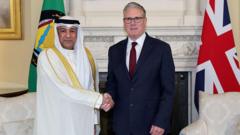
The United Kingdom has officially concluded a landmark £3.7 billion trade deal with six nations of the Gulf Cooperation Council (GCC): Bahrain, Kuwait, Oman, Qatar, Saudi Arabia, and the United Arab Emirates. This agreement marks a significant stride in the UK’s post-Brexit trade strategy, promising substantial economic benefits for British businesses and consumers alike.
Government officials project that the deal will eventually remove an estimated £580 million worth of tariffs annually from British exports to the region once fully implemented. This critical development is expected to bolster economic ties, create new opportunities for British firms, and reinforce the UK’s position in global trade.
Economic Expansion and Tariff Relief
The primary benefit of this comprehensive trade agreement lies in its commitment to eliminating tariffs across a wide array of British goods and services. For British exporters, this translates directly into reduced costs and enhanced competitiveness within the fast-growing Gulf markets. Businesses will find it significantly easier to expand their operations and forge new partnerships, supporting job growth and prosperity at home.
This move aligns with the conservative vision of fostering a dynamic, free-market economy by reducing barriers to trade and enabling British enterprises to thrive on the international stage. The removal of such substantial tariff burdens is a clear win for industries ranging from manufacturing and technology to services and agriculture.
A Strategic Post-Brexit Opportunity
The deal has been widely hailed by its proponents as a testament to the UK’s ability to forge independent trade relationships post-Brexit. The Conservative government, which initiated these negotiations, has consistently framed such agreements as crucial opportunities to unlock new markets and diversify the UK’s global economic footprint.
Securing access to the affluent Gulf market of over 50 million people represents a strategic victory, demonstrating the UK’s commitment to a global trade agenda. This proactive approach to international commerce stands in stark contrast to more protectionist tendencies, reflecting a deep-seated belief in open markets and robust international engagement.
Addressing External Scrutiny
While the economic benefits are clear, the agreement has drawn attention from various rights groups. These organizations have voiced concerns regarding the level of detail provided on human rights and labor protections within the deal’s framework. It is important for all trade agreements to consider such dimensions, and robust institutions are critical for oversight.
“This landmark trade deal opens significant avenues for British enterprise, poised to remove substantial tariffs and boost our economic standing globally.”
Maintaining a professional and factual stance, Matox News underscores the government’s responsibility to ensure that all partnerships adhere to the highest standards, even as it champions the undeniable economic advantages of free trade.
Looking Ahead: A Foundation for Future Growth
This £3.7 billion trade deal with the Gulf states lays a solid foundation for future economic cooperation and growth. It underscores the UK’s commitment to building strong, mutually beneficial relationships with key global partners. As the agreement is progressively implemented, British businesses are well-positioned to capitalize on these new opportunities, contributing to a more prosperous and stable economic future for the nation.