Matox News

Truth Over Trends, always!

Maine Voters Question Graham Platner's Fitness Amid Resurfaced Controversial Comments
Maine Voters Question Graham Platner’s Fitness Amid Resurfaced Controversial Comments

Democratic Senate hopeful Graham Platner is under intense scrutiny from Maine voters as past controversial comments resurface, casting a shadow over his campaign to unseat incumbent Senator Susan Collins. The remarks, made years before his political aspirations, are generating significant debate across the state, with constituents divided on their impact on his fitness for public office.

Platner, widely anticipated to secure the Democratic nomination, faces a critical juncture. The controversy threatens to undermine Democratic efforts to capture a seat they view as a prime opportunity to challenge a long-serving moderate Republican in a state with a Democratic lean.

Voter Concerns Emerge Across Maine

Voters across Maine are expressing varied reactions to Platner’s past statements concerning sensitive subjects such as sexual abuse, terror, and race. For some, these remarks are regrettable but understandable in the context of military service and its psychological toll. A voter from Shapleigh, identified as Joe by Fox News Digital, commented, “I think they’re unfortunate, but coming back from a stressful situation like that, I don’t know what the hell I’d say. So, I’m not going to hold it against him.” This perspective highlights a willingness to extend understanding given Platner’s background as a Marine.

However, many others view the comments as deeply troubling and indicative of a character unsuitable for Congress. Tina, a voter from Sanford, voiced a strong objection: “I think it’s kind of ridiculous. I mean, is that all right to say things like that and be, ‘okay, we’re gonna vote for him?’ I don’t think so.” This sentiment reflects a concern that such remarks reveal a fundamental lack of judgment or empathy.

The Nature of the Remarks

The core of the controversy stems from a series of off-color remarks and social media posts made by Graham Platner. Among the most criticized is a resurfaced Reddit post where he appeared to blame victims of sexual assault for failing to protect themselves. Such statements have ignited widespread condemnation and are particularly damaging for a candidate seeking broad public trust.

The details of these past comments continue to circulate, keeping the issue at the forefront of the campaign discourse. As Platner moves closer to potentially securing the Democratic nomination next month, the question of how voters will weigh these historical remarks against his current political platform becomes paramount.

“I think it’s kind of ridiculous. I mean, is that all right to say things like that and be, ‘okay, we’re gonna vote for him?’ I don’t think so.”

A Pivotal Senate Race

The Maine Senate seat, currently held by Republican Senator Susan Collins since 1997, is a long-standing target for Democrats. Senator Collins last secured reelection in 2020 with a 51.0% to 42.4% victory over Democratic challenger Sara Gideon. Democrats believe this cycle presents a renewed opportunity to flip the seat, especially given the state’s political leanings.

Should Platner emerge as the nominee, the party will need to strategize carefully to mitigate the impact of these controversies. The hope for Democrats is that the past comments will not alienate enough voters to inadvertently hand Senator Collins a sixth term. The challenge for Platner’s campaign will be to reassure the electorate of his present character and suitability for the significant responsibilities of a U.S. Senator, despite the undeniable weight of his prior statements.

As the nomination approaches, the ongoing debate around Graham Platner’s controversial comments underscores the critical role of character and past conduct in modern political campaigns, particularly in closely watched races like Maine’s Senate contest.

Rep. Tom Kean Jr. Set for Congressional Return After Health Absence

Congressman Tom Kean Jr. (R-N.J.) has publicly announced his expectation to return to Congress and the campaign trail in the coming weeks, addressing an extended absence that prompted concerns regarding the House Republican majority and representation for his competitive district.

Rep. Kean Jr.’s statement marks his first public comments since stepping away from Capitol Hill in March due to what his office previously described only as a “personal health matter.” His prolonged absence has been closely watched, particularly given the Republican Party’s razor-thin majority in the House of Representatives and the competitive nature of his New Jersey district ahead of the 2026 midterm elections.

Road to Recovery: Kean’s Public Statement

Speaking to the New Jersey Globe, Rep. Kean Jr. conveyed confidence in his recovery process. “My doctors are confident that I’m on the road to a full recovery,” Kean, 57, affirmed. He acknowledged the public’s right to transparency and expressed gratitude for constituent support during this period. The congressman’s last vote was recorded on March 5, and he has since missed 100 consecutive House roll call votes, according to legislative tracking data.

His anticipated return signals a significant development for both his constituents and the broader House Republican conference. Kean Jr. indicated his readiness to resume legislative duties and re-engage with his re-election campaign.

“My doctors are confident that I’m on the road to a full recovery. I anticipate that in the next couple of weeks, I’ll return to voting and to the campaign trail.”

Implications for the House Republican Majority

The Republican Party currently holds a precarious majority in the House, making every vote critical. Rep. Kean Jr.’s absence has underscored the fragility of this balance, with important legislative initiatives often requiring near-unanimous party support. His return will alleviate some of the pressure on House leadership, providing an additional vote to navigate complex legislative challenges.

The continuity of representation is vital, especially when dealing with critical policy decisions. His re-engagement will allow him to directly advocate for his district’s interests and contribute to the legislative process, strengthening the institutional capacity of the House.

A Competitive District’s Scrutiny

New Jersey’s 7th Congressional District is recognized as one of the nation’s most competitive, rendering the upcoming 2026 midterm elections particularly significant. Rep. Kean Jr.’s absence inevitably drew scrutiny from political observers and potential challengers. His public statement aims to reassure voters of his health and commitment to service.

The district’s electoral landscape demands active engagement from its representative. Voters expect a visible presence and a strong voice on issues ranging from fiscal policy to local concerns. Kean’s re-entry into public life and the campaign circuit will be crucial for maintaining his standing and preparing for future electoral contests.

Family Insights and Future Outlook

Prior to Rep. Kean Jr.’s own statement, his father, former New Jersey Gov. Tom Kean Sr., had offered insights into his son’s condition, describing it as a “serious illness.” The former governor indicated that doctors projected a return within a few weeks, emphasizing a gradual ramp-up back to full capacity. This familial update provided an initial glimpse into the congressman’s recovery trajectory.

With his imminent return, Rep. Kean Jr. is poised to resume his duties, bringing stability back to his office and adding a crucial vote to the House Republican conference. His focus will now shift to re-engaging with legislative priorities and reconnecting with the constituents of his competitive district, ensuring robust representation moving forward.

Texas Congressional Candidate Clarifies 'Prison for Zionists' Remarks Amid Democratic Backlash
Texas Congressional Candidate Clarifies ‘Prison for Zionists’ Remarks Amid Democratic Backlash

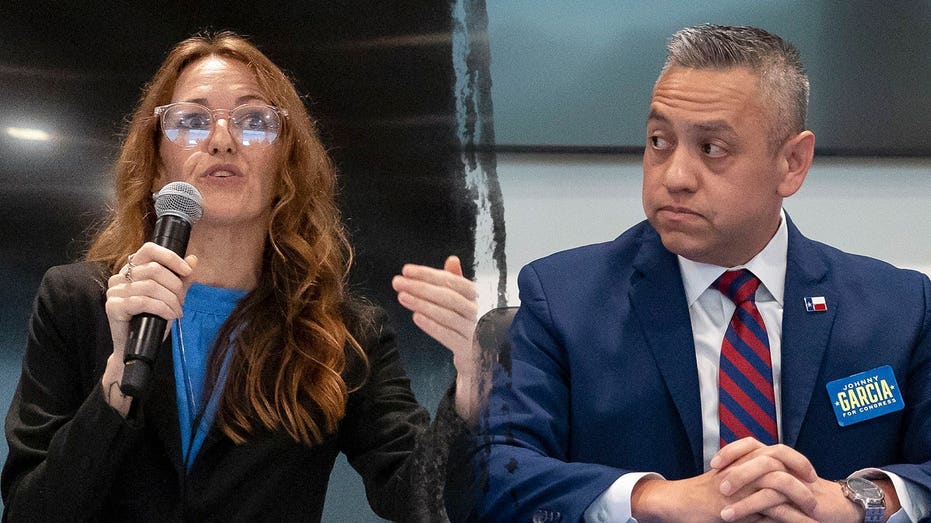
A Texas congressional candidate has found herself embroiled in significant controversy, prompting a swift and strong condemnation from within her own party. Maureen Galindo, a Democratic hopeful for a House seat in the newly redrawn 35th Congressional District, recently attempted to clarify inflammatory remarks concerning “American Zionists” after facing widespread backlash. Her original statements, which included a pledge to repurpose an immigration detention center, ignited a firestorm of criticism over their perceived extremism.

The Origin of the Controversy

Galindo’s troubles began with an Instagram post earlier this month, where she declared her intention to transform the Karnes ICE Detention Center. Her plan was to convert it “into a prison for American Zionists and former ICE officers for human trafficking.” This statement quickly drew national attention and sparked outrage, particularly given the historical sensitivities surrounding such terminology.

The candidate’s remarks were made in the context of criticizing wealthy supporters of Israel, linking them to “genocidal prison systems” and “trafficking.” Such direct and divisive language immediately raised alarms among political observers and her own party’s leadership, who viewed the comments as highly inflammatory and potentially harmful.

Galindo’s Attempted Clarification

Following the initial uproar and what she described as hundreds of “death threats” and other “vile” messages, Galindo released a video on Facebook to explain her position. She vehemently denied ever advocating for “internment camps” for Jewish people, stressing a crucial distinction.

“I never said I want Jews in internment camps,” Galindo stated, as reported by News Desk. She elaborated, “I said I want to close all ICE detention centers and put billionaire American Zionists who are funding the genocidal prison systems involved in trafficking into prison.” She posed a rhetorical question: “If they committed a crime, do they not belong in prison?”

Her clarification aimed to distinguish between a general call for internment and the specific imprisonment of individuals she believes have committed crimes related to funding certain systems. She further emphasized her opposition to all internment camps, advocating for their immediate closure. Key points from her clarification include:

  • Denial of calling for “internment camps” for Jews.
  • Advocacy for closing all ICE detention centers.
  • Proposal to imprison “billionaire American Zionists” involved in funding alleged “genocidal prison systems” or “trafficking.”
  • Stance against all forms of internment camps.

“I never said I want Jews in internment camps… I said I want to close all ICE detention centers and put billionaire American Zionists who are funding the genocidal prison systems involved in trafficking into prison.”

Democratic Party Rebukes

The response from within the Democratic Party has been unequivocal. The Democratic Congressional Campaign Committee (DCCC), the party’s primary arm for House races, has reportedly coordinated statements against Galindo, signaling a clear rejection of her rhetoric. This aggressive move is widely seen as an effort to bolster her primary runoff opponent, Johnny Garcia, a former hostage negotiator and public information officer for the Bexar County Sheriff’s Office.

Such direct intervention by a national party committee against one of its own primary candidates is uncommon and underscores the severity with which Galindo’s statements are being perceived. Party leaders have condemned Galindo’s statements as “vile” and unacceptable, emphasizing the party’s official stance against such divisive language that can be misconstrued as antisemitic or extremist. The controversy highlights the internal challenges parties face when candidates deviate significantly from established platforms and norms, especially on issues touching upon national security and international relations.

The unfolding situation casts a shadow over Galindo’s campaign, raising questions about the viability of her candidacy and the broader implications for political discourse. As the primary runoff approaches, the clarity and consistency of candidates’ messages remain paramount, particularly when addressing sensitive and complex issues. This incident serves as a stark reminder of the scrutiny public figures face and the importance of precise communication in the political arena.

Trump Administration Defends Anti-Weaponization Fund Amid "Slush Fund" Accusations
Trump Administration Defends Anti-Weaponization Fund Amid “Slush Fund” Accusations

The Trump administration is vigorously defending its newly established Justice Department Anti-Weaponization Fund, a $1.778 billion initiative designed to compensate Americans allegedly harmed by politicized federal investigations. The fund has ignited a fierce debate, drawing criticism from across the political spectrum who fear it could become a “slush fund” for allies rather than a legitimate mechanism for redress.

Administration officials are pushing back against these accusations, emphasizing that payouts will be determined on a strict “case-by-case” basis. They argue the fund is a crucial step to restore trust in federal institutions by providing recourse for those unfairly targeted, citing examples such as pro-life activists subjected to scrutiny during the previous administration.

Origins and Intent of the Controversial Fund

The Anti-Weaponization Fund emerged from an unusual legal settlement between President Trump and the Internal Revenue Service (IRS), an agency under presidential oversight. This unique genesis has itself raised eyebrows, prompting concerns about potential conflicts of interest among lawmakers and commentators alike. The administration maintains its purpose is clear: to provide financial compensation to individuals who have been demonstrably harmed by federal investigations deemed politically motivated.

Vice President J.D. Vance, addressing the media during a White House briefing, directly countered claims of partisan favoritism, stating the fund is open to all, including “Republicans… Democrats,” and even “Hunter Biden.” This highlights the administration’s public position that the fund’s scope is broad and non-discriminatory, extending to anyone who can prove they were unfairly targeted.

Bipartisan Backlash and Legislative Fallout

Despite the administration’s reassurances, the fund has met with significant resistance on Capitol Hill. Both Republican and Democratic lawmakers have expressed alarm, with many labeling it a “slush fund.” The unexpected creation of the fund reportedly caught GOP legislators by surprise, leading to considerable friction.

The controversy has had immediate legislative consequences, derailing Senate negotiations on a critical $72 billion package intended to fund Immigration and Customs Enforcement (ICE) and Border Patrol. Several Republican senators have joined Democrats in their opposition, highlighting the depth of concern over the fund’s transparency and potential for abuse. Acting Attorney General Todd Blanche was dispatched to Capitol Hill to mollify skeptical lawmakers, but according to sources familiar with the discussions, the meetings were contentious, with some senators reportedly expressing their anger directly to the Department of Justice head.

“The Anti-Weaponization Fund is intended to compensate individuals harmed by ‘weaponized’ federal investigations.”

Defining Eligibility: A Case-by-Case Approach

A central point of contention revolves around who will ultimately benefit from the fund. While the administration points to individuals like pro-life activists as potential beneficiaries, critics fear it could extend to politically connected figures or even some defendants involved in the January 6 Capitol events. The administration’s emphasis on a “case-by-case” review process aims to address these concerns, but critics argue the criteria remain vague and open to interpretation.

The administration’s stance, as reported by Fox News Digital, suggests a broad interpretation of “weaponized” investigations, encompassing various forms of alleged federal overreach. This expansive view contrasts sharply with the narrow interpretations preferred by those who advocate for stricter controls on taxpayer funds.

Looking Ahead: Calls for Transparency and Accountability

The ongoing dispute over the Justice Department’s Anti-Weaponization Fund highlights a broader tension between the executive branch’s perceived need for redress and congressional demands for fiscal oversight and institutional integrity. As the administration continues to defend its initiative, the calls for greater transparency regarding eligibility criteria and allocation processes are likely to intensify. The fund’s future, and its impact on vital legislative priorities, remains a significant point of contention in Washington.

Senate Republicans Halt Border Funding Push Amid Fury Over Trump DOJ 'Anti-Weaponization' Fund
Senate Republicans Halt Border Funding Push Amid Fury Over Trump DOJ ‘Anti-Weaponization’ Fund

Senate Republicans have temporarily suspended their legislative push to secure vital funding for immigration enforcement agencies, a move triggered by widespread frustration over the Trump administration’s newly established ‘anti-weaponization’ fund within the Department of Justice (DOJ).

The unexpected announcement of the DOJ fund has created a significant hurdle for a bipartisan $72 billion package intended to bolster Immigration and Customs Enforcement (ICE) and Border Patrol. This development leaves Washington, D.C., without a clear path forward for critical border security measures, with lawmakers expressing a need to reassess the situation.

DOJ Fund Ignites Senate Backlash

The controversy stems from the Trump administration’s creation of a substantial ‘anti-weaponization’ fund, which caught many Senate Republicans off guard. This fund, reportedly linked to a settlement involving former President Trump and his family with the Internal Revenue Service (IRS), has been met with strong disapproval on Capitol Hill.

Lawmakers were reportedly on a ‘glide path’ to finalize the immigration enforcement package when the DOJ’s fund was announced, effectively derailing the legislative momentum. The timing has been particularly contentious, given the urgency to address border security challenges and support law enforcement personnel.

“The message to the administration is this: we were on a glide path to passing this bill until these announcements.”

Border Security Funding in Limbo

The pause in legislative action means that the crucial $72 billion funding for ICE and Border Patrol now faces an uncertain future. The original target of a June 1 deadline for the package is now considered impossible to meet, creating significant concerns for the operational capabilities of agencies tasked with maintaining national security and enforcing immigration laws.

For Matox News readers, the implications are clear: delays in funding directly impact the resources available to secure the nation’s borders and uphold legal order. The impasse underscores a broader tension between the executive and legislative branches regarding fiscal priorities and institutional oversight.

Administration’s Stance and Future Outlook

When questioned about the fund and potential restrictions, former President Trump indicated he did not require additional security funding, stating, “I don’t need money from the ballroom.” This comment, made to reporters in the Oval Office, has done little to assuage Republican concerns in the Senate regarding the DOJ fund’s impact on their legislative agenda.

The path to reconciliation for the stalled immigration package remains unclear. Senate Majority Leader John Thune, R-S.D., stated that Republicans would “pick up where we left off,” but the immediate future is fraught with uncertainty. Senator James Lankford, R-Okla., openly admitted, “We don’t know where the votes are on reconciliation right now.” The coming weeks will test the ability of the administration and Congress to resolve this critical funding dispute, which has significant ramifications for national security and the rule of law.

A top Republican aide, speaking to Fox News Digital, conveyed the sentiment in the Senate: the administration’s actions have unnecessarily complicated an already challenging legislative process.

The Senate’s firm stance reflects a commitment to fiscal responsibility and institutional checks and balances, particularly when it comes to the allocation of funds within the federal government. Resolving this dispute is paramount to ensuring our border security agencies receive the resources they need to function effectively.

Trump Issues Stern Warning to Supreme Court on 14th Amendment Citizenship Case

President Donald Trump has issued a stark warning to the Supreme Court, cautioning against a potential ruling that could uphold automatic birthright citizenship for some children born in the United States. Speaking publicly on Thursday, the President articulated his profound disagreement with how the Court might interpret the 14th Amendment in an upcoming pivotal case, suggesting such a decision would be a ‘disaster’ for the nation.

This high-stakes constitutional showdown centers on an executive order signed by President Trump in January 2025, aimed at limiting automatic citizenship for certain individuals born within U.S. borders. The administration’s stance challenges a long-held interpretation of the 14th Amendment’s citizenship clause, arguing that its original intent was not to facilitate what critics term ‘birth tourism.’

The Constitutional Battle Over Birthright Citizenship

At the heart of the legal dispute is the interpretation of the 14th Amendment, ratified in 1868, which states that ‘All persons born or naturalized in the United States, and subject to the jurisdiction thereof, are citizens of the United States and of the State wherein they reside.’ President Trump and his administration contend that this clause was primarily intended to grant citizenship to formerly enslaved people and their descendants, not to children of non-citizens residing temporarily or illegally in the country.

President Trump underscored the significant implications of the Court’s decision, stating, “It would be a disgrace if the Supreme Court of the United States allows that to happen.” He further predicted a substantial increase in immigration through this pathway, claiming, “20 to 25% of the people coming into our country will come in through birthright citizenship… and it will cost us numbers that are, I don’t even think they’re doable.” This perspective highlights the administration’s focus on national sovereignty and the controlled management of immigration flows.

A President’s Unprecedented Visit to the Court

The President’s recent comments follow his unprecedented attendance at oral arguments for the case in April, marking the first known instance of a sitting president observing such proceedings. During these arguments, several justices raised probing questions that reflected the complexity and potential ramifications of the case.

  • Chief Justice John Roberts questioned the scope of the President’s executive authority regarding the 14th Amendment.
  • Justice Amy Coney Barrett reportedly warned of the “chaos” that could ensue from requiring investigations into citizenship status.
  • Justice Ketanji Brown Jackson inquired about the practicalities of enforcement, asking, “Are we bringing pregnant women in for depositions?”

These questions underscore the significant legal and logistical challenges presented by the executive order, even as the administration maintains its constitutional authority to act on border and immigration policy.

Broader Discontent with Judicial Rulings

Beyond this specific case, President Trump voiced broader dissatisfaction with recent Supreme Court decisions. He predicted an unfavorable outcome in the birthright citizenship case, remarking, “They’ll probably rule against me because they seem to like doing that.” He cited a recent tariff decision, which he claimed would cost the U.S. $149 billion, as another example of rulings he finds unhelpful to national interests. This sentiment reflects a growing tension between the executive branch and the judiciary on matters of significant policy impact.

The President’s outspoken criticism serves as a clear signal of the administration’s priorities and its firm stance on constitutional interpretation related to immigration. The impending Supreme Court decision on birthright citizenship is poised to be one of the most consequential rulings of the term, with far-reaching implications for American law, society, and the nation’s borders, as reported by Fox News Digital.

As the nation awaits the Court’s judgment, the debate over the 14th Amendment’s application continues to underscore fundamental questions about national identity, immigration policy, and the balance of power within American institutions. The outcome will undoubtedly shape the future of citizenship and the rule of law for generations.

9/11 World Trade Center Beam Arrives at Florida School, Marking a Poignant Return to History

A somber yet powerful symbol of national resilience, a steel beam salvaged from the fallen World Trade Center, has reached Emma E. Booker Elementary School in Sarasota, Florida. This poignant arrival marks a significant moment for the school, which became an unexpected focal point on September 11, 2001, when President George W. Bush was informed there that America was under attack.

The artifact’s journey to Sarasota is part of the Tunnel to Towers Foundation’s ongoing “Steel Across America” tour, a nationwide initiative designed to commemorate the upcoming 25th anniversary of the devastating terrorist attacks. Its presence at the Florida school serves as a tangible link to a day that irrevocably altered the course of American history, reminding a new generation of the sacrifices made and the unity forged in the face of tragedy. This powerful symbol encourages reflection on the enduring spirit of a nation that united in the face of immense adversity.

Remembering a Defining Moment

The ceremony accompanying the beam’s arrival was attended by key figures who witnessed the events of that fateful morning. Among them was former White House chief of staff Andy Card, whose hushed words to President Bush — “A second plane hit the second tower, America is under attack” — became an indelible part of the nation’s collective memory. Card’s presence underscored the gravity of the occasion, allowing attendees to reflect on the immense responsibility and shock that gripped the nation’s leadership during those critical hours.

Card shared his vivid recollections during the Tuesday ceremony, emphasizing the profound emotions and sense of duty that defined that day. “Just being on this campus and remembering what happened when I came and whispered in the president’s ear that America was under attack… it takes you right back to that day, the feelings, the emotion, the duty, the honor,” he stated, as reported by Fox News Digital. His words painted a clear picture of the solemn atmosphere that permeated the school grounds.

The “Steel Across America” Tour’s Purpose

The Tunnel to Towers Foundation launched the “Steel Across America” tour with a clear mission: to ensure that the memory of 9/11 remains vibrant and impactful for all Americans, particularly younger generations who may not have lived through the events. This tour, with the Sarasota stop marking its seventh, transports these powerful relics to communities nationwide, fostering education and remembrance. The artifacts serve as powerful teaching tools, connecting historical events to current generations.

The foundation’s efforts align with a broader commitment to honoring the heroes and victims of 9/11, including first responders and military personnel. By bringing these artifacts directly to the public, the tour serves as a vital educational tool, explaining the attacks’ context and their enduring legacy on American society and security. Key objectives of the tour include:

  • Educating younger Americans about the events of September 11, 2001.
  • Honoring the nearly 3,000 lives lost and the first responders who acted heroically.
  • Promoting national unity and resilience in the face of adversity.
  • Preserving the memory of a pivotal moment in American history.

Echoes of History from the Classroom

Also returning to the campus was Sandra Kay Daniels, the former second-grade teacher whose classroom President Bush was visiting when the attacks unfolded. Her perspective offered a unique glimpse into the immediate aftermath of the news, highlighting the ripple effects that extended far beyond the nation’s capital. Her personal account adds a deeply human dimension to the historical narrative.

Daniels recounted how the memories of that morning have remained with her, shaping her understanding of the world. She observed that “That day changed not only Emma E. Booker Elementary School students and staff, but it changed the world, the community.” Her words serve as a powerful reminder that the events of 9/11 touched every corner of America, leaving an indelible mark on individuals and communities alike, fostering a deeper appreciation for civic duty and national identity.

“A second plane hit the second tower, America is under attack.” – Andy Card, Former White House Chief of Staff

The arrival of the 9/11 steel beam in Sarasota is more than just the delivery of an artifact; it is a reaffirmation of the nation’s resolve to remember, to learn, and to honor. It underscores the importance of historical memory in shaping our collective future, reinforcing the values of patriotism, unity, and resilience that define the American spirit. As the 25th anniversary approaches, such commemorations serve as crucial reminders of our shared history and the strength found in remembrance.

Republicans Challenge Trump's DOJ Slush Fund Amid Fiscal and Border Concerns
Republicans Challenge Trump’s DOJ Slush Fund Amid Fiscal and Border Concerns

A new Department of Justice fund, intended to counter alleged “weaponization” against political opponents, faces mounting criticism from within Republican ranks for its lack of transparency and potential diversion of resources from critical agencies like ICE and Border Patrol.

Senate Republicans are openly challenging President Donald Trump’s recently announced Department of Justice fund, a nearly $1.8 billion initiative touted as an ‘anti-weaponization’ effort. Lawmakers on Capitol Hill are raising serious questions regarding the fund’s origins, its intended beneficiaries, and its potential to undermine essential government functions, including those related to border security.

Congressional Scrutiny Mounts

The controversy erupted after the Department of Justice unveiled the substantial fund, reportedly established through an agreement between the Trump administration and the Internal Revenue Service. This arrangement involved the President dropping a $10 billion lawsuit against the IRS. Following the announcement, Acting Attorney General Todd Blanche faced intense questioning from senators across the aisle.

During a Senate hearing, Democratic Senator Chris Van Hollen described the fund as an ‘outrageous, unprecedented slush fund.’ He pressed for clarity on whether individuals convicted of assaulting Capitol Hill police officers would be eligible for support. Attorney General Blanche responded that ‘Anybody in this country will be eligible to apply,’ a statement that has deepened concerns among Republicans.

Accountability and Fiscal Prudence

Several prominent Senate Republicans have voiced strong objections, highlighting the ethical and fiscal implications of the fund. Senator Thom Tillis of North Carolina expressed incredulity at the prospect of taxpayer dollars potentially compensating individuals who engaged in violence against law enforcement or even attempted to harm the President. Such scenarios, he suggested, sound ‘absurd’ and challenge fundamental principles of justice and order.

The Matox News editorial board believes that careful stewardship of taxpayer money is paramount. A fund of this magnitude, lacking clear and restrictive guidelines, risks becoming a vehicle for political patronage rather than a tool for legitimate legal defense or redress. The broad eligibility criteria raise legitimate questions about accountability and the potential for misuse.

“An ‘anti-weaponization’ fund must not become a ‘slush fund’ that rewards those who undermine law and order. Transparency and strict eligibility are non-negotiable.”

Impact on Border Security Operations

The debate over the DOJ fund unfolds amidst an ongoing push by Senate Republicans to secure multi-billion dollar funding for immigration operations, crucial for the remainder of President Trump’s term. There are concerns that resources could be diverted from these vital efforts. Another significant funding request, totaling $1 billion for security enhancements at the President’s colossal ballroom, was recently stripped out by the Senate rules referee, underscoring the broader struggle over fiscal priorities.

The potential for the ‘anti-weaponization’ fund to draw resources or attention away from the pressing needs of agencies like U.S. Immigration and Customs Enforcement (ICE) and Border Patrol is a key point of contention. Protecting our borders and ensuring national security remain top priorities for conservative lawmakers, and any initiative perceived as jeopardizing these efforts will face intense scrutiny.

As the controversy surrounding the new DOJ slush fund continues, the spotlight remains firmly on the Department of Justice and its leadership to provide greater transparency and stricter controls. The strong pushback from within the President’s own party signals a demand for fiscal responsibility and adherence to institutional integrity, particularly when dealing with substantial taxpayer allocations and the crucial work of law enforcement agencies. This ongoing debate highlights the delicate balance between political objectives and the foundational principles of governance.

Top Democrats Evade Questions on Graham Platner Scandal Amid Maine Senate Bid

Maine Senate hopeful Graham Platner’s history of offensive online remarks casts a shadow over Democratic endorsements, with party leaders reportedly sidestepping inquiries into the burgeoning controversy.

WASHINGTON – Top Democratic lawmakers are reportedly refusing to comment on whether newly unearthed, graphic online posts from Maine Senate candidate Graham Platner have become a significant liability for the party ahead of the critical midterm elections. The escalating Graham Platner scandal involves a trove of highly disturbing remarks attributed to the candidate, prompting calls for accountability that senior party members appear reluctant to address directly.

Silence from Democratic Leadership

House Minority Leader Hakeem Jeffries, D-N.Y., reportedly dismissed inquiries about Platner’s liability to the Democratic Party by stating, “I haven’t seen no posts.” This response, according to reports by Fox News Digital, comes as the party faces increasing pressure to address the candidate’s past conduct. Similarly, Progressive Sen. Elizabeth Warren, D-Mass., declined to comment on whether she would withdraw her public endorsement of Platner.

Warren’s endorsement of Platner for the Maine Democratic primary, where he was slated to challenge Gov. Janet Mills before her withdrawal, had already drawn scrutiny. Her backing came despite earlier controversies surrounding Platner’s online activity, signaling a concerning pattern of overlooking problematic behavior within the party’s ranks.

A Pattern of Disturbing Remarks

The newly surfaced Reddit posts tied to Graham Platner, reportedly comprising an archive of approximately 2,000 entries, reveal a deeply troubling pattern of commentary. These remarks range from the vulgar to the outright offensive, challenging the norms of public discourse and respect.

  • Graphic sexual comments, including admissions about masturbating in portable toilets.
  • Praise for explicit graffiti depicting genitalia.
  • Mocking a Purple Heart U.S. soldier who was nearly killed in combat, stating the soldier “didn’t deserve to live.”
  • Comments praising Hamas’ tactics.
  • Statements telling rape victims to take accountability.
  • Racial remarks questioning why Black people don’t tip.

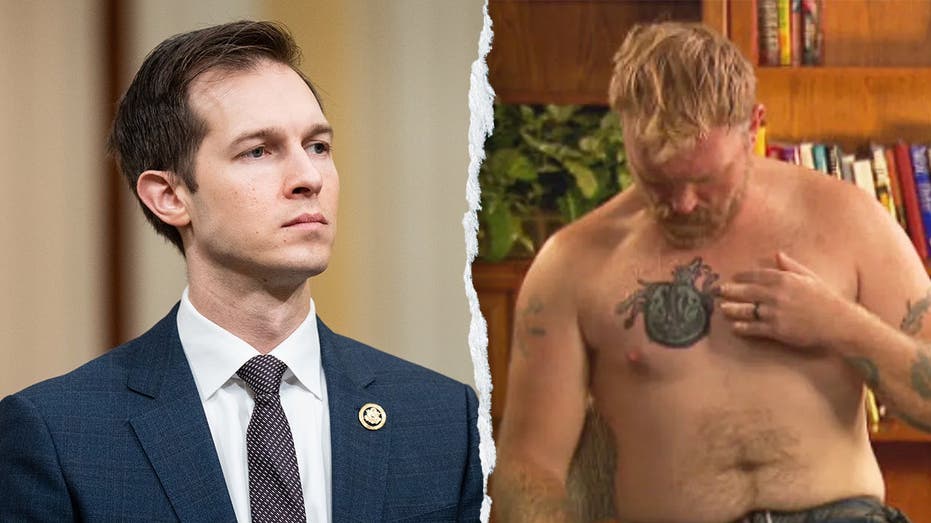
Beyond these comments, Platner’s past has also included a chest tattoo reportedly resembling a Nazi symbol and his self-identification as a communist within the “r/SocialistRA” subreddit. Such associations and statements raise serious questions about his suitability for public office and stand in stark contrast to the values of order and anti-extremism.

“The integrity of our electoral process demands that candidates for public office are held to a standard of conduct that reflects respect for all Americans, especially those who have served our nation.”

Party Endorsements Under Scrutiny

The continued silence from high-profile Democratic leaders regarding Platner’s conduct puts the integrity of their endorsements under a harsh spotlight. Voters expect their elected officials and party structures to vet candidates thoroughly, ensuring that those seeking public trust uphold fundamental principles of respect, decency, and democratic values. The failure to decisively distance the party from a candidate with such a public record of extremism and vulgarity risks alienating a broad base of constituents and undermining faith in the political process.

As the midterm elections approach, the unwillingness of top Democrats to confront the Graham Platner scandal head-on sends a troubling message. It suggests a prioritization of political expediency over fundamental ethical considerations. For many, this perceived inaction represents a significant lapse in judgment and a failure to uphold institutional responsibility.

Colorado Democrats Censure Polis Over Controversial Tina Peters Commutation

DENVER – The Colorado Democratic Party has taken the extraordinary step of formally censuring Governor Jared Polis, a fellow Democrat, following his decision to commute the prison sentence of former Mesa County Clerk Tina Peters. This move signals a significant internal party rift, centered on the principles of election integrity and the appropriate exercise of executive clemency.

The censure, voted on by the Colorado Democratic Party State Central Committee, comes after Governor Polis included Peters among 44 individuals granted clemency last Friday. Peters was convicted in connection with a 2021 voting equipment breach case, a matter that has drawn national attention from those questioning election processes.

The Commutation at the Heart of the Dispute

Tina Peters, a prominent figure in the election denial movement, had been convicted for her role in compromising voting equipment in Mesa County. Her case has been a flashpoint for discussions surrounding the security and integrity of electoral systems. Governor Polis’s decision to commute her sentence, rather than pardon her, has been met with strong condemnation from within his own party.

The state Democratic Party articulated its dismay, stating that reducing Peters’ sentence sends a troubling message. They asserted that the decision was influenced by external political pressure, specifically mentioning former President Donald Trump. A statement from the party suggested that such an action implies that “election tampering has consequences, unless you’re friends with the president,” a dangerous precedent they believe undermines the rule of law.

Unprecedented Party Reprimand

The formal censure of a sitting governor by his own party is a rare and potent form of rebuke. The Colorado Democrats did not mince words, accusing Governor Polis of having “materially harmed” the state party’s credibility. The ramifications of this censure are tangible and immediate for the Governor.

  • Governor Polis is now barred from participating in official Democratic Party-sponsored events.
  • The party stated that the clemency decision does not align with its core values, institutional positions, or democratic commitments.
  • This action underscores the deep division the commutation has caused within the party, particularly concerning issues of accountability for those who challenge election outcomes.

The party’s leadership emphasized their commitment to upholding the integrity of the electoral process and ensuring that actions perceived to undermine it are met with firm institutional opposition.

Governor’s Stance and Broader Implications

In response to the censure, a spokesperson for Governor Polis defended the decision, telling Fox News Digital that the Governor acted “based on the facts of the case and what he believed was the right thing to do.” The spokesperson added, “Sometimes the right thing isn’t the popular thing with everybody.” This position highlights a potential tension between a governor’s executive discretion and the political expectations of their party.

The spokesperson further suggested that “Democracy is strongest when disagreement is met with debate and dialogue, not censorship.” This statement frames the internal party conflict as a matter of open discourse versus punitive action. The incident raises crucial questions about the balance of power between a state executive, judicial outcomes, and party discipline, particularly in an era where election integrity remains a highly charged issue. The implications for the Governor’s political standing and the unity of the Colorado Democratic Party in future elections are yet to be fully seen.

This internal battle within Colorado’s leading party highlights the persistent challenges facing institutions tasked with upholding both justice and democratic norms. The outcome of such disputes often shapes the public’s confidence in governance and the political process itself.

Social Media Auto Publish Powered By : XYZScripts.com