Matox News

Truth Over Trends, always!

Federal Court Blocks Alabama Redistricting Plan, Citing Discrimination

A federal appeals court delivered a significant ruling on Tuesday, blocking Alabama’s proposed congressional redistricting map. The three-judge panel found the plan to be marred by “intentional race-based discrimination,” a decision that directly impacts the state’s electoral landscape and represents a temporary setback for Republican efforts to reshape congressional districts.

The ruling mandates that Alabama must continue to operate under a previously established map, which includes two majority-Black districts where Democratic candidates typically hold significant advantages. This judicial intervention underscores the ongoing national debate surrounding electoral fairness and the critical role of the courts in upholding constitutional principles.

Judicial Scrutiny and Discriminatory Intent

The federal judges were unequivocal in their assessment of the proposed map. Their written opinion stated, “Ultimately, we cannot see our way clear to requiring Alabamians to cast their votes in the 2026 elections under a districting plan tainted by intentional race-based discrimination.” This strong language highlights the court’s conviction that the state’s proposed boundaries actively sought to diminish minority voting power.

The blocked 2023 map aimed to eliminate one of Alabama’s Black-majority seats, which is currently held by a Democrat in the southeastern part of the state. Such a change would have potentially shifted an electoral seat towards Republicans, raising serious questions about the fairness and equity of the redistricting process.

The Contested 2023 Map and Prior Rulings

Republicans in Alabama had sought to implement the 2023 congressional map following a recent U.S. Supreme Court ruling. That high court decision had aimed to curb the use of race as a predominant factor in the drawing of electoral districts, particularly in ways that historically helped minority communities increase their representation in Congress. However, the appeals court found Alabama’s application of this guidance to be discriminatory in practice.

The years-long legal battle has seen multiple twists and turns. Earlier in May, the Supreme Court had allowed the state to proceed temporarily with the 2023 map, but notably sent the case back to the U.S. District Court in Birmingham for further reconsideration. This latest appeals court ruling emerges from that reconsideration process, reinforcing the judiciary’s commitment to ensuring equitable representation.

  • The contested 2023 map sought to reduce Black-majority districts.
  • Federal judges found the plan to be intentionally discriminatory.
  • The ruling requires the use of a map with two Black-majority districts.
  • The legal challenge is expected to proceed to the Supreme Court.

Electoral Impact and Anticipated Appeals

The immediate consequence of this ruling is that the current electoral map will remain in place for the foreseeable future, directly impacting the 2026 elections. For Democrats, this decision is a welcome development. Representative Shomari Figures, D-Ala., whose seat was potentially jeopardized by the proposed changes, expressed satisfaction with the panel’s finding that the state attempted to weaken Black voting power.

As reported by News Desk, Figures noted his pleasure with the decision but acknowledged that the legal challenge is far from over. “Although we expected the Court to reach this decision given the overwhelming evidence, we fully expect the State to immediately appeal the decision to the Supreme Court,” he stated. This indicates that the battle over Alabama’s congressional map is likely to continue at the nation’s highest judicial body, extending the legal uncertainty surrounding the state’s electoral boundaries.

This federal court’s firm stance on the Alabama redistricting plan underscores the judiciary’s role in safeguarding the integrity of the electoral process and ensuring that maps are drawn without discriminatory intent. The anticipated appeal to the Supreme Court will undoubtedly bring renewed national attention to the delicate balance between state legislative authority and federal oversight in protecting voting rights.
DOJ Politicization Strains Grand Jury System

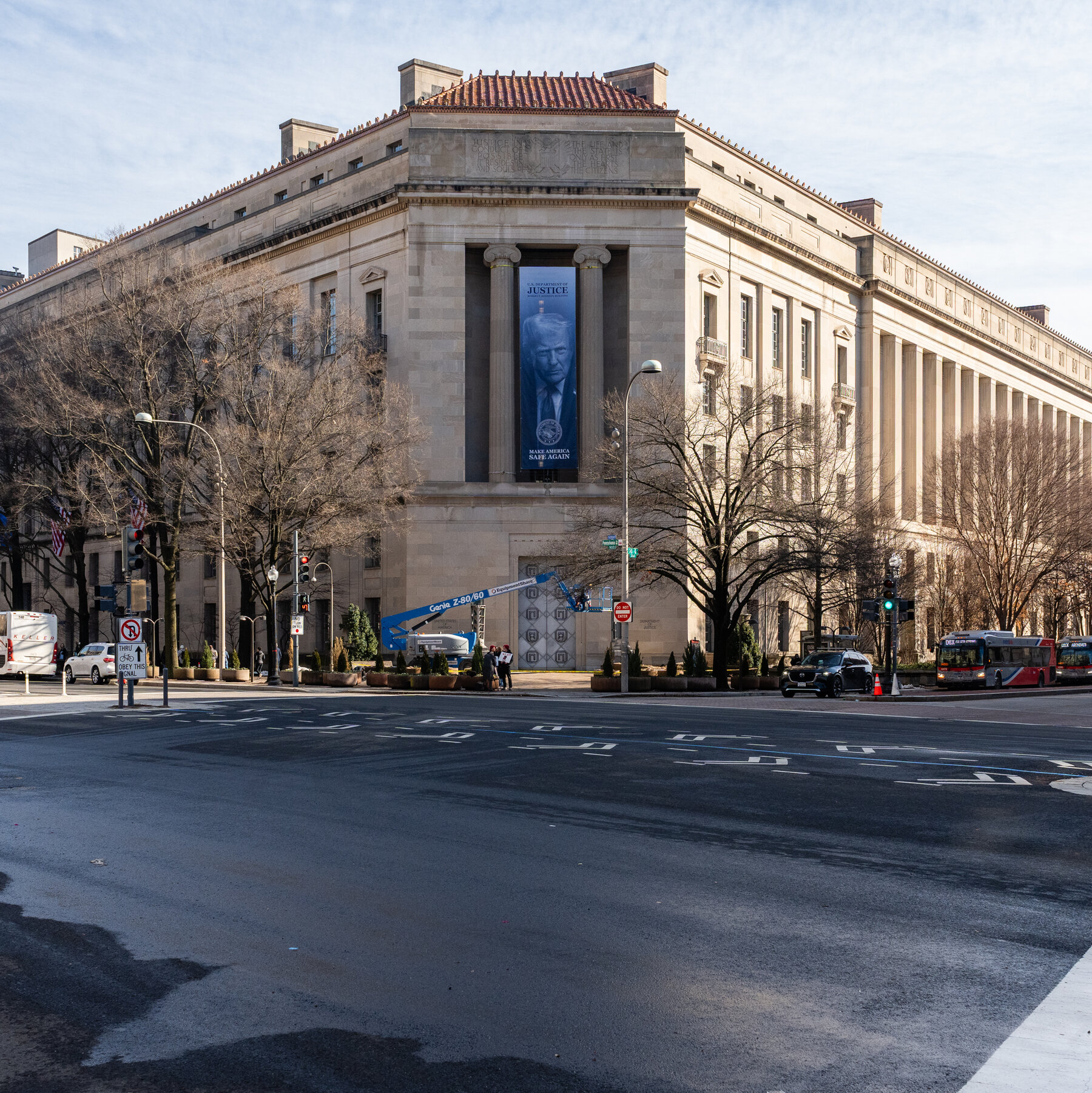
Federal prosecutors face increasing hurdles in securing grand jury indictments amidst widespread concerns that the nation’s top law enforcement agency is being used for political ends, undermining public and judicial faith.

The integrity of the American justice system is facing unprecedented strains as reports indicate a significant erosion of trust in the Justice Department. Federal prosecutors are increasingly encountering difficulties in securing indictments from grand juries, a critical component of the criminal justice process. This struggle is largely attributed to a growing perception that the Department of Justice (DOJ) has become politicized, with its enforcement actions seen by some as influenced by political considerations rather than impartial justice, thereby threatening the foundational principles of the rule of law.

Erosion of Public and Judicial Trust

A recent report from the New York Times highlights a deeply concerning trend: judges and grand juries are losing confidence in the Justice Department. This widespread loss of faith stems from observations that the president has allegedly used the department to both favor political allies and target opponents. Such actions, regardless of their ultimate verification, inflict severe damage on the public’s perception of impartiality, which is absolutely vital for any institution tasked with upholding the rule of law and maintaining social order.

The bedrock principle of American justice rests on the premise that all individuals are treated equally under the law, free from political interference or partisan agendas. When this principle appears compromised, the entire system suffers, leading to a breakdown in trust that can have far-reaching consequences. The implications extend beyond individual cases, potentially fostering a climate of cynicism that makes the work of law enforcement more challenging and justice harder to achieve.

Challenges for Grand Juries and Prosecutors

Grand juries, often described as the “heart of the criminal justice system,” operate in secrecy, granting federal prosecutors significant power to present evidence and seek indictments. However, this immense power relies fundamentally on the grand jurors’ unwavering trust in the integrity and objectivity of the presenting prosecutors and, by extension, the Justice Department itself. When that trust is undermined by perceptions of political manipulation, the entire prosecutorial process falters, creating an environment ripe for skepticism.

The report underscores that instances of grand jury malfeasance or, more commonly, a failure to return indictments are becoming increasingly frequent. This troubling development indicates a profound challenge for prosecutors who, despite their professional diligence, may find grand jurors less willing to accept their presentations at face value. The consequences are far-reaching, potentially hindering the prosecution of legitimate criminal cases and allowing wrongdoing to go unaddressed.

  • Increased Skepticism: Grand jurors may scrutinize evidence more critically, suspecting ulterior motives behind investigations.
  • Delayed Justice: Repeated failures to secure indictments can prolong investigations indefinitely, delaying resolution.
  • Undermined Authority: The DOJ’s perceived authority and effectiveness are severely diminished, impacting its crucial ability to enforce federal law uniformly across the nation.

“Judges and grand juries have increasingly lost faith in the Justice Department as the president uses it to reward his friends and go after his opponents.”

Safeguarding the Pillars of Justice

The proper and impartial functioning of grand juries is paramount to a healthy republic. They serve as a crucial check on prosecutorial power, ensuring that cases proceed only when sufficient probable cause exists and preventing frivolous or politically motivated prosecutions. For these institutions to operate effectively and maintain public confidence, they must be perceived as fiercely independent and unswayed by political pressures from any administration. The current environment, marked by concerns over DOJ politicization, poses a direct and serious threat to this vital balance and the very concept of ordered liberty.

Restoring public and judicial confidence in the Justice Department requires a renewed and visible commitment to its founding principles: independence, impartiality, and a steadfast dedication to the rule of law above all else. This means ensuring that enforcement decisions are made based solely on objective facts and legal merit, free from even the appearance of political influence. Upholding these rigorous standards is not merely a procedural matter; it is an absolute imperative for maintaining societal order, preserving the foundational institutions of American governance, and ensuring that justice is truly blind.

The challenges currently facing federal prosecutors and grand juries signal a critical juncture for the nation’s legal system. A truly impartial Justice Department, one that stands firm against political manipulation, is indispensable for a functioning republic. It ensures that justice is served fairly and consistently for all citizens, regardless of their political affiliations or connections, thereby reinforcing the stability and legitimacy of our governing institutions.

Thomas Massie Hints at Future Political Bid After Primary Defeat

Kentucky Congressman Thomas Massie, a prominent conservative voice, is signaling a potential return to the political arena despite his recent defeat in the Republican primary for Kentucky’s 4th Congressional District. Massie, who lost to President Donald Trump-backed challenger Ed Gallrein, has taken initial steps that suggest he is keeping his options open for a future run for office.

The move comes after a hard-fought primary battle and challenges the notion that his political career might be ending. Massie’s actions underscore a determination to remain an influential figure in national conservative discourse.

A Conservative Voice Undeterred

Rep. Thomas Massie recently confirmed his proactive engagement with the Federal Election Commission (FEC), filing for a 2028 House race. This strategic step allows him to continue fundraising and maintain his political operations, supporting both his current position and potential future candidacies for federal office. While he has not yet committed to a specific role, the filing clearly indicates an intent to stay politically active.

This development contrasts with a statement Massie made earlier this year at a University of Louisville College Republicans event, where he suggested he would be done with government if he lost the primary. His current stance, however, reflects a renewed resolve. In a statement provided to Fox News Digital, Massie declared, “I won’t be going away silently,” asserting his commitment to remaining a vocal presence.

Campaign Dynamics and Public Statements

The primary contest saw Massie, an incumbent serving since late 2012, decisively defeated by Ed Gallrein, a former Navy SEAL. The outcome marked a significant shift in Kentucky’s political landscape, with a Trump-endorsed candidate overcoming an established conservative figure.

Following his defeat, Thomas Massie was quick to address the integrity of the election results. He explicitly stated that he does not believe his loss was due to fraudulent votes, mail-in ballots, hacking, or mistabulated results. While respecting calls for verification, he confirmed he would not be requesting a recount.

Massie also alluded to ongoing efforts to discredit his platform, mentioning an “undisclosed paid social media campaign to rewrite history and diminish the platform the Epstein class gave me when they spent tens of millions of dollars to buy the seat.” This suggests a continued battle for narrative control even after the primary.

  • Massie filed with the FEC for a 2028 House race.
  • He stated he is keeping “every option open” for future political endeavors.
  • He explicitly disavowed claims of election fraud in his primary loss.
  • The congressman cited an “undisclosed paid social media campaign” aimed at diminishing his influence.

Looking Ahead: The Path for Massie

Massie’s decision to maintain his political operations and explore future opportunities demonstrates a strong commitment to his conservative principles and public service. While the specific office he might seek remains unconfirmed, his continued presence ensures that his distinct brand of fiscal conservatism and libertarian-leaning views will remain part of the national debate.

His public statements suggest a strategic approach to navigating the post-primary period, focusing on maintaining influence and preparing for potential future campaigns. The political landscape often sees seasoned figures regrouping after electoral setbacks, and Massie appears to be following this tradition with a clear intent to return.

“I’m keeping every option open, and there’s still an undisclosed paid social media campaign to rewrite history and diminish the platform the Epstein class gave me when they spent tens of millions of dollars to buy the seat. I won’t be going away silently.”

The coming years will reveal the precise direction of Thomas Massie’s political future. His proactive steps to keep his options open and his unwavering commitment to his platform indicate that he intends to remain a significant voice within the Republican Party, advocating for the principles he holds dear. Matox News will continue to monitor developments in Kentucky politics as the next election cycles approach.

AI Super PAC Fuels Trump-Backed Candidates in Pivotal Primaries

A new force is dramatically reshaping the landscape of upcoming primary elections, as a formidable AI Super PAC commits millions to bolster candidates, many of whom have received endorsements from former President Donald Trump. This significant financial injection underscores the growing influence of the technology sector in American politics, particularly within conservative circles, as the industry seeks to shape future policy.

Leading the Future, a powerful political action committee supported by prominent tech industry figures, is deploying substantial funds across critical Senate and House races, aiming to elect candidates who champion AI innovation and oppose fragmented state-level regulations. This strategic move highlights the growing intersection of technology and electoral politics.

Strategic Investments Across Key States

Leading the Future, boasting a war chest exceeding $125 million raised in 2025, has announced significant spending in pivotal primary contests. The group is pledging to inject $2 million into Senate races in Louisiana, Montana, and Oklahoma, with an immediate deployment of $1.5 million. Additionally, $750,000 is earmarked for upcoming House primaries in California and Washington state.

This latest round of investment follows a series of claimed victories in previous primaries across North Carolina, Texas, Illinois, and Georgia. In those contests, the Super PAC successfully channeled funds to support candidates from both major parties who align with its vision for AI policy. The developments were first reported by Fox News Digital, highlighting the scale of this emerging political force.

Industry Influence and Regulatory Debates

The primary motivation behind Leading the Future’s substantial spending is to elect candidates who oppose what the industry terms a “patchwork of state AI regulations.” Such regulations are often viewed by tech leaders as hindering innovation and creating unnecessary compliance burdens, ultimately stifling growth in a burgeoning sector. The Super PAC seeks to foster an environment supportive of the AI industry, advocating for federal frameworks over disparate state rules.

Key donors powering this initiative include prominent figures like Greg Brockman, president of OpenAI, and his wife Anna, alongside influential venture capitalists Marc Andreessen and Ben Horowitz. Their involvement underscores a concerted effort by the tech elite to directly influence legislative outcomes that impact their industry’s future and operational freedom within a free-market economy.

Impact on the Republican Landscape

The Super PAC’s support is proving particularly impactful in races involving candidates backed by former President Trump. In Louisiana, for instance, Leading the Future is actively supporting Republican Rep. Julia Letlow in her runoff election for the GOP Senate nomination. Letlow, who has secured Trump’s endorsement, is considered a frontrunner in the race to succeed Senator Bill Cassidy. This backing comes after Cassidy’s unexpected third-place finish in the primary, a result that saw him ousted despite holding the incumbent seat.

The confluence of Trump’s powerful endorsements and robust financial support from a major Super PAC creates a formidable electoral advantage, shaping the direction of the Republican Party and potentially influencing the balance of power in Washington. This strategic alignment reflects a broader effort to consolidate support behind candidates who champion both conservative values and technological advancement.

The substantial financial backing from Leading the Future signals a new era of tech industry engagement, directly influencing the direction of critical primary contests.

As the 2026 midterms heat up, the strategic deployment of funds by AI Super PACs marks a significant evolution in campaign finance and political influence. The outcomes of these heavily contested primaries will not only determine who represents states in Congress but also set the stage for crucial debates on technology policy, economic innovation, and the future regulatory landscape. This dynamic interplay between emerging technology and established political institutions promises to be a defining characteristic of the current election cycle.

Maine Senate Candidate Graham Platner Embraces Democratic Socialism, Targets Collins and U.S. Foreign Policy

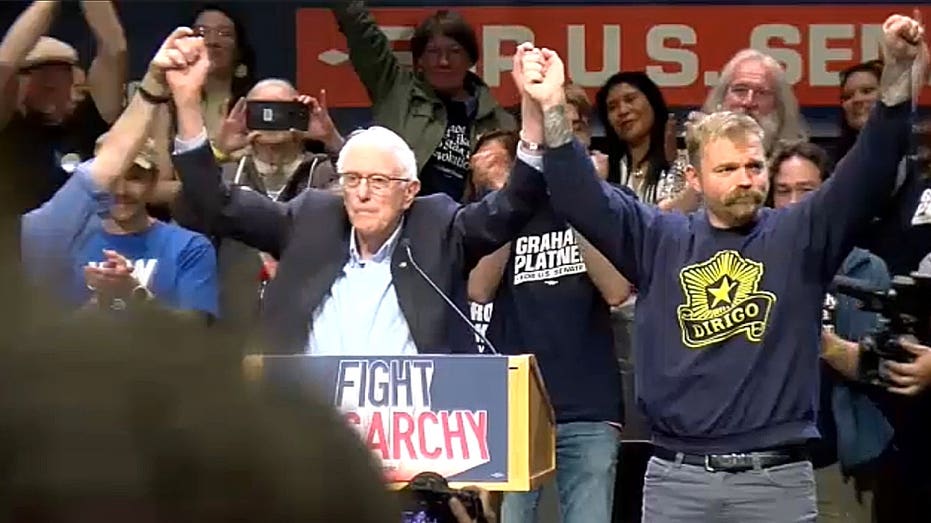
At a recent rally in Portland, Maine, presumptive Democratic Senate nominee Graham Platner publicly aligned himself with the tenets of democratic socialism, echoing Senator Bernie Sanders’ progressive themes. Platner’s remarks, delivered during a “Fighting Oligarchy” event, specifically targeted five-term Republican Senator Susan Collins, corporate interests, and U.S. military spending related to conflicts in Gaza and Iran.

Platner’s appearance with Senator Sanders, I-Vt., signaled a clear embrace of a progressive platform ahead of the November elections. The event, as reported by News Desk, aimed to galvanize grassroots support and expand organizing efforts for progressive causes across Maine.

Platner’s Call for a “Political Revolution”

Addressing a receptive crowd of activists, Graham Platner leaned heavily into anti-corporate rhetoric, urging attendees to build a “political revolution” to reclaim what he described as rightfully theirs. His statements highlighted a perceived battle against powerful economic forces and political figures.

“We are taking back what is ours. We’re going to take it back from the corporations that seek profit, no matter the cost from the billionaires for whom greed is the point, and from corrupt politicians like Susan Collins, corrupt politicians who have sold us out,” Platner declared. He further characterized the existing system as one that enriches politicians while offering citizens mere “crumbs.” This critique extends to health insurance executives, whom Platner accused of profiting from the struggles of ordinary Americans.

Challenging U.S. Foreign Policy and Aid

Beyond domestic economic policy, Platner also voiced sharp objections to current U.S. foreign policy, particularly concerning military aid. He asserted that American tax dollars are being used to “blow up someone else’s children,” a direct condemnation of U.S. support for international military actions and allies, including Israel.

This stance aligns with Senator Sanders’ recent efforts to challenge U.S. arms sales to Israel, reflecting a growing progressive push to re-evaluate America’s role in global conflicts and its allocation of defense spending. Platner’s comments suggest a significant shift in potential foreign policy priorities should he win the Senate seat.

Implications for the Maine Senate Race

Platner’s unequivocal adoption of democratic socialist principles and his direct attacks on Senator Collins set a clear ideological battleground for the upcoming election. Senator Collins, a long-serving Republican known for her moderate leanings but increasingly targeted by progressive movements, now faces a challenger who is openly calling for fundamental systemic change.

The rally in Portland, one of several Sanders-Platner joint appearances, underscores the national progressive movement’s focus on key Senate races. For Matox News readers, Platner’s platform signals a potential dramatic shift from traditional Maine politics, presenting a stark choice between established governance and a call for a “political revolution” rooted in socialist ideals.

As the campaign progresses, the debate over corporate influence, foreign policy, and the economic structure of the nation is expected to intensify, shaping not only Maine’s political future but also contributing to the broader national discourse on American values and governance.

Trump Pushes for Expanded Abraham Accords Amid Iran Deal Negotiations

Former President Donald Trump is reportedly intensifying his calls for several Muslim-majority nations to join the landmark Abraham Accords, a move he suggests could be mandatory for their involvement in a developing agreement with Iran. This strategic push underscores a consistent foreign policy objective to foster greater stability and diplomatic normalization across the Middle East.

According to reports from News Desk, President Trump explicitly urged nations such as Saudi Arabia, Qatar, Egypt, Pakistan, Turkey, and Jordan to formalize relations with Israel. His statement, shared on Truth Social, emphasized that after the significant diplomatic efforts by the United States to forge these agreements, it should be a baseline expectation for these countries to sign on.

A Foundation for Regional Peace

The Abraham Accords, initiated during the Trump administration, represent a series of historic agreements aimed at normalizing diplomatic relations between Israel and various Arab and Muslim-majority nations. The United Arab Emirates and Bahrain were the first two nations to sign these accords in 2020, marking a significant shift in regional dynamics and fostering new avenues for cooperation and peace.

The accords have been lauded by proponents as a testament to effective diplomacy, demonstrating that direct engagement and mutual recognition can pave the way for a more secure and prosperous Middle East. By circumventing traditional impasses, the agreements have opened doors for economic, cultural, and security partnerships, strengthening the front against destabilizing forces in the region.

Conditioning Participation in Iran Talks

President Trump’s current stance links future participation in an Iran agreement directly to adherence to the Abraham Accords. He stated, “I stated that, after all the work done by the United States to try and pull this very complex puzzle together, it should be mandatory that all of these Countries, at a minimum, simultaneously, sign onto the Abraham Accords.” This suggests a strategic leverage point, aiming to consolidate a broad regional consensus before engaging with Tehran on critical issues.

Nations specifically mentioned in his outreach include:

  • Saudi Arabia
  • Qatar
  • Egypt
  • Pakistan
  • Turkey
  • Jordan

This approach highlights a belief that a united and normalized front among these key players would present a more formidable and stable negotiating bloc against Iran, ensuring any future agreement is built on a foundation of broader regional consensus and security.

A Vision for Broader Inclusion, Even Iran?

In a surprising development, President Trump also floated the intriguing idea that the Islamic Republic of Iran could eventually become part of the Abraham Accords. He noted, “In speaking to numerous of the Great Leaders mentioned above, they would be honored, as soon as our Document is signed, to have the Islamic Republic of Iran as part of the Abraham Accords. Wow, now that would be something special.” This bold vision, while seemingly distant, suggests a long-term aspiration for comprehensive regional peace and integration.

“It should be mandatory that all of these Countries, at a minimum, simultaneously, sign onto the Abraham Accords.”

However, immediate progress on certain fronts remains contingent on internal political developments. U.S. and Israeli officials do not anticipate the UAE, for instance, to advance further on such issues until after Israel’s upcoming elections in September. Such political realities underscore the complex interplay of domestic and international factors shaping Middle Eastern diplomacy.

The former President’s continued advocacy for the Abraham Accords signals a persistent commitment to reshaping the Middle East’s diplomatic landscape. By tying participation in crucial Iran negotiations to regional normalization, he aims to build a more cohesive and secure alliance, ultimately strengthening American interests and promoting lasting stability in a historically volatile region.

New Jersey Democrats Face Scrutiny Over Memorial Day Protest at ICE Facility

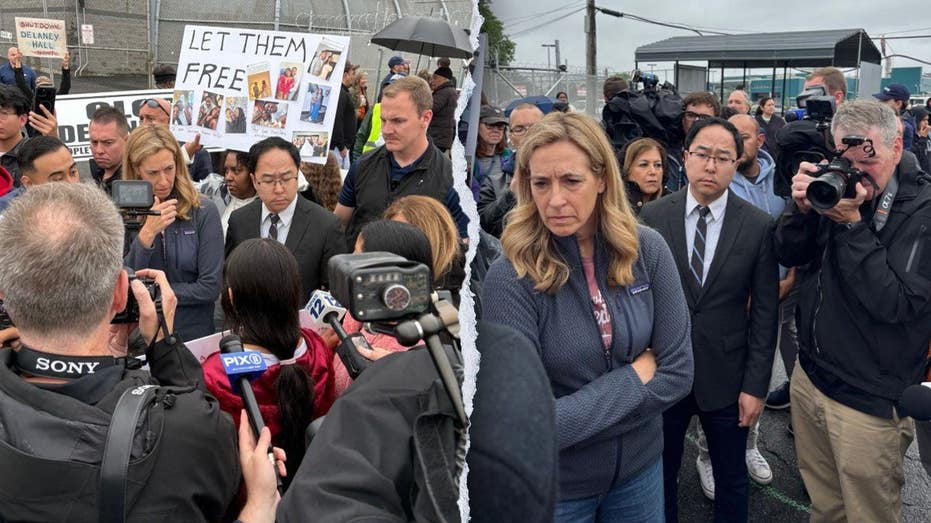
New Jersey’s Democratic Governor Mikie Sherrill and Senator Andy Kim have come under fire for their Memorial Day visit to the Delaney Hall migrant detention facility in Newark. The high-profile appearance, intended to highlight alleged ‘unacceptable’ conditions and demand the facility’s closure, has been met with sharp criticism from federal authorities, who characterized it as a ‘political stunt’ amidst heightened security concerns.

The visit unfolded as protesters gathered outside the privately run center, raising questions about the appropriateness of such actions on a national holiday dedicated to honoring fallen service members. Critics argue the timing and nature of the engagement diverted attention from solemn observances and potentially inflamed an already tense situation.

Timing and Intent Under Scrutiny

The decision by Governor Sherrill and Senator Kim to visit Delaney Hall on Memorial Day has drawn particular attention. According to a Department of Homeland Security (DHS) spokesperson, as reported by Fox News Digital, Governor Sherrill’s presence was ‘nothing more than a political stunt’ given that visitation was suspended due to recent unrest. The spokesperson acknowledged Senator Kim’s legitimate congressional oversight role and his direct communication with Secretary Markwayne Mullin, which facilitated his access. However, the governor’s appearance was framed differently, suggesting a calculated move rather than a routine inspection.

Senator Kim, in a statement on X, asserted that he and Governor Sherrill were at Delaney Hall to ‘meet with families of detainees and listen to community advocates,’ emphasizing their joint effort to ensure voices were heard and to demand the immediate shutdown of the facility. This stance underscores a persistent push from some Democratic factions to reform or close immigration detention centers.

Allegations of Unacceptable Conditions and Demands for Closure

The core of the lawmakers’ protest stems from claims of ‘unacceptable’ conditions within Delaney Hall and reports of an ongoing hunger strike among detainees. Advocacy groups and the Democratic officials contend that U.S. Immigration and Customs Enforcement (ICE) should not be permitted to operate the facility under current circumstances. The specifics of these conditions, beyond the general assertion, remain a key point of contention and a focus for those advocating for the detainees.

The demand for immediate closure highlights a broader ideological divide on immigration enforcement and detention policies. While proponents of closure cite humanitarian concerns, those who support the facilities emphasize their role in maintaining border security and managing the legal processes for undocumented immigrants.

“Governor Sherrill’s visit to Delaney Hall is nothing more than a political stunt on Memorial Day when visitation is currently suspended due to riots outside the facility.”

Protests, Agitators, and Institutional Challenges

The atmosphere surrounding Delaney Hall on the day of the visit was reportedly volatile. DHS officials stated that approximately 125 ‘agitators’ surrounded the facility, some displaying ‘anti-ICE signs and Antifa flags.’ These individuals allegedly formed a human chain, blocking entries and exits and impeding facility operations. Such actions raise serious questions about public order and the safety of both staff and detainees within institutional settings.

The clash between protesters and authorities on the preceding Sunday further illustrates the escalating tensions. These incidents underscore the challenges faced by law enforcement and immigration agencies in managing facilities amidst vocal opposition and sometimes disruptive demonstrations. Maintaining order and ensuring the smooth functioning of vital government operations, particularly those related to national security and immigration, is paramount for institutional integrity.

The events at Delaney Hall underscore the complex and often contentious nature of immigration policy in the United States. While lawmakers have a right and a duty to conduct oversight, the manner and timing of such actions, particularly when coinciding with public disturbances and national observances, invite scrutiny. The broader debate over immigration enforcement and the role of detention facilities continues to be a flashpoint, demanding both compassionate consideration and a steadfast commitment to institutional order.

Rubio Defends 'America First' Visa Policy Amid Indian Concerns
Rubio Defends ‘America First’ Visa Policy Amid Indian Concerns

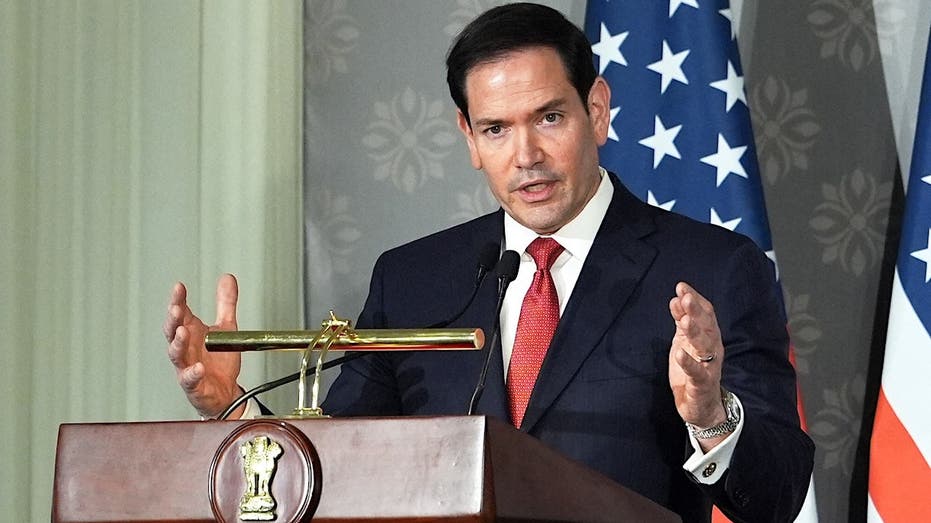
NEW DELHI – Secretary of State Marco Rubio has robustly defended the Trump administration’s ‘America First’ visa policy, clarifying that recent immigration reforms are not specifically aimed at India despite their significant impact on the nation. Speaking from New Delhi, Rubio emphasized that U.S. immigration decisions are made with global application and a firm commitment to national interest.

During a press conference, Indian officials, including Foreign Minister Subrahmanyam Jaishankar, voiced concerns that updated U.S. visa regulations could disproportionately affect Indian high-skilled workers and legitimate travelers. This dialogue underscores the delicate balance between sovereign immigration policy and international strategic partnerships.

Upholding National Interest in Immigration

Secretary Rubio, himself a son of Cuban immigrants, articulated the U.S. position with clarity. He acknowledged the potential for a ‘disproportionate impact on a place like India that provides so many high-skilled workers to the U.S. economy’ but firmly stated that the policy ‘is not a system that is targeted at India. It is one that’s being applied globally.’

Rubio underscored the foundational principle guiding these reforms: ‘Everything that you do as a country needs to be in your national interest, and that includes your immigration policy.’ This statement aligns directly with the administration’s overarching strategy to re-evaluate and modernize immigration frameworks to better serve American workers and security concerns.

India’s Concerns Over Legal Mobility

In his remarks, India’s Foreign Minister Subrahmanyam Jaishankar conveyed the nation’s apprehension. He highlighted the ‘challenges that legitimate travelers face in respect of visa issuance’ and expressed a desire for continued legal mobility between the two countries.

Jaishankar stressed the vital role of such mobility in key areas:

  • Business cooperation
  • Technology exchange
  • Research partnerships

He articulated India’s expectation that while cooperation on illegal and irregular mobility is essential, legal pathways for professionals and travelers should not be adversely affected. This perspective highlights India’s significant contribution to the U.S. economy, particularly in the tech sector, and the mutual benefits of seamless travel.

“The United States, I believe, is the most welcoming country in the world on immigration. Every single year, a million people, roughly, become permanent residents of the United States and contribute greatly.”

A Strategic Alliance Amidst Policy Debates

Despite the frank discussions on visa policy, Rubio reiterated the U.S. value for India as a ‘strategic ally’ and a crucial trade partner. He emphasized that the U.S. remains a welcoming nation for immigrants, noting that approximately a million people annually become permanent residents, contributing significantly to American society.

The Secretary’s visit, widely reported by outlets such as Fox News, served as a platform to clarify the Trump administration’s consistent stance on immigration: a global framework designed to prioritize national interests and modernize existing systems. The dialogue reflects the ongoing efforts to navigate complex international relations while upholding domestic policy objectives.

This exchange signals a continued commitment from both nations to foster their strategic alliance, even as they work through policy differences that inevitably arise in a dynamic global environment. The focus remains on ensuring that U.S. policies serve national priorities while respecting the contributions of allies and partners.

GOP Proposal Seeks Natural-Born Citizen Rule for All Federal Offices, Sparks Debate

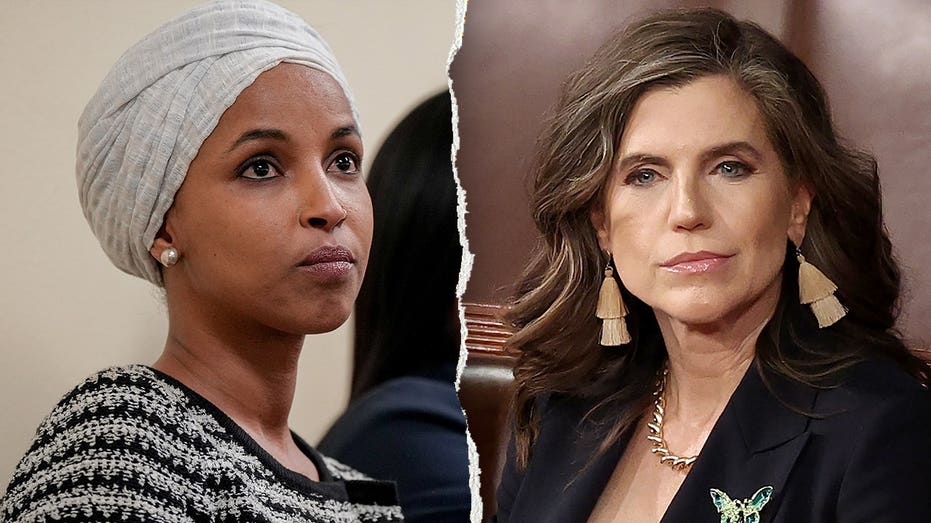
A significant legislative effort is underway in Congress as Representative Nancy Mace (R-S.C.) proposes a constitutional amendment that would mandate all federal officeholders, including members of Congress, federal judges, and Senate-confirmed officers, be natural-born citizens. This initiative seeks to align the eligibility standards for these positions with those already in place for the President and Vice President, stirring considerable debate on Capitol Hill and beyond.

The proposal has quickly drawn the attention of lawmakers who would be directly impacted, including Representative Ilhan Omar (D-Minn.), who was born in Somalia and became a naturalized U.S. citizen in 2000. When questioned about the resolution, Representative Omar appeared unfazed, reportedly telling Fox News Digital, “Good luck to her.” Her dismissive reaction underscores the deep divisions such a fundamental change to eligibility requirements could create within the legislative body.

The Push for Natural-Born Citizenship

Representative Mace formally announced her joint resolution on social media, emphasizing her belief that it is “long overdue.” Her rationale centers on the principle that individuals holding significant power within the American government should possess an unquestionable loyalty, stemming from their birthright citizenship.

Mace explicitly named several foreign-born members of Congress, including Representatives Omar, Shri Thanedar (D-Mich.), and Pramila Jayapal (D-Wash.), asserting that their “loyalty is not to America.” This direct challenge has intensified the scrutiny of the proposal and its underlying motivations. The amendment would apply to a broad range of federal positions:

  • Members of the U.S. House of Representatives
  • Members of the U.S. Senate
  • Federal Judges
  • All Senate-confirmed officers

For too long, Mace stated, foreign-born members have held seats in government, with their loyalties questioned. This sentiment reflects a conservative editorial line that prioritizes national identity and institutional integrity.

Congressional Representation and Loyalties

Currently, the U.S. Congress includes 26 members who are not natural-born citizens, comprising 19 Democrats and seven Republicans. This demographic fact highlights the extensive reach and potential impact of Mace’s proposed amendment. The presence of foreign-born individuals in legislative roles has long been a feature of American democracy, reflecting the nation’s immigrant heritage.

Representative Omar’s confident dismissal of the proposed legislation suggests a belief that it will not garner the necessary support to advance. Her calm demeanor contrasts sharply with the strong rhetoric employed by Representative Mace, setting the stage for a potentially contentious legislative battle should the resolution gain traction. The debate extends beyond individual lawmakers, touching on broader questions of what constitutes American identity and who is best suited to represent the nation’s interests.

“If you hold power in the American government, you should be a natural-born American citizen.”

Amending the Constitution: A Formidable Task

Changing the U.S. Constitution is a notoriously difficult undertaking, requiring a two-thirds vote in both the House and Senate, followed by ratification by three-fourths of the states. This high bar ensures that only proposals with overwhelming national consensus can alter the nation’s foundational document.

Representative Omar’s lack of concern about the proposal’s prospects likely stems from this constitutional reality. While the debate surrounding the eligibility of federal officeholders is significant, the path to amending the Constitution is arduous, making the swift passage of such a resolution improbable. The discussion, however, serves to underscore fundamental questions about national allegiance and the qualifications for public service, issues that resonate deeply with many Americans.

The proposed amendment by Representative Mace reflects a growing conservative call for strengthening institutional standards and ensuring unwavering loyalty among those who govern. While its journey through the legislative process will undoubtedly be challenging, the initiative highlights an important discussion about the future composition of America’s federal government and the principles that should guide its leadership.

Congress Balks at Justice Department's Unilateral $1.7 Billion Compensation Fund
Congress Balks at Justice Department’s Unilateral $1.7 Billion Compensation Fund

Washington D.C. – A newly unveiled $1.776 billion federal compensation fund by the Justice Department has sparked significant alarm on Capitol Hill, with congressional Republicans questioning its legitimacy and the unprecedented manner of its creation. The substantial allocation, intended to compensate individuals for alleged ‘government weaponization,’ was announced without direct legislative input, igniting a contentious debate over executive authority and fiscal transparency.

Origins of the Controversial Fund

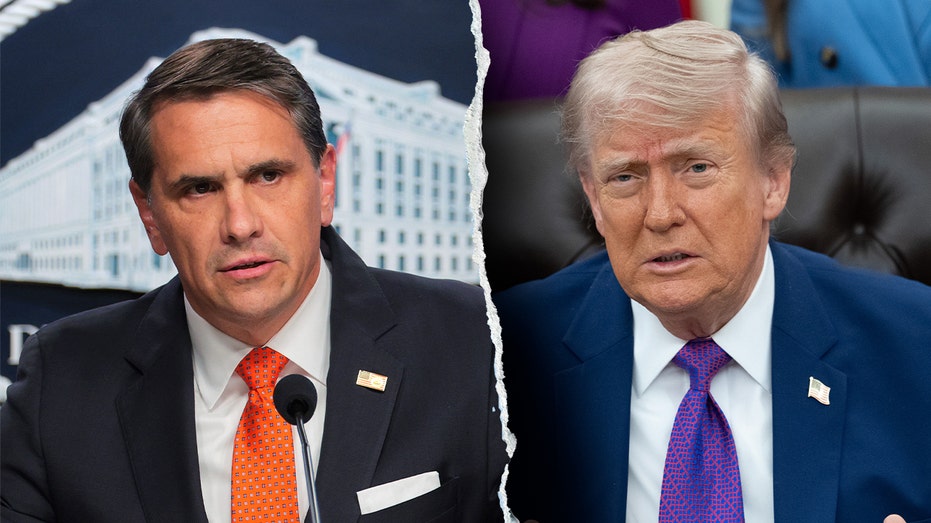
The genesis of this substantial fund traces back to a lawsuit filed by former President Donald Trump against the Internal Revenue Service for the alleged leaking of his tax returns, alongside those of several hundred other Americans. In an unusual development, the Justice Department, under Acting Attorney General Todd Blanche, announced a settlement in the case. This agreement, while granting plaintiffs a formal apology, notably stipulated the creation of the $1.776 billion fund in lieu of direct monetary payments to the original litigants. The figure itself, 1776, carries clear historical symbolism, yet its financial implications for the federal budget are far from symbolic. The department’s statement indicated that the plaintiffs agreed to drop their pending lawsuit and withdraw other administrative claims, including those related to the Mar-a-Lago raid and the Russia-collusion investigation, in exchange for the fund’s establishment.

Congressional Scrutiny and Fiscal Concerns

Lawmakers were quick to express their dismay, particularly given the fund’s establishment outside the traditional congressional appropriations process. Many Republicans view this as a dangerous precedent, bypassing the legislative branch’s constitutional role in controlling federal spending. Senator John Kennedy (R-La.) voiced a common sentiment, stating, ‘I realize it’s a lot of money. I want to understand where the money comes from.’ The lack of clarity regarding the fund’s source and beneficiaries has fueled accusations of a potential ‘slush fund’ for political allies and donors, raising questions about whether individuals other than the original plaintiffs could benefit.

Concerns are further compounded by the fund’s potential impact on other critical federal programs. The controversy reportedly led to Senate Republicans pulling their proposed funding bill for ICE and Border Patrol, fearing that the unapproved compensation fund could divert resources from essential national security and immigration enforcement operations. This development, as reported by the News Desk, underscores the immediate and tangible consequences of the Justice Department’s unilateral decision, forcing Congress to reconsider its own legislative priorities in light of this unexpected fiscal maneuver.

Institutional Integrity and Accountability Questions

The core of the congressional backlash centers on fundamental principles of institutional integrity and accountability. The concept of the executive branch creating a multi-billion-dollar fund to settle a case involving its own former head, without explicit legislative approval, raises serious questions about the separation of powers. Critics argue that such a move undermines the checks and balances designed to prevent potential abuses of power and ensure transparent governance. The absence of clear guidelines on who qualifies for compensation from this fund, beyond the initial settlement, only adds to the opacity and deepens concerns about its impartial distribution. This situation presents a significant challenge to the traditional balance of power, where Congress holds the ‘power of the purse,’ and raises alarms about executive overreach into fiscal matters.

‘The establishment of a nearly $1.8 billion fund without direct congressional input sets a dangerous precedent for executive power and fiscal responsibility.’

As the debate intensifies, the Justice Department faces mounting pressure to provide greater transparency regarding the compensation fund’s funding source, its administration, and the precise criteria for beneficiaries. This episode highlights a significant power struggle between the executive and legislative branches over budgetary control and underscores the imperative for robust congressional oversight in all matters of federal spending. The integrity of the appropriations process and the principle of checks and balances are at stake, demanding careful scrutiny to ensure fiscal accountability and uphold the proper functioning of government.

Social Media Auto Publish Powered By : XYZScripts.com