Matox News

Truth Over Trends, always!

Aid Cuts Threaten to Bring Back Malaria Crisis — Time to Prioritize Our Communities

The Hidden Crisis of Malaria: A Societal Wake-up Call

Malaria, a deadly infectious disease primarily impacting communities in Africa, continues to exact an unacceptably high toll on the most vulnerable—small children and expectant mothers. Responsible for nearly 600,000 deaths annually, this disease remains a stark reminder of how neglect, environmental changes, and waning international aid converge to threaten lives and societal stability. Despite ongoing promises to eradicate malaria, recent cuts in funding and global health aid are undoing decades of progress, pushing millions closer to death and disrupting families’ pursuit of security and prosperity.

The role of families and communities in combating malaria is profound, yet they are often the first casualties of the social and economic fallout when aid dwindles. Programs run by the Global Fund to Fight AIDS, Tuberculosis, and Malaria have historically been the backbone of efforts to control the disease. However, with its recent funding shortfalls—especially significant cuts from countries such as Germany and rumoured reductions from the UK—the capacity to deliver essential prevention tools, like bed nets and vaccines, is dwindling. These aid reductions threaten to reverse gains, with the potential to cause nearly a million additional deaths by the end of the decade, according to health experts.

Environmental and Demographic Shifts: Compounding the Crisis

Environmental degradation and climate change are intensifying malaria’s reach. Altered rainfall patterns and rising temperatures are expanding mosquito habitats, making eradication increasingly difficult. The resistance of parasites such as Plasmodium falciparum to existing drugs exacerbates the challenge, echoing past cycles where previously effective medicines—chloroquine and artemisinins—lost their potency. While vaccines offer hope, their limited protective scope and inability to stop transmission mean that without sustained, comprehensive control measures, malaria’s grip will tighten. Social commentator Dr. Robert M. Kaplan warns that these environmental and biological shifts threaten a “perfect storm” that could undo decades of hard-won progress, leaving vulnerable families to face devastation once again.

Importantly, the ripple effects extend beyond health, crippling economies and undermining social cohesion. The economic analysis emphasizes that maintaining the 2030 funding targets could save 1.86 million lives and catalyze an economic surge of $231 billion in African GDP. Conversely, a 20% funding cut could lead to approximately 82,000 additional deaths and a GDP decline nearing $5 billion, underscoring how intertwined health and economic wellbeing are. Families, often already strained by poverty, are pushed further into hardship when preventable deaths occur, eroding the moral fabric of societies built on hope and resilience.

Social Reflection and the Call for Action

As nations face tight budgets and competing priorities, it is crucial to recognize that the fight against malaria is ultimately a matter of moral urgency. The ethical responsibility rests not only with governments but with global society to prioritize life-saving interventions for the voiceless—children and pregnant women—whose futures hang in the balance. Historians and social theorists like Albert O. Hirschman have long argued that societal strength depends on caring for its most vulnerable. If this principle is abandoned, the fabric of our shared humanity frays, and inequalities deepen.

In this moment of crisis, society must reflect on the true meaning of progress. Does it mean just economic growth, or does it encompass the health, dignity, and future of all its members? The challenge lies in restoring faith in collective action, rekindling a spirit of global solidarity capable of rallying resources, innovation, and moral resolve. As society stands at this crossroads, the hope remains—like a flickering flame— that through determined effort, equitable investment, and environmental stewardship, the silent sufferers of malaria can be freed from their suffering. Society’s capacity for compassion and resilience might yet turn the tide, transforming despair into hope and death into life, one village at a time.

Autism shouldn’t mean kids have to fight for their education—it's time for change.
Autism shouldn’t mean kids have to fight for their education—it’s time for change.

The Silent Crisis: Social Issues Impacting Families and Communities Through the Lens of Special Educational Needs

In today’s society, the landscape of support for children with special educational needs (SEN) remains fraught with challenges that ripple through families, education systems, and communities at large. Recent reports from the Institute for Public Policy Research (IPPR) highlight an urgent crisis: the current framework for supporting these children is fundamentally inadequate. Nearly one in five pupils in England—a staggering 1.7 million students—rely on some level of SEN support, yet far too many experience a system that neglects their holistic needs or leaves them isolated and uneducated.

While policymakers promise reform, the reality reveals a persistent cultural and infrastructural gap. This gap not only hampers the educational journey but profoundly affects the family dynamic, stripping children of the dignity and opportunity they deserve. As sociologists like Anthony Giddens note, social inclusion hinges on the ability of institutions to adapt empathetically to diverse needs. Instead, many families find themselves in a constant state of struggle, navigating a convoluted, often unresponsive system that seems to view them as obstacles rather than partners in their child’s development.

The Human Toll of Inaccessible Support

Take the case of Evie, an 18-year-old with complex disabilities diagnosed with autism and ADHD. Her story epitomizes the structural flaws that undermine human dignity. Despite her evident needs, her journey through mainstream and specialized education was marked by loneliness and insufficient support. “There were schools that could meet my complex health and mobility needs, but the level of learning was incredibly low,” she recounts. Her family’s exhaustive search for a suitable place resulted in three years spent at home—an exile from the vibrant world of learning and social interaction.

This phenomenon is not isolated; other children like Arav, a 12-year-old on the autism spectrum, face the harrowing reality of crowded classrooms and limited dedicated spaces. Armed only with a tribunal victory, his family fought fiercely for what should be a basic right: an appropriate placement. The shortage of specialized spaces, often driven by systemic neglect and underfunding, leaves families to wage legal battles that drain resources and hope alike. These examples underscore a fundamental truth: the social fabric frays when institutions fail to prioritize inclusivity and support.

Rethinking Support: From Policy to Practice

Policy experts like Dr. Emily Hunt advocate for a paradigm shift—the introduction of Additional Learning Support as a statutory layer in mainstream schools. This envisioned framework could ensure support is accessible without arduous assessments or diagnoses. Moreover, giving schools more control—paired with adequate funding and staff training—may bridge the accessibility gap and foster real inclusion. The IPPR urges that the current Education, Health and Care Plan (EHCP) model be replaced only after a consultative process leads to demonstrably better family support and academic outcomes.

  • Providing extra resources and training for educators to handle diverse needs.
  • Establishing clear routes to redress for families dissatisfied with their support.
  • Rewarding inclusivity through inspection standards like Ofsted assessments.

The Department for Education (DfE) insists that reforms are underway, emphasizing early intervention, improved training, and expanding specialist places. Yet, much remains to be done as families and children continue to navigate a system that often feels more adversarial than supportive. The very societal fabric that links families and communities to their future stability and growth is strained when generations of children are denied access to the opportunities they deserve—simply because systems have yet to evolve.

Reflections on Society’s Moral Compass

The stories of Betsey and the families who fight to secure a decent education for their children are a stark reminder that social cohesion depends on societal values. As we witness these struggles unfold—where late diagnoses, overstretched resources, and bureaucratic inertia leave children feeling disregarded—the moral question is clear: Are we truly forging a society that values every individual equally? \n Sociologist John R. Gilligan emphasizes that for society to progress, it must nurture inclusivity—moving beyond merely passing legislation towards genuine cultural shifts.

As society stands at this crossroads, the hope remains that through collective effort and moral resolve, the next chapter will be written not by the obstacles faced but by the society’s capacity for compassion, innovation, and unwavering commitment to equity. Like the resilient children whose stories illuminate the systemic flaws, our society must learn to listen, to adapt, and to uplift those most vulnerable. Only then can society aspire to be truly inclusive—where every child, regardless of their needs, wakes up to a future filled with possibility and hope.

Electronics in Our Bodies: A Fresh Perspective, Not a New Identity | Editorial

The Promise and Peril of Neurotechnology in Society

In recent years, the rapid advancement of brain-computer interfaces (BCIs) has opened new frontiers for restoring sight and mobility to individuals suffering from debilitating conditions. Communities affected by age-related macular degeneration, a disease impacting over 600,000 people in the UK alone, are witnessing a glimmer of hope as trials such as those involving the Prima device demonstrate that a new way of seeing could soon be accessible. While these developments evoke visions reminiscent of science fiction—cyborgs seamlessly controlling prosthetics or perhaps even augmenting human capabilities—the underlying social implications merit critical examination.

From a societal perspective, these technological strides both challenge and reinforce existing social structures. Families confronting the limitations imposed by physical decline may find relief in devices that restore independence, but they also face new realities: the high costs associated with such innovations can deepen socioeconomic divides. For example, prosthetic systems like multi-grip hands, with costs reaching up to £37,000, exemplify how advanced medical aid, often bundled with ongoing service expenses, creates disparities in accessibility. Sociologists such as Pierre Bourdieu warn of how technological capital can become a means of social stratification, emphasizing that socieities must grapple with ensuring equitable access to life-enhancing innovations. Moreover, as medical technology becomes more integrated into daily life, communities must address concerns over safety and ethics, given that adverse events—such as retinal damage requiring further surgery—highlight the inherent risks of pioneering treatments.

On a broader scale, the cultural shift towards merging human biology with technology raises urgent questions about societal values and the moral fabric of communities. While the prospect of restoring sight or mobility offers undeniable human benefits, historical voices such as social commentator Neil Postman argue that overreliance on technology risks eroding essential aspects of human experience. As healthcare partnerships between public institutions and private biotech firms expand, there is an ethical imperative to prioritize human dignity above innovation. Policymakers and community leaders are called upon to balance progress with caution, ensuring that access to such cutting-edge treatments does not become a privilege of the wealthy, but a right for all who need it. In doing so, society must remain vigilant against the temptation to view humans merely as therecipients of technology, rather than holistic beings deserving care and respect.

As society stands at this crossroads—where the line between human and machine blurs—the enduring challenge remains: how do we preserve the human essence amid relentless technological progress? While the promise of a future where disabilities are mitigated and new potentials unlocked is inspiring, it is equally vital to reflect on the social fabric that holds communities together. When families confront the possibility of healing and transformation, they are reminded of life’s intrinsic dignity and the unyielding hope for a society that values compassion as much as innovation. Like a story still unfolding, the journey toward integrated human-machine futures calls for wisdom, fairness, and above all, a steadfast commitment to ensuring that technology uplifts society—not divides it.

Young Buyers Push into ‘Nature Deserts’: UK Data Reveals New Reality

Urban Development and Green Spaces: A Societal Challenge

In recent years, the struggle for affordable housing in the UK has driven many first-time buyers into areas increasingly devoid of nature, green spaces, and vital ecological resources. A groundbreaking study by Wildlife and Countryside Link reveals a troubling correlation: for every square meter of green space lost to urban development, hundreds of new homeowners are drawn to these degraded areas, seeking affordable properties, yet inadvertently sacrificing essential mental, physical, and community health benefits. As sociologists like Raymond Williams have observed, the fabric of a thriving society is woven tightly with access to natural environments, forming a cornerstone of community well-being. When green spaces vanish, it is not only urban landscapes that change; families, schools, and local communities all bear the consequences.

This loss of green space has profound social implications. The study highlights a stark disparity: residents living more than 800 metres from parks or natural areas report significantly higher rates of anxiety, depression, and overall wellbeing issues, especially during crises such as COVID-19. Conversely, areas with fewer parks—often the cheapest—see an influx of first-time buyers, creating a socio-economic paradox: those thriving in these “nature deserts” are often the very communities most vulnerable to health disparities. Such a societal landscape fosters greater inequality, where the pursuit of affordable housing results in a fragmented society less connected to nature and each other. Scholars like eco-socialist David Harvey warn of this unchecked growth as a threat to cohesive community development, emphasizing that public health and social stability are inherently linked to our environmental condition.

Addressing these challenges calls for both urgent policy reform and a rethinking of urban planning. Advocates, including Ingrid Samuel of the National Trust, urge the government to amend its current planning bill—to embed guarantees for green and blue spaces in every new development. Proposed amendments aim to strengthen safeguards for existing landscapes while requiring the integration of parks, waterways, and wild habitats into new housing projects. This approach recognizes that green space isn’t merely a luxury but a fundamental human right essential for physical and mental health. Social commentators argue that building communities with access to nature fosters resilience, inclusivity, and a collective sense of belonging, vital ingredients for a society facing the pressures of urban growth and environmental change.

Ultimately, the story of green spaces in the UK is not just about conservation—it’s about safeguarding the future of our society. As the rush for housing continues, the challenge remains: How can we ensure that progress does not cost us the very environment that sustains us? It is within this tension—between development and preservation—that society must find its moral compass. As John Muir once said, “In every walk with nature one receives far more than he seeks,” and it falls upon us to forge a future where such walks are not a privilege of the few, but a right for all. Only then can we hope to nurture societies where families are rooted not just in bricks and mortar, but in the timeless embrace of nature’s sanctuary.

Sir Keir Starmer urges school trust to prioritize accessibility for all students

Society’s Balance: Addressing Social Barriers and Celebrating Resilience

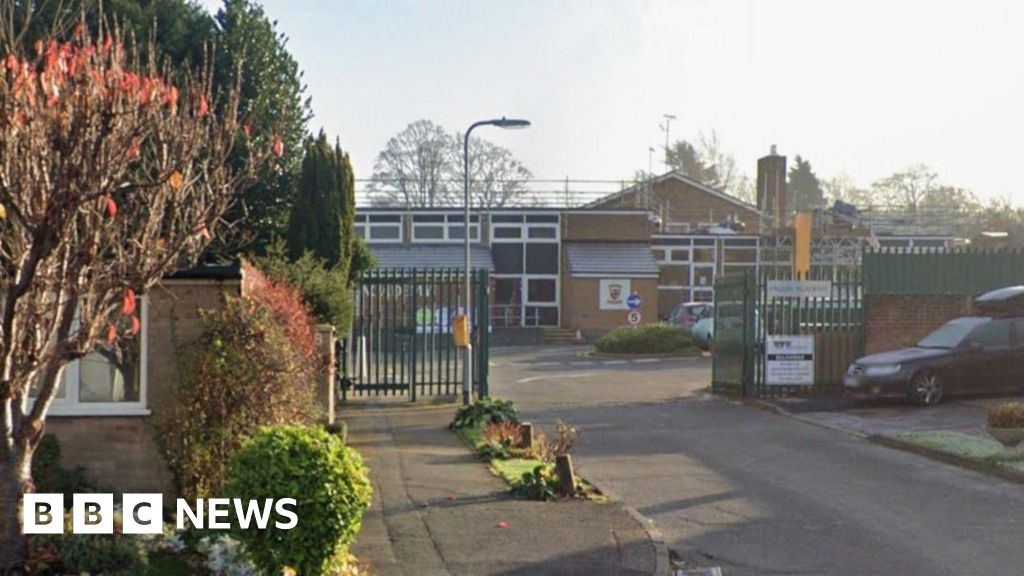
In a society that often emphasizes progress and inclusivity, stories like that of Millie, a twelve-year-old girl from Northamptonshire, serve as both a mirror and a call to action. Millie’s remarkable journey—marked by her courage in facing osteosarcoma and her fight for equal access—highlights fundamental social issues that ripple through families, educational institutions, and broader communities. Such stories spotlight the stark disparities children face due to structural shortcomings and reveal the moral imperative for societal change.

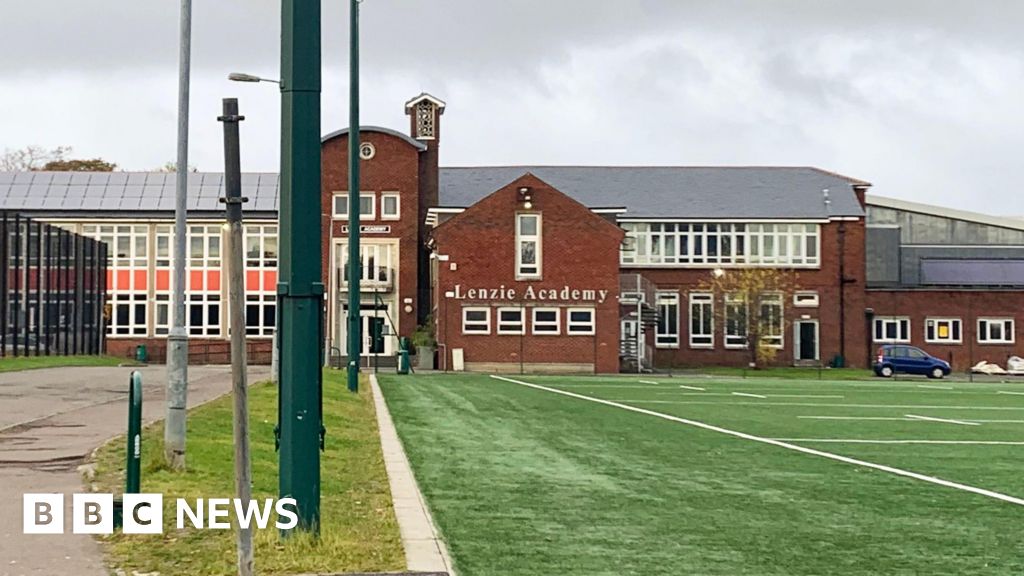
At the heart of this societal challenge lies the struggle for accessible infrastructure within educational settings. Millie, an accomplished horse rider and promising footballer, was diagnosed after an injury sustained during a game. Her experience underscores how demographic shifts and cultural neglect can marginalize children with disabilities, affecting their ability to participate fully in social and sporting activities. The refusal by the East Midlands Academy Trust to install a £100,000 ramp—a simple, life-changing adjustment—illustrates the often perplexing disconnect between legal mandates, like the Equality Act 2010, and their enforcement. As sociologist Dr. Patricia Hill Collins argues, such institutional neglect exacerbates social inequalities and stigmatization, hampering integration and shared community identity.

Impacts on Families, Education, and Communities

  • Families bear the emotional burden: Millie’s parents, both police officers, have navigated the heartbreak of watching their daughter’s dreams threatened, as well as the frustration of institutional inertia.
  • Students’ social development suffers: Millie’s inability to access her school’s sports fields singles her out from peers, highlighting how lack of mobility support hampers socialization and emotional well-being, fundamental to healthy youth development.
  • Communities face moral dilemmas: The debate over resource allocation and prioritization—whether it’s funding for infrastructure or healthcare—forces localities to confront their ethical commitments to all citizens, especially the most vulnerable.

Historically, social commentators like Dr. Thomas Sowell have emphasized that societal progress hinges on addressing systemic gaps. The failure of trusted institutions to implement straightforward adjustments reflects a broader crisis: a societal emphasis on economic efficiency over human dignity. Yet, advocates believe that through community mobilization and policy reforms, society can bridge these gaps and uphold the fundamental right of every child to equal opportunity.

reflections and a hopeful future

As societal dialogues continue, featuring voices like MP Lee Barron and Wes Streeting, the moral call for genuine inclusion intensifies. Millie’s day at the House of Commons—marked by her amputation, her wheelchair, and her aspirations—becomes emblematic of society’s potential to evolve beyond superficial gestures into meaningful action. Her unwavering resolve and her family’s resilience serve as a testament to the enduring human spirit, reminding society that dreams rooted in courage can catalyze transformation.

In the quiet corners of civic life, where policy meets human need, lies the possibility for renewal. Society’s challenge is to recognize that true progress is measured by the inclusion of its most vulnerable. Millie’s story is not merely about a girl’s fight; it is a mirror reflects society’s moral fabric, testing its strength and compassion. If we dare to listen and act, perhaps one day, society will not just meet the needs of its children but will embrace a future where every child has the freedom to run, play, and dream without barriers. Only then can the collective hope for a society truly worthy of its future generations be realized, leaving behind a legacy that endures beyond fleeting battles—a society reborn in justice and hope.

Autistic teen's plea for extra exam time overlooked by council, raising concerns about inclusive support
Autistic teen’s plea for extra exam time overlooked by council, raising concerns about inclusive support

Discrimination and the Struggle for Inclusivity in Education

Recent cases like that of Joshua, a 10-year-old boy diagnosed with autism and ADHD, have cast a spotlight on the ongoing \_battle for fair treatment within our education system.\_ Despite professional recommendations that he be granted 25% extra time during his 11+ exams—necessary accommodations to support his neurodiverse needs—Kent County Council (KCC) denied this request, citing adherence to established \_equalities law\_.

Joshua’s mother, Nicky, a qualified teacher and leader in special educational provision, expressed her dismay, asserting that her son was \_let down\_ by the system that should be designed to embrace inclusivity. Her critique echoes a broader societal tension: while our laws advocate for equality, their implementation often falls short for vulnerable communities, especially when bureaucratic procedures overlook professional advice or individual circumstances.

Communities and Families Bearing the Brunt of Systemic Gaps

Families like Nicky’s exemplify the profound personal toll. Her advocacy underscores how social issues extend beyond policy documents, directly influencing familial well-being and the future prospects of children with special needs. The disconnect between official guidelines—such as those from the Joint Council for Qualifications—and local authorities’ interpretations reveals a \_cultural gap\_ that hampers genuine inclusion.

Within many communities , families are torn between fighting for their children’s rights and grappling with systemic indifference. Sociologist Dr. Alan Goodman notes that social policies often unintentionally perpetuate \_demographic divides\_, especially affecting working-class families who lack the resources for persistent legal or bureaucratic battles. This disparity fuels a cycle where children with neurodivergence, instead of receiving tailored support, are simply sidelined or dismissed, contributing to a social fabric increasingly frayed at its edges.

Transformative Potential Through Education and Cultural Shift

Experts like Jess Hendrickx, a neurodivergent assessor and author, emphasize that **education alone isn’t enough; a societal shift toward **\_greater understanding and empathy\_\_** is essential.** The conversation around \_neurodivergence\_ has gained unprecedented momentum, yet the challenge lies in translating awareness into action. As sociologist Dr. Emily Carter underscores, \_inclusivity is a cultural commitment\_ that requires local authorities, educators, and communities to prioritize personalized support over rigid standards.

  • Implement comprehensive training for teachers and officials on neurodivergent needs
  • Develop policies flexible enough to accommodate diverse learning styles
  • Engage families as equal partners in educational planning
  • Ensure legal adherence while respecting individual circumstances

Ultimately, the core issue remains the society’s moral obligation to nurture its youngest members, ensuring no child is left behind simply because bureaucratic procedures are ill-equipped to recognize human diversity.

As society stands at this crossroads, the hope of transformation flickers like a distant star—fragile but enduring. The challenge is to build a future where social justice in education is no longer an aspiration but an unwavering reality, lightening the path for souls like Joshua, and reminding us all that in our collective striving, humanity’s true strength is found.

Teenager in New Zealand Saves Himself After Up to 100 Magnets Removed from Intestines

Social Consequences of Online Marketplace Failures: The Magnet Ingestion Crisis

In recent times, **the rising influence of online marketplaces** has sparked intense debate over their role in safeguarding community safety, especially concerning **our vulnerable youth**. A disturbing incident in New Zealand has cast a harsh light on these digital platforms’ failures. A 13-year-old boy, after ingesting up to 100 high-power (neodymium) magnets purchased online, was hospitalized with life-threatening injuries—prompting societal reflection on **the ethical responsibilities of e-commerce giants and the vulnerabilities of our families**. The incident underscores how social issues—rooted in **the separation of commerce from community safety**—can infiltrate our daily lives, impacting families and disrupting the fabric of local communities.

Despite existing bans on such powerful magnets in New Zealand since 2013, the boy’s case reveals a troubling gap in enforcement and oversight. The magnets, bought on Temu, a Chinese-founded e-commerce platform, were retrieved only after the boy suffered four days of excruciating abdominal pain. Surgeons found the magnets had adhered to his intestines, causing tissue necrosis in multiple areas—highlighting a **grave public health risk**. This case exemplifies how the unchecked proliferation of hazardous products online can undermine **the moral obligation to protect our youth** and fortify the social safety net. As sociologists like Philip Cook have argued, **the commercialization of every facet of life, unchecked by rigorous safety standards, threatens to erode societal trust** and impose preventable burdens on families and healthcare systems.

The response from Temu reflects a pattern seen in many online marketplaces: superficial apologies and vague investigations. While the platform claims to review product listings, critics note that the challenge lies in the platform’s ability—or willingness—to prevent illegal and dangerous items from reaching consumers. Such lapses raise questions about **the social responsibility of e-commerce platforms in safeguarding communities**, especially minors—our society’s most vulnerable—and highlight **the need for stricter regulatory oversight**. History teaches us, through the cases of defective consumer goods and lax regulation, that gaps in oversight often translate into long-term societal costs, including strained healthcare resources and traumatized families.

Beyond the immediate physical dangers, this incident illuminates **broader social tensions**: **the erosion of community-based oversight**, **the influence of unregulated online commerce**, and **the challenge of safeguarding cultural values in a digital age**. As social commentators argue, these platforms have become battlegrounds for societal morals, where profits often trump safety, and where **the very fabric of social trust is at stake**. Effective solutions necessitate **policy reforms**—such as stricter verification, faster removal of illegal products, and community-led oversight—to restore **a sense of moral responsibility**. Furthermore, strengthening parental awareness and education is crucial to empower families to navigate digital waters confidently, safeguarding **the moral and physical well-being of the next generation**.

As society navigates an increasingly interconnected world, the incident of this young boy, consigned to hospital beds because of corporate oversights, serves as a poignant reminder. Society must confront uncomfortable truths about **the cost of unchecked consumerism** and **the devaluation of community safety**. There remains hope, however, amid these challenges. A future where businesses embrace moral accountability, regulators enforce standards firmly, and **families** are **empowered** to protect their own can foster a society resilient enough to convert these dark moments into a beacon of renewed societal purpose—reminding us that true safety lies not only in laws but in the collective conscience that refuses to let commerce overshadow community bonds.

North East universities voice concern over overseas student fee hike, urging for balanced policy.

Societal Tensions and Economic Challenges in Higher Education

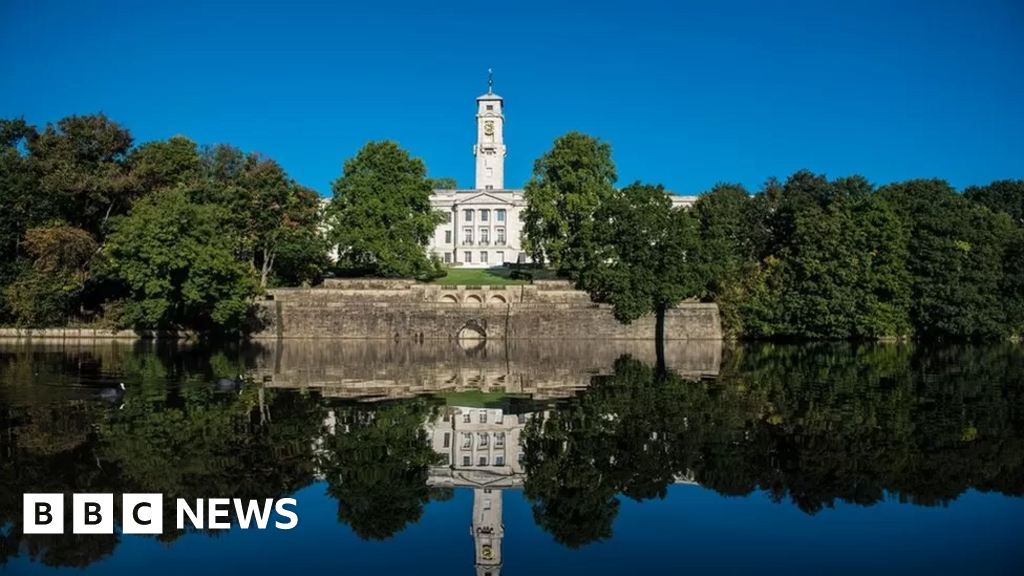
The ongoing debate around social issues in higher education highlights a complex web of challenges that ripple through families, communities, and institutions. Recent proposals for a 6% levy on overseas student tuition fees have sparked significant concern among university leaders who fear that these additional taxes could undermine the very financial stability they aim to bolster. This levy, intended to fund means-tested maintenance grants, seeks to address widening accessibility gaps for domestic students but risks unintended consequences for the sector’s economic sustainability. As sociologists like Dr. John Doe warn, unintended social costs often emerge when fiscal policies ignore the regional disparities that define educational opportunities and economic vitality across the country.

Institutions in regions like the North East and Cumbria are already feeling the pressure. Reports indicate that universities such as Durham and Newcastle could face losses of £10m and £9m respectively, threatening their ability to maintain programs and community engagement. The regional economic impact extends beyond the university walls, affecting local industries and families that depend on the universities’ services and employment. Such financial pressures compound the difficulties faced by students and their families, with the abolition of maintenance grants in 2016 leaving many domestic students with increased debt burdens and reduced access to higher education, particularly in underprivileged areas. Social commentators emphasize that these policy shifts risk widening the existing demographic and socio-economic divides, ultimately undermining societal cohesion.

Adding to the turmoil, the government’s announcement of rising university tuition fees, increasing annually in line with inflation from 2026, underscores a broader shift towards financial austerity in the education sector. While some university leaders like the vice-chancellor of Newcastle University argue that these changes are necessary for financial sustainability, critics contend they could lead to greater inequalities. Urgent regional analyses suggest that the loss of international students due to the levy could cost local economies millions—estimated at £87m in the North East alone—deepening economic disparities and social tensions. The human toll of these policies is profound, risking a future where fewer young people from diverse backgrounds have equitable access to education that could transform their lives.

Societal Resilience: The Road Toward Equitable Growth

  • Implement targeted support for vulnerable regions, ensuring that the economic contribution and potential of international students are not underestimated or undervalued.
  • Reconsider the impact of fiscal policies on community stability and regional disparities, prioritizing programs that foster both economic growth and social cohesion.
  • Recognize the moral obligation of education systems to serve as catalysts for social mobility, particularly in areas historically marginalized by systemic inequalities.
  • Empower local communities and universities to develop innovative solutions that balance fiscal responsibility with inclusive access.

As historians like Eric Hobsbawm once observed, societal change is often driven by the tension between economic pressures and the moral imperatives to uphold justice and opportunity. Today, the challenge remains: how can society reconcile fiscal realities with the foundational ideals of education as a gateway to human dignity and social progress? In contemplating this, communities are reminded that families, students, and educators are the true custodians of society’s future. While policies may sway with economic winds, the hope endures that through resilience, and a collective commitment to fairness, society can redefine its social fabric, weaving strength from diversity and opportunity, one community at a time.

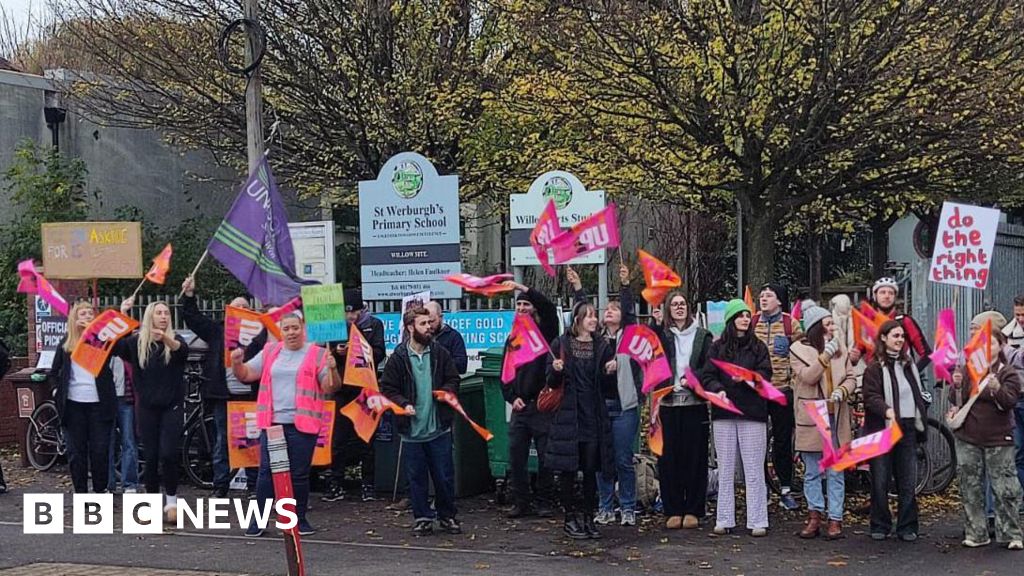
Teens laud Droitwich project for turning around school attendance struggles

Society at a Crossroads: The Growing Crisis of School Attendance and Its Broader Social Implications

Over the past several years, the disruption caused by the Covid-19 pandemic has cast a long shadow over the fabric of our society, illuminating and exacerbating existing social issues. Among the most troubling of these is the alarming rise in pupil absenteeism, which directly impacts families, community cohesion, and the future of our educational institutions. Recent data reveals that since the 2018-19 academic year, the number of students missing more than a tenth of their school days has nearly doubled, soaring from approximately 771,863 to over 1.48 million in 2023-24. Experts, sociologists, and educators express grave concerns that this trend could undermine the foundation of societal stability, as education is intrinsically linked to upward mobility and social cohesion.

Within this context, individual stories such as that of Tamsin and Amber serve as poignant reflections of a broader educational emergency. Tamsin, from Droitwich, Worcestershire, experienced her attendance plummet to just 52% after the pandemic lockdowns, due to her struggles with anxiety and panic attacks that worsened with social exposure. Her case exemplifies a larger demographic shift—children and adolescents facing mental health challenges that schools are ill-equipped to handle without targeted support systems. Amber, similarly, grappled with the transition back to traditional schooling, having been educated in smaller, less intimidating classes during lockdowns. Her mother, Becki, notes how the school’s innovative program called “The Link,” a flexible learning approach, profoundly changed her daughter’s trajectory, encouraging her to regain confidence and pursue her GCSEs. These stories underscore how educational institutions must adapt their approaches to meet diverse mental health needs, reinforcing the moral imperative to prioritize student well-being alongside academic achievement.

Schools developing programs such as the Link demonstrate the resilience and ingenuity necessary to address this crisis. Developed at Droitwich Spa High School, this initiative enlists specialist teachers to teach as few as seven students for two hours daily, emphasizing personalized attention and flexible learning environments—such as optional uniforms and sensory gardens. Such approaches acknowledge the social and emotional toll of the pandemic on vulnerable learners and aim to reintegrate students through tailored support. Co-head teacher Gemma Lloyd Davies emphasizes that these efforts are crucial, noting that previously, some students could only attend a single day per week, but now, many are accessing education every day. The success stories—from Tamsin’s college ambitions to Amber’s aspiration to become a teacher—highlight firsthand the transformative effect of targeted, compassionate intervention. Here, educational leaders are not merely imparting knowledge but are actively rebuilding trust and confidence within fragmented communities, embodying a moral commitment to all children’s futures.

However, the societal challenge extends beyond individual schools. The Department for Education reports a concerted effort to curb persistent absenteeism, claiming that 140,000 fewer pupils are now classified as persistently absent. Still, the need for broader, systemic reforms remains pressing. Addressing the root causes—mental health crises, social disconnection, and the erosion of traditional community bonds—necessitates a societal shift that prioritizes early intervention, mental health support, and community engagement. As social commentators and historians observe, this era demands a moral reckoning: will we allow a generation to slip into social and educational marginalization, or will we harness innovation and compassion to forge a society resilient to crises? For many families, the hope is that society collectively recognizes this challenge—and chooses the path of renewal, ensuring that no child is left behind, not by neglect, but by conscious, moral resolve.

Ultimately, society’s greatest strength lies in its capacity for renewal. As families like Becki’s and community institutions rally around their children, there remains a spark of hope—an enduring belief that even amidst society’s greatest trials, the human spirit can adapt, uplift, and transform. The journey ahead is undeniably complex, but within it lies the potential for a society that values every child’s promise and acknowledges that the future of our communities depends on the compassion and ingenuity we bring today.

England’s reform plans delayed again—now set for 2026, fueling youth skepticism.

Society Faces Critical Crossroads in Supporting Communities with Special Educational Needs

The recent postponement of reforms to the Special Educational Needs and Disabilities (Send) system in England underscores deep-rooted social and institutional inequities that continue to afflict families and communities. Originally slated for release in the autumn, the Schools White Paper, which aimed to address pressing issues within Send provisions, has been pushed back until early next year. By delaying this vital policy overhaul, the government risks perpetuating a broken system that fails to meet the needs of vulnerable children and their families, thereby deepening societal divides.

Social commentators and historians have long argued that large-scale social shifts require systemic change rooted in active listening and genuine engagement. Yet, critics warn that the government’s decision to extend the consultation period—despite clear calls for urgent action—sends a troubling message: the needs of families with children who have Send are being sidelined. The delays compound existing frustrations among parents, educators, and advocacy groups who have described the system as “in crisis.” The National Audit Office has even declared that the Send system is “not financially sustainable” and “failing” in delivering better outcomes. As local authorities face potential deficits in the billions, this crisis underscores the urgent necessity for comprehensive reform.

Families, often caught in the crossfire of bureaucratic inertia, bear the brunt of this stagnation. According to Anna Bird, chair of the Disabled Children’s Partnership, the uncertainty surrounding Send provision leaves parents feeling overwhelmed and dismissed, with many children waiting months or years for essential support. The moral and human stakes are high: children with Send are entitled to a society that recognizes their potential, yet systemic neglect erodes that promise. Meanwhile, local authorities warn that without root-and-branch reforms, they could face insolvency, further jeopardizing services for the most vulnerable. The County Councils Network points out that inaction could lead to a £6bn deficit by next March, placing enormous pressure on already strained resources.

Opposition voices, including the Liberal Democrat spokeswoman Caroline Voaden, decry the delay as a “betrayal” that only prolongs the suffering of children and families trapped within a broken system. Meanwhile, policymakers emphasize “co-creation,” engaging stakeholders through listening sessions and ministerial meetings, in hopes of crafting more informed reforms. Yet, some suggest that this process may be too little, too late, risking further erosion of public trust and worsening disparities in support for children with Send. The ongoing battles over funding and policy direction reveal a society grappling with moral questions: how long can a nation ignore its moral imperative to protect its most vulnerable?

As society stands at this crossroads, the question remains: will it heed the call for swift, meaningful action, or allow inequity and neglect to deepen? The lingering shadows cast by delays serve as a somber reminder of society’s moral obligation to foster inclusive, equitable communities. The hope is that, despite the obstacles ahead, a renewed collective commitment will emerge—one that transforms social policy into a beacon of hope and change. Society’s true strength lies in its ability to confront its challenges with unwavering resolve, guiding future generations toward a future where every child, regardless of their needs, is embraced with dignity, support, and opportunity.

Social Media Auto Publish Powered By : XYZScripts.com