Emerging Tensions in Global AI Development: A Shadow Over Sino-American Tech Race
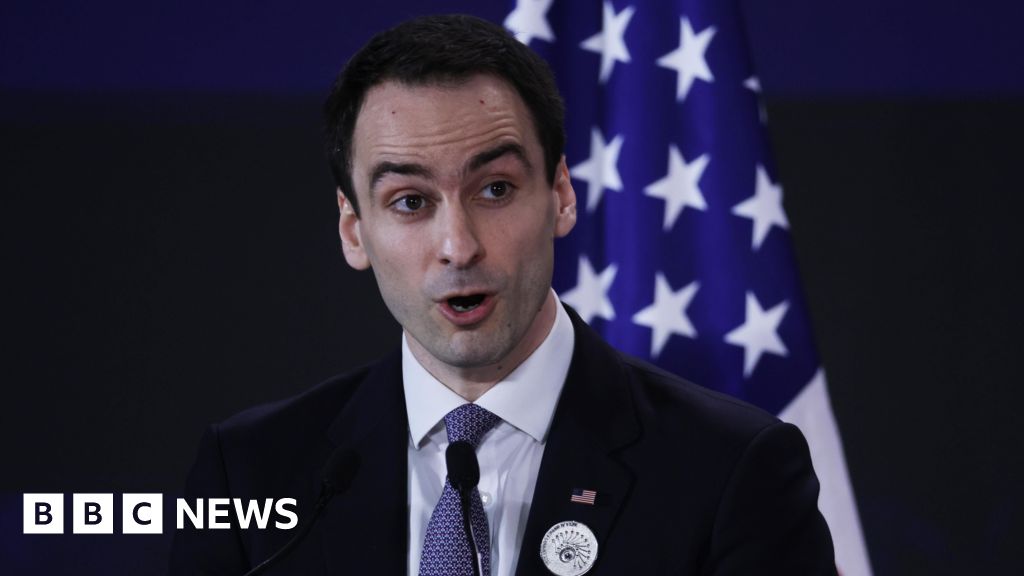
The recent revelation from U.S. government officials, notably a memo from Michael Kratsios, underscores growing concerns over intellectual property theft and technological espionage in the rapidly evolving field of artificial intelligence. The memo decries how Chinese firms are allegedly engaging in the wrongful distillation and illicit extraction of U.S. AI models, an accusation that signals far more than a mere corporate rivalry. Instead, it embodies a deepening geopolitical struggle for dominance in a digital future that many analysts warn will define the 21st century. This development raises hard questions about how international boundaries are blurred in the realm of cutting-edge innovation and how such actions may serve as catalysts for broader geopolitical shifts.
This controversy arrives amidst a backdrop of escalating tensions between Washington and Beijing, with experts emphasizing that AI supremacy is now viewed as a core strategic asset comparable to nuclear capabilities during the Cold War. Historical analysts point out that the misuse of AI technology can greatly enhance military, economic, and cyber capabilities, leading to a new arms race where nations seek to secure technological superiority at any cost. The U.S. government and its allies are increasingly vocal about cracking down on what they term unlawful practices that threaten intellectual property rights and national security. Meanwhile, China asserts that its technological advancements are the result of legitimate, state-supported innovation, framing accusations as part of a broader campaign of economic containment.
The repercussions extend beyond mere corporate espionage; they threaten to reshape alliances, economic stability, and global order itself. International organizations such as the World Trade Organization and G20 are now compelled to grapple with the profound implications of technology theft accusations. According to top analysts, this situation underscores a widening tech cold war, in which strategic control over AI could determine which nations set the terms for future global governance. The potential for escalation—including cyberattacks, economic sanctions, and technological decoupling—sets a precedent that could fracture the fabric of the existing international system.
As history continues to unfold in this pivotal chapter, the conflict over AI casts a long shadow over the future of international diplomacy. Nations are at a crossroads: one path leads toward strategic competition, digital sovereignty, and potential conflict, while the other holds the promise of multilateral cooperation rooted in transparency and shared innovation. For now, the stakes could not be higher: the decisions made by leaders today will shape the geopolitical landscape for generations to come, and the echoes of this technological rivalry will resonate through the corridors of power and the lives of societies already on the brink of change. The world watches with bated breath as history’s next pages are written, unsure whether we are witnessing the dawn of a new era or the closing chapter of international trust.