Matox News

Truth Over Trends, always!

Bangladesh kicks off measles vaccination to protect kids amid rising death toll

The recent surge of measles in Bangladesh marks a troubling chapter in the nation’s ongoing struggle to safeguard its children and maintain societal stability. With more than 100 lives lost and over 900 confirmed cases since March, this outbreak reminds us that public health is intertwined with the socio-political stability of a community. Despite having made significant progress—from a mere 2% vaccination rate in 1979 to over 81% today—the country’s current crisis reveals that gaps in social and healthcare infrastructure still threaten the wellbeing of its youngest citizens. The resurgence underscores how fragile advancements can be when political turmoil and mismanagement disrupt essential services, particularly in a nation burdened by demographic disparities and economic challenges.

This outbreak highlights profound implications for families, education, and communities. As vulnerable children—particularly those under six months who are no longer eligible for routine vaccination—become the most at risk, the social fabric faces the peril of a generation scarred by preventable illness. The disparities in vaccine coverage reveal deeper societal issues: regions with resource shortages and administrative gaps, which are often tied to broader political instability, fail to reach every child. As sociologists like Samuel Huntington have emphasized, social cohesion depends on the capacity of governments to deliver fundamental services. When this capacity falters, the ripple effects threaten to dismantle the very foundations of community trust and national stability.

In response, Bangladesh’s government, in partnership with international agencies like the United Nations, has launched an emergency vaccination drive targeting children aged six months to five years. Such efforts are vital, but they underscore the urgent need for consistent, long-term investment in healthcare infrastructure. As Rana Flowers, a UNICEF representative, points out, the “resurgence highlights critical immunity gaps,” which are exacerbated by political turmoil, including recent protests and upheavals that have delayed vaccine procurement and intervention campaigns. These disruptions do not only threaten immediate health outcomes; they catalyze a cycle of social and economic instability, revealing that public health initiatives must be resilient and adaptive to political and social shifts.true

The situation in Bangladesh serves as a stark reminder that social issues—be they political unrest, economic disparity, or infrastructural shortcomings—are deeply interconnected with the health and education of future generations. As the global community observes this resurgence, it becomes clear that the task of rebuilding social trust extends beyond mere vaccination campaigns. It calls for a comprehensive approach—empowering families, strengthening local communities, and restoring faith in institutions. For the health of society itself, hope lies in the society’s collective will to recognize that social resilience is the bedrock upon which progress is built—and only through perseverance and unity can the shadows of disease be dispelled, illuminating a future where every child can thrive free from preventable ailments.

Time to face the facts: Overpopulation is hitting our society hard

As society grapples with accelerating ecological collapse, the entrenched social and economic behaviors that once seemed normal now reveal their destructive underpinnings. Growth economics, wealth inequality, patriarchy, colonialism, military supremacy, nationalism, and pronatalism—these are not just abstract concepts but patterns of thought and action deeply embedded within our social fabric. Sociologists and social commentators have long argued that these patterns function as a “fluency” response, bypassing rational deliberation and fueling a cycle of harm that only exacerbates our planetary crisis. They are reflexive responses rooted in our limbic system, driven by emotion rather than critical awareness, making it exceedingly difficult for societies to transition toward more sustainable and equitable paradigms.

This prevailing mindset has profound consequences for families, education, and community cohesion. Children grow up in environments where economic and social disparities are normalized, often inheriting the same unwise behaviors that threaten their future. Schools may inadvertently reinforce these paradigms, emphasizing consumerism and competition over sustainability and cooperation. Communities divided by race, class, and ideology find it harder to unite around solutions that prioritize ecological balance and social justice. Experts like sociologists and environmentalists are warning that until societies confront these deeply ingrained narratives, efforts to promote wiser social paradigms—such as eco-aware family planning and economic degrowth—may remain stagnant or be dismissed as radical.

Emerging ideas suggest that overhauling these outdated norms requires honest conversations about population overshoot and our collective responsibility. The conversation cannot be hijacked by racist or xenophobic discourses that often surface when fear of immigration is used to distract from systemic issues. Instead, advocates like Barbara Williams from Yarnton, Oxfordshire, emphasize that refined dialogue around eco-aware reproduction and resource stewardship is vital. Such paradigms challenge societal taboos, urging families and communities to embrace choices aligned with sustainability rather than short-term gains or societal pressures. These shifts, while promising, demand a reimagining of what it means to build healthy social and family units capable of withstanding the relentless strains of ecological decline.

Historically, societies that failed to recognize the link between social equity and ecological health suffered eventual collapse or profound transformation. Today, the stakes are even higher. As we confront these entrenched social issues, the path forward may seem daunting; yet, hope resides in collective action rooted in ethical reflection and community resilience. The challenge lies in fostering a society where these social issues are no longer tolerated as cogs in a destructive machine but are instead addressed with honesty and compassion. Society’s true strength will be demonstrated in its capacity to evolve from old patterns toward a future where families, communities, and institutions work in harmony with ecological boundaries—restoring the balance that human civilization so desperately needs. Only then can we look beyond the horizon of despair and envision a society that embraces both humanity and nature in a mutually sustaining dance of renewal.

UK Universities Shift Focus to India: York and Southampton Lead the Way

Bridging the Gap: The Socioeconomic Divide in India’s Education System

The staggering figures emerging from India’s educational landscape reveal both a nation of promising potential and a deepening social divide. Annually, approximately eleven million students complete their Grade 12, marking the national threshold of secondary education. Yet, within this vast pool, only about 1.5-1.7 million students secure a place in the country’s top academic institutions. This stark disparity underscores a persistent inequality of opportunity, with a select few ascending to what many see as the gateways to socio-economic mobility, while the majority remain outside the privileged orbit of elite education.

The reality is that educational access often mirrors societal hierarchies rooted in economic status, regional disparities, and social caste. India’s most prestigious universities admit only about 200,000 students annually from this vast talent pool, leaving millions of talented youths excluded from the pathways that lead to leadership and innovation. Sociologists like André Béteille have long argued that these disparities not only limit individual potential but also entrench **social stratification**, where privilege is perpetuated through generations. In this context, education becomes less of a universal right and more of a symbol of societal division.

The ramifications for families and communities are profound. Many families from lower socioeconomic strata invest heavily in private coaching, often at great financial sacrifice, hoping to secure a foothold into India’s competitive academic world. Yet, the lack of equal opportunity creates an unfair playing field, amplifying social tensions. For educators and policymakers, this stark reality calls for urgent reforms—ranging from improving access to quality primary and secondary education in rural areas to dismantling systemic barriers that favor urban, affluent communities. These issues touch upon not only individual futures but also the moral fabric of society, calling into question whether the ideals of fairness and meritocracy remain meaningful in such an ecosystem.

Looking forward, there is hope that societal reflection and strategic policy may pave the way for a more inclusive future. Institutions and civic leaders must embrace the challenge of equality, fostering environments where talent does not go unrealized due to societal bias. By addressing root causes of disparity, from inadequate infrastructure in marginalized areas to the prevalent social stigmas, communities can nurture a generation capable of lifting itself beyond inherited divides. As sociologist Arjun Appadurai emphasizes, fostering *cultural resilience* and *social cohesion* are essential in transforming the promise of education into tangible social progress. Society stands at a crossroads where the resilience of families, the dedication of educators, and the resolve of policymakers may either reinforce the barriers of today or dismantle them in pursuit of a more *equitable* tomorrow. Only then can India truly aspire to be a land where opportunity is not dictated by circumstances of birth but fueled by the collective hope of its youth.

Teachers’ union warns of rising masculinity issues threatening our schools

Addressing the Rising Tide of Misogyny in Schools: A Society at a Crossroads

The recent warning from NASUWT’s national leader about a “ticking time bomb” underscores the urgent need to confront rising misogyny among male pupils within educational environments. As schools serve as the foundational institutions shaping future citizens, the emergence of gender-based hostility not only threatens individual development but also fractures the social fabric that holds communities together. Such issues challenge the resilience of families, educators, and local communities, demanding a comprehensive response that prioritizes moral cultivation alongside academic achievement.

Historically, schools have been regarded as microcosms of societal values, tasked with fostering respect, empathy, and understanding among diverse student populations. Sociologists like Ann Swidler argue that the socialization process within educational settings can either reinforce harmful stereotypes or promote healthy, respectful relationships. However, the proliferation of misogynistic attitudes, often fueled by online anonymity and media influences, is now threatening this ideal.

  • Research indicates that attitudes toward gender roles are increasingly embedded in youth culture, often exacerbated by digital platforms which can normalize hostility towards women.
  • Educational environments are struggling to keep pace with these changes, leaving some students vulnerable to developing skewed perceptions of gender and respect.
  • Moreover, the lack of targeted intervention programs leaves teachers ill-equipped to address these behavioral shifts effectively.

The societal impact is tangible — families are witnessing discord and confusion as their children grapple with conflicting messages about gender norms. For parents, this often translates into feelings of frustration and helplessness as cultural shifts challenge long-held values. From an ethical standpoint, educators and social policymakers are challenged to develop strategies that foster resilience against misogyny without alienating students or stigmatizing dialogues. As historian Christina Wolbrecht notes, understanding how gender norms evolve is essential to restoring societal balance and fostering respectful interactions. Schools must become spaces where critical reflection on cultural shifts is integrated with active campaigns that champion respect and equality.

Addressing this complex issue necessitates broad societal engagement—policies that involve not only educators but also families and community leaders. Proposed solutions emphasize comprehensive sex and relationship education, as well as mentoring programs that reinforce positive masculinity. Recognizing that transformation begins with fostering moral clarity in youth, experts advocate for school curricula that critique harmful stereotypes while promoting empathy.

  • Implementing training programs for teachers to detect and challenge misogynistic behavior early.
  • Involving community organizations to support youth in understanding gender respect.
  • Encouraging family involvement in fostering respectful relationships outside the classroom.

As society stands at this crossroads, the challenge lies not only in curbing misogynistic attitudes but also in nurturing a collective hope—a belief that the next generation can chart a more equitable course. The social tensions that threaten cohesion offer a somber reminder of the work ahead, yet within this struggle lies an opportunity for renewal. If communities come together with firm moral resolve and an unwavering commitment to uplifting human dignity, a society rooted in genuine respect and understanding can prevail—transforming echoes of discord into a chorus of harmony for generations to come.

Teenage Daughter’s OCD Worsening: How Parents Can Help in Today’s Society | Ask Annalisa Barbieri

The Rising Tide of Mental Health Struggles among Young Americans: A Society in Reckoning

In recent years, mental health issues among youth have moved from whispered concerns to a full-blown societal crisis that impacts families, schools, and communities across the nation. Among these challenges, Obsessive-Compulsive Disorder (OCD) exemplifies the complex tapestry of social, psychological, and institutional factors that shape young lives today. As sociologists and mental health experts warn, these struggles are not isolated incidents but symptomatic of deeper issues rooted in modern life—ranging from digital overstimulation to social alienation—that threaten the fabric of traditional societal bonds.

Take the case of a 15-year-old girl struggling with OCD, facing compulsions like counting, ritualistic actions, and conditional cleanliness routines. Despite undergoing private therapy, her parents report limited progress, as her compulsions—such as flicking light switches a specific number of times or arranging items in precise orders—persist and evolve. This highlights a fundamental challenge in tackling mental health within our community: addressing symptoms without confronting the root causes. Historically, critics argue that contemporary treatments often focus on managing disruptive behaviors rather than understanding the societal pressures contributing to these conditions. The diagnostic focus on individual pathology risks diverting attention from the broader social context—such as societal pressure, academic stress, and social media influences—which sociologists like Christopher Lasch have identified as weakening traditional moral and community bonds necessary for resilient youth development.

The story of this young girl underscores how cultural shifts—such as the relentless pursuit of perfection, constant connectivity, and a life saturated with unrealistic standards—exacerbate mental health issues among the next generation. The conventional healthcare approach, often centered around symptom suppression, must evolve into a societal dialogue that recognizes young people’s needs for authentic community and meaningful connection. It calls for a community-wide effort to rebuild social cohesion—school programs emphasizing moral education, increased support for family resilience, and policies addressing the root causes of anxiety in young minds. The focus should be on fostering strength from within rather than merely medicating symptoms or swiftly dismissing the underlying social stresses.

  • Reevaluating mental health policies to include community-driven interventions rather than solely clinical treatments.
  • Implementing educational reforms that prioritize emotional and moral resilience alongside academics.
  • Building support networks that reconnect youth with tradition, family, and purpose to counteract social isolation.

Ultimately, the story of this girl and countless others is a reflection of a society at a crossroads. As social commentators and educators alike warn, true progress will require more than individual therapy—it demands a societal awakening to the importance of preserving community, culture, and moral integrity. The challenge is monumental, but within this existential crisis lies the hope of renewal. If communities rally to empower our youth and rebuild shared values, society may yet steer through the storm of mental health suffering toward a future where resilience is cultivated at the family table, in the classroom, and across every corner of our interconnected nation. For in the end, society’s strength depends not only on policies and programs but on the unwavering hope that our shared moral fabric can be repaired and strengthened by the resolve of those who care.

Growing Number of Girls Falling Victim to County Lines Exploitation, Data Reveals

Growing Crisis of County Lines Exploitation Among Girls

Recent statistics reveal a disturbing shift in the demographics of county lines exploitation, highlighting an increase in the number of girls and young women becoming victims of organized criminal networks. Data from Catch22, a leading charity supporting victims of modern slavery and exploitation, shows that these vulnerable girls now comprise 22% of its caseload in 2025—up from just 15% in the previous year. This alarming rise underscores the urgent need for society to recognize and address the gendered dimensions of exploitation that continue to operate under the radar.

Historically, county lines—the practice of drug gangs transporting illicit substances from urban to rural areas—has been stereotypically associated with young males. Yet, experts like sociologist Dr. Jane Matthews argue that this narrow perception obscures the experiences of girls who are groomed into criminal activity through emotional manipulation and social coercion. Such methods often mirror child sexual exploitation, wherein young girls are enticed into what they believe may be romantic relationships, only to find themselves trapped in a cycle of criminal involvement. This gendered understanding hampers recognition and support for girls, leaving them marginalized and disregarded in the fight against modern slavery.

The Hidden Toll on Families and Communities

The social fabric of families and communities bears the brunt of this exploitation. Families often struggle to detect early signs of grooming and manipulation, especially when exploitation occurs via social media platforms such as Snapchat, which gangs increasingly use to target children with additional vulnerabilities. Vulnerable youth—those experiencing mental health issues, substance misuse, or inadequate care arrangements—are more susceptible to grooming tactics, as highlighted by social commentators who warn of the long-term impact on mental health, educational attainment, and social mobility. The trauma inflicted upon victims reverberates beyond individual lives, weakening the resilience of entire communities and straining social support systems designed to protect at-risk youth.

The Government and Police Response: Progress and Challenges

  • In 2025, authorities successfully closed 2,740 county lines, charged 1,657 gang leaders, and seized 961 knives, reflecting a concerted effort to combat these networks.
  • The government plans to invest over £34 million in the county lines programme this year, aiming for greater disruption and victim support.
  • Police forces are prioritizing the disbandment of high-harm gangs, with an evolving approach to keep pace with ever-changing tactics.

However, critics like Marike van Harskamp argue that these efforts must be complemented by a gender-sensitive approach, recognizing that girls often fall through the cracks of current interventions. She emphasizes the necessity of framing county lines exploitation as a form of child abuse—an approach that could foster early intervention, better mental health support, and tailored rehabilitative services for victims. Van Harskamp warns that without addressing the underlying vulnerabilities—such as trauma, social exclusion, and lack of education—these cycles of exploitation will continue to trap future generations in a cycle of despair.

Reflections and Lamentations for Society’s Future

As the societal response evolves, the challenge remains rooted in understanding that these social issues are not isolated incidents but reflective of broader systemic failures—failures that allow exploitation to flourish in the shadows. From homes to schools and community centers, society must foster environments of safety and education, empowering young people with resilience and hope.

In contemplating these struggles, society reaches a poignant crossroads: continue to treat exploitation as an inconvenient flaw, or recognize it as a moral crisis demanding collective action. The hope lies in each community’s capacity to transform awareness into advocacy, in families’ perseverance to protect their children, and in policymakers’ resolve to craft solutions rooted in compassion and justice. Society’s true strength will be measured by its ability to heal these wounded threads and weave a future where no child is left behind in the shadows of exploitation.

Moms Say New School Means 15 Hours of Travel — Are Our Kids Being Shortchanged?

Reclaiming Humanity in Our Schools: A Call to Recognize Children Beyond Data

In a time when statistics and metrics increasingly dominate educational discourse, a poignant appeal from a parent has gained widespread attention: a plea for children to be seen as more than just a number on a spreadsheet. This plea resonates deeply within many communities, highlighting the ongoing tension between data-driven policies and the fundamental need for personalized, humane education. For decades, families, educators, and social institutions have grappled with the challenge of maintaining the human element amid rising bureaucratic oversight. As sociologists like Charlotte Perkins Gilman and contemporary social commentators argue, the transformation of children into mere data points risks eroding the essential bonds that foster growth, resilience, and community cohesion.

This cultural shift reflects broader demographic and societal changes. In many areas, resource allocation is increasingly tied to quantifiable outcomes, leading to a prioritization of test scores over holistic development.

  • Educational institutions under pressure to perform often resort to standardized testing, which can diminish individual attention and stifle creativity.
  • Children from diverse and often underprivileged backgrounds bear the brunt of this trend, facing systemic challenges that impede their full potential.
  • Parents and advocacy groups argue that such approaches overlook the human importance of nurturing emotional intelligence, moral character, and social skills.

Research by leading sociologists underscores how social issues directly impact families and community stability. When children are viewed narrowly—as measurable units—families feel increasingly alienated from the educational process, which can erode trust in societal institutions. Educators, caught between policy mandates and their desire to serve as mentors, often find themselves constrained, unable to foster the individual strengths or challenges of their students. Social commentators warn that this phenomenon not only hampers educational outcomes but also risks fracturing the social fabric. As communities become fragmented, the shared values that once held families together seem diminished, leaving behind a sense of societal disconnection that extends beyond school walls.

Addressing these pressing social issues requires a multifaceted approach. Many advocates propose

  • Rebuilding school curricula around values-centered education that emphasizes character, resilience, and community engagement.
  • Implementing policies that allocate resources toward mental health and social opportunities, recognizing their integral role in development.
  • Encouraging public dialogue about what constitutes meaningful education, ensuring that children are seen as individuals with unique dreams, fears, and potential.

As society stands at this crossroads, the challenge lies in transforming our educational models from repositories of data into havens of humanity. Historically, societies that valued human dignity and community — from ancient towns to modern neighborhoods — found strength in their shared stories and moral commitments. Embracing this wisdom, contemporary communities must ask themselves: *What future are we shaping for the next generation?* Will we allow a world where children are reduced to mere statistics, or will we reaffirm our duty to see them as whole beings — worthy of love, attention, and the chance to forge their own destiny? The answer lies in our collective resolve to preserve the heart of society amid its relentless pursuit of progress, reminding ourselves that behind every data point stands a face, a story, and a future worth fighting for.

Special Needs Teacher Accused of Throwing Stones at Students

Recent developments within the Build-a-Future Independent School in Boston underscore ongoing societal tensions that ripple through families, educational institutions, and local communities. As educators Thomas Hayward and Alison Simmons continue to serve within this environment, their experiences reflect broader issues of social equity, cultural integration, and resource allocation. The intersection of these concerns influences not just individual students but also shapes the fabric of society itself, revealing the complex challenges faced by suburbs and urban centers alike.

The evolving demographic landscape in Boston highlights a shifting cultural tapestry that demands an adaptable and inclusive education system. Sociologists such as Dr. William Julius Wilson have pointed out that multiethnic urban areas experience persistent inequities in access to quality education. Many families are caught in a tug-of-war between traditional community values and the encroaching effects of multicultural diversity. Schools like Build-a-Future are on the front lines, tasked with fostering an environment that respects heritage while promoting social cohesion. However, limited resources, compounded by socioeconomic disparities, challenge the ability of educators to meet this dual mandate, impacting students’ academic performance and future prospects.

The impact of these social issues extends beyond the classroom into the families and neighborhoods that these students return to each day. For many, education is not just a pathway to personal success but a vital anchor for community stability. When schools face shortages, safety concerns, and curriculum gaps, the ripple effects threaten the social cohesion of entire neighborhoods. Historically marginalized communities often encounter barriers rooted in economic inequality, which Sixties-era social critics like Michael Novak have argued create cycles of hardship that are difficult to break. As a result, the importance of targeted, community-centered educational strategies becomes paramount in breaking these cycles.

Despite the challenges, a growing movement within educational circles advocates for reforming policies that prioritize families’ voices and local community needs. Solutions include increased funding for underserved schools, expanded mentorship programs, and the integration of culturally responsive curricula.

  • Enhancing teacher training to address multicultural classrooms effectively
  • Encouraging parental involvement and community engagement
  • Implementing social-emotional learning approaches to support student well-being

. Historians and social commentators remind us that the true strength of society lies in its ability to adapt and nurture its most vulnerable members.

As Boston’s families, educators, and communities grapple with these complex social issues, the horizon remains both uncertain and hopeful. Behind every challenge lies an opportunity for renewal and societal transformation, where dedicated effort can forge pathways toward equity, unity, and resilience. In this landscape of change, society must ask itself: will it rise to the occasion, or will it allow divisions to deepen? Perhaps, amid the struggles, there is a quiet truth—that hope, when rooted in collective resolve, has the power to shape a future where every child has the chance to thrive.

Students Rally Against Teacher Shortages to Demand Change

Strategic Support for Students: Addressing Educational Pressure in Guernsey

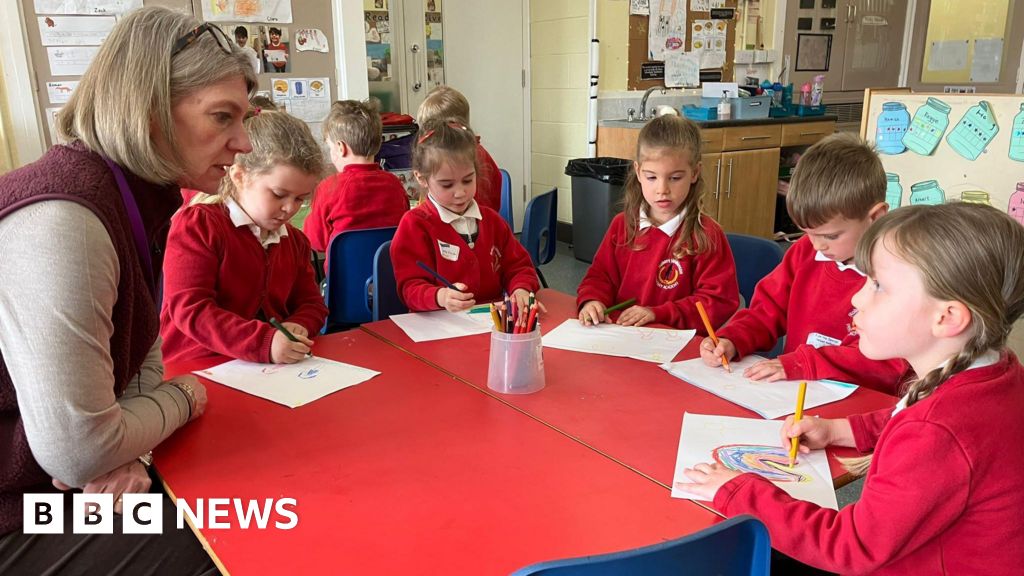
Amid mounting concerns over academic pressures faced by students, officials in Guernsey are exploring innovative solutions to bolster educational outcomes. The possibility of deploying specialist teachers from outside the island signals an understanding that traditional classroom approaches may no longer suffice in nurturing the next generation. This initiative highlights broader societal issues regarding the escalating expectations placed on young learners, the stress they endure, and its ripple effects on families and communities.

The decision comes at a time when educators and social commentators recognize that the pressures confronting students are multifaceted. Many families are grappling with the demands of competitive academic environments, which often lead to anxiety, burnout, and a sense of inadequacy among pupils. According to sociologist Dr. Lisa Grant, “When the focus shifts solely to exam results, the holistic development of a child is compromised, impacting not only their well-being but also the stability of family units and local communities.” The involvement of specialist teachers is intended to offer targeted support, alleviate some of these burdens, and foster an environment where learning is less about pressure and more about engagement.

Incorporating external expertise aligns with global trends emphasizing mental health and student-centered learning,” notes educational historian Dr. Paul Evans. However, critics caution that merely bringing in specialists may overlook deeper structural issues, such as curriculum rigidity or societal expectations that dictate academic excellence as the primary pathway to success.

  • Many families face economic strains that hinder access to supplementary resources, intensifying disparities and academic inequalities.
  • Schools are often underfunded, limiting their capacity to offer personalized support or mental health services.
  • The societal fixation on individual achievement fosters competitive atmospheres, which can be detrimental to community cohesion and the collective well-being.

Addressing these issues requires a comprehensive approach—one that involves community engagement, policy reform, and investment in mental health infrastructure.

As society advances, the challenge remains to cultivate an environment where young people can thrive without sacrificing their mental health or social bonds. The integration of specialists into Guernsey’s educational framework exemplifies one step toward that goal, emphasizing the need for resilient communities capable of nurturing not only academically capable but emotionally healthy individuals. In the quiet hopes of a child finding joy in learning and a family standing united amidst societal pressures, dawns a new opportunity for transformation—if society dares to pursue it with earnest resolve.

British billionaire Chris Rokos pledges £190m to support Cambridge students and innovation

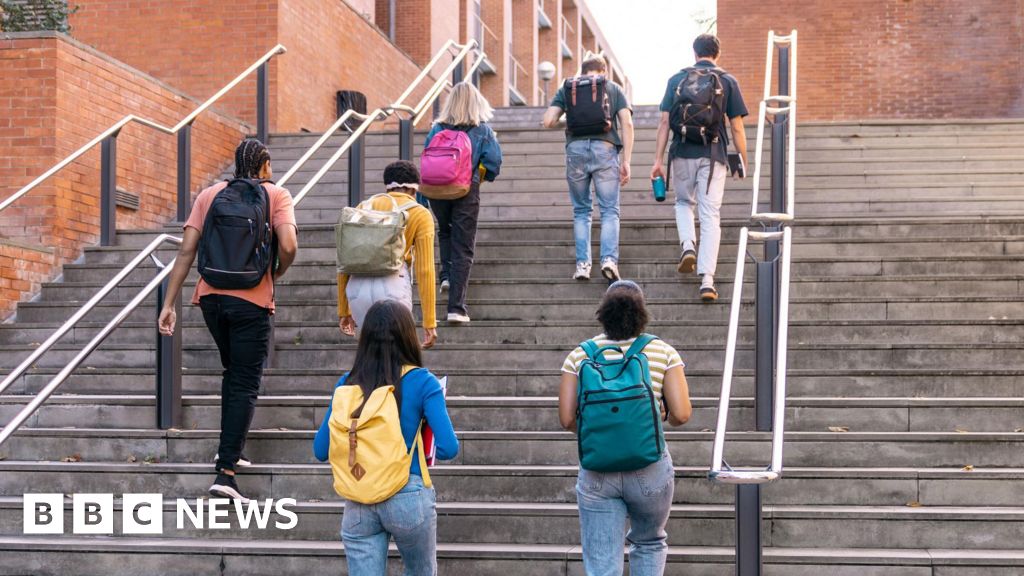
In an era marked by rapid technological advancements and shifting cultural paradigms, societies worldwide are confronted with profound challenges that ripple through families, education systems, and communities. These upheavals are not merely superficial trends but fundamental transformations that compel social actors to reevaluate their approaches to governance, societal values, and human development. As noted by influential figures in education and politics, institutions such as Cambridge University exemplify a tradition rooted in scientific innovation and collaborative culture—traits that are desperately needed in our current climate of uncertainty. The question remains: how do these institutions adapt to ensure that social cohesion and moral integrity are preserved amidst the chaos?

Social issues such as economic inequality, demographic shifts, and cultural tensions are increasingly affecting the foundation of family life and educational environments. For many families, the widening gap between the privileged and those languishing in poverty undermines the stability necessary for healthy development of children and youth. Sociologists like Charles Murray have long argued that educational disparity contributes significantly to societal polarization, threatening to fracture the social fabric. Schools, once centers of learning and social mobility, are now battlegrounds for addressing these divides.

  • Students from marginalized communities face barriers to quality education that limit their future opportunities.
  • Educational institutions struggle to balance inclusion with preserving a sense of civic order and national identity.

This dynamic exerts a direct influence on families, as parents grapple with ensuring their children’s safety and future prospects in a turbulent environment.

Within this context, the cultural shift towards individualism and identity politicization often fuels generational tensions, complicating the task of fostering unified communities. As social commentators highlight, these tensions can strain the very bonds that uphold societal cohesion. Importantly, despite these challenges, there is a growing recognition of the need to reaffirm traditional values of responsibility, community service, and national unity. Thought leaders and historians, such as Yuval Noah Harari and Victor Davis Hanson, emphasize that **building resilient communities requires a collective effort focused on moral foundations and shared purpose**. Policies aimed at strengthening family stability and supporting local initiatives become crucial in reversing fragmentation and reinvigorating a sense of belonging among youth.

Ultimately, the social fabric of our societies hinges on our ability to adapt with prudence and resolve. The path forward demands a deliberate effort to bridge divides—culturally, economically, and ideologically—by empowering families, reforming educational paradigms, and promoting civic engagement. As communities confront their own strains and crashes, hope persists in the possibility of societal renewal. Perhaps, as history shows, it is through facing adversity that society finds its true strength—learning to navigate the turbulent waters of change with a moral compass intact, steering toward a horizon where the enduring bonds of family and community can flourish once more. In that future, we may find, lies the mirror of our collective resilience and the blueprint for generations yet to come.

Social Media Auto Publish Powered By : XYZScripts.com