Matox News

Truth Over Trends, always!

Billions in SEND funding to boost school inclusivity, government vows to fairer future
Charity warns SEND reforms may weaken kids’ legal protections—challenging society’s commitment to vulnerable youth

Planned Changes to England’s SEND System Spotlight Critical Social Issues

In recent developments, the government in England announced significant reforms to the Special Educational Needs and Disabilities (SEND) system, aiming to reshape the landscape of support for children and families facing neurodiversity and other special needs. While these reforms are often framed as a necessary step toward improving educational inclusion, they unveil deeper social tensions and cultural shifts surrounding what it means to truly serve diverse learning needs. The reforms come at a time when many families rely heavily on an overstretched system that has struggled to meet the complex needs of their children, raising critical questions about equity, community inclusion, and moral responsibility within society.

Historically, the SEND system has been a battleground of social policy, as sociologists like Michael Young highlighted decades ago, emphasizing the importance of equitable access to education as a foundation for social cohesion. Today, however, the new proposals suggest a shift towards more localized control and a focus on streamlining services. While this might address some administrative inefficiencies, critics warn that such decentralization risks deepening disparities among communities in socio-economic and cultural terms, potentially leaving the most vulnerable without the necessary support. The impact on families is profound: increased bureaucratic hurdles can exacerbate anxiety, as parents are often left navigating complex systems, risking their children’s educational and social inclusion.

Underlying the policy shift is a broader cultural debate about how society values neurodiverse individuals and what constitutes a fair and compassionate community. Some social commentators argue that the reforms may inadvertently reinforce misconceptions, framing disability as an issue to be managed within a fragmented system rather than as part of a collective moral obligation to embrace and serve all members of society. In this landscape, schools, local authorities, and families are interconnected; changes here could determine whether children with SEND experience a genuine sense of belonging or remain on society’s fringes. Furthermore, the education sector faces the challenge of balancing resource limitations with the moral imperative to foster inclusive environments, a concern articulated by sociologist David Matza, who emphasized that the social acceptance of difference is foundational to social stability.

  1. Challenges include inconsistent access to specialist support, disparities based on geography or socioeconomic background, and the risk of marginalization for those with complex needs.
  2. Proposed solutions focus on strengthening local authority budgets, integrating community resources, and enhancing specialist training for school staff.
  3. Yet, critics argue that without broader societal change—such as tackling inequality and stigma—these measures are insufficient to create genuine inclusion on their own.

Ultimately, the question remains: how can society reconcile its promise of justice and equality with the reality of limited resources and cultural biases?’ In an era increasingly defined by identity, diversity, and social justice discourse, the future of the SEND system may serve as a mirror reflecting society’s core values. As communities stand at this crossroads, the hope lies in fostering a shared moral perspective—where the dignity of every child is non-negotiable, and support for families becomes a societal priority rather than an afterthought. It is in this collective effort that society may find its true strength, transforming these challenges into opportunities for a more inclusive, compassionate future—one in which every child is given the education not just to survive, but to thrive.

Lords to Decide on Law Failing to Shield Kids of Convicted Pedophiles

In recent weeks, the UK Parliament has been engaged in a heated debate over the adequacy of legislation designed to safeguard children from dangerous, convicted offenders. At the heart of this discussion is a proposed law aimed at restricting parental rights for individuals convicted of serious sexual offences against minors. While recent efforts focus on legal measures to prevent known offenders from exerting influence over their own children, the broader societal implications reveal a complex web of social and cultural tensions. These issues hit close to home for many families, threaten the integrity of community bonds, and challenge traditional notions of parental responsibility.

The Victims and Courts Bill proposes that anyone convicted of such heinous crimes who receives a sentence of four or more years will automatically lose parental responsibility. This is a critical step forward for protecting children from further harm—but critics note that the legislation fails to address a significant loophole: what happens to children born after the offender’s conviction? Many argue that without a comprehensive approach, the risk persists that future children might be left vulnerable, even if their biological parent has a conviction on record. A proposed amendment—introduced by former family court judge James Meston—aims to close this gap, suggesting that individuals convicted of severe sexual offences should be barred from acquiring parental responsibility even at a child’s birth, thus ensuring that families are shielded from future dangers.

This debate is layered with societal and ethical questions that extend beyond legislative language. Alarming cases, such as the BBC report of a mother legally fighting to prevent her ex-husband—a convicted paedophile—from contacting their child, underscore the urgent need for clearer policies. According to sociologists like Dr. Laura Sanchez, the social fabric of families and communities is deeply impacted by the presence of offenders with unchecked parental rights. When offenders retain influence, they can manipulate or coerce their victims—often family members—recreating cycles of trauma and fear that ripple through generations. In this context, the moral and human rights of children to protection and stability must be prioritized over the rights of offenders, especially when those rights could endanger innocent lives.

  • Legal amendments aim to restrict offenders with certain convictions from acquiring parental responsibilities at birth.
  • The legislation seeks to prevent future children from being exposed to potential abuse by their biological parent.
  • Critics emphasize the importance of balancing individual rights with community safety and moral responsibility.
  • Experts suggest that societal cohesion depends on clear boundaries that protect vulnerable populations without infringing on legitimate parental rights.

Ultimately, the challenge lies in fostering a society that upholds the moral duty to protect vulnerable children while respecting the legal frameworks meant to preserve human rights. Historians remind us that societies often grapple with balancing justice and compassion, and social commentators warn that ignoring the long-term impact of these decisions could erode the moral fabric of communities. As Parliament considers amendments to close legal loopholes, society stands at a crossroads—whether it will prioritize the safety of its most innocent or risk future cycles of harm. In the quiet reflection of this societal struggle, there lies a hopeful promise: that through diligent laws and collective resolve, a future can emerge where families flourish free from the shadow of unchecked predation. Society’s greatest strength remains its capacity to evolve, and in protecting its children today, it sows the seeds of a safer, more just tomorrow.

Are Traditional School Uniforms Fading? Why Some Schools Are Embracing 'Active' Dress Codes for a Modern Generation
Are Traditional School Uniforms Fading? Why Some Schools Are Embracing ‘Active’ Dress Codes for a Modern Generation

In recent years, a notable trend has emerged within the sphere of urban education policy: the push toward relaxed school uniforms. Advocates argue that this shift caters to the practical needs of children, fostering a more comfortable, inclusive environment where students can focus on learning rather than conforming to traditional dress codes. Such proponents maintain that allowing students to choose less restrictive attire diminishes the burdens placed on families—particularly those from economically disadvantaged communities—and encourages a healthier, more dynamic atmosphere conducive to physical activity and creative expression. However, beneath these promising perceptions lies a complex web of social tensions and cultural shifts that reveal much about the evolving landscape of our shared societal values.

As sociologists like Dr. Jane Harper of the Social Dynamics Institute observe, educational attire has historically served as an important marker of social cohesion and discipline. Traditional uniforms aimed to diminish inequalities rooted in socioeconomic disparities, fostering a sense of collective identity among students. Moving towards more relaxed standards raises questions about whether such policies inadvertently undermine efforts to promote equality and discipline, or whether they reflect a necessary adaptation to the realities faced by modern youth. Critics warn that loosening dress codes might subtly erode the boundaries that help ground responsibility and decorum—values that have historically anchored communities and shaped moral development among young people.

This debate is further compounded by the fact that families are at the crux of this social transformation. For many parents, particularly from working-class communities, relaxed uniforms can ease morning routines and reduce financial strain—no longer requiring costly gown purchases or strict adherence to dress standards. Yet, others fear that such shifts could embolden a broader cultural move away from respect for tradition and authority, challenging communal norms that foster social stability. As social commentator Marcus Holloway notes, these policies are not simply about clothing; they are emblematic of a larger struggle over cultural identity and the societal values that shape our youth, our families, and the future of our collective life.

  • Many schools and districts are experimenting with relaxed uniform policies aimed at increasing student comfort and participation in physical activities.
  • Concerns persist that these changes could weaken social cohesion or diminish the educational environment’s moral authority.
  • Cultural tension exists between maintaining order and embracing individual expression—a fine line that influences family life and community morale.
  • Solutions proposed include community dialogue, clear guidelines balancing freedom with responsibility, and fostering a shared understanding of societal values among students.

Ultimately, the debate over school uniforms encapsulates larger questions about who we are as a society and what we value most in nurturing future generations. As sociologists remind us, these choices reflect and influence the moral fabric of our communities. As families and educators navigate this terrain, they are tasked with balancing personal freedom and societal responsibility, striving for an environment that supports both individual growth and social stability. The path forward remains uncertain, but it is within this ongoing conversation—rooted in respect, shared purpose, and the hope for a unified society—that the true challenge and opportunity lie: to build a future where societal bonds are reaffirmed, and each generation inherits a shared commitment to moral excellence and community resilience. Only then can society hope to confront its social issues not as insurmountable barriers, but as catalysts for meaningful transformation.

Trump chaos pushing more youth to seek help — society’s in flux

Across families, schools, and communities, the pervasive impact of burgeoning social and political crises cannot be overstated. As sociologists like Ann Cvetkovich and mental health professionals observe, a palpable wave of political depression is emerging, where individuals grapple not only with external chaos but also with internal despair. For many, this despair manifests as a feeling of helplessness, compounded by the notion that traditional avenues of resistance or engagement are effectively collapsing. The result is a societal disconnect that threatens to weaken the very fabric that holds communities together, undermining the hope and resilience needed to face ongoing economic disparities, cultural tensions, and government overreach.

For families and youth, these social fissures translate into a disorienting landscape where uncertainty reigns. With education systems often caught between progressive agendas and conservative backlash, young minds are left navigating a complex, often divisive moral terrain. Historians like Howard Zinn warned that societal malaise grows when civic engagement declines, and today, that warning resonates more acutely. Families report rising anxiety and frustration, with children witnessing unrest at home and in their neighborhoods. Additional stressors, such as rising crime, politicized schooling, and pervasive misinformation, threaten long-term societal stability. Amidst this chaos, the moral challenge looms: how can communities support a generation at risk of growing disillusioned and disengaged? The answer appears to lie in reclaiming community bonds and fostering a renewed sense of agency among young people.

Educational and community leaders emphasize the importance of building resilience through collective action. Initiatives like community support groups, youth activism, and artistic collaborations offer pathways for young individuals to channel their emotions into constructive endeavors. As social commentators argue, these efforts are more than just symbolic—they can forge meaningful change and rekindle faith in democratic participation. Furthermore, mental health professionals advocate for strategies that promote *engagement without burnout*, emphasizing the necessity to mobilize consciousness with care. According to Brett Ford, an associate professor of psychology, social resilience depends on maintaining a balance where individuals are informed and active, yet protected from the debilitating effects of chronic stress. The challenge lies in creating environments where young voices are not only heard but empowered to shape their societies rather than retreat from them.

Ultimately, the social issues facing our communities, families, and institutions are intertwined with broader cultural shifts and demographic transformations. Yet, amidst the turbulence, there remains a flicker of hope—through community, art, and active engagement. The stories of individuals like Rebecca McFaul and advocates like Shahem Maclaurin remind us that resistance does not always look like protests or headlines; it begins with the small acts of hope we nurture within our circles. As society stands at a crossroads, the challenge is to hold onto the belief that society’s collapse is not inevitable—that through conscious connection, education, and mutual support, a renaissance of resilience is possible. It is in our collective response to these societal wounds that we find the potential to heal, rebuild, and redefine the future—one where hope becomes the foundation for lasting change, echoing the timeless truth that even in darkness, the human spirit can ignite a brighter dawn.

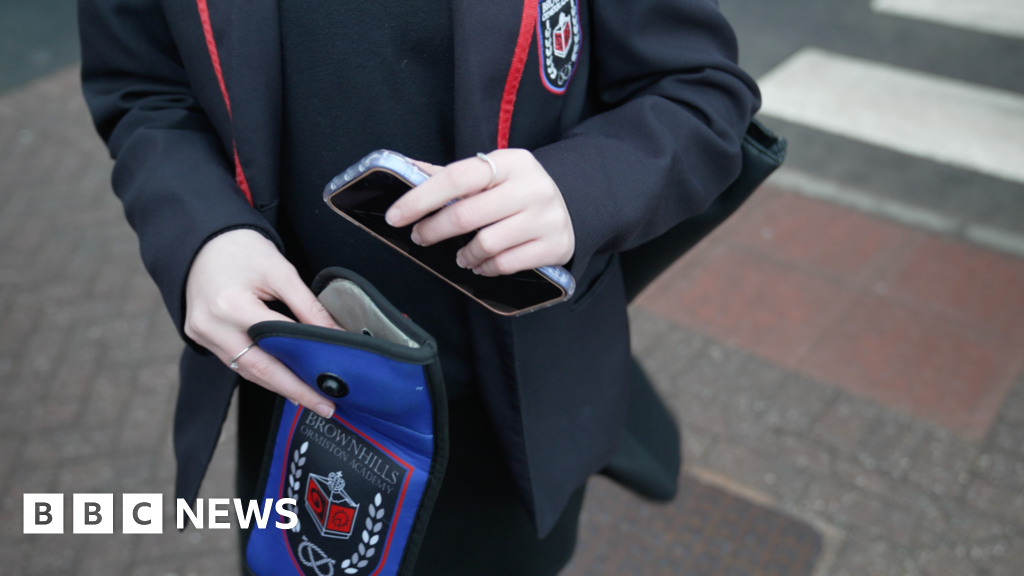
Students ordered to ditch blazers to boost safety and curb violence

In an era where digital platforms have become the battlegrounds of youth identity and social influence, troubling trends have emerged that threaten the fabric of families and communities across the country. Posts encouraging conflicts between students of different schools—often derogatory, provocative, and designed to incite violence—are proliferating on social media. This phenomenon not only undermines the spirit of mutual respect and cohesion among youth but also creates ripple effects that destabilize local neighborhoods, educational institutions, and the broader societal cohesion that binds us together.

Experts warn that such social media campaigns foster a dangerous climate of divisiveness and hostility. Historians and sociologists highlight that when kids are encouraged to see peers from other schools as enemies, the boundaries of community dissolve. Families and educators, who are the first line of defense against social fragmentation, find themselves increasingly powerless to combat the online influences that normalise aggression and intolerance. According to Dr. Karen Matthews, a sociologist specializing in youth culture, “these provocative online activities chip away at the shared values of respect and unity that are fundamental to a healthy society.”

Social tensions are compounded by a shifting demographic landscape, underlining the need for a societal approach rooted in higher moral standards and community engagement. It is vital for schools, local authorities, and families to recognize the implications of such divisive actions—particularly how they threaten the safety and emotional well-being of young people. The challenge lies in fostering environments that not only prevent violence but actively promote understanding and reconciliation among diverse student populations.

  • Implementing comprehensive anti-bullying and anti-violence campaigns in schools.
  • Engaging community leaders and parents in dialogues that promote societal cohesion.
  • Utilizing social media literacy programs to equip youth with skills to critically evaluate online content.

In confronting these social issues, it is essential to reflect on how the erosion of community bonds impacts educational outcomes and the moral development of youth. The social fabric that sustains families and neighborhoods hinges on shared principles and collective responsibility. As sociologist Amy Chua warns, “the fragmentation of social trust can lead societies down a path of increasing polarization and alienation, where youth might see conflict as inevitable rather than resolvable.” Yet, amidst these challenges, hope remains. By cultivating resilient communities grounded in respect, understanding, and moral clarity, society can forge a future where young individuals no longer see violence as a means of expressing their identity but as a betrayal of our shared human dignity. In this moment of societal reflection, perhaps the greatest challenge—and opportunity—lies in anchoring our youth in values that transcend division, forging a society that refuses to be defined by conflict but instead finds strength in unity and hope for transformative change.

Why Society Ignores Female Desire: The Paternalism We Must Overcome | Documentary

Across the United States, a complex tapestry of social issues continues to unfold, revealing how cultural shifts and demographic changes profoundly impact families, education, and communities. From the persistent neglect of female sexual health within medical curricula to the ongoing battle over reproductive rights, these struggles underscore a society grappling with its moral and ethical foundations. At the heart of these issues lies a universal desire for autonomy—whether related to sexuality, reproductive freedom, or the very fabric of cultural identity.

Consider the case of female sexual health, a domain historically marginalized within the medical establishment. As documented in the documentary The Pink Pill, the silence surrounding female libido and orgasm demonstrates a troubling disinterest rooted in paternalistic attitudes. While drugs like Viagra gained approval in the late 1990s, efforts to develop and approve female counterparts faced insurmountable hurdles, primarily due to biases and side effect concerns. The story of Addyi, often dubbed “female Viagra,” exemplifies this dynamic. Despite demonstrating benefits for women suffering from HSDD (Hypoactive Sexual Desire Disorder), the drug was plagued by regulatory obstacles, cultural resistance, and immense financial hurdles, ultimately being shelved despite patient demand.

This narrative reflects a broader societal tension: the conflict between public health progress and social skepticism. Sociologists like Dr. Naomi Wolf have pointed out that the suppression of female desire is intertwined with patriarchal notions about morality and gender roles. As healthcare providers and policymakers waver, many women find their choices constrained, a situation aggravated in the post-Roe era, where reproductive autonomy faces ongoing threats. The debate over sexual health remedies is not merely a medical matter but a fragment of a larger cultural war over whose body belongs to whom. For families and communities, this translates into a sense of disempowerment, fostering mistrust and feelings of exclusion from discussions about their own well-being.

Concurrently, the societal narrative surrounding education and social engagement reveals a youth increasingly aware of the disparities that divide. Movements mobilizing around fear of censorship and attacks on free thought reflect a generation demanding both accountability and respect. These efforts echo in the broader fight for bodily rights and social justice—a fight that many argue must be championed from within local communities, as well as national institutions. Community leaders are calling for a renewed commitment to *fostering environments where young people can explore issues like sexuality, mental health, and societal norms without fear of marginalization.* They recognize that educating future generations about ethics, rights, and personal agency is not a challenge of mere policy but of moral integrity.

In the face of this turbulent landscape, there remains hope—an enduring belief that societal change is possible through community activism, education, and the resilience of families. As social commentators like Christopher Lasch have noted, society’s true strength lies in its moral fabric, woven through generations committed to upholding the dignity and rights of every individual. The journey toward healing and equity requires confronting uncomfortable truths, but it also offers an opportunity—a chance to redefine what cultural progress means. Perhaps, in this ongoing struggle, society will rediscover the essential truth: that true liberty begins with respect for individual choice and the moral courage to protect it. Only then can society look forward, with hope, to a future where the rights of families, communities, and individuals are no longer sacrificed at the altar of outdated biases, but celebrated as the foundation of a truly free society.

Government clamps down on study visas from four countries amid abuse concerns

Government Ends Study Visas for Several Countries Amid Concerns of Abuse

In a decisive move, the government has announced the termination of study visas for nationals from Afghanistan, Cameroon, Myanmar, and Sudan. This policy shift is ostensibly driven by concerns over alleged abuses that compromise the integrity of the immigration system. While such measures may appear necessary from a security perspective, they raise profound questions about how social issues intertwine with family stability, educational access, and community cohesion.

Critics argue that these policy decisions disproportionately impact families and young people. Many of those affected are students pursuing education as a pathway to brighter futures, yet face potential barriers that threaten their aspirations. For families, such policies can lead to fragmentation and uncertainty. Children and youth, already navigating the challenges of adolescence, may find their educational journeys disrupted or halted altogether. These students serve as living bridges between cultures, fostering understanding and diversity within our communities. When they are pushed away, it is not just individuals at risk but the social fabric that suffers.

Historically, social commentators such as sociologist James Coleman have emphasized the role of inclusive education in promoting social cohesion and economic development. By restricting access based on national origin, society risks deepening divisions that threaten to erode the foundational values of openness and fairness. Additionally, the ripple effects extend beyond individual students, impacting local communities, educational institutions, and the workforce of tomorrow. These youthful populations bring vitality but also require the support of effective policies that embrace inclusion, not exclusion.

  • Policy implementations that target specific national groups can lead to social marginalization and rise in community tensions.
  • Families may face financial hardship and emotional strain due to disrupted educational pathways.
  • Educational institutions lose diverse perspectives, which are essential for fostering a globalized learning environment.
  • Communities may become more insular if policies appear to discriminate based on ethnicity or nationality.

The challenge lies in balancing security concerns with the ethical responsibility to uphold human rights and promote societal integration. Many social commentators, including historians like Howard Zinn, have argued that history shows us the importance of compassionate policies that recognize the inherent dignity of every individual. Now, more than ever, it is crucial to develop solutions that address abuse without resorting to blanket bans that stigmatize entire communities.

Ultimately, society faces a critical crossroads. As families struggle with uncertainty, and educational institutions grapple with maintaining diverse environments, the hope rests in building bridges rather than walls. The strength of a society is measured by its capacity for resilience and remembrance of its moral commitments to human dignity. Turning adversity into an opportunity for reform, communities can forge a future where education becomes a unifying force that elevates rather than divides. As reflective social thinkers remind us, it is through understanding and compassion that society finds the true blueprint for lasting progress.

Prediction Markets and Nuclear War Risks: Will the UK Embrace This Bold New Gamble?

Society at a Crossroads: The Impact of Prediction Markets on Families, Education, and Communities

Amidst escalating global conflicts and societal upheavals, a new phenomenon has emerged which threatens the moral fabric of our communities — prediction markets. Originally rooted in traditional betting exchanges like Betfair, these platforms have evolved into arenas where individuals wager on everything from political outcomes to cultural phenomena, often expressed in percentages or binary yes/no formats. They encapsulate a *cultural shift* where the realm of chance infiltrates serious discussions on current affairs—sometimes in ways that deprive families and communities of their moral grounding. The recent controversy surrounding Polymarket, a prediction platform that invited wagers on nuclear apocalypse, exemplifies this disturbing trend. The backlash reflects society’s discomfort with dollar signs placed on events that impact millions, exposing a moral dilemma that echoes through the halls of families, schools, and local communities.

This paradigm not only distorts moral boundaries but also impacts families and education systems. The commodification of critical issues like war, propaganda, and societal crises threatens to desensitize youth, who are vulnerable to the seductive allure of quick gains and sensationalism. Sociologists like George Ritzer warn that the pervasive influence of late capitalism turns complex societal challenges into trivialized markets, eroding the capacity for genuine civic engagement. Moreover, the rise of prediction markets complicates the ethical landscape, with signs of manipulation and insider trading—highlighted by recent scandals involving bets placed shortly before significant military actions or political upheavals. Such behaviors cast a shadow over the societal trust essential for cohesive communities, making families increasingly wary of the moral consequences of engaging with these platforms.

The *demographic appeal* of prediction markets extends beyond gambling enthusiasts, targeting a *youthful demographic* attuned to the language of financial trading. As regulators in the UK and US scrutinize these markets, questions arise about their influence on *public morals* and societal values. In the US, legislative efforts to curb what many argue is disguised gambling illustrate a broader societal concern: the fragile line between entertainment and exploitation. The danger lies in fostering a culture where insider knowledge, manipulation, and unethical speculation threaten to undermine trust in democratic institutions, skew political discourse, and trivialize the sanctity of life and human suffering. For families and communities, this represents a moral wound, as society grapples with maintaining its ethical compass amidst the allure of instant gratification.

Despite these challenges, there remains a *glimmer of hope*—the capacity for societal reflection and ethical renewal. Education systems, community leaders, and policymakers have a role in safeguarding moral boundaries, emphasizing values of integrity, respect, and human dignity. As social commentators like Rodney Stark suggest, societal progress hinges on reaffirming our moral commitments and nurturing resilient communities that refuse to commodify human suffering. The future may yet be shaped by a collective effort to prioritize ethical considerations over fleeting gains, to stand against manipulation, and to protect families from the corrosive influence of profit-driven social practices. In this ongoing struggle, society’s greatest victory will be in choosing empathy over exploitation—an enduring reminder that behind every wager lies a human story, and that true societal strength rests in our shared commitment to uphold human dignity in all its forms.

Government mandates allergy training in all English schools to protect our youth

In recent years, public schools across the country have faced rising challenges related to student health issues, notably allergies that can pose serious risks. In response, institutions like Houghton School have taken proactive measures—allocating budget for staff training and updated equipment—to address these concerns. Such efforts aim not only to provide a safer environment but also to reflect a broader societal shift towards increased awareness of health-related inclusivity. Yet, this change illuminates deeper social dynamics, revealing how families, education systems, and communities navigate the complex landscape of emerging health vulnerabilities and the moral imperative to protect all students.

The increased attention to allergies signifies more than a logistical adjustment; it underscores a societal recognition of the diverse needs of children that often require tailored approaches. In the classroom, teachers and staff now undergo specialized training—a necessary response to ensure emergency preparedness. This development exposes the evolving role of educators as guardians of not just academic success, but student well-being. Sociologists like Robert Putnam have highlighted how societal bonds are increasingly tested by the necessity for institutions to adapt rapidly to demographic and health shifts, emphasizing that such changes—while challenging—can foster a greater sense of community resilience.

Yet, the social implications extend beyond mere compliance or safety protocols. For families managing allergies, the stakes are intensely personal. When a child’s safety hinges on detailed medical plans and constant vigilance, the emotional and financial burdens often fall on parents. As school counselor and social commentator Dr. Lisa Garcia notes, “It’s not just about avoiding an allergic reaction; it’s about ensuring a child’s right to participate fully and safely in education, irrespective of health challenges.” This shift highlights the importance of embracing inclusive practices—not just as policy but as a moral commitment—to fostering an environment where no child is marginalized due to health issues. Schools that invest in such inclusivity challenge the misconception that social issues are separate from core educational outcomes.

While these steps are encouraging, they also spot light broader social issues—such as inequities in healthcare access, disparities among socio-economic groups, and the societal need for greater understanding of inclusive health policies. To address these,

  • schools must forge partnerships with health professionals and community organizations
  • policy-makers should prioritize funding for comprehensive health and safety programs
  • public awareness campaigns can dispel misconceptions about allergies and foster empathy

To build truly resilient communities, these elements are essential. As social historian Dr. Michael Adams states, “The fabric of society is woven from the threads of shared responsibility and compassion. When communities strengthen their collective understanding, they fortify their future.”

In closing, the ongoing efforts to protect children through allergy management reveal a society grappling with new social realities, demanding moral clarity and collective action. It reminds us that each child’s safety is a reflection of our societal values. As families and educators work together to navigate these challenges, there emerges a quiet hope—one that suggests our society can evolve from reactive measures to proactive unity, shaping a future where inclusion and safety are not mere ideals but everyday guarantees. Amid the uncertainties of social change, there lies an enduring promise: that through understanding and commitment, communities can transform adversity into an enduring testament to human resilience and moral integrity.

Lobbyists threaten legal action against councils over anti-wood burner bans—pushing back against government overreach on air quality

Societal Shadows: The Hidden Toll of the UK’s Wood-Burning Stove Industry

The rise of domestic wood-burning stoves in the UK reflects not only a cultural shift toward cozy, environmentally conscious living but also a complex web of public health risks and social tensions. Despite their growing popularity, especially among younger families seeking aesthetic appeal and sustainable credentials, these stoves pose significant challenges to families, communities, and public health systems. Recent investigations reveal that industry lobbyists are actively working to influence local governments against public health campaigns aimed at curbing indoor air pollution—a move that raises fundamental questions about whose interests are prioritized in societal decision-making.

At the heart of the controversy lies the industry’s aggressive lobbying efforts. The Wood-burning Stove Industry Association (SIA) has threatened legal action against at least eight London boroughs, claiming that their public flyers, which label wood burners as “careless, not cosy,” breach UK advertising laws. This pushback echoes a broader pattern whereby industry actors seek to manipulate public discourse, reminiscent of past tactics employed by tobacco and fossil fuel sectors to derail health-oriented policies. Critics, including social commentators and health advocates, argue that such tactics hide the grim reality: even eco-design stoves, promoted as lower-emission options, contribute significantly to particulate matter like PM2.5, which is linked to a wide array of health issues, from respiratory illnesses to premature death.

Families and communities bear the brunt of this misrepresentation. With about one in ten UK households now installing these stoves—often in dense urban environments—the cumulative effect has become one of the nation’s largest sources of air pollution, accounting for roughly 20% of fine particulate emissions. As sociologist Dr. Emily Richardson notes, this shift impacts social cohesion and environmental justice. Urban families living in close proximity face heightened exposure, with health disparities disproportionately affecting lower-income neighborhoods that rely more heavily on such Heating options. Children and the elderly, especially vulnerable groups, are caught in the crossfire of political and industrial battles over information and regulation.

Equally concerning is the moral dimension: how industry influence threatens the moral fabric of societal responsibility. As historian Dr. Samuel Keller highlights, the pattern of lobbying and misinformation surrounding wood-burning technology echoes the manipulative tactics of industries that historically prioritized profit over public well-being. Campaigners like Mums for Lungs decry such efforts as a direct assault on health campaigns designed to protect the most vulnerable. Meanwhile, public health agencies find themselves navigating a landscape where misinformation is weaponized to uphold commercial interests, undermining the very principle of community welfare.

As policymakers contemplate regulations, the challenge lies in balancing economic interests with moral responsibility. The UK government’s current consultation on wood-burning stoves aims to introduce lower-emission models and health warnings but stops short of endorsing bans in urban areas—a decision critics say perpetuates the cycle of misinformation and environmental harm. The challenge moving forward involves not only tighter regulations but also empowering communities with transparent, truthful information. Only then can society truly address the ethical imperative to safeguard public health, protect families, and preserve the environment for generations to come.

Reflections on Society’s Path

This story encapsulates a society wrestling with its values: the desire for comfort and aesthetic appeal against the undeniable need for health and justice. Beneath the smoke and mirrors of industry influence lies a profound question—what kind of society do we aspire to be? One that prioritizes profit at all costs, or one that champions the health and dignity of every family, community, and future generation?

Social Media Auto Publish Powered By : XYZScripts.com