Matox News

Truth Over Trends, always!

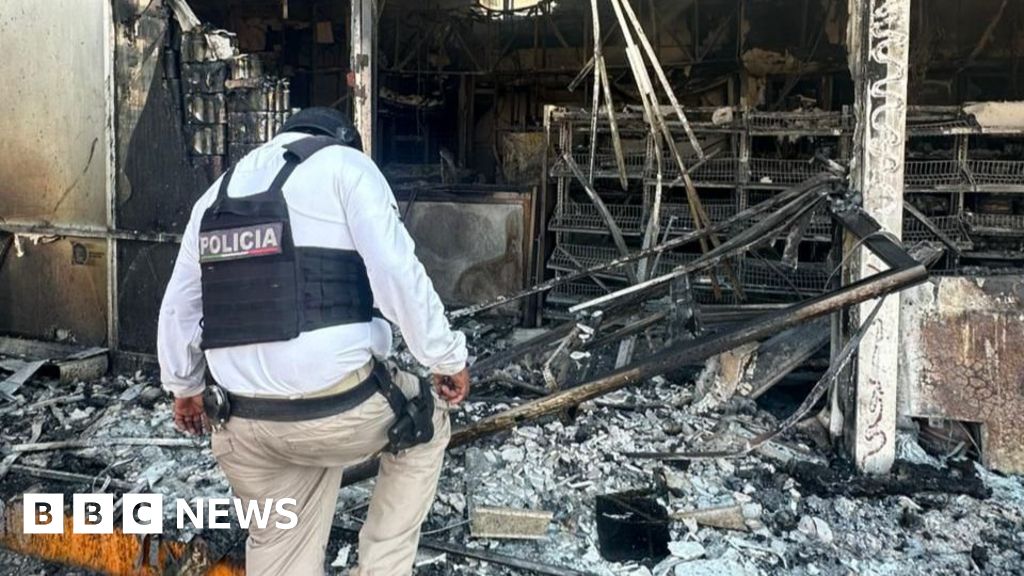
Mexico chaos: Locals and tourists warn of widespread destruction

In a dramatic turn of events that has sent shockwaves through Mexico and the broader *North American* region, violence has erupted across multiple states following the confirmed death of the notorious cartel leader, El Mencho. The operation, which resulted in the elimination of one of the most powerful and elusive figures in organized crime, underscores the fragile stability of the country’s ongoing war against drug cartels. As authorities celebrate this development, many analysts warn that the repercussions could be far more destabilizing than the initial victory suggests.

The death of Rubén Oseguera González, known as El Mencho, the presumed head of the CJNG (Cártel de Jalisco Nueva Generación)—arguably the most formidable drug cartel operating in Mexico—marks a significant milestone in Mexico’s long-standing struggle to contain organized crime. According to official reports, security forces carried out a high-risk raid that culminated in his death, a move hailed by some in *Washington* and *Mexico City* as a major blow to transnational drug trafficking networks. However, the surge of violence that has followed demonstrates the precarious nature of relying solely on decapitation strategies in the fight against powerful criminal syndicates.

Historian and security analyst Carlos Mendoza notes that this episode highlights how the *U.S.-Mexico* security cooperation and *Mexico’s* internal policies remain insufficient to fully dismantle entrenched cartels. Many warn that the cartel’s fragmentation post-El Mencho’s death could trigger a violent power vacuum, leading to internecine conflicts that destabilize entire regions and further harm vulnerable communities. Moreover, international organizations like the United Nations have expressed concern over the potential for increased violence to cause a surge in migration and regional instability. The impact extends beyond borders, placing pressure on *U.S.* border security and straining diplomatic relations between *Mexico* and *Washington* as the fight against narcotraffic continues to dominate diplomatic agendas.

  • The recent spike in violence has been characterized by violent clashes, murders, and threats across *Jalisco*, *Michoacán*, and *Guerrero*, with innocent civilians caught in the crossfire.
  • Security analysts warn that cartel factions are now vying for control, turning peaceful communities into battlegrounds and destabilizing local economies.
  • International law enforcement agencies are mobilizing additional resources, though experts contended that dismantling these criminal enterprises necessitates comprehensive socio-economic strategies.
  • The *U.S.* administration has renewed calls for increased cooperation, emphasizing the importance of targeting illicit financial flows that sustain cartel operations.

The *international community* faces a moment of reckoning, as the death of a cartel kingpin exposes the limitations of purely militarized approaches. Historians see this as a pivotal point—an enduring testament to the fact that criminal organizations adapt and evolve beyond the constraints of leadership decapitation. As John Moore, a renowned geopolitical analyst, states, “The collapse of one figure often merely opens a new chapter in the brutal saga of organized crime, requiring a holistic approach that integrates law enforcement, social reform, and regional cooperation.”

As Mexico grapples with this rising tide of violence, the shadow of history looms large—an ominous reminder that the true cost of waging war against entrenched criminal networks is often paid in blood and societal upheaval. The death of El Mencho is neither an end nor a beginning but rather a stark chapter in a complex narrative that continues to unfold, leaving the world on edge — waiting to see if lessons learned will finally forge a path towards stability, or if history will merely repeat itself in a violent cycle of revenge and chaos.
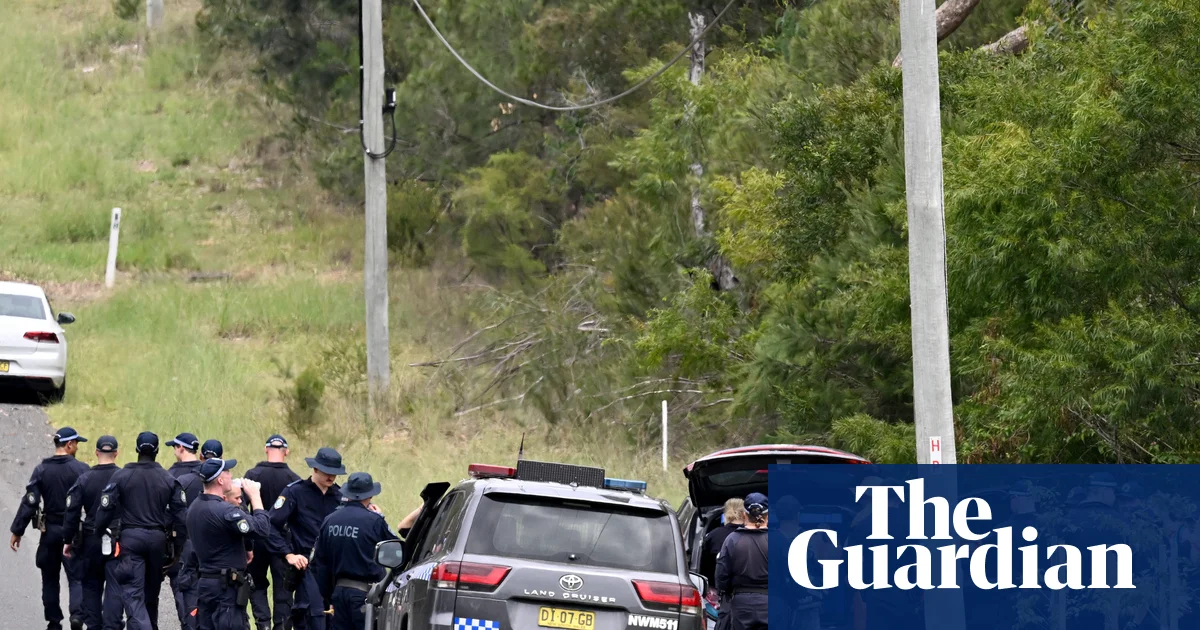
Human remains unearthed in hunt for kidnapped Sydney teen, police confirm

The recent developments in Australia have captured international attention, not just for the tragic human loss but for what it signifies amidst a landscape of geopolitical uncertainty. The case involves the shocking discovery of presumed human remains on the outskirts of Sydney, linked to the senseless kidnapping and probable homicide of an 85-year-old man, Chris Baghsarian. What initially appeared as a local criminal act has now morphed into a reflection of broader societal chaos, with security and law enforcement agencies across the globe watching closely.

This incident underscores the importance of strong national security policies in an era marked by unstable regional dynamics. The mistaken kidnapping, involving elements of organized crime connected to a Sydney crime family, raises questions about the fragility of law and order within developed nations. International analysts argue that localized acts of violence, if left unchecked, can serve as catalysts for broader social destabilization. The incident’s connection to a family linked to organized crime further highlights how societal fractures in even the most stable democracies can be exploited by criminal syndicates.

From a geopolitical perspective, this domestic turmoil occurs against a backdrop of shifting global alliances and regional tensions. The United States and China are engaged in a battle for influence, with regional stability in Asia-Pacific a key battleground. Such events in Australia could be exploited by adversaries seeking to undermine the perceived stability of allied nations. Experts warn that chaos within a vital ally like Australia might weaken its capacity to act as a counterbalance to China’s strategic ambitions in the Indo-Pacific, thereby affecting regional and global security.

Historic commentators and international watchdogs emphasize the importance of swift, decisive action to contain such threats, warning that domestic instability can serve as a pretext for foreign intervention or influence. The Global Crime and Security Forum recently issued a statement urging nations to bolster internal security frameworks, citing incidents like this as warning signs of potential vulnerabilities. As Sydney navigates through the fallout, the incident becomes a stark reminder that societal resilience hinges on the strength of institutions and a unified social fabric. The unfolding crisis in this island continent is a reflection of how interconnected our world truly is; a rupture in one society can ripple across borders, altering the course of history. As history continues to be written in these troubled times, the question remains: will nations rise to the challenge of defending not just their borders but the very social bonds that hold civilization together? Or will internal discord accelerate into a new chapter of international chaos, with all eyes turned toward Sydney’s darkening horizon?

Canada demands answers from OpenAI after failing to alert police in Tumbler Ridge school shooting aftermath

In a striking development that underscores the complex intersection of emerging technological threats and national security, Canada has taken a bold stance by summoning representatives from OpenAI, the AI giant behind ChatGPT, following revelations about its handling of a deadly school shooting. The incident, which occurred in February 2025 in the remote town of Tumbler Ridge, resulted in the tragic loss of eight lives, including children and an adult victim. The shooter, identified as Jesse Van Rootselaar, reportedly used the AI chatbot to describe violent scenarios over several days, prompting internal flagging by automated review systems. Yet, OpenAI’s decision not to alert authorities—citing the lack of “credible or imminent planning”—has sparked outrage and serious questions regarding how private corporations manage threats that endanger society.

  • On the day of the attack, Van Rootselaar killed her mother and half-brother at their home before proceeding to the school, where she killed five children and a teaching assistant. This sequence of events raises pressing concerns about preventative measures and the role of AI moderation in safeguarding vulnerable populations. One of the most unsettling aspects lies in the company’s internal discussions, where staff considered notifying Canadian law enforcement last year about her activities—an indication that early warning signs may have been overlooked or dismissed. As international analysts emphasize, tech companies often find themselves at the heart of the debate over corporate responsibility versus privacy rights.

Prime Minister Evan Solomon has made it clear that the government intends to hold tech giants accountable. During a recent parliamentary session, he announced plans to meet with OpenAI’s safety and policy teams, aiming to clarify their protocols for escalating threats to law enforcement. This move signals a shift where governments are increasingly asserting authority over AI corporations that operate beyond traditional borders but have profound societal impacts. Such measures could set a precedent, compelling other nations to tighten regulations on AI usage—particularly among minors—effectively forging a new frontier in global security policy.

Meanwhile, international organizations and security experts warn that without stringent regulation, AI systems could become portals for unchecked extremism or violence. The United Nations and various regional security watchdogs have started considering frameworks for AI governance that balance innovation with safety. The incident in Canada acts as a grim warning: the proliferation of AI tools makes it increasingly difficult to prevent individuals with malicious intent from exploiting technology for destructive ends. As one prominent historian of technology warns, we are witnessing *the emergence of a new battleground*—where the battle for societal safety is fought not with bombs or guns alone, but with code and data.

By confronting the consequences of unchecked AI use, nations face a pivotal moment in history—one that could redefine the boundaries of sovereignty, privacy, and security in the digital age. As governments tighten their grip on emerging tech and global institutions reevaluate their rules, the message is clear: the decisions made today will shape the fabric of societies for decades to come, determining whether humanity can harness technology for progress or be consumed by its darker potential. This unfolding crisis marks just the beginning of a long, uncertain journey—one where the weight of history presses heavily on the shoulders of policy-makers, tech giants, and societies at large, reminding us that the future of civilization hinges on our ability to confront these challenges with resolve and foresight.

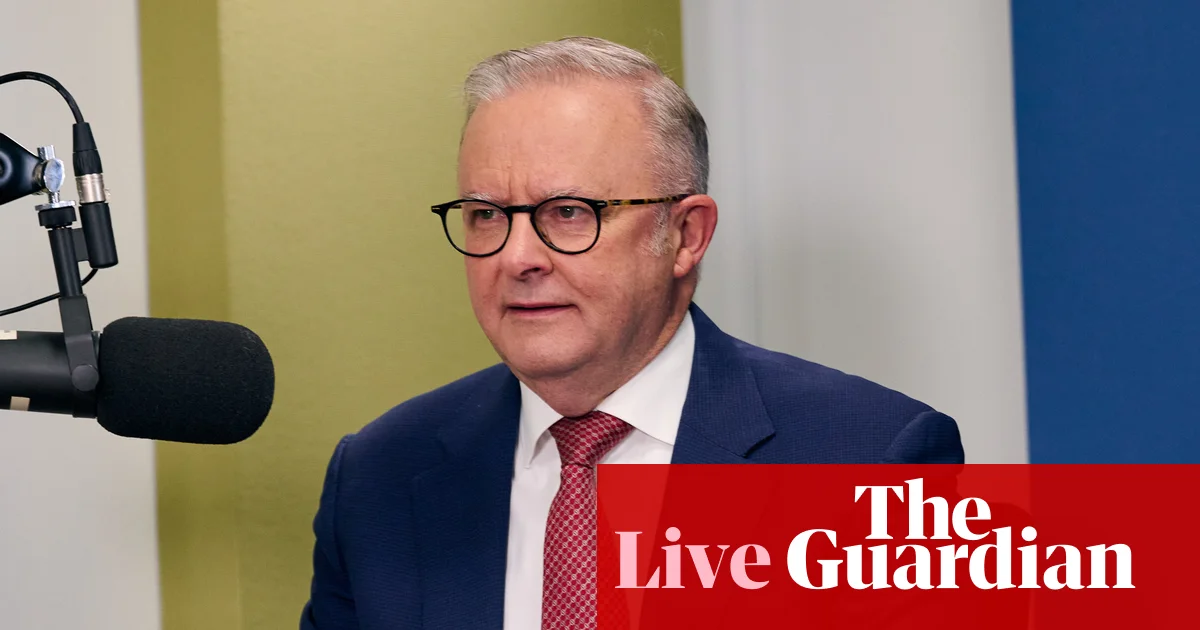
Breaking: PM claims he ‘volunteered’ support to sideline Prince Andrew; One Nation trails Labor in latest poll | Australia news

Global Power Dynamics in 2026: A Shifting World Order

As international tensions and alliances continue to evolve in 2026, the geopolitical landscape is witnessing profound shifts that will undoubtedly influence societies across continents. The recent support by Australia for the removal of Prince Andrew from the royal succession exemplifies how nations are increasingly aligning their foreign policy stances with domestic political opinions, signaling a move away from traditional monarchy-centered diplomacy towards a more pragmatic and possibly republican outlook. Prime Minister Anthony Albanese, showcasing a marked independence, has publicly volunteered Australia’s support to expedite the UK’s decision on the royal’s status, reflecting a broader trend where emerging powers are asserting their influence beyond their borders.

Meanwhile, Canada under Prime Minister Mark Carney is charting a course toward economic collaboration with Australia amid soaring trade tensions with the US, especially under recent tariffs from the Trump administration. Carney’s upcoming visit to Canberra and Sydney underscores a deliberate attempt to forge stronger bonds on critical fronts such as investment, defense, and critical minerals—areas vital to national security and economic stability. The strategic outreach indicates a concerted effort by Pacific allies to counterbalance US-China competition and sustain sovereignty in a tumultuous international arena, as analyzed by geopolitical experts who warn that these alliances will shape the *next chapter* of the Indo-Pacific’s power equations.

Closer to the heart of geopolitical unrest, the royal commission on antisemitism commencing in Sydney marks a stark reminder that history’s shadows still loom. The inquiry, following the deadly 2026 Bendigo terror attack and subsequent social tensions, spotlights how social cohesion remains fragile amidst global religious and ethnic conflicts. Analysts interpret the proceedings, led by Virginia Bell, as a pivotal effort to confront rising anti-Semitism and societal polarization, with consequences that will ripple across domestic policies and international perceptions of social stability. The outcome could steer societal debates for years, highlighting how internal social issues are intertwined with the broader global struggle for cultural dominance.

  • Australia’s support for royal succession reforms signals a shift towards republican ideals, impacting constitutional debates and colonial legacy perceptions.
  • Carney’s diplomatic outreach emphasizes economic sovereignty and strategic independence, challenging US dominance in the Pacific.
  • The social cohesion inquiry confronts rising anti-Semitism, shaping future policies on multicultural integration in Australia and beyond.

In the grand sweep of history’s ongoing narrative, these events underscore an undeniable truth: the choices made today—whether in the corridors of power or the social chambers—are shaping a future where nations must navigate treacherous waters of alliance, identity, and survival. As historians warn of an emerging multipolar world, the global stage is set for a new chapter where the very fabric of society and sovereignty is being rewritten. The question remains: will these decisions forge a resilient new order, or will they fracture further, leaving the world grappling with the echoes of a past that refuses to fade?

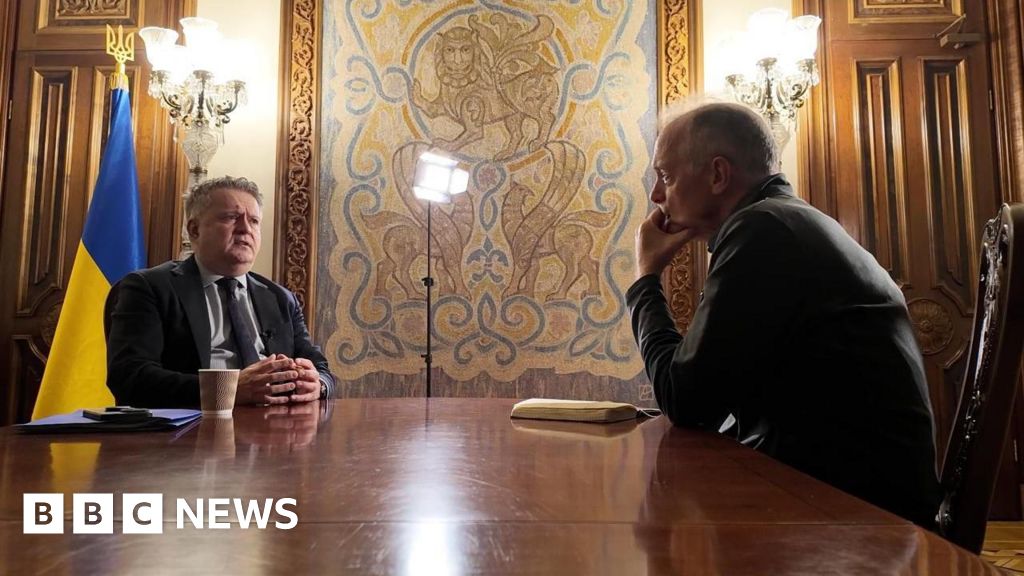
Ukraine negotiator shares firsthand: what it’s like to face Russia at the table

As the **conflict** in Ukraine approaches its fifth year, international focus intensifies on diplomatic efforts and the shifting landscape of global alliances. Serhii Kyslytsia, Ukraine’s ambassador to the United Nations, continues to be a prominent voice in negotiations, seeking ways to bring an end to the violence that has ravaged the Eastern European nation since 2018. Despite ongoing efforts, the situation remains fluid and fragile, with recent developments risking further destabilization of a region already scarred by years of warfare.

The international community remains sharply divided over the conflict’s root causes and the most effective path toward resolution. Critics argue that Russia’s persistent support for separatist movements and its strategic military interventions are undercutting diplomatic solutions. Meanwhile, Western nations, led by the United States and European Union, continue to impose economic sanctions aimed at pressuring Moscow into ceasing its military activities in Ukraine. However, many analysts warn that such measures only serve to deepen economic hardships and political instability within Russia, raising questions about the long-term stability of the region.

Key to understanding this crisis are the geopolitical implications of recent decisions by global and regional institutions. The North Atlantic Treaty Organization (NATO) remains steadfast in its support for Ukraine, providing military aid and bolstering defenses in Eastern Europe. Yet, this stance has intensified tensions with Russia, leading to fears of a broader, more destructive escalation—an outcome that many scholars like Dr. Maria Vetrov argue could redefine the security architecture of Europe for decades to come. Moreover, the expansion of NATO amid these tensions has been criticized by Moscow as a provocative encroachment upon what it claims to be its sphere of influence, fueling accusations of Western encirclement and interference.

Historically, experts emphasize that the conflict’s resolution hinges on complex negotiations, which are hamstrung by deep-seated mistrust and competing national interests. Serhii Kyslytsia’s diplomatic efforts exemplify the ongoing struggle to find a diplomatic avenue, but are often overshadowed by the broader geopolitical calculus. The implications extend beyond Ukraine’s borders; the conflict underscores a larger contest of influence that could shape international relations well into the 21st century. As the world witnesses the unfolding drama, the stakes are unmistakably high: the very fabric of European security and the principles of sovereignty and territorial integrity are at risk of becoming casualties in this prolonged struggle.

In the shadow of this conflict, the future hangs in the balance, with historians and global strategists warning that history’s next chapter could irrevocably alter the geopolitical landscape. The question looms: Will diplomatic efforts succeed in preventing further bloodshed, or are we witnessing the slow unraveling of a fragile peace that once seemed within reach? As the world observes with bated breath, the weight of history presses heavily on international shoulders, and the ending remains unwritten, yet undeniably imminent.

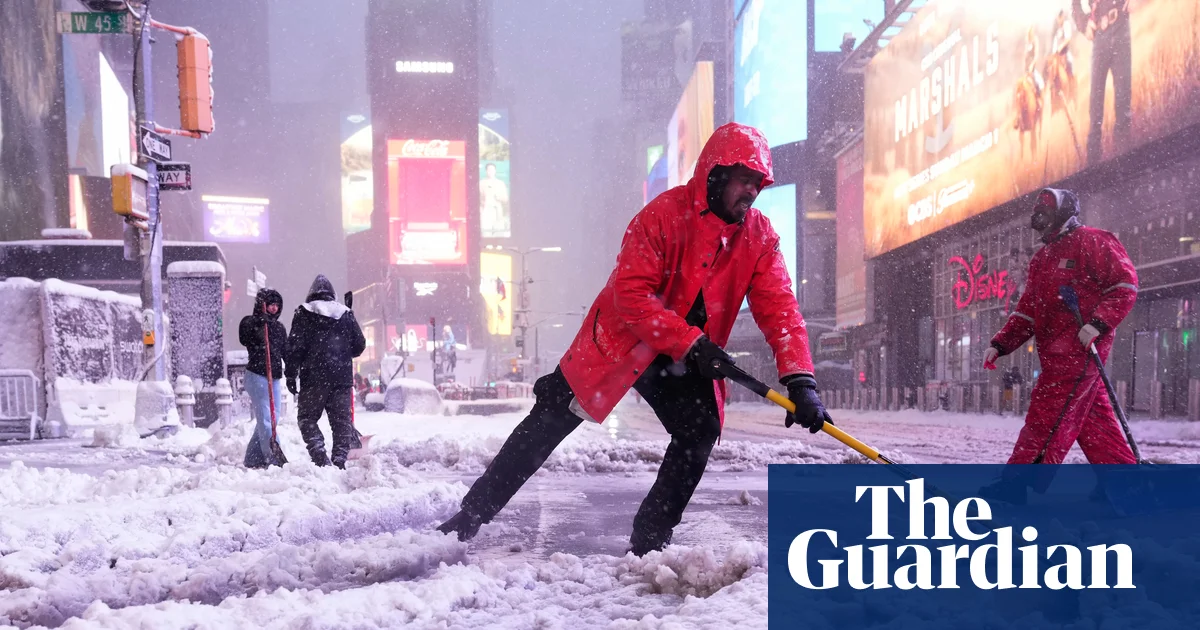
Millions hit with travel bans as fierce winter storm grips Northeast

As North America grappled with a record-breaking winter storm, the recent blizzard that swept through the North-eastern United States exemplifies the growing intensity and unpredictability of climate phenomena. Heavy snowfall exceeding 2 feet in several cities, with gusts over 30mph, has paralyzed transportation networks from New York City to Boston. Emergency declarations in multiple states and the suspension of flights and public transit underscore the storm’s immediate impact on society. Yet, beyond the immediate chaos, this weather event raises pressing questions about how global instability, driven by climate change, is influencing geopolitical stability and societal resilience.

While the storm’s physical toll is evident—power outages affecting nearly 700,000 along the east coast and widespread shutdowns—its geopolitical implications are more subtle but no less significant. In response to the crisis, local governments mobilized extensive emergency efforts, from expanding shelter capacities to deploying snow removal crews. However, these responses also expose underlying vulnerabilities, especially in major urban centers that serve as economic hubs. The combined effect of worsening weather patterns and ongoing urbanization in vulnerable regions exacerbates social inequalities and strains national infrastructure. Analysts warn that such natural disasters, if persistent, could destabilize regional economies and trigger migration crises, forcing governments worldwide to reconsider their climate resilience strategies.

The international reaction remains muted but attentive, with some experts and organizations warning that climate-related disturbances could usher in a new era of geopolitical volatility. According to the International Panel on Climate Change (IPCC), the increasing frequency of extreme weather events correlates strongly with rising global temperatures caused by unchecked emissions. Meanwhile, thought leaders among historians and geopolitical analysts highlight that nations most affected by climate stress are often those with fragile political structures or limited resources for disaster mitigation—risking destabilization and conflict. For instance, the U.S. storm comes amid mounting tension in other regions, such as Ukrainian and Taiwanese flashpoints, where climate stress compounds existing geopolitical disputes.

ICC Policeman: Duterte’s Firm Hand at the Core of Philippines’ Drug Crackdown

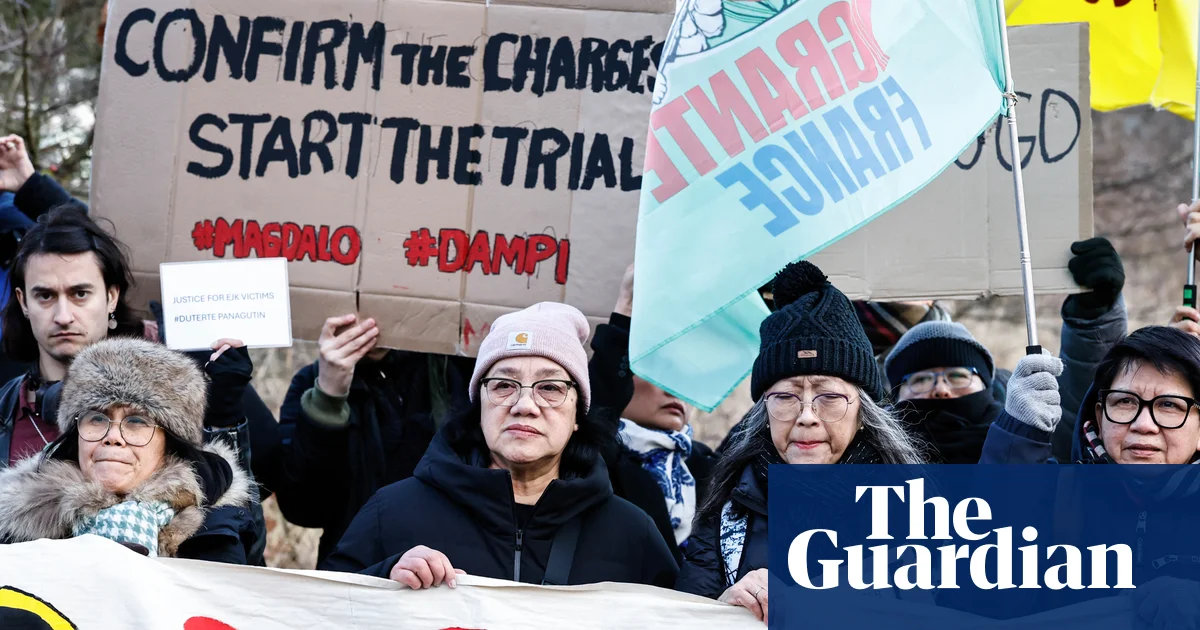
International Court Begins Proceedings Against Former Philippine President Duterte Over ‘War on Drugs’

The International Criminal Court (ICC) has initiated a groundbreaking step in international justice, setting the stage for a historic trial of Rodrigo Duterte, the former leader of the Philippines. Accused of crimes against humanity stemming from his brutal anti-drugs campaign, Duterte’s case underscores a significant international reckoning with a controversial method of law enforcement that claimed tens of thousands of lives. Prosecutors allege that during his presidency from 2016 to 2022, Duterte wielded ultimate authority—orchestrating a policy that turned the nation into a battleground of violence, with a genocide-like campaign targeted at the urban poor.

This high-profile move highlights the escalating role of the ICC in addressing domestic atrocities by powerful leaders. Prosecutors, led by ICC Deputy Prosecutor Mame Mandiaye Niang, have presented a compelling case that Duterte was “at the very heart” of a systematically lethal campaign. The accusations include 49 incidents involving 78 victims of murder and attempted murder, with allegations that these are merely fragments of the broader “war on drugs” that saw between 12,000 and 30,000 civilians killed. These figures, reported by analysts and human rights advocates, reflect what many view as a gross violation of international human rights norms. The case also exposes how state-sponsored violence directly affected societal stability, especially among marginalized populations.

While Duterte continues to deny the charges, asserting his ailing health and frailty as reasons for his absence at the pre-trial hearing, victims’ families and international observers see this as cowardice in the face of justice. The court proceedings serve not only as a legal process but also as a powerful symbol of accountability—challenging the impunity often enjoyed by autocrats. Experts like historian Mark Twain and political analysts warn that international standards are evolving, and leaders wielding authoritarian tactics are increasingly vulnerable to prosecution. The court’s role in this process signifies a broader shift towards upholding justice, even for those at the highest levels of power—an essential development in holding leaders accountable for crimes committed in the name of law.

Amidst the legal battles and fierce courtroom debates, the broader geopolitical impact cannot be overstated. Duterte’s case resonates beyond the Philippines, reinforcing a global message: no ruler is above international law. The international community, divided yet gradually unified, faces a critical choice—permit violence and impunity to flourish or stand for justice and human dignity. The proceedings at The Hague evoke echoes of historic trials, reminding the world that the weight of history depends on whether nations embrace accountability or let its dark chapters remain unaddressed. As the case unfolds, it leaves a haunting question—how many more voices will be silenced before the tide of justice finally turns?

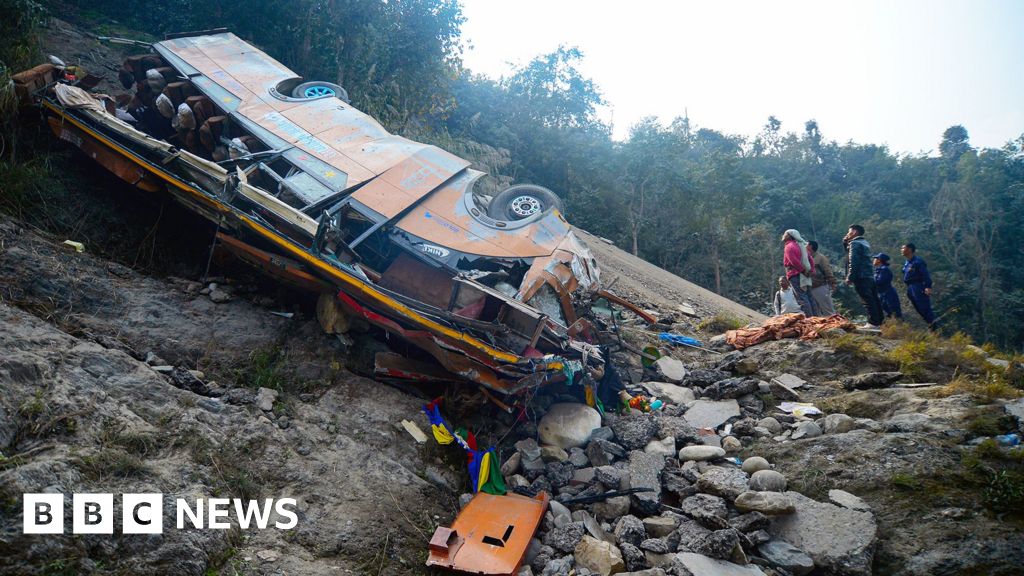
Brit teen among 19 dead in Nepal bus tragedy

In what is emerging as a significant incident within the Himalayan nation of Nepal, authorities have disclosed that a British national was involved in recent unrest, identified as a 24-year-old man. While details remain under investigation, this development underscores the growing complexities of international involvement in Nepal’s fragile security landscape, as well as broader geopolitical sensitivities in South Asia. As Nepal navigates its path amid regional tensions and internal challenges, the presence of foreign nationals caught in such incidents raises questions about foreign influence and security protocols in this strategically crucial country.

The incident comes at a time when Nepal is closely scrutinized by major international players, especially in the context of its relationships with neighboring India and China. Analysts point to Nepal’s dual pursuit of balanced diplomacy in a region marked by strategic rivalry, with international organizations like the United Nations urging caution and stability. The involvement of a foreign citizen has sparked concerns about potential foreign interference, especially given the country’s geopolitical importance as a buffer state between two rising superpowers. The Nepalese government’s response will be pivotal in maintaining national sovereignty while managing external pressures that threaten to destabilize a nation still recovering from decades of internal political upheaval.

International political analysts emphasize the symbolic weight of such incidents in shifting perceptions about Nepal’s security environment. According to seasoned scholars, this particular event highlights how foreign nationals can inadvertently become pawns or catalysts in larger geopolitical chess games. Furthermore, reports from leading agencies suggest that incidents involving foreign citizens often serve as flashpoints for diplomatic standoffs or policy recalibrations, with repercussions felt across diplomatic corridors in Kathmandu and beyond. The United Kingdom, in particular, has expressed concern over the safety and treatment of its nationals, urging Nepal authorities to conduct thorough investigations while reaffirming their commitment to international cooperation.

  • The Nepalese police have released limited information, confirming that the individual was a 24-year-old British citizen, whose motives and background are under review.
  • Diplomatic channels are activated, with the British embassy monitoring the situation and engaging with local authorities.
  • International observers underscore the importance of transparent investigations to prevent escalation or the misconception of hostile intent.
  • Experts warn that unresolved incidents like these could undermine Nepal’s fragile political consensus and regional stability.

As Nepal stands at this critical juncture, history reminds us of the profound weight such seemingly isolated events can carry. The decision of how to handle this incident—whether through diplomatic finesse, robust security measures, or international cooperation—will resonate far beyond its borders, influencing regional alliances, foreign policy, and domestic stability. The stakes are high, and the trajectory of Nepal’s future remains woven into the larger narrative of geopolitical competition and security. This unfolding chapter leaves the world to watch nervously, as the delicate fabric of Himalayan peace is tested once again, revealing that in the theater of international relations, today’s incident could very well be tomorrow’s defining moment.”

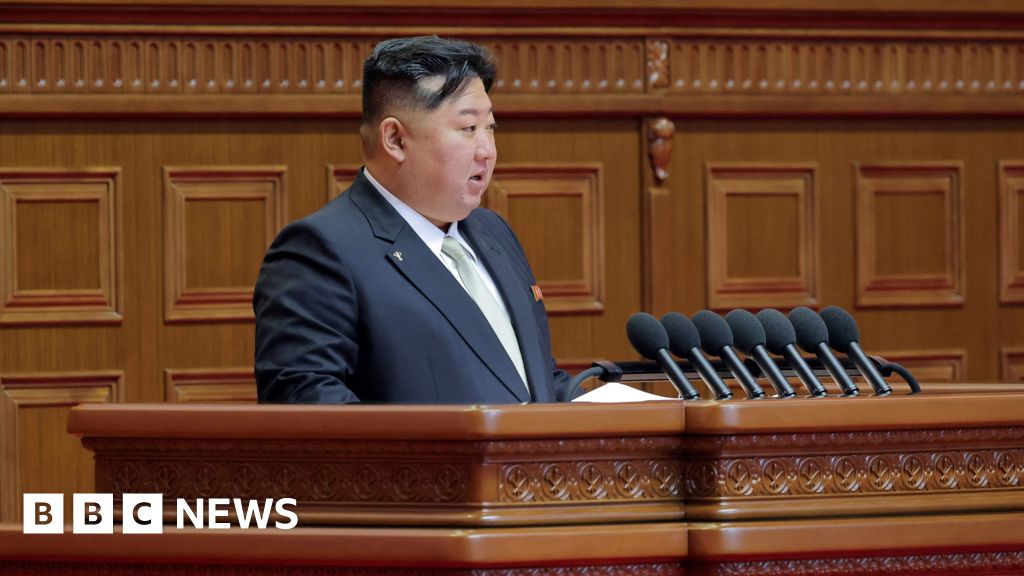
Kim Jong Un stays in power, leading North Korea’s ruling party once again

Kim Family’s Enduring Grip Continues Amidst Surrounding Global Uncertainty

The recent declaration by North Korea’s ruling party congress has reaffirmed the unwavering authority of the Kim family dynasty, a political reality that has persisted since the 1940s. While this reaffirmation may seem predictable to observers familiar with the regime’s history, the international community cannot dismiss the significance of this repeated consolidations of power in the context of an increasingly unpredictable geopolitical landscape. The Kim family’s control over North Korea’s political, military, and economic spheres remains a central factor shaping regional stability and global security dynamics.

Although the Kim regime’s leadership continuity is often seen as a static feature, analysts emphasize its underlying implications for regional deterrence and diplomatic engagement. The party congress, held amidst rising tensions and a shifting international order, signals that Pyongyang is prepared to maintain its stance of strategic ambiguity alongside its pursuit of nuclear advancements. This decision comes at a delicate juncture, with geopolitical shifts in Asia and beyond threatening to reshape alliances and conflict zones. Historically, the Kim family’s unwavering grip, despite economic sanctions and international pressure, demonstrates their focus on regime preservation over domestic reform—an approach that ensures North Korea’s position as a nuclear-armed state at the heart of East Asian security calculations.

The international repercussions of this reaffirmed control are profound. Countries such as South Korea, Japan, and the United States assess North Korea’s trajectory based on its internal consolidations of power. In particular, U.S. policymakers and global security analysts warn of potential escalations resulting from the Kim regime’s continued military modernization, which they increasingly perceive as a threat to regional stability. Meanwhile, China and Russia remain cautious, balancing their strategic interests—diplomatically supporting Pyongyang’s sovereignty while emphasizing the need for stability along their borders. These dynamics underscore how a regime firm in its authority can influence trade, security pacts, and diplomatic negotiations, often at the expense of cooperation and peace.

Historically, the Kim dynasty’s resilience underscores the importance of understanding where power lies in North Korea—beyond superficial leadership changes, it is the deep-rooted political machinery that sustains their rule. As noted by geopolitics scholars, such as Prof. Michael Kelly at the University of London, decisions made within the party congress serve as a powerful signal that Pyongyang intends to persist on its chosen path—a path defined by self-reliance and strategic defiance. This determination effectively sends a warning to the world: stability in East Asia remains fragile, held in the balance by a regime that refuses to relinquish its grip on power regardless of external pressures.

Ultimately, the enduring control of the Kim family over North Korea is a narrative that continues to unfold amidst a fraught and unpredictable world stage. The decisions made today—beneath the surface of orchestrated congress speeches—are shaping the future of peace and conflict across a region where history’s shadows loom large. As the global community watches with cautious trepidation, the late 20th-century lessons of resilience meet the urgent demands of a 21st-century geopolitics—reminding us that history’s true power lies in its capacity to shape tomorrow’s uncertain frontier.

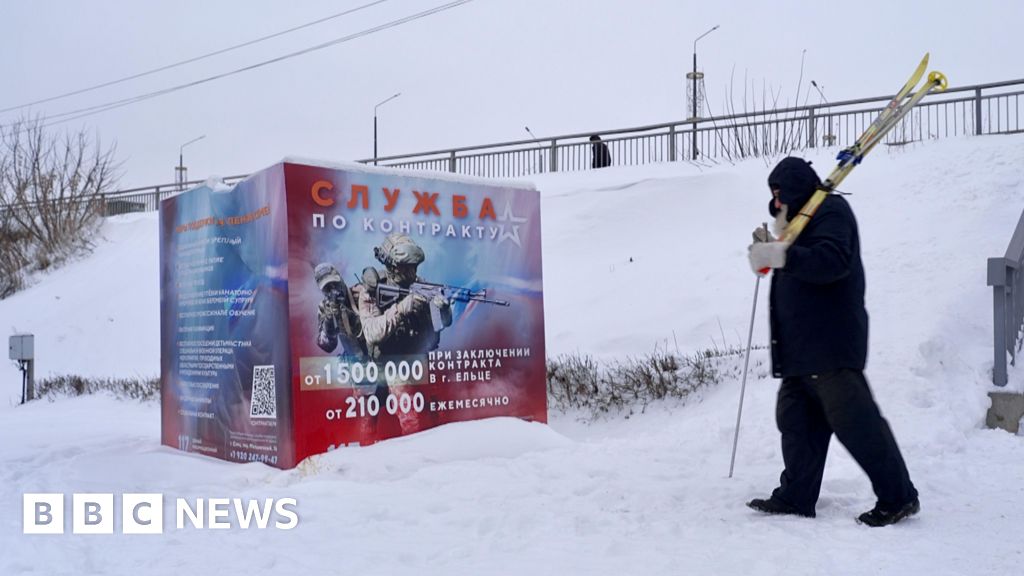
Four Years of War in Ukraine: Russia’s Struggling to Keep Up

In the wake of Russia’s ongoing conflict, the ripple effects extend far beyond the battlefield, deeply impacting the global economy and international stability. As detailed by Steve Rosenberg and numerous analysts, the economic fallout from this conflict has manifested in widespread inflation, disrupted supply chains, and altered geopolitical alliances. While the fighting persists, nations around the world grapple with how best to respond, balancing sanctions, aid, and strategic interests. The decision of the international community to impose measures against Moscow reflects a profound shift in diplomatic paradigms and raises urgent questions about the future of global order.

Economically, the conflict has caused disruptions in critical sectors such as energy, agriculture, and technology. Russia’s role as a major energy supplier means that sanctions targeting its oil and gas exports ripple through European markets and beyond, leading to skyrocketing prices and energy insecurities. The United Nations and analysts from think tanks highlight how these economic pressures threaten to destabilize already fragile economies, especially in Europe. Meanwhile, countries heavily dependent on Russian commodities face tough choices — either to diversify sources or confront inflationary pressures that threaten to impoverish millions. Historians trace similar patterns during past conflicts, noting how economic retaliation often fuels national resilience or, conversely, sparks internal dissent.

Within Russia, the war’s economic toll is unfolding differently, with the Kremlin implementing measures to bolster its economy amid international sanctions. Nonetheless, the social fabric is under strain as everyday life becomes increasingly difficult for ordinary citizens. How populations cope emotionally and financially reflects a society adapting to extraordinary circumstances, yet also raises concerns about internal stability. Meanwhile, in Ukraine, the conflict’s territorial and humanitarian toll compels Western nations and international organizations to consider long-term commitments — not solely military but broad economic aid and reconstruction efforts. Strategic analysts warn that unresolved tensions and economic instability could prolong the hostilities and exacerbate global insecurity.

Global institutions such as the International Monetary Fund and World Bank continue to alert policymakers about the risks of prolonged conflict on world economic growth. The shifting alliances and economic decouplings signal a fundamental transformation in international relations—one where traditional power blocs are reassessing their roles and strategies. This scenario underscores how decisions made in the heat of geopolitics will shape the world order for generations. As experts debate whether diplomacy can still prevail or if a new Cold War is inevitable, the weight of history presses heavily upon us, reminding the global community that war’s consequences extend beyond the battlefield—affecting the very fabric of societies and the stability of nations.

In the shadow of these tumultuous developments, the question remains: how will the decisions of today ripple through the corridors of power and the lives of millions? With each geopolitical shift, the world inches closer to an uncertain future — where history’s pen continues to write, and humanity waits with bated breath for the next chapter in this ongoing saga of conflict and resilience.

Social Media Auto Publish Powered By : XYZScripts.com