Matox News

Truth Over Trends, always!

BBC Teams Up with Lebanon Paramedics Amid Israeli Airstrikes

Rising Tensions in Lebanon: A Reflection of Broader Geopolitical Struggles

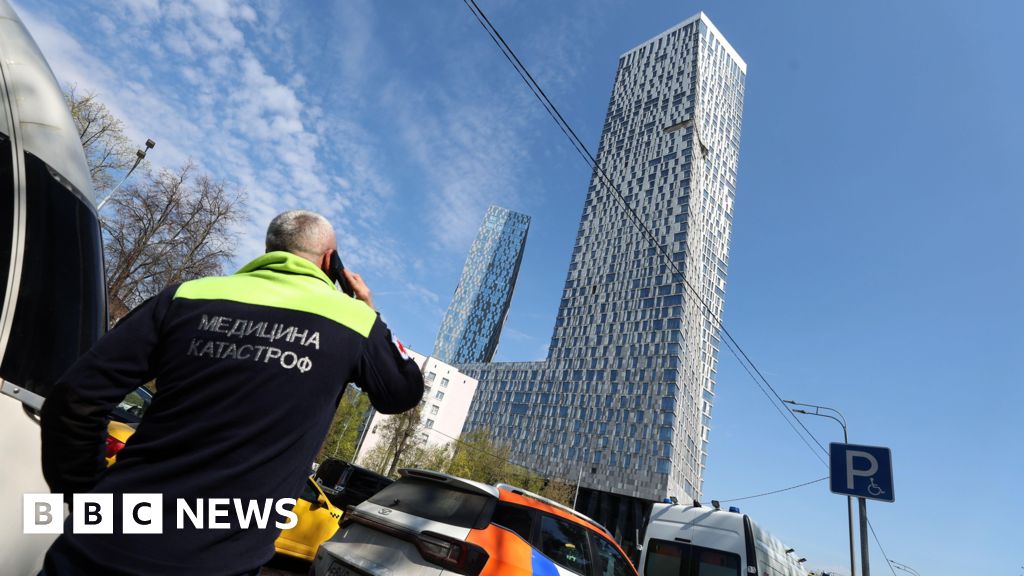
The recent escalation of violence in Lebanon underscores the fragile state of this nation, long caught in the crossfire of regional power struggles. As Lebanon descends further into chaos, with one in five residents displaced since the resurgence of fighting in March, the enduring repercussions threaten to destabilize the broader Middle East region. Paramedics navigating the deserted streets of Nabatieh, a city once teeming with life, now serves as a stark visual of the devastating toll that geopolitical conflicts exact on everyday people. The tragic death of medical personnel, notably at a ruined ambulance station where a medic’s colleague was struck down while on the phone with his wife, exemplifies the human cost of this renewed conflict. These scenes, reported by BBC’s Hugo Bachega, highlight the destabilization of civil institutions and the erosion of civility amid ongoing hostilities.

The IsraelLebanon conflict, energized by Israel’s assertions that Hezbollah militants are abusing Lebanese medical infrastructure, has further complicated international efforts at de-escalation. Tel Aviv claims some ambulances and hospitals are being exploited as military bases by Hezbollah; however, sources within Lebanon vehemently deny these allegations, emphasizing that no conclusive evidence suggests such claims. Meanwhile, the Israel Defense Forces (IDF) announced the killing of more than 20 Hezbollah fighters in Bint Jbeil, a site steeped in historical significance due to the 2006 war between the two entities. Such military operations reflect a strategic pursuit by Israel to weaken Hezbollah’s infrastructure but risk broadening the conflict into a regional battlefield. Analysts from the International Crisis Group warn that these exchanges threaten to ignite a wider sectarian and geopolitical conflict with unpredictable consequences for the entire Mediterranean basin.

Furthermore, the Lebanese government and international organizations have condemned the escalation, with Lebanon’s health ministry accusing Israel of targeting civilians and medical facilities—an accusation that sharply contradicts Israel’s claims of targeting militants. This exchange of accusations showcases the deepening mistrust and the persistence of narratives that serve to justify violence. The regional geopolitics, heavily influenced by external powers such as Iran, the United States, and Russia, continues to shape the conflict’s trajectory. As historians like Prof. Emily Johnson emphasize, these conflicts are not isolated but are part of a complex web of alliances and rivalries that have persisted for decades. If unresolved, the current violence risks becoming a long-term humanitarian and geopolitical crisis, with the potential to transform Lebanon into a battleground with no clear end in sight.

The unfolding events serve as a grim reminder that the decisions made today resonate far beyond Lebanon’s borders. The choices of regional and global powers to support or oppose different factions will influence whether this conflict remains a localized tragedy or erupts into a broader regional war. The weight of history, with memories of past wars and failed peace efforts, lingers heavily in the air as the international community faces the sobering reality of a nation teetering on the brink of full-scale collapse. As the world watches, the pages of history continue to turn—each chapter written in the suffering of innocent civilians, the strategic calculations of states, and the relentless pursuit of influence in a volatile geopolitical landscape. The question remains: how long will the world remain indifferent before this crisis unleashes consequences far worse than anyone can now imagine?

Australia News Live: Poor Hospital Meals Worsening Healthcare Costs; Crocodile Remains Discovered by Adelaide Roadside

Global Power Dynamics Shaped by Emerging Geopolitical Shifts

In an era marked by rapid geopolitical evolution, recent decisions by major nations and international institutions have signaled profound shifts that will resonate across societies and borders. The ongoing reshuffling of alliances and policies underscores not only the strategic recalibrations of influential countries but also the unfolding saga of geopolitics that historians like Samuel Huntington have long warned about. As the United States, China, and Russia redefine their roles on the global stage, their actions bear consequential impacts for diverse societies, economies, and international stability.

Most notable among these developments is the recent **renewal of cooperation** between the European Union and the UK which signals a potential easing of post-Brexit tensions—however, critics argue that this shift may merely be a strategic facade for underlying fractures. Meanwhile, the BRICS nations continue their efforts to establish a parallel economic order, challenging Western dominance. The recent discussions surrounding the New Development Bank unveiling new funding initiatives demonstrate a strategic pivot away from traditional Western-led financial systems. Analysts from institutes like the Council on Foreign Relations suggest these movements foreshadow a multipolar world where sovereignty and local priorities will become central to international diplomacy. But how will these changes influence societies at ground level? It is likely that countries aligning with emerging poles will pursue policies that bolster national industries, while others may face increased instability due to shifting alliances.

Decisions at the National Level: a Double-Edged Sword

On the national front, recent policy shifts reflect a focus on sovereignty and economic resilience—yet, the repercussions are multifaceted. Governments are recalibrating foreign policies, trade agreements, and military commitments, which directly influence societal cohesion and economic stability. For example, the recent US-China trade negotiations illustrate an intent to protect domestic industries but risk escalating tensions with potential global repercussions. Historically, as Henry Kissinger pointed out, such strategic moves often contain unpredictable ripple effects that can threaten international peace. The re-establishment of alliances or dissolution of treaties like the Paris Climate Accord impacts both climate policies and economic development, especially for vulnerable societies depending on these frameworks.

Furthermore, the international community’s response to these shifts—discussed within bodies such as the United Nations—raises questions about effectiveness and relevance. While some organizations strive to adapt, critics argue that global institutions often serve as arenas for powerful nations to advance their agendas, leaving smaller nations at a disadvantage. The recent climate negotiations exemplify this tension, where environmental commitments become politicized, skewed by geopolitical interests. As geopolitical analysts like George Friedman observe, the power balance is increasingly defined by strategic resilience rather than military might alone. The decisions shape societies’ futures, where sovereignty clashes with the need for global cooperation, and citizens feel this tension most acutely in their daily lives.

Heading Toward an Uncertain Future

The unfolding story of geopolitics remains fraught with uncertainty, yet history’s persistent theme reminds us: every shift creates both opportunity and peril. The long arc of international relations hinges on the choices made today—from military alliances to economic policies—that will determine the fate of generations. As international actors maneuver with strategic patience, the question remains: which nations will emerge resilient, and which will fall prey to the chaos of transnational power struggles? The weight of history presses heavily on this moment. Citizens around the world—particularly the youth—must keenly observe how these decisions mold a future where their societies flourish or falter amid the shadows of emerging global order.

Bahamas Police Revisit US Man in Ongoing Case of Missing Wife at Sea

International Community Watches as Bahamas Police Investigate American Man in Mysterious Boat Disappearance

The recent incidents surrounding Brian Hooker and his wife, Lynette, in the Bahamas have become a focal point in international maritime and legal discourse. As police extend his custody amidst ongoing interviews, questions about jurisdiction, sovereignty, and the limits of legal intervention in foreign waters have resurfaced. This case underscores how localized tragedies can ripple into larger geopolitical issues, especially when involving foreign nationals on sovereign Caribbean islands.

Some analysts argue that the Bahamas, a member of the Commonwealth, is navigating delicate diplomatic waters—balancing its legal obligations with the potential for international pressure. Legal experts emphasize that the extension of detention without formal charges reflects both the importance of thorough investigations and the challenges posed by cross-border legal procedures. Historically, the Caribbean has been a hotspot for maritime disputes, and incidents such as these risk inflaming tensions, especially if allegations emerge of mishandling or political interference. How the Bahamian authorities handle this case could set a precedent affecting future foreign nationals involved in maritime incidents across the region.

Meanwhile, commentaries from international organizations and local observers highlight the case’s geopolitical impact. The United States, with its extensive naval and maritime interests, has shown interest, raising concerns about sovereignty and extradition issues. The case also resonates with broader themes of law enforcement transparency and the protection of individual rights—crucial concerns that influence diplomatic relations. According to historians specializing in Caribbean law, such incidents often serve as flashpoints that challenge the balance of justice and sovereignty, especially when local authorities cooperate with foreign governments. Any perceived mishandling or bias could fuel anti-immigrant sentiments or regional instability.

In addition, the personal histories of the Hooker couple compound the case’s complexity. Their online presence and previously documented relationship, including a domestic dispute in 2015, reveal a troubled history that adds layers to the narrative. Skilled international observers warn that public sentiment—shaped by social media and sensationalized reporting—may influence the course of justice and diplomatic negotiations. As international bodies call for a transparent inquiry, the case reminds the global community of how individual conflicts can embody larger tensions—between personal liberties and state authority, between tradition and modern maritime sovereignty. With every new detail emerging, history continues to unfold, leaving the world to wonder what the next chapter will reveal.

Italian PM slams Trump for ‘unacceptable’ Pope criticism—young voters watch closely

The intricate web of international relations remains under intense scrutiny as recent developments highlight the ongoing rift between key global powers and longstanding alliances. Italy’s Prime Minister and the United States President continue to maintain a strategic partnership rooted in shared geopolitical interests, yet recent diplomatic tensions threaten to reshape the delicate balance of influence in Europe and beyond. Central to this emerging conflict is the unresolved dispute with Pope Leo XIV, whose authority and moral standing are now being challenged by the US leadership’s refusal to issue an apology.

The controversy centers around an episode in which President Trump, representing the United States, declined to issue an apology to the pope, whom he described in unflattering terms as “very weak.” This defiance has enraged elements within the Vatican, and analysts warn that such a stance risks inflaming longstanding tensions between secular state interests and the religious authority of the Holy See. Historically, the Vatican’s diplomatic influence has transcended formal politics, shaping moral and ethical debates within international forums. Trump’s refusal signals a broader shift toward unapologetic nationalism and a reluctance to defer to institutional moral authority on global stages, a move that some observers warn could undermine diplomatic norms established in the post-World War II era.

Meanwhile, Italy’s Prime Minister has found himself caught in the crossfire, bridging the interests of a committed Western alliance and the political realities of maintaining good diplomatic ties with the Vatican. Italian officials, known for their historically close ties to Catholic institutions, have expressed disappointment over Trump’s attitude, emphasizing the importance of maintaining respect for religious sovereignty. Political analysts suggest that this episode underscores the shifting landscape of international diplomacy, where alliances are tested by cultural and moral clashes as much as by strategic interests. The European Union and **NATO** members watch anxiously as the US’s stance toward religious institutions and diplomatic protocol begins to reshape alliance dynamics.

The global geopolitical impact of this controversy extends beyond just Italy and the Vatican. The refusal to apologize signals a potential realignment in diplomatic posture—marked by a willingness among Western powers to prioritize national interests over longstanding diplomatic courtesies. This shift could embolden other nations to challenge traditional norms, risking greater instability in international relations. Historians caution that this episode may be remembered as a turning point—an era where the foundations of diplomatic diplomacy, based on mutual respect and tradition, are fundamentally challenged. It poses serious questions about how global institutions such as the UN or the World Court will respond to the erosion of diplomatic decorum that has historically served as the bedrock of international peace and cooperation.

As history continues to unfold, a stark reality remains—the decisions made in these tense moments will resonate for generations. The weight of that history is not merely measured in diplomatic cables or official statements but in the lives of ordinary citizens whose futures hang in the balance of shifting alliances and unyielding national pride. The world watches with bated breath as the pages of a new chapter are written, where old alliances are tested, and new divides are etched into the geopolitical landscape. Whether history will see these events as a catalyst for inevitable fragmentation or a prompt for renewed dialogue remains uncertain—but one thing is clear: in the great narrative of global power, this is a crucial turning point.”

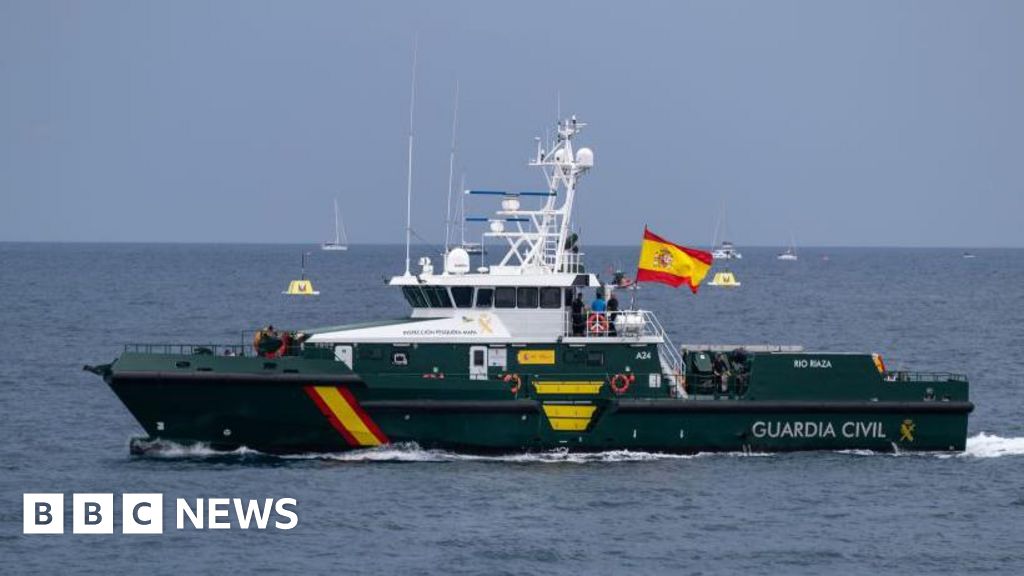
Understanding the Strait of Hormuz Blockade: A Bold Move to Protect Our Interests

In recent years, the concept of a naval blockade has transcended traditional warfare to become a pivotal instrument in the broader geopolitical chess game. According to the US Navy Commander’s handbook on naval operations law from 2022, a blockade is defined as a “belligerent operation to prevent vessels and/or aircraft of all states, enemy and neutral, from entering or exiting specified ports, airfields, or coastal areas belonging to, occupied by, or under the control of an enemy state.” This precise definition underscores the strategic significance of maritime control, which can serve as a powerful tool for nations seeking to impose economic and military pressure without direct conflict.

Global powers increasingly leverage naval blockades to assert influence and shape international outcomes. The rise of such measures reflects a shifting landscape where traditional warfare is supplemented by economic strangulation and territorial control. Recent examples demonstrate their impact on regional stability and international trade. As analysts warn, the use of naval blockades not only cripples enemy economies but also jeopardizes neutral nations, often drawing global attention and provoking responses from multinational alliances such as NATO and the United Nations. These organizations are now tasked with navigating the complexities of maritime law, balancing the sovereignty of nations with the need to uphold international order.

Historians and geopolitical strategists highlight that modern naval blockades can act as catalysts for larger conflicts or diplomatic crises. Experts warn of escalation risks, especially when blockades are imposed in contested regions rich in strategic resources like the South China Sea or near the Middle East’s vital shipping lanes. The consequences are profound: economies strained, alliances tested, and a potential slide into broader warfare. Countries that once relied on open sea lanes for trade now face the stark reality that maritime dominance is key to their sovereignty and security.

  • In 2022, rising tensions in the Black Sea prompted Russia to impose maritime restrictions, raising alarms across Eastern Europe.
  • The US has, at times, deemed blockade measures necessary to counter perceived threats, emphasizing the importance of maritime law and national security.
  • International organizations repeatedly call for restrained use of such tactics, yet the allure of maritime control remains a potent element of modern imperial strategy.

As China’s expanding naval presence aims to challenge U.S. dominance in the Indo-Pacific, and with Iran increasingly resorting to maritime tactics amidst economic sanctions, history suggests that the future of global stability may very well hinge on the outcomes of these hard-fought sea lanes. Each blockade, each strategic chokehold, holds the potential to ignite conflicts that ripple across continents, redefining alliances and shaping the new world order. The course of history remains uncertain, and the weight of decisions made on the high seas will echo for generations to come—an ongoing saga where power is measured not only in land but in the control of the vital arteries of international commerce and security.

Ghanaian footballer shot dead as gunmen ambush team bus—danger on the rise for our players

In a distressing turn of events that has captured global attention, a team returning from a sporting event was reportedly ambushed by masked men wielding guns. Officials from the implicated nation confirm that this attack resulted in multiple casualties and has stirred unrest both domestically and internationally. The incident underscores the fragile security landscape in regions facing ongoing conflict or internal instability, raising questions about governments’ capacity to maintain order amid escalating violence.

The geopolitical ramifications of such acts are profound, especially considering how they resonate across neighboring nations and influence international policy. Analysts from organizations like the United Nations have expressed concern that unchecked violence not only destabilizes the affected area but also threatens regional security architecture. Experts warn that these violent outbreaks can serve as a catalyst for broader conflict, especially when compounded by internal political struggles or external interference. Historically, such violent upheavals have been exploited by militant factions or extremist groups seeking to destabilize governments or undermine peace processes. The recent attack thus becomes a stark reminder of the ongoing volatility that plagues several nations striving to establish sustained stability.

Further complicating the geopolitical landscape are the reactions from global powers and regional neighbors. Countries with vested interests often respond with a mix of condemnation, increased diplomatic pressure, and, in some cases, military posturing. International organizations like the European Union and the International Criminal Court are calling for restrained investigation and swift justice, emphasizing that unchecked violence undermines international law and peacebuilding efforts. Meanwhile, some governments are contemplating strategic shifts, including bolstering security collaborations or implementing new measures to stem the flow of weaponry and insurgents across borders.

This incident marks a pivotal moment, highlighting the persistent threats that undermine societal progress and threaten to ignite broader conflicts. As historians debate whether recent events signal a turning point or a symptom of deeper systemic failures, the stakes remain high. The world watches with anxious anticipation, sensing that decisions made in the coming weeks could shape the trajectory of entire regions for decades to come. The weight of history remains heavy on the shoulders of leaders, diplomats, and citizens alike, as they confront a future still being written amidst shadows of violence and unrest.

Southport Attack: Govt Agencies’ Failures Spark Outrage — Live Updates

In an era marked by escalating international tensions and growing societal unrest, recent revelations from the United Kingdom regarding a devastating attack have sent shockwaves through global consciousness. A comprehensive report, led by Sir Adrian Fulford, has exposed catastrophic failures across multiple agencies—failures so profound that they enabled a young man’s deadly rampage at a youth activity in Southport. This tragedy, far from an isolated incident, exposes a recurring pattern of institutional neglect and irresponsible parenting that threatens to destabilize the social fabric of societies worldwide.

The inquiry, which meticulously scrutinized the cascade of events leading up to the attack, pointedly condemns a “culture of passing the buck,” urging urgent reforms. Analysts warn that such systemic dysfunction not only endangers innocent lives but also jeopardizes the credibility of international institutions tasked with safeguarding their populations. The report highlights how, despite numerous warning signs, combined failures in social care, mental health, and counter-terrorism agencies created a perfect storm—one that culminated in the tragic loss of innocent children, including six-year-old Bebe King and nine-year-old Alice da Silva Aguiar. The geopolitical impact of this failure resonates beyond Britain, underscoring the critical need for international cooperation to overhaul counter-radicalization protocols.

Many esteemed experts and international organizations have expressed concern over the troubling parallels in other nations. Historians remind us that history’s darkest moments often stem from collective inaction—when governments neglect early warning signals or dismiss warning signs as insignificant. Moreover, the inquiry’s stark findings echo warnings from global security analysts who argue that the “missed opportunities” in the UK reflect broader vulnerabilities entrenched across Western democracies. The refusal of agencies to accept responsibility and the superficial treatment of complex cases only deepen the crisis, making it imperative that nations reassess their approaches. How the UK responds—whether with genuine accountability and reform or continued complacency—will shape the trajectory of societal resilience or collapse.

As the world looks on, history writes itself anew—at a crossroads where decisions could either forge a path to renewal or deepen the chasms of chaos. The political leaders, military strategists, and civil society actors now face the defining challenge: to confront their failures head-on with transparency and resolve. The weight of this unfolding narrative is heavy, for it tests the very foundations of justice and societal trust. In this dark hour, the question remains: will humanity learn from its mistakes, or are we destined to repeat the tragedies of the past? The echoes of Southport’s lessons will reverberate through history’s corridors—an enduring reminder that neglect and fear of accountability threaten to undo the progress of generations.

Orbán's grip broken as Péter Magyar's landslide reshapes Hungary
Orbán’s grip broken as Péter Magyar’s landslide reshapes Hungary

Hungary’s Pivot and the Erosion of EU Unity

Once a vocal critic of Soviet occupation, Hungary under Viktor Orbán has shifted dramatically in its geopolitical stance. Historically, Orbán’s rhetoric reflected a disdain for authoritarianism rooted in Russia’s past dominance over Eastern Europe. Yet, in recent years, Hungary has aligned more closely with Russian President Vladimir Putin, fostering an environment where strategic interests have overshadowed post-Cold War democratic values. This realignment is underscored by Orbán’s vehement support for Russian energy supplies, especially the continued importation of cheap Russian oil and petrol, which has ignited discontent across the European Union (EU). The EU’s efforts to mitigate reliance on Russian energy—a move deemed critical for national security—have been undercut by Orbán’s policies, effectively challenging the bloc’s unity and resilience.

The support Orbán offers Russia is not merely about energy; it symbolizes a broader geopolitical posture that resists EU-led efforts to confront Russia’s military actions in Ukraine. In defiance of EU policies, Hungary has reneged on an agreement to provide a €90bn financial loan to Ukraine, a stark demonstration of the country’s prioritization of pragmatic ties over collective European solidarity. International analysts warn that such unilateral decisions weaken the collective EU response to Moscow’s geopolitical ambitions and embolden Russian efforts to destabilize Eastern Europe further. Historians caution that Hungary’s current trajectory reflects a broader resilience of revisionist powers challenging Western consensus, raising fears of a fragmented Europe unable to meet the threats posed by resurgent Russia.

The International Ripple Effect and the Erosion of Democratic Norms

The international fallout of Hungary’s policies extends well beyond Europe. Organizations like NATO and the European Union face mounting pressure to reconcile diplomatic engagement with a member that appears to drift away from shared democratic principles. The EU’s internal divisions are increasing as Hungary’s stance complicates efforts to present a united front against authoritarian expansion. Global security analysts, including those at the International Crisis Group, warn that Hungary’s shift signals a dangerous precedent—one where economic pragmatism and nationalist narratives threaten to unravel the foundations of Western alliances.

Furthermore, Hungary’s rapproachment with Russia raises questions about the future geopolitical landscape in Eastern Europe and the North Atlantic alliance. The decisions of governments like Orbán’s have profound consequences, affecting not only regional stability but also shaping the broader contest between Western liberal democracies and resurgent authoritarian regimes. As history reveals, the choices nations make today set the stage for future conflicts and alliances—lessons that many experts believe are being rewritten with alarming speed. Leaders and analysts alike recognize that Hungary’s current course, often justified as national sovereignty or pragmatic economics, may well awaken a new era of geopolitical instability rooted in the failure of old alliances to adapt swiftly to emerging threats.

The Weight of History and the Future in the Balance

As the world watches these unfolding developments, the legacy of Hungary’s leadership hangs in the balance. The decisions made in Budapest reverberate through international corridors and influence the fates of neighboring nations. The specter of history—marked by the fall of empires and the rise of new powers—looms large. Will Hungary’s pragmatic diplomacy become a gateway to renewed cooperation, or will it entrench division and conflict? The global community faces a pivotal moment; one where the decisions of today echo into a future fraught with uncertainty, and where the stakes are nothing short of the preservation of order in a turbulent, reshaping world. As history yet unfolds, the next chapters will reveal whether the bonds of allyship and shared ideals can survive the relentless march of geopolitical realignments or whether they will be forever fractured, leaving behind a scarred continent in a world increasingly defined by shifting allegiances and unresolved conflicts.

Hungarian Election: Orbán Concedes – BBC Reports from Budapest

The recent electoral upheaval in Hungary has sent shockwaves through the European continent. After 16 years of leadership, Prime Minister Viktor Orbán has officially conceded defeat, marking a decisive shift in Hungary’s political landscape. The opposition, led by Péter Magyar, secured a historic victory, propelled by a record-breaking turnout that underscores a burgeoning desire for change among Hungarian citizens. This electoral result is not merely a domestic affair but a pivotal moment whose repercussions extend into the heart of Europe.

Many analysts view the election as a referendum on Hungary’s future trajectory—particularly its approach to sovereignty, national identity, and alignment within the broader European framework. Magyar’s government is poised to dominate the parliament with a commanding majority, signaling a decisive divergence from Orbán’s recent policies. Such a mandate could herald a new era defined by a push for increased national control over immigration, economic independence, and a recalibration of Hungary’s stance toward Brussels. This shift, while celebrated domestically, raises questions about how Hungary will navigate its relationship with the European Union and its commitments to the broader West.

International institutions like the European Commission and geopolitical analysts are closely monitoring the fallout. According to experts from the International Crisis Group, Hungary’s new leadership could accelerate a broader realignment within Central Europe—potentially emboldening similar nationalist movements across the region. The election’s outcome is starkly viewed as a challenge to the prevailing EU policies that emphasize integration and liberal values. Historical voices, including seasoned observers, warn that Hungary’s trajectory under Magyar could either reinforce national sovereignty or deepen divisions within Europe’s unity, depending on future policies. As one prominent historian notes, “We are witnessing a pivotal moment when national elections begin to reshape continental alliances.”

With this turn of events, Hungary’s future remains uncertain yet undeniably impactful on the geopolitical chessboard. The balance of influence among NATO, the EU, and Russia hangs delicately, with Budapest poised at a crossroads. The decision by Orbán’s government to concede comes at a time when the continent is grappling with ideological divides and power struggles, setting the stage for new alliances or renewed conflicts. The weight of history presses upon Hungary’s leaders, as they must now define whether their sovereignty leads them toward independence or perilous isolation. As the world watches, the pages of history continue to turn—each chapter shaping the narrative of Europe’s future, where the stakes could not be higher, and the outcome remains uncertain.

Pope Bypasses Old Centers, Focuses on Africa's Rapid-Growing Catholic Hub
Pope Bypasses Old Centers, Focuses on Africa’s Rapid-Growing Catholic Hub

In an era marked by shifting power dynamics and ongoing geopolitical realignments, Africa has recently risen to prominence on the global stage, driven by statements from Leo XIV, the recently enthroned leader of the Vatican. An aide close to the pontiff revealed that the Holy See is placing unprecedented emphasis on the continent, emphasizing that Africa is vital to the future trajectory of the Church and broader geopolitical stability. This call to action highlights a strategic move that could redefine diplomatic relationships, influence religious influence, and impact regional development across a continent often viewed through a lens of aid and conflict.

Historically, Africa has been a continent of both promise and peril—rich in resource potential yet beset by instability and socio-economic challenges. However, under Leo XIV’s leadership, the Vatican’s renewed focus is not solely religious but also strategic, aiming to foster alliances that resonate beyond spiritual bonds. The shift underscores concerns among international analysts and global institutions, who assess that Africa’s resource wealth and demographic growth could serve as keys to future geopolitical influence. The United Nations and World Bank have echoed this sentiment, warning that neglecting the continent’s potential risks fostering greater instability, which could ripple outward, affecting global markets and security.

Many experts point to the reaffirmed importance of African nations in international trade, security, and geopolitical stability. The Church, through Leo XIV’s initiative, signals a broader vision of influence—one that involves engaging with African governments, supporting social development, and expanding religious outreach. Historians such as Dr. Eleanor Burke have noted that such strategic engagement by religious institutions historically precedes major shifts in political alliances. Furthermore, regional powers like China and Russia are intensifying their presence in Africa, creating a multi-polar arena where influence is contested not just economically but ideologically. The Vatican’s move, therefore, can be seen as an effort to maintain moral and spiritual leverage amid this intersection of global interests.

Ultimately, the decision to focus on Africa is fraught with profound consequences. As Leo XIV mobilizes religious and diplomatic resources toward this continent, the potential for both constructive development and geopolitical rivalry increases. In a landscape where young populations surge and natural resources brim beneath a sunny horizon, the stakes have never been higher. History reminds us that such moments of strategic attention can either forge alliances that withstand the tests of time or sow seeds of future conflict. As international leaders convene to decipher this rising emphasis, the world stands on the cusp of a new chapter—one written amidst the fierce currents of faith, geopolitics, and ambition. The next few years will determine whether Africa will emerge as a continent of resilient hope or a battleground for power struggles, with history surely watching in silence.

Social Media Auto Publish Powered By : XYZScripts.com