Matox News

Truth Over Trends, always!

Republicans alarmed as Trump hints at pulling more troops from Germany

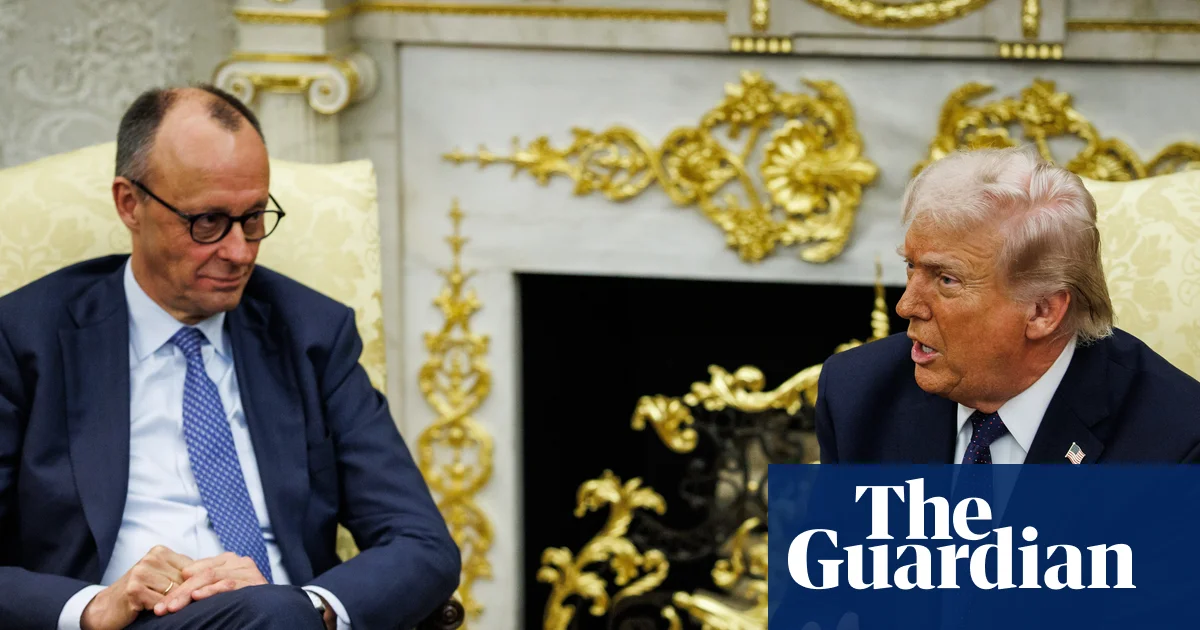
The United States under President Donald Trump continues to execute bold shifts in its foreign military posture, notably in Germany, stirring echoes across the international landscape. Last week, Trump announced a significant reduction of 5,000 U.S. troops stationed in Germany, a move that sent shockwaves through European capitals and among global security analysts. Despite maintaining a remaining force of approximately 30,000 soldiers, the prospect of further troop withdrawals looms, with Trump explicitly warning that “we’re cutting a lot further than 5,000.” This move marks a critical turning point in U.S.-European relations, signaling a departure from longstanding NATO commitments and a reevaluation of America’s strategic commitments on the continent.

The decision to draw down U.S. forces came amid escalating tensions over Iranian foreign policy and regional influence. The move was justified by the Pentagon as part of a “thorough review” of the European theater, yet critics argue it exacerbates existing rifts within NATO while emboldening adversaries. German Chancellor Friedrich Merz openly criticized the situation, lamenting the humiliation of Germany by Iranian provocations and warning that the ongoing diplomatic impasse is undermining Western unity. Merz’s comments reflect a growing concern among European leaders about their diminishing leverage and the waning U.S. military presence, which historically served as a stabilizing force. The tension thus underscores how decisions in Washington—particularly those influenced by domestic politics—directly reshape the security calculus of allies and adversaries alike.

Institutional voices from the U.S. Congress—particularly from senior Republicans like Senator Roger Wicker and Representative Mike Rogers—have expressed deep concern over the troop reductions. They emphasized that Germany has made significant investments in hosting U.S. forces, contributing to NATO’s collective defense, especially in the context of the Operation Epic Fury against Iran. These lawmakers advocate for maintaining a robust deterrent in Europe, possibly by relocating forces eastward instead of withdrawing altogether, thereby reinforcing NATO’s eastern flank amid growing threats. Their stance underscores a broader geopolitical calculus: retreating from Europe could undermine NATO’s strength, inviting regional miscalculations and potentially destabilizing the balance of power.

Amid these unfolding developments, international institutions and analysts caution that such troop withdrawals destabilize the delicate balance of security, inviting new conflicts and empowering rogue actors like Iran. A leaked Pentagon email also hinted at escalating tensions within NATO itself, hinting at punitive measures against Spain for its vocal criticisms of the Iran campaign, even suggesting suspensions from the alliance. These signals reveal how intertwined military strategy and diplomatic unity have become, making the North Atlantic community vulnerable to fragmentation at a time when global stability is fragile. As history continues to unfold, leaders worldwide face a stark choice: uphold alliance pledges or succumb to unilateral calls for retreat, risking a future where chaos and confrontation overshadow diplomacy.

The authentic legacy of today’s decisions will echo through history—whether they forge a new phase of renewed strength or precipitate discord in the world’s most critical region. As the geopolitical impact intensifies, the question remains: how will future generations judge these pivotal moments? Will they see this as a necessary recalibration of American strength or as a dangerous retreat that accelerates global instability? The answers lie yet to be written, but the course of history, with all its twists and turns, continues to unfold under the weight of today’s choices.
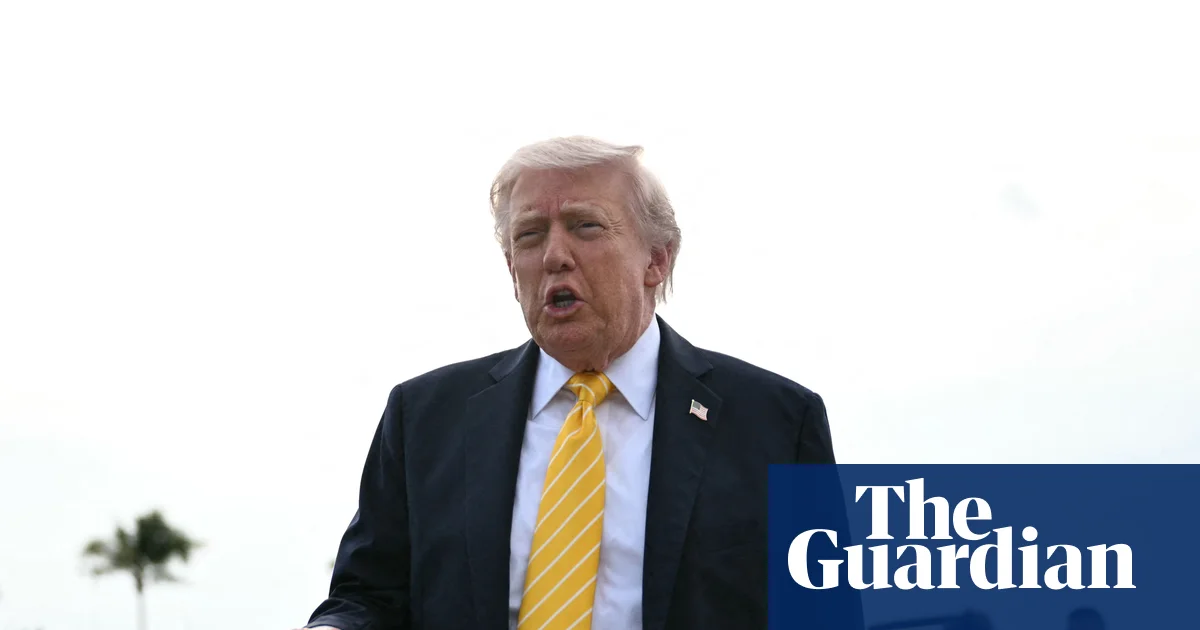
Trump questions Iran deal, warns Tehran hasn't paid enough price in US-Israel stance
Trump questions Iran deal, warns Tehran hasn’t paid enough price in US-Israel stance

In a high-stakes game of geopolitical chess, United States President Donald Trump is once again asserting a hardline stance against Iran, signaling potential escalation in a rapidly deteriorating crisis that threatens global stability. Despite publicly reviewing a new peace proposal from Tehran, Trump cast doubt on its viability, emphasizing that Iran has not yet “paid a big enough price” for its actions over the past decades. This rhetoric signals not only the potential for renewed hostilities but also underscores a broader strategic objective: maintaining maximum economic and military pressure on Iran to surrender its nuclear ambitions and regional influence.

The complex web of u-s-iran tensions is further convoluted by the intertwining of economic levers and military posturing. The Strait of Hormuz, the vital conduit for around 20% of the world’s oil and gas supplies, has become a flashpoint as both sides impose parallel blockades, risking catastrophic disruptions to global energy markets.

  • The US has threatened to escalate sanctions against shipping companies facilitating Iranian exports.
  • Iran, on its part, issued a 14-point counteroffer via Pakistan, demanding the lifting of sanctions and the end of hostilities, while emphasizing the importance of control over the strait’s management.

International analysts, including those affiliated with the International Crisis Group, warn that prolonged stalemates and aggressive posturing could trigger a regional crisis with repercussions extending far beyond the Middle East.

Meanwhile, Iran remains defiant, with its Islamic Revolutionary Guards Corps explicitly warning that Trump must choose between an “impossible operation” or a “bad deal.” This statement highlights the ongoing internal debate within Iran’s political establishment about how far to escalate or compromise. Recent shifts in tone from Russia, China, and European powers suggest a multifaceted chessboard, with each actor weighing their interests carefully. The US’s refusal to lift sanctions and its aggressive stance threaten to deepen Iran’s resolve, pushing the country ever closer to acquiring a clandestine nuclear capability—an outcome that independent security analysts warn could destabilize the entire region and undermine non-proliferation efforts that have been the cornerstone of international diplomacy for decades.

The U.S. military’s repositioning in Europe, including the plan to cut troop numbers in Germany, adds another layer of tension. Trump has indicated an intent to escalate confrontations with European allies, especially over criticisms regarding the Iran policy. The planned troop reduction signals it will be a test case for transatlantic unity, with some experts concerned that weakening US military posture in Europe may embolden adversaries and diminish NATO’s collective deterrence. Historians like Andrew Bacevich warn that such unilateral moves threaten to unravel decades of diplomatic consensus and could accelerate a shift towards a more fragmented and hostile international order.

As history reaches another critical juncture, the unfolding events threaten to reshape geopolitical realities—where economic sanctions, military showdowns, and diplomatic failures converge on the brink of a new Middle Eastern crisis. The weight of history presses heavily upon all involved, with each decision reverberating across continents, economies, and societies. While leaders negotiate and threats echo through corridors of power, the world watches in silence, acutely aware that the next chapter in this unfolding drama could either herald a fragile peace or ignite a conflict that reshapes the global order for generations to come.

Nigeria Calls Out South African Envoy Over Attacks on Its Youths

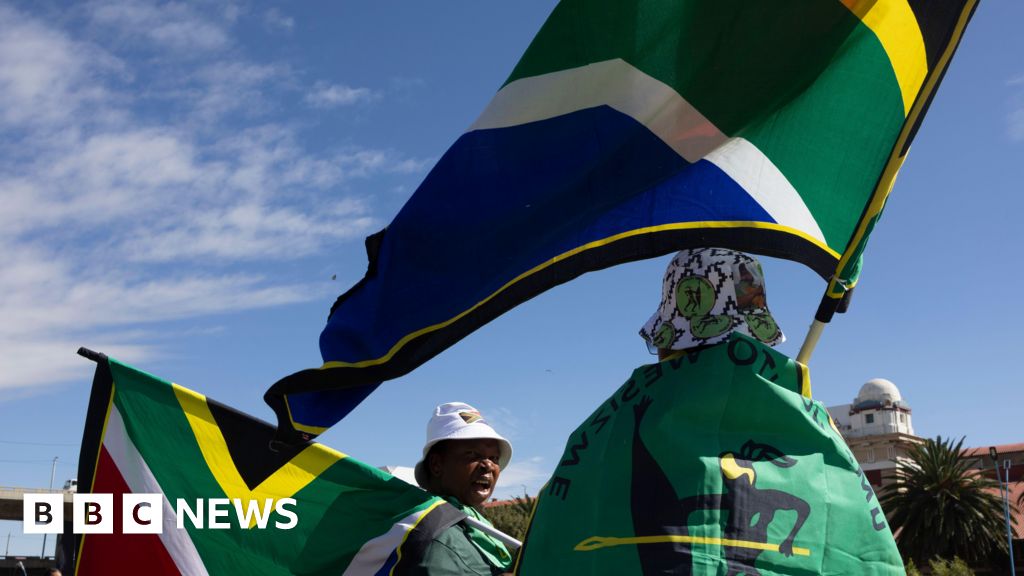
In recent weeks, South Africa has witnessed a disturbing surge in anti-migrant protests, some of which have escalated into violence. These demonstrations, fueled by economic hardship, rising unemployment, and social tensions, have focused increasingly on foreign nationals—primarily from neighboring countries in the region. As images of mobs attacking migrant communities circulate globally, analysts warn that these developments threaten to destabilize a nation already grappling with a complex web of internal crises. The societal upheaval underscores the broader challenges of migration management and regional stability in Southern Africa.

South Africa‘s current turmoil must be understood within the context of *underlying economic decline and persistent inequality*. Historically, the nation’s leadership has struggled to address deep-seated issues of unemployment and poverty, which have been exacerbated by the fallout from the COVID-19 pandemic and global economic shifts. As frustration mounts among the indigenous population, scapegoating migrants has become a populist outlet, igniting xenophobic sentiments that reach a dangerous boiling point. Some human rights organizations have warned that these protests could radicalize and spiral into broader societal conflicts, undermining decades of social cohesion.

International observers, including the United Nations and African Union, have expressed concern over the escalation of violence and the rhetoric targeting migrants. While the South African government has condemned the violence and promised to uphold the rule of law, critics argue that insufficient interventions fail to address the root causes of the unrest. Historians such as Thabo Mbeki’s former advisors emphasize that the crisis is not merely about migration but about the failure of leadership to deliver equitable economic opportunities. The regional implications are profound: neighboring nations, which depend on migrant labor for key sectors, are watching closely, fearing that continued unrest could destabilize the broader regional economic corridor.

The geopolitical impact of these events extends beyond South Africa’s borders. Regional instability could impair efforts for economic integration, threaten investments, and encourage further displacement of vulnerable populations. Several regional powers are now reevaluating their policies toward migration, with some warning of increased border controls and stricter enforcement, which risk deepening social segregation. Analysts highlight that this crisis may serve as a critical turning point in regional diplomacy, exposing fractures within the Southern African Development Community and challenging the narrative of a unified regional front. International organizations are calling for dialogue and comprehensive policies to manage migration humanely while safeguarding national security.

As the nation stands at a crossroads, the weight of history presses heavily upon decision-makers. What unfolds next will likely determine whether South Africa can navigate through this crucible of internal division or succumb to its mounting crises, cloaked in the shadows of a failed social contract. The world watches as the specter of xenophobia and socio-economic despair threaten to reshape the future of a nation that once symbolized hope and resilience. In this unfolding narrative, one thing remains clear: the choices made today will echo through generations to come, defining the legacy of a society on the brink of transformation or collapse.

Minister calls Polanski unfit to lead party after Golders Green tweet

UK Politics Turmoil Sparks International Concerns as New Attack Highlights Rising Tensions

The recent political storm in the United Kingdom underscores the volatile intersection of local governance, public safety, and international perceptions. At the heart of this controversy is Zack Polanski, a prominent figure within the Green Party, whose retweet of a social media post attacking police conduct during the Golders Green attack has ignited fierce debate. The retweet, which alleged that officers violently kicked a mentally ill man while incapacitated—without comment—prompted swift condemnation from government officials and law enforcement authorities. The disgusting incident prompted the transport secretary, Heidi Alexander, to publicly state that Polanski was “not fit to lead a political party,” exemplifying the deep political divide on law and order issues amidst a rising tide of antisemitic violence.”

Rising Violence and the International Geopolitical Ripple Effect

  • Just days after the attack, the UK’s terror threat level surged to severe, signaling an urgent need for heightened security measures, especially for Jewish communities targeted in recent assaults.
  • The suspect, Essa Suleiman, 45, was charged with multiple counts of attempted murder after stabbing two Jewish men—an act that has been classified by security experts as *domestic terrorism*, catalyzed by the current wave of antisemitism in the UK.
  • In response, the government announced plans to allocate additional funding for the protection of Jewish communities and to expand authority over hate preachers, yet critics argue that the measures are insufficient given the scale of recent violence.

International organizations and political analysts warn that persistent instability within the UK’s political landscape could have ripple effects well beyond its borders. The European Union, along with NATO allies, closely monitor such incidents, fearing that internal fractures may embolden radical groups or destabilize regional alliances. Notably, several international historians have pointed out that the UK’s current crisis echoes the political turbulence of past decades—serving as a stark reminder of how domestic unrest can influence global geopolitics. As the UK grapples with this surge in violence, the United States and other Western powers observe cautiously, understanding that the outcome of this internal chaos could shape future diplomatic and security strategies.

International Leaders and the Future of Stability

Leaders worldwide have issued mixed reactions—some calling for calm and resilience, others voicing concern over the potential for a wider destabilization. The European Commission has urged the UK government to intensify anti-hate initiatives, emphasizing that rising domestic tensions threaten to undermine broader international stability. Meanwhile, geopolitical analysts observe that the UK’s internal battles over law, security, and identity are emblematic of larger global shifts—where societal fractures echo across continents, fueling debates over sovereignty, multiculturalism, and security cooperation.

Yet amid this turbulence, the weight of history looms. As historians caution, how the UK manages this crisis may define the trajectory of its political identity for generations to come. The decisions taken today—whether to double down on security or to seek unity—will write the next chapter in a story that is still very much unfolding, one that could alter the course of national and international affairs. The world watches as the legacy of recent actions forms a narrative of resilience, division, and perhaps, unforeseen transformation—reminding us that in the theatre of history, the present is often a prelude to profound change.

Three Killed in Sydney Home Shadowed by Arrested Relative, Police Confirm

Tragic Incident Unfolds in Sydney: A Closer Look at the Broader Implications

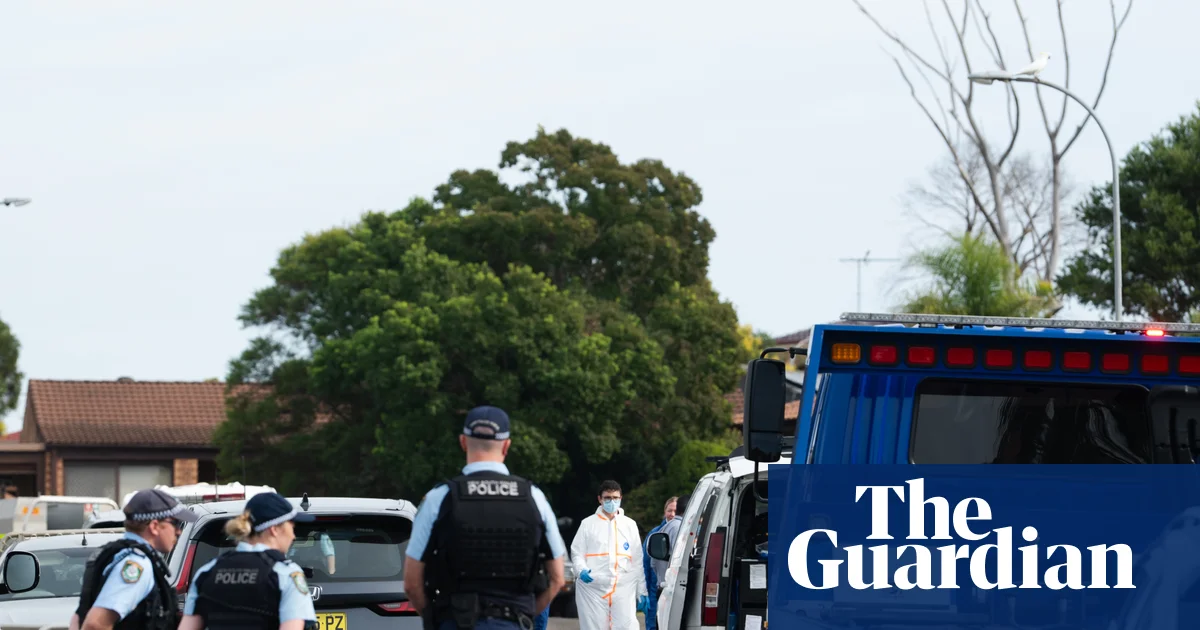
While headlines often focus on international conflicts and geopolitical tensions, domestic tragedies such as the recent violence in Sydney remind us of the persistent human stories that ripple through nations. In the early hours of Sunday in the New South Wales suburb of Rosemeadow, what appeared to be a family tragedy unfolded with devastating consequences. Three members of a family – a woman aged 65, a man aged 25, and a man aged 64 – lost their lives after an incident believed to involve multiple weapons, disturbing in its brutality. The perpetrator, a 32-year-old man, was arrested after allegedly attacking his family members, who are reported to be his parents and brother. The scene described by police was “confronting,” with injury patterns suggesting the use of various weapons, though no firearms were involved. This incident highlights how internal conflicts, often hidden behind closed doors, can erupt violently, leaving communities shattered and raising questions about societal safety.

International observers and analysts note that domestic violence and familial conflicts are universal issues transcending borders, yet they also underscore the importance of law enforcement readiness and social intervention. The police’s initial report indicates that the suspect, who left the scene before returning, was identified via a silver sedan. Their response underscores the importance of rapid police action and community cooperation in preventing further tragedy. Historians and security experts warn that such internal violence often goes unnoticed until it erupts, emphasizing the need for societal awareness, mental health support, and early intervention strategies. At a broader level, the incident serves as a stark reminder that the erosion of social cohesion and rising mental health crises can culminate in tragedy at home — a microcosm of societal fragility.

At the international level, these localized tragedies are often overshadowed by larger geopolitical conflicts, but they carry wide-ranging geopolitical impact. Governments around the world face mounting pressure to address domestic issues such as mental health, social inequality, and family violence. Critics argue that international aid and domestic policy often neglect these more insidious dangers, which can lead to destabilization within societies. As history warns us, when internal crises grow unchecked, they threaten to weaken the social fabric from within, making nations more susceptible to external destabilization and foreign interference. The tragic events in Rosemeadow serve as an urgent call for policymakers to prioritize holistic social reforms—before such violence becomes a persistent, fear-inducing normality.

From the United Nations to national governments, international organizations have recognized the importance of community safety initiatives, though their effectiveness varies by nation. Experts caution that without a comprehensive strategy incorporating mental health care, support systems, and social cohesion, such incidents will continue to occur with alarming frequency. As history demonstrates, unresolved domestic violence and mental health crises are often fertile ground for societal unrest and long-term destabilization. The unfolding narrative of this tragedy in Sydney — like countless others— underscores that beneath the veneer of national stability lies an undercurrent of vulnerability. The weight of history implores us: only through proactive, compassionate intervention can we hope to stave off more such tragedies. The story of this family’s destruction is not yet complete, and its echoes threaten to resound for generations unless decisive action is taken to root out the underlying causes of internal societal decay.

Man faces serious charges in tragic case involving 5-year-old Aussie girl

The tragic death of a young girl has ignited a wave of violence in a once-peaceful central Australian town, marking a troubling shift in the region’s social stability. This incident, which shocked communities and prompted widespread grief, has inadvertently become a catalyst for ongoing unrest, illustrating how single acts of tragedy can escalate into broader geopolitical and societal conflicts. As authorities grapple with restoring order, international observers and regional analysts are warning that such disturbances may reflect deeper undercurrents of neglect, systemic inequality, and unresolved tensions that threaten to destabilize the area further.

The disappearance of the girl initially sparked a local investigation, but the situation quickly spiraled into violence, with protests turning into riots that tore through the town. The underlying motives for the unrest, according to experts and community leaders, are rooted in historical grievances and racial tensions perpetuated over decades. Indigenous communities, which represent a significant demographic in the region, have long suffered from marginalization and limited access to essential services, issues that have been persisting in silence until this tragic event ignited a broader outcry. International organizations, such as the United Nations, have expressed concern over reports of escalating violence, emphasizing the need for systemic reform and greater engagement with affected communities.

From a geopolitical perspective, the fallout from this incident extends beyond domestic borders, raising questions about regional stability and the effectiveness of local governance. Analysts point out that the situation is emblematic of a larger pattern seen in other parts of the world—where unresolved historical grievances and social inequalities foster volatile environments ripe for conflict. The incident serves as a stark warning about the fragility of social cohesion in remote regions and the importance of proactive policies aimed at addressing root causes of unrest. The Australian government, under pressure from both domestic and international actors, has promised investigations and reforms, yet many argue that true change requires confronting entrenched structural issues that have plagued the nation for generations.

Historically, similar flashpoints have served as turning points—potential catalysts for broader societal and political transformation or, conversely, for sustained conflict if left unaddressed. Renowned historians caution that the way forward must be rooted in justice and inclusion, lest the cycle of violence repeat itself. As the dust begins to settle, the question remains: will this tragic episode be a wake-up call for nation-states worldwide or simply another chapter in an ongoing saga of neglected societies? The weight of history presses heavily on all involved, with the world watching as the delicate balance of peace and chaos teeters on the edge. Whether the resolution lies in renewal or rupture, the unfolding narrative invites us all to ponder where the lines are drawn between justice and unrest, and how nations choose to forge their futures amidst the shadows of their past.

Iran war boosts Ukraine's position—are talks with Russia on the horizon?
Iran war boosts Ukraine’s position—are talks with Russia on the horizon?

In the evolving landscape of modern warfare, drone technology has emerged as a disruptive force, reshaping how nations defend themselves and project power. Recent developments underscore a stark contrast in military economics: while advanced missile systems continue to command costs running into hundreds of millions, the advent of cheaper, mass-produced drones like the Iranian Shahed has introduced a new paradigm of asymmetric warfare. A single Shahed can cost between $80,000 and $130,000, a fraction of the price of traditional air defense missiles—yet its impact is disproportionately significant. Ukrainian President Volodymyr Zelensky has highlighted this advantage, asserting that such drones can be intercepted with systems costing as little as $10,000, a stark contrast to the multi-million-dollar expense of conventional missile interceptors.

This discrepancy underscores a broader geopolitical impact: nations facing economic or technological disadvantages in advanced missile defense are increasingly vulnerable to swarms of low-cost drones. Experts and analysts warn that these inexpensive yet effective UAVs threaten to LEVEL the playing field, empowering smaller or less-funded nations and non-state actors to challenge bigger powers’ military dominance. The strategic calculus is shifting—where previously, high-cost systems limited vulnerable targets, the proliferation of inexpensive yet lethal drones now demands significant investments in layered, multi-domain defense systems. As international security organizations scrutinize this trend, some nations are beginning to reconsider their military procurement priorities, recognizing that kinetic costs are no longer the sole measure of a drone’s threat level.

The Ukrainian defense strategy exemplifies this new era, fighting off relentless drone assaults despite limited resources. By emphasizing the cost-efficiency of their systems, Kyiv is illustrating an important lesson to global powers: asymmetric threats can be countered not solely with expensive technology but also with versatile, adaptable defense networks. Meanwhile, Russia and Iran continue refining their drone technology, leveraging these assets for strategic leverage in the ongoing conflicts in Eastern Europe and the Middle East. The United States and European Union are responding by accelerating investments in counter-drone systems, but critics argue that the tide of cheap UAVs presents a persistent challenge that cannot be fully contained through traditional means.

Looking ahead, historians and analysts suggest that we are witnessing a *turning point* in military history—one where the balance of technological power could rapidly shift in favor of those wielding small, inexpensive drones capable of inflicting significant damage. As international diplomacy grapples with these new realities, the risk of escalation and proxy warfare multiplies. The United Nations warns that unchecked proliferation of drone technology could destabilize fragile regions and ignite new conflicts. Whether this technological revolution leads to greater security or fuels a dangerous arms race remains an open question, but one thing is clear: the decisions made today will define global stability for decades to come. The chronicles of history are being written in the skies, and the future of warfare stands on the cusp of an unsettling transformation—one marked not by the grandeur of traditional combat but by the silent, relentless swarm of small UAVs, rewriting the blueprint of power in the 21st century.

Jefferson Lewis Charged with Murder in Kumanjayi Little Baby Case Near Alice Springs

The recent case emerging from Australia’s Northern Territory underscores a troubling intersection of local societal issues with broader geopolitical concerns about Indigenous communities and justice. The brutal murder of five-year-old Kumanjayi Little Baby has shocked the nation, prompting intense media coverage and public outcry. In this tragic incident, police have formally charged Jefferson Lewis, 47, with her murder after her body was discovered following days of a widespread search. The girl’s disappearance from her family’s camp near Alice Springs is a stark reminder of ongoing challenges faced by Indigenous Australians, particularly in remote areas where social disparities and systemic neglect are prominent.

This case has broad implications that extend into international discussions about Indigenous rights and justice. Analysts have pointed out that incidents like these often heighten pressures on the government to address longstanding issues of poverty, violence, and marginalization within Indigenous communities. While local law enforcement works through the tragedy’s legal ramifications, international organizations such as the United Nations highlight the importance of culturally sensitive approaches in addressing crimes involving Indigenous populations. Indeed, Kumanjayi Little Baby’s name is now used in line with her family’s cultural traditions, underscoring the profound respect for her memory and the urgent necessity for change. The tragic loss raises urgent questions about effective intervention strategies and the responsibilities of authorities in protecting vulnerable children in isolated territories.

  • The girl was last seen alive at 11:30 pm, and her disappearance was confirmed when her family checked on her two hours later.
  • Volunteer efforts, supported by hundreds of community members, spanned five days before her body was found, illustrating both resilience and the failures of current safeguards.
  • Lewis’s arrest and remand highlight ongoing challenges within the justice system regarding accountability and cultural sensitivities.

From a geopolitical perspective, this incident emphasizes how internal security and social issues in nations like Australia serve as microcosms of larger global struggles—where marginalized groups demand justice and recognition amidst political neglect. The case catalyzes international debate around Indigenous sovereignty, systemic reform, and the delicate balance between state authority and cultural respect. Many analysts point to the importance of reforming policies that address root causes of violence and neglect in remote areas, arguing that local tragedies often mirror gaps in national and international policy. Meanwhile, historians and human rights observers warn that ignoring these issues risks further alienating Indigenous peoples and exacerbating social divisions.

As the trial of Jefferson Lewis advances in Darwin, the eyes of the world remain fixed on this unfolding tragedy. The story of Kumanjayi Little Baby, once a name known only to her family, now echoes across continents, symbolizing the urgent need for systemic change and true justice. Yet, behind every court hearing and police statement lies a haunting question: How many more children will suffer before the international community and local governments unite to forge meaningful solutions? The fate of this young girl, and countless others like her, continues to frame a stark narrative—one where history’s pen writes the enduring story of societal failings, and the future hinges on whether humanity responds with decisive action or turns a blind eye, leaving the echoes of tragedy to reverberate through generations to come.

Voters will decide Trump's fate based on the economy
Voters will decide Trump’s fate based on the economy

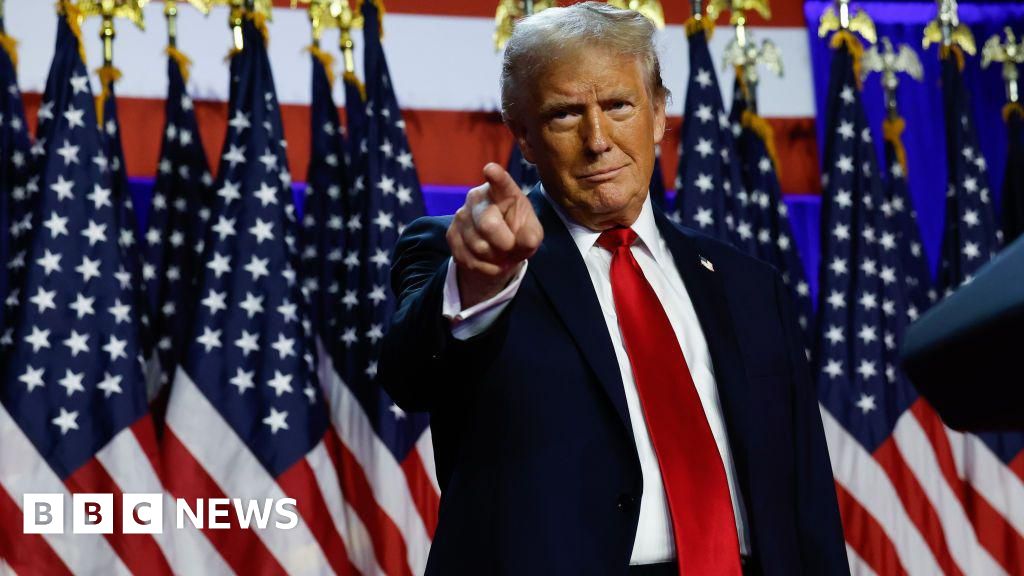
The recent escalation of U.S. military actions in the Middle East has sent shockwaves through the global geopolitical landscape. President Donald Trump authorized targeted strikes on Iran, a move that has significantly destabilized a region already rife with tensions. These strikes, coupled with Iran’s subsequent decision to close the Strait of Hormuz, a critical route through which approximately 20% of the world’s oil passes, have created a geopolitical tinderbox that threatens to ignite a much larger conflict. Financial markets responded instantly: Brent crude, a benchmark for international oil prices, surged to $126—a four-year peak—before gradually retreating to $111. However, this volatile spike underscores an unsettling truth: the global economy remains heavily vulnerable to regional conflicts in the Middle East.

International analysts, including those at the International Energy Agency and leading geopolitical think tanks, warn that such disruptions not only threaten energy supplies but also accelerate the reshaping of global power architecture. Historically, control over the Strait of Hormuz has been a strategic cornerstone for Persian Gulf states, with Iran viewing any interference with its navigation routes as a desperate effort to counterbalance Western influence and uphold regional sovereignty. Conversely, the United States and its allies see these actions as necessary to curtail Iran’s regional ambitions and nuclear developments. The Trump administration has clearly signaled a willingness to challenge Iran’s assertive posture, but these moves risk further destabilizing a fragile peace and drawing in greater regional powers, including Russia and China.

Historically, the geopolitical impact of such crises has been profound, impacting not only regional stability but also global economic development. The surge in oil prices—signified by a spike of nearly 70 dollars—has rippling effects, from inflationary pressures in Europe and Asia to an intensification of energy insecurity among Western nations. Economists warn that sustained disruptions in oil supply could lead to a chain reaction of economic instability, potentially derailing recovery efforts post-pandemic. As international organizations scramble to contain the fallout, analysts emphasize that when energy markets are shaken, entire societies are at risk—especially those already grappling with economic inequalities and political unrest.

Looking ahead, the immediate question remains: how will this crisis redefine international diplomacy and the pursuit of strategic dominance? The unfolding drama in the Middle East echoes the warnings of historians and security experts who stress that conflicts over resources and regional influence have often foreshadowed larger global confrontations. As the world stands on the precipice of an uncertain future, the impact of these decisions will shape the geopolitical map for decades to come—whether as the catalyst for a new era of stability or a descent into chaos.

In this moment of history’s unfolding narrative, the urgency lies in understanding that the stakes are far beyond mere oil prices. They are about the balance of power, the sovereignty of nations, and the security of future generations. As ships remain stranded in a narrowed Strait, and global markets fluctuate like a pendulum, the echoes of this conflict will resonate through the corridors of power—reminding the world that in the struggle for dominance, history’s pen waits to record the decisive strokes.

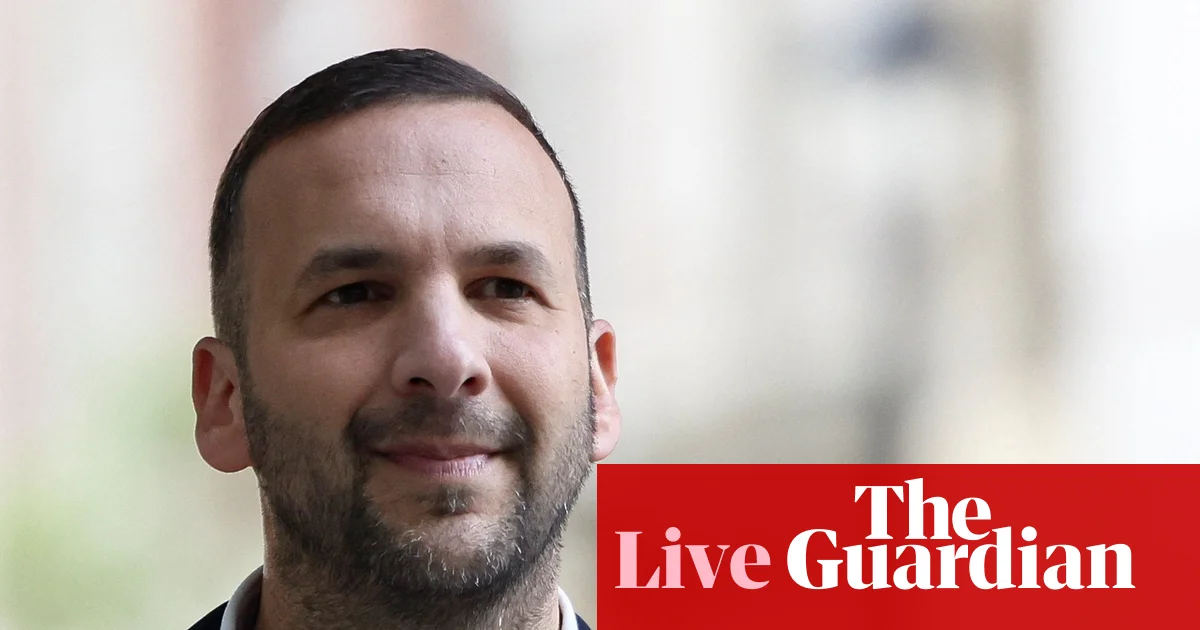
Australia News Live: Tragedy in Sydney as man arrested after 3 deaths; Liberals take Nepean seat in crucial Victorian byelection

In the wake of unprecedented domestic turmoil and a rapidly shifting geopolitical landscape, Australia finds itself at a formidable crossroads. Recent reports underscore a troubling spike in violence within the nation’s borders, exemplified by a tragic incident in Sydney’s southwest, where three lives were brutally lost, and a man currently in custody. The incident, which saw a 64-year-old man succumb to severe head injuries, alongside the bodies of a woman in her 60s and a man in his 20s, tragically represents the deepening social fractures gripping the country. NSW authorities have linked these acts of violence to a man known to the victims, raising urgent questions about underlying social issues. As the nation grapples with this violence, the call for resilient law enforcement and social cohesion becomes more pressing than ever.

The chaos extends beyond Australia’s borders, confronting the nation with a bilateral challenge that could influence global stability. Earlier this week, Australian activists joined an international protest—a paddle-out supporting the Global Sumud Flotilla—whose attempted aid delivery to Gaza was intercepted by Israeli defense forces. This act of solidarity highlights Australia’s complex role on the world stage, caught between an ongoing regional conflict and its desire to maintain strategic alliances. The incident underscores a broader geopolitical dilemma: how to uphold national interests while navigating the turbulent waters of Middle Eastern politics. International experts warn that these flashpoints could serve as catalysts for wider conflict, potentially drawing Australia into an even more active and contentious regional security environment.

Meanwhile, in domestic politics, the nation watched as the Liberal Party secured a commanding victory in a pivotal Victoria byelection—a clear political harbinger ahead of the upcoming state elections in November. With nearly 80% of votes counted, the opposition’s candidate, Anthony Marsh, garnered over 63% on a two-candidate basis, boosting the Liberals’ prospects and signaling a shift in voter sentiment. Such electoral shifts are not merely local victories but have broader geopolitical implications, revealing cracks in the political fabric that could influence Australia’s policy directions, especially in relation to defense and foreign policy under rising global tensions. As political analysts argue, these results could embolden opposition voices, impacting national unity and Australia’s strategic posture on the world stage.

Adding to the international mosaic, Prime Minister Anthony Albanese prepares for a significant diplomatic engagement with Japanese Prime Minister Sanae Takaichi, who is scheduled to arrive in Australia for her inaugural official visit. The upcoming Australia–Japan Annual Leaders’ Meeting promises to bolster regional alliances amidst a backdrop of growing economic and security challenges. Japan’s strategic interests in the Indo-Pacific are increasingly intertwined with Australian policy, especially as global superpowers jostle for influence. Historians and strategic analysts warn that these diplomatic efforts are crucial for counterbalancing China’s expanding influence, signaling a renewed commitment to regional stability and collective security.

As history continues to unfold, Australia’s internal crises and external commitments form a complex tapestry—one that holds the power to influence not only its future but also the geopolitical equilibrium of an entire continent. From tragic episodes of violence to electoral shifts and rising diplomatic alliances, each decision, each vote, each diplomatic handshake carries the weight of an uncertain tomorrow. The answers lie in the choices made today, as the nation stands on the cusp of an epochal transformation—an unfolding chapter where the voices of the youth and the echoes of history will shape what comes next.

Social Media Auto Publish Powered By : XYZScripts.com