Matox News

Truth Over Trends, always!

Evidence Connects Sydney Kidnap Victim Chris Baghsarian, 85, to Burned Car as Search Persists

Embattled Australia Faces a Crisis with Broader Geopolitical Implications

In an unsettling turn of events, Australia is reeling after the kidnapping of 85-year-old Chris Baghsarian in what authorities believe to be a case of mistaken identity. The case, unfolding in the suburban landscapes of Sydney, has exposed more than just a personal tragedy; it underscores ongoing issues of criminality, law enforcement challenges, and the societal fractures that threaten to destabilize the nation. For over a week, forensic investigations have linked evidence from a burnt-out vehicle to a remote bushland area, where the elderly man had been held hostage, raising questions about the depth of organized crime infiltrating local communities.

While police have yet to confirm what precise evidence connects Baghsarian to the crime scene, authorities have indicated that a vehicle linked to the kidnapping was not entirely destroyed by fire, allowing forensic experts to establish crucial links. The fact that the car appeared in multiple locations, including Glenorie, suggests a calculated effort by the perpetrators to evade detection while highlighting how criminal networks exploit rural and suburban areas to hide illicit activities. It is a stark reminder that even a peaceful nation like Australia is vulnerable to covert operations that, if unchecked, could threaten its social fabric, especially as this case remains without a ransom demand or clear ties to organized underworld groups.

International Scope of Law Enforcement Struggles and Political Ramifications

Global analysts and criminal experts warn that Australia’s current predicament foreshadows a broader challenge faced by developed nations: the seepage of organized crime into civilian life, facilitated by weak borders, digital anonymity, and a lack of coordinated international strategies. The European Commission and Interpol have repeatedly emphasized that transnational crime syndicates now operate across borders with alarming agility, often turning local communities into battlegrounds. Analysts warn that if countries like Australia cannot enhance their investigative capabilities and international cooperation, their sovereignty and social order could be at grave risk.

The case also raises serious concerns about how decisions made in global and national policy impact societies at the grassroots level. The reluctance to openly confront criminal networks or implement comprehensive security reforms can embolden factions intent on destabilizing social trust. Furthermore, this incident exposes the limits of current law enforcement strategies, which are often hampered by bureaucratic hurdles, underfunding, or political hesitance, thereby enabling organized crooks to flourish in the shadows.

The Broader Geopolitical Impact and the Path Forward

This disturbing episode highlights a fragility that extends well beyond Australia. As international organizations like the United Nations and regional alliances grapple with the escalation of crime, terrorism, and illicit trade, the need for a fortified, coordinated approach becomes increasingly evident. Australia’s internal security failures could serve as a warning sign to other nations, prompting urgent calls for policies that prioritize border security, intelligence sharing, and community resilience. The ripple effects may well influence diplomatic relations, trade policies, and regional stability, especially if criminal enterprises find fertile ground in these nations’ social and political vulnerabilities.

Historians and security analysts warn that crises such as the Baghsarian kidnapping are chapters in a larger narrative of societal decline driven by unchecked criminal ambition and international neglect. As the authorities continue their search in the rugged Australian bush, the nation stands at a crossroads: either strengthen its defenses against insidious threats or risk surrendering its sovereignty to organized chaos. In the shadows, unseen forces watch, analyze, and adapt—leaving the final pages of this unfolding story unwritten but undeniably impactful, echoing across the corridors of power and history alike.
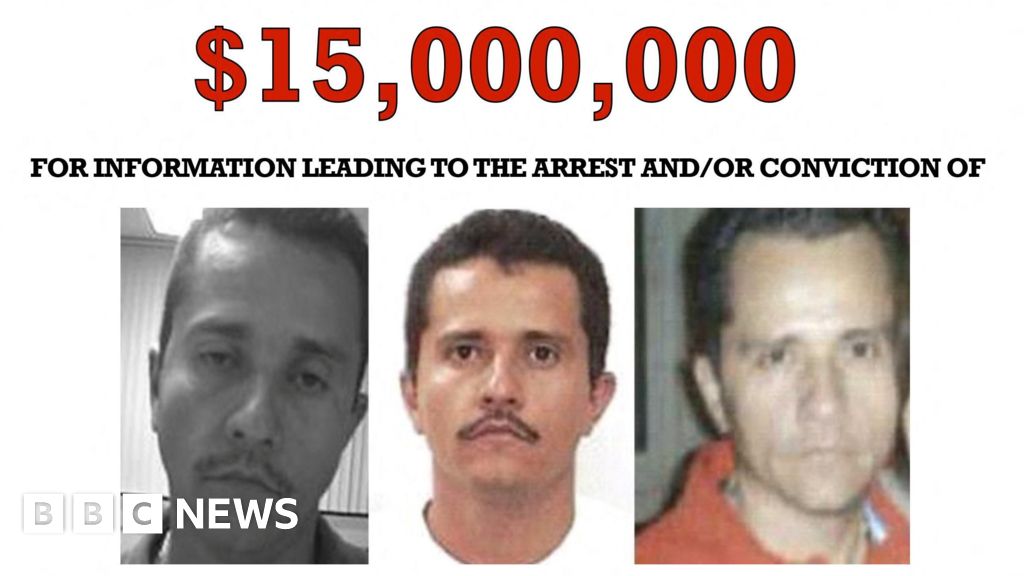
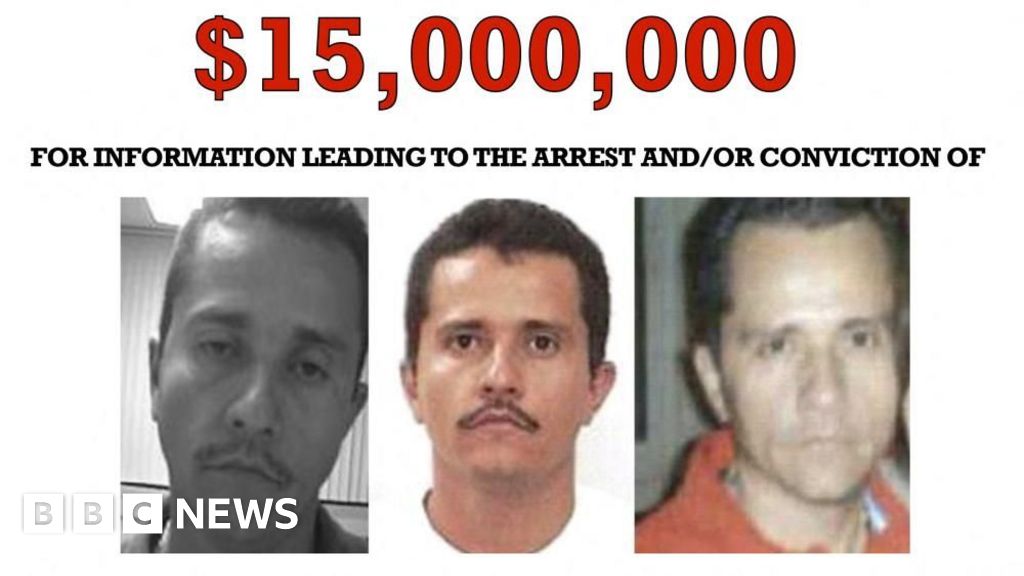
El Mencho: The Notorious Criminal Powerhouse Behind Mexico’s Most Wanted List

The international landscape of organized crime has once again demonstrated its profound influence on global stability, as the ascent of Nemesio Oseguera Cervantes, better known as ‘El Mencho’, underscores the complex interplay of violence, economics, and geopolitics shaping nations today. Originating from humble rural roots in the western state of Michoacán, Mexico, ‘El Mencho’ swiftly ascended the ranks of criminal dominance, leading the infamous Jalisco New Generation Cartel (CJNG)—a behemoth of brutality and strategic sophistication. His rise exemplifies how criminal organizations can extend their influence beyond borders, challenging law enforcement efforts and destabilizing entire regions.

The emergence of ‘El Mencho’ underscores a broader trend of criminal enterprises becoming de facto geopolitical players. Driven by ruthless ambition, CJNG has wrought havoc across Mexico, but its reach extends into the United States and Central America, affecting the socio-economic fabric of multiple societies. International organizations, such as the United Nations Office on Drugs and Crime (UNODC), warn that cartels like CJNG threaten the sovereignty of nations, facilitating not only drug trafficking but also corruption, violence, and destabilization. Analysts emphasize that these organizations often leverage political vulnerabilities, undermining state authority and complicating diplomatic efforts to restore peace and order.

Decisive moments, such as U.S.-Mexico security collaborations and Colombian anti-narcotics initiatives, highlight the ongoing global struggle to contain these shadow armies. Yet, despite increased efforts, figures like ‘El Mencho’ remain elusive, symbolizing the resilience and adaptability of criminal networks. Historians warn that these forces threaten to undo decades of progress in regional security, transforming local turf wars into international crises. As geopolitical analysts reflect on recent developments, they suggest that failure to address the root causes—poverty, corruption, and weak institutions—may serve only to prolong the chaos.

In this unfolding era, where drug cartels evolve from mere criminal syndicates into formidable geopolitical actors, the stakes have never been higher. Nations grapple with the reality that the decisions made today—be it increased security measures, intelligence sharing, or socioeconomic reforms—will determine the course of history. The story of ‘El Mencho’ exemplifies how a single figure, born in modest circumstances, can rise to threaten regional stability, transforming the fabric of nations into battlegrounds of influence. As the world watches and reacts, history continues to unfold, reminding us that in the shadows of crime, true power may ultimately be held by those who manipulate chaos to their advantage—and the consequences for societies will echo for generations to come.

El Mencho, Mexico's top drug kingpin, taken out in military raid
El Mencho, Mexico’s top drug kingpin, taken out in military raid

The name Nemesio Oseguera Cervantes, better known as “El Mencho,” is etched into the annals of international crime as the leader of one of Mexico’s most formidable drug cartels. This notorious figure symbolizes not only the persistent challenge of organized crime in Latin America but also the broader geopolitical implications that ripple across continents. As law enforcement agencies worldwide gear up in a relentless pursuit, analysts underscore that the flickering of El Mencho’s influence is a defiant testament to the resilience of transnational criminal syndicates amid a changing global landscape.

El Mencho’s cartel has expanded its reach far beyond Mexico’s borders, fueling violence and destabilization that defy national boundaries. International organizations such as the United Nations Office on Drugs and Crime (UNODC) warn that these organizations now operate with unprecedented sophistication, integrating money laundering, trafficking, and cybercrime into a seamless web that ensnares societies. The geopolitical impact of their operations extends into U.S. border states, Central America, and even distant regions where illicit flows threaten regional stability. Governments, particularly in North America and Central America, have responded with increased military and law enforcement cooperation, yet the entrenched nature of such cartels complicates efforts to dismantle these sprawling networks.

Historian and geopolitical analyst Professor James Patterson highlights a critical turning point: “El Mencho’s resilience exemplifies the unintended consequences of decades-long drug policies that have prioritized interdiction over root causes.” In this context, the ongoing campaigns to target cartel leadership often result in power shifts rather than eliminations, allowing new figures to rise and perpetuate chaos. The international community’s divided tactics reflect a broader debate about how to effectively confront and eradicate these socio-economic tumors without exacerbating violence or undermining sovereignty.

As questions about the future intensify, the core concern remains: how do nations adapt to and contain the far-reaching influence of such criminal entities? The very fabric of societal stability is at stake, with vulnerable communities bearing the brunt of violence and corruption. Meanwhile, some voices warn that persistent efforts to dismantle powerful cartels risk collateral damage, potentially destabilizing regional politics and economies further. Throughout history, the rise and fall of criminal regimes have often shaped the course of nations, and El Mencho’s persistent grip on the drug trade signals that this phase of the struggle is far from over. The ongoing saga reflects a stark reality — that the decisions taken today will intricately weave into the fabric of future geopolitics, perhaps for generations to come.

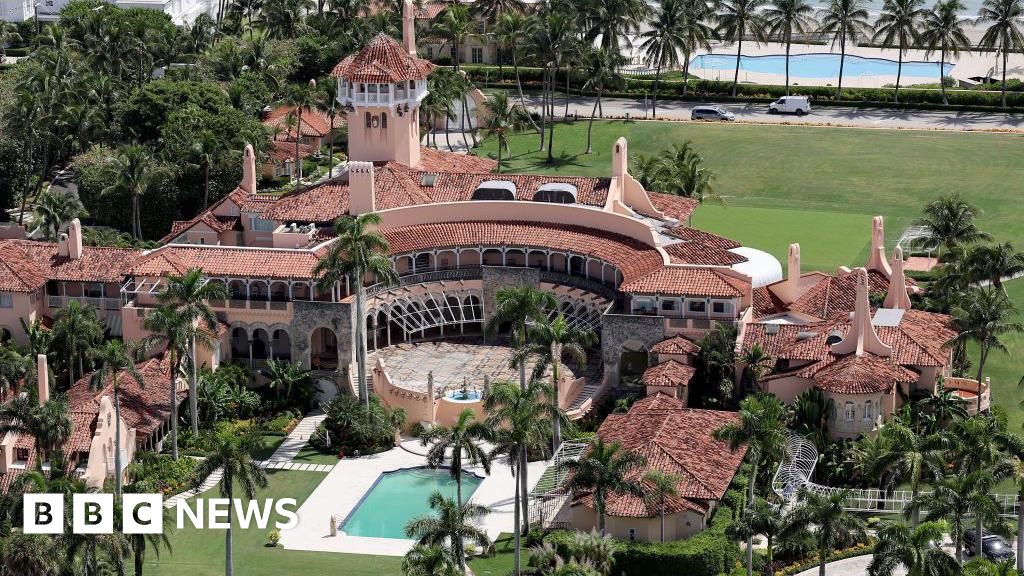
Intruder shot after breaching Mar-a-Lago security, Secret Service confirms

Sudden Violence in Butler Shakes U.S. Political Landscape

The summer of 2024 will be remembered as a pivotal moment in American history, marked by a shocking act of violence targeting former President Donald Trump. On a routine day in July, as he engaged with supporters in Butler, Pennsylvania, an unexpected and tragic event unfolded. A gunman, identified as 20-year-old Matthew Crooks, opened fire, striking Trump in the ear and causing chaos among the gathered crowds. This assault resulted not only in injuries but also in the loss of life, with one bystander killed and two others wounded. The rapid response by security forces, who promptly shot and killed Crooks, prevented further bloodshed, but the incident has ignited both national and international debate about the state of political violence in the United States.

This act of violence underscores tensions that have continued to escalate in the American political arena, reflecting a broader ideological divide that has been inflamed over recent years. Analysts and international commentators warn that such incidents threaten the stability of democratic institutions and portend a future where political violence might become more commonplace. The implications extend beyond US borders, casting a shadow over the global image of America as a beacon of democracy. The ripple effects of this attack could influence international relations, security policies, and the perception of American political resilience, especially as global powers observe how internal strife affects their ideological rivals.

The motivations behind Crooks’ attack remain unknown, but the incident has sparked urgent questions about security protocols, mental health, and the rise of extremist sentiments within the US. Historians and security analysts are already drawing parallels with past political violence, warning that such events might become catalysts for more profound societal upheaval. International organizations such as the United Nations have called for internal stability and a crackdown on extremist narratives that facilitate such violence, emphasizing the risk of deterioration in democratic norms.

From a geopolitical perspective, this violence poses a threat to domestic stability—a core foundation of a nation’s standing in the world. The deliberate targeting of a prominent political figure like Trump exposes vulnerabilities in US security and highlights the need for an urgent reassessment of how political hostility manifests physically. Leaders worldwide observe with concern, knowing that unchecked internal conflict fuels instability, weakening America’s ability to project power and influence globally. As the nation mourns, the question remains: how will this tragedy shape future political discourse and policy in the United States?

History has often recorded moments where a single act of violence ignited broader societal shifts—sometimes for better, sometimes with devastating consequences. As the United States grapples with what this attack signifies, the world watches closely. The harrowing question lingers: will this event fracture the fragile fabric of American democracy or serve as a wake-up call to reinforce its foundations? In the unfolding chapters of history, the answer remains uncertain, yet undeniable: the weight of this moment will linger in the collective memory, reminding us all that the future of nations often hinges on how they confront their darkest hours.

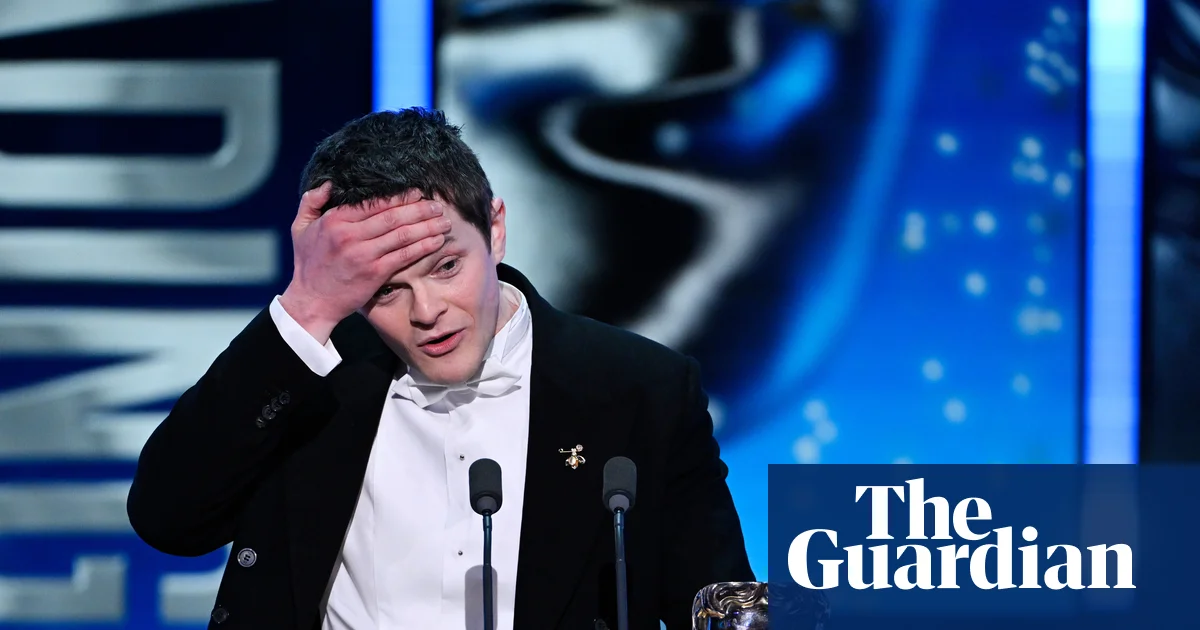
Next-Gen Wins Big at Baftas 2026: One Battle After Another, I Swear’s Robert Aramayo Takes Best Actor—Hamnet and Sinners Fall Short

In a year marked by tumultuous geopolitical shifts and societal upheavals, the global landscape continues to evolve at a rapid pace, reflecting the profound influence of decisions made by world leaders and institutions. Recent events underscore a potent narrative: the interplay between cultural expression and political realities. Hollywood’s film awards season, for instance, offers more than entertainment; it acts as a mirror to our times. As the BAFTA awards celebrate a diverse array of films and performances, they also subtly signal an underlying conversation about the state of freedom, expression, and societal values. In an era where global tensions simmer and societal divisions deepen, these cultural moments serve as a warning of the influence that ideology, politics, and history wield over perceptions and narratives.

Historian and international analysts point to the ripple effects of geopolitical decisions that shape cultural exports and storytelling. The prominence of films addressing conflict, racial themes, and erasure—such as Ryan Coogler’s Sinners and Chloé Zhao’s Hamnet—carries a dual message. They are both artistic triumphs and indictments of ongoing societal struggles that originate from, or are exacerbated by, international policies and conflicts. The United States, as a dominant cultural power, continues to grapple with its own contradictions over freedom of speech and racial justice, while countries like Nigeria and Norway are making distinctive marks on the global cultural stage. These narratives, reinforced by insights from international organizations like the UN and cultural critics, emphasize that societal unity and progress hinge on confronting uncomfortable truths.

The geopolitical impact of these cultural shifts extends into diplomatic spheres as well. Recent victories and upsets at these awards—such as Robert Aramayo’s unexpected win and Coogler’s historic screenplay accolade—highlight a world increasingly attentive to stories of resilience and identity. In particular, Coogler’s recognition as the first Black recipient of the best original screenplay honors represents a step toward more inclusive narratives, yet it also reflects the ongoing debates about representation and influence. Analysts warn that such progress must be accompanied by systemic change, lest these cinematic victories become hollow symbols amid external geopolitical conflicts. The ongoing tensions in regions like the Middle East and Eastern Europe serve as stark reminders that cultural diplomacy remains crucial—what is celebrated on the screen often echoes larger struggles for sovereignty, human rights, and national self-determination.

As history inscribes each chapter of this unfolding story, the decisions of today’s leaders will sculpt the future of societies worldwide. Warnings from scholars like Samuel P. Huntington and contemporary geopolitical strategists remind us that cultural narratives have the power to either bridge divides or deepen them. The world stands at a crossroads, where echoes of past conflicts resonate with the new digital age’s challenge to truth and unity. With society’s collective gaze fixed on both the silver screen and the shifting global order, the realization looms: the stories we tell and the choices we make in this moment will define the course of history for generations to come. And in this relentless march of time, the weight of history presses ever stronger, reminding us that we are all custodians of an uncertain future, still being written in the shadows and light surrounding us.

St. Francis’s bones go on display, sparking pride in Italy’s heritage

Italy’s Patron Saint Reappears After Decades in Sole Public Display

In a momentous event that has captivated the world’s attention, the remains of Italy’s patron saint were publicly displayed for only the second time in recorded history. The last occasion was in 1978, marking nearly five decades since the sacred relics last appeared for the public. This rare unveiling not only reignited religious fervor across Italy but also drew intense international scrutiny as analysts and historians contemplated the broader geopolitical implications of such a spiritual event in a world increasingly driven by political conflicts and shifting alliances.

Instituted centuries ago, the veneration of this revered relic has historically been a unifying force for the Italian people and a symbol of their enduring spiritual heritage. However, the decision to display the remains now, amidst a fragile geopolitical landscape, underscores as much a declaration of cultural resilience as a subtle assertion of national identity. The timing coincides with mounting domestic and international challenges—ranging from economic strains to regional tensions—and signals a deliberate reminder of Italy’s historical roots and sovereignty.

International organizations, such as the United Nations, and major world powers have watched keenly as this event unfolds. Scholars point out that religious symbolism, especially in Italy—a nation intertwined with the fabric of Western civilization—remains a potent tool of soft power. Some analysts suggest that this public display could serve as a strategic gesture, reaffirming Italy’s cultural independence amid rising global uncertainties. Conversely, critics argue that in an era dominated by digital communication and political upheavals, such traditional symbols may be overshadowed by more pressing geopolitical concerns.

Historians and geopolitical strategists alike have emphasized that how nations choose to preserve and memorialize their cultural and religious icons often reflects underlying shifts in power and societal cohesion. As one seasoned European diplomat noted, “Events like this are never just about faith or history—they encode deeper narratives of sovereignty, identity, and resistance against external nods to cultural erosion.” The re-emergence of Italy’s relics thus signifies more than a spiritual event; it is a living testament to a nation contemplating its place on a turbulent geopolitical stage. As history continues to be written, the world watches with bated breath, aware that moments of cultural revival can often presage significant political shifts. The symbolic relics, quiescent for needs of centuries, now carry an unspoken message: some aspects of a nation’s soul are resilient in ways that transcend borders and conflicts—reminding us that in the chaos of history’s pages, spiritual history remains an enduring, potent force.

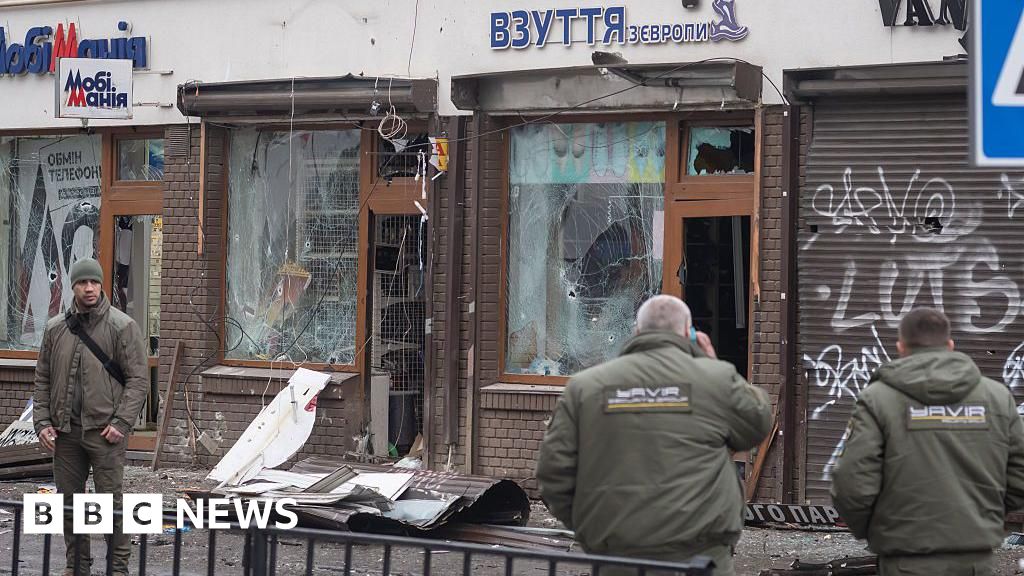
Explosions in Western Ukraine Claim Police Officer’s Life, Wound 25 Others

In a grim demonstration of the persistent threats facing global stability, authorities reported that twenty-five individuals were injured overnight in what officials are now officially describing as a terror attack. The incident marks a troubling escalation in a region already fraught with political tension and insecurity. While initial investigations are underway, the attack underscores the fragile balance that many nations struggle to maintain amid ongoing conflicts and regional instability.

This attack, which involved a series of coordinated explosions, has reignited debates among international security analysts about the effectiveness of current counter-terrorism strategies. According to experts at INTERPOL and leading regional think tanks, such assaults are often symptomatic of deeper political grievances and unresolved sectarian divides. The targeted area, historically volatile, is a hotbed where extremist factions often exploit local insecurities to sow chaos. The incident may well be a signal that these persistent fissures remain unhealed, capable of erupting violently at any moment.

Some experts warn that this attack could serve as a stark warning for the broader international community. As noted by analysts from the Council on Foreign Relations, the incident could potentially destabilize neighboring states, prompting renewed concerns over refugee flows, border security, and the spread of militant ideology. The United Nations has issued a cautious call for restraint and enhanced cooperation, emphasizing that such acts threaten not only regional peace but also the global fight against terrorism. The balance of power in the region hangs in a delicate equilibrium, with each act of violence further complicating diplomatic efforts and the pursuit of peace.

Historically, when nations are confronted with internal violence, external actors—be they regional powers or international institutions—wade into complex geopolitical dynamics. For instance, Western nations have often taken a cautious approach, balancing condemnation and strategic engagement, increasingly aware that such terror attacks can ripple across borders, fueling instability far beyond the immediate area. As analysts scrutinize recent responses from regional governments and military agencies, the enduring question remains: how will the international community adapt its strategies to prevent further escalation? Will this attack serve as a catalyst for increased cooperation, or will it deepen divisions and breed further chaos?

While the dust from the explosions begins to settle, the true test lies ahead—whether the global response will be robust enough to undermine terror networks or if, instead, history will record this as yet another chapter in the relentless struggle against forces seeking to fragment societies and rewrite the course of history. As the world watches and responds, the weight of this moment continues to hang heavy: a stark reminder that beneath the veneer of routine life, the specter of violence remains ever-present, and the path towards peace is fraught with peril.

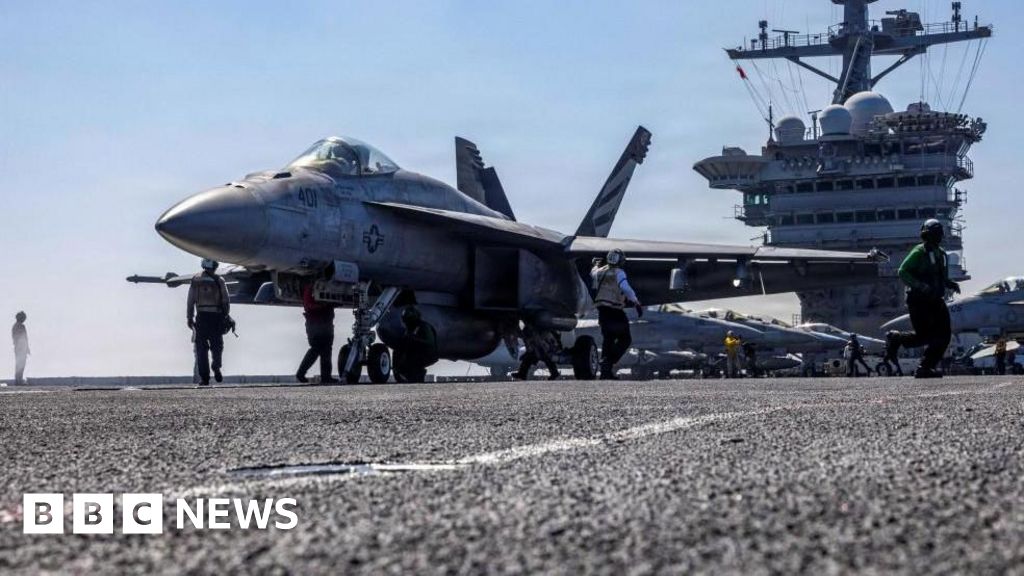
Trump questions why Iran hasn't ‘surrendered,’ says US envoy Witkoff
Trump questions why Iran hasn’t ‘surrendered,’ says US envoy Witkoff

US Diplomatic Frustration Signals Evolving Geopolitical Tensions with Iran

In a recent statement, US envoy Steve Witkoff expressed notable **puzzlement** over Iran’s apparent reluctance to **compromise** amid a formidable American military build-up stationed in the region. Witkoff conveyed that despite widespread international expectations for de-escalation, Tehran remains **unyielding**, highlighting a deepening impasse in the ongoing negotiations surrounding Iran’s nuclear program and regional influence. This diplomatic stalemate underscores a broader pattern of **escalating tensions** that threaten to destabilize the geopolitical balance in the Middle East and beyond.

The **military posturing** by the United States signals a clear message: Washington is prepared to exert maximal pressure, believing that tough show of force might compel Iran to seek diplomatic solutions. According to recent reports, the U.S. has significantly increased its military assets in the Persian Gulf, including deploying advanced missile defense systems and naval forces. Analysts from the *International Strategic Studies Institute* suggest that this **military posture** is less about immediate conflict and more about **sending a warning**, aiming to reshape Iran’s strategic calculus by demonstrating unwavering resolve. As leaders in Jerusalem, Riyadh, and other regional capitals observe, this **power display** carries profound **geopolitical implications**, potentially shifting alliances and regional security paradigms.

Historical Context and International Reactions

Historical experts emphasize that missed diplomatic opportunities in the past have often led to **protracted conflicts**. Commentators like Dr. Vanessa Robinson, a renowned Middle East analyst, warn that **continued military escalation without meaningful negotiations** increases the risk of open conflict, which could draw in Russia, China, and other global powers into a wider confrontation. The United Nations has called for restraint, but with the United States prioritizing strategic dominance, the window for peaceful resolution appears increasingly narrow. Yet, as recent diplomatic signals suggest, Iran’s leadership remains steadfast, viewing the American military buildup as an aggressive act rather than a basis for negotiations.

The unfolding **standoff** underscores how **decisions made today** will **shape the geopolitical landscape for generations**. Critics point out that the *U.S. government’s approach* risks **fueling regional instability** and undermining *diplomatic channels*, thereby emboldening hardliners both in Washington and Tehran. The **impact** is far-reaching, influencing global energy markets, international alliances, and the safety of millions living in conflict-prone areas. As historian Dr. Samuel Carter articulates, moments like these are **defining junctures** in the path of history—where **choices by superpowers** can either pave the way for peace or plunge regions into chaos.

Concluding Reflection: The Weight of History

As the world watches, it becomes painfully apparent that the **future hinges on the turning point** in US-Iran relations. With **diplomacy** hanging by a thread and **military might** signaling an unwavering stance, the **decisions made today** will echo through history’s corridors. The **metaphorical chess game** between superpowers continues, pushing the geopolitical **stakes ever higher**. The question remains: will restraint prevail, or are we on the cusp of a new chapter marked by **conflict and upheaval**? The weight of history presses down, unyielding, as nations stand at this perilous crossroads—an uncertain tomorrow awaiting the choices that will define generations to come.

Trump issues warning to Netflix: Remove leading Democrat or face consequences

Controversy Sparks New Chapter in Global Media and Power Politics

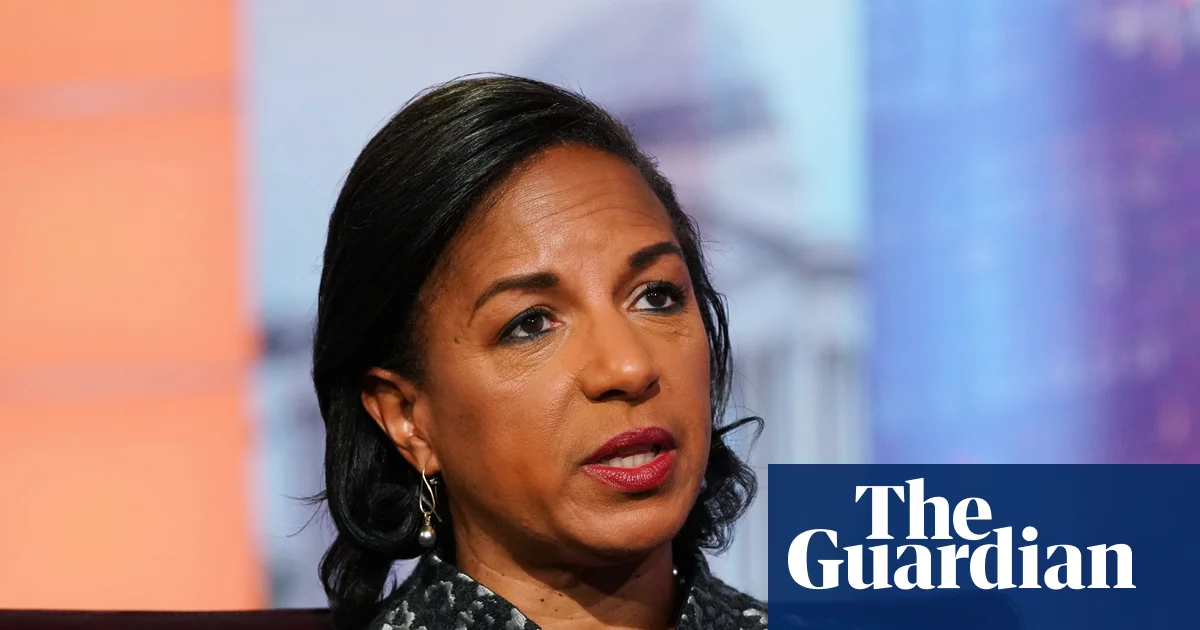
In an extraordinary display of interconnected power struggles, United States President Donald Trump has issued a direct threat to Netflix demanding the removal of Susan Rice from its board amidst a fierce corporate battle for control over Warner Bros Discovery (WBD). These comments, posted on his Truth Social platform, mark a bold intervention into not only entertainment industry politics but also reflect broader geopolitical tensions amidst the ongoing global realignment of influence. Former White House officials, besides Rice, have become pawns in an ideological clash that threatens to draw international attention, especially as major corporations become conduits for political agendas.

The backdrop to this controversy is the fierce bid war between Netflix and Paramount Skydance to acquire WBD’s lucrative assets, including the rights to iconic franchises like Harry Potter, Batman, and Superman, alongside streaming powerhouses such as HBO and its acclaimed series like Game of Thrones. Analysts warn that whether this deal goes through could have a profound impact on global media landscapes, creating a media titan wielding unprecedented influence over international narratives and cultural exports. This move reflects the consolidation of soft power through corporate dominance and exemplifies how economic leverage translates into geopolitical muscle. Washington’s stance suggests that any acquisition must receive federal regulatory approval, but Trump’s inflammatory comments serve to politicize the process and undermine international confidence in free-market principles, revealing a dangerous intersection of commerce and political vendettas.

The scandal deepens as Rice, an influential figure who served under Barack Obama and currently maintains a position on Netflix’s governance committee, became a target of Trump’s vitriol. His assertion that her “power is gone” and questioning her remuneration reveal a broader ideological battle—one where media influence is seen as a battleground for ideological dominance. Prominent international researchers and think tanks warn that the politicization of corporate governance and media assets fuels instability, potentially fostering regional conflicts as nations react to perceived external interference. Meanwhile, US political factions are divided, and global forces watch with caution as the tendency for such high-profile disputes to spill across borders grows ever more evident.

This unfolding saga is more than a battle over assets; it signals a pivot point in the rendering of geopolitical influence. The clash involving United States domestic politics, international media, and corporate sovereignty underscores a future in which economic powerhouses seek to shape global narratives and societal values. As global institutions remain watchful, historians like Fukuyama and Huntington warn that the lines between cultural influence and geopolitical strategy continue to blur, risking an era torn between the forces of capitalism and nationalist fervor. The next chapter in this fight for control may well determine if the world is steering toward a new era of unprecedented corporate domination, or if resistance by societies and nation-states will carve out a space for independence amid the chaos.

As the curtains close, the story remains unevenly written, with history once again echoing into the uncertain future. The question lingers—how will this battle for control over the streams of information and cultural icons ultimately reshape our global order? Only time will reveal whether these power plays forge a new era of dominant media empires or ignite a reckoning that reshapes sovereignty itself. For now, the world watches and waits, aware that history is not just being written—it is being violently reshaped, one deal, one tweet, one moment at a time.

France to summon US ambassador over comments on far-right activist's death
France to summon US ambassador over comments on far-right activist’s death

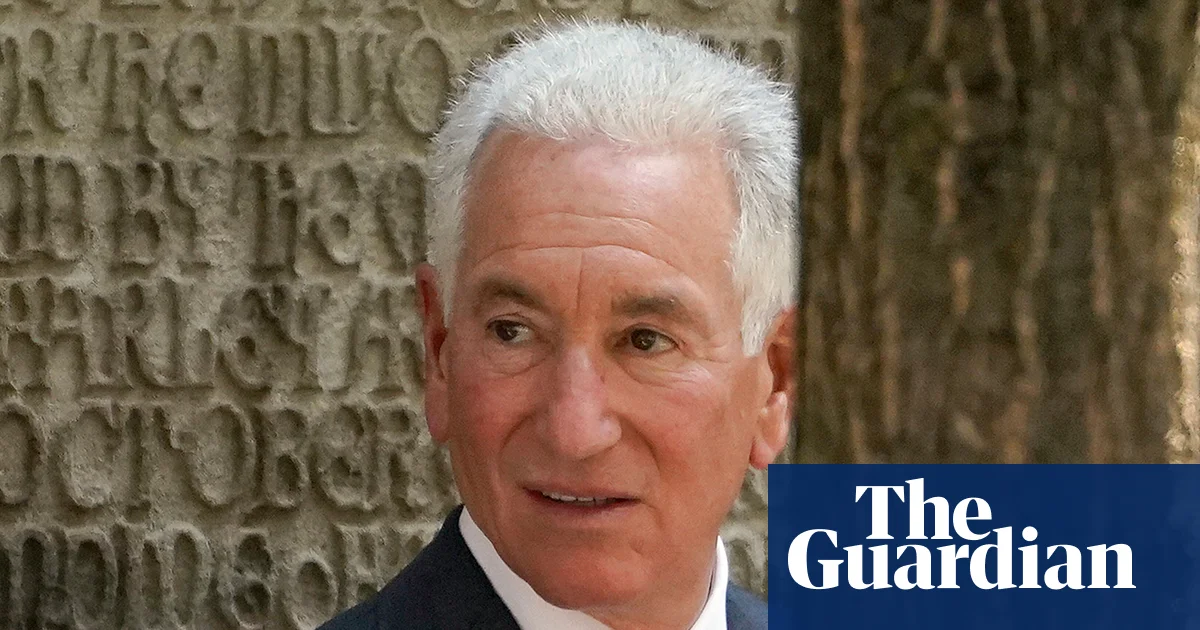
In a move indicative of escalating international diplomatic tensions, France is signaling a serious escalation with the United States following recent incendiary comments by U.S. ambassador Charles Kushner. French Foreign Minister Jean-Noël Barrot announced plans to summon Kushner over remarks concerning the brutal murder of Quentin Deranque, a prominent far-right activist. Deranque’s death in Lyon last week, during a violent confrontation with alleged hard-left militants, has ignited a firestorm of political and diplomatic reactions.

The incident, already fraught with ideological polarization, is being closely monitored by international bodies and analysts, who warn of the dangerous implications behind the rhetoric. Both the U.S. State Department’s Bureau of Counterterrorism and the American embassy in France issued statements on X—formerly Twitter—highlighting the perceived rise of violent radical leftism as a threat to public safety. These comments have fueled fears that evolving narratives could deepen the divide, exacerbating political polarization and social unrest across transatlantic relations. As historian Dr. Anne Richter notes, “Such inflammatory discourse not only worsens diplomatic strain but also emboldens ideological extremism.”

For Paris, this incident underscores a broader geopolitical landscape marked by mounting ideological conflicts and shifting alliances. The French government, historically rooted in preserving civic order amid rising populism, perceives the U.S. comments as interference—a dangerous precedent that could threaten sovereignty and domestic stability. Meanwhile, Washington’s emphasis on the threat of “radical leftism” appears to reflect a broader American political strategy, aimed at framing internal dissent as an external security concern. This international discourse aligns with the warnings by organizations such as the European Council and International Crisis Group, which warn that such rhetoric risks fueling ideological conflicts that transcend national borders, endangering democracy itself.

As nations grapple with the repercussions of inflammatory speech and rising violence, the case of Quentin Deranque serves as a stark reminder: decisions taken today will define the geopolitical landscape for generations to come. The unfolding crisis in France not only tests bilateral diplomacy but also questions the very fabric of societal cohesion in an era rife with ideological upheaval. The narrative remains unwritten, but history’s watchful eye tells us that the coming days will be pivotal—once again illustrating that in geopolitics, the line between dialogue and discord is often razor-thin.

Social Media Auto Publish Powered By : XYZScripts.com