Matox News

Truth Over Trends, always!

Ukraine-Russia Talks Underway in Abu Dhabi After Devastating Kyiv Strikes

Amidst ongoing geopolitical tensions, Ukraine and Russia are once again at the forefront of international concern as they prepare for their second round of peace talks in Abu Dhabi, brokered by the Trump administration. These negotiations come after a series of devastating events, including Russia’s recent large-scale missile and drone attacks on Ukrainian energy infrastructure, which have severely impacted life in Kyiv and beyond. President Volodymyr Zelenskyy condemned Moscow’s attack, describing it as a “massive” and “deliberate” assault involving a record number of 71 ballistic missiles and 450 drones aimed at crippling energy supplies during the brutal winter. Such actions underscore the persistent lack of seriousness about peace that international leaders point out, emphasizing the fragile state of diplomacy and the danger of escalation.

International responses remain sharply divided. While President Donald Trump has dismissed Moscow’s recent strikes as not breaching Russia’s commitment to cease attacks on Ukrainian infrastructure, NATO’s Secretary Mark Rutte dismissively labeled the actions as a “signal of serious intent” against peace. This divergence reveals a geopolitical landscape marred by conflicting narratives and strategic interests. Analysts warn that ongoing hostilities and the apparent rejection of peace signals by key actors threaten to entrench the conflict, risking a protracted war with profound global repercussions. Furthermore, a comprehensive military response plan has been discussed among Ukrainian, European, and American officials, stipulating that repeated breaches of ceasefire agreements by Russia could trigger a coordinated US-Europe military escalation. This development signals a clear posture of deterrence, but it also raises the specter of a wider regional or even global conflict should diplomacy continue to falter.

Compounding the crisis, the impending expiration of the New Start treaty between the United States and Russia on Thursday marks a dark chapter in the ongoing nuclear arms race. As Julian Borger reports, this treaty’s dissolution will remove the last remaining mutual limits on the world’s two largest nuclear arsenals, escalating fears of an irreversible slide towards nuclear confrontation. International organizations and nuclear non-proliferation experts warn that the loss of these constraints could usher in a new era of destabilization, fundamentally altering the global strategic balance. The geopolitical impact of such a move cannot be overstated; it signals a potential to set back decades of efforts towards arms control and arms reduction, and, more ominously, it raises the risk of miscalculation on both sides in an already volatile environment.

This unfolding scene of renewed violence, diplomatic deadlock, and nuclear uncertainty underscores a historic turning point. As historians and international security analysts debate whether we are witnessing the rebirth of Cold War-era tensions or the escalation of a new, more dangerous phase, the weight of history presses heavily on this generation. The decisions made now will determine the future of global stability, sovereignty, and peace. The world watches, perched on the precipice of a potentially transformative era—one where diplomacy hangs by a thread, and the echoes of past conflicts warn us of the delicate balance we are perilously poised to lose. The unfolding narrative remains unwritten, but its consequences are indelibly etched into the fabric of history, waiting to be shaped by the actions and choices of those at the helm.
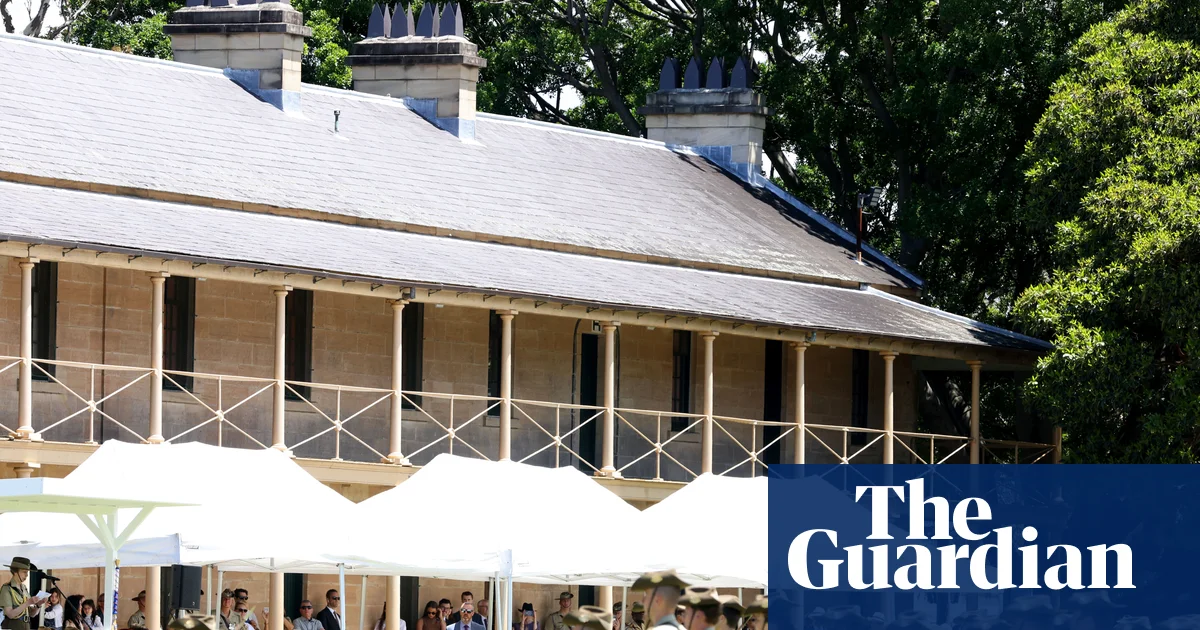

Albanese Government Plans $3 Billion Sale of Historic Defense Sites to Make Room for New Housing, Says Richard Marles

Australia’s Strategic Shift: Defence Land Divestment and Its Geopolitical Impact

In a decisive move signaling a profound reorientation of its defense strategy, Australia has announced plans to liquidate over $3 billion worth of defence properties nationwide. This initiative emerges after a comprehensive, multi-year audit, which revealed that many sites—such as Victoria Barracks in Sydney, Melbourne, and Brisbane—serve little to no strategic purpose in today’s security landscape. The audit, culminating in 2023, underscores a critical headache for policymakers: the burden of legacy infrastructure that has become a drain on resources and an obstacle to modernizing the nation’s military capabilities.

The audit’s findings point to a landscape dotted with redundant military sites—including airbases, warehouses, and even islands like Sydney’s Spectacle Island—costing taxpayers millions in maintenance. Yet, the sale of these assets carries more than financial implications; it signifies a turning point in geopolitical strategy and national identity. As defense analysts note, such divestments open opportunities to repurpose land for housing that could benefit a nation facing ongoing population pressures, while reallocating vital resources toward modern capabilities, including the yet-to-be-developed nuclear submarines under the AUKUS agreement. According to international security experts, this shift is not merely administrative but reflects a broader realignment in Australia’s strategic posture amidst the emerging Indo-Pacific security dynamic.

Reallocating Resources and Reconceptualizing Defense

The sale of more than 60 properties—including high-profile sites like Spectacle Island and Victoria Barracks—aims to raise an estimated $1.8 billion net proceeds after costs, while saving roughly $100 million annually in upkeep. The plan is coupled with a push to relocate public servants to upgraded, modern office spaces, signaling an end to decades of underutilized, decaying infrastructure. Crucially, the government emphasizes that funds will be reinvested into enhancing defense capabilities, laying the groundwork for Australia’s increased involvement in regional security arrangements and strategic deterrence measures.

  • Assets such as Newcastle’s HMAS Penguin, used for diving operations, are to be partially retained for future military endeavors.
  • This redistribution of assets aligns with Australia’s broader vision of strengthening its deterrence posture, especially as regional tensions with rising powers intensify.
  • Heritage sites, including WWII-era cabinet rooms, are poised to be opened to the public, exemplifying how history and modernity can coexist within the national consciousness.

By strategically shedding surplus properties, Australia aims to craft a leaner, more agile defense estate better suited to contemporary threats. As military and security experts from organizations like the International Institute for Strategic Studies warn, this initiative should be viewed as a vital adaptation—one that blunts the risk of legacy infrastructure crumbling into obsolescence while bolstering current and future military readiness. This reallocation is critical, especially as China continues its assertive expansion, and regional allies look to Canberra for leadership and reassurance.

Historical Legacy and Future Uncertainty

The sale of historic sites like Victoria Barracks and Sydney Harbour’s Spectacle Island stirs a complex debate rooted in national identity. Many Australians, as noted by historians, still regard these sites as symbols of resilience and sacrifice, especially given their roles during World War II. While critics argue that divestment risks erasing parts of the country’s military heritage, proponents contend it is a necessary step toward ensuring the defense force is equipped for the challenges of the 21st century.

Authors Jan Mason and Jim Miller have emphasized that, “maintaining the status quo is not an option,” underlining the urgent need for change in defense management. As these historic sites potentially give way to housing and commercial developments, the political backlash is inevitable, echoing broader concerns about the balance between heritage and modern utility. Yet, policymakers insist that such sacrifices are justified to empower Australia’s security future and solidify its strategic independence in a turbulent Indo-Pacific region.

As the dust settles on this bold land sale, the true geopolitical impact remains unclear—yet undeniable. This is a moment when history is being written in real time, and the decisions made today will echo for generations. Will Australia’s rationalization of its defence estate forge a more resilient nation, or mark the loss of irreplaceable symbols of past sacrifices? The unfolding narrative remains a testament to the ongoing struggle between legacy and progress, a reminder that the weight of history still influences the shape of the future.

Australian skier dies in Japan days after Queensland snowboarder’s tragic lift fall

Recent tragedies at Japanese ski resorts have spotlighted the nation’s perilous battle with record-breaking snowfall and its broader impact on public safety and international perception. Over the past week, Japan has witnessed a surge in snow-related incidents, including the deaths of a 27-year-old Australian man in Niseko and a 22-year-old Queensland snowboarder at Tsugaike Resort near Nagano. These tragedies, occurring amidst exceptionally heavy snowfall, have reignited debates over Japan’s preparedness for extreme weather and the safety protocols governing high-risk winter activities. As Japan struggles to manage its decomposing rescue and safety systems amid relentless winterouts, the international community watches — not just in concern but also for what these incidents signify within a global context of climate challenges and national security.

Japan’s current record snowfall— with 30 deaths and over 100 serious injuries reported since January 20 — underscores a shift in weather patterns linked to climate change, disrupting daily life and international tourism. The heavy snow has caused delays in train services, road closures, and even temporarily shut down Hokkaido’s main airport, stranding hundreds of travelers. These disruptions pose a significant challenge to Japan’s infrastructure and its reputation as a safe winter destination, a critical sector for the nation’s economy. Analysts warn that if such extreme weather persists, Japan’s capacity to safeguard its citizens and international visitors could be compromised, risking long-term damage to its global standing. Furthermore, as global meteorological patterns shift unpredictably, Japan’s experience serves as a reminder of the mounting pressures on governments worldwide to adapt to unpredictable environmental threats.

On the geopolitical stage, these incidents amplify the importance of international cooperation in disaster management and safety standards. Japan, a key player in regional security and an active member of global institutions like the United Nations, faces increased scrutiny over its handling of natural and man-made crises. The recent ski resort accidents have prompted calls for more robust safety regulations, with authorities pledging to strengthen their safety management systems. However, the recurring nature of such incidents raises broader questions about the effectiveness of Japan’s crisis response amid growing environmental volatility. For global powers and neighbors, Japan’s capacity to face these challenges is intertwined with regional stability; failure to adapt risks creating new sources of tension. As international organizations like the World Meteorological Organization analyze the data, experts warn that climate-driven disasters will only increase, demanding a coordinated global response that transcends national borders.

Historians and geopolitical analysts underscore that these natural disasters and their tragic outcomes are more than isolated events; they are an unfolding chapter of a larger story about humanity’s struggle to confront a transforming planet. What is at stake extends beyond Japan’s snowy mountains: it is a mirror held up to the world, revealing the fragility of progress and the heavy toll of neglect. As nations grapple with the debate over climate action, infrastructure resilience, and international duty, the deaths of individuals—regardless of nationality—serve as stark reminders of the costs of inaction. The shifting winter landscape in Japan is not just a local issue but a Map of the wider global crisis, where the decisions made today will shape the legacy of a new, uncertain era—one in which the weight of history continues to unfold, one snowflake at a time.

Congressional Democrats Promise Justice for Americans Hurt by Immigration Agents: “You Deserve Peace” | US Congress

The recent congressional hearings in the United States have thrown a stark spotlight on the ongoing controversy surrounding the federal government’s aggressive immigration enforcement policies. Witnesses, including family members of victims and victims themselves, recounted harrowing encounters with federal agents, raising serious questions about the human rights abuses and accountability failures of agencies like Immigration and Customs Enforcement (ICE) and Border Patrol. This unflinching testimony reveals a deeply troubling picture: a government-authorized crackdown that has, in numerous cases, turned deadly, exposing the darker consequences of unchecked federal power. Such revelations have ignited a fierce debate about the geopolitical and social impact of U.S. immigration policies, with critics warning that these actions threaten to harm American societal fabric and international standing.

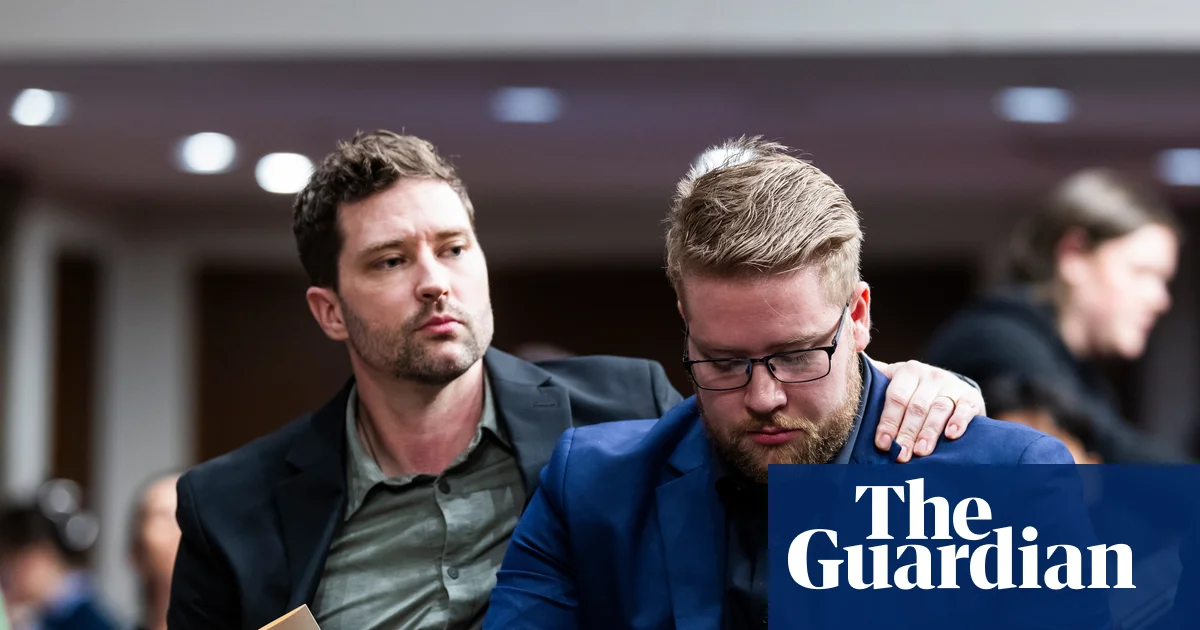
Key to the hearings was the emotional testimony of families who have lost loved ones in encounters with federal agents. Brothers Luke and Brent Ganger vividly described the death of their sister, Renee Good, shot by ICE officers during a routine traffic incident. Their grief was compounded by reports of further violence, including the fatal shooting of protester Alex Pretti by border patrol agents. These stories underscore a troubling pattern: federal agents engaging in violence with impunity, often with little oversight or accountability. Critics, including prominent analysts and international organizations, argue such conduct damages the credibility of the U.S. on the global stage, where it claims to champion human rights and the rule of law. Moreover, these incidents have far-reaching implications, fueling societal divisions and eroding faith in institutions meant to protect citizens and non-citizens alike.

The hearing also brought to light stories of trauma inflicted on ordinary Americans, such as Marimar Martinez and Aliya Rahman. Martinez, a Chicago native, was shot five times by a border patrol agent who later circulated her gruesome hospital images as trophies — an act exposing a culture of misconduct that seems embedded within certain enforcement arms. Meanwhile, Rahman, who suffers from autism and traumatic brain injury, was forcibly removed from her vehicle while trying to access medical care, with agents referencing her as a mere “body.” Her account highlights the dangers faced by vulnerable populations caught in the crossfire of national security policies. Such practices, often carried out with little regard for due process or human dignity, threaten to alienate communities, spread fear, and deepen societal fractures—facts acknowledged by many international watchdogs.

These revelations have stirred a powerful call for reform, with many voices from the political realm demanding justice. Richard Blumenthal, a senator from Connecticut, framed the testimonies as a “defining moral moment,” questioning the moral integrity of those responsible. Meanwhile, Alex Padilla pointed out the absence of Republican engagement, emphasizing the partisan divide that hampers bipartisan oversight of such crises. Critics argue that this political inaction emboldens agencies to operate above scrutiny, thus risking the destabilization of American values and the erosion of international credibility. As these stories unfold, historians and analysts warn that America faces a pivotal reckoning: whether to uphold its founding ideals of justice and human rights or to succumb to policies that, in the name of security, violate the very principles that underpin the nation’s identity. The weight of this moment falls heavily on the shoulders of policymakers — for the tide of history remains uncertain, yet undeniable: the choices made today will echo through generations, shaping the face of the nation and the global order for decades to come.

Police Investigate New Allegation Linking Andrew Mountbatten-Windsor to Epstein

In what continues to be a defining chapter for the British royal family, fresh allegations connecting Prince Andrew to Jeffrey Epstein’s nefarious activities threaten the very fabric of the monarchy’s credibility. As British police scrutinize claims that Epstein facilitated sexual encounters with the former prince—a revelation that surfaced amid the release of classified US Department of Justice documents—the international community watches with a mix of skepticism and concern. The recent move of Prince Andrew out of the Royal Lodge to a temporary residence on the Sandringham Estate underscores internal royal turmoil and a diminishing reputation that impacts global perceptions of Britain’s aristocracy. Such disclosures, amplified through leaked emails and photographs, spotlight the broader uprising of criminal investigations into elite power and the potential for scandal to ripple beyond national borders.

  • Allegations suggest Epstein’s operatives, including Jeffrey Epstein himself, may have trafficked women, including a woman claiming she was taken to Windsor in 2010 for sex with Prince Andrew.
  • US documents reveal disturbing correspondence and photographs linking the royal to Epstein’s circles, raising questions about the extent of royal-corporate-elite collusions.
  • While Thames Valley Police assess the allegations, critics argue that in the face of formidable international scrutiny, the royal family’s reputation is irrevocably compromised, threatening the UK’s political and social stability.

Historically, Britain’s monarchy has wielded soft power, symbolizing stability and tradition. Yet, these recent revelations threaten to fracture that narrative, inviting international skepticism about the accountability of the aristocracy. Many analysts suggest that, in an era driven by transparency and social justice, the royal family’s staunch secrecy only fuels suspicion. The United States has intensified its investigations, releasing over 3 million Epstein-related documents hinting at clandestine networks tying corporate, political, and high-society figures together. The release includes email references to Mountbatten-Windsor and his ex-wife, Sarah Ferguson, revealing continued contact with Epstein immediately after his 2010 house arrest—undermining official denials of involvement. Such evidence stokes fears that even the most established institutions may harbor complicity in the face of unchecked power.

As the international community grapples with the implications, voices within the UK and beyond warn of broader geopolitical fallout. The scandals threaten to weaken the soft diplomatic influence traditionally associated with the monarchy and raise questions about the unchecked freedoms of a class that often operates beyond scrutiny. As historian Dr. Gerald Matthews notes, “The royal family’s survival increasingly depends on its ability to adapt to the demands of accountability—failures here could usher in decades of decline.” Meanwhile, British lawmakers face mounting pressure to reevaluate the monarchy’s role amidst accusations of complicity and cover-up. Still, the defining fate of this scandal remains unresolved, casting a shadow over Britain’s image on the world stage. Will this be a turning point or merely another chapter in a long, tangled history of aristocratic excess? The answer may well determine the future trajectory of Britain’s place in an ever-changing international order.

As history continues to unfold, the weight of unresolved charges, leaked evidence, and shifting allegiances stands as a stark reminder that no institution, no matter how ascendant, can escape the relentless tide of truth. The spotlight now falls on elements larger than individual corruption—the fundamental questions of justice, morality, and the integrity of power itself. With every revelation, the world seems to hold its breath, waiting for the murmur of justice to swell into a clarion call that reshapes the landscape of global influence—an ongoing struggle where today’s secrets are tomorrow’s upheavals, and history’s verdict awaits in the shadows of the present.

Met Police Investigate Leaked Emails Tied to Mandelson and Epstein

Metropolitan Police Launch Crime Investigation into Peter Mandelson’s Alleged Leaks to Jeffrey Epstein

London — In a development that has sent shockwaves through the political landscape of the United Kingdom, the Metropolitan Police has officially initiated a criminal investigation into allegations surrounding Peter Mandelson, the former government minister, accused of leaking sensitive UK government emails to the late financier Jeffrey Epstein. This move underscores the gravity of recent disclosures from Epstein’s trove of court documents, which rekindled longstanding questions about the potential influence of clandestine influences on UK policymaking during the Cameron and Brown eras.

The investigation is rooted in allegations that Mandelson, then Britain’s Business Secretary, transmitted confidential internal discussions to Epstein, a known sex offender, amidst the turbulent aftermath of the 2008 financial crash. Documents suggest Mandelson forwarded emails revealing plans related to bank bonuses and euro bailout strategies—information with undeniable market sensitivity. Such disclosures, if proven, could constitute misconduct in public office, a crime carrying a maximum penalty of life imprisonment, according to Scotland Yard officials. Though Mandelson has denied receiving any funds from Epstein, bank records apparently show otherwise, prompting further scrutiny into his dealings and motives.

Geopolitical Ramifications and Shifts in Power

This unfolding scandal has profound geopolitical impact, challenging the credibility of UK political elites and stirring concerns over potential foreign influence. Analysis by international oversight bodies warns that revelations of clandestine meetings and leaked negotiations threaten to undermine transatlantic alliances, particularly the UK–US relationship. Critics argue that if senior figures like Mandelson, once granted diplomatic posts—such as his recent appointment as US ambassador—were complicit in or unable to prevent such leaks, the trust in Britain’s diplomatic integrity risks erosion. The United States, too, watches closely, as the Epstein revelations expose a web of illicit connections involving power brokers on both sides of the Atlantic, stirring fears about secret alliances and covert influence peddling.

Historians and political analysts emphasize that this scandal could mark a turning point in UK politics, with the potential to ignite broader debates about transparency and accountability in governance. History teaches us that when societies allow clandestine influence to go unchecked, the fabric of democratic institutions can be seriously compromised. As investigations deepen, the UK’s leadership faces the challenge of balancing national security concerns with the demand for justice and public integrity. The fallout from this crisis may reshape public attitudes toward power, privilege, and the accountability of the ruling class for generations to come.

How Decisions and Disclosures Shape Societies and Global Stability

At the heart of this scandal lie fundamental questions about how decisions made behind closed doors influence not only domestic policy but also international stability. The leaked emails suggest Mandelson may have discussed influencing government policies on banking bonuses, the euro bailout, and other critical economic strategies—decisions with ripple effects across global markets. The potential involvement of Epstein, a figure associated with blackmail and illicit influence, raises alarms about the extent to which secret dealings can sway the course of nations with profound economic and geopolitical consequences. As government insiders and opposition leaders demand transparency, the moral fabric of leadership and its accountability to the people face a stern test.

With every new revelation, the fabric of the UK’s political reputation frays further, and the shadow of international influence and clandestinely brokered deals darkens the horizon. As the investigation advances, the world watches with wary eyes, wondering if the full truth will finally emerge or if more secrets will be buried in the recesses of a political system long suspected of corruption. This is a moment when history itself seems to hold its breath, waiting to see if justice and truth can prevail amid the chaos of compromised integrity.

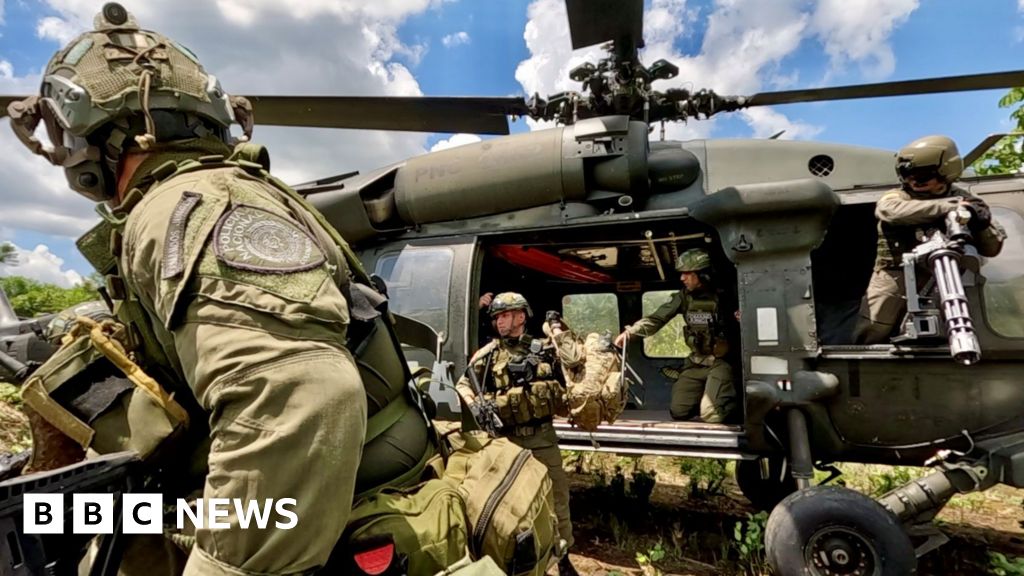
Watch: BBC Reports on Colombian Commandos Staying Strong Against Persistent Drug Gangs

US-Colombia Summit Highlights Strategic Shifts in Latin America

In a significant display of diplomacy and alliance-building, President Joe Biden of the United States and President Gustavo Petro of Colombia recently convened to address shared challenges in the region, with a particular focus on regional security and drug trafficking. These high-level talks mark a renewed commitment from two nations deeply intertwined through history, now confronting contemporary issues with strategic resolve.

The summit occurred amidst an evolving geopolitical landscape, where the U.S. aims to assert its influence in Latin America against a backdrop of rising regional powers and shifting alliances. Critics argue that the meeting underscored the importance of maintaining American dominance through strategic partnerships, especially at a time when drug trafficking remains a persistent threat to stability and public health. The leaders discussed plans to bolster cooperation, including enhanced intelligence sharing, military aid, and joint operations targeting narcotrafficking networks.

In tandem with diplomatic engagements, on-the-ground intelligence operations continue to play a critical role. Recently, journalist Orla Guerin reported from within a Colombian police unit tasked with locating and destroying clandestine jungle cocaine labs—these remote operations are emblematic of the ongoing efforts to dismantle drug trafficking infrastructure. Such units face harsh terrain and sophisticated enemy defenses, illustrating the intensity of the clandestine battle that threatens to spill over international borders. Analysts suggest that these actions are crucial, not only for regional stability but also in curbing the flow of illegal substances into the United States and beyond.

Implications for Regional Security and International Relations

  • Enhanced cooperation between the U.S. and Colombia signals a strategic pivot toward more active counter-narcotics campaigns that incorporate both military and socio-economic measures.
  • The ongoing fight against drug cartels underscores the need for a comprehensive approach—military strikes, community engagement, and international legal cooperation—to effectively weaken these criminal networks.
  • Global institutions, such as the United Nations Office on Drugs and Crime, warn that failure to address these issues could lead to increased violence, migration crises, and regional destabilization, threatening broader international stability.

Internationally, the geopolitical impact of these developments extends beyond Latin America. As the U.S. seeks to maintain influence, some observers highlight the risk of militarization fueling local unrest or empowering authoritarian tendencies, especially in countries like Colombia where government legitimacy remains fragile. Historians and regional analysts caution that the decisions made today could shape the geopolitical fabric for decades to come. Should these collaborative efforts succeed, they could serve as a model for international cooperation against transnational crime. However, failure to adapt strategies or address socio-economic root causes risks entrenching instability and chaos.

As history continues to unfold in the dense jungles and political chambers of Latin America, the weight of choice hangs heavily. The battle against narco-trafficking is more than a fight over illegal substances; it is a defining moment to demonstrate resolve, sovereignty, and the capacity to shape the future. The world watches as these nations forge a fragile path toward stability—an uncertain journey marked by perseverance, diplomacy, and the relentless pursuit of order amid chaos. The next chapter remains unwritten, but its implications will resonate across generations to come.

Marwan Barghouti, ‘Palestine’s Mandela,’ to Release New Book from Prison

The detention of Marwan Barghouti, a senior Palestinian leader and influential advocate for a two-state solution, continues to resonate profoundly within the geopolitical landscape of the Middle East. His impending publication, Unbroken: In Pursuit of Freedom for Palestine, set for release on 5 November, offers a rare window into the personal and political journey of a man viewed by many Palestinians as a symbol of resilience and hope. Despite being incarcerated in Israeli prisons since 2002, Barghouti’s significance transcends his physical captivity—he remains the most popular Palestinian figure across Gaza and the West Bank, according to contemporary opinion polls. His sustained influence underscores the deep yearning among Palestinians for leadership that embodies their aspirations for dignity, sovereignty, and unity.

The international community’s response to Barghouti’s incarceration illustrates a broader story of contested justice and complex geopolitics. Detained after being accused—controversially—of orchestrating attacks that resulted in civilian deaths, Barghouti’s trial drew sharp criticism from organizations such as the Inter-Parliamentary Union, which argued that the proceedings breached international law and the Geneva conventions. His repeated denials of the charges amplify the debate over the legitimacy of his imprisonment, symbolizing the enduring clash of narratives surrounding the Israeli-Palestinian conflict. Meanwhile, allegations of inhumane treatment—extended periods of solitary confinement, limited family visits, and restrictions on international aid groups like the Red Cross—highlight violations that many experts consider breaches of modern human rights standards. These conditions have heightened calls from advocacy groups and international observers for the immediate release of a man many see as a de facto leader-in-waiting, which further complicates the geopolitical calculus of peace and conflict in the region.

Despite the political and legal disputes, Barghouti’s influence persists, largely due to his portrayal as a unifying figure capable of bridging the fractious Palestinian factions and reinvigorating the nationalist movement. His association with Fatah, a party often seen as more pragmatic than Hamas, positions him as a potential interlocutor capable of engaging with global powers on a pathway to peace. The layered complexity of his political stance—advocating for nonviolent resistance and diplomatic solutions—aligns with many international analysts’ assessments that his leadership could catalyze negotiations that are currently stalled. His enduring popularity, exemplified in successful protests and campaigns for his release across Western cities, resonates with a broader narrative of resistance against perceived injustices inflicted upon Palestinians. These demonstrations, which include distinguished figures from global culture and politics, serve as a reminder that Barghouti’s influence extends well beyond the prison walls—embodying a longstanding struggle for Palestinian self-determination in an era fraught with escalating tensions.

The unfolding story of Marwan Barghouti, set against the backdrop of ongoing conflict and diplomatic deadlock, underscores a crucial historical juncture. As the world navigates a shifting landscape where international institutions grapple with questions of justice and sovereignty, the fate of leaders like Barghouti will determine whether the quest for Palestinian independence remains a distant aspiration or gains tangible momentum. The publication of his memoir—comprising intimate letters, historical documents, and reflections—serves as a poignant reminder that the human dimension of this conflict is never far beneath the surface of geopolitics. As history continues to be written in the streets of Gaza, Ramallah, and global capitals, the weight of this narrative remains clear: in the shadows of prisons and conflicts, the long arc of justice, resistance, and hope bends towards destiny, no matter how profound the struggle or how distant the horizon.

Starmer hands Mandelson dossier to police, plans to strip peerage—tough justice for the establishment insider

UK Political Scandal Sparks International Outcry and Questions of Trust

The recent revelations involving Peter Mandelson, a once-powerful figure in British politics, have sent shockwaves across the United Kingdom. As Keir Starmer, the current Prime Minister, prepares to hand a dossier of evidence to law enforcement, the scandal underscores a deeper crisis of confidence in political leadership at a time when global institutions face unprecedented turbulence. Disclosures of leaked market-sensitive information linked to Jeffrey Epstein, a notorious financier and sex offender, threaten to undermine Britain’s standing both domestically and internationally.

At the heart of this controversy lies the alleged exchange of confidential government information with Epstein, a man whose name remains synonymous with scandal and depravity. Fresh disclosures from the Epstein files reveal that Peter Mandelson, who served as business secretary under Gordon Brown, is accused of sending emails containing sensitive information about economic measures intended to stabilize the global market during the financial crisis. Such conduct, if proven true, threatens to taint the legacy of one of Britain’s most influential politickers and raises questions about the integrity of political decision-making during a period of economic upheaval.

Global Impact and the Decline of Political Trust

This scandal does not merely shake Britain’s political landscape; it reverberates throughout the international community. Analysts warn that breaches of confidentiality at the highest levels can weaken global trust in national governments, especially when financial markets are so interconnected. Historians caution that such leaks, especially involving powerful financiers like Epstein, serve as a stark reminder of the vulnerabilities in the opaque corridors of power. The International Monetary Fund and other multilateral agencies have repeatedly stressed the importance of transparency in crisis management, yet recent events suggest that some leaders may have compromised these principles for personal or clandestine motives.

Underpinning the political fallout are questions about the influence of clandestine figures and their potential impact on national policy. If Mandelson, a key player in the UK’s political and economic spheres, was indeed passing sensitive material based on his contacts and associations, it could signify a broader pattern of corruption and undue influence. Such revelations threaten not only Britain’s credibility but also the perceived integrity of international diplomacy and financial stability, prompting calls for a global reevaluation of oversight mechanisms.

Decisions and How They Shape Society

The decision by Prime Minister Keir Starmer to pursue a crackdown on Mandelson reflects a broader emphasis on restoring public trust and reinforcing accountability. By proposing legislative changes to strip the disgraced former minister of his peerage, the government signals its resolve to confront misconduct head-on. This move underscores an ongoing paradigm shift—when international scandals touch the core of national governance, leaders are compelled into actions that have long-term geopolitical implications.

What ultimately hinges on this scandal is the delicate balance between upholding justice and safeguarding a nation’s diplomatic standing. The United Kingdom, grappling with the challenges of a post-Brexit world, cannot afford to appear divided or compromised. Critics argue that delays in addressing such breaches erode international confidence, impacting alliances and trade relationships. As Global analysts and policy think tanks dissect the plausible fallout, the story remains a stark reminder of how individual actions—especially at the confluence of government and finance—can ignite a chain of events with far-reaching consequences.

Unfolding History and Its Uncertain Future

As the investigation into Mandelson unfolds, the larger narrative of power, secrecy, and accountability continues to be written. The weight of history presses down on leaders, whose choices may one day be viewed as either safeguarding national integrity or failing under the pressure of scandal. The international community watches with bated breath, aware that these fissures in the political fabric have the potential to either heal through transparency or deepen, threatening the foundations of global order. The coming days will reveal whether Britain’s leadership will confront this crisis decisively or allow it to fester, leaving a scar on its reputation that history may never fully erase.

Russian strikes Ukrainian energy sites in biggest hit of the year so far

The recent barrage of over 70 missiles and approximately 450 drones launched against strategic targets marks a significant escalation in the ongoing conflict between Ukraine and Russia. This assault follows the expiration of a fragile “energy truce,” a temporary ceasefire meant to mitigate the impact of hostilities on civilians and critical infrastructure. The timing underscores the persistent volatility and unresolved tensions at the heart of this contentious regional conflict, which continues to reverberate across Europe and beyond.

Analysts say the scope and scale of the recent attack reveal a deliberate strategy aimed at destabilizing Ukrainian defenses and economic stability. The deployment of this formidable arsenal indicates that hostilities are far from abating; instead, they are entering a new, more aggressive phase. International observers, including officials from NATO and the United Nations, are warning that such sustained attacks threaten broader regional security. The offensive also underscores how the geopolitical impact of the conflict extends well beyond its immediate theater, challenging the global order and testing the resilience of allied commitments to Ukraine’s sovereignty.

Within this context, the decision by Russia to escalate military actions shortly after the expiration of the “energy truce” signals an intent to press advantage despite mounting international pressure. According to historians specializing in post-Cold War conflicts, such aggressive measures frequently serve as a demonstration of power aimed at reshaping negotiations or asserting dominance. Meanwhile, Ukrainian officials and military commanders face the dangerous task of defending vital infrastructure amid ongoing threats, with several regions experiencing power outages and critical service disruptions. These developments further highlight the deteriorating security environment that now risks spilling over into neighboring nations, which could potentially ignite wider regional instability.

Institutions like the European Union and the United States continue to call for moderation, emphasizing diplomatic solutions over further violence. Yet, experts caution that the failure to de-escalate risks a protracted conflict with devastating consequences. The historic backdrop—marked by decades of Cold War tensions, recent geopolitical shifts, and global power struggles—reminds us that each decision in this crisis carries consequences that will ripple through generations. As the world watches in cautious suspense, the trajectory of this conflict remains uncertain, teetering on a knife’s edge where diplomacy and war vie for dominance.

For now, the recent assault serves as a grim testament to the enduring volatility of a region that continues to redefine the boundaries of international stability. The unfolding story is still being written—an intricate narrative of power, resilience, and the unyielding pursuit of sovereignty. As history’s weight presses down on the present, nations and societies alike remain on high alert, knowing that the decisions made today could shape the global order for decades to come—each act of violence etching yet another chapter into the annals of a conflict that refuses to fade into the past.

Social Media Auto Publish Powered By : XYZScripts.com