Matox News

Truth Over Trends, always!

Iran conflict sparks fresh energy crisis for Europe—will our youth bear the burden?

In a remarkable declaration last week, Italian Prime Minister Giorgia Meloni articulated a concern shared by many European leaders: the escalating crisis in the Middle East has profoundly impacted the continent’s energy landscape. As tensions intensify across this volatile region, Meloni emphasized that “the issue of energy prices has clearly become even more important”. Her call for the urgent suspension of the European Emissions Trading System (ETS) for electricity production signifies a pivotal moment in European energy policy, amid rising fears of instability destabilizing global energy markets.

This move, supported by other EU member states, underscores a broader geopolitical strategy influenced by the ongoing conflict, which has increasingly highlighted Europe’s dependence on Middle Eastern energy supplies. While the EU has long championed its climate commitments and carbon reduction goals, the current crisis illustrates the fragility of these ambitions in the face of geopolitical upheaval. European leaders** are now grappling with a fundamental dilemma: balancing the urgent need for reliable energy supplies against long-term environmental commitments. This debate reveals a deeper shift in global priorities, where energy security is emerging as a top concern rather than solely the pursuit of green policies. Analysts point out that recent disruptions—whether through increased prices, supply chain interruptions, or geopolitical tensions—threaten the stability of the European economy and societal welfare. How decisions are made today will shape the resilience of Europe’s energy infrastructure and influence the political landscape for years to come.

Throughout this crisis, international organizations and historians have been weighing the significance of this turning point. The International Energy Agency has warned that the current situation underscores the need for a diversified and strategic approach to energy security, emphasizing that reliance on volatile regions can expose nations to geopolitical risks. Meanwhile, scholars specializing in global conflicts observe that the Middle East’s turmoil is not merely a regional issue but a catalyst for profound global realignments. Europe’s potential shift away from stringent climate policies towards pragmatic energy measures could serve as a blueprint for other nations facing similar geopolitical pressures. Yet, critics argue that relaxing environmental standards risks undoing decades of progress in combating climate change, creating a dilemma that will require careful navigation.

The geopolitical landscape is being reshaped as nations respond to this crisis. The United Stateshas reinforced its diplomatic and military presence in the region, seeking to stabilize critical energy corridors and prevent further escalation. China has shown strategic interest in increasing its influence, attempting to fill vacuum spaces that may widen as Western powers recalibrate their alliances. Meanwhile, Russia continues to leverage its energy resources as a geopolitical tool, aligning with certain regional actors to extend its influence while challenging Western-led initiatives. Such moves have profound implications for global energy markets and the balance of power. The decisions taken today could determine whether the world treads a path toward greater stability or plunges into deeper conflict.

As the world stands at an inflection point, the narrative of this crisis is far from over. The choices made by European leaders—by the European Union and individual nations—will be etched into history. The ongoing tension between environmental ambitions and energy security exemplifies the complex layers of globalization and geopolitics that define our era. In this delicate dance, where the stakes are nothing less than the stability of nations and the future of societies, the curtain has yet to fall. The unfolding chapters hint at a future where geopolitical conflicts could reshape the very backbone of the global order, leaving us all to wonder: how will history judge our response to this pivotal moment?

South Africans warn: Criminal gangs capitalizing on water crisis to sow chaos

In recent weeks, residents across several regions have endured a persistent water crisis, with many communities subjected to prolonged mains water outages. This crisis, while localized in origin, has broader implications that resonate across international borders, highlighting underlying vulnerabilities in infrastructure, governance, and resource management. As local authorities grapple with mounting challenges, global observers, including analysts from the United Nations and renowned historians, underscore the crisis’s potential to destabilize social cohesion and economic stability in affected nations.

The disruptions have not been isolated incidents but have become symptomatic of deeper systemic issues. Cities and rural communities alike report weeks without access to reliable mains water supplies, forcing residents to depend on costly alternatives or face dire shortages. Experts warn that such deficiencies, especially when prolonged, can lead to public health crises and diminish the quality of life, fueling unrest and skepticism about government capabilities. Some analysts suggest that these shortcomings are symptomatic of a broader neglect of essential infrastructure, compounded by recent political turmoil and inadequate investment.

This unfolding crisis has catalyzed a wider geopolitical impact: nations are increasingly questioning their resilience and strategic independence. The European Union, for example, has issued calls for improved water resource management amidst these crises, emphasizing the need for regional cooperation. Meanwhile, international organizations warn that failure to address infrastructure vulnerabilities could exacerbate existing tensions, especially in areas where water scarcity intersects with disputes over transboundary resources. As China and India face their own water stress challenges, the global watch on such crises intensifies, illustrating how interconnected resource security has become in the 21st century.

Historians and policy analysts observe that this crisis might serve as a wake-up call for the international community. Many argue that the failure to preemptively address infrastructure deficiencies not only threatens public well-being but also emboldens geopolitical rivals. The World Bank and other development agencies have called for urgent reforms, yet the political will remains inconsistent. As communities endure these hardships and governments scramble to find solutions, the narrative remains clear: decisions made today will significantly shape the contours of future international stability. Water scarcity, a fundamental axis of human survival, once again proves its capacity to influence the destiny of nations.

In the face of mounting pressures and incomplete resolutions, the global community stands at a pivotal crossroads. The silent threat of widespread water shortages is no longer a distant worry but a present danger that could redefine geopolitical alliances and societal resilience for generations to come. As this story unfolds, history continues to be written, with each decision carrying the weight to either secure or condemn future generations to turmoil. The question remains: how long will humanity delay confronting this urgent crisis before its consequences become irreversible?

Cuba Faces Power Cuts—Young Islanders Stand Firm Amid Hardship

Critical Power Outages and Rising Tensions in Cuba

The recent collapse of Cuba’s national electric grid on 16 March has underscored the profound vulnerabilities facing the island nation amidst escalating US-imposed sanctions. After days of blackout chaos, the grid has finally been restored, yet the damage to the nation’s socio-economic fabric remains profound. The outage, which persisted for hours or even days in different regions of the island, has not only plunged homes into darkness but has also ignited widespread public unrest. Small groups of residents in Havana and other urban centers have taken to banging pots in protest, symbolizing growing dissatisfaction fueled by fuel shortages, food crises, and medicine scarcity. Such unrest culminated in a rare violent protest on 14 March, where demonstrators set a building ablaze in the northern part of the country—an unmistakable sign of the tension simmering beneath the surface.

Analysts and international commentators warn that these blackouts are but a symptom of a deeper, geopolitical crisis. Washington’s strategies of applying maximum economic pressure—primarily through the blockade—are isolating Cuba from vital supplies. The ongoing restrictions on oil imports have crippled the island’s energy infrastructure, exacerbating existing shortages and impoverishing society further. According to retrospective analysis from historians such as Herbert Matthews and oceanic-level think tanks, U.S. policy under successive administrations has long aimed to weaken Cuba’s socialist government, but the recent rhetoric indicates an ominous shift towards overt intervention. In early March, President Donald Trump hinted at a possible U.S. takeover, describing the island as “ready to fall.” Such provocative statements echo Cold War-era fears and threaten to escalate the already fragile dynamic between the two nations.

International observers and organizations, including the United Nations, have expressed concern over the stability of Cuba but remain wary of direct U.S. intervention. The U.S.-Cuba relationship has long been characterized by ideological confrontation, and recent developments seem to mark a significant escalation. The possibility of renewed aggression or even covert operations raises fears of a broader regional conflict. Experts caution that the decision by the U.S. to tighten sanctions and threaten intervention is not only a gamble with Cuba’s delicate social fabric but also a potential spark for instability that could ripple through Latin America and beyond. The situation remains a volatile chessboard, with each move calculated to assert dominance or sway political outcomes in favor of Washington’s interests.

As Cuba struggles to recover from its recent crisis, the geopolitical landscape continues to be shaped by these high-stakes decisions. The island’s plight exemplifies the profound impact of international policies on sovereign nations, especially those with shown resilience despite numerous adversities. The tense spectacle of blackouts, protests, and threatening rhetoric leaves the world pondering the thin line between diplomatic pressure and outright conflict. It is a stark reminder that history is still being written—each decision, each protest, and each act of defiance shaping the future of a nation caught at a crossroads. The weight of history lingers, and the question remains: how will this chapter unfold in the complex tapestry of global power struggles, where the echoes of past Cold War conflicts resonate with renewed urgency?

Rohan Dennis’ Porsche Post Sparks Outrage After Wife Melissa Hoskins’ Tragic Death in South Australia

In recent days, Australia has been rocked by a troubling controversy involving Olympic cyclist Rohan Dennis, whose social media activity has once again ignited debate over accountability, public image, and societal values in the digital age. Dennis, a celebrated athlete known for his remarkable achievements—two world titles in road time trials and Olympic medals—was convicted nearly a year ago for a tragic incident that claimed the life of his wife, Melissa Hoskins. Hoskins, a renowned cyclist who competed at the highest levels, was fatally struck by Dennis’s vehicle near their home in Medindie, Adelaide. The incident underscores the ongoing struggles of public figures navigating personal guilt amidst a society increasingly polarized by issues of responsibility and moral conduct.

Critics and victims’ rights advocates have expressed profound dismay at Dennis’s recent social media posts, which have been perceived as callous and tone-deaf. His latest Instagram story, which displayed a Porsche described as an “absolute weapon,” and accompanying captions—moreover, the use of the song Fancy $hit—appeared to trivialize the serious nature of the tragedy. South Australia’s commissioner for victims’ rights, Sarah Quick, publicly condemned the post, describing it as “deeply offensive” and highlighting that such remarks demonstrate “a clear lack of insight into the real and lasting impact of the harm” inflicted on Hoskins’s family. These comments reflect a broader societal concern about a failure to respect victims and their loved ones, raising fundamental questions about empathy and moral accountability in the digital era.

The incident that led to the tragedy is layered with legal and ethical complexities. Dennis was sentenced last May to a 17-month suspended sentence and was ordered to pay a fine, with his driver’s license suspended for five years. During his sentencing, Judge Ian Press acknowledged Dennis’s sense of responsibility but clarified that he was not charged with causing Hoskins’s death—who had jumped onto the car’s bonnet before falling off and being tragically run over as Dennis drove away. The court emphasized the inherent dangers of such reckless acts, reiterating that “driving at any speed when a person was on the bonnet was ‘an inherently risky and dangerous act’.” Critically, this incident illuminates the dangerous complacency that can develop in the minds of those insulated by fame and privilege, often at the cost of societal morality and justice.

From an international perspective, analysts suggest that this case exemplifies how individual actions within a society’s moral fabric can have sweeping geopolitical implications. Critics argue that if the public perceives a disconnect between athletes’ personal conduct and societal expectations, it erodes trust and respect for institutions designed to uphold justice. Historians like Samuel P. Huntington and contemporary think tanks have warned that the erosion of shared moral values can threaten social cohesion and breed cynicism toward authority. Dennis’s case, and the public’s reception of his behavior, are grappling with these issues, as societies worldwide confront the challenge of holding public figures accountable in the age of social media. As Dennis deletes his Instagram account, the incident leaves a stark reminder that, regardless of athletic achievement, moral integrity remains a vital measure of a person’s legacy. How nations respond to such crises will mark their commitment to justice, respect for victims, and societal resilience in a rapidly changing world.

As history continues to unfold, the weight of this tragedy lingers—an indelible reminder that actions, no matter how publicly celebrated or privately concealed, cast long shadows. Whether society’s collective conscience will prioritize justice and empathy or succumb to apathy and cynicism remains to be seen. In a world where individuals like Dennis can momentarily captivate attention, the true test lies in how societies choose to confront their darkest moments—because, in the end, the chapters of history are written not only by the powerful but also by the moral courage of their societies.

US Civil Rights Icon Cesar Chavez Alleged to Be Involved in Sexual Abuse Scandal

The international community is witnessing a significant shift as recent allegations against a prominent global figure have prompted widespread upheaval across political and cultural spheres. The accusations have ignited a ripple effect, leading to the cancellations of planned events and celebrations that once sought to honor this individual later this month. These developments highlight the fragile nature of leadership images in the digital age, where allegations can rapidly destabilize seemingly unassailable positions of influence.

Experts warn that such incidents are not isolated but are emblematic of a broader trend in global geopolitics—where moral and ethical considerations increasingly influence international relations. Historians and analysts highlight that these turning points can reshape public perceptions, elevate conversations about accountability, and even recalibrate diplomatic alliances. The decision to cancel events traditionally reserved for recognition or celebration underscores a significant shift—one that questions the long-standing narratives of leadership and integrity.

  • The allegations, which remain under investigation, have prompted several countries and organizations to reevaluate their stance towards the accused leader.
  • Global institutions, seeking to demonstrate adherence to transparency and moral accountability, have issued statements urging thorough investigations.
  • Some nations have used the allegations as leverage to push for reforms or greater scrutiny of their own officials, fueling a wave of anti-corruption sentiments across continents.

The geopolitical impact of these events extends far beyond the immediate sphere of the accused figure’s influence. How nations respond to such crises often influences diplomatic relations, shifts in power balances, and even internal social cohesion. Countries sympathetic to the accuser’s motives may powerfully condemn the alleged misconduct, strengthening their alliance against what they perceive as authoritarian overreach. Conversely, defenders of the accused often rally around their leader, framing the allegations as politically motivated attacks, thereby deepening societal divides.

International organizations like the United Nations and regional blocs are now being called upon to navigate this complex web of legal, ethical, and diplomatic considerations. These entities face the challenge of upholding international standards while managing the sensitivities of national sovereignty. Political analysts from think tanks underscore that the way these organizations handle such crises can set precedents that influence global governance for years to come.

As the world watches the unfolding drama, the words of seasoned commentators serve as stark reminders of history’s weight—reminding us that these moments of crisis are the forge in which future leaders and nations are tested. Will justice prevail, and what lessons will humanity draw from this chapter in the ongoing story of global politics? The answers are yet to be written, but one thing remains clear: the decisions and reactions shaping this crisis will echo through history, defining the moral contours of our era. In this turbulent time, the world stands at a crossroads, where every move may tip the scales of history, and each choice bears the potential to reshape the global order forever.

King lauds 'living bridge' with Nigeria at high-profile banquet
King lauds ‘living bridge’ with Nigeria at high-profile banquet

During a recent state banquet held at Windsor Castle, King Charles emphasized the importance of the strong partnership between the United Kingdom and Nigeria. This diplomatic gesture signals a renewed focus on fostering international alliances rooted in economic cooperation and shared values amidst a rapidly shifting geopolitical landscape. Such messages from the British monarchy underscore a broader strategy aimed at strengthening traditional ties in an era marked by disruptive global shifts.

Historically, Nigeria has been recognized as a central player in West Africa, with its burgeoning economy and strategic position making it a key partner for Western powers seeking to counterbalance increased influence from China and Russia. The UK’s diplomatic outreach, now openly celebrated with public ceremonies and high-level discourses, aims to bolster post-Brexit ties and counteract China’s expanding economic footprint in Africa. Analysts from the International Institute for Strategic Studies argue that this renewed diplomacy could serve as a blueprint for future Western engagement with Africa—emphasizing economic investment, security cooperation, and cultural ties.

The implications of this partnership extend beyond mere diplomacy. Nigeria’s rising economic influence combined with its youth demographic—over 60% under the age of 25—presents a critical arena for Western nations seeking to cultivate future markets, political alliances, and security frameworks. However, critics warn of the risks involved in such partnerships, particularly when concerns over governance, corruption, and regional instability remain unresolved. The United Nations and global watchdogs have pointed to the need for responsible engagement, cautioning that superficial alliances can overlook underlying issues that could destabilize the broader region—an outcome which could ripple across the continent.

International actors, including Heritage Foundation analysts and geopolitical strategists, highlight that the UK’s emphasis on Nigeria plays into a broader narrative of national resilience and diplomatic initiative. Decisions made today could redefine the future of UK-Africa relations; the way in which such alliances are managed will directly impact regional stability, investment security, and the socio-economic development of millions of Nigerians. As history continues to unfold, the world watches—aware that the threads of past colonial ties are interwoven with new economic ambitions, and that the stage is set for a new chapter in global power dynamics. The delicate balance of influence hangs precariously—yet the decisive moves taken now will resonate through generations, echoing in the corridors of power long after the current leaders have left the stage.

Israel TAKES Action, Destroys River Bridges in Southern Lebanon

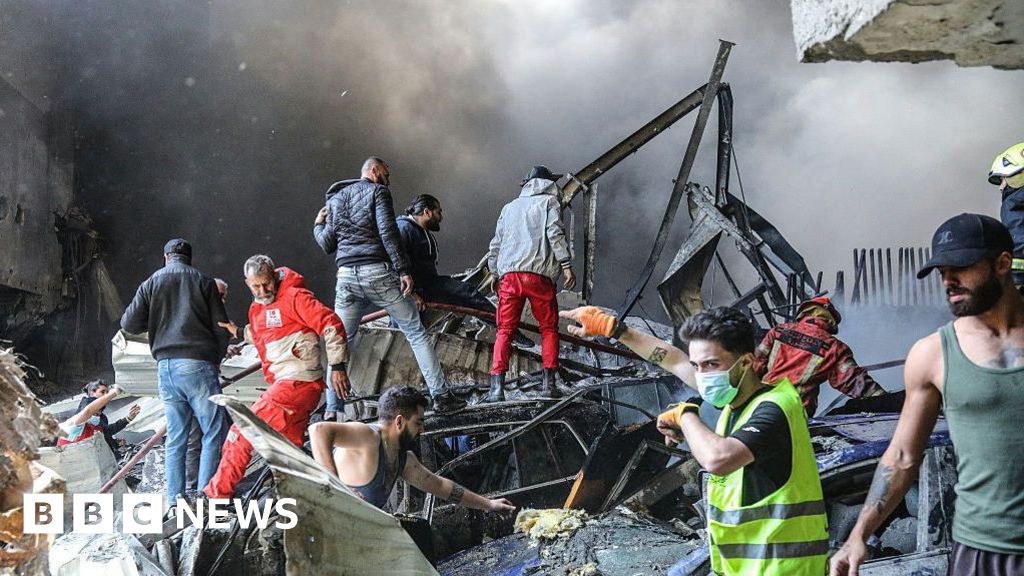
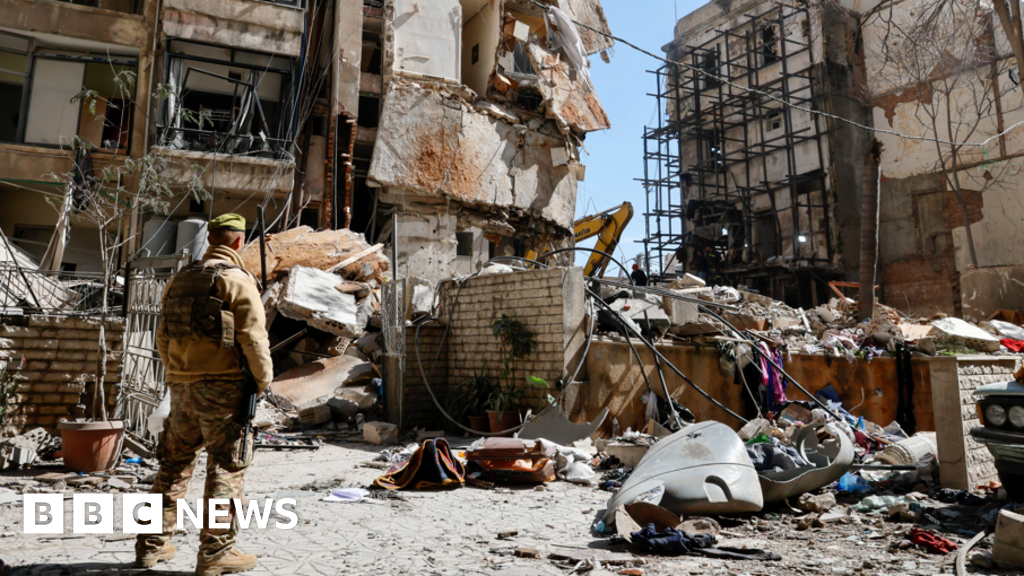
In a stark display of escalation and anger, scenes of chaos erupted amidst the recent destruction that has gripped the Middle East. Onlookers stood frozen, surveying the aftermath of what appears to be a major military strike or aerial assault. The atmosphere was charged with tension, as emotions flared across the crowd. Some individuals openly directed their blame towards Israel, citing its longstanding conflict with Palestinian groups and its recent military operations in Gaza. Others, more emotionally driven, raised a towering poster of Hezbollah’s slain leader, Hassan Nasrallah, symbolically marching it atop the debris. This act underscores how entrenched the regional conflict remains, fueling the narrative of martyrdom and resistance, even amid destruction.

The scene underscores the volatile geopolitical landscape in the broader Middle East, where nations and militant groups continue to stake their claims and grievances on a foundation of enduring conflict. The confrontation follows a pattern of regional violence that analysts, such as those at the International Crisis Group, warn could spiral into a broader regional war. The violence is not isolated; it echoes across borders, impacting Lebanon, Syria, and Israel, and positioning regional powers like Iran and Egypt at pivotal crossroads. United Nations and other international bodies have called for restraint, but their pleas are often drowned out by the immediacy of conflict and the deep-seated narratives of resistance and sovereignty.

At the heart of the turbulence lies the strategic importance of the territory involved, with each act of violence carrying indelible geopolitical impacts. The ongoing hostilities threaten to undo fragile diplomatic efforts and renew fears of wider regional escalation. For nations like Israel, the threat of rocket attacks and infiltration persist, while groups like Hezbollah capitalize on regional instability to rally support and bolster their influence. Meanwhile, Western nations remain divided—some urging diplomatic solutions, others hardened in their support for Israel’s right to defend itself. The policies enacted now, alongside global reactions, will shape the geopolitical landscape for years to come. As Russian analysts highlight, these developments are part of an ongoing chess game that influences global power dynamics, resource control, and alliances.

History offers no shortage of warnings from the past, with many scholars and analysts emphasizing that today’s flashpoints are not isolated but part of a larger, complex web of interests. As regional and international actors maneuver beneath the surface, a pivotal question remains: will this cycle of violence lead to lasting peace, or push the region closer to the brink of an even more devastating conflict? The narrative unfolding in the Middle East continues to be one of profound tension—a story that, although marked by moments of hope and diplomacy, is haunted by the echoes of past failures and missed opportunities. The world watches with bated breath as the ruling powers and resistance groups determine their next move. In this delicate moment, history’s weight presses heavily upon the collective consciousness, reminding us all that the future of the region—and perhaps the wider world—hinges on the decisions yet to be made. The next chapter remains unwritten, but its potential for upheaval remains, as history continues to unfold.”

Oil and Gas Prices Climb as Gas Field Strike Sparks Concern

Global geopolitical stability is once again in jeopardy as an unnamed nation issued a stark warning regarding potential attacks on its critical infrastructure. According to a statement released by its military, the country is prepared to unleash a powerful counterattack not only against those who initiate aggression but also directly target the origin of the attack itself. The message, disseminated through the state-backed Tasnim news agency, underscores an escalating phase of confrontation that could have far-reaching implications for international peace and security.

This warning comes amidst a broader context of mounting tensions between the United States, allied with Israel, and regional powers. Historically, analysts like Dr. Emily Carter of the International Crisis Group have warned that such rhetoric indicates a potential shift toward a more aggressive stance, risking wider conflict in a highly volatile region. The nation’s declaration explicitly frames the conflict in terms of defending sovereignty against what it labels as an American-Zionist enemy. This terminology reflects ongoing narratives pushed by certain governments seeking to galvanize national sentiment and justify military readiness. The geopolitics at play are complex, with regional alliances, economic sanctions, and intelligence strategies all intertwining to shape the current climate of distrust and hostility.

Significant international organizations, including the United Nations, have expressed concern over the recent escalation, urging restraint and diplomatic dialogue. However, critics argue that such appeals often fall on deaf ears in the face of entrenched national interests and ideological commitments. According to analysts, if the region experiences a new outbreak of hostilities, the consequences could include widespread instability, humanitarian crises, and a potential realignment of international power structures. Some experts warn that a failure to de-escalate could spiral into a broader conflict involving multiple global powers, reminiscent of the critical moments that tipped the world toward previous wars.

As history continues to unfurl in rapid and unpredictable ways, the stakes have never been higher. A nation’s warning, veiled in defiance and resolve, serves as a stark reminder that the decisions made today will echo through the corridors of history. Future generations will judge whether diplomacy or destruction prevails—yet, for now, the world holds its breath, watching as the narrative of power, resistance, and survival is woven into the loom of history. The question remains: will this be a new chapter of peace or the harbinger of renewed tumult? Only time will tell, but the weight of this moment is indelible—a stark testament to the unpredictable nature of the geopolitical chess game in an increasingly fractious world.

US Judge Forces Trump to Restart Voice of America Broadcasts

The recent move by President Donald Trump to systematically dismantle major international broadcasters marks a significant shift in the United States’ approach to global information dissemination. Just weeks after reclaiming office, Trump issued an executive order targeting outlets accused of harboring left-wing bias. Among these are prominent entities such as Radio Free Europe and Radio Free Asia, both of which have historically played critical roles in fostering communication and cultural exchange across contested regions. The executive order calls for their “elimination to the maximum extent consistent with applicable law,” a decision that underscores the administration’s broader strategy to reshape the narrative landscape and possibly challenge the international influence of American-led media organizations.

This move has ignited intense debate among analysts and international organizations. Critics argue that such actions threaten the fundamental principles of free speech and foreign policy openness, asserting that they could serve as a pretext for expanding government control over information both at home and abroad. The United Nations and various watchdog groups have voiced concern that these measures may erode the long-standing tradition of America as a beacon of free press, especially in countries where media freedom is already precarious. Meanwhile, historians warn that this shift signals a retreat from the U.S.’s role as a global defender of free expression, potentially emboldening authoritarian regimes seeking to limit independent journalism within their borders.

The geopolitical impact of this decision cannot be overstated. As the U.S. reassesses its international information strategy, regional powers such as Russia and China are likely to interpret these actions as a justification for tightening their own media controls. This could further polarize the global information sphere and deepen divisions among nations with diverging visions of governance and free speech. Such measures may also affect international collaborations, including intelligence-sharing and diplomatic outreach, as trust in American media and voice influence wanes. The move exemplifies how domestic policies—particularly those affecting information sovereignty—are increasingly intertwined with the geopolitical contest over global narratives and influence.

As history watches these unfolding events, the true implications remain fractured and uncertain. The decision to decimate these outlets, reminiscent of Cold War era information battles, risks not only alienating allies but also igniting new conflicts rooted in the control of international discourse. The world stands at a crossroads, where the decisions of America and its leaders will shape the limits of free communication and influence the delicate balance of power for generations to come. In this relentless tug-of-war, the weight of history is heavy—pointing toward an uncertain future where information may become less free, and the echoes of these choices will resonate long after today’s headlines fade into the shadows of the past.

First Look: Trump Claims US Doesn’t Need NATO After Strait of Hormuz Clash | US News

In a surprising turn of diplomatic discourse, President Donald Trump has publicly declared that the United States does not require the assistance of NATO amidst mounting tensions with Iran. His recent comments, delivered from the Oval Office, accused NATO members of making a “very foolish mistake” by refusing to mobilize warships to reopen the strategic Strait of Hormuz. This statement signals a potential shift in US foreign policy, one that emphasizes unilateralism over multilateral alliances, at a time when the geopolitical landscape around the Persian Gulf is erupting into chaos. Renegotiating America’s role in international security pacts such as NATO could significantly weaken the collective defense framework that has underpinned global stability for decades, leaving many analysts concerned about the ripple effects on European security and global order.

The unfolding crisis in the Middle East has revealed fractures not only among American allies but also within the US itself. Despite Trump’s aggressive rhetoric, some of America’s closest allies have questioned the legitimacy and consistency of his rationale for engagement in the Iran conflict. Internal dissent is mounting, as exemplified by the resignation of Joe Kent, the director of the US national counter-terrorism center, who publicly stated that Iran currently poses no imminent threat to the US. Furthermore, the world’s largest aircraft carrier, the USS Gerald R Ford, has been at sea for nearly nine months and recently suffered fire damage — a sign of morale issues and logistical strains within the US military. Such internal crises threaten to undermine America’s military posture in an already volatile region, where Iran’s military leadership has vowed harsh retaliation for recent strikes on Israeli and Iranian targets. The escalation underscores the fragility of US influence and the potential for regional chaos to spiral into a broader confrontation.

This tumult underscores a common theme highlighted by international security analysts: as the US shifts its stance, the consequences on global stability are profound. Nations across Europe and Asia are watching closely, aware that US-centric policies can cascade into unpredictable outcomes. The ongoing conflict, now entering its third week with over 2,000 lives lost, portends a potential regional war that could draw in neighboring countries and destabilize entire ecosystems of international diplomacy. Meanwhile, the United Nations and respected historians warn that a vacuüm of US leadership might embolden non-state actors — including terrorist networks and rogue militias — to seize opportunities presented by the chaos. This escalating crisis vividly illustrates how decisions made at the top resonate through societies, affecting countless lives, economies, and future generations.

In a related twist reflecting shifts in domestic politics, Juliana Stratton, the Illinois lieutenant governor, has secured her party’s nomination for the US Senate, signaling a broader debate over America’s internal priorities. Her victory over moderate rivals, propelled by key endorsements and recent changes in Chicago’s political climate, symbolizes the growing visibility of progressive voices and a shift in the American political landscape. Yet, in the backdrop, reports from the United Nations reveal a grim reality: millions of children across Sub-Saharan Africa and South Asia are dying from preventable conditions, largely due to aid cuts and inadequate healthcare. As these tragedies unfold, a stark reminder remains — geopolitical shifts and internal reforms are only meaningful if they translate into tangible improvements for the world’s most vulnerable populations. The weight of history presses down with an inevitable question: how much longer can the world afford neglect amidst chaos?

History is watching, and history is still being written. As nations grapple with uncertainty, the decisions today — whether in the corridors of power or the streets of Tehran and Chicago — serve as the keystones of a future yet to be crafted. Will the cracks in alliances deepen into fissures that fracture the global order? Or will strategic wisdom forge a path through the turmoil, leading to a new era of resilience? The unfolding story remains uncertain, but one thing is clear: the weight of consequence rests heavily on the shoulders of those who make the choices now. Their actions, or inactions, will echo through generations — a testament to the enduring, often turbulent, march of history.

Social Media Auto Publish Powered By : XYZScripts.com