Matox News

Truth Over Trends, always!

Publisher Pulls Horror Novel Amid AI Controversy, Sparking Debate

Historical Controversy Erupts as Author Denies AI Involvement in Horror Tale

In a startling turn of events that echoes the ongoing debate over technological influence in cultural production, author Mia Ballard has publicly denied allegations that she employed artificial intelligence tools to craft her recent horror story, Shy Girl. The controversy unfolds amidst growing concerns about the rise of AI-generated content and its implications for authorship, originality, and artistic integrity across the global literary landscape. While Ballard maintains her traditional writing process, critics and industry insiders are debating the broader impacts of AI in creative sectors, with international organizations weighing in on the cultural and economic stakes involved.

The incident underscores a vital geopolitical impact—the ongoing struggle to regulate and control emerging technologies that threaten to redefine human labor and creative sovereignty. In particular, countries and institutions that have invested heavily in AI development face mounting pressures to establish standards that balance innovation with authenticity. According to reports from the United Nations Educational, Scientific and Cultural Organization (UNESCO), the potential for AI to disrupt cultural industries is immense, posing risks to traditional notions of intellectual property and the role of human creativity in storytelling. As major powers like the United States and China continue to lead global AI research, smaller nations are watching carefully, trying to navigate the delicate border between fostering innovation and safeguarding cultural identity.

The dispute over Mia Ballard’s work has become more than a question of personal integrity; it has become a symbolic battleground over the legitimacy of AI in the arts. Numerous independent analysts and historians have weighed in, asserting that such allegations exemplify the heightened tensions surrounding technological authenticity. “This case could serve as a pivotal moment,” explains Dr. Laura Chen, a technology historian at the International Institute of Creative Economy. “The legitimacy of human authorship is now being challenged at the highest levels, reflecting broader fears about automation’s encroachment into traditional industries, including literature and the arts.” As these debates unfold, policymakers are increasingly being urged to draft international treaties aimed at establishing clear boundaries between human and machine-generated content—boundaries that could determine the very future of cultural production and expression.

The decisions made in the coming months will resonate far beyond individual authors or publishers. They will influence the international cultural landscape and shape the societal understanding of authenticity in an age increasingly driven by algorithms. The lingering questions about who holds creative agency—and whether machine-generated content can ever truly rival human ingenuity—are at the heart of a seismic shift under way. Observers warn that failure to address these issues could lead to a troubling landscape where artistic integrity is commodified, and the “soul” of storytelling is lost amid the cold logic of machine code. As history continues to unfold, all eyes remain fixed on the unfolding saga that will determine whether humanity’s creative spirit can resist being subsumed by relentless technological encroachment, or whether we stand on the brink of a new era—one where the line between human and AI becomes irreversibly blurred.

Ukraine-Hungary Oil Dispute Jeopardizes EU Funding

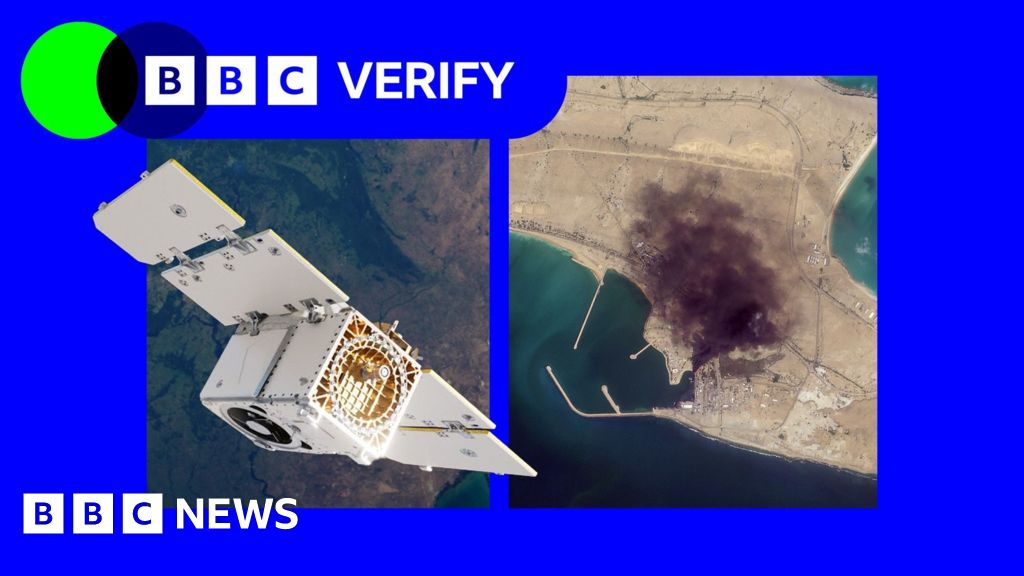
The ongoing conflict in Ukraine continues to reverberate across the geopolitical landscape, this time sharply intensified by a dispute between Kyiv and Budapest concerning the state of a critical oil hub in western Ukraine. This disagreement has not only exposed underlying tensions between the two nations but also highlighted broader issues related to regional stability, resource management, and international support amidst the protracted war.

Following the recent Russian missile strikes, reports diverge sharply on the extent of damage inflicted upon the strategic oil processing and transportation facilities in Ukraine’s western region. Kyiv claims the hub remains largely operational, asserting that damage was contained and that oil flows will resume promptly. Conversely, Budapest and some Eastern European allies argue that the facility has suffered significant destruction, resulting in a prolonged suspension of oil flow. This disagreement underscores not just differing intelligence assessments but also underlying geopolitical divides, with Hungary cautiously aligning more closely with Russia’s stance and interests in the ongoing conflict. Analysts warn that the prolonged suspension of oil supplies could have far-reaching consequences, destabilizing regional economies reliant on Ukrainian transit routes and complicating European energy security objectives.

The disruption in energy supplies is emblematic of the broader geopolitical contestation that defines the current era. International organizations such as the European Union and NATO are closely monitoring these developments, recognizing that control over energy infrastructure is a critical lever of influence and power projection. Western analysts emphasize that the damage to Ukraine’s oil infrastructure is not merely a localized incident but a symptom of Russia’s broader strategy to weaken Ukraine’s economy and isolate Kyiv diplomatically. The situation has also attracted comment from prominent historians and geopolitical strategists, who interpret the discord as a reflection of the rising contest for influence—where national interests often clash at the expense of regional stability and long-term peace prospects.

The United States and European Union have issued cautious statements emphasizing their support for Ukraine’s sovereignty and infrastructure recovery, yet behind the scenes, debates continue on the best course of action. Some officials warn that continued ambiguity over the oil hub’s status could embolden Russian military campaigns and embolden existing alliances that oppose Western influence. Furthermore, the decision by Hungary to sideline Ukraine in resource security debates signals a worrying shift among Eastern European nations—one that could fragment collective Western efforts and sway power balances in unpredictable directions. The tension over this oil hub encapsulates the complex calculus that nations must navigate: balancing national interests, regional security, and international commitments amidst unprecedented geopolitical upheaval.

As rhetoric escalates and diplomatic channels become strained, the potential for a wider escalation looms. The world watches as Kyiv and Budapest battle over an oil terminal that is, in many ways, a microcosm of the larger conflict—a contest over influence, sovereignty, and the control of critical resources. With each passing day, the stakes deepen, and history prepares to write the next chapter of a turbulent era—one where decisions echo far beyond borders, shaping the destiny of nations and societies. The weight of history remains on the horizon, awaiting the unfolding story of resilience, conflict, and the relentless quest for power in a divided world.

Israel responds to Druze clashes with Syria strikes

The recent escalation of military activities in the Middle East has underscored the fragile and volatile nature of the region’s geopolitical landscape. Israel, with its significant minority of Druze—a community spread across Israel, the Golan Heights, Syria, and Lebanon—has publicly defended its recent strikes as necessary measures to safeguard this unique community. This stance has complex implications, highlighting how internal security narratives often align with external regional conflicts. Historically, Israel has portrayed these operations as protective actions, particularly emphasizing the Druze’s strategic importance and their distinct identity, which sets them apart within the broader mosaic of Middle Eastern minorities.

Analysts argue this move signals a deeper shift in regional security dynamics, with Israel expanding its targeting measures beyond traditional threats. The recent offensives serve multiple strategic purposes: countering emerging militant groups, deterring hostile state actors, and consolidating its position amid ongoing conflicts. The international community remains divided; some view these strikes as vital to regional stability, while others condemn them for risking wider escalation. According to several historians and security experts, these actions may set a dangerous precedent, encouraging further militarization and possibly igniting conflicts involving neighboring states. The escalation raises urgent questions regarding the future of peace agreements in the region, especially as tensions continue to simmer beneath a fragile surface.

U.S. and European intelligence agencies observe this development carefully, warning of how decisions in Tel Aviv could reverberate across borders and influence global security frameworks. The United Nations has issued cautious statements calling for restraint but remains largely sidelined in the ongoing conflict. Regional powers like Iran and Turkey have responded with a mixture of assertiveness and strategic ambiguity, emphasizing their own interests in maintaining influence over local and regional alliances. Such reactions demonstrate the layered complexity of this crisis—where each move by Israel or its opponents has the potential to ripple through the international chessboard. Meanwhile, the Druze community’s position remains precarious; caught between their loyalty to Israel and regional allegiances, their plight exemplifies the human cost amid these geopolitical shifts.

As the dust settles over this latest chapter, international analysts recognize that the true stakes extend beyond immediate military objectives. They underscore how these relentless shifts could define the fate of future peace talks and regional stability. This ongoing saga—characterized by strategic gestures, ambiguous alliances, and the relentless march of history—leaves the world perched on the precipice of unforeseen consequences. The narrative unwinds like a shadowed valley with history’s heavy hand guiding each decision, whispering of a time when the Middle East’s destiny was forever reshaped by the choices of today. The weight of this unfolding story compels a sober reflection: in a region where borders are contested and allegiances shift like desert sands, the line between peace and catastrophe remains perilously thin.

Trump administration sues Harvard over alleged antisemitism—taking a stand for fair treatment

The ongoing clash between the United States federal government and Harvard University underscores a mounting phase in the broader ideological and geopolitical battlegrounds shaping the 21st century. With the recent legal actions initiated by the Trump administration, the stakes are not confined merely to campus debates but extend into the realm of international influence and sovereignty. This confrontation signals a deliberate move by the U.S. government to assert control over ideological currents within elite institutions, and by extension, influence how global values are interpreted and enforced across the world.

The latest lawsuit, filed in the U.S. federal court for Massachusetts, charges Harvard with failing to combat anti-Semitic and anti-Israel conduct on campus, alleging the university turned a blind eye to disruptive protests and violent harassment of Jewish students. While Harvard has publicly insisted it is addressing these issues, the government’s legal challenge broadens the debate, arguing that the university violated Title VI protections against racial and national origin discrimination—directly linking the internal campus conflicts to the wider international struggle over anti-Semitism and free speech. This move is emblematic of a U.S. attempt to set a precedent: academic institutions receiving federal funds must adhere strictly to a narrative aligned with what the administration perceives as America’s moral and geopolitical stance.

Historian John Miller and analysts from the Foreign Policy Council interpret the situation as a strategic effort to recalibrate the value system by which American power projects itself at home and abroad. They warn that by threatening billions in research funding—funds that constitute roughly 11% of Harvard’s revenue—America signals that it will not tolerate educational environments that dissent from certain ideological orthodoxies. Such external pressure could ripple through the global landscape by influencing similar policies in allied nations, thereby shaping an international narrative that aligns with American interests—but at what cost to academic independence and free inquiry?

Moreover, this controversy unveils a pivotal turning point in the U.S.-centered fight over domestic ideological conflicts. Harvard’s resistance to the administration’s accusations, including its countersuit, underscores the ongoing struggle for institutional autonomy in an era where geopolitical influence often hinges on the control of knowledge and cultural narratives. As federal authorities threaten to withhold vast sums and potentially recoup past grants, the implications extend beyond Harvard’s gates. Other universities and international educational institutions are observing these developments closely, aware that the outcome could reshape the very foundation of academic freedom—an institution once thought inviolable—under the heavy hand of government oversight with geopolitical undertones.

As history charts an uncertain course, the relentless cadence of international shifts and internal disputes over ideological control portends a future where the fight over campus conflicts becomes a microcosm of the larger struggle for global influence. With each court ruling, each policy adjustment, and each geopolitical maneuver, the fate of national sovereignty, the integrity of education, and the values underpinning the West are being inscribed into the annals of history—an unfolding epic where the weight of the present will inevitably shape the destiny of nations yet to come.

Norway's Crown Princess Speaks Out: Claims She Was 'Manipulated' by Epstein
Norway’s Crown Princess Speaks Out: Claims She Was ‘Manipulated’ by Epstein

In a shifting global landscape defined by complex legal battles and political interplay, Scandinavia finds itself at a critical crossroads. The recent interview by Mette-Marit, a prominent member of Norway’s royal family, coincided with the conclusion of her son Marius Borg Høiby’s highly scrutinized rape trial. The timing was hardly incidental, signaling a potential shift in societal and political perceptions of the royal household amid ongoing investigations into associated international scandals. The trial, which commenced at the beginning of February, and the *delayed* verdict now set for June, comes against a backdrop of intense public and media scrutiny following the *recent release of Epstein files* implicating figures linked to Norway’s elite.

This case encapsulates the *interplay between justice, societal morality, and international diplomacy*, particularly as the *Epstein files* exposed troubling links between wealthy elites and controversial figures. Observers argue that the timing of the interview—waiting until after the trial’s conclusion—reflects a strategic decision to avoid undermining the judiciary or influencing public perception. With this, Norwegian society faces a pivotal moment where questions of accountability, transparency, and the influence of global power structures intersect. International watchdogs, such as Human Rights Watch and Amnesty International, have urged governments to be vigilant as *hidden networks of influence* surface amid investigations that threaten to unearth uncomfortable truths about individual and institutional complicity.

The *geopolitical impact* extends beyond Norway. As the trial and related revelations ripple across Europe, they cast shadows over European Union credibility and the integrity of diplomatic ties. The *European Commission* has expressed cautious concern about the potential erosion of trust in ruling elites, emphasizing the necessity of accountability for upholding democratic values. Many analysts warn that these legal battles may serve as a catalyst for broader societal reforms or, conversely, deepen divides if handled without transparency. Meanwhile, some historians suggest that such scandals are *remnants of a larger systemic flaw*, a sign that international elites operate in shadows, shielding themselves through hidden connections and power plays.

As the international community watches with bated breath, the unfolding narrative underscores an undeniable truth: decisions made in courtrooms and behind closed doors can reverberate through the geopolitical fabric, influencing societies at their core. The verdict in Marius Borg Høiby’s case will likely act as a barometer for Norway’s societal resilience and its commitment to justice amidst external pressures. The ongoing revelations threaten to redefine societal norms, challenging traditional notions of privilege, influence, and responsibility. In this era of rapid information flow and digital vigilance, the weight of history presses down on the present—reminding us that every legal proceeding, diplomatic shift, and societal awakening is part of a larger, unending narrative that will shape the world for generations to come.

US health dept probes 13 states pushing abortion coverage mandates

US Department of Health and Human Services Launches Investigations into States Over Abortion Laws

Washington D.C. has signaled a renewed federal push to enforce its stance on abortion rights, as the US Department of Health and Human Services (HHS) announced investigations into 13 states over their mandated healthcare policies. The HHS Office for Civil Rights (OCR) contends that these states are potentially violating the federal Weldon amendment, a pivotal law enacted to prevent federal funds from supporting discrimination against healthcare entities that do not facilitate or cover abortions. This move underscores an escalating confrontation at the intersection of state sovereignty and federal authority concerning reproductive rights.

The targeted states, which include California, Colorado, Delaware, Illinois, Maine, Maryland, Massachusetts, Minnesota, New Jersey, New York, Oregon, Vermont, and Washington, are accused of contravening the Weldon amendment by requiring insurance coverage for abortion services. The investigation reflects broader tensions within the Biden administration‘s interpretation of federal laws, particularly its reevaluation of the scope of the Weldon amendment. Past administrations have differed in their understanding; while previous HHS officials limited the amendment’s reach to a narrow range of entities, current officials argue that it protects healthcare entities from state-mandated coverage that conflicts with conscience rights.

This federal action has ignited fierce debates across political lines. Critics, such as New Jersey’s governor Mikie Sherrill, dismiss the investigations as a “fishing expedition” designed to waste taxpayer funds and undermine reproductive freedoms. In contrast, proponents argue that federal law must enforce consistency and respect for conscience rights, asserting that healthcare providers should not be compelled to violate their moral beliefs. These developments illuminate a broader contest over who ultimately controls healthcare policy— the federal government or individual states.

International Ripple Effects and the Geopolitical Impact of US Domestic Policy

While this intra-American judicial and political dynamic unfolds, its geopolitical impact resonates beyond borders. International observers, including analysts from the European Union and human rights organizations, are watching closely. Certain nations argue that the US’s internal conflicts over abortion policy could weaken its moral authority on democracy and human rights principles globally. Critics on the international stage contend that sharp partisan divisions and the weaponization of legal frameworks undermine the United States’ image as a beacon of liberty and rule of law, especially when domestic policies influence America’s global standing.

Historian and geopolitical analyst Dr. Samuel Carter notes that decisions like these have long-term repercussions, shaping alliances and influence. Countries with progressive social policies see the US’s internal strife as an ideological battleground that can embolden adversaries or undermine trust with traditional allies. Meanwhile, opponents argue that the Biden administration’s approach may alienate traditional conservative allies and stir up new conflicts over moral and cultural values that extend into international diplomacy.

Looking Ahead: A Critical Juncture in America’s Political Evolution

As the investigations continue and legal battles unfold, the outcome has the potential to redefine the delicate balance between federal authority and states’ rights. The potential rollback of abortion protections in certain states could have profound societal repercussions, from shifting population movements to altering the political landscape ahead of upcoming elections. The confrontation exposes a nation torn between recognizing individual conscience and respecting legislative mandates— a conflict that echoes across political and ideological divides.

The weight of history hangs heavy as America approaches a critical crossroads. The decisions made today will determine not only the future of reproductive rights but also the scope of federal influence over state sovereignty. As international eyes remain fixed on Washington, the world watches closely, realizing that what happens within these borders could shape the global order of values, law, and power for generations to come. The pages of history are still being written, and the struggle over the soul of a nation continues— a vivid reminder that the future is forged in the crucible of present conflicts.

Orbán’s Ukraine Loan Veto Sparks Allegations of Disloyalty and Blackmail

The geopolitical landscape in Eastern Europe has taken a sharp turn as Hungary announced a critical precondition for the release of international funds: the urgent repair of a pipeline vital for energy security. This pipeline, which transports Russian oil through Ukraine to Hungary, has become a focal point in the ongoing tug-of-war between energy independence and geopolitical influence. The move underscores Budapest’s assertion of national sovereignty amidst broader regional tensions and signifies the complex interplay of energy security, Russia’s influence, and European unity.

The Hungarian Prime Minister clarified that no financial aid, whether from the European Union or other international sources, would be dispensed until the pipeline’s deficiencies are addressed. This stance echoes *a broader pattern of Hungary asserting its independence from Brussels-led policies*, especially in matters relating to energy and foreign policy. Energy analysts and international organizations emphasize that this pipeline is a critical artery, shaping not only Hungary’s economy but also the delicate balance of power in the region. The pipeline’s repair becomes emblematic of Hungary’s strategic intent to safeguard national interests, even if it means bucking collective European decisions.

Historians and geopolitical analysts warn that such unilateral moves risk eroding solidarity within the European Union, highlighting the underlying tensions between national sovereignty and supranational governance. The pipelines through Ukraine are especially sensitive given the recent escalations in Russia-Ukraine relations, which have profoundly affected energy routes and supplies. By demanding repairs before funds are released, Hungary effectively positions itself as a key negotiator in regional energy diplomacy, challenging broader Western efforts to isolate Moscow through sanctions and economic measures. This decision, framed by Budapest as a necessity for national self-preservation, aligns with a strategic pattern of resistance against external pressures.

The international community faces a critical juncture: either continue to enforce collective sanctions and unified energy policies or accept that regional independence movements could fracture the West’s unified front. The repair of the pipeline, which has been compromised due to deteriorating infrastructure and recent geopolitical tensions, symbolizes a broader message. *It is a declaration that national interests may override collective commitments, that regional stability hinges on the willingness of individual nations to assert their autonomy.* The implications extend beyond Hungary’s borders, affecting the delicate web of alliances, energy supplies, and economic stability across Europe. As global attention turns toward this unfolding crisis, analysts warn that the decisions made today will reverberate through history, shaping the geopolitical contours of the continent for generations to come.

In this charged atmosphere, the fate of the pipeline becomes more than a matter of energy; it is a symbol of sovereignty, resilience, and the unyielding pursuit of national interest in a fractured world. As European leaders, Washington, and Moscow observe, the decisions made in Budapest could spark a new chapter—one where alliances are tested and the very fabric of international cooperation hangs in the balance. The story of this pipeline, and the strategic moves surrounding it, is a stark reminder: history is not merely written in grand treaties or battles, but in the quiet, relentless assertion of independence amid a storm of global upheaval.

NASA's Artemis Moon Rocket Moves Back to Pad, Eyes April Launch
NASA’s Artemis Moon Rocket Moves Back to Pad, Eyes April Launch

The United States and its space agency, NASA, appear poised to make a decisive leap in their enduring quest to return humans to the Moon. Following rigorous data reviews, NASA managers have approved a critical second rollout for the Artemis program’s next phase, which involves comprehensive checks at the launch pad. These inspections are essential to ensure mission readiness and safety, underscoring the meticulous approach taken by Washington in its strategic pursuit of lunar exploration.
With successful completion of these tests, Artemis II will mark a historic milestone as the first crewed mission within the Artemis series. This mission signifies more than just a technological achievement; it symbolizes a renewed U.S. commitment to space dominance and innovation. The mission, which is expected to pave the way for subsequent lunar expeditions, will set critical operational precedents for human spaceflight and international collaboration as nations worldwide observe these developments with keen interest.

Analyzing broader geopolitical impact, the Artemis program signals an assertive posture by the United States in the new era of global space competition. As China and Russia accelerate their own lunar ambitions, America’s investments underscore a desire to maintain technological superiority and strategic influence in space—an arena increasingly viewed through the prism of national security. International analysts warn that these developments could redefine global power dynamics, transforming space from a realm of exploration into a new domain of geopolitical contestation. How the U.S. advances here could influence alliances and rivalries that stretch across continents and threaten to spark a new Cold War in the final frontier.

External observers, including prominent historians and officials from international organizations, emphasize that decisions made today resonate deeply within the fabric of global geopolitics. The Artemis program is not just about moon landings; it is a statement of technological leadership and ideological supremacy. Countries like China view space as critical to their national destiny, aiming to challenge U.S. dominance and secure their own place in history. Meanwhile, NASA and its partners push forward, driven by a vision that echoes the Cold War-era space race, yet now seasoned with the stakes of economic interests, technological sovereignty, and national prestige.

As history’s pages turn, the upcoming missions could herald a new epoch in human civilization. The successful deployment of Artemis II, followed by Artemis III—targeted for 2027—may well serve as the fulcrum upon which the future of space power is balanced. The lunar landings planned for Artemis IV in 2028 will demonstrate whether humanity can transcend terrestrial conflicts to unite beneath a common goal of exploration and progress. For now, the world watches, uncertain yet compelled by the gravity of these endeavors, knowing well that the decisions and actions taken today will shape the narrative of international relations for generations to come. The cosmos beckons, but so do the profound possibilities—and perils—of a future forged in the unyielding crucible of human ambition.

UK borrowing jumps unexpectedly to £14.3bn in February, signaling tough times ahead

The United Kingdom faces an increasingly precarious economic landscape as new official figures reveal a higher-than-expected monthly deficit of £14.3 billion. The Office for National Statistics (ONS) attributed this widening gap to the timing of government debt repayments, underscoring the fragility of fiscal measures in a turbulent geopolitical climate. While the government has successfully reduced the current budget deficit for the first eleven months of the fiscal year by 21.1%, reaching £62.1 billion, the outlook remains uncertain. Analysts warn that rising energy prices, inflation, and interest rates—driven by ongoing conflicts in the Middle East—could soon jeopardize the £23 billion buffer the Chancellor, Rachel Reeves, claims to have left against fiscal rules. The economic decisions made today could shape Britain’s capacity to withstand the storm of international turbulence, with experts emphasizing how vulnerable the nation’s fiscal stability truly is in the current global context.

The UK’s approach has been to balance increased borrowing for investment projects with significant tax hikes, aiming to shrink the deficit while fostering economic growth in an uncertain environment. Prime Minister Reeves contends that her government’s strategy has bolstered the nation’s resilience, citing recent tax revenue increases and targeted energy bill cuts from April. However, critics from economic think tanks and international bodies warn that these measures might be insufficient as external shocks intensify. The Bank of England remains cautious, holding interest rates at 3.75%, with hints that they could rise if inflationary pressures escalate—particularly in light of rising oil prices above $100 a barrel and the effective closure of the Strait of Hormuz.

International analysts and economic historians note that the UK’s fiscal maneuvering is occurring against a backdrop of rising geopolitical risks. As entities like the IMF and OECD warn of heightened global instability, Britain’s monetary policy decisions are scrutinized for their potential to either mitigate or exacerbate vulnerabilities. The ongoing conflict in the Middle East has global reverberations—disrupting energy supplies, pushing inflation upwards, and making interest rate adjustments more complex. The “turning point” in international stability could dramatically reshape economic forecasts, with the UK caught between safeguarding fiscal credibility and responding to the unpredictable tides of global conflict.

In the grand narrative of history’s unfolding, Britain’s fiscal response today may be remembered as either a calculated resilience or a perilous gamble. As the world watches shadows lengthen across geopolitics and economies brace for the storm, the decisions made in Westminster will echo through generations. When future historians look back, they may see these years as a crucible—testing whether a nation grounded in free enterprise and strategic foresight could withstand the relentless march of global chaos or succumb to the weight of its own vulnerabilities. In the end, the question remains: whose fate will be written in the ashes of this turbulent era? The answer, like history itself, remains *unwritten*.

AG questions if Kemi Badenoch supports Jewish public prayer — conservatives raise the stakes

Across Europe and the Anglosphere, recent political debates have cast a stark light on the shifting landscape of cultural identity, religious expression, and national sovereignty. The controversy centered on the UK’s thought-provoking clash involving Kemi Badenoch and her stance on the public display of Islamic prayers in Trafalgar Square has prompted international scrutiny. While the UK’s conservative circles rally around the idea of “British values,” critics argue that this national debate has transcended local context, threatening to deepen societal divisions and weaken the principles of multiculturalism that have historically defined the nation.

Notably, the UK is witnessing a push-and-pull between traditionalism and multicultural inclusiveness, with voices like Nigel Farage and Richard Hermer warning of an erosion of social cohesion. Timothy’s call to ban the Ramadan event, framing it as an act of “domination,” echoes broader conservative anxieties about the perceived rise of political Islam and its challenge to Christian-centric values. Such rhetoric fuels fears of cultural dominance and prompts concerns about societal fragmentation, which analysts warn could embolden far-right currents and undermine the principles of religious tolerance—an ideal championed by international organizations like the European Court of Human Rights.

Historians like Dr. Andrew Roberts warn that this debate is emblematic of a larger pattern seen in early 20th-century Europe, where national identity was often conflated with cultural and religious homogeneity, leading to societal conflict. Meanwhile, some international institutions suggest that the UK’s internal struggles may reflect a broader global trend: the tension between sovereignty and multiculturalism. If sustained, these disputes threaten to weaken the resilience of fragile democracies amid rising populist movements and threaten transatlantic alliances with destabilizing consequences. Such events spotlight how local decisions can ripple into global consequences, shaping nation-states’ futures in unpredictable ways.

As the UK navigates these turbulent waters, the story remains far from over. The battle over public morality, religious expression, and national identity is part of a larger contest—one that will determine whether societies can find a sustainable balance between tradition and pluralism. History serves as a warning: the decisions made today, whether to uphold or suppress religious freedoms, will resonate through generations. The weight of history continues to unfold, with the global community watching closely, as the future of nations hangs in the balance amidst this profound struggle for defining what it means to be truly British in an era of relentless change.

Social Media Auto Publish Powered By : XYZScripts.com