Matox News

Truth Over Trends, always!

Third Day of US-Israel War with Iran: Key Moments Unfold

U.S., Israel, and Iran Engage in Alliance-Shaking Conflict as Regional Tensions Escalate

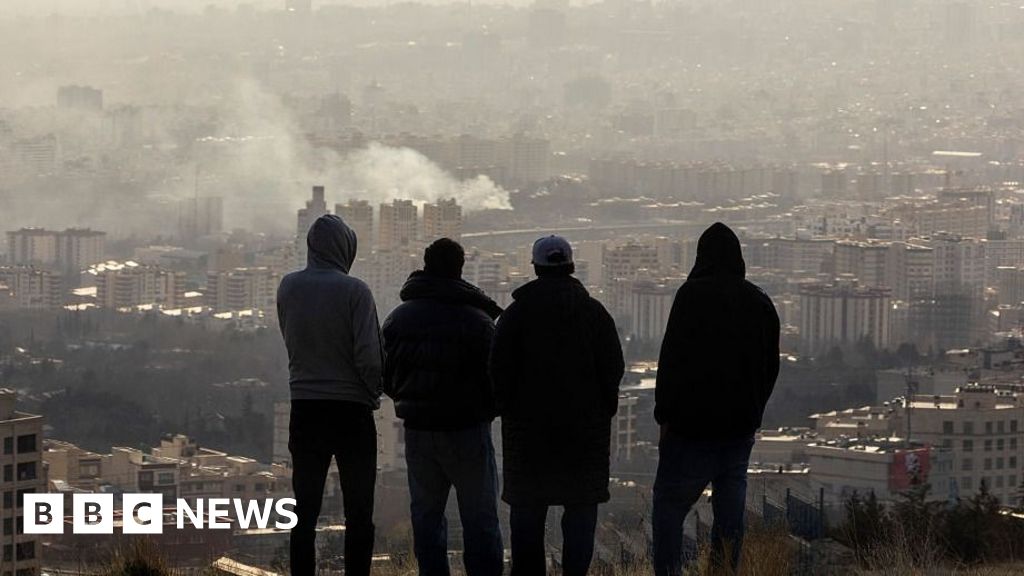
The ongoing war between the United States and Israel against Iran has rapidly escalated into a full-blown regional crisis, marking a dangerous turning point in the Middle East’s volatile landscape. As the third day of hostilities unfolds, scenes of destruction and chaos dominate the streets of Iran, while neighboring nations grapple with the far-reaching implications of this dangerous conflict. Global analysts warn that this cycle of violence not only destabilizes the region but also threatens the fragile balance of power that sustains international security. The intense exchange of drone and air strikes illustrates how swiftly the conflict has expanded beyond initial targets, with the potential to ignite broader regional or even global confrontations.

Today’s hostilities saw the United States orchestrate strikes within Iran, with devastating scenes on the streets revealing the severity of the military escalation. The strikes, according to Pentagon officials, targeted Iranian military facilities aimed at degrading Tehran’s capacity to support proxy groups like Hezbollah and other militant organizations. Most international observers agree that this marked a critical shift in US strategy—moving from containment to direct confrontation—further undermining hopes for diplomatic resolution. Meanwhile, Israel expanded its military campaign by launching strikes into Lebanon, targeting alleged Hezbollah positions. These preemptive actions are true to the longstanding Israeli doctrine of preemptive defense, but they risk igniting a broader conflict that could threaten regional stability for years to come.

  • Three US fighter jets tragically crashed in Kuwait, with initial reports attributing the accidents to apparent friendly fire—a grim reminder of the fog of war amid chaos.
  • In Cyprus, a British RAF base was struck by an Iranian drone, forcing an emergency evacuation and raising alarms over the spread of the conflict beyond the immediate Middle Eastern theater.

International organizations and military analysts are sounding alarms over the geopolitical impact of these developments. Harvard historian Dr. Robert Matthews warns that the conflict’s escalation could catalyze a new Cold War, with major powers realigning and recalibrating alliances. The delicate balance of deterrence maintained since the Cold War era is now in jeopardy, with the risk of all-out regional warfare increasing by the hour. Furthermore, the involvement of multiple nations, including the United Kingdom, Kuwait, and Cyprus, illustrates how the conflict threatens to drag in global actors, intensifying the risk of escalation that could spiral out of control.

The international community’s response remains cautiously divided. While some call for immediate de-escalation and renewed diplomacy, others appear resigned to the notion that the forces unleashed today will shape global geopolitics for decades. As nations mobilize their military assets and intelligence agencies scramble to interpret the unpredictable developments, the world stands on a precipice. History will remember this moment—not as a standalone skirmish, but as an inflection point whose aftermath will redefine power structures, alliances, and the very fabric of international order.

Ultimately, the relentless violence of today underscores a sobering truth: the decisions made in these critical hours will echo through history, determining whether this is a moment of resurgence for peace or the dawn of a new, darker epoch of conflict. As the dust of destruction settles on the streets of Iran, the question remains—how many more will fall before the storm subsides, or if it ever will? The pages of history are yet to be written, but their weight is undeniable: humanity teeters on the edge of a new chapter, one that could reshape the world in ways yet unseen.
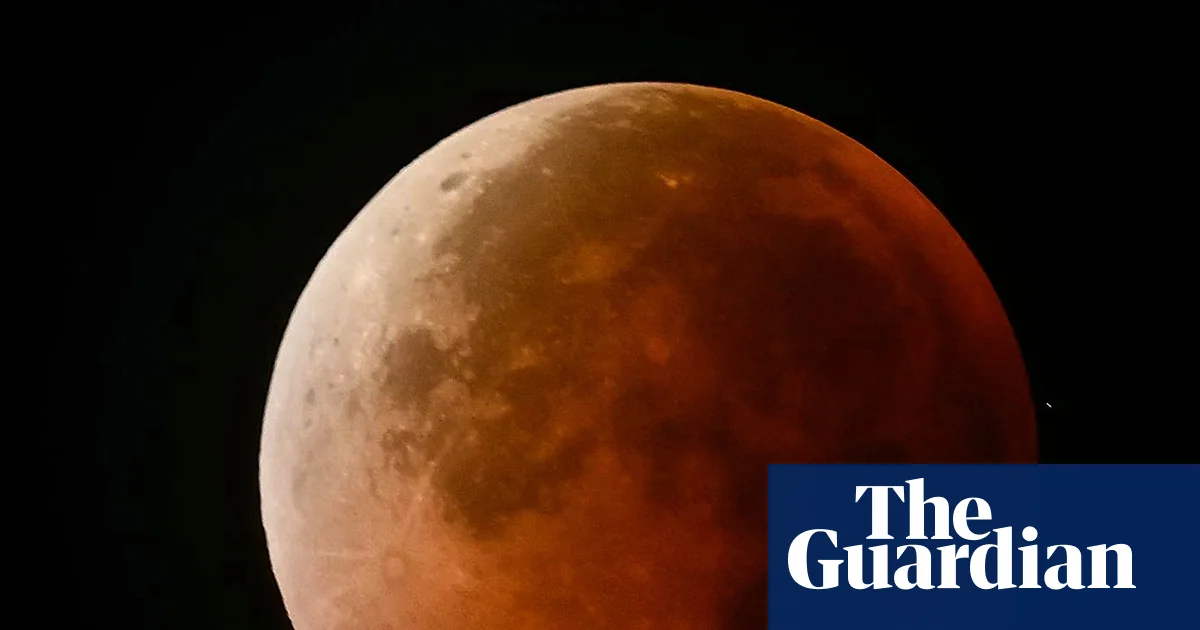

Blood Moon Eclipse Sets the Stage for a Spectacle Over North America, Australia, and New Zealand

On Tuesday night, a rare celestial spectacle known as a “blood moon” will be visible across North America, Australia, and New Zealand. This total lunar eclipse, where the Earth’s shadow turns the full moon into a deep, coppery red, is not just a marvel of nature but also a reminder of the interconnectedness of our world. Astrophysicists highlight the significance of such phenomena in inspiring curiosity and unity among populations. Yet, beneath the cosmic fireworks lies a profound symbol of shifting geopolitical tides and societal transformations. As the moon quietly traverses Earth’s shadow, nations are caught in the flux of global change—whether through diplomacy, economic upheaval, or collective consciousness.

Impact Beyond the Night Sky

Historically, celestial events like the “blood moon” carried ominous portents, fueling superstitions and shaping belief systems. However, today’s interpretation is more scientific, emphasizing our planet’s dynamic nature. According to analysts like Dr. Rebecca Allen and Dr. Brad Tucker, the event signifies not only a spectacular show but also a reflection of our planet’s delicate balance. “Just as a sunset’s hue is fleeting, so too are the moments when humanity must look up and recognize our place within the cosmos,” asserts Dr. Allen. International organizations, such as NASA, utilize these phenomena as a platform to foster global awareness, yet the real impact lies in how nations perceive their roles amid ongoing crises.

Deciphering the Celestial Message in the Geopolitical Realm

The timing of the eclipse coincides with a pivotal period for countries involved in ongoing conflicts and diplomatic shifts. For example, China and Russia continue to challenge Western influence, their actions often viewed through the lens of strategic positioning affected by external pressures. Meanwhile, the U.S. administration faces internal debates over foreign policy priorities, with some analysts warning of a potential return to Cold War-era rivalries. The celestial event serves as a symbolic backdrop for these power struggles, illustrating how human history, like the cosmos, is governed by cycles of darkness and illumination. Historians caution that neglecting to interpret these societal eclipses risks repeating patterns of complacency and conflict, especially as economic stability diminishes in tandem with political tensions.

Looking Ahead: The Next Phase of Global Realignment

The upcoming total lunar eclipse is a transient spectacle, yet it heralds a long-term warning of what may come. The next similar event is projected for 2028, with a partial eclipse occurring in 2026, offering a window for nations to reassess their trajectories. The international community must recognize that the choices made today—be it in climate policy, technological competition, or peace negotiations—are the true eclipses shaping tomorrow’s history. As Dr. Brown noted, ancient empires saw blood moons as omens; today, they serve as warnings. Humanity stands at a crossroads, where celestial signs prompt us to reflect on whether we will emerge from darkness into a new era of cooperation or spiral further into chaos, the echo of history yet unresolved. In this cosmic drama, the universe continues to watch silently, the weight of our destiny undetermined but undeniably vital, as the night sky bears witness to the ongoing narrative of human civilization.

Man tragically killed in axe attack after campground dispute in rural NSW

The recent murder at a remote New South Wales campground underscores a violence that, while seemingly localized, echoes through the geopolitical landscape. The brutal axe attack, which resulted in the death of a 33-year-old man, has not only captivated local authorities but also raised questions about social cohesion and security in an era of increasing unrest. The suspect, a 26-year-old man known to the victim, was swiftly arrested and charged, signaling an unwavering commitment by local law enforcement to uphold order. Such incidents, though isolated in scope, serve as microcosms of societal fragility that can ripple into broader regional stability amid rising tensions.

At a glance, the event appears to be a tragic, domestic altercation. However, analysts suggest that this localized violence can be reflective of deeper societal fractures, especially as nations grapple with the complex aftermath of global conflicts, mass migration, and economic stagnation. Historians warn that unchecked violence at the community level can undermine the fabric of national security—an issue that international organizations and governments are ever more vigilant about. In Australia’s case, the incident adds to a troubling pattern that some experts say foreshadows challenges in maintaining social stability in a nation increasingly exposed to world-stage conflicts and domestic dissent.

This incident arrives amidst a broader international context where conflicts are reshaping the geopolitical landscape. For example, the ongoing tensions in the Middle East have sparked debates among analysts and international bodies about shifting alliances and the imperiled stability of traditional power blocs. As the US and Israel’s recent maneuvers in Iran appear to deepen regional chaos, countries like Australia find their security policies and societal cohesion tested more than ever. The ripple effects of these shifts transcend borders, influencing everything from trade to internal security policies and societal perceptions of threat. Related: Australia’s response to US and Israel’s actions in Iran highlights how international decision-making impacts nations far beyond the Middle East, often leaving everyday communities vulnerable to unforeseen consequences.

Ultimately, these interconnected developments serve as a reminder that history is still being written in real time. The rise of violence at home, coupled with tumult on the world stage, reflects a moment of profound transformation. As nations navigate their paths through geopolitical upheaval, the choices made today will resonate for generations to come. The question remains: will nations adapt and strengthen their societal fabrics, or will the weight of global uncertainty deepen the fractures—pushing the world toward an unpredictable and turbulent future? The unfolding narrative is far from over, and the stakes could not be higher—as history watches, waiting for the next chapter to be written in the shadowy spaces between peace and chaos.

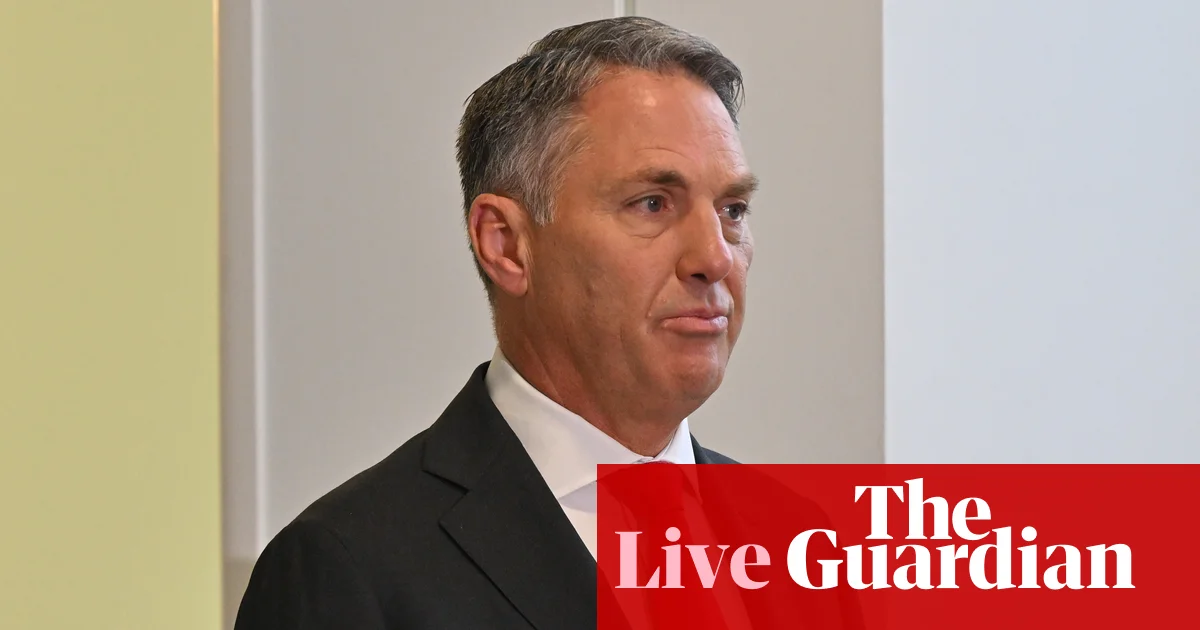
Politics LIVE: Marles Labs Down on Long Consular Waits for Aussies in Middle East, Promises Action on Contingency Plans | Australia News

Global Power Plays and Australia’s Strategic Dilemmas Amid Middle Eastern Turmoil

As the geopolitical landscape shifts rapidly, Australia finds itself caught in a web of regional conflicts and international diplomacy that could have lasting consequences. The recent escalation of violence in the Middle East, specifically the conflict ignited by US and Israeli airstrikes targeting Iran’s ballistic missile program, has thrust the region into a new era of instability. While countries like Canada and Australia denounce violence, they grapple with the reality of limited influence and the potential economic fallout stemming from these high-stakes tensions. The Australian government’s cautious approach, exemplified by minister Richard Marles’s guarded statements on military involvement, underscores a broader struggle to define Australia’s role on the global stage amidst rising superpower rivalries.

The conflict in Iran has invoked a complex mix of diplomatic sensitivity and strategic ambiguity. Australian Prime Minister Anthony Albanese has made clear that Australia is what he describes as a “long way” from the Middle East and thus not a direct participant. With no formal request from the United States for Australian military assistance, the government remains non-committal about intervening, emphasizing instead the importance of contingency planning and the safety of its citizens. International analysts observe that Australia’s stance is emblematic of a broader pattern seen among middle powers—avoiding direct confrontation while navigating an increasingly volatile geopolitical environment. The rising tension highlights the *qualitative change* in international norms surrounding regional conflicts—marking a new era where even distant powers must carefully calibrate their foreign policies.

Meanwhile, the international community watches with bated breath as Canada’s Mark Carney arrives in Australia for a rare parliamentary address, signaling the importance of middle-power diplomacy in this fractured geopolitical landscape. Carney’s discussions are set to touch on critical issues such as climate change, critical minerals, and collaborative defense strategies. His emphasis on the potential for middle powers to act as a unified bloc in addressing global security challenges aligns with recent calls by analysts for a reconfigured international order—one where the U.S. and China are no longer the sole arbiters of global stability. As Carney and Anthony Albanese explore avenues for enhanced cooperation, the message is clear: in an era of rising superpower tensions, regional alliances and shared interests hold the key to maintaining equilibrium.

Simultaneously, the Australian government is contending with controversial internal issues. Reports of memorials mourning Iran’s late Supreme Leader Ali Khamenei have sparked debate about the expression of political sentiments within Australia’s multicultural society. Prime Minister Albanese condemned such gatherings as “inappropriate,” reflecting a cautious stance amid growing tensions with Iran. Deputy Prime Minister Richard Marles explicitly refused to direct police action against mosques inviting mourners, emphasizing Australia’s respect for religious freedoms but also highlighting the delicate balance between liberty and national security. With domestic perspectives diverging sharply, policy-makers face the challenge of maintaining social cohesion during a period marked by international unrest and domestic controversy.

As the geopolitical chessboard becomes increasingly complex, the latest developments underscore a broader truth: the decisions taken today—whether in the corridors of Canberra, Westminster, or Davos—will shape the course of history. The persistent questions about how middle powers like Australia, Canada, and others will navigate this turbulent era evoke a sobering vision of a world teetering on the edge of a new Cold War or, worse, open conflict. With strategic calculations being made behind closed doors, the weight of history presses heavily, reminding us that the unfolding saga of the 21st century remains an unfinished story—we are all players and witnesses, standing at the crossroads of an uncertain future.

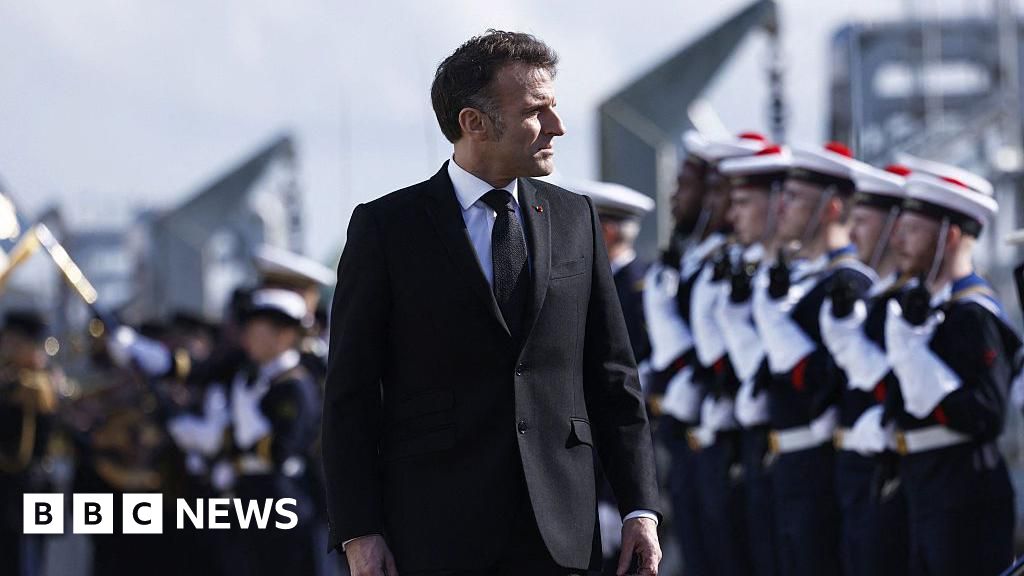
France plans to strengthen its nuclear forces and extend deterrence to tighten security across Europe

In a move that signals a shift in European and global security dynamics, France‘s President Emmanuel Macron announced that eight countries could soon benefit from Paris’s nuclear protection, a development that has sent ripples across international corridors of power. While the explicit intent is to bolster regional security—and potentially reposition France as a central player in nuclear diplomacy—the decision underscores a complex balancing act: extending protective umbrella without relinquishing sovereignty.

According to Macron, these nations will enjoy nuclear protection, yet all remains under the strict control of Paris. “France will retain sole decision-making power,” Macron asserted in a recent statement. This assurance emphasizes that, even as alliances and security commitments deepen, France seeks to maintain its strategic independence. This approach resonates with traditional Gaullist principles, framing nuclear security as a sovereign prerogative that cannot be shared or delegated. The European security landscape, historically dominated by NATO and the United States, is now witnessing a nuanced reconfiguration, with Paris positioning itself as a pivotal regional power.

International analysts suggest that this move may be aimed at countering the influence of Russia and China in Europe and beyond. By extending nuclear deterrence to select allies, France appears to be creating a layered security posture that could challenge the existing transatlantic dominance. Historian Pierre Lorrain, an expert on French military policy, notes that this move “reasserts France’s unique role as a nuclear power capable of independent influence, signaling a subtle but clear rejection of American hegemony in Europe.” The decision may also foster a sense of sovereignty among these nations, but how this impacts NATO cohesion remains uncertain.

From a geopolitical perspective, the nuclear sharing arrangement reveals broader strategic ambitions. The United States and European Union are closely watching how this development may recalibrate alliances. The shift could inspire other small or medium-sized states to push for independent deterrent options—thus complicating existing security architectures. Conversely, critics warn this could fragment collective defense, weakening established alliances, especially if nations begin to question their reliance on American nuclear umbrella. According to an analysis by the International Crisis Group, sustainable security depends on trust and shared sovereignty, which are challenged by unilateral decisions like Macron’s recent announcement.

As history unfolds, the international community watches with bated breath, aware that such decisions—though carefully couched in sovereignty and security—can have unforeseen consequences. The move by France could either fortify regional security or deepen divisions, depending on how the proposed alliances are maintained and if they evolve into competing power centers. One thing remains certain: the delicate balance of global diplomacy hinges on these choices, and the world’s future may soon be shaped by how these nations and their leaders navigate the treacherous waters of nuclear diplomacy, leaving an indelible mark on the fabric of international security. With history watching silently, the question lingers—who truly controls the ultimate defensive firepower, and at what cost to global stability?

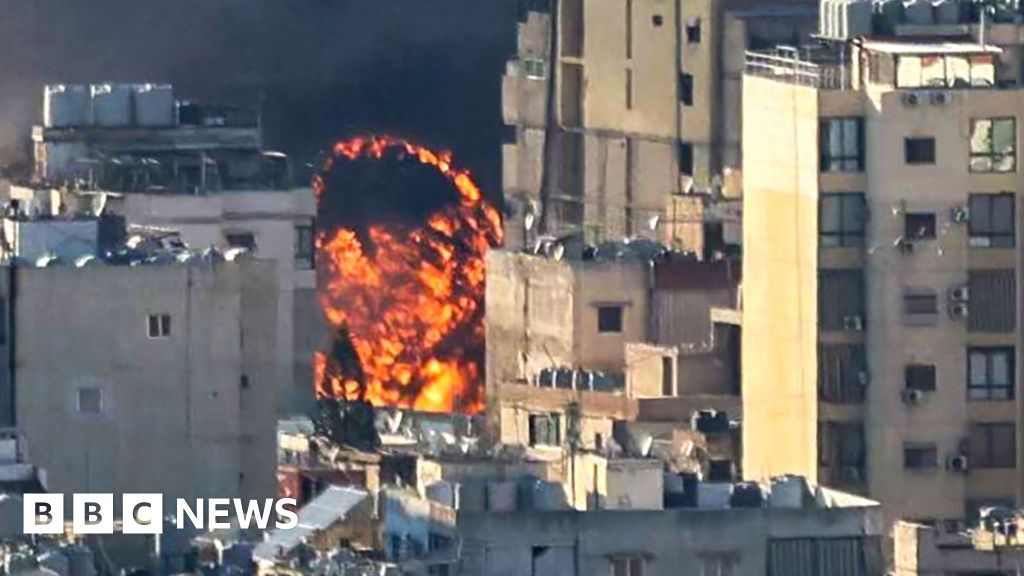
Israel hits Lebanon in response to Hezbollah rockets amid Iran tensions

In a stark escalation of the ongoing border tensions between Israel and Lebanon, the Lebanese health ministry has confirmed that a tragic toll of 31 civilians was inflicted by recent Israeli airstrikes. The devastation wrought in Lebanese territory underscores a significant juncture in the region’s persistent conflicts, threatening to ignite broader regional instability. Meanwhile, no Israeli casualties have been reported, further complicating diplomatic narratives and fueling accusations from Lebanese authorities and regional allies.

This escalation arises amidst a backdrop of fragile ceasefires and heightened rhetoric, with Israel citing security concerns over militant activities from Hezbollah, the Iran-backed Lebanese political and military organization. Analysts from international security think tanks warn that such targeted strikes could set a dangerous precedent — one that risks spiraling into a broader confrontation that could draw in regional powers and destabilize Mediterranean geopolitics. The international community, including the United Nations and regional actors, has called for restraint, emphasizing the potential for these hostilities to unravel decades of fragile peace, with wide-reaching consequences.

Historical perspectives provided by scholars and geopolitical experts highlight the intricate web of alliances and enmities that often underpin such flare-ups. Many point to a pattern of border skirmishes that have become proxy battles in the ongoing fight for regional influence. The United States, Russia, and European Union nations continuously reassess their strategic interests amid the chaos, with diplomatic efforts aimed at de-escalation. However, some voices, including regional analysts and seasoned diplomats, warn that recent events could mark a turning point — a moment where temporary ceasefires give way to a more sustained cycle of violence, threatening stability in the Levant.

  • The Lebanese government condemns the strikes, asserting that they violate international law and violate Lebanon’s sovereignty.
  • Israeli officials maintain the strikes were precision operations targeting militant infrastructure.
  • The UN calls for an immediate ceasefire, emphasizing the protection of civilians amid mounting casualties.
  • Regional powers like Egypt and Jordan have expressed concern while urging diplomatic resolution.

As the world watches, the region stands on a knife’s edge, its history echoing with the ghosts of past conflicts and the shadows of future ones. With each airstrike, the geopolitical landscape shifts—altering alliances, fueling insurgency, and shaping societies. For Lebanon, a nation already scarred by civil war and economic collapse, the loss of life at the hands of external military actions rekindles imagery of a fractured past. For Israel, the campaign continues to be justified as essential for national security but risks escalating into an uncontainable regional war. The international community remains caught in the web of diplomatic uncertainty, watching anxiously as history relentlessly unfolds its next chapter, whispering the ominous possibility that this latest cycle of violence could either be contained or ignite the spark for a new era of chaos.

Shocking footage shows U.S. F-15 fighter jet crashing in Kuwait

In a concerning development that underscores the volatility of current international military engagements, US Central Command reported a devastating incident near Kuwait City involving multiple F-15 fighter jets. Disturbing footage verified by the BBC appears to capture the moment one of these jets falls from the sky and crashes onto the ground near the Al Jahra area. This event is not just a tragic loss of aircraft; it signals deeper issues related to the fragile state of U.S. military operations in the Middle East, a region already fraught with geopolitical conflicts and rising tensions.

The incident involved a total of three US F-15 jets, which, according to US Central Command, went down as a result of “an apparent friendly fire incident”. Despite the tragic loss of equipment, all six crew members aboard these jets ejected safely and are reported to be in stable condition. While at first glance, this may seem like a standard accident, analysts suggest it points to broader issues within the military engagement framework, raising questions about coordination and operational oversight in an increasingly complex security landscape.

The implications extend well beyond the immediate crash site. Historians and international organizations have long warned that such incidents—be they accidental or deliberate—embody the risks of escalation in a region where regional powers, superpowers, and non-state actors engage in a delicate geopolitical dance. The incident signals not only a lapse in operational discipline but also underscores the potential for small missteps to ignite larger conflicts, especially in a setting where U.S. strategic interests remain a cornerstone of regional stability amidst mounting challenges from rival powers like China and Russia.

For many, this event is a sobering reminder of the costs of modern warfare and the unpredictable nature of proxy conflicts. The incident demonstrates how the geopolitical impact of even a single friendly fire event can ripple across international borders. As Middle Eastern nations and allies watch these developments, they are forced to confront the grim reality that peace remains elusive in a region where alliances shift and trust erodes. How nations respond—through diplomacy or further military escalation—will shape the course of history in this volatile theater.

Ultimately, the crash near Kuwait City serves as a stark symbol of a world where the line between stability and chaos is razor-thin. The fallout from this event, both literally and metaphorically, will influence regional security strategies for years to come. As historians and global analysts peer into this unfolding crisis, one thing remains clear: in the shadows of international diplomacy, history is still writing itself, and today’s tragedy may very well be the prologue to a much darker chapter yet to come.

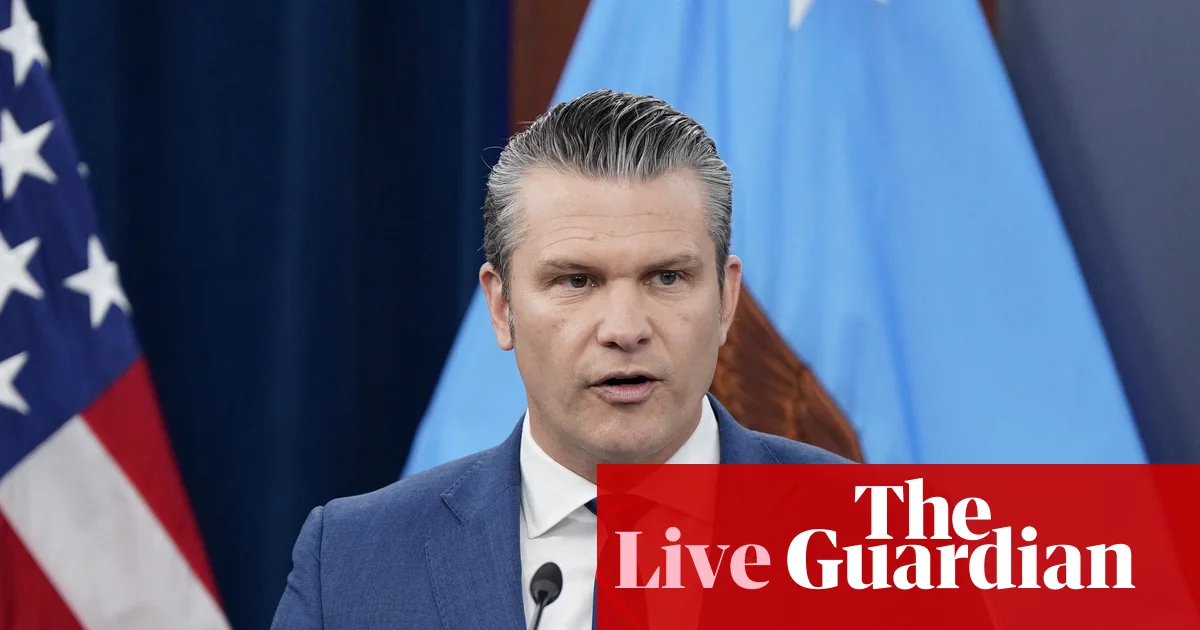
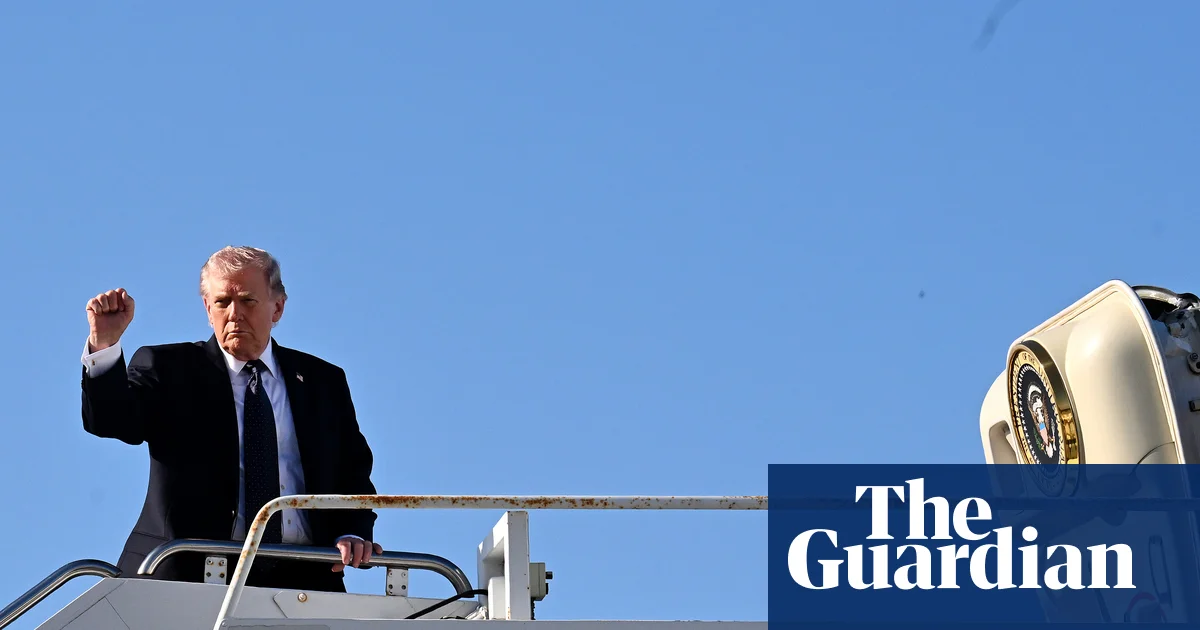
Pete Hegseth says Trump’s ‘closing’ Iran conflict as tensions escalate – US politics update

Global Escalation: The US, Iran, and the Future of World Power

In a dramatic turn of events, the United States has launched a major military operation against Iran this week, igniting a complex geopolitical crisis with potentially irreversible consequences. The operation, dubbed Operation Epic Fury, was authorized by President Donald Trump after nearly half a century of Iran’s alleged hostile actions against Western interests. As US officials publicly assert that they are “finishing” what was started long ago, the very fabric of international diplomacy and national sovereignty is being tested like never before, creating ripples that threaten to destabilize the Middle East and reshape global power balances.

From the outset, the US government has framed the conflict as a necessary response to Iran’s persistent threats—rhetoric rooted in accusations of missile proliferation, nuclear ambitions, and regional destabilization. Defense secretary Pete Hegseth has emphasized that this campaign will not be swift, describing the operation as a “big battle space” requiring patience and strategic precision. His assertion that “We didn’t start this war, but under President Trump, we are finishing it,” signals a shift toward a more aggressive posture that bucks the traditionally cautious approach of past administrations. Historically, analysts and war critics warn that such a posture risks spiraling into a regional conflagration from which even nuclear deterrence may not protect the world’s superpowers from entanglement.

The unfolding escalation has prompted urgent responses from Congress, with Democratic leaders demanding a vote under their constitutional authority to limit Trump’s military actions.

  • Top Democratic representatives, such as Gregory W. Meeks, have vowed to oppose the war effort, with some even willing to board planes to oppose what they see as an unconstitutional invasion.
  • Yet, despite these efforts, the administration maintains that it “set the terms of this war from start to finish,” signaling a federal executive branch increasingly willing to bypass Congress and consolidate military authority in a manner reminiscent of imperial overreach.

International organizations, including the United Nations, have expressed concern that the open warfare risks pushing the region into chaos, with war analyst Dr. Laura Hendrick warning that “such unilateral military actions could trigger a regional domino effect, leading to wider conflicts involving neighboring states and geopolitical rivals.” Moreover, the humanitarian fallout—particularly with reports of pregnant immigrant children moved into detention centers—raises questions about legality and human rights abuses under the guise of national security.

As the world watches with wary eyes, both America’s role as a global policeman and Iran’s resilience in the face of relentless pressure are at a critical crossroads. The death of Iran’s Supreme Leader Ali Khamenei, hailed by some U.S. hawks as a “turning point” for regime change, has further inflamed tensions, prompting Tehran to launch missile counterstrikes and hinting at an ongoing, perhaps endless, cycle of violence. Historian Prof. William Carter warns that “Decisions made in the coming weeks will determine whether this is an isolated chapter or the start of a new era characterized by prolonged regional chaos and a realignment of alliances.” The resurgence of military intervention, coupled with the use of AI-driven targeting from agencies like the Pentagon, signals a dangerous precedent—one where technology and brute force threaten diplomacy and peaceful resolution.

As the narrative of war continues to unfold, the weight of history presses down on leaders and nations alike. Will this conflict be resolved before irreversible damage is done, or are we witnessing the dawn of a new era of global instability? The choices made today in Washington and Tehran will echo through time, shaping the destiny of the world and leaving an indelible mark on history’s grand canvas. With war drums echoing across the landscapes of geopolitics, the future hangs precariously, reminding us that in the theater of international power, the stakes have never been higher.

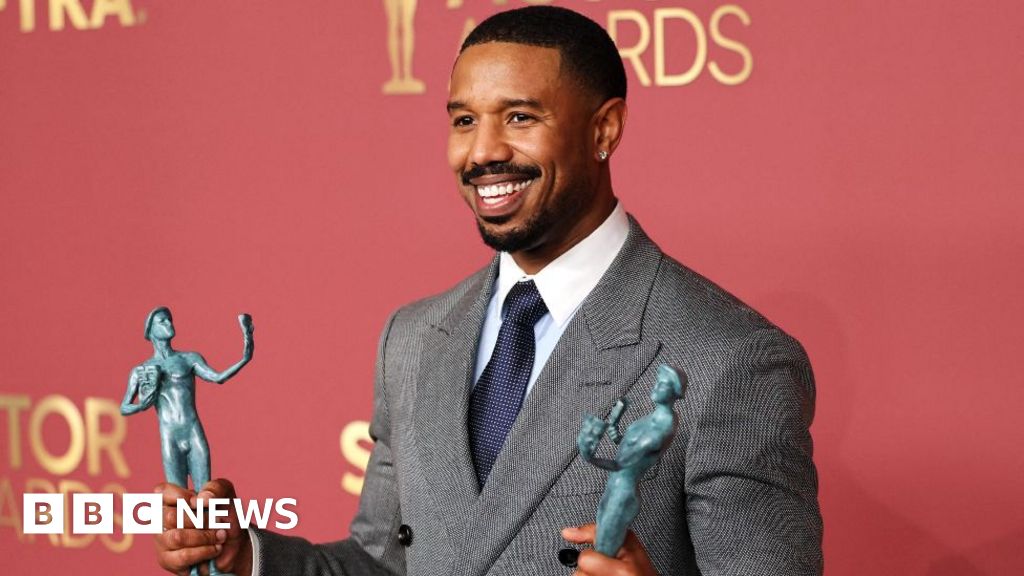
Michael B. Jordan Stirs Things Up as 'Sinners' Takes Key Actor Awards
Michael B. Jordan Stirs Things Up as ‘Sinners’ Takes Key Actor Awards

The recent victory for the United States at the prestigious Academy Awards, where an American actor was awarded Best Actor for his role in Sinners, has inadvertently cast a shadow over the international film community and the broader geopolitical landscape. While Hollywood celebrates another technical milestone, analysts warn that such cultural events are more intertwined with global power dynamics than ever before. Historically, cinema has served as both a mirror and a tool of influence, shaping perceptions and soft power strategies that extend far beyond entertainment.

The Sinners accolade, viewed by some as a reflection of American cultural dominance, coincides with an increasingly tense atmosphere among rival nations. Experts from institutions like the International Crisis Group have noted that the tight competition surrounding awards like these often parallels geopolitical conflicts, where soft power is wielded as a strategic asset. The Oscars race being described as “too close to call” underscores the fragile balance of influence, with countries vying for global cultural supremacy, which translates into political leverage. This phenomenon is reminiscent of the years when Hollywood and Western media were central to the spread of liberal values, often opposing authoritarian regimes seeking to reshape global narratives in their favor.

Moreover, the decision to elevate American talent during a year rife with international tension has drawn scrutiny from geopolitical analysts. Many argue that the global stage—initially designed to recognize artistic excellence—has become another arena for soft power diplomacy, where victories signal more than individual achievement. Some security and geopolitical experts suggest that such cultural triumphs bolster U.S. global influence at a time when alternatives, such as Chinese or Russian propaganda outlets, are aggressively seeking to undermine Western narratives. As one veteran diplomat pointed out, “Cultural icons—whether in film, music, or art—are tools in a larger fight for the hearts and minds of millions.”

In the larger context, the Oscars’ outcome reflects how cultural and geopolitical lines continue to blur. Historic turns, such as Hollywood’s role during the Cold War or China’s recent push into cinematic markets, serve as reminders of the strategic importance of cultural influence. Analysts from the United Nations Educational, Scientific and Cultural Organization (UNESCO) have long warned that the “battle for cultural superiority” shapes international alliances and societal values. With the race still “too close to call,” the world faces a future where artistic triumphs are increasingly perceived as symbols of geopolitical victory or defeat. As history unfolds, nations watch intently, knowing that these seemingly trivial moments may carry echoes of larger conflicts—conflicts that will ultimately define the course of global history for generations to come.

Unclear Iran Strategy Risks Prolonged US Engagement: What's Next?
Unclear Iran Strategy Risks Prolonged US Engagement: What’s Next?

Amidst a sea of uncertainty, the recent surge of military confrontations between the United States and Iran marks a pivotal moment in international relations that could reshape the Middle East’s geopolitical landscape. The United States, under President Donald Trump, has launched strikes purportedly aimed at Iran’s nuclear and military infrastructure, escalating tensions that previously simmered since the assassination of Iran’s top cleric, Ayatollah Ali Khamenei. While Trump’s administration claims these actions are defensive, critics warn they are a dangerous gamble that could ignite a protracted conflict, with dangerous ramifications for regional stability and global security.

What heightens the international concern is the apparent absence of a clear, strategic plan from Washington. Analysts and former intelligence officials argue that the US Government lacks a coherent roadmap for de-escalation or regime change, raising fears of an open-ended conflict that could spiral beyond control. According to Alex Vatanka, a senior fellow at the Middle East Institute, the current focus appears to be on weakening Iran’s leadership rather than achieving specific strategic objectives. Such ambiguity risks transforming what might be conventional conflicts into a prolonged stalemate resembling Cold War proxy battles, with unpredictable consequences for both societies and economies far beyond the Middle East.

The geopolitical impact of these events is profound. Not only does this confrontation threaten to destabilize Iran’s already fragile regime, but it could also ignite broader regional conflicts involving Iran’s allies in Lebanon, Syria, and Iraq. The United Nations and influential analysts warn of the dangerous precedent set by Washington’s aggressive stance, emphasizing that military intervention without a well-articulated exit strategy risks turning limited strikes into a lengthy and costly war. Steven Cash, a former CIA officer, poignantly describes the absence of a plan as “very troubling,” suggesting that Trump’s focus may be more on influencing domestic political dynamics, such as the upcoming US midterm elections, than on long-term stability or peace.

Meanwhile, Iran’s leadership, especially Supreme Leader Ayatollah Khamenei, remains under threat. Though Tehran has retaliated with attacks across the Middle East, there are indications that the regime’s top figures, once seen as unassailable, are now vulnerable. Recent reports suggest that Iran’s approval for negotiations may have increased, with President Trump claiming that Tehran is now open to talks after the US and Israeli strikes. However, these comments come amidst a deteriorating security landscape—an environment where economic sanctions, diplomatic isolation, and military harassment have combined to create a powder keg, waiting to explode at any moment. History shows us that quick military strikes seldom lead to political stability; often, they sow the seeds of further chaos, as witnessed after Iraq and Afghanistan.

As the world watch in suspense, the demand for a clear, decisive international approach grows louder. The choices made in the coming days will not only affect the Middle East but will echo through the corridors of power in Washington, Riyadh, Beijing, and beyond. Will the US follow through on its threats of regime change, risking prolonged chaos, or will it seek diplomatic solutions before history’s pages turn once more, embroiling humanity in a war that could last generations? With each passing moment, the narrative of the 21st century’s conflicts is being written—an ongoing struggle for influence, sovereignty, and survival that will define the future for generations to come.

Social Media Auto Publish Powered By : XYZScripts.com