Matox News

Truth Over Trends, always!

Supreme Court Takes Up Catholic Preschool Funding vs. LGBTQ+ Rights in Colorado

In a decisive move, the US Supreme Court has agreed to hear an influential case that underscores the ongoing tension between religious freedoms and secular state policies. The case involves St. Mary Catholic Parish and the Archdiocese of Denver, which are challenging Colorado’s exclusion of faith-based preschools from a state-funded universal preschool program. The schools argue that this exclusion violates their religious rights—particularly their policies on LGBTQ+ admissions—raising profound questions about the limits of government interference in religious institutions. This case signals the court’s continued engagement with religion-centric issues amid a broader ideological shift that favors religious expression, often at the expense of evolving social norms.

The controversy centres on Colorado’s 2020 ballot measure establishing a program that distributes public funds to preschool centers selected by parents. While the state asserts that participation requires adherence to nondiscrimination laws, the Catholic schools maintain that such mandates infringe upon their constitutionally protected religious practices. The conservative-majority court, which has a track record of adjudicating cases through the lens of individual religious liberty, now faces a pivotal decision with far-reaching geopolitical impact. A ruling in favor of the schools could embolden religious groups nationwide to challenge secular policies, potentially leading to a reconfiguration of how public funds are allocated and which social policies are deemed permissible under the First Amendment.

This case exemplifies a broader pattern where **internationally**, conservative legal principles are driving a redefinition of religious rights. Historian and legal analysts highlight the resurgence of judicial activism in cases involving religious expression, look particularly to Justice Antonin Scalia’s 1990 decision on peyote, which still influences legal debates about religious exemptions. The Supreme Court’s impending consideration of whether to narrow or uphold this precedent underscores the current ideological divide. Some commentators warn that such rulings could erode longstanding secular principles, paving the way for increased religious influence in education, healthcare, and public life—settings crucial for social cohesion and national identity.

  • The case is anticipated to serve as a barometer for how the Court balances religious liberty with anti-discrimination statutes, especially as public opinion shifts on LGBTQ+ rights across multiple nations.
  • Decisions made here could inspire similar legal challenges in other regions, influencing international debates about religious exemptions and the role of government in fostering inclusive societies.
  • International organizations and human rights advocates are closely watching, wary that a tilt towards religious privileging may result in societal polarization or undermine hard-won social justice gains.

As the fall verdict approaches, the weight of history hangs heavily over America’s courts and society. The decision will not merely determine the fate of faith-based preschools in Colorado, but will resonate across borders—calling into question the very nature of religious freedom in a rapidly changing world. Whether the court will uphold a vision of religious expression unbounded by secular law or enforce a more restrictive interpretation remains to be seen. In this unfolding chapter of legal and moral debate, the world watches, acutely aware that the decisions made today will echo through generations, shaping the history of liberty, faith, and social order in the centuries to come.

Trump’s new tariff refund plan kicks off way to pay back billions—US Politics Update

The United States continues to exert profound influence on the global stage through its evolving policies, particularly under the recent actions of the Trump administration. The administration’s decision to establish a portal for tariff refunds represents a significant legal and economic shift, following the Supreme Court’s ruling that questioned the constitutional authority of the government to impose over $166 billion in tariffs. This move, aimed at reimbursing American importers who paid tariffs later invalidated, signals a contentious redefinition of trade and fiscal policy that resonates far beyond U.S. borders. International observers, including analysts from the International Monetary Fund and seasoned historians, warn that such unilateral policy adjustments could unsettle global trade networks and diplomatic relations, especially in volatile regions like the Middle East and Asia.

In an era punctuated by rising geopolitical tensions, the recent U.S. seizure of an Iranian cargo ship near the Strait of Hormuz sent ripples through worldwide markets. Oil prices surged by 4.8%, reaching nearly $95 a barrel, as markets responded to the U.S. assertion of authority in the strategically vital shipping lane. This move, compounded by escalating U.S.-Iranian hostilities, has cast shadows over the prospects of a lasting ceasefire and encouraged countries dependent on Middle Eastern energy supplies to reconsider their energy strategies. European stock markets faltered as traders grappled with the unstable outlook, illustrating a direct geopolitical impact caused by the U.S. demonstration of military and economic resolve. The decision underscores how power struggles and strategic military acts in the Middle East are driving global economic volatility, further destabilizing a fragile world economy seeking equilibrium amid the wave of new alliances and fractures.

Meanwhile, domestic U.S. political debates regarding Section 702 of the Foreign Intelligence Surveillance Act (Fisa) highlight ongoing concerns about privacy and national security. Both chambers of Congress faced a tight deadline to negotiate reforms on this contentious provision, which permits the collection of foreign communications without warrants. Such debates are reflective of broader geopolitical tensions: American lawmakers grapple with balancing civil liberties in an era of aggressive foreign surveillance, especially as impacts ripple into international relations. The inability of leaders like John Thune and Mike Johnson to reach consensus indicates a polarized environment, with implications that extend well beyond U.S. borders. As commentators like analysts from the Council on Foreign Relations suggest, these internal policy disputes could influence global perceptions of U.S. stability and strategic consistency, thus shaping alliances and deterrence capabilities for years to come. The narrative unfolding in Washington and beyond leaves the world perched on the edge of further upheaval, as the history of this era remains unwritten but profoundly consequential.

Iranian woman busted in US for suspected arms smuggling to Sudan

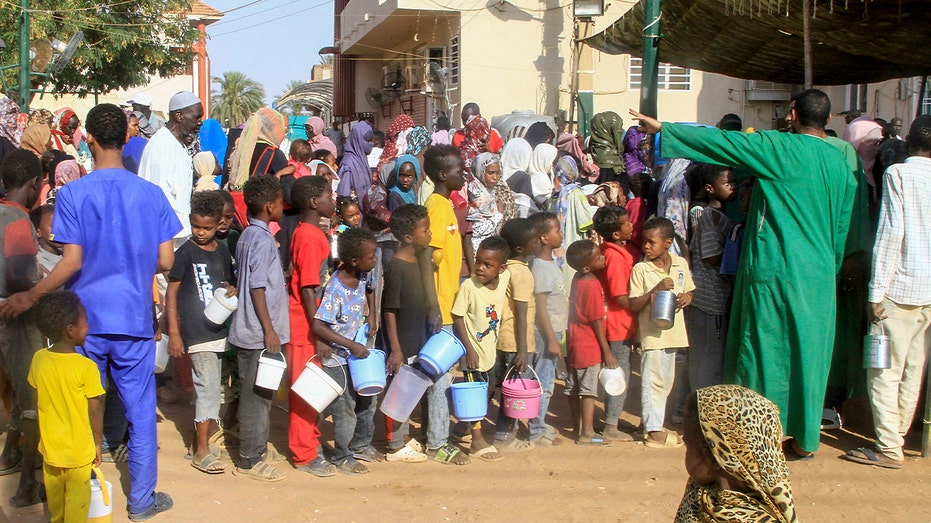
In a significant crackdown on illicit arms trafficking, Shamim Mafi, a 44-year-old individual, was apprehended at Los Angeles International Airport this past Saturday. According to authorities, Mafi is accused of acting as a broker in a global arms supply chain linked to Iran, implicating him in the covert sale of drones, bombs, bomb fuses, and millions of rounds of ammunition. These weapons are alleged to have been manufactured in Iran and illegally sold to Sudan, exacerbating regional conflicts and destabilizing fragile peace efforts in Africa’s volatile borderlands. First Assistant US Attorney Bill Essayli confirmed the arrest via social media platform X, marking a notable development in the ongoing struggle against illicit arms proliferation.

This arrest underscores a broader geopolitical pattern: the persistent efforts of United States and other Western nations to clamp down on Iran’s clandestine military exports, which remain a source of concern for international security. Analysts argue that the trafficking of advanced weaponry, especially to regions like Sudan where internal conflicts are entrenched, further complicates diplomatic efforts and regional stability. As historian Dr. Marcus Jennings notes, “Iran’s offshore arms dealings have long been a thorn in the side of international diplomacy, challenging the efficacy of sanctions and peace initiatives aimed at curbing violence in vulnerable nations.”

The arrest of Mafi comes amidst heightened tensions over Iran’s wider strategic ambitions in Africa and the Middle East, as well as ongoing debates surrounding the impact of foreign interference in regional conflicts. The international community, through organizations like the United Nations, has repeatedly condemned such illicit activities, warning that they could trigger a cascade of further destabilization and humanitarian crises. The incident in Los Angeles reveals the extent to which geopolitical conflicts ripple across continents—what begins as a clandestine deal on American soil can ignite new waves of violence in distant war zones. As global powers watch closely, the question remains: how will international actors respond to these persistent threats, and what lessons will be learned about the efficacy of current measures?

  • Key event: The arrest signals a renewed focus on transnational arms smuggling networks linked to Iran.
  • Impact: Increased tension between Iran and Western nations, particularly over security and diplomatic challenges.
  • Broader consequence: The potential for a reevaluation of international sanctions and border security protocols.

As history’s pages turn, this incident serves as a stark reminder of the fragile balance of power in our interconnected world. Decisions made in the corridors of justice and diplomacy directly impact lives thousands of miles away—from the streets of Khartoum to the Western capitals—highlighting the interconnected chess game of modern geopolitics. With each arrest, each treaty, and each diplomatic maneuver, the weight of history presses down, shaping the future of nations and societies alike. The unfolding saga of arms, conflict, and diplomacy underscores that in the arena of global power, the stakes are nothing short of civilization’s future, and the clock of history continues relentlessly forward, forging a new chapter in the ongoing struggle for peace and security.

Rumen Radev’s Party Secures Victory in Bulgarian Election

Progressive Bulgaria Secures Historic Majority in Parliament, Signaling a Turning Point in Domestic and Global Politics

In a decisive electoral outcome, Progressive Bulgaria has surpassed expectations, securing a clear majority in parliament with 87% of the vote counted. This political shift marks a significant departure from the nation’s previous government, traditionally characterized by centrist and conservative policies. The election results offer a clear mandate for reform and potentially, a redefinition of Bulgaria’s role on the European and international stage. Such a victory is poised to influence regional stability and challenge the status quo within both the EU and NATO allies, as Bulgaria’s political landscape experiences a profound transformation.

Analysts, including prominent European political commentators and historians, emphasize that this electoral outcome underscores growing disillusionment among Bulgarian youth and middle-class voters, who have been demanding change amid ongoing economic uncertainties and social upheavals. The new government’s platform promises an overhaul in governance, anti-corruption measures, and closer alignment with Western values. However, critics warn that such sweeping changes could provoke tension with Russian interests in the region, which historically have exerted influence over Bulgaria’s politics. The fate of regional stability now hinges on whether the government navigates these complex international currents successfully, or succumbs to internal and external pressure.

International institutions, including the European Union and NATO, are watching Bulgaria’s next steps with keen interest. The EU, grappling with internal divisions over migration, economic policy, and sovereignty issues, views Bulgaria’s shift as potentially a catalyst for broader reform within the bloc. Meanwhile, some analysts cite the significance of this victory as a possible reinforcement of the “Western pivot” in the Balkans, especially in the face of rising geopolitical tensions in Eastern Europe. The alignment of Bulgaria’s policies with NATO’s strategic objectives could alter the regional balance of power and serve as a pivotal moment in the ongoing struggle for influence between Western institutions and Russia.

Leading historians argue that Bulgaria’s electoral outcome is more than a domestic matter; it symbolizes the shifting tide of geopolitics in southeastern Europe—a region often caught in the crossfire of great power rivalry. With the new government expected to pursue policies aimed at integrating further with Western institutions, the geopolitical impact could reinforce NATO’s presence in the region and strengthen efforts to contain Russian expansionism. Yet, what remains uncertain is how resilient Bulgaria’s democracy will be in the face of renewed external pressures and internal skepticism. As observers hold their breath, history continues to write itself—each decision, each alliance, leaving an indelible mark on the future of European stability and sovereignty. The world now watches as Bulgaria takes a mighty stride forward, its choices poised to resonate well beyond its borders, shaping the future of global politics.

Oil rises as Trump announces seizure of Iranian vessel—shaking up markets.

The recent attack on Iran by the United States and Israel on 28 February has ignited a volatile shift across global energy markets. Since this aggressive move, traders and analysts worldwide have noted unprecedented swings in oil prices, which threaten to destabilize economies dependent on stable energy supplies. The move signals a possible escalation of regional conflict with profound implications for global security and economic stability. In minutes, markets reacted with volatility, sending shockwaves through oil futures and prompting reevaluations of risk by investors and policymakers alike.

The attack, widely condemned as a significant escalation in tensions surrounding Iran’s controversial nuclear program, has prompted alarm among international observers. According to analysts from the International Energy Agency (IEA), this conflict could trigger supply disruptions in the Middle East—a region that accounts for a substantial share of global oil production. Historical patterns suggest that such conflict-driven disturbances tend to drive prices sharply upward, creating economic headwinds for nations across Europe, Asia, and North America. Experts warn that a prolonged military campaign or escalation could lead to an energy crisis that reverberates far beyond the Middle East, impacting everything from transportation costs to manufacturing output worldwide.

Beyond raw energy costs, the geopolitical impact extends into diplomatic territory. Many nations are compelled to reassess their alliances and strategic interests as regional stability hangs in the balance. Countries like Russia, China, and the European Union have started calling for restraint, though some are also hinting at their own strategic interests in the current chaos. Decisions made in the coming weeks could reshape energy dependencies and influence global power structures. The United Nations has urged de-escalation, but critics warn that the current trajectory risks transforming a regional conflict into a broader confrontation, especially if other powers are pulled more directly into the fray.

Historically, such moments of conflict have often illustrated how fragile the foundation of global peace and economic stability can be. As noted by several distinguished historians and geopolitical analysts, the current crisis echoes past instances where regional conflicts rapidly expanded, prompting intervention or escalation that reshaped the international order. The G7 nations and other major economic blocs are closely monitoring developments, aware that the fallout from this attack could influence the trajectory of international policymaking for years to come. This is a diplomatic test for the global community — a moment where choices carry enormous weight, determining whether the world trends toward cooperation or descends into chaos.

As the dust settles, the world watches with bated breath, the shadow of history looming large. The decisions made today—whether to pursue cautious diplomacy or unleash further military strikes—may set the course for future generations. The unfolding saga in the Middle East is not just a regional dispute; it is a defining chapter in the ongoing struggle for global stability, where every move echoes through the corridors of power and every headline marks a turning point in history’s relentless march.

US Navy halts Iran-flagged vessel attempting Strait of Hormuz breach

Turning Point in Middle Eastern Tensions: US Seizes Iranian-Flagged Ship Near Hormuz

In a move that signals a significant escalation in the ongoing trade and military confrontation within the Gulf region, the United States military has intercepted and seized an Iranian-flagged container ship attempting to breach a newly enforced blockade near the Strait of Hormuz. This incident is the first such maritime conflict following the implementation of the US-led blockade designed to tighten economic pressures on Iran. The seizure occurred after US naval forces, aboard the USS Spruance, warned the vessel, identified as Touska, to cease its movement, warning of lethal force if they refused. Subsequently, US forces fired upon the vessel, claiming custody of the ship, which was under US Treasury sanctions for prior illegal activities. This military action underscores a deliberate tilt toward increased confrontation, with Washington asserting it was necessary to prevent violating international sanctions and pressure Iran economically.

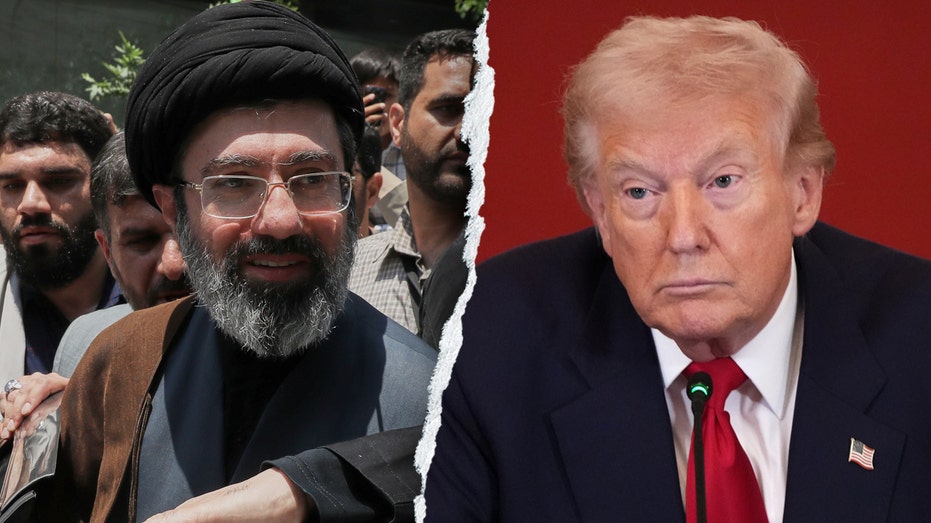
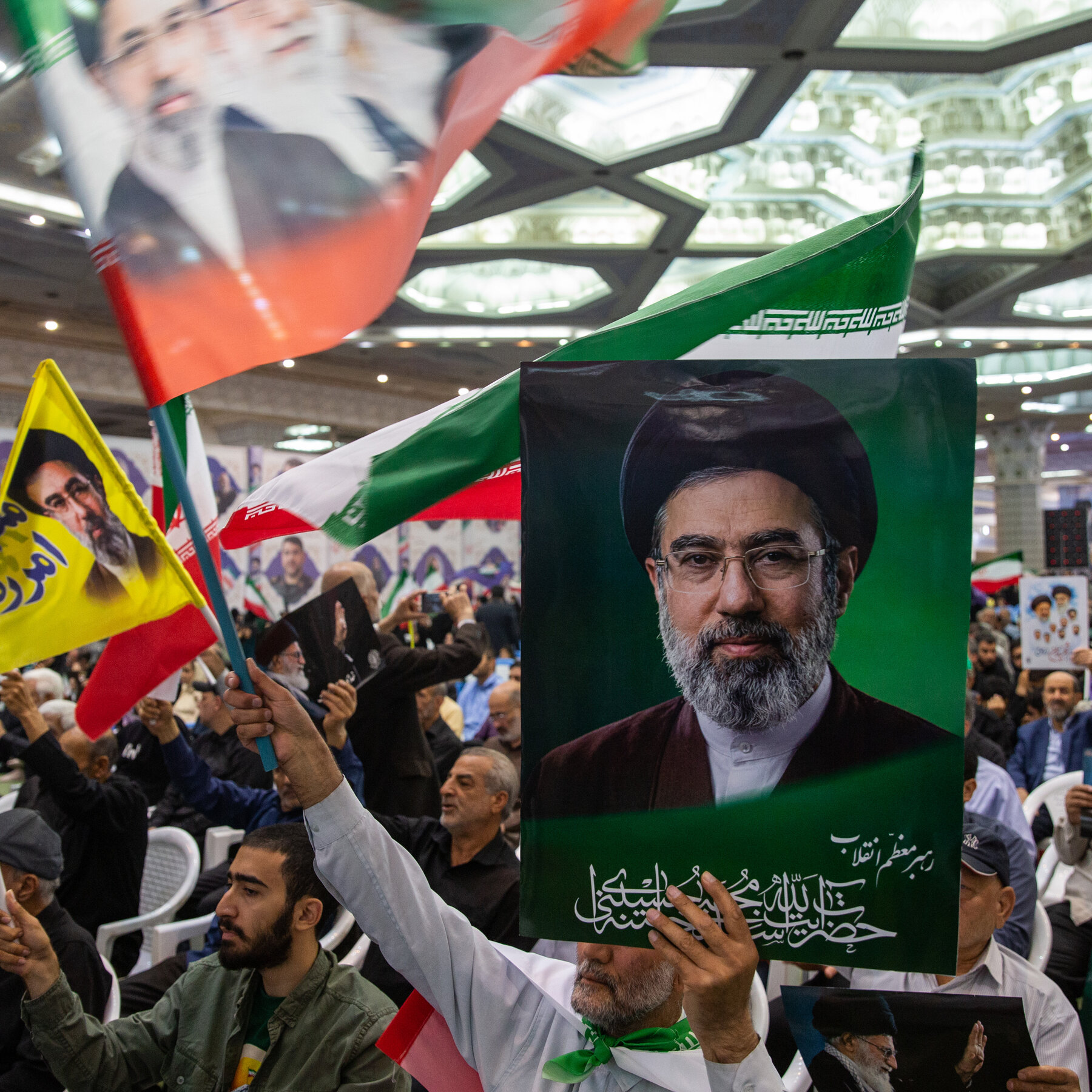
Iran’s official military command, represented by Khatam al-Anbiya, swiftly condemned the seizure as an act of piracy and warned of imminent retaliation. For Tehran, this act breaches the fragile ceasefire that has largely held since early April, and it has cast doubt on the upcoming diplomatic parleys. Despite President Donald Trump‘s earlier announcements about redeploying negotiators to Pakistan for renewed talks with Iran, Tehran remains skeptical, citing the blockade, aggressive rhetoric, and what it describes as Washington’s “excessive demands”. Iranian state media reports suggest Tehran has now rejected any new peace talks, emphasizing that the escalating confrontation makes diplomatic resolution increasingly unlikely at this juncture. These developments threaten to unravel the limited progress made in recent months and bring the region closer to the brink of renewed violence.

The incident has profound effects on the geopolitical stability of the Middle East, as global leaders and analysts warn of the ramifications. The escalation risks igniting a broader conflict involving multiple nations with interests spanning from regional dominance to global energy security. Historians like Michael O’Hanlon and analysts from organizations such as the International Crisis Group have emphasized that the Gulf’s strategic choke points hold the power to disrupt global oil supplies, potentially triggering chaos in markets worldwide. The incident also amplifies the risk of a domino effect, with neighboring Arab states, Israel, and even NATO allies understandably concerned about Iran’s recent aggressive posturing and the US’s uncompromising stance. This crisis starkly demonstrates how decisions made at the highest level resonate down to ordinary societies, affecting everything from energy prices to national security.

As the world watches the unfolding drama in the Gulf, the haunting question remains: Will this confrontation mark a turning point, or will diplomacy still find a way to de-escalate? With history’s shadow looming large, the ongoing clash between superpowers has escalated beyond mere politics, transforming into a pivotal chapter in the unfolding narrative of post-war Middle Eastern geopolitics. Humanity stands at a crossroads—either the weight of decisions made now will forge a path toward peace, or the upcoming days will write a darker chapter, one where the sands of the Gulf are stained with the echoes of war yet to come.

Adelaide Uni Considers Dropping Santos Name from Building to Stand Against Big Oil

Global institutions and nations are continually grappling with the complex interplay between economic development and environmental sustainability. Recent events from Australia’s top universities and regional politics showcase how local decisions often mirror larger geopolitical debates about resource management, indigenous rights, and cultural recognition. These decisions, though seemingly isolated, have far-reaching consequences that echo around the world, influencing how nations navigate the delicate balance of progress and preservation.

In South Australia, the debate over Santos, a major gas company engaged in expanding fossil fuel projects, highlights the ongoing struggle between corporate interests and environmental responsibility. As Adelaide University considers removing the Santos name from its engineering building—a move driven by student protests and conservationist campaigners—the wider international discourse on fossil fuels intensifies. Historians and environmental analysts warn that continued investment in natural gas without a clear transition plan endangers the global climate, jeopardizing the very societies that seek economic growth. This internal Australia controversy stands as a microcosm of global tensions, with some experts noting that such decisions shape the perceived legitimacy of corporate actors in national development narratives.

Meanwhile, the role of indigenous language and cultural recognition remains a hot-button issue, igniting heated debates on representation and respect. The incident where Cory Bernardi, a former One Nation politician, publicly mocked the Kaurna language by dismissing signs bearing traditional greetings, underscores how cultural misunderstandings and tribal sovereignty debates are playing out on a broader stage. International organizations like the UN have consistently emphasized that genuine respect for indigenous rights is crucial for social cohesion and peace. Yet, figures like Bernardi symbolize the persistent marginalization faced by indigenous communities, casting a shadow over Australia’s efforts to reconcile its colonial past with future unity.

The geopolitical impact of these regional issues is profound. The clash between resource exploitation and indigenous sovereignty has implications for regional stability, resource security, and international environmental commitments. As Australia continues to fluctuate in its approach to climate policies and cultural acknowledgment, global allies watch carefully. Competitive global markets and climate targets mean that such internal conflicts could influence international cooperation on environmental standards and trade agreements. Analysts argue that the way Australia navigates this internal tension will serve as a blueprint for other nations facing similar conflicts, especially in resource-rich regions like Africa, South America, and Southeast Asia.

As history unfolds, the decisions made today in Australia serve as stark reminders of the enduring struggle for progress that respects both environmental imperatives and cultural identities. With each protest and political controversy, the world witnesses the emergence of a new chapter in the fight for justice, sustainability, and sovereignty. The weight of the past presses heavily on the present, and the path forward remains uncertain. One thing is clear: as these stories develop, they will inevitably shape the geopolitical narrative of the 21st century, leaving a lasting imprint on future generations—an undeniable testament to the fact that history is still being written, and its pages are filled with fierce debates about what kind of world we want to leave behind.

Middle East Tensions Rise: Iran Vows Retaliation as Ceasefire Fades and US-Israel Conflict Deepens

Middle East Crisis Deepens as Strategic Shifts and Geopolitical Power Plays Reshape the Region

In a move that signals intensifying instability, the Bahrain monarchy has ordered a review of citizenship status for individuals deemed threats to national security. Amid an ongoing crackdown on dissent, the assertion by Hamad bin Isa Al Khalifa that “those who have betrayed the nation or undermined its stability” are liable for citizenship stripping underscores the fragile balance of power in the Persian Gulf. Bahrain, a key U.S. ally hosting the Navy’s 5th Fleet, remains at the forefront of regional tensions, particularly as it faces persistent threats from Iranian military action. Analysts from the International Crisis Group warn that such internal crackdowns are likely to stoke further unrest, which could have disastrous geopolitical consequences for the stability of the broader Middle East.

Meanwhile, the conflict escalates at sea and in the skies. The United States, firmly committed to maintaining its maritime dominance in the Strait of Hormuz, seized an Iranian cargo vessel attempting to bypass the naval blockade—an act sharply criticized by Tehran and viewed as a breach of the ceasefire agreement. The US military announced that several rounds of fire were directed at the Iranian-flagged ship, the Touska, highlighting the dangerous game of brinkmanship and the risk of open confrontation. The US administration’s aggressive stance, exemplified by threats from President Donald Trump to destroy Iran’s infrastructure if demands are not met, exemplifies a reckless approach that analysts argue heightens the risk of all-out war. Experts from RAND Corporation emphasize that the strategic objective appears centered on choking Iran’s access to vital maritime routes, a move with profound geopolitical impact that threatens to draw the entire region into chaos.

On the diplomatic front, prospects for a peaceful resolution appear bleak. Iran’s reluctance to participate in second-round negotiations with the US, citing Washington’s “excessive demands and ongoing naval blockade,” illustrates the deep mistrust that has come to define posturing in this crisis. Despite the Biden administration’s efforts to restart peace talks, Iran’s official stance signals an unwillingness to back down, raising fears of prolonged hostilities. The departure of US negotiators to Islamabad—led by Vice President JD Vance and including figures like Jared Kushner—demonstrates the clear intent to exert maximum pressure. The international community, including the United Nations, warns that such confrontational policies could undermine stability and destabilize vital energy markets, which are already volatile as oil prices surged nearly 7% amid fears of renewed conflict.

The Shadow of History and the Weight of the Present

Historians highlight that these developments serve as a stark reminder of how the choices made in these critical moments can shape the course of history. The region’s complex web of alliances, religious divides, and longstanding grievances underscores that a single misstep could ignite clashes on a scale unseen in generations. International organizations, such as the European Union, have expressed concern over the escalation, but their influence remains limited as power players assert their dominance. For nations across the globe, the unfolding saga in the Middle East is a portent of the chaos that could follow should diplomacy irrevocably fracture. A cautious observer might note that these events foreshadow a period where the weights of history threaten to tip into the storm of wider war, leaving the world spectators to ponder whether diplomacy’s flickering light can be sustained in this darkening theater.

As the clock ticks toward a potential breakdown of fragile ceasefires and diplomacy, the world witnesses an unfolding drama of power, betrayal, and strategic calculation. The decisions made today are not only shaping the immediate future but are also engraved into history’s vast ledger, with the weights of consequences still unmeasured and the shadows of conflict lengthening in the horizon. In this volatile crucible, the question remains: will cooler heads prevail or will regional powers and world superpowers ignite a conflict that reshapes history itself?

States Brace for NDIS Cuts as Chalmers Warns They’ll Be Key in Budget Savings

Australia’s NDIS Restructuring Sparks Political Tensions and Geopolitical Impact

The Australian government is currently embroiled in a contentious debate over its proposed National Disability Insurance Scheme (NDIS) budget cuts. With the upcoming budget release, officials are under pressure as the federal government, led by Prime Minister Anthony Albanese, seeks to reduce the scheme’s rapid growth trajectory. This move has elicited sharp reactions from both state governments and the disability community, emphasizing the geopolitical impact of domestic policy decisions on national cohesion and international reputation.

The federal treasury, under Jim Chalmers, has flagged the NDIS as the most significant component of the government’s savings package. Chalmers voiced concerns that the scheme’s annual growth rate exceeds sustainable levels, projecting costs to reach $63 billion by 2028-29 from this year’s $52 billion. Such fiscal measures are viewed by analysts as part of a broader effort to reframe Australia’s social welfare obligations in the context of global economic pressures, including rising debt, inflation, and the need to maintain competitiveness on the world stage. Moreover, this realignment of social policy may have long-lasting effects on society, particularly on vulnerable populations reliant on the scheme.

Yet, the move to trim NDIS spending has ignited a fierce political storm. States like Western Australia and Victoria have expressed concerns, especially regarding the shifting of responsibilities to a unified, national scheme called Thriving Kids. Many regional leaders felt blindsided when federal officials announced plans for the scheme last August, revealing a preference for centralization at the expense of state-led programs. Such decisions undermine the traditional federal balance, showing a shift towards increased federal control that echoes geopolitical trends where central authorities assert dominance over regional autonomy. As the scheme consolidates, questions about the transparency and fairness of these reforms linger, especially considering the absence of comprehensive disclosures from the federal department.

This domestic controversy holds profound geopolitical significance. As China and the Indo-Pacific region face their own political upheavals, Australia’s internal struggles reveal a nation at a crossroads—balancing economic pragmatism with social responsibility amid shifting international alliances. Some international observers—like the International Monetary Fund (IMF)—warn that Australia’s fiscal policies could impact its diplomatic standing and economic leverage. If the government’s austerity measures lead to social unrest or undermine social cohesion, it risks undermining its soft-power influence, especially as nations increasingly contest narratives based on social stability and inclusive growth.

Historians and analysts chart this ongoing internal battle as a reflection of broader trends in global governance, where the prioritization of fiscal discipline often clashes with social commitments. The hard choices made in Canberra may serve as a cautionary tale for emerging democracies worldwide, illustrating how domestic policy shifts can ripple across international relations. As critics decry the potential weakening of vital social safety nets, the world watches a nation wrestling with the legacy it will leave for generations. The unfolding story of Australia’s reforms isn’t merely about budget savings—it is a chapter in the greater narrative of a nation striving to define itself amid the powerful currents of shifting global power politics. The weight of history asks: will these decisions forge a resilient nation, or expose fractures that threaten its future stability?

U.S. Seizes Iranian-Flagged Ship Amid Rising Tensions, Trump Calls for Strong Action

In a development that has captured global attention, Tehran has thus far remained silent regarding a recent incident whose details remain shrouded in mystery and geopolitical significance. This silence comes at a critical juncture as the United States prepares for a second round of diplomatic talks, aimed at de-escalating tensions and reviving diplomatic accords. As the world watches with cautious optimism and growing concern, analysts warn that this silence from Iran could presage tough negotiations ahead, with uncertain outcomes for regional stability and international diplomacy.

The incident, which occurred within a complex web of regional and global interests, highlights the fragile state of diplomatic relations between Washington and Tehran. High-level officials in the US have signaled a willingness to engage, yet recent developments reveal lingering mistrust and the risk of escalation. The United States is increasingly aware that its ability to secure a strategic realignment depends heavily on Iran’s next steps, particularly in light of ongoing concerns over Iran’s nuclear program and regional influence. Some analysts, including senior diplomats and geopolitical observers, have cautioned that this silence, combined with Iran’s recent actions, could signal either a calculated defiance or a prelude to genuine negotiations.

Historically, such moments serve as flashpoints that could redefine regional order. The United States, along with its allies, continues to view Iran’s nuclear ambitions as a paramount threat, fueling an array of economic sanctions and diplomatic isolations. Conversely, Iran perceives these measures as unjust pressure, advocating for national sovereignty and a strategic return to the international fold through negotiations. International organizations like the United Nations have called for restraint, but many experts emphasize that the real decision-makers are now navigating a labyrinth of trust, power, and strategic interests. The outcome of the upcoming talks could either propel peace or ignite further confrontation.

Assessments from international scholars, including historians specializing in Middle Eastern geopolitics, suggest that each step in this ongoing crisis is etched into the larger narrative of global power shifts. As US and Iranian officials prepare to meet again, the weight of history hangs heavily over the proceedings. The decisions made today may echo for generations, shaping a future where diplomacy either prevails or succumbs to the tides of war. With geopolitical stakes reaching new heights, the next chapter remains unwritten, yet undeniably decisive in the unfolding saga of 21st-century geopolitics.

As the international community braces for what could be a pivotal breakthrough—or a catastrophic breakdown—the path forward remains perilous and uncertain. The world holds its breath, aware that the future of peace in the Middle East and beyond hinges on these delicate negotiations. The pages of history continue to turn, each moment pregnant with the possibility of profound change or unthinkable conflict, as the weight of destiny presses heavily upon the shoulders of today’s leaders.

Social Media Auto Publish Powered By : XYZScripts.com