Matox News

Truth Over Trends, always!

South African DJ among five busted in Russia recruitment scheme

In a noteworthy development that underscores the complexities of international diplomacy, South Africa finds itself at the center of a burgeoning controversy involving illegal recruitment of its citizens by foreign military forces. Recently, a prominent radio presenter, Nonkululeko Patricia Mantula, appeared in court facing charges linked to the alleged facilitation of the recruitment and travel of South Africans to join Russian military forces. This arrest marks a critical point in a series of escalating efforts by South African authorities to clamp down on citizens being lured into foreign conflicts—particularly amid Russia’s ongoing confrontation with Ukraine.

  • In November, the government disclosed that 17 South Africans had been “seemingly” enticed to join mercenary units fighting for Russia, with some reportedly trapped in the Ukraine conflict zone.
  • Police intercepted five individuals—including Mantula—at Johannesburg’s main airport, as they attempted to travel to Russia via the United Arab Emirates.
  • These arrests followed a broader investigation into alleged recruitment networks that exploit South Africa’s high unemployment rates, especially among youth, to lure vulnerable young men with promises of lucrative contracts.

The geopolitical impact of these developments extends beyond South African borders. Analysts emphasize that the recruitment of foreign fighters by Russia complicates the broader geopolitics of the Ukraine conflict, with Russia seeking to bolster its forces through an international pool of mercenaries. At the same time, Western nations and Ukrainian authorities have expressed concern over the influx of foreign nationals being used as pawns in a proxy war. These efforts appear to be part of a larger strategic move by Russia to undermine Western influence and extend its military reach with the help of destabilized and economically vulnerable societies like South Africa.

Many national and international voices, including well-respected security analysts and international organizations, warn of the long-term consequences of foreign engagement in conflicts like Ukraine. Especially in a country like South Africa, where social issues such as unemployment are pervasive, the lure of high-paying military contracts often obscures the deadly realities. The case of Mantula and others involved finally puts into focus the dangerous movie of foreign interference and recruitment drives, which threaten the stability and sovereignty of nations. History has shown that allowing foreign mercenaries to operate within national borders often leads to long-term destabilization, undermining local governance and social cohesion.

Ultimately, this unfolding drama leaves an indelible mark on the record of modern history—a stark reminder of how individual choices, driven by poverty and manipulated by global powers, can influence the balance of international sovereignty and security. As South African authorities continue their investigations and diplomatic efforts, the world watches, mindful that the outcome will not merely define the fates of a handful of citizens but will also chart the course of global conflict, sovereignty, and the limits of national authority. The weight of history remains heavy on this fragile point where personal and national destinies intersect in the shadow of a widening geopolitical struggle—an ongoing saga that may yet redefine the contours of future conflict.
White House Severs Ties with Hegseth Over Threat of Second Strike on Drug Boat—US Politics Update

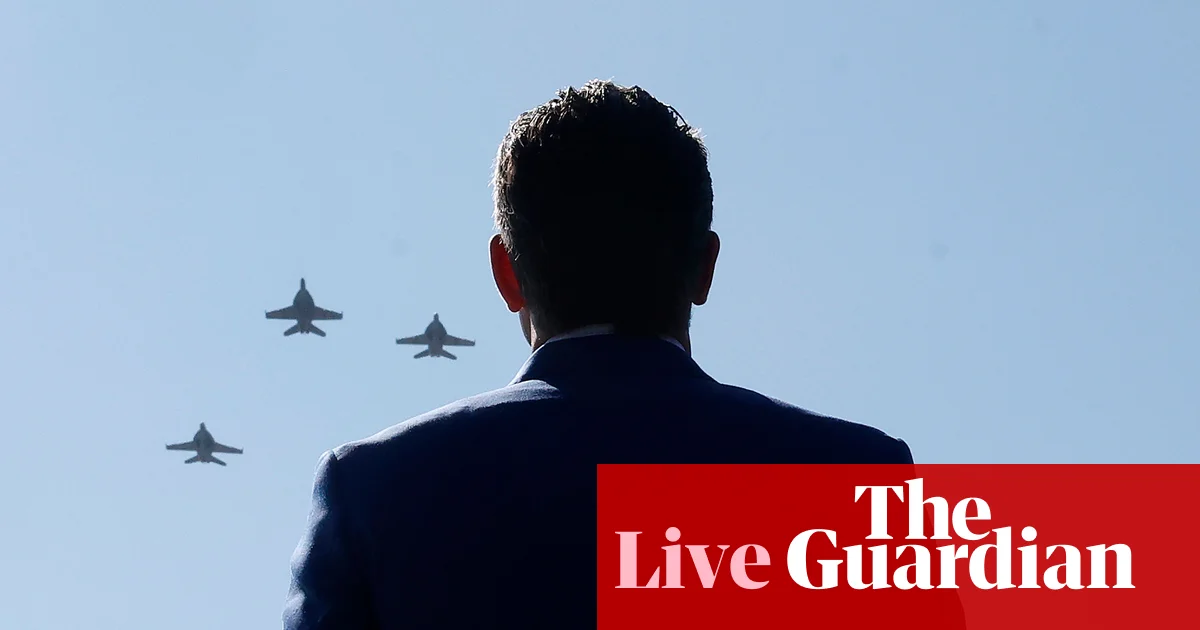
In a development that underscores the mounting tensions between **United States** and the broader international community, recent military actions in the Caribbean and Pacific have ignited a fierce debate about legality, sovereignty, and the very nature of modern warfare. According to reports, a **US Navy** commander ordered a second round of strikes on an alleged Venezuelan drug vessel on September 2, a move that has drawn sharp criticism with echoes of Cold War-style proxy conflicts. This strike, which aimed to eliminate what the **US** claims was a threat linked to drug trafficking, resulted in a series of complex repercussions both within **America** and in its relations with regional nations, especially **Venezuela**.

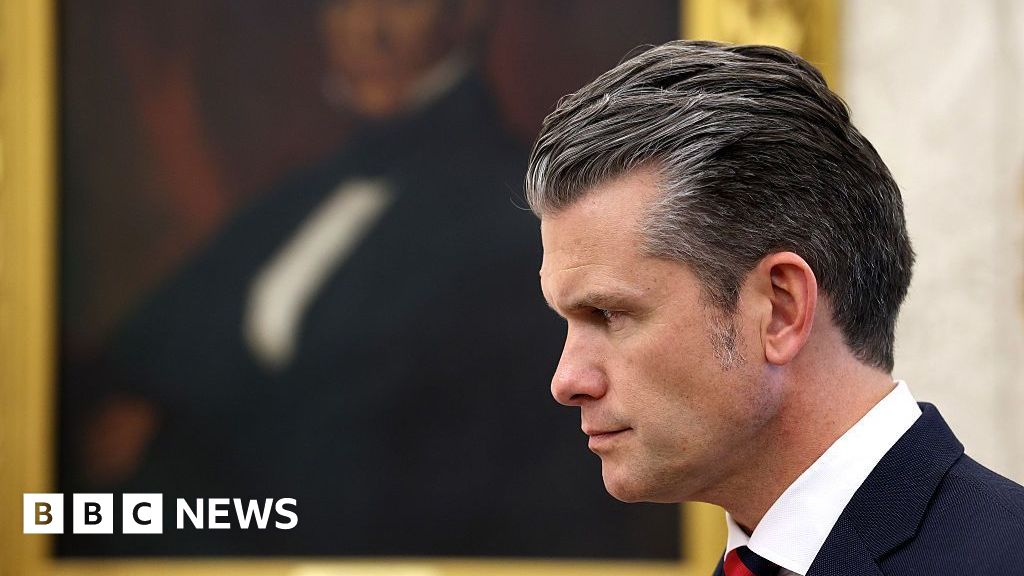
While **White House** officials distanced **Defense Secretary Pete Hegseth** from direct orders for the raid, press secretary Karoline Leavitt confirmed that Hegseth authorized the military engagement but denied allegations of a war crime—specifically, the report suggesting he ordered the killing of all individuals aboard the vessel. Critics, including numerous international legal experts and human rights advocates, have questioned the legality of these strikes by pointing out the absence of concrete evidence and the potential violation of international law. Historians warn that such unchecked military actions could set a dangerous precedent, undermining sovereignty and international norms that serve as the foundation of global stability.

The incident highlights a critical turning point in US military policy, as the Trump-era administration has continued its aggressive stance in counter-narcotics, employing unorthodox methods often justified by the perceived threat of drug trafficking organizations. US authorities assert that since September, at least 83 individuals have been killed in similar strikes targeting alleged trafficker vessels, primarily in the Caribbean Sea and eastern Pacific. However, these operations have faced mounting scrutiny, with international organizations such as the United Nations raising concerns over their legality and proportionality. Many geopolitical analysts argue that these actions risk unravelling the delicate balance of power, especially amid rising tensions with **Venezuela**, whose government fiercely denies any involvement in drug trade.

  • The Pentagon defends the strikes as lawful under the **law of armed conflict**, emphasizing that these operations are conducted in **international waters**, which theoretically exempts them from territorial sovereignty restrictions.
  • Both **Senate** and **House** armed services committees have launched probes into the operations amid accusations that the White House has yet to release detailed intelligence or evidence backing their claims.
  • Global reactions are mixed, with allies concerned over the escalation of unilateral military action without international consensus, while detractors contend these policies could spiral into wider conflict or war crimes accusations.

As **international organizations** and **regional nations** watch with mounting alarm, the **geopolitical impact** of these actions could be profound. A military approach rooted in aggressive strikes risks fragmenting alliances, sparking retaliation, and igniting new conflicts in an already volatile region. As scholars like Dr. Laura Simon warn, “If unchecked, this trajectory could lead to a scenario where sovereignty is eroded, and the US’s role as a global enforcer becomes increasingly questionable.” The weight of history hangs heavy as **America** navigates this precarious shadow of military intervention, where every decision echoes across borders, shaping the future of international law and security. With each new strike and probe, the narrative of power, legality, and morality continues to unfold—a story written in the blood and resilience of nations striving to define their place in an unpredictable world.

US approves second Venezuela boat attack, White House confirms

In a move that underscores the increasingly aggressive stance of the United States in the Caribbean and Latin America, a series of controversial naval strikes have reignited international debate over sovereignty, legality, and Global security. Last month, the White House confirmed that a top US Navy commander ordered a second missile strike against what it alleged to be a Venezuelan drug-trafficking vessel. The incident, part of a broader anti-narcotics initiative, has raised fundamental questions about the legality of extrajudicial military operations in international waters. While U.S. officials defend these actions as necessary for national security, legal experts and foreign nations warn of dangerous precedents and regional destabilization.

The geopolitical impact of Washington’s expansion in the Caribbean is profound. As the U.S. increases its military footprint, especially off the coast of Venezuela, it sends a clear message: American interests in the region are non-negotiable. The Biden administration, continuing the policies of the previous Trump government, emphasizes that these strikes are acts of self-defense designed to disrupt drug trafficking networks responsible for flooding the U.S. with illicit substances. However, critics, including seasoned international analysts, argue that the proliferation of such strikes—often accompanied by grainy media footage devoid of concrete evidence—threatens to undermine longstanding norms of law and order in maritime conduct. The deployment of military force in such circumstances, especially with reports suggesting some mustered survivors were killed after initial attempts to rescue them, complicates the interpretation of international humanitarian law.

In the ongoing political saga, Venezuela sharply condemns these actions, accusing the U.S. of stoking regional tensions and pursuing a covert agenda to overthrow its government. Venezuelan authorities have announced investigations into the strikes, asserting that the U.S. operations violate sovereignty and international law. In an interview with BBC Newsnight, Venezuela’s Attorney General, Tarek William Saab, attributed U.S. hostility to “great envy” for Venezuela’s natural resources and called for diplomatic dialogue to de-escalate tensions. Meanwhile, President Nicolás Maduro remains defiant, maintaining that Washington’s accusations about his government’s involvement in drug trafficking are baseless and politically motivated. Despite diplomatic overtures, including a recent brief phone call between Donald Trump and Maduro—where the U.S. leader reportedly pressured him to resign—the situation remains volatile, with no signs of immediate reconciliation.

Across the U.S. legislative landscape, bipartisan concern is mounting. The Senate Armed Services Committee has promised vigorous oversight, seeking evidence—including audio and video recordings—to clarify the chain of command and the legality of the operations. Chairman Roger Wicker states that the committee plans to interview the admiral in charge of the operation to determine if proper protocols were followed. The rules of engagement under international law, especially within a context defined as a non-international armed conflict, explicitly prohibit targeting wounded combatants or survivors, raising serious doubts about the legitimacy of the second strike, where reports suggest survivors were killed after initial attacks. Critics argue that these actions resemble the controversial “double tap” drone practices used during the Obama era—practices that drew widespread criticism for civilian casualties.

This unfolding crisis underscores a broader debate about America’s role as a regional enforcer and the limits of its military power. As expert voices and international institutions scrutinize these operations, the legacy of this period remains uncertain. Is the U.S. acting as a defender of law and order, or is it forging a dangerous precedent—one where maritime sovereignty is secondary to the pursuit of perceived national interests? With the weight of history bearing down on these decisions, the world watches anxiously, as the balance shifts at the crossroad of diplomacy and warfare, threatening to set a precedent that may echo through generations. The story remains unwritten, teetering on the knife’s edge of a new geopolitical era—one that could define the future of international relations for decades to come.

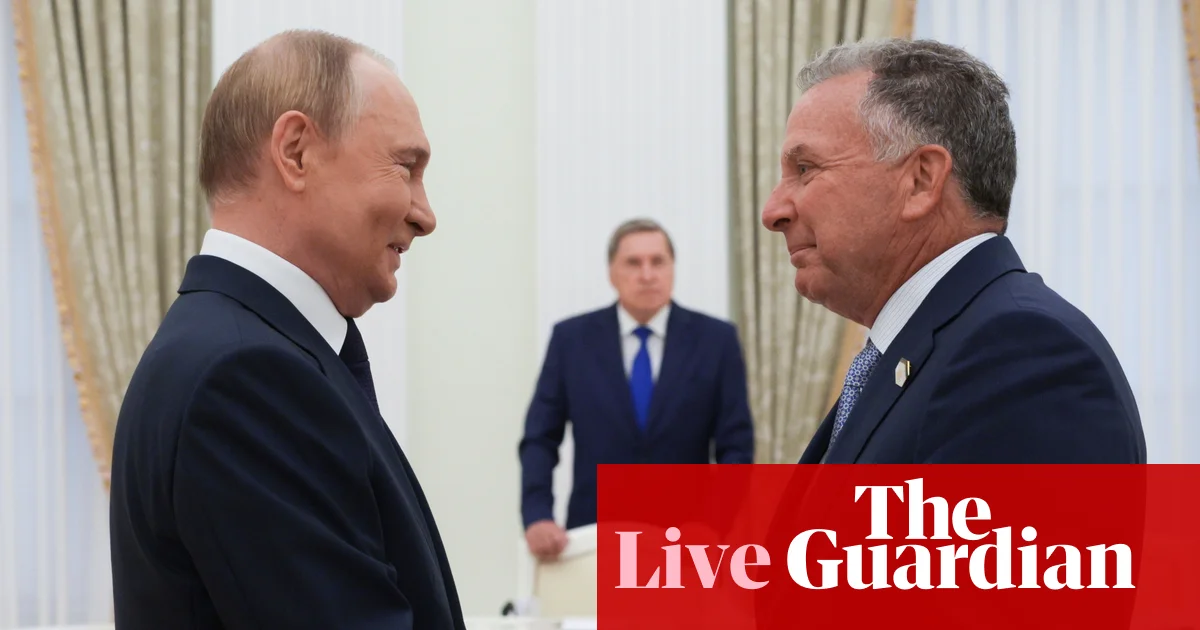
Ukraine War Update: Trump Ally Witkoff to Meet Putin in Moscow as US Pushes for Peace

Rising Tensions and Fragile Diplomacy: The Geopolitical Aftermath of the Ukraine Conflict

The ongoing conflict in Ukraine continues to shape the geopolitical landscape of Eastern Europe and beyond. As Vladimir Putin consolidates control over strategic territories such as Pokrovsk and Vovchansk—key towns believed to have fallen into Russian hands—international observers like NATO and the European Union watch with mounting concern. Despite the Kremlin refusing to confirm these reports, Moscow heralds these advances as successes, while Kyiv insists it remains in full territorial control. This ambiguity underscores the dangerous fluidity of the frontlines as Russia claims to have captured over 19% of Ukrainian territory—a stark increase since 2023—highlighting the persistent threat of a broader regional destabilization.

Amid these developments, Ukrainian President Volodymyr Zelenskyy remains resilient, asserting that Russia “must not be rewarded” for its invasion. His diplomatic efforts frenquently involve engaging with European leaders such as Emmanuel Macron and Friedrich Merz, seeking tangible security guarantees and reaffirmation of sovereignty. However, skepticism shadows these talks. Critics from the EU warn that the recent Putin-Witkoff negotiations risk pressuring Ukraine into concessions that could compromise its sovereignty or territorial integrity, casting a shadow over the fragile prospects for peace.

In this tense climate, Steve Witkoff, an envoy linked to Donald Trump‘s inner circle, plays a pivotal role. His recent meetings with Vladimir Putin in Moscow have reignited debates about the nature of American diplomacy. Analysts like Julian Borger note Witkoff’s controversial approach—advising Kremlin officials that land swaps and territorial concessions might be necessary. This approach has sparked fierce criticism, especially regarding the controversial 28-point peace proposal that seems to favor Moscow’s maximalist demands. The profound influence of such diplomatic maneuvering underscores how outside actors, including the United States, continue to shape the conflict, often blurring the lines between peace efforts and power plays.

The geopolitical implications of these negotiations are profound. As historians and international organizations warn, the consequences extend far beyond Ukraine’s borders. An escalation or miscalculation could ignite a broader conflict, dragging NATO allies into a wider confrontation. Meanwhile, Russia’s military advances have accelerated since 2022, with the fastest territorial gains recorded in recent months. The strategic importance of Pokrovsk as the gateway to Donetsk places immense pressure on Ukrainian forces, which refuse to acknowledge Russian territorial gains and remain committed to defending their sovereignty.

Apart from military conflicts, internal crises burden Kyiv’s efforts. Recent scandals involving corruption within Zelenskyy’s government threaten to undermine diplomatic and military strategies just as negotiations intensify. The recent missile attack by Russia in Dnipro, killing several civilians, reminds the world that the war’s human toll remains devastating. As the crisis unfolds, the balance of power, diplomacy, and internal resilience will determine whether Ukraine will triumph, concede, or endure a protracted stalemate— a chapter of history yet unwritten, teetering on the edge of transformation.

As history watches, the choices made in Moscow, Kyiv, and Western capitals hold the potential to redefine sovereignty and influence for generations. Will diplomacy prevail amid the chaos, or will the specter of escalation forever alter the course of modern geopolitics? One thing remains certain—this is a pivotal moment in the 21st century’s global struggle, with each decision echoing across a battlefield where the true winners and losers are yet to be determined. The unfolding chapter of this conflict reminds us all: the weight of history continues to hang in the balance.

Victoria Police's illegal weapon searches could impact hundreds of young people
Victoria Police’s illegal weapon searches could impact hundreds of young people

Victoria Police Faces Controversy Over Unauthorized Weapon Searches

In a recent revelation that has sent shockwaves through Australia, the Victoria police force acknowledged a series of legal breaches involving its extensive weapon search operations. Over the past eight years, police conducted 23 separate searches under newly expanded powers, with some instances, according to internal audits, lacking proper legal authorization. This comes amidst growing international concern over law enforcement overreach and its implications for civil liberties in democratic societies.

The breaches primarily involve the misclassification of designated areas where searches occurred, failing to follow the strict legal requirements such as proper public notice published in the government gazette. Most of these operations targeted protests and public demonstrations, notably around Melbourne’s CBD. Sixteen of these searches were uncovered through internal audits between March 2017 and March 2025, triggering the police’s obligation to report non-compliance to the state’s anti-corruption watchdog. As analysts point out, these violations highlight the risks of legal loopholes being exploited under the guise of security, undermining public trust and accountability.

International and Domestic Reactions to Police Overreach

Global institutions and human rights advocates have expressed alarm over the implications of this incident. The United Nations Human Rights Office has repeatedly warned that broad police powers, particularly warrantless searches, must be balanced against civil liberties to prevent abuses. Historian and legal analyst Dr. James Thompson has remarked that the breach underscores the danger of “emergency powers becoming normalized, with oversight lagging behind rapid legislative changes.”

Within Australia, critics—led by organizations like the Centre Against Racial Profiling—argue that expanded powers disproportionately affect communities of color, fueling fears of racial profiling and systemic discrimination. Ilo Diaz, spokesperson for the group, argued that “these violations reveal an alarming lack of safeguards, and without rigorous oversight, communities of minority background will bear the brunt of unchecked police authority.” These criticisms come amidst broader debates about law enforcement accountability and the need for stronger legal protections against abuse.

The Broader Geopolitical and Societal Impact

This controversy in Victoria exemplifies a larger, international trend where governments are enacting or expanding powers for security agencies under the pretext of maintaining order. U.S. and European activists have raised similar concerns about warrantless searches and surveillance, emphasizing the potential erosion of civil liberties in the face of national security concerns that often serve as pretexts for broader authoritarian tendencies. The International Criminal Court and other multilateral bodies often cite such incidents as warning signs of democratic backsliding.

For Australia, a country increasingly aligned with Western security policies, this incident underscores the importance of international standards that safeguard personal freedoms even amidst crackdowns on violence and terrorism. Police reforms aimed at preventing future breaches are underway, but critics warn that without substantial oversight, these measures risk becoming mere formalities, allowing law enforcement to operate without accountability. As history warns us, the unchecked expansion of police powers often presages long-term societal divisions and instability, leaving future generations to grapple with a legacy of state overreach.

Standing at a Crossroads of Authority and Liberty

The unfolding events in Victoria serve as a stark chapter in an ongoing global narrative—the delicate balance between national security and civil liberties. As Victoria Police moves to rectify its legal breaches and reinforce its procedures, the broader question remains: how far should governments go in the name of safety? And at what point does the pursuit of order threaten the foundations of free society?

For now, the weight of history hangs heavy. The story of these unauthorized searches is not merely a local scandal but a reflection of a world where the lines between security, liberty, and authoritarianism are constantly redrawn. As societies watch with bated breath, the choices made today will define the future—whether as guardians of freedom or shadows of tyranny in the unfolding annals of history.

El Chapo’s Son Admits Guilt in US Drug Trafficking Case

The recent developments in the ongoing battle against organized crime and international drug trafficking underscore a pivotal moment in the global effort to curb a deadly epidemic. The guilty plea of Joaquín Guzmán López, one of the sons of notorious Mexican drug lord Joaquín “El Chapo” Guzmán, signifies more than a personal legal victory; it signals a shift in the power dynamics within the transnational drug trade. As a member of Los Chapitos, the elite faction of Guzmán’s cartel leadership, López’s cooperation with US authorities highlights the increasing pressure on the Mexican and American criminal landscapes. The arrest and subsequent plea reflect a broader strategy that aims to dismantle the structural pillars of an organization responsible for a significant portion of the substances plaguing North America.

According to US prosecutors, the Guzmán family’s cartel, particularly after the arrest of El Chapo, has evolved into a formidable force commanding the production and trafficking of a vast array of illicit drugs, including cocaine, heroin, methamphetamine, marijuana, and fentanyl. Their rise to power, especially through criminal consolidation subsequent to their father’s incarceration, illustrates an entrenched network resistant to traditional law enforcement.
In a striking move, authorities arrested López alongside cartel boss Ismael “El Mayo” Zambada. The operation—engineered through deception by leading López to believe he was assisting in property scouting—demonstrates the clandestine tactics employed by these organizations. As part of his plea deal, López admitted to overseeing multi-faceted operations designed to flood the US market with death-bringing substances, with fentanyl—over 50 times more potent than heroin—being a prime focus. The proliferation of fentanyl has become a national crisis, accounting for the majority of overdose deaths among Americans aged 18 to 45, highlighting the dire consequences of these criminal enterprises for society’s most vulnerable.

The criminal activity of Latin American drug cartels has profound geopolitical impact, influencing both regional stability and international policy. The Trump administration’s recent move to designate these cartels as terrorist organizations has stirred controversy, provoking debates about legality and moral authority. Such designations aim to justify aggressive military operations, including missile strikes at sea, claimed to be necessary to halt the flow of drugs into the US. Critics, including many international law scholars and human rights groups, contend that these actions risk violating international treaties and resorting to extra-judicial killings—posing a dangerous precedent for sovereignty and justice. The debate centers on whether these measures are effective or merely escalate violence, potentially destabilizing the fragile security balance in Latin America.

Meanwhile, on the other side of the border, Mexico’s authorities continue to counter decades of drug war violence, recently eliminating Pedro “Pichon” Inzunza Coronel, a prominent fentanyl trafficker involved in heinous crimes, including murders, kidnappings, and violent debt collection. US Ambassador Ronald Johnson lauded these efforts, emphasizing the importance of international cooperation in fighting transnational crime. These actions demonstrate a global acknowledgment of the crucial need for joint strategies to combat these deeply rooted criminal networks. As these powerful figures fall, the question remains: can justice truly dismantle the sprawling, adaptable infrastructure of drug cartels, or are we simply witnessing the beginning of a new, more desperate chapter in this ongoing war?

History’s judgment may soon be written in the unfolding of these events, as nations grapple with the consequences of their choices. The fight against drug trafficking is not merely about law enforcement but about confronting the societal decay that underpins these criminal empires. As the struggle intensifies, one thing is clear: the decisions made today will carve the geopolitical landscape of the future, shaping a narrative of resilience, resistance, and relentless pursuit of justice—a narrative that history will scrutinize for generations to come.

Trump releases convicted fraudster just days into prison term

Geopolitical Shifts and the Impact of Presidential Clemency in the United States

In a move that continues to ripple across national and international spheres, U.S. President Donald Trump has once again demonstrated his willingness to influence the judicial process through commuting the sentences of high-profile white-collar offenders. Less than two weeks after reporting to prison, David Gentile, the founder and former CEO of GPB Capital, was released following a presidential decision, drawing sharp critiques from legal and political analysts alike. Gentile’s conviction stemmed from a multi-year scheme to defraud over 10,000 investors, falsely inflating private equity fund performance and siphoning billions from unsuspecting stakeholders.

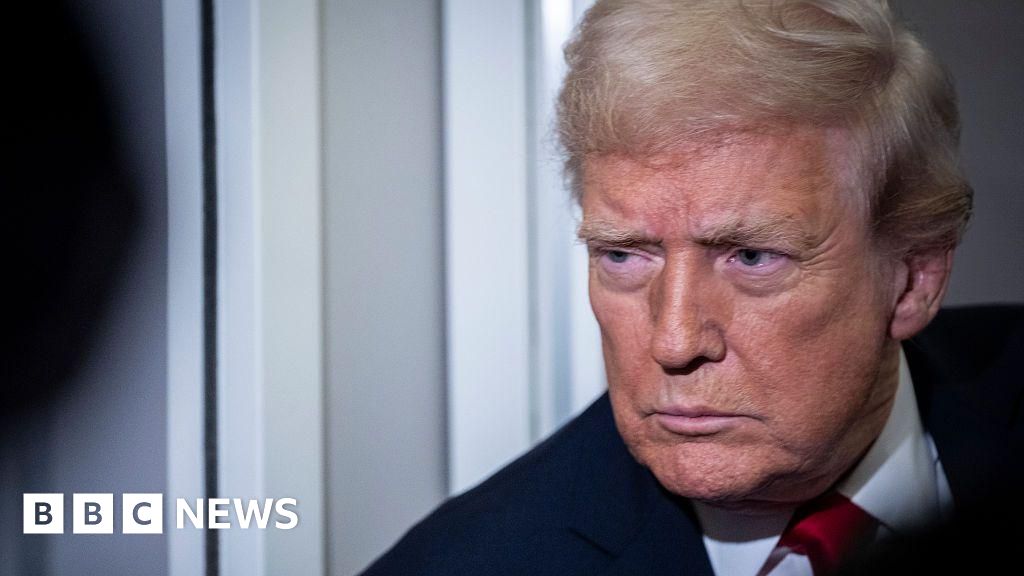
This incident underscores a broader pattern within Trump’s recent clemency actions, which have seen several individuals convicted of various financial crimes—including wire, securities, and healthcare fraud—receiving clemency or commutation. The White House defends these decisions, asserting that their predecessors, particularly under President Joe Biden, mishandled justice or failed to recognize the full context of these cases. A White House official emphasized that, although information about investor risks was disclosed, the Department of Justice during Biden’s administration labeled GPB Capital’s operations as a “Ponzi scheme,” a claim they contest as misrepresenting the facts.

Experts like international law scholars and geopolitical analysts warn that such executive clemency decisions have wider geopolitical impact, especially as they influence perceptions of American legal consistency and the rule of law. Critics argue that these acts potentially undermine the credibility of the United States’ justice system and embolden political actors and wealthy elites who believe they can leverage connections to escape accountability. While defenders contend that pardons may serve broader political or strategic purposes, the long-term signals sent globally are clear: justice is subject to political discretion, which could diminish the United States’ moral authority on issues of rule of law and fairness.

The case of Gentile comes amid a tense geopolitical environment where international institutions, such as the International Monetary Fund and the World Bank, scrutinize U.S. policies for their influence on global financial markets. Meanwhile, history warns that shifts in American legal norms can have cascading effects across alliances, trade agreements, and global security strategies. As nations observe whether the United States remains a bastion of consistent law or increasingly a playground for political favoritism, the world’s perception of American leadership is likewise at a crossroads. With each presidential decision, the narrative of American justice and power continues to be written—and the world watches, eager to see whether this era signifies stability or further disarray in the geopolitical order.

Apple’s AI setback: Top exec departs as rivals surge ahead

Apple’s Leadership Shake-up Signals New Chapter in AI Strategy Amid Global Tech Competition

In a move that underscores the intensifying global race for dominance in artificial intelligence (AI), Apple announced the departure of its head of AI, John Giannandrea. After a seven-year tenure marked by incremental advances, Giannandrea’s exit coincides with a broader challenge facing the Silicon Valley giant: its lag behind competitors like Google and Microsoft in delivering cutting-edge generative AI features. Although Apple debuted its AI product suite, Apple Intelligence, in June 2024, industry analysts note that the company’s AI development remains significantly behind industry leaders, raising questions about its future strategic direction amid a fiercely competitive ecosystem.

Despite its long-standing reputation for innovative hardware and user-centric design, Apple appears to be playing catch-up on AI, a sector now considered pivotal for technological supremacy. The company has implemented some AI-powered features, such as real-time language translation in AirPods and a fitness app with AI-driven voice chats, yet these innovations are largely incremental rather than transformative. Notably, efforts to revamp Siri with a more personalized and robust AI interface have been repeatedly delayed, a sign that the company’s **AI ambitions** are still in development, and its previous promises have yet to materialize. During its recent developer conference, Craig Federighi, Apple’s software engineering vice president, said that “the work [on Siri] needed more time to reach our high-quality bar,” hinting at internal struggles to match the AI capabilities of rivals like Google Assistant and Amazon Alexa.

The appointment of Amar Subramanya, a veteran AI researcher with extensive experience at Microsoft and Google, signals Apple’s recognition of the need to accelerate its AI strategy. Subramanya’s background as the former head of engineering for Google’s Gemini AI Assistant and Vice President of AI at Microsoft positions him as a key figure in Apple’s quest for AI leadership. Analysts, including those from the International Institute of Technology Policy, suggest that this leadership shift represents a deliberate effort by Apple to tighten its focus on building competitive AI systems capable of competing on the global stage.

Global Geopolitical Impact: AI as the Next Warfront

In the broader context, this AI race is now viewed as the next vital battleground for global influence. China, the United States, and the European Union are investing billions into AI research, recognizing its potential to shape economies, security, and military dominance. Decisions made by corporations such as Apple inevitably ripple out, influencing national policies and international power dynamics. The United States, long considered the leader in tech innovation—with institutions like the National Institute of Standards and Technology (NIST) and private companies fiercely competing—has seen a shift in momentum with China’s rapid advancements in AI capabilities. Some analysts warn that the current delays and internal struggles at Apple reflect a broader systemic challenge: legacy tech giants are feeling pressure to innovate or fall behind in this geopolitical contest.

Furthermore, the U.S. government and European Union are increasingly calling for regulation and safeguards around AI, emphasizing the importance of maintaining technological sovereignty and ethical standards. Historically, nations that lead AI development gain unrivaled leverage in international diplomacy, military strategy, and global markets. As Apple rethinks its AI roadmap, it acts as a microcosm of the larger battle shaping the future of global influence—where decisions made today could determine the rise or fall of world powers in the coming decades.

What Lies Ahead: The Weight of History in the Making

With Apple’s strategic shift and leadership change, the unfolding narrative reflects more than corporate ambitions—it symbolizes a larger epochal shift. The coming years will reveal whether Apple can surmount internal challenges to reassert itself as a leader in AI, or if it will become a secondary player in a high-stakes global rivalry. The decisions made now by industry giants and governments will echo through history, shaping economies, societies, and international power structures for generations to come. As the drama of technological evolution unfolds on the world stage, one truth remains clear: the very definition of influence in the 21st century is being written in code, and the outcome will determine who sets the rules of the game for the world’s future.”

Teen Girl Dies in Minibus Crash Sparks Outrage in North Yorkshire

The recent fatal accident in North Yorkshire that claimed the life of a teenage girl has sent ripples through local communities and raised urgent questions about road safety, societal responsibility, and the impact of personal tragedies on national discourse. The collision involving a minibus carrying teenagers near Tadcaster underscores ongoing concerns over transportation safety, especially in regions where young lives are vulnerable. As details emerge, authorities have detained the driver of the Hyundai i10, a 40-year-old woman, marking yet another tragic chapter where individual decisions intersect with broader social issues.

Beyond the immediate tragedy, international analysts and public safety experts interpret this incident as a microcosm of larger systemic failures. Some argue that insufficient infrastructure investment or lax enforcement of traffic laws may contribute to such outcomes, highlighting a global pattern where youthful populations face heightened risks due to inadequate safeguards. The international community’s emphasis on developing safer transport networks, especially in regions with rising young populations in urban and rural areas, reflects a growing awareness that road safety is a critical component of national security and societal stability. Official statements from police serve as a stark reminder: every decision on the road has profound consequences, especially when lives are at stake.

  • School authorities have announced the immediate closure of Tadcaster Grammar School, citing safety concerns, a move that reflects broader societal anxieties about youth safety in a turbulent era.
  • The police appeal for witnesses and dashcam footage demonstrates the reliance on technology and community cooperation to piece together what happened, illustrating the modern challenges of law enforcement in the information age.
  • The incident comes amidst ongoing debates over public investment in transportation infrastructure and youth engagement programs aimed at preventing such tragedies, with some critics arguing that neglect in these areas directly exacerbates vulnerable situations.

At a geopolitical level, tragedies like these resonate with a disturbing awareness of how societal stability is intertwined with safe environments for young generations. Historians and global security analysts warn that repeatedly neglecting these issues can foster instability, as disillusionment and loss of faith in institutions may undermine societal cohesion. As nations navigate the challenges of economic development, social justice, and technological change, such setbacks serve as stark reminders that long-term prosperity requires a commitment to safeguarding the most vulnerable among us.

As the investigation continues and the community mourns, the shadows of this event stretch far beyond the borders of North Yorkshire. It underscores that humanity’s progress can be fragile, teetering on the decisions made in moments of crisis—decisions that carry the weight of history yet to be written. The question remains: will these tragedies serve as catalysts for meaningful change, or will they be forgotten until the next devastating event? The future remains uncertain, but one thing is clear: the fabric of society is only as strong as its commitment to protecting its children, and in the unfolding story of our age, each chapter reveals the enduring consequences of neglect and oversight.

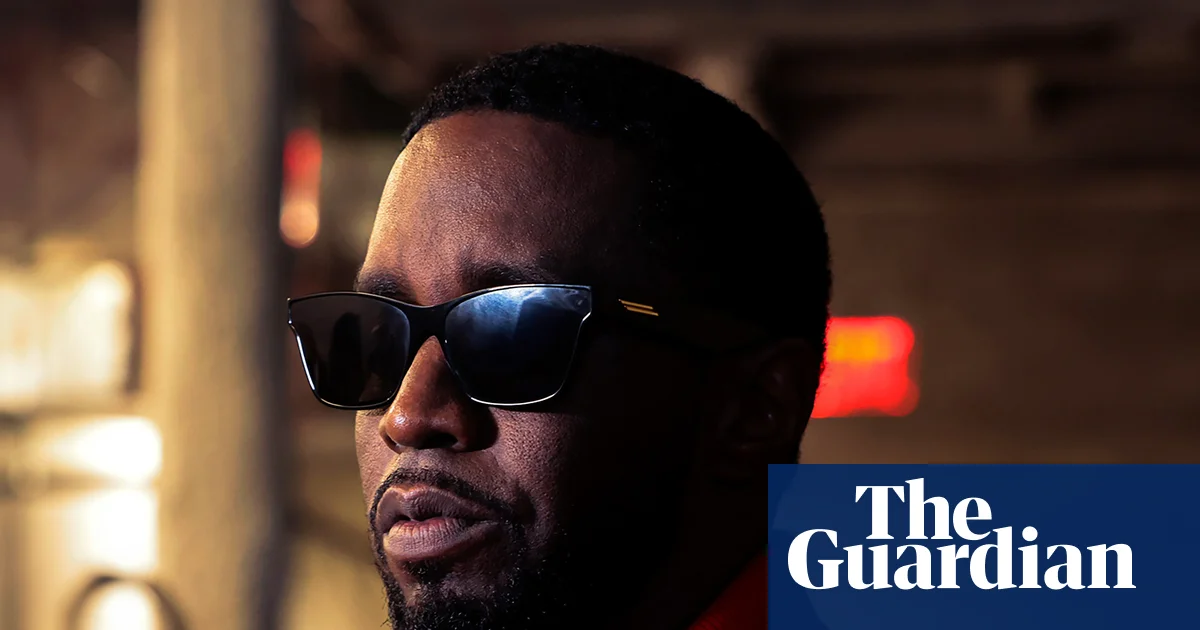
Diddy Slams 50 Cent’s Netflix Series as 'Shameful Hit Piece'
Diddy Slams 50 Cent’s Netflix Series as ‘Shameful Hit Piece’

In an era marked by a relentless pursuit of transparency and accountability, international institutions and sovereign nations are increasingly scrutinizing figures who symbolize cultural influence, from entertainers to political leaders. Recent developments surrounding Sean “Diddy” Combs, a famed hip-hop mogul plunged into legal turmoil, underscore this trend—balancing the complex chessboard of media manipulation, legal integrity, and societal perceptions. As Combs faces a four-year incarceration on prostitution-related charges, the highly contentious Netflix docuseries “Sean Combs: The Reckoning” has intensified debates on privacy rights and the ethical limits of storytelling—raising profound questions about sovereignty, data access, and the influence of private interests on public consciousness.

  • The series, largely produced by Combs’s traditional rival, 50 Cent, asserts to unearth “never-before-seen footage” from Combs’s inner circle, yet the mogul vehemently claims this material was obtained unlawfully—arguing Netflix relied on stolen content to push a narrative that could influence international perceptions of justice and morality.
  • Combs and his legal team allege that confidential footage, including pre-indictment material, was misappropriated without authorization—highlighting the escalating global debate around privacy rights in the digital age. Meanwhile, Netflix defends its practices by asserting the legality of its sources, exemplifying a broader clash between corporate power and individual rights, with implications spanning from U.S. law to global liberal norms about data and privacy protection.

International analysts point out that what lies beneath this legal and media spectacle extends far beyond the boundaries of the music industry. Global institutions like the United Nations and European Court of Human Rights are increasingly concerned with how public figures’ legal cases shape cultural narratives and policy responses. As historian Dr. Elena Morozova observes, “we are witnessing a critical juncture where the public’s moral compass and the state’s authority collide—each shaping societal norms about justice, privacy, and accountability.” Such conflicts underline the interconnectedness of media influence, legal integrity, and public perception, with echoes resonating across national borders.

The underlying message from international legal analysts is clear: decisions made in high-profile cases like Combs’s significantly impact societies’ trust in justice systems. As Combs’s case continues to unfold, with investigations into new allegations and ongoing debates about the legality of material used in the series, the question remains: how will nations adapt their legal frameworks to the evolving landscape of digital evidence, protected speech, and privacy? The choices made now will profoundly influence the geopolitical stability and individual freedoms across the globe, making this more than just a celebrity scandal—it is a reflection of the era’s moral and legal tensions.

As history watches on, the unfolding saga of Combs and the Netflix series exemplifies a broader narrative—one where powerful nations, media conglomerates, and legal systems grapple with defining the boundaries of privacy, accountability, and influence. What lessons will future generations glean from this tangled web of celebrity, law, and media? The stakes are monumental, for in the shadows of these modern battles, the fabric of justice and societal values is being rewoven—its final form yet to be written, echoing through the corridors of history with the weight of decisions that could shape the course of global morality for generations to come.

Social Media Auto Publish Powered By : XYZScripts.com