Geopolitical Tensions Surge as US-Russia Peace Draft Emerges
In a move that has sent shockwaves through the international arena, a *leaked draft* of a US-Russia peace plan proposes extraordinary concessions that could fundamentally reshape the geopolitical landscape surrounding *Ukraine*. The document, reportedly circulated among key US officials and Russian representatives, hints at Russia’s aspirations to solidify control over parts of Ukraine’s eastern *Donbas* region, while simultaneously calling for Ukraine to cede territory and scale down its military capabilities. Such proposals are viewed by experts as a blatant encroachment on Ukrainian sovereignty, with serious consequences for the stability of Europe and the integrity of international law.
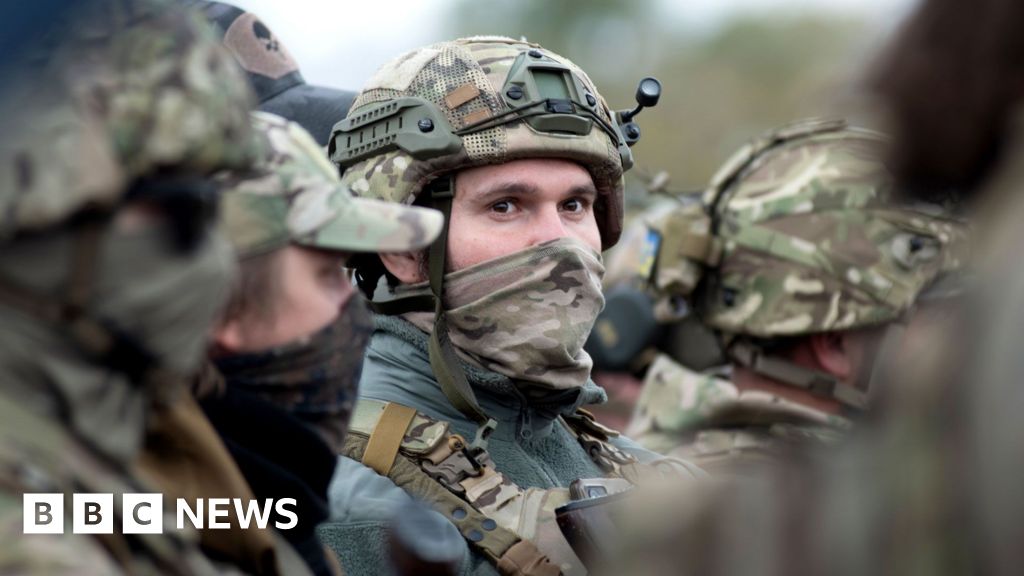
At the core of the draft are indications of a *possible* territorial handover—*Ukraine* would be compelled to withdraw from certain regions, including parts of *Donetsk*, whichaly are currently under Ukrainian control. These areas are to be recognized as *de facto* Russian territory, a move that would effectively undermine Kyiv’s constitutional claims of indivisible borders. Additionally, the plan suggests limiting Ukraine’s armed forces to 600,000 personnel—far below its current strength—thus infringing upon Kyiv’s sovereign right to self-defense. Meanwhile, Russia’s return to the *G8* and its reintegration into the *global economy* signal an attempt to lift Russia from its diplomatic and economic isolation, a move opposed by many Western analysts who emphasize the unlikelihood of such reintegration while Vladimir Putin remains under international arrest warrants and sanctions remain firmly in place.
This draft has sparked fierce debate among European and American policymakers. Critics argue it represents a *Putin wishlist*, designed less for peace and more to entrench Russia’s strategic gains. The document’s vague guarantees—such as security assurances lacking details—do little to reassure Ukraine or its allies, who demand clear commitments akin to NATO’s Article 5 security guarantee. Ukrainian officials and international observers emphasize that the plan’s focus on territorial concessions and military limitations severely compromises Ukrainian sovereignty, potentially setting a dangerous precedent for other nations facing similar threats. Prominent historians like *John Mearsheimer* and analysts from organizations such as the *Atlantic Council* warn that any deal that rewards territorial gains without addressing underlying security concerns risks sowing the seeds for future conflicts.
Moreover, the plan’s omission of restrictions on Ukraine’s long-range *missile programs*—notably its Flamingo and Neptune systems—raises fears of future escalation. The proposals for Ukraine not to join *NATO*, combined with the promise of short-term *EU* market access, appear to be designed to sideline Ukraine’s aspirations for collective defense—an open contradiction to Kyiv’s constitutional red lines. While Russia seeks the lifting of *sanctions* and the normalization of its international standing, the plan’s emphasis on staged *de-escalation* and potential *amnesty* for all parties raises suspicions about Moscow’s true intentions, with critics arguing that it’s a prelude to further concessions that could erode Western influence and deter future interventions.
As the world watches with bated breath, the question lingers: is this a genuine effort at peace or merely a *strategic ploy*? With many European nations and *NATO* allies remaining silent—awaiting official confirmation—the diplomatic process hangs on a knife’s edge. The draft’s *Vague promises* and *ambiguous guarantees* are unlikely to satisfy Ukraine’s demand for sovereignty and security, while Russia’s willingness to offer a *full amnesty* and lift sanctions under such conditions suggests a game that could redefine the balance of power for generations. As history continues to unfold, the unfolding debate echoes a harsh truth: in the shadow of this fragile accord, the true battle for *Ukraine’s future*—and the world’s—has only just begun, leaving us to ponder whether peace or a broader conflict looms on the horizon.